Top 20 Natural Monuments around Nevele
Natural monuments around Nevele offer diverse natural areas recognized for their ecological significance. The region, formerly the municipality of Nevele and now part of Deinze, features picturesque valleys, riverine landscapes, and protected nature reserves. These sites provide opportunities to explore well-preserved ecosystems, managed largely by Natuurpunt, a leading nature conservation organization. Visitors can find tranquil environments for outdoor activities and observe unique flora and fauna.
Best natural monuments around Nevele
- The most popular natural monuments is Keuzemeersen, an other…
Last updated: May 17, 2026
Schouwbroek Castle
Highlight • Castle
Translated by Google •
Tip by

Keuzemeersen
Highlight • Natural
Translated by Google •
Tip by

Sign up now to discover places like this
Get recommendations on the best single tracks, peaks, & plenty of other exciting outdoor places.
Sign up for free
Rosarium and Statue in Citadelpark Ghent
Highlight • Monument
Translated by Google •
Tip by

Green Valley Park
Highlight • Forest
Translated by Google •
Tip by
Maaltebruggepark
Highlight • Forest
Translated by Google •
Tip by
Sign up for free to discover even more natural monuments around Nevele.
Sign up for free
Already have an account?
Start today with a free account
Your next adventure awaits.
Login or Signup

Tips from the Community

Next to the park is a prison. Behind the park is the former Palace of Justice.
0
0

The Citadel Park was laid out in 1875, designed by H. Van Hulle, on the site of the citadel, which was built between 1819 and 1831. The landscaped park features numerous deciduous trees, lawns and flowerbeds, wide avenues, ponds, artificial grottoes, waterfalls, rose gardens, and a pergola. Some of the park's buildings include the Museum of Fine Arts, the Feest- en Floraliapaleis (Festival and Floralia Palace), the citadel's entrance gate, the open-air theater, and the animal shelter.
4
0

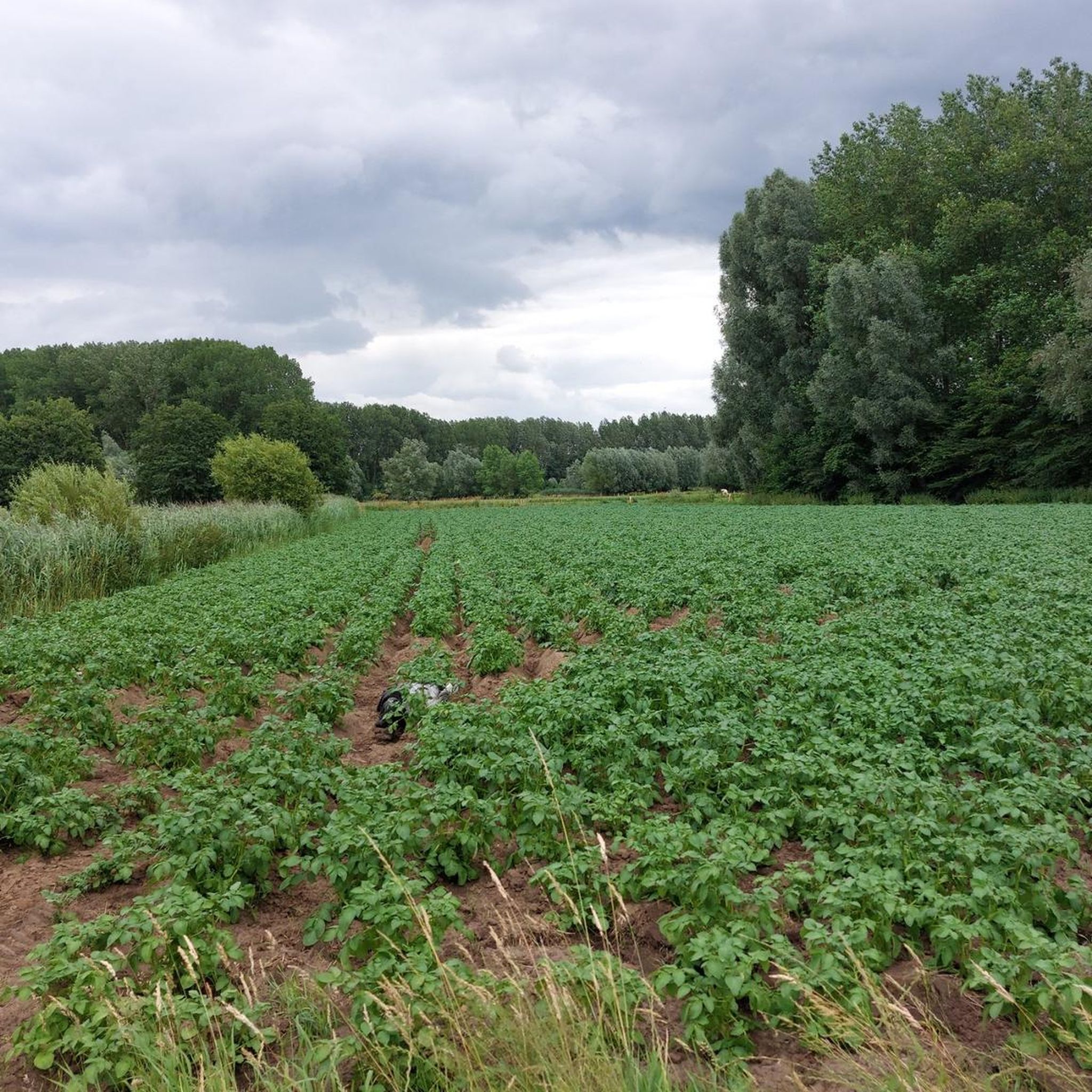
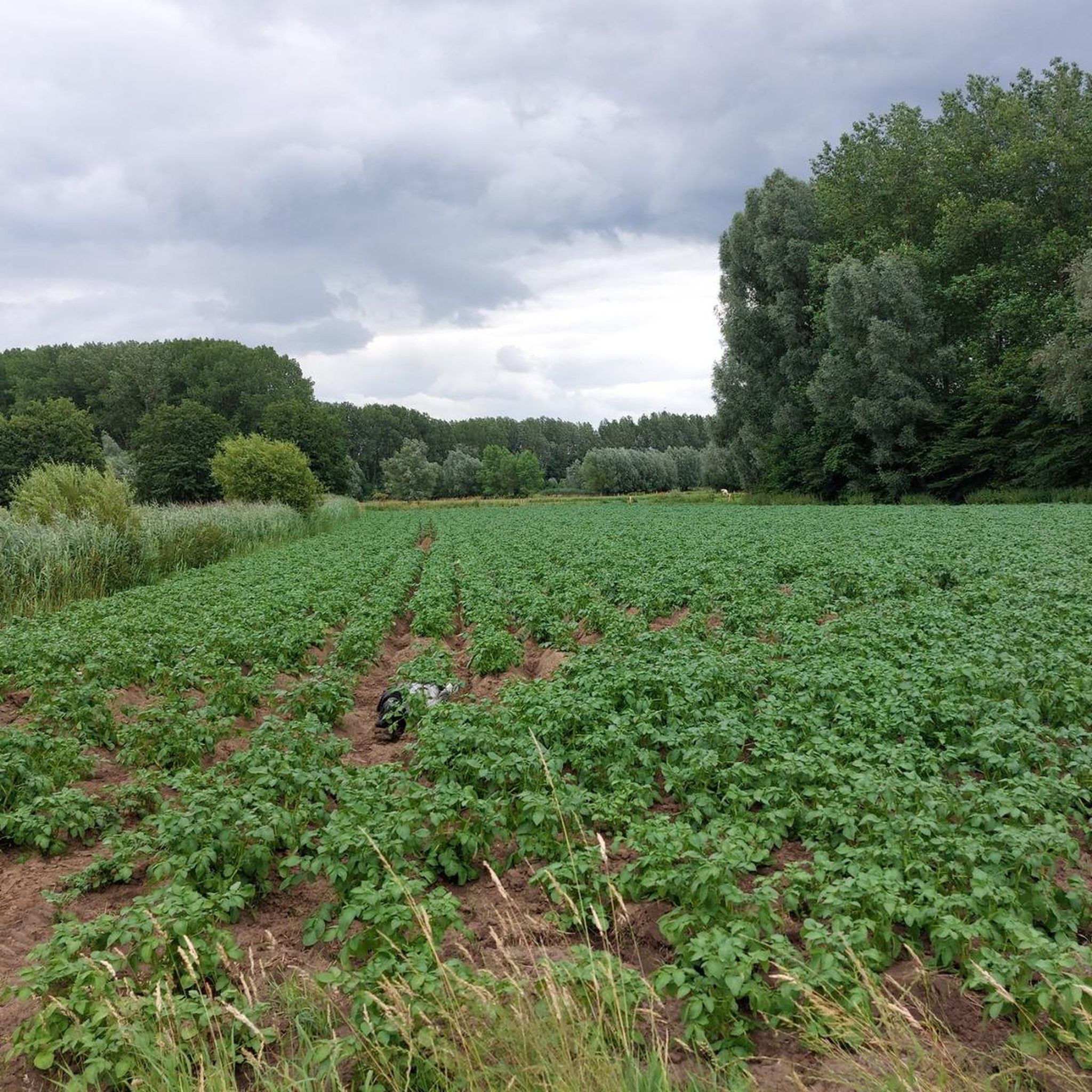
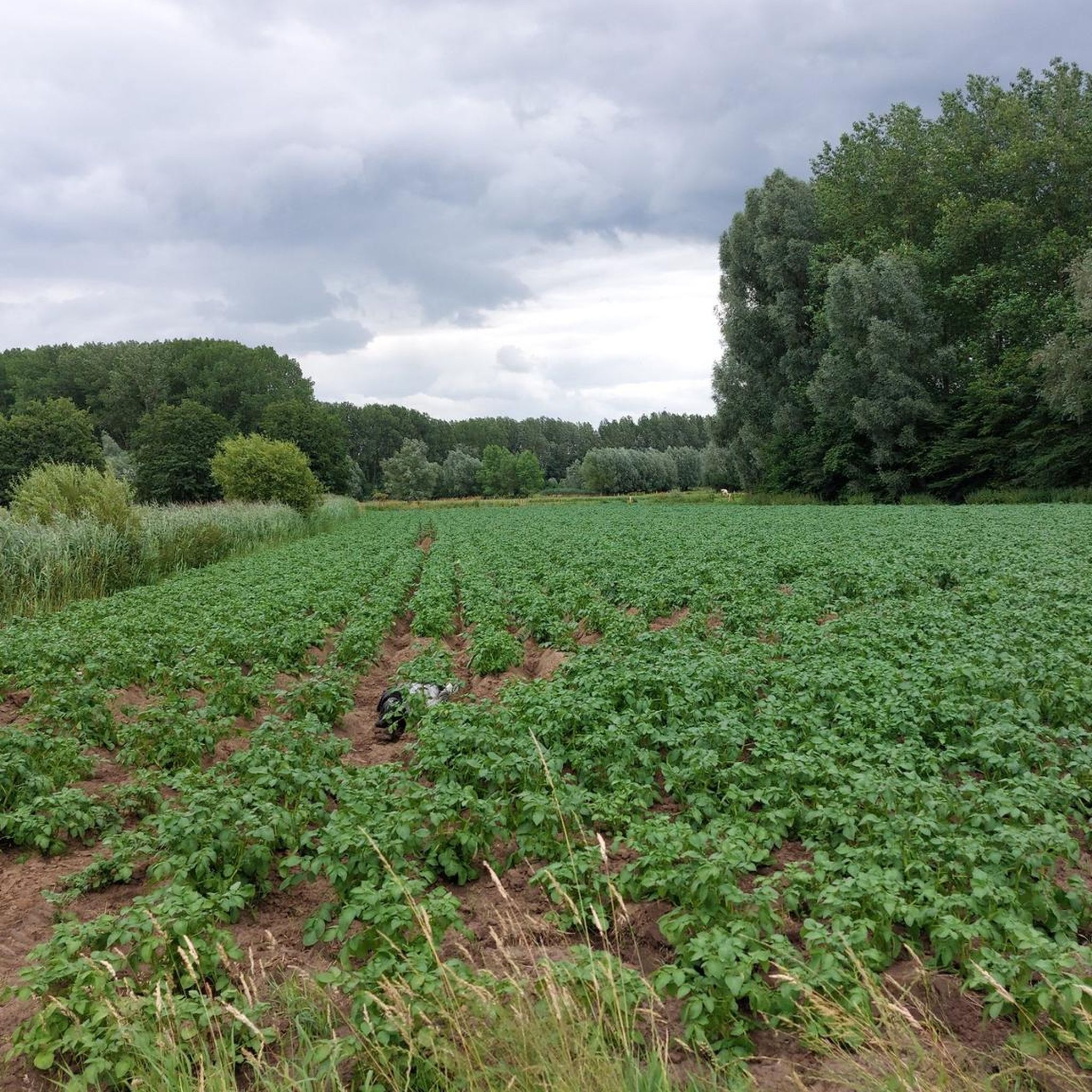
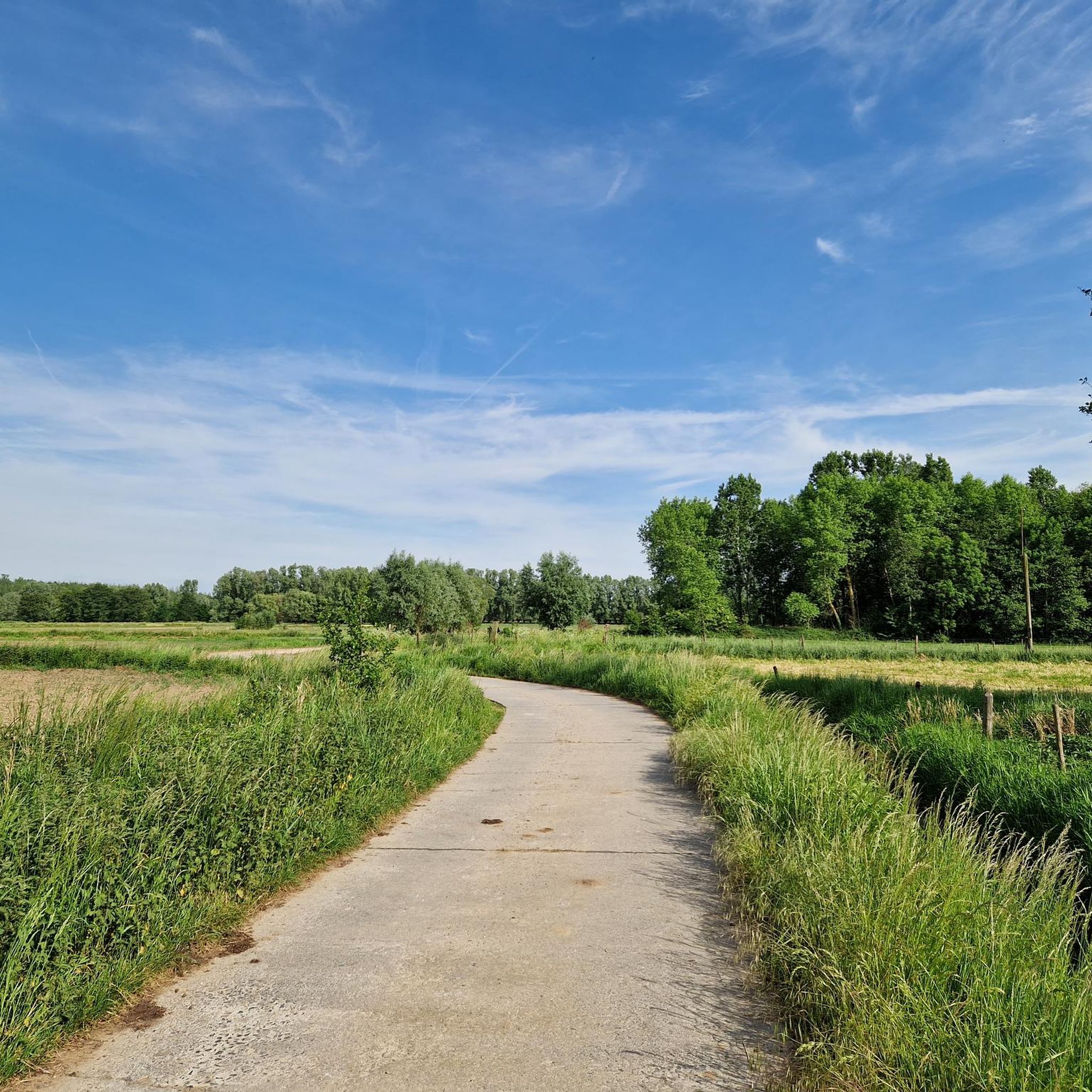
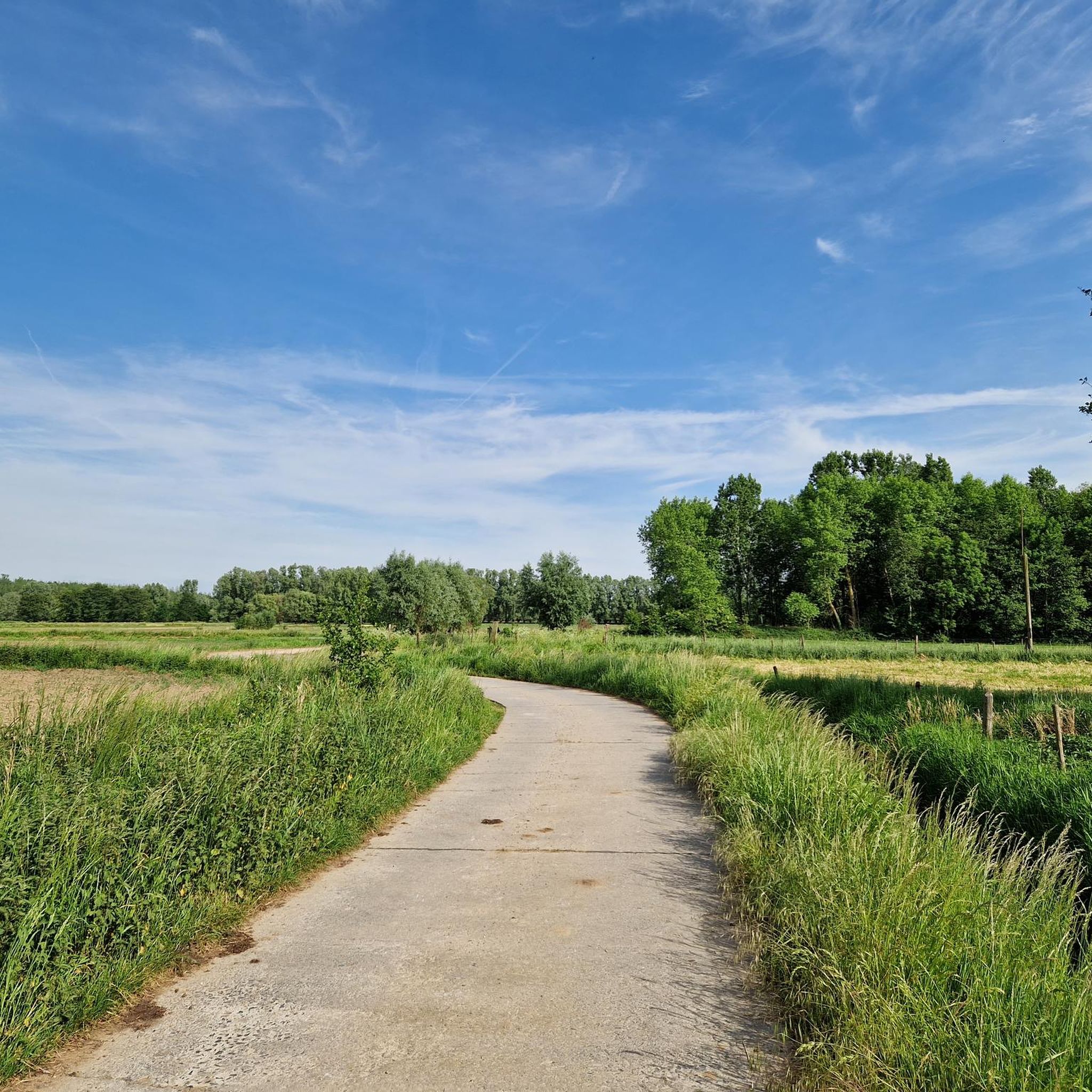
Historically, the Keuzemeersen are a deposit area of the old Leie that meandered in a former flat valley. The Keuzemeersen are therefore located in a bend of the Leie as well as further downstream on the left bank of the Leie, where the typical meadow landscape has been preserved: small meadow plots with pollard willows, a riverbank and a fine-meshed network of ditches with associated fauna and flora. An adjustable weir regulates the water level of the central meadows. The Keuzemeersen are located near a place that is historically described as Keuze. These meadows are part of a whole of connected areas that contain the word "meers" as a name, including the Latemse Meersen, the Beelaertmeersen, the Blaarmeersen and the Bourgoyen-Ossemeersen.
4
0

The Citadel Park in Ghent is one of the largest and most famous parks in the city. It is located south of the historic center, near the Sint-Pieters station. The park was built on the site of a citadel, built after the Belgian Revolution to defend the city. However, the citadel was never used for military purposes, and the park was finally built in 1875. The Citadel Park is a popular place for both locals and tourists to walk, relax or enjoy nature. The park is also home to several cultural attractions, such as the Museum of Fine Arts (MSK) and the S.M.A.K. (Municipal Museum of Contemporary Art). With its ponds, walking paths, statues and green areas, the park offers a peaceful escape from the hustle and bustle of the city.
3
2

There used to be a hof van plaisance (country house) here, which was depicted in 1755 in the middle of a park, which even contained an amphitheater. In 1894 the castle was rebuilt according to a design by Achille Marchand. The park was laid out in the English landscape style at the end of the 19th century. A pond, an ice cellar with a pavilion above it have been built. There are also bridges, a boathouse and a cave. There are three monumental chestnut trees, including possibly the thickest chestnut tree in Belgium. The castle was built in an eclectic style and made of brick and bluestone. The hall is decorated with sgraffito. In addition to the castle, there is a staff house with stables and a coach house with horse stables. These buildings also date from 1894. (according to Wikipedia)
3
0

This neighborhood park is no less than six hectares in size and is located where the buildings of the textile factory La Lys used to be. There is room to walk, cycle or skate on the paved paths, grab a bite to eat at the immense picnic table or exercise on the open lawn. The neighborhood park consists of two parts: a classic part along the Nieuwe Walk and a wild new part against the Leie. The classical part is laid out in the English landscape style. The wild part is located where the buildings of the textile factory La Lys used to be.
3
0
The Maaltebruggepark is one of the larger parks in Ghent. It is a romantic park, laid out in the English landscape style. Typical are bridges over the water and monumental single trees such as red beeches and oaks. You can park your bike there and take a walk through the beautiful park or you can cycle through it on the laid out paths. You can even barbecue with your own barbecue in the barbecue area.
2
0
Frequently Asked Questions
What are some of the most ecologically significant natural areas around Nevele?
The region around Nevele features several valuable natural areas. Key sites include the Vallei van de Oude Kale, known for its meandering stream, flower-rich hay meadows, and pollard willows. The Natuurpark Levende Leie connects various natural areas along the Leie river, featuring wet grasslands and river bends. Additionally, the Vallei van de Zeverenbeek is a Natura 2000 protected area with diverse biotopes like extensive meadows and marsh forests.
Are there family-friendly natural monuments to visit near Nevele?
Yes, several natural areas are suitable for families. Keuzemeersen, part of the Natuurpark Levende Leie, offers open spaces and a chance to see wildlife. Green Valley Park is a 6-hectare neighborhood park with paved paths for walking, cycling, and skating, and features play elements for children. The Maaltebruggepark also offers a romantic English landscape style park with ample space for walks.
What kind of wildlife can I expect to see in the natural monuments around Nevele?
The natural monuments around Nevele are rich in biodiversity. In the Vallei van de Oude Kale, you might spot various water plants and animals, and in spring, abundant insect life like orange tips and tadpole butterflies. The Natuurpark Levende Leie is home to predatory mammals like polecats, stoats, stone martens, and foxes, as well as numerous reed buntings. The Vallei van de Zeverenbeek boasts rare plants such as cuckooflower, yellow rattle, and various orchid species. In Keuzemeersen, you can observe shovelers, yellow wagtails, reed buntings, and lapwings.
What are the best times of year to visit the natural monuments?
The natural monuments around Nevele offer beauty throughout the year, but spring is particularly vibrant. In spring, the hay meadows of the Vallei van de Oude Kale burst with wildflowers like king-cup, whitemallow, and cuckoo flower. Similarly, the wet hay and grasslands of the Natuurpark Levende Leie are vibrant with marsh marigolds, cuckooflowers, and yellow rattle. The landscape changes beautifully with each season, offering a tranquil environment for relaxation and outdoor activities.
Are there historical or cultural sites integrated with the natural monuments?
Yes, some natural areas also have historical significance. The Vallei van de Oude Kale includes glimpses of majestic castles, such as Schouwbroek Castle, and the restored Van Vlaenderensmolen mill. The scenic beauty of the Leie valley, encompassing the Natuurpark Levende Leie, has historically inspired artists of the Latemse School. The Vallei van de Zeverenbeek has a cultural dimension due to the historical use of its meadows for bleaching linen by medieval weavers' guilds.
What outdoor activities can I do near these natural monuments?
The region offers diverse outdoor activities. You can enjoy beautiful walking and cycling loops in the Vallei van de Oude Kale. The Natuurpark Levende Leie provides extensive opportunities for walking, cycling, and even kayaking or canoeing along the meandering Leie. For more structured routes, you can find various options for road cycling, mountain biking, and running trails around Nevele.
Are there specific hiking trails or walking routes recommended?
Yes, designated walking and cycling routes are available year-round in areas like the Vallei van de Oude Kale. In the Vallei van de Zeverenbeek, Natuurpunt has developed boardwalks ('knuppelpad') to allow visitors to explore the wetland environment. For longer excursions, you can explore various running trails around Nevele, which often pass through natural landscapes.
What are the terrain and difficulty levels of trails in these natural areas?
The terrain varies across the natural monuments. Areas like the Vallei van de Oude Kale and Natuurpark Levende Leie generally offer accessible walking and cycling paths. However, the Vallei van de Zeverenbeek is a wetland environment, and while boardwalks are present, sturdy shoes or boots are recommended due to potentially wet conditions. Most routes are suitable for moderate activity levels, as seen in the road cycling, MTB, and running guides for the region.
Is it possible to visit the natural monuments with dogs?
While specific regulations for each natural monument should be checked, many natural parks and green spaces in Belgium are dog-friendly, often requiring dogs to be on a leash. Green Valley Park even features a large dog walking pasture, known as the 'largest dog basket' in Europe, indicating a welcoming environment for pets.
Are there any natural monuments that are less crowded?
The Vallei van de Zeverenbeek is often considered one of Flanders' most beautiful hidden natural gems, suggesting it might offer a more tranquil experience compared to more widely known areas. Its wetland nature and the need for appropriate footwear might also contribute to fewer visitors, allowing for a peaceful exploration of its unique flora and fauna.
What is the role of Natuurpunt in managing these natural areas?
Natuurpunt, a leading nature conservation organization in Flanders, plays a significant role in managing many of the valuable natural areas around Nevele. They are responsible for the management of 55 hectares of the Vallei van de Zeverenbeek and actively work to restore natural water flow and hydrology in areas like the Natuurpark Levende Leie, contributing to both biodiversity and better water management.
Can I find cafes or accommodation near the natural monuments?
While the natural monuments themselves are primarily focused on nature, the surrounding towns and villages, including Nevele and parts of Deinze, offer various amenities. You can find cafes, restaurants, and accommodation options in these areas, providing convenient access to the natural sites. For example, Green Valley Park has an immense picnic table, and the Maaltebruggepark has a barbecue area, suggesting places for refreshments or meals.
Most popular attractions around Nevele

Get inspired with the komoot mobile app


Explore more
Extend your search for the best caves by checking out these guides of the top ones around Nevele:
