Top 10 Natural Monuments around Quévy
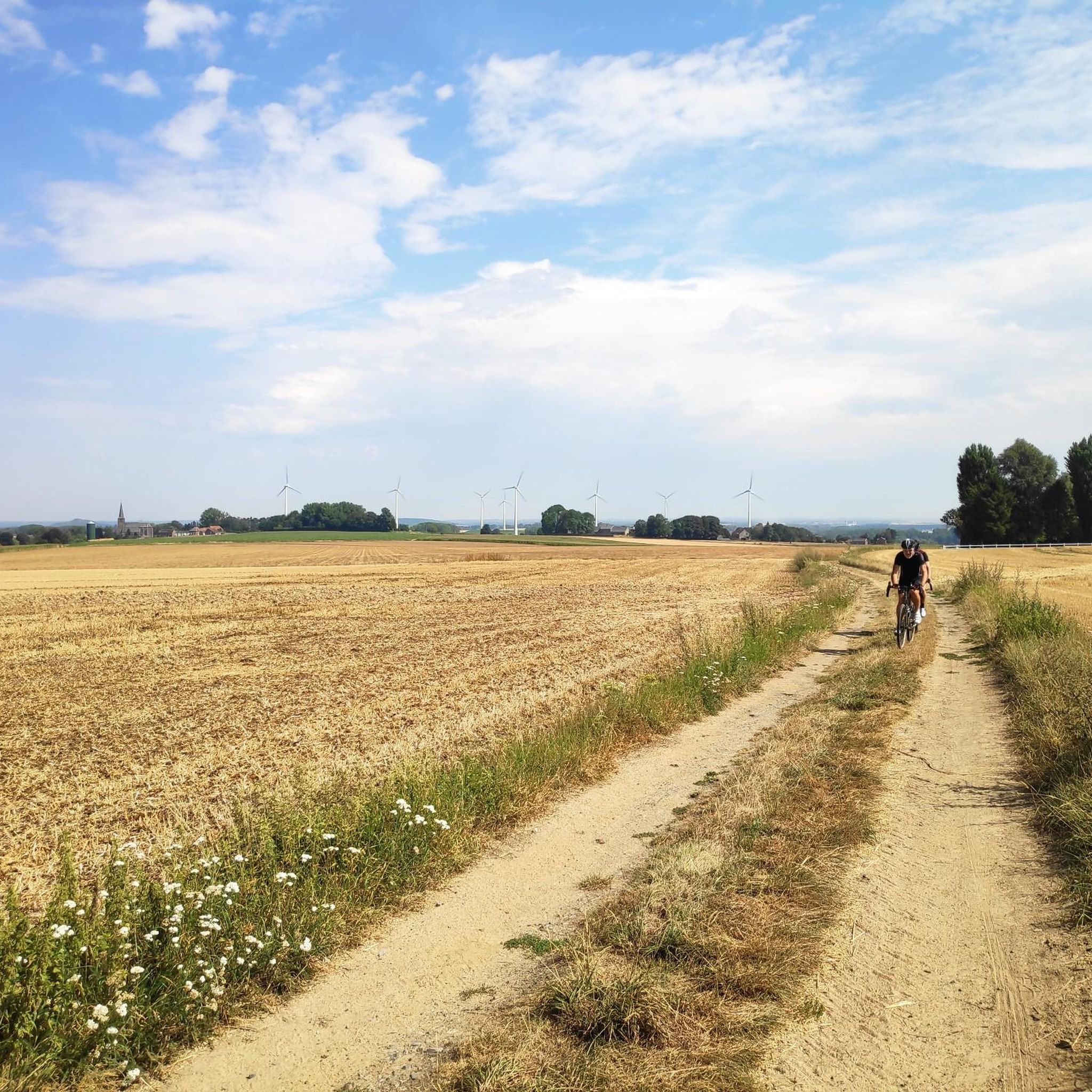
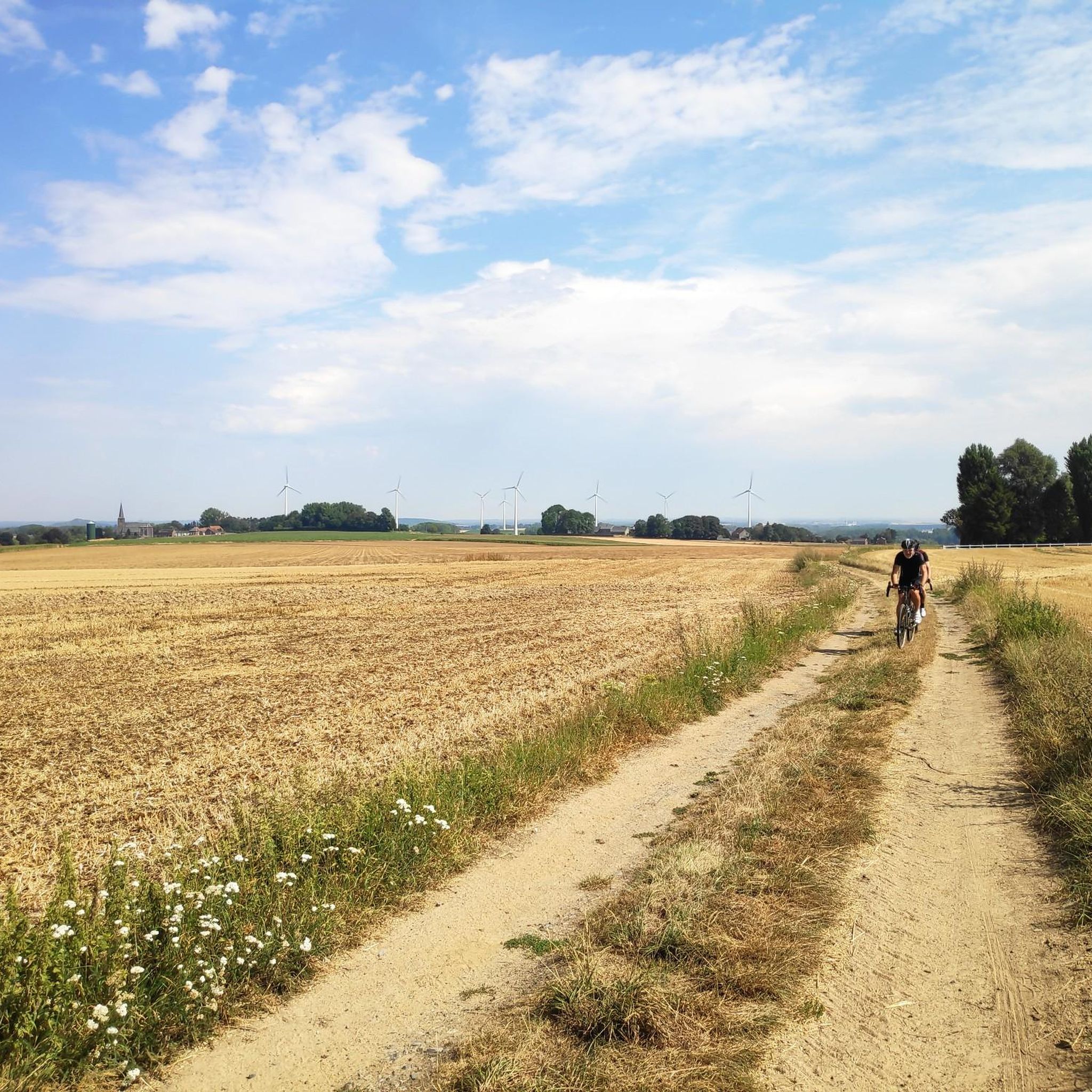
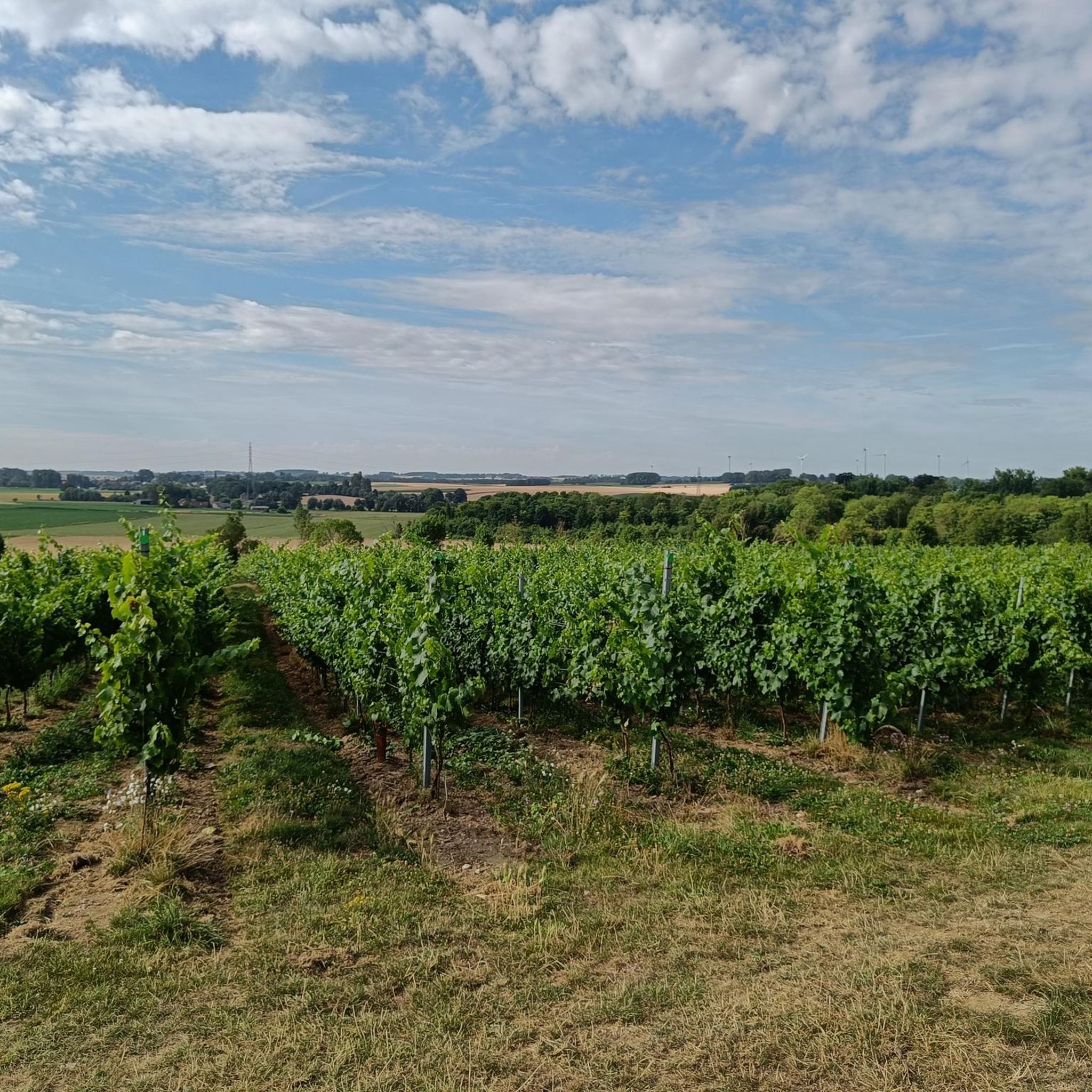
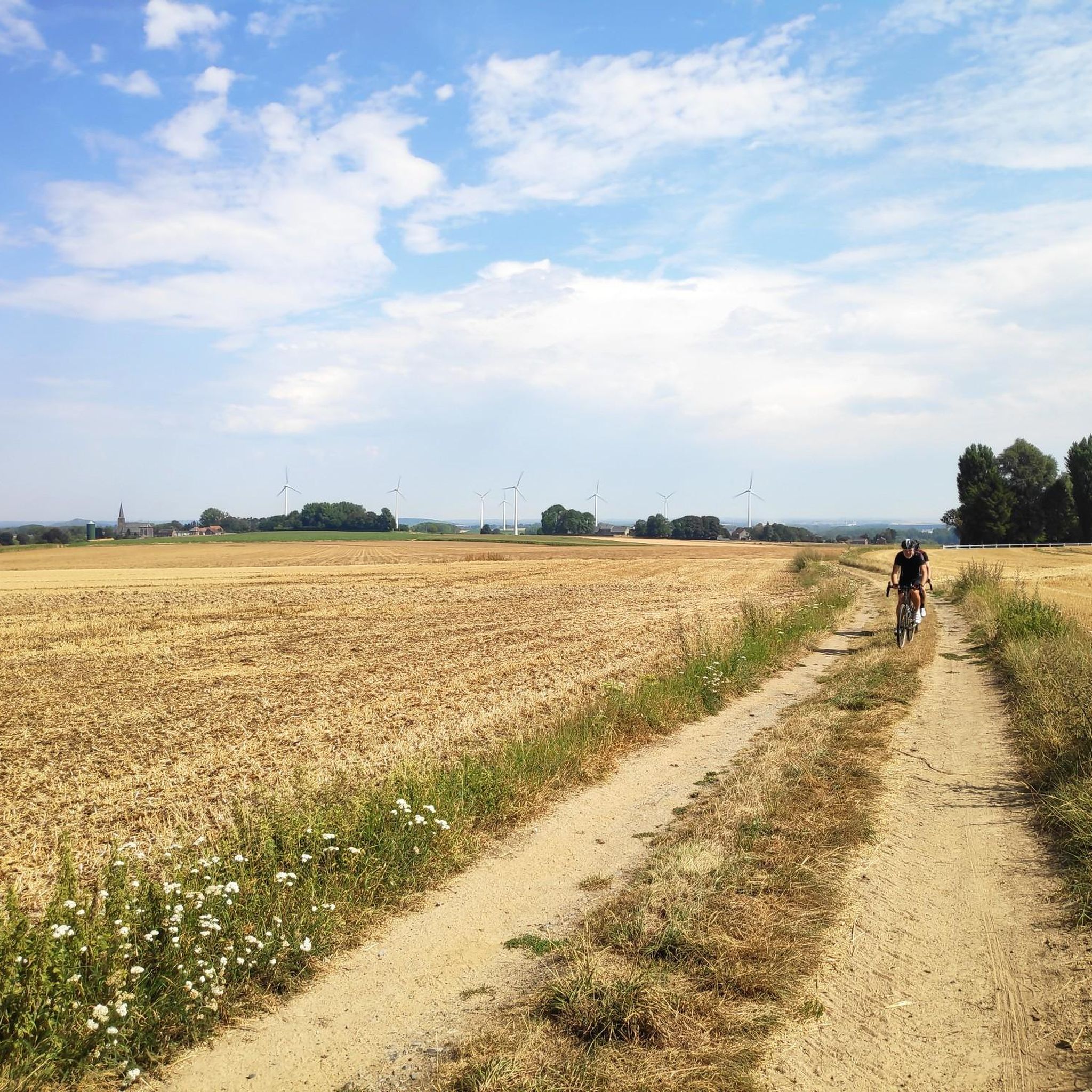
Best natural monuments around Quévy are found within the Hauts-Pays Natural Park, a significant natural area in Belgium. This region features a diverse landscape, including extensive agricultural plateaus, forests, and river valleys. The natural features of Quévy offer opportunities for hiking, wildlife observation, and exploring the Belgian countryside.
Best natural monuments around Quévy
- The most popular natural monuments is Hyon Waterfall and Ponds, a waterfall located at the confluence of the Trouille and Nouvelles rivers. This bucolic site features…
Last updated: October 2, 2026
Hyon Waterfall and Ponds
Highlight • Waterfall
Translated by Google •
Tip by

Crachet slag heap
Highlight • Natural Monument
Translated by Google •
Tip by

Sign up now to discover places like this
Get recommendations on the best single tracks, peaks, & plenty of other exciting outdoor places.
Terril Saint-Antoine
Highlight • Structure
Translated by Google •
Tip by

The Neolithic Menhir
Highlight • Monument
Translated by Google •
Tip by
The Liberty Tree (Bois-là-Haut, Mont-Panisel)
Highlight • Natural Monument
Translated by Google •
Tip by

Sign up for free to discover even more natural monuments around Quévy.
Already have an account?
Start today with a free account
Your next adventure awaits.

Tips from the Community

Added to the collection: komoot.com/de-de/collection/3600632/-naturdenkmaeler-besondere-baeume-und-weitere-schaetze-der-natur
2
0

like a little trip to the moon...
0
0

It is at the confluence of the Trouille and the Nouvelles river that this waterfall bridge was born. Originally there was a mill, which was turned into a tannery after the First World War. Today it is a bucolic place surrounded by nature.
2
0

By definition, a menhir is a vertical standing stone during the Neolithic era. The menhir of Saint-Symphorien, 2m50 high, 1m30 wide, weighing 2500 kg, also served as a Neolithic ribbon brush for flint tools. It was discovered in 1860 by Mr. Piscart, a farmer who broke his ploughshare while plowing his field, located at the end of the Violette path, on the border of Harmignies. The menhir was then excavated to stand in the park of the Maigret de Priches castle, where it remained for 90 years. On October 17, 1951, the megalith was presented by Miss Emmy Maigret de Priches to the city of Mons. At the request of the Sint-Symphorien Brotherhood, he was reinstalled on March 20, 2007 in the village. http://www.confrerie-saint-symphorien.be/?page_id=307
8
0
This is a summit climb. Especially on the adventurous side. There are ropes there to hoist you up. The other side is a nice wide walking path. In my opinion, the most beautiful slag heap on the GR 412.
6
0
The Crachet slag heap is a Site of Great Biological Interest (SGIB). It is also part of the Natura 2000 network to protect its exceptional fauna and flora. Located a stone's throw from the SPARKOH science museum! (former PASS), the slag heap is a fabulous educational tool which regularly welcomes school visits but also families looking for calm and nature. Thanks to its marked and well-equipped paths with stairs, small bridges, duckboards and ropes, its ascent is easy despite a difference in altitude of around 70 m. Relatively wooded, the Crachet sometimes gives way to magnificent grassy wastelands and a few ponds which encourage the development of great biodiversity. Its summit, located at an altitude of 140 m, offers a beautiful panoramic view of the Borinage slag heap range as well as the SPARKOH! site, built by the architect Jean Nouvel. In this place, the ground is adorned with red and black. Smoke can even be observed in certain places because the heap is still burning more than 60 years after the closure of the site. coal mining. https://www.destinationterrils.eu/nl/terril-du-crachet
8
0

The bridge/waterfall was built at the confluence of the Trouille and the Rivière de Nouvelles. In the early, late 12th century, there was an old domanial mill on the site, the Moulin-au-Bois. Imagine that there was a dike on the site of the current street, a large fish pond on the site of the pasture, and that there were three mill wheels instead of one. This is what the site used to look like. In 1823 the mill was sold by the city of Bergen and after the First World War it was converted into a tannery. The only remnant of the mill that is still visible today is part of the wall along the street, just before the bridge. Still, the waterfall remains one of Hyon's most symbolic places.
3
0

a very nice site to discover by taking your time.
3
0
Frequently Asked Questions
What are some unique natural features to explore in the Quévy region?
The Quévy region, part of the Hauts-Pays Natural Park, offers diverse natural features. You can explore the picturesque landscapes along the Trouille River, characterized by hedgerows, meadows, and ponds. The park also encompasses extensive agricultural plateaus and the majestic State Forest of Colfontaine. A notable geological formation, though slightly outside Quévy but within the broader park, is Crachet slag heap, a 370 million-year-old pudding rock.
Are there any natural monuments around Quévy that offer panoramic views?
Yes, the Crachet slag heap is a natural monument whose summit, at 140 meters altitude, provides a beautiful panoramic view of the Borinage slag heap range and the SPARKOH! site. Another elevated spot is the Terril Saint-Antoine, which also offers viewpoints.
What kind of outdoor activities can I do near the natural monuments in Quévy?
The natural monuments around Quévy are excellent starting points for various outdoor activities. You can find numerous hiking trails, such as those detailed in the Hiking around Quévy guide, including routes like the 'Circuit Moneuse (alias Béria) — Hauts-Pays Nature Park'. For runners, there are several loops like the 'Sainte-Barbe Chapel loop from Quévy' available in the Running Trails around Quévy guide. Road cycling enthusiasts can explore routes like the 'Solre-le-Château Church – Avesnois Greenway loop from Quévy' from the Road Cycling Routes around Quévy guide.
Are there family-friendly natural monuments or sites suitable for children in the Quévy area?
Absolutely. The Hyon Waterfall and Ponds is a bucolic site with a water cascade and small lake, offering a pleasant spot for families. The Mayeur Garden, located behind the town hall, is another peaceful place to relax. The Crachet slag heap, with its marked and well-equipped paths, is also a popular educational tool for families looking for nature and calm.
What historical or cultural elements can be found alongside natural monuments in Quévy?
The region beautifully blends nature with heritage. For instance, the Trouille River passes by historical sites like the 12th-century Templars' Mill in Givry. The Hyon Waterfall and Ponds also has historical elements, having once been the site of a mill and tannery. The Mayeur Garden, created in the 1930s, features the 'Ropieur' fountain, a symbol of Mons. Additionally, the Neolithic Menhir in Saint-Symphorien is a significant historical artifact.
What is the best time of year to visit the natural monuments around Quévy?
The Hauts-Pays Natural Park, which encompasses Quévy, is generally enjoyable throughout the warmer months, from spring to autumn, when the flora and fauna are most vibrant. Spring offers blooming landscapes, while autumn provides beautiful foliage. Summer is ideal for longer walks and outdoor activities. Always check local weather forecasts before your visit.
Are there any specific woods or forests recommended for walks in Quévy?
Yes, the Blaregnies Woods, situated within Quévy, are highlighted as an ideal location for tranquil walks. These woods, like much of the Hauts-Pays Natural Park, contribute to the rural character of the area and offer opportunities for immersion in nature.
Where can I find information about the Hauts-Pays Natural Park, which includes Quévy?
Quévy is an integral part of the Hauts-Pays Natural Park, a sprawling 'green lung' known for its diverse landscape and rich flora and fauna. You can find more information about the park and its offerings on the VisitMons website: Nature Park of Les Hauts-Pays.
Are there any natural monuments in Quévy that are also important for biodiversity?
Yes, the Crachet slag heap is designated as a Site of Great Biological Interest (SGIB) and is part of the Natura 2000 network, protecting its exceptional fauna and flora. Its varied terrain, including wooded areas, grassy wastelands, and ponds, encourages significant biodiversity.
What do visitors particularly appreciate about the natural monuments in the Quévy region?
Visitors appreciate the diverse natural beauty and the opportunities for peaceful immersion in nature. Sites like the Hyon Waterfall and Ponds are loved for their bucolic setting and as a beautiful spot for a break. The Crachet slag heap is valued for its panoramic views and its adventurous climbing paths. The region's blend of natural landscapes with historical elements also adds to its appeal.
Are there any specific trails or paths recommended for exploring the natural beauty of Quévy?
Within the Hauts-Pays Natural Park, which encompasses Quévy, there are numerous marked paths. Notable examples include the Louis Piérard trail and the Malplaquet Battle paths, which allow visitors to discover Quévy's landscapes through walks and hikes. The Crachet slag heap also features marked and well-equipped paths for its ascent.
Most popular attractions around Quévy

Get inspired with the komoot mobile app


Explore more
Extend your search for the best caves by checking out these guides of the top ones around Quévy:
