Top 20 Natural Monuments around Thimister-Clermont
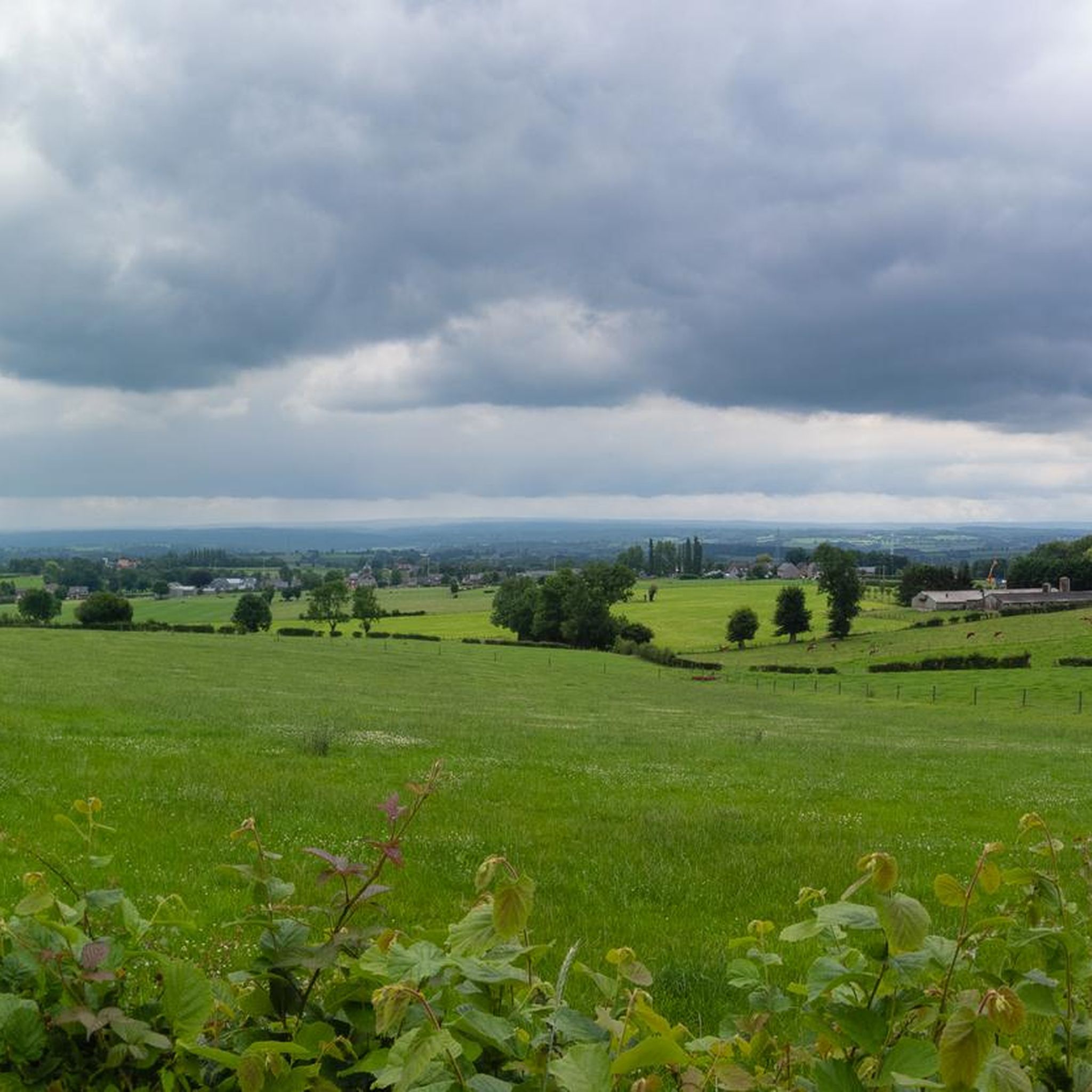
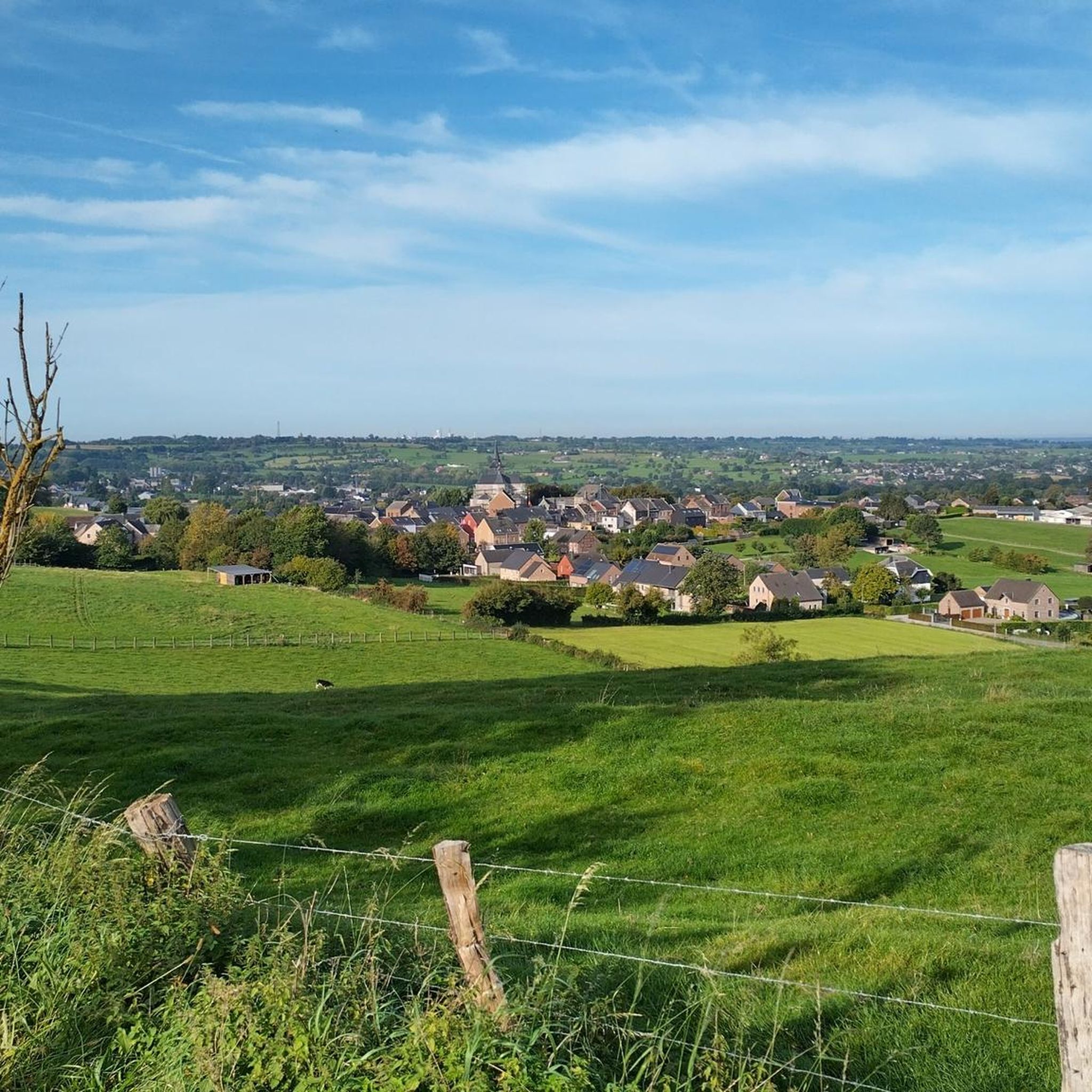
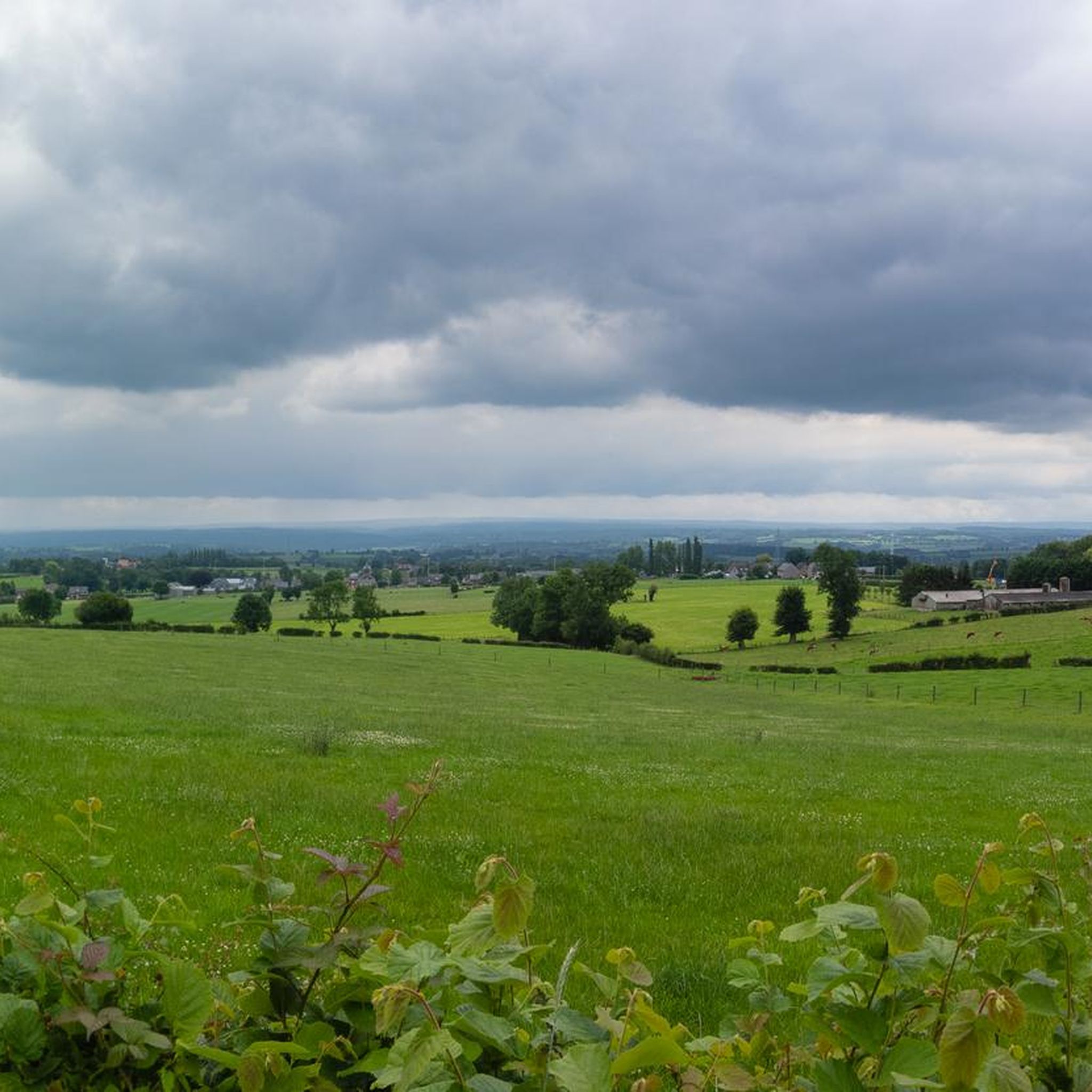
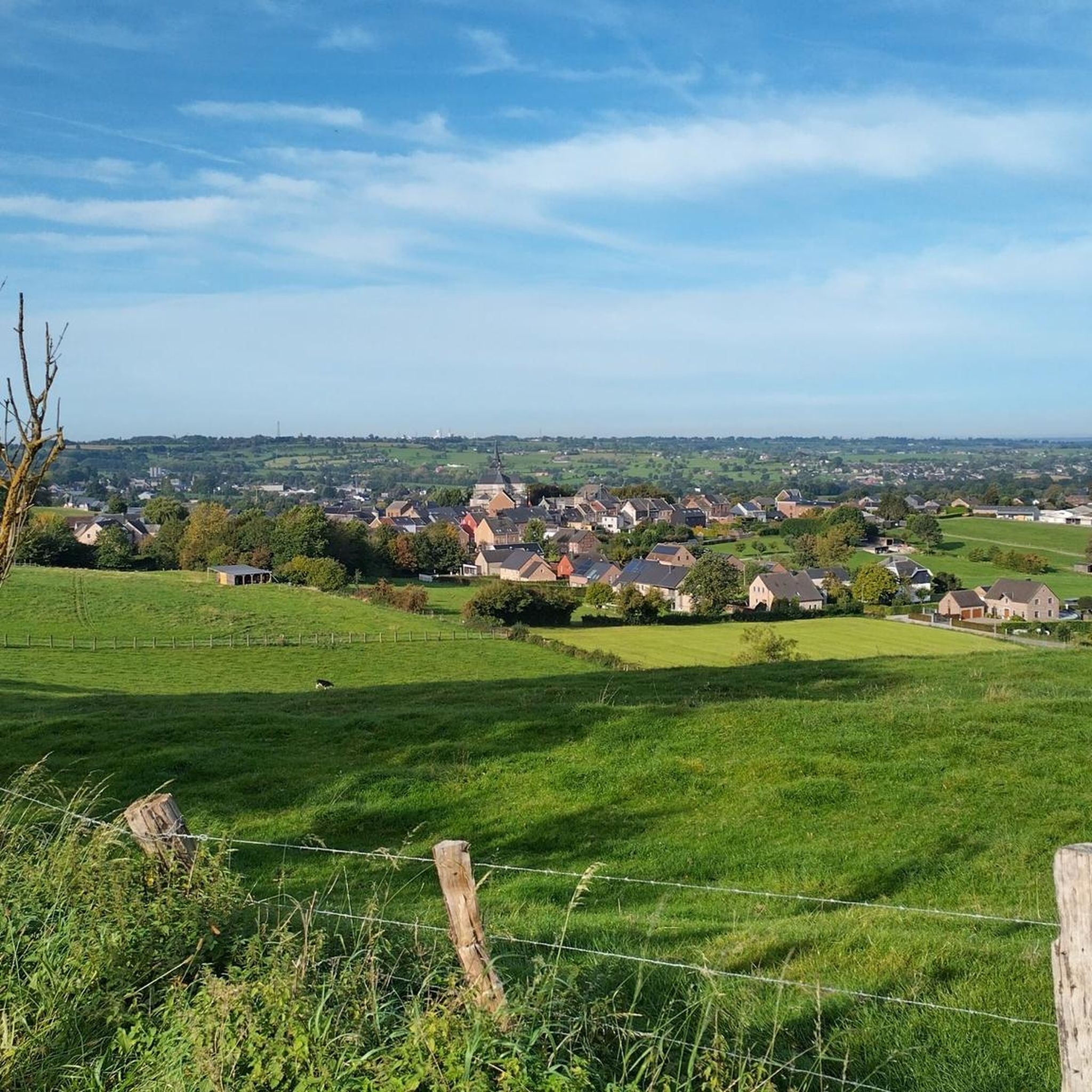
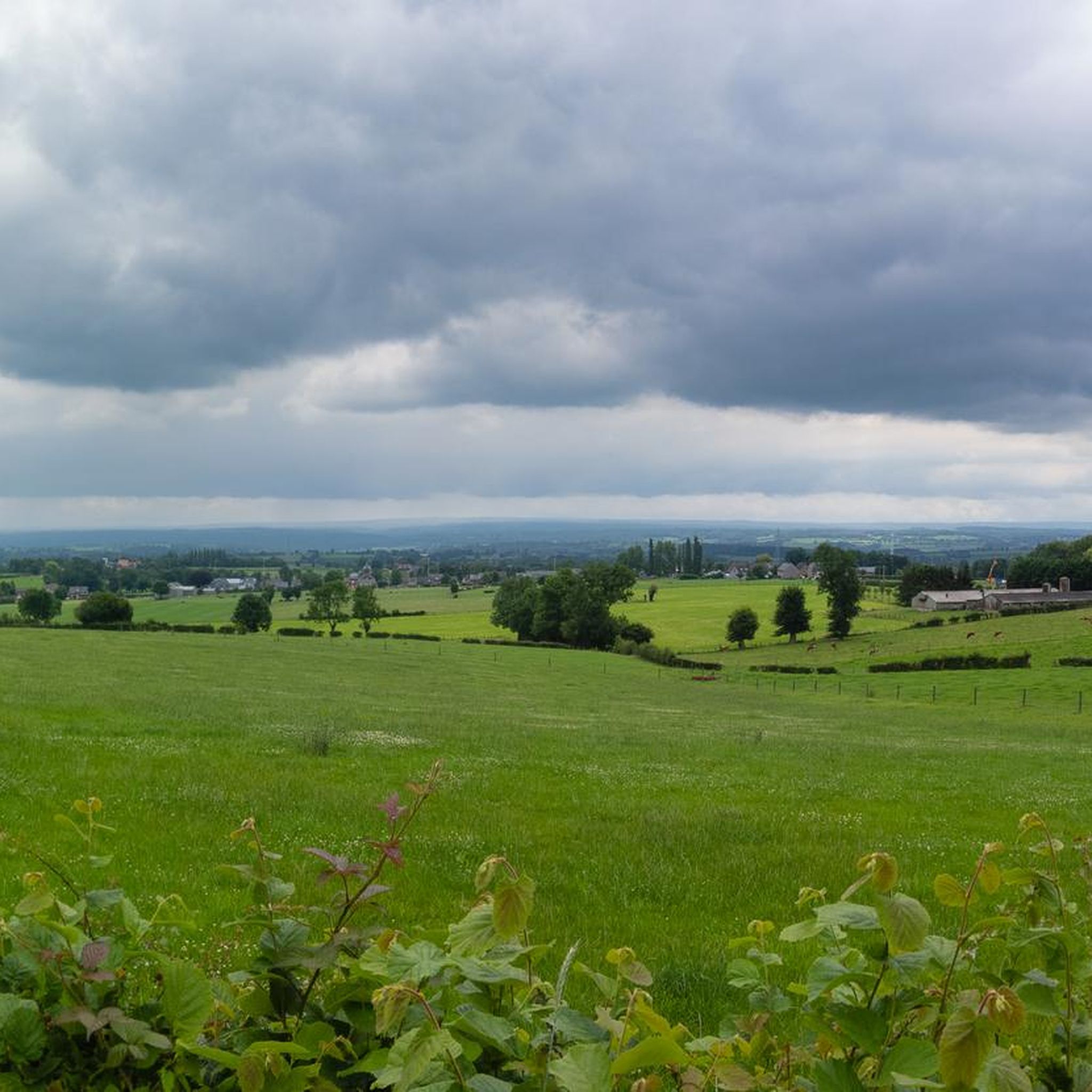
Best natural monuments around Thimister-Clermont showcase the region's undulating landscapes and natural beauty. Situated in the Land of Herve, the area features a characteristic bocage countryside with gentle hills, valleys, and woodlands. While specific natural monuments within the municipality are not widely designated, the collective environment provides extensive opportunities for outdoor activities. This makes Thimister-Clermont a destination for those seeking scenic beauty and tranquil exploration.
Best natural monuments around Thimister-Clermont
- The most popular natural monuments is Meanders of the Geul…
Last updated: October 29, 2026
Hohnbach Valley
Highlight (Segment) • River
Translated by Google •
Tip by

Gileppe Dam Lion
Highlight • Monument
Translated by Google •
Tip by

Sign up now to discover places like this
Get recommendations on the best single tracks, peaks, & plenty of other exciting outdoor places.
Rocher du Casino Climbing Crag and Rest Area
Highlight • Climb
Translated by Google •
Tip by
Casino Pond
Highlight • Lake
Translated by Google •
Tip by

Mine entrance and Geul sinkhole — Plombières Nature Reserve
Highlight • Cave
Translated by Google •
Tip by

Sign up for free to discover even more natural monuments around Thimister-Clermont.
Already have an account?
Start today with a free account
Your next adventure awaits.

Tips from the Community

In the mid-19th century, flooding from the Göhl River posed a major threat to the mine in Bleyberg/Plombières: Water repeatedly penetrated the tunnels and claimed lives. To prevent this, a diversion of part of the river was requested and approved in 1861. By 1862, a tunnel several hundred meters long was built beneath the rock, keeping the Göhl away from the mine. The construction cost approximately 200,000 francs. The tunnel is a technical monument to mining engineering from an era when hazards were deliberately controlled while simultaneously harnessing hydropower. It demonstrates how work-related accidents were prevented while simultaneously harnessing resources.
55
0

The site of the former Plombières mine is home to species-rich calcareous grassland meadows, now protected as a nature reserve. The exceptional flora and fauna of this area are due to the heavy metal-rich soils, particularly the presence of zinc in the subsurface. Among the natural meadow relics, visible traces of the former metal industry can still be found: – Walls from former foundry floors – Remains of old smelting furnaces – Stones from former industrial buildings A small stream meandering through the area further enriches the ecological diversity of this special place. The "Gueule" viewpoint, which offers a glimpse into a cave opening, is particularly impressive and worth a visit.
54
0

It stands on the crest of the dam and faces north-east, towards the former district town of Eupen and the former Prussian border, which was about 5 km away. The artist was Antoine-Félix Bouré (1831–1883). The lion was completely restored in October 2000.
9
0

The Lion, created by Félix-Antoine Bouré, is one of the major attractions. Height: 13.5m – her weight: 130 tons. 183 blocks that fit together like a puzzle were completely dismantled and rebuilt to mark the raising of the dam. The lion looks in the direction of Eupen, then Prussia, barely 5 kilometers away. Source: https://www.tourismejalhaysart.be/nl/attraction/barrage-du-lac-de-la-gileppe-jalhay-hautes-fagnes-spa/
9
0
This work of art, made from granite, was the first of its kind in Belgium. The dam was built between 1867 and 1875. Between 1967 and 1971 it was consolidated and the capacity of the reservoir was increased to 26.4 million m³ of water. The lake is fed by the Gileppe, the Louba and the Soor. Two 75m high collection towers direct the water to turbines. The famous Lion, created by Félix-Antoine Bouré, is one of the major attractions. Height: 13.5m – her weight: 130 tons. 183 blocks that fit together like a puzzle were completely dismantled and rebuilt to mark the raising of the dam. The lion looks in the direction of Eupen, then Prussia, barely 5 kilometers away. Source: https://www.tourismejalhaysart.be/nl/attraction/barrage-du-lac-de-la-gileppe-jalhay-hautes-fagnes-spa/
11
0
Park with "the house of the mining site", playground, information boards, picnic areas, sanitary facilities, direct access to the nature reserve and more. Info about the "Maison du Site Minier" at https://www.komoot.com/nl-nl/highlight/1038492
12
0

Very nice place that invites you to take a little rest.
7
1
Frequently Asked Questions
What kind of natural features can I explore around Thimister-Clermont?
The region is characterized by its undulating landscapes, gentle hills, and river valleys. You can explore dynamic waterways like the Meanders of the Geul, where you can observe natural erosion and deposition. The Hohnbach Valley offers diverse trails and unique flora, including daffodil meadows in spring. Additionally, man-made structures integrated into the landscape, such as the Gileppe Dam Lion, provide panoramic views over a reservoir.
Are there family-friendly natural monuments in the area?
Yes, several natural monuments are suitable for families. The Meanders of the Geul and the Hohnbach Valley are both marked as family-friendly. The Gileppe Dam Lion is also a great option, offering family-friendly hiking trails and tourist infrastructure. The Casino Pond is another family-friendly spot, ideal for a break or as a starting point for walks.
What outdoor activities can I do near these natural monuments?
The area around Thimister-Clermont is excellent for various outdoor activities. You can enjoy extensive hiking and cycling trails through the wavy landscapes and bocage countryside. For cycling, there are numerous routes available, including options for touring bicycles, road cycling, and gravel biking. The former railway line 38 has been converted into part of the Ravel network, perfect for walking, mountain biking, and horse riding.
Are there hiking trails near the natural monuments?
Yes, the natural monuments are often integrated into a network of trails. For instance, the Hohnbach Valley features diverse trails, and the Gileppe Dam Lion serves as a starting point for many family-friendly hiking routes. The region's overall landscape, with its gentle hills and valleys, provides a scenic backdrop for various walks and hikes.
What is the best time of year to visit Thimister-Clermont's natural monuments?
Spring is a particularly beautiful time to visit, especially to witness the daffodil meadows in the Hohnbach Valley. However, the region's diverse landscapes and extensive trail networks make it enjoyable for outdoor activities throughout the year, with each season offering its unique charm.
What do visitors enjoy most about the natural monuments around Thimister-Clermont?
Visitors frequently appreciate the tranquil beauty and diverse scenery. The meandering course of the Geul river is often highlighted for its idyllic charm, while the Hohnbach Valley is praised for its versatile trails and unique flora. The impressive structure and panoramic views from the Gileppe Dam Lion are also popular, especially for family outings.
Are there any hidden natural gems to discover?
While the region's natural beauty is largely found in its collective landscape, the Hohnbach Valley is home to the rare yellow calamine violet, which can only be found in a few specific locations due to its connection to heavy metal-containing soil. Exploring the less-traveled paths in the bocage countryside can also lead to peaceful, scenic discoveries.
What are the difficulty levels of the trails near these natural monuments?
The area offers a range of trails suitable for various fitness levels. You can find easy paths for leisurely walks, such as those around the Gileppe Dam Lion, and more challenging routes for experienced hikers or cyclists. For example, cycling routes in the area range from 'easy' to 'difficult' depending on the distance and elevation.
Can I find places to eat or drink near the natural monuments?
The Gileppe Dam Lion area has infrastructure designed for tourists, including a lookout tower with a restaurant, making it a convenient spot for refreshments. The village of Clermont-sur-Berwinne, recognized as one of Wallonia's most beautiful villages, also offers local amenities.
Is the region suitable for winter hiking?
While specific winter conditions can vary, the extensive network of trails in the Land of Herve and near the natural monuments can be explored during winter. It's always advisable to check local weather conditions and trail accessibility before heading out and to wear appropriate clothing and footwear for potentially cold or icy conditions.
Are there any climbing opportunities near Thimister-Clermont?
Yes, the Rocher du Casino Climbing Crag and Rest Area near Kelmis offers a climbing wall with a good mix of difficulties, making it a popular spot for climbers from the region. It also serves as a nice resting place.
What is the significance of the <a href="https://www.komoot.com/highlight/93876" target="_blank" rel="noopener">Gileppe Dam Lion</a>?
The Gileppe Dam Lion is a man-made monument recognized for its integration with the natural landscape. It's crowned by a 13.5-meter-high sandstone lion, which is the emblem of the dam. Completed in 1878, it was the first concrete dam in Europe and offers historical significance alongside its scenic views and recreational opportunities.
Most popular routes around Thimister-Clermont
Most popular attractions around Thimister-Clermont

Get inspired with the komoot mobile app


Explore more
Extend your search for the best caves by checking out these guides of the top ones around Thimister-Clermont:
