Top 20 Natural Monuments around Zedelgem
Best natural monuments around Zedelgem are found in the Belgian province of West Flanders, offering a blend of natural beauty and historical significance. The municipality features diverse ecosystems, including forests, heathland, and marshland, providing varied landscapes for exploration. These areas often incorporate historical elements, such as former military domains and ancient structures, alongside their natural features. Visitors can discover a range of natural monuments that showcase the region's ecological and cultural heritage.
Best natural monuments around Zedelgem
- The most popular…
Last updated: October 29, 2026
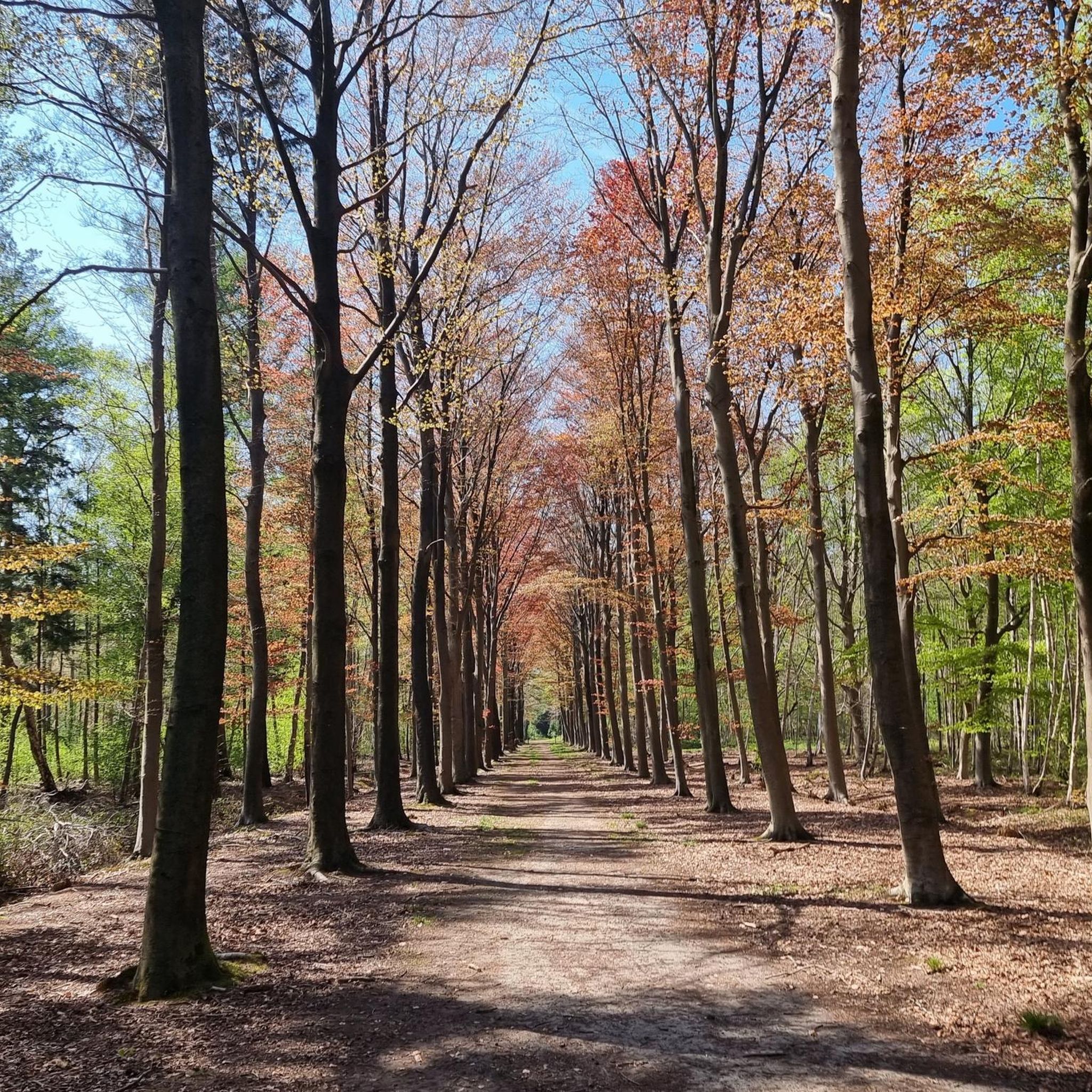
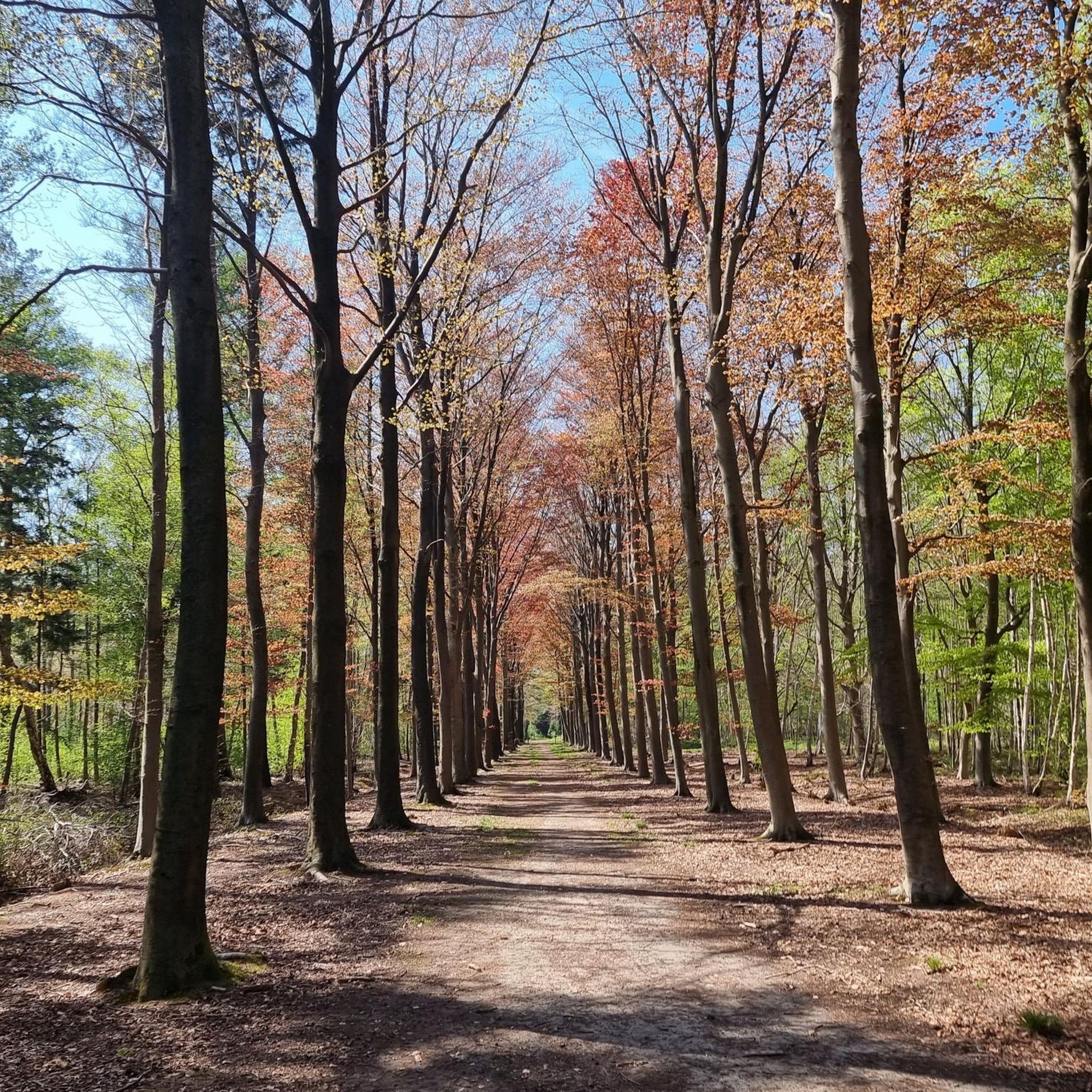
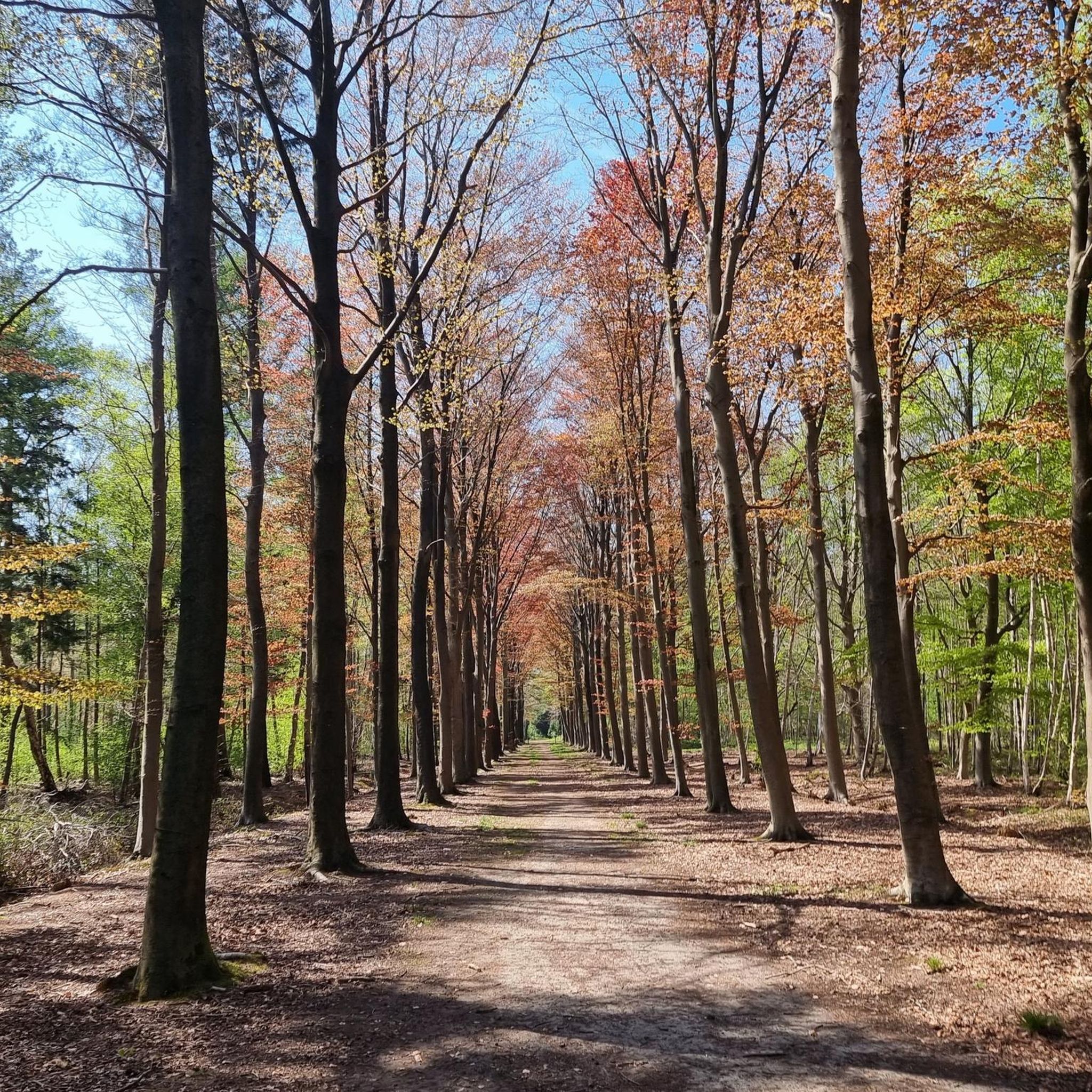
Vloethemveld
Highlight • Forest
Translated by Google •
Tip by

Beisbroek Planet Trail
Highlight • Structure
(Brugse Ommeland)
Translated by Google •
Tip by
Sign up now to discover places like this
Get recommendations on the best single tracks, peaks, & plenty of other exciting outdoor places.
Herb garden
Highlight • Natural
Translated by Google •
Tip by
Meetkerke Duck Decoy
Highlight • Structure
Translated by Google •
Tip by

De Wulvemote
Highlight • Historical Site
Translated by Google •
Tip by

Sign up for free to discover even more natural monuments around Zedelgem.
Already have an account?
Start today with a free account
Your next adventure awaits.
Tips from the Community

Explore the universe… right in Bruges! 🌍✨ The Planet Trail in the Beisbroek Domain is a unique walking experience where you discover our solar system to scale, right in the middle of nature. During this peaceful and family-friendly route, you walk from planet to planet, each represented by artistic sculptures that make the universe tangible. From the sun to the farthest planets: you'll experience the distances and proportions within our solar system in a surprising way. The trail winds through the green Beisbroek Domain, past forests and clearings, offering a perfect blend of relaxation and wonder. Ideal for families, curious walkers, and anyone interested in stars and science. An original highlight where nature, art, and the cosmos come together — small in distance, grand in experience! 🚀
3
0

The herb garden is located at the rear of the castle, opposite the entrance to the visitor center. It is accessible via the stairs or the ramp next to the restrooms. This unique herb garden is open to the public from sunrise to sunset. (Province of West Flanders)
10
0

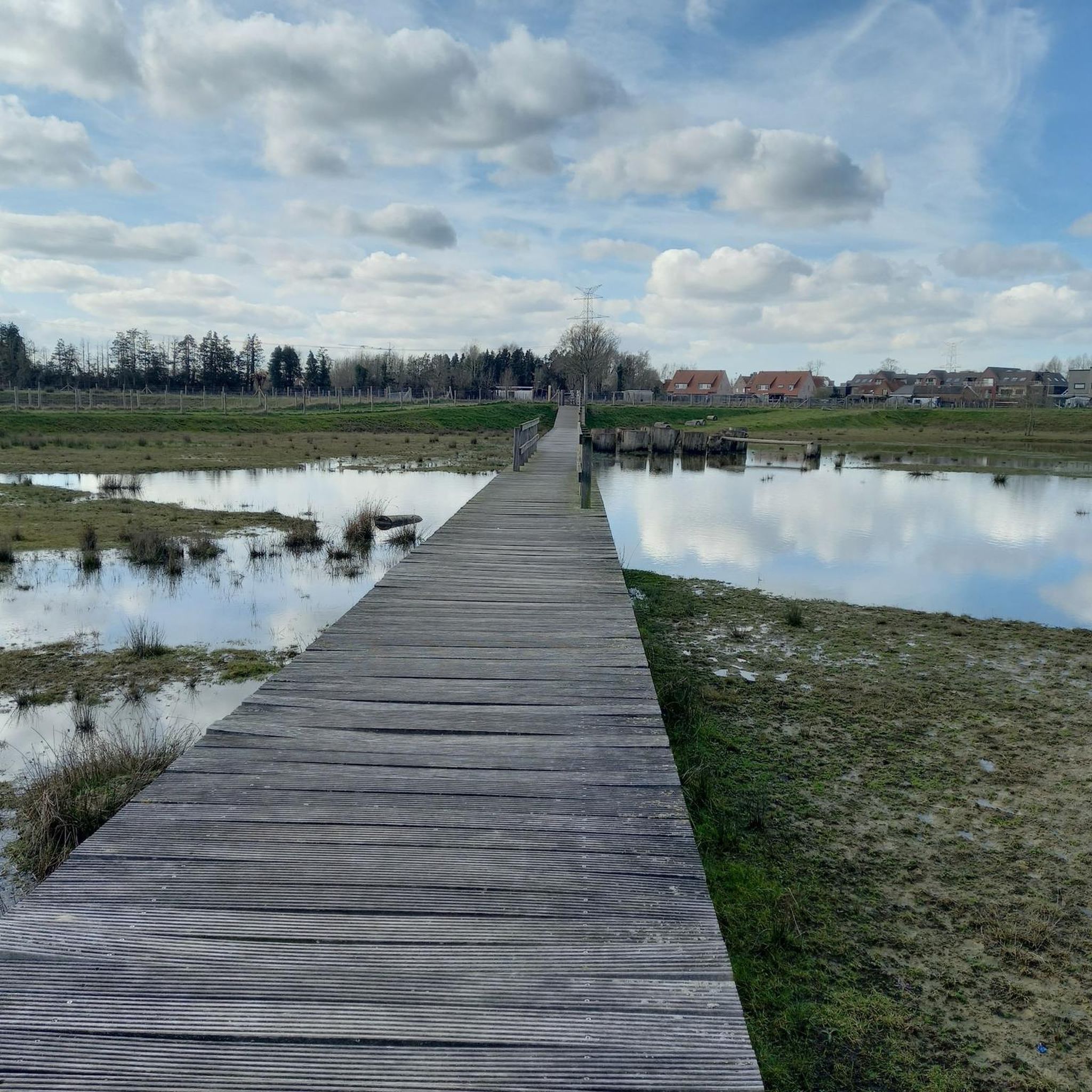
The name suggests it: duck decoys were built to catch wild ducks for consumption. A duck decoy is a pond surrounded by a ‘decoy forest’ and long catch pipes in every corner. The catch was a combination of tame barn ducks and a brown decoy dog (which looked like a fox because of its colour). The decoy man chased the ducks to the end of the catch pipe, where they were caught in nets. Although there are many duck decoys in the Netherlands, this is indeed a Flemish invention. The duck decoy in Meetkerke (from the 16th century) is one of the few remaining examples. Of course, the duck decoy is no longer used for hunting. One of the catch pipes was recently completely restored, a special piece of history restored to its former glory! The duck decoy of Meetkerke is located in a beautiful part of the Flemish nature reserve: the Meetkerkse Moeren. You can easily find the hidden spot via the Meetkerkse Moeren walking route!
2
0

The information board also warns the hiker about the “eternal hunter” who is said to roam here at night. According to legend, a farmer’s son preferred hunting to harvesting, so the farmer/father cursed him to an eternal hunt. Sometimes you can still hear the hunting horn or the calling of the dogs. I didn’t hear anything, but then again, I don’t normally walk through a forest at night. 😉
0
0
The Wulvemote is still very recognizable in structure, even though nature has taken back much of what once was. When reading the information board, this mote (or motte) refers to a house (made of wood and loam) for a farming family and herd surrounded by a ditch. Another theory would see this mote as part of a protective belt of various motes. This protective belt would have functioned as a line of defense against the Norsemen. Little is known about the function(s) of motes and it will probably remain a mystery forever…
0
0

Camp house open from March 30 to the end of September on Saturday and Sunday afternoons from 1:00 PM to 6:00 PM. In July and August also open on Wednesday afternoons.
3
0
The planetary path that leaves from the castle represents the distances between the different planets to scale. During that time, mom and dad can enjoy a drink and a drink in the adjacent Carriage House. (Brugse Ommeland)
15
1
During the First World War, 18,000 German soldiers stayed in these areas. After the Second World War, the Vloethemveld was converted into a prisoner of war camp housing approximately 100,000 prisoners, mainly of German and Baltic origin. Meanwhile, the local population knew little or nothing about this camp. It explains why the Vloethemveld POW camp is not part of our collective memory... (Brugse Ommeland)
12
0
Frequently Asked Questions
What types of natural monuments can I explore around Zedelgem?
Zedelgem offers a diverse range of natural monuments, including expansive forests and heathlands like Vloethemveld, specialized areas such as the Herb garden with its 400 species, and wetland ecosystems like the Meetkerke Duck Decoy. You'll also find mixed deciduous forests like Plaisiersbos and marshlands such as De Pilse.
Are there family-friendly natural monuments in Zedelgem?
Yes, several natural monuments around Zedelgem are suitable for families. Vloethemveld features a fun play zone for children and accessible walking routes. The Herb garden is also family-friendly, offering an educational experience with its wide variety of plants. Even Koning Albert I Park, while a city park, is a pleasant spot for a family stroll.
What historical significance do these natural monuments hold?
Many natural monuments in Zedelgem are intertwined with history. Vloethemveld, for instance, was a military domain and a prisoner-of-war camp during and after both World Wars, offering a unique blend of nature and heritage. The Meetkerke Duck Decoy is a historical site traditionally used for catching ducks, providing insight into past local practices. Even De Wulvemote is a historical site, referring to an ancient dwelling surrounded by a ditch, possibly part of a protective belt.
What outdoor activities can I do near Zedelgem's natural monuments?
The natural monuments around Zedelgem are excellent for various outdoor activities. You can enjoy hiking through diverse landscapes, with routes like the 'Loop on the Vloethem Field hiking network' or the 'Doeveren hiking trail'. For running, options include the 'Nature trail Vloethem Field'. Mountain biking is also popular, with trails such as the 'Kampveld MTB Trail'. You can find more details on these activities and routes in the hiking, MTB, and running guides for Zedelgem.
Are there good viewpoints within the natural monuments?
Yes, Vloethemveld offers watchtowers like the Heidetoren and Waterhut, which provide panoramic views of the nature area and opportunities for bird spotting. The Meetkerke Duck Decoy also serves as a viewpoint into the local wetland ecosystem.
What is the best time to visit the natural monuments around Zedelgem?
The natural monuments around Zedelgem can be enjoyed year-round, but specific times offer unique experiences. Spring and summer are ideal for experiencing the full bloom of the Herb garden and for bird-watching in areas like Vloethemveld. Note that some areas, like the Meetkerke Duck Decoy, may have restricted access during bird breeding season, typically until mid-June.
What kind of wildlife can I expect to see?
The diverse ecosystems of Zedelgem's natural monuments support a variety of flora and fauna. In Vloethemveld, you can find various heather varieties and rare insects, along with opportunities for bird-watching from observation towers. Wetland areas like the Meetkerke Duck Decoy are particularly rich in birdlife.
Are there any specific tips for visiting Vloethemveld?
Vloethemveld is a varied area with forests, heathlands, and sparse grasslands. It's an ideal setting for a relaxing trip or an adventurous discovery tour. There's a play area for children, and the camp house is open on Saturday and Sunday afternoons from March 30 to the end of September, with additional Wednesday openings in July and August. Some parts of the former Camp Vloethemveld can only be visited with a guide.
What are the accessibility options for these natural areas?
Many natural areas, including Vloethemveld, offer networks of walking routes that are generally accessible. The Herb garden is accessible via stairs or a ramp. While specific wheelchair accessibility details vary, the presence of well-maintained paths in popular reserves suggests a degree of ease for visitors.
Can I bring my dog to the natural monuments?
While many natural areas in Belgium are dog-friendly, it's always best to check specific regulations for each site. Generally, dogs are welcome on leashes on designated paths. For nature reserves like Vloethemveld, adhering to local signage regarding pets is important to protect wildlife.
What are some lesser-known natural areas in Zedelgem worth visiting?
Beyond the more prominent sites, Zedelgem also features other accessible nature reserves managed by Natuurpunt Zedelgem. These include De Pilse, known for its marshland and grasslands south of Zedelgem's village center, and Plaisiersbos in Veldegem, a tranquil mixed deciduous forest. Doeveren and Hoogveld are also recognized nature areas offering peaceful exploration.
Most popular routes around Zedelgem
Most popular attractions around Zedelgem

Get inspired with the komoot mobile app


Explore more
Extend your search for the best caves by checking out these guides of the top ones around Zedelgem:
