Top 20 Natural Monuments around Alveringem
Best natural monuments around Alveringem include diverse landscapes within the Westhoek region of Belgium. This area features serene natural reserves and expansive valleys, offering ecological value and opportunities for outdoor activities. The landscape is characterized by a mix of meadows, hayfields, and dynamic dune ecosystems. These natural areas provide opportunities to connect with the unique natural heritage of the region.
Best natural monuments around Alveringem
- The most popular natural monuments is View from the Hoge Blekker, a viewpoint that…
Last updated: November 12, 2026
Krakeelduinen Nature Reserve
Highlight • Natural
Translated by Google •
Tip by

De Doornpanne
Highlight • Natural
Translated by Google •
Tip by

Sign up now to discover places like this
Get recommendations on the best single tracks, peaks, & plenty of other exciting outdoor places.
The Blankaart Observation Tower
Highlight • Viewpoint
Translated by Google •
Tip by

View from the Hoge Blekker
Highlight • Viewpoint
Translated by Google •
Tip by

Gravel Path Through De Doornpanne
Highlight • Trail
Translated by Google •
Tip by
Sign up for free to discover even more natural monuments around Alveringem.
Already have an account?
Start today with a free account
Your next adventure awaits.
Other adventures around Alveringem

Tips from the Community

the place is worth looking around, the tower is an awkward thing and disturbing in the nature experience.
0
0

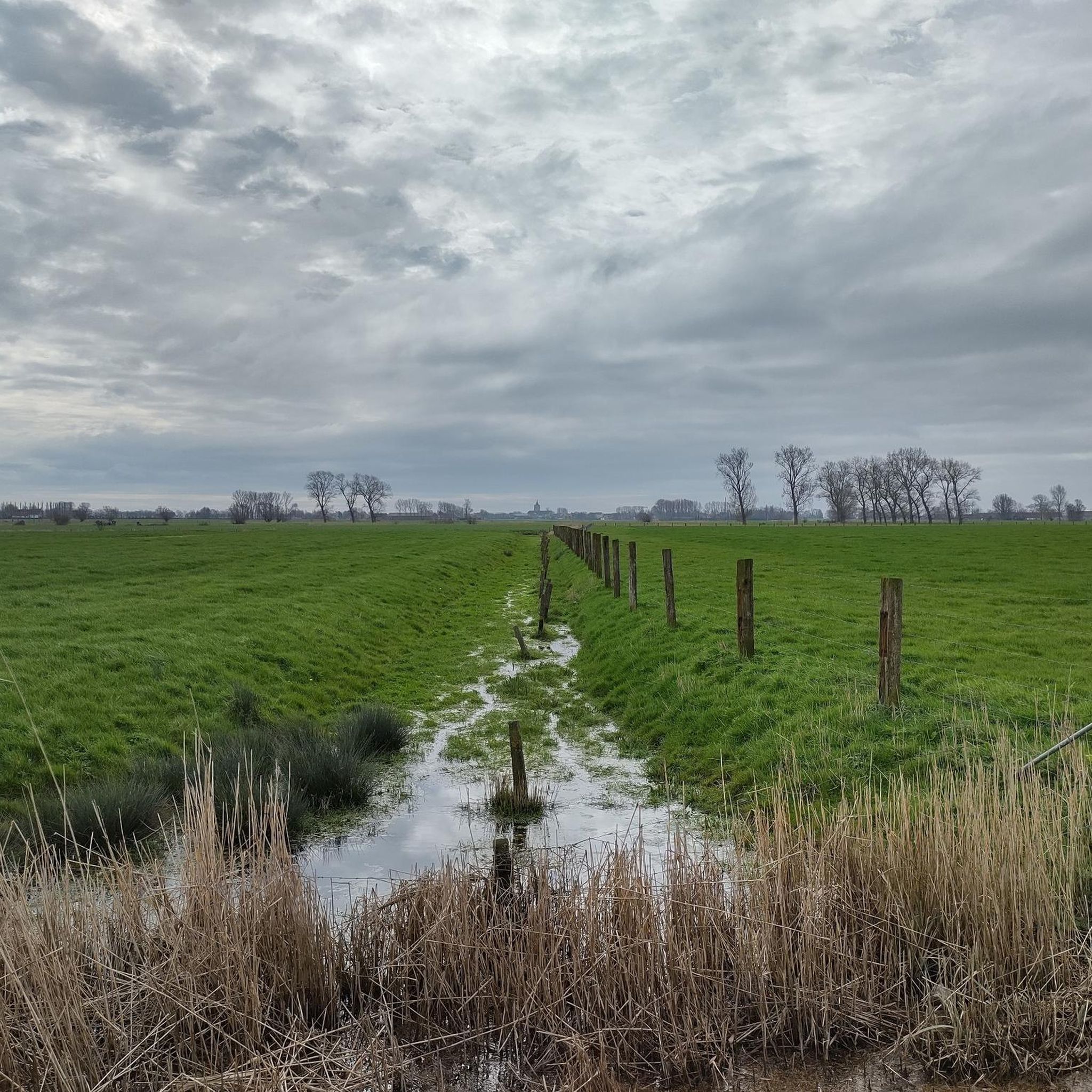
Nice passage in a region with little nature (fields or concrete blocks)
0
0

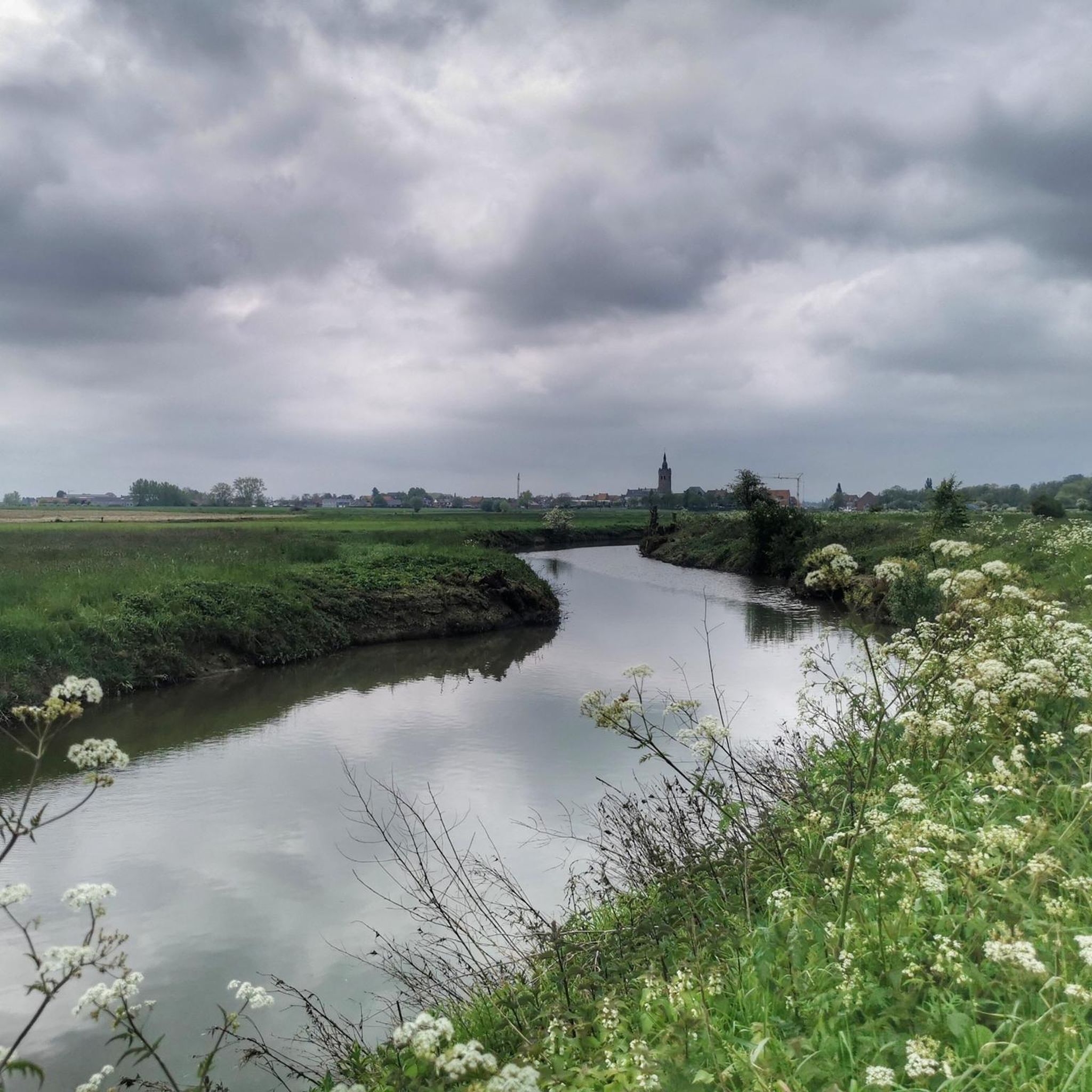
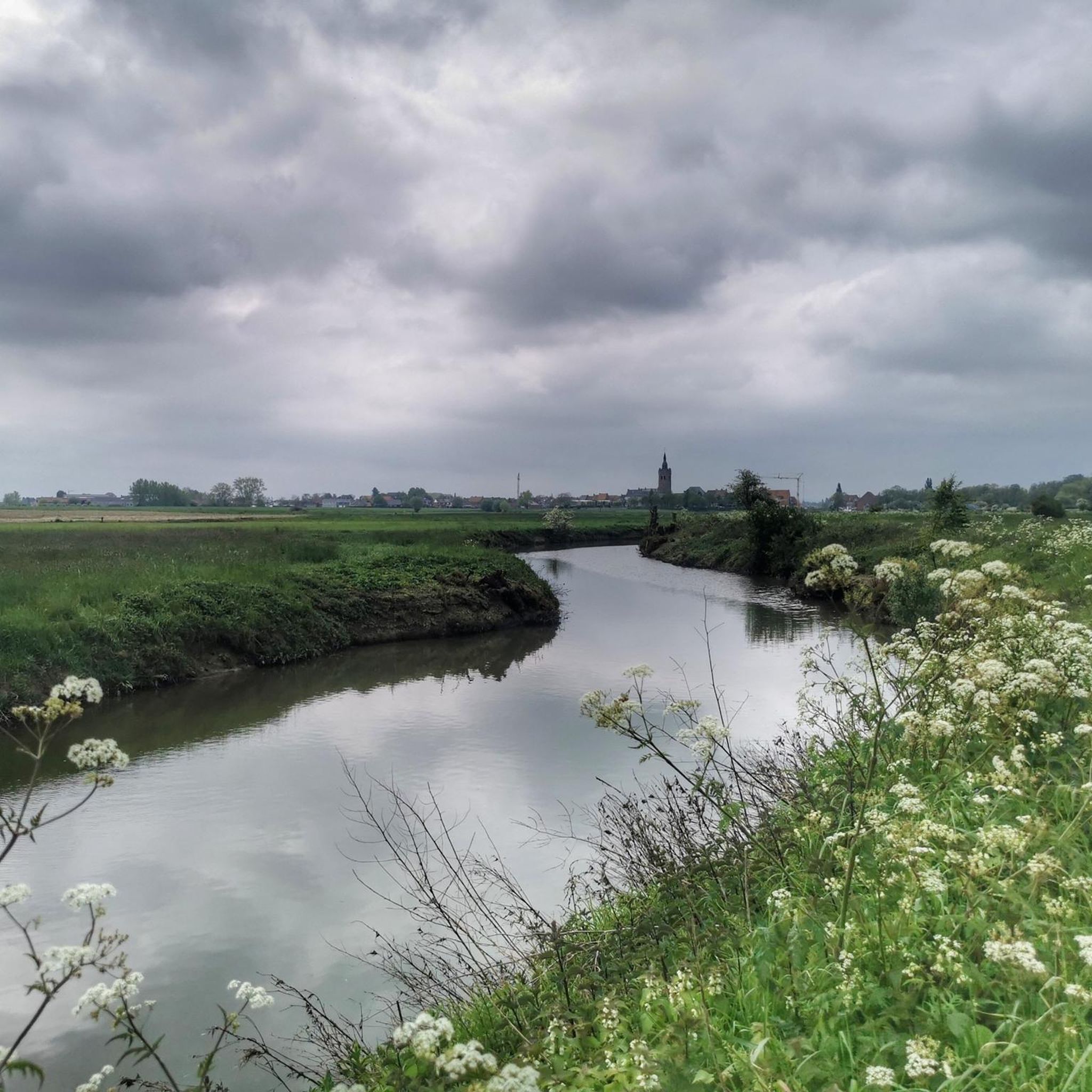
There are a total of four lookout towers in the Blankaart. This one here is the highest: 10m. It overlooks the reed marshes and the wet hay fields. The inspiration for the design of the viewpoints comes from the reed marshes. Just as the bittern blends with its tall figure into the reeds, the towers blend into the open space of the Blankaart, while at the same time they are beacons in the landscape. The rising walls with sloping elements, openings and green plexiglass refer to the reed collars in which birds can hide and which still have a certain transparency. Source: https://pers.vlm.be/nieuwe-uitkijktorens-in-natuurgebied-de-blankaart
4
1

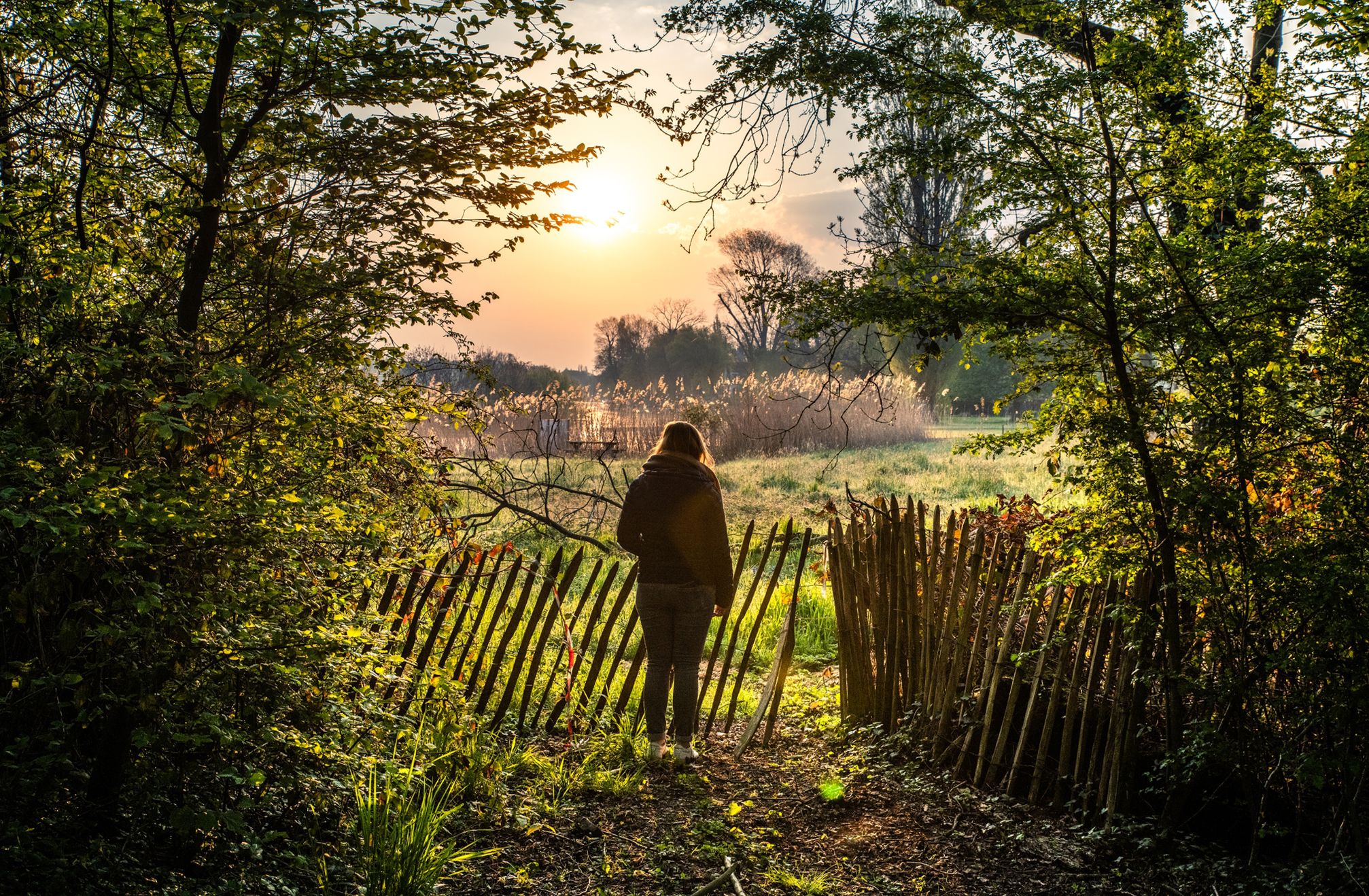
Nature reserve. You're pretty much alone here.
3
0

Welcome to De Hoge Blekker, with its 33 meters the highest dune in the entire Flemish coastal region. A striking appearance and an impressive eye-catcher. The dune used to be a fixed navigation point for sailors. From a distance they could see the white back as a kind of 'flash' ('bleach' is the local dialect for 'flash'). The Hoge Blekker is a drifting dune that has covered some distances over time. The dune now covers an area of approximately 33 hectares. Enough room for a picnic stop!
4
0

Beautiful semi-paved walking path that goes through De Doornpanne. Every season is colored differently here. With a bit of luck, donkeys or ponies will come to greet you.
9
0
At 33 meters above sea level, the Hoge Blekker, the dune that gave its name to the domain, is not only the highest dune (ridge) on our Flemish coast, but also a beautiful nature reserve, covering approximately 18 hectares. Blekker or Blinkaart is the common name for a bare dune hill that reflects sunlight (bleaching or shining). It was a permanent beacon for sailors who saw its white crown shining from afar ('bleaching' in the local dialect). At the origin of the Hoge Blekker and the adjacent dune massif are parabolic dunes that formed between the 16th and 19th centuries.
10
1

Together with the IJzermonding and the Zwin, the Krakeelduinen are part of the Natura 2000 area Dune Areas. After WWII the dunes were used as a water extraction area, but nowadays the dune area is being restored to its natural glory. You will now find Scottish Blackface sheep grazing the area and since the concrete has been removed the sand can flow freely again.
3
0
Frequently Asked Questions
What types of natural landscapes can I explore around Alveringem?
The region around Alveringem offers a diverse range of natural landscapes. You can find dynamic dune ecosystems, tranquil wetland nature reserves, expansive valleys with meadows and hayfields, and even areas with forests and clay pits. These areas provide opportunities to experience coastal features, inland nature reserves, and riverine environments.
Are there any family-friendly natural monuments in the area?
Yes, several natural monuments are suitable for families. The Blankaart Observation Tower is located within a wetland nature reserve that offers child-friendly bike rides and walks, boardwalks, and bird watching huts. View from the Hoge Blekker, the highest dune in the Flemish coastal region, is also family-friendly and a great spot for a picnic. Additionally, De Doornpanne, a large dune massif, is categorized as family-friendly.
Where can I go for birdwatching near Alveringem?
The region is excellent for birdwatching. The Blankaart Observation Tower provides a beautiful view of the De Blankaart nature reserve, known for its rich birdlife. The IJzervallei (Yser Valley) is also a vital habitat for various birds and aquatic life, with popular birdwatching spots near the Brouckmolen in Beveren aan de IJzer and the Fintele lock in Lo-Reninge. The Viconia Clay Pits also feature bird hides and a new lookout tower for spotting numerous bird species.
What unique natural features can I find in the natural monuments?
You can discover several unique features. The Hoge Blekker is notable as the highest drifting dune on the Flemish coast. The Krakeelduinen Nature Reserve is a dune area undergoing restoration, where Scottish Blackface sheep graze to help the sand drift freely. The Viconia Clay Pits are former clay extraction sites now transformed into a nature reserve with shallow lakes, wet meadows, and diverse ecosystems.
Are there hiking trails near these natural monuments?
Yes, there are numerous hiking opportunities. The IJzervallei offers extensive routes like the Brouckmolenroute and Dode IJzerroute. You can find more hiking trails around the natural monuments by exploring the Hiking around Alveringem guide, which includes routes like the 'Yser River – Kallebrug Over the Yser loop' and 'Winding Path Along the River – Malt and Brewery House De Snoek loop'.
Can I go cycling in the natural areas around Alveringem?
Absolutely. The IJzervallei is well-suited for cyclists, offering picturesque views. For more cycling options, refer to the Cycling around Alveringem guide. Routes such as 'De Doornpanne – Veurne Market Square loop' and 'The Three Canals Point – Fintele Lock loop' allow you to explore the diverse landscapes by bike.
What is the best time to visit the natural monuments around Alveringem?
The natural monuments around Alveringem offer different experiences throughout the year. Spring and autumn are ideal for birdwatching, especially in wetland areas like De Blankaart and the IJzervallei, as migratory birds pass through. Summer provides pleasant weather for walks and picnics in the dunes like Hoge Blekker and De Doornpanne. The changing seasons also bring varied flora and fauna to observe.
What kind of wildlife can I expect to see?
The natural monuments are rich in biodiversity. In the wetlands and the IJzervallei, you can spot various bird species, including spoonbills and bitterns, as well as aquatic life. Dune areas like Krakeelduinen Nature Reserve feature Scottish Blackface sheep, and the broader dune massifs like De Doornpanne are home to over three hundred plant species, some of which are rare.
Are there any viewpoints offering panoramic views of the natural landscapes?
Yes, there are several excellent viewpoints. View from the Hoge Blekker, the highest dune, provides extensive panoramas of the Flemish coastal region. The Blankaart Observation Tower offers beautiful views over the De Blankaart nature reserve. Additionally, the Viconia Clay Pits have a new lookout tower providing panoramic views over the shallow lakes and surrounding nature.
What do visitors enjoy most about the natural monuments around Alveringem?
Visitors appreciate the tranquility and the opportunity to connect with nature. Many enjoy the peaceful settings for walks, observing local wildlife, and the diverse landscapes ranging from coastal dunes to serene wetlands. The restoration efforts in areas like Krakeelduinen Nature Reserve also offer a unique insight into dynamic natural processes.
Are there opportunities for running or jogging in these natural areas?
Yes, the natural areas around Alveringem provide good opportunities for running and jogging. You can find various routes suitable for running by checking the Running Trails around Alveringem guide. Examples include the 'New Bridge to Zavelhoek loop' and the ''t Hof van Commerce – Heidebeek loop'.
What is the Krakeelduinen Nature Reserve known for?
Krakeelduinen Nature Reserve is known for being a dune area undergoing significant restoration. Part of the Natura 2000 'Dune Areas', it features Scottish Blackface sheep grazing to maintain the landscape and allows sand to drift freely, restoring its natural state. It's a place of silence, far from the hustle and bustle of the beach.
Most popular routes around Alveringem
Most popular attractions around Alveringem

Get inspired with the komoot mobile app


Explore more
Extend your search for the best caves by checking out these guides of the top ones around Alveringem:
