Top 20 Natural Monuments around Onhaye
Natural monuments around Onhaye, located in Wallonia, Belgium, feature a diverse landscape shaped by rivers like the Lesse and Meuse. The region is characterized by impressive limestone formations, significant nature reserves, and areas of successful ecological restoration. These natural sites offer insights into geological history and support varied ecosystems. The area provides opportunities to observe unique flora and fauna in protected environments.
Best natural monuments around Onhaye
- The most popular natural monument is Freyr Rocks along the Meuse, a…
Last updated: May 1, 2026
Freyr Rocks along the Meuse
Highlight • Climb
Translated by Google •
Tip by

View of the Freyr Cliffs and the Meuse
Highlight • Viewpoint
Translated by Google •
Tip by
Sign up now to discover places like this
Get recommendations on the best single tracks, peaks, & plenty of other exciting outdoor places.
Sign up for free
View of the Aiguilles de Chaleux
Highlight • Natural Monument
Translated by Google •
Tip by

Rive de Meuse
Highlight • Gorge
Translated by Google •
Tip by

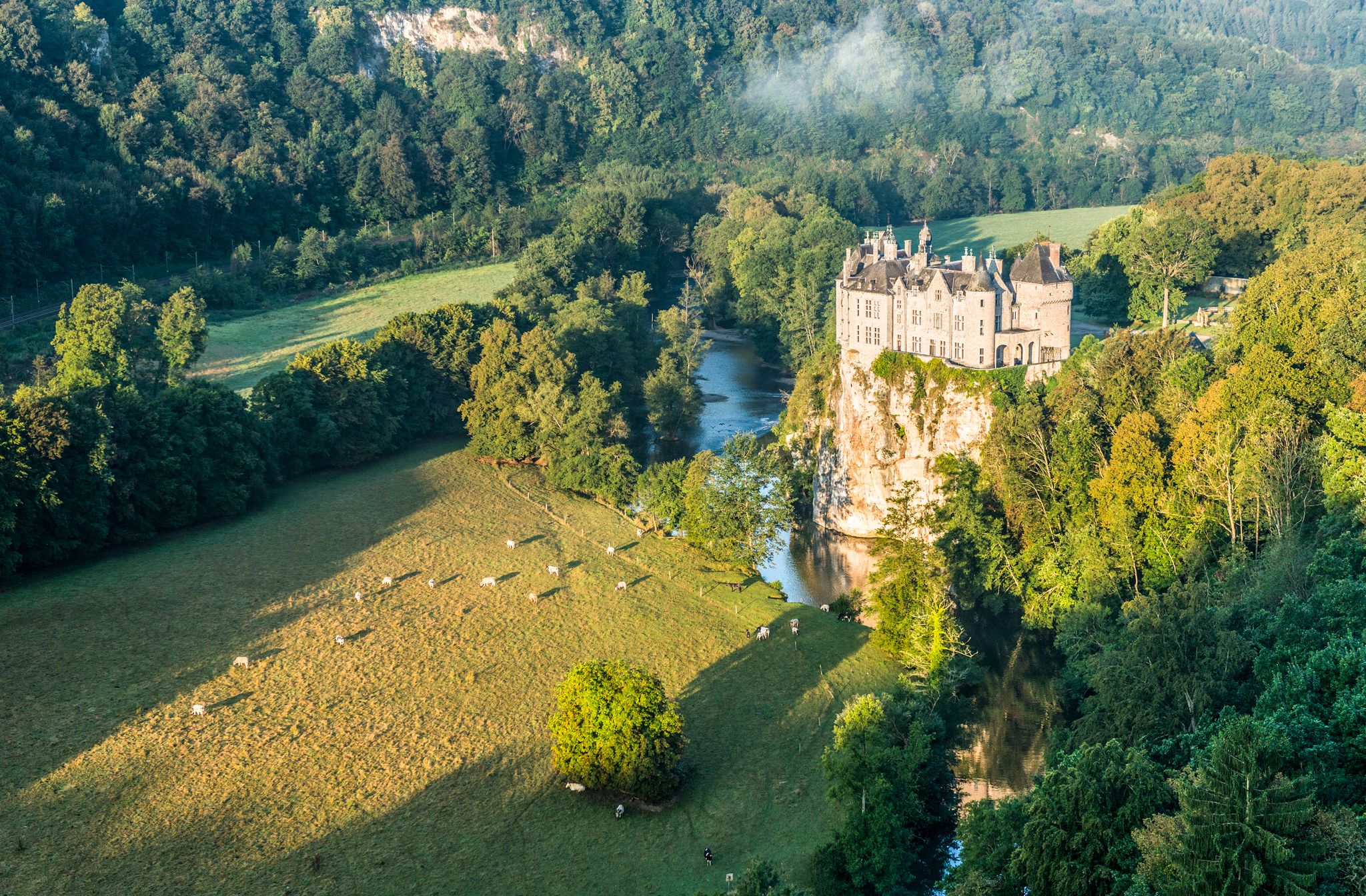
View of Walzin Castle
Highlight • Viewpoint
Translated by Google •
Tip by
Sign up for free to discover even more natural monuments around Onhaye.
Sign up for free
Already have an account?
Start today with a free account
Your next adventure awaits.
Login or Signup

Other adventures around Onhaye

Tips from the Community

Very pleasant to clear your head.
0
0

Beautiful views of Freÿr Castle and the river from the Freÿr cliff on the Meuse. A good level of surefootedness is required for the ascent and descent to this vantage point.
4
0
Beautiful cliffs on the Meuse River opposite Freÿr Castle. The walk along the narrow paved path along the banks of the Meuse River below the overhanging cliff is quite adventurous. There's a beautiful vantage point on the cliff with a beautiful view of the Meuse and Freÿr Castle.
3
0

Beautiful location and route
2
0


Climbed my first 8A here! Beautiful climbing area!
1
0

Profondeville, a charming village in the province of Namur, is situated on the banks of the Meuse and offers a perfect base for a peaceful and breathtaking bike ride along the river. The route along the Meuse is highly recommended for its quiet roads and beautiful views of the river and the surrounding nature.
0
0

Frequently Asked Questions
What unique geological formations can I explore around Onhaye?
The region around Onhaye is renowned for its impressive limestone formations. You can visit the Aiguilles de Chaleux, a dramatic series of sharp limestone cliffs rising steeply from the Lesse River, some reaching 50 to 70 meters in height. Another significant site is the Freyr Rocks along the Meuse, which are limestone rock formations up to 120 meters high, popular for climbing.
Are there any nature reserves or areas of high biodiversity to visit near Onhaye?
Yes, the Réserve Naturelle de la Montagne de Sosoye is a jewel of natural heritage, known for its remarkable vegetation including diverse calcareous grasslands rich in orchids and a wide variety of insects. Another interesting site is the Ancienne sablière de Clavia, a former sand quarry that has been ecologically restored into a wild paradise, attracting specific flora and fauna adapted to sandy, warm environments, such as solitary bees and heathland vegetation.
What outdoor activities can I do near these natural monuments?
The natural monuments around Onhaye offer a variety of outdoor activities. The Freyr Rocks along the Meuse are one of Belgium's largest climbing areas with over 600 routes. The Aiguilles de Chaleux area is excellent for hiking, offering picturesque panoramic views of the Lesse valley. You can also find numerous hiking, cycling, and running routes in the wider region. For example, explore routes like 'From the Falaen castle farm to the ruins of Montaigle' for hiking, or 'The Meuse – Bayard Rock loop' for cycling. Find more routes in the Hiking around Onhaye or Cycling around Onhaye guides.
Are there family-friendly natural monuments or activities in the Onhaye area?
Yes, the Rive de Meuse offers a family-friendly cycle path along the deeply cut Meuse valley, featuring views of rocks, caves, and castles. While some natural monuments involve more challenging terrain, many areas around the rivers provide accessible paths suitable for families to enjoy the scenery.
Can I see any historical sites integrated with the natural landscape?
Absolutely. The View of Walzin Castle offers a stunning perspective of a castle perched dramatically on a steep limestone cliff above the Lesse River. This location provides a scenic blend of historical architecture and natural beauty, showcasing how the castle is integrated into the rugged landscape.
What kind of wildlife can I spot in the natural monuments around Onhaye?
The diverse natural monuments support various wildlife. At the Aiguilles de Chaleux, the microclimate created by the limestone provides refuge for birds like peregrine falcons and great horned owls. The Réserve Naturelle de la Montagne de Sosoye is particularly rich in insects, especially lepidoptera (butterflies and moths), orthoptera (grasshoppers and crickets), and hymenoptera (bees, wasps, and ants). The Ancienne sablière de Clavia is known for attracting various insects, including solitary bees and certain wasp species.
What is the best time to visit the natural monuments in Onhaye?
The natural monuments around Onhaye can be enjoyed throughout the year, but spring and autumn often offer the most pleasant conditions for hiking and exploring, with milder temperatures and beautiful foliage or blooming wildflowers. Summer is ideal for river activities and enjoying the lush greenery, while winter can provide a stark, serene beauty, though some trails might be more challenging due to weather.
Are there any hidden gems among the natural monuments in the region?
While popular sites like the Aiguilles de Chaleux are well-known, the Ancienne sablière de Clavia could be considered a hidden gem. It's a testament to successful ecological restoration, transforming an old industrial site into a thriving habitat for unique flora and fauna, offering a different kind of natural beauty and biological interest away from the more dramatic cliffs.
What do visitors enjoy most about the natural monuments around Onhaye?
Visitors frequently praise the dramatic scenery, especially the towering limestone cliffs and the picturesque river valleys. The Aiguilles de Chaleux are often highlighted as one of Belgium's most exciting and beautiful rock formations. The panoramic views, the opportunities for challenging climbs at places like the Freyr Rocks, and the serene beauty of the natural reserves are also highly appreciated.
Are there options for cycling near the natural monuments?
Yes, cycling is a popular activity in the region. The Rive de Meuse features a cycle path that runs through the deeply cut Meuse valley. You can find various cycling routes, such as 'Province de Namur - Falaën and Montaigle Castle loop' or 'Bike loop from Sosoye'. More cycling options are available in the Cycling around Onhaye guide.
What is the archaeological significance of the natural monuments in Onhaye?
The Aiguilles de Chaleux site holds archaeological significance, with excavations at the 'Trou de Chaleux' (Chaleux Hole) having revealed prehistoric artifacts and human remains, indicating ancient human presence in this dramatic landscape.
Where can I find information about the geological history of these sites?
The limestone formations, such as the Aiguilles de Chaleux, are composed of Viséen limestone, formed around 350 million years ago during the Carboniferous period. The specific Condroz limestone rock points date from the Tournaisian and Viséen periods (between 330 and 358 million years ago). These details highlight the ancient geological processes that shaped the region's distinctive natural monuments.
Most popular attractions around Onhaye

Get inspired with the komoot mobile app


Explore more
Extend your search for the best caves by checking out these guides of the top ones around Onhaye:
