Top 17 Natural Monuments around Houthulst
Best natural monuments around Houthulst are centered around the historical Houthulst Forest, also known as the Vrijbos, which once spanned over 4,000 hectares. This area is recognized for its ecological value and its significant role during World War I, serving as a German fortress. Remnants of this history, including a Belgian military cemetery, are present within the forest. The region offers natural spaces for walking and reflection, combining natural features with historical context.
Best natural monuments around Houthulst
- The most…
Last updated: June 1, 2026
The Blankaart Observation Tower
Highlight • Viewpoint
Translated by Google •
Tip by

Viconia Clay Pits
Highlight • Lake
The area …
Translated by Google •
Tip by

Sign up now to discover places like this
Get recommendations on the best single tracks, peaks, & plenty of other exciting outdoor places.
Sign up for free
Passchendaele Memorial Gardens
Highlight • Historical Site
Translated by Google •
Tip by

The Gallows Woods
Highlight • Forest
During the First World War, the woods, unlike other forest areas, were spared because they formed a …
Translated by Google •
Tip by

West Gate
Highlight • Monument
Translated by Google •
Tip by

Sign up for free to discover even more natural monuments around Houthulst.
Sign up for free
Already have an account?
Start today with a free account
Your next adventure awaits.
Login or Signup

Tips from the Community

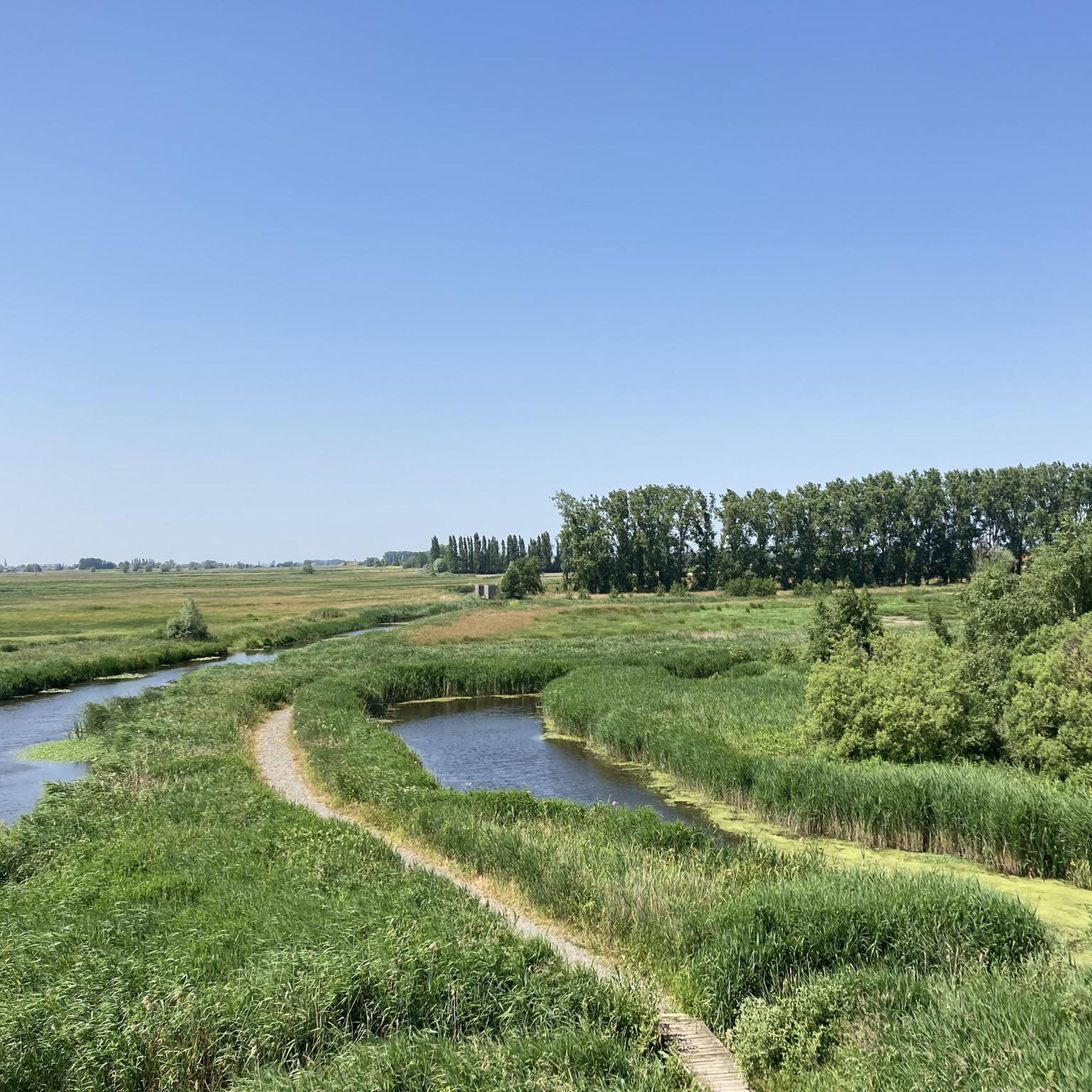
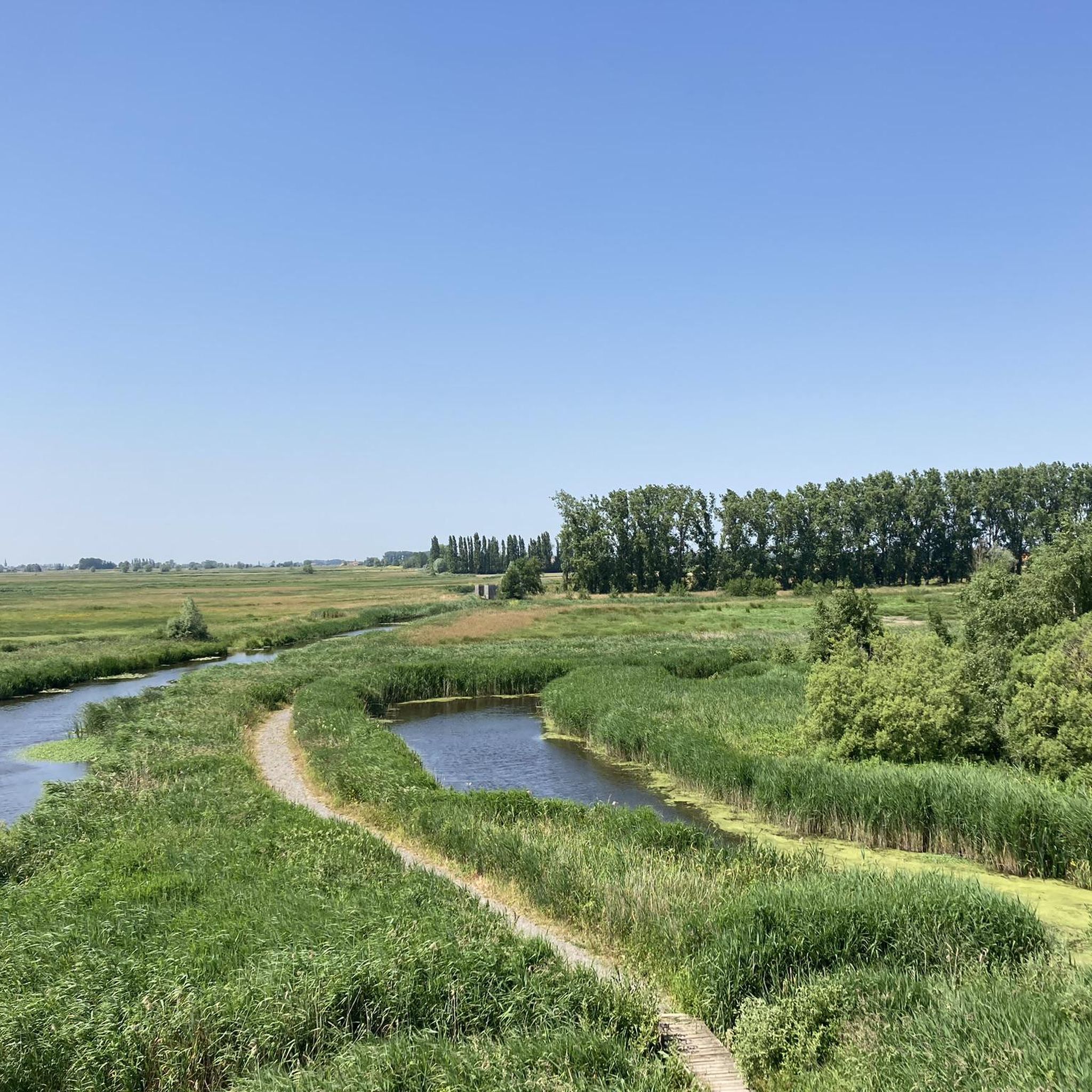
Experience the Viconia Clay Pits. A walking loop introduces you to the ponds and the observation tower.
0
1

The Caesarsboom is an old yew tree (also known as poison tree) in the town of Lo in the Belgian Westhoek region. The tree is one of Lo's typical symbols and is located next to the medieval Westpoort gate. The name refers to a legend about Julius Caesar, who is said to have taken a nap under the tree in 55 BC on his way to Britain and tied his horse to it. The story goes back to the historian Jean-Baptiste Gramaye, who was the first to allow Caesar to pass through Lo in 1612. In reality, the Caesarsboom is approximately 250 years old. A painting from the late 18th century depicts its predecessor in full maturity. https://nl.wikipedia.org/wiki/Caesarsboom
2
0


Eight memorial gardens were created, each in the shape of a poppy, a symbol of the war. Each garden was designed to commemorate the unique contribution and sacrifice of each country during the Battle of Passchendaele, using symbolic vegetation, modern art and poetry. The following countries were involved: Belgium, United Kingdom, Canada, New Zealand, Australia, France, Germany, USA.
7
0

The Passchendaele Memorial Park combines recreation and nature with the memory of the Battle of Passchendaele. The park has 8 memorial gardens in the symbolic shape of a poppy. At the request of the Memorial Museum Passchendaele 1917, these gardens are filled by the various nations that participated in the Battle of Passchendaele, with a design that combines modern art, poetry and symbolic vegetation from that country. During the commemoration years, the various gardens were opened. After a visit to the Passchendaele Museum, you can reflect on the horrors of the First World War in a subdued way during a walk in the park. Thematic walks to Tyne Cot Cemetery and the Polygon Forest and a bike ride that connects the WWI heritage in Zonnebeke also depart from the park. Source: https://www.toerismewesthoek.be/nl/flanders-fields/groote-oorlognl/doen/passchendaele-memorial-gardens
2
0

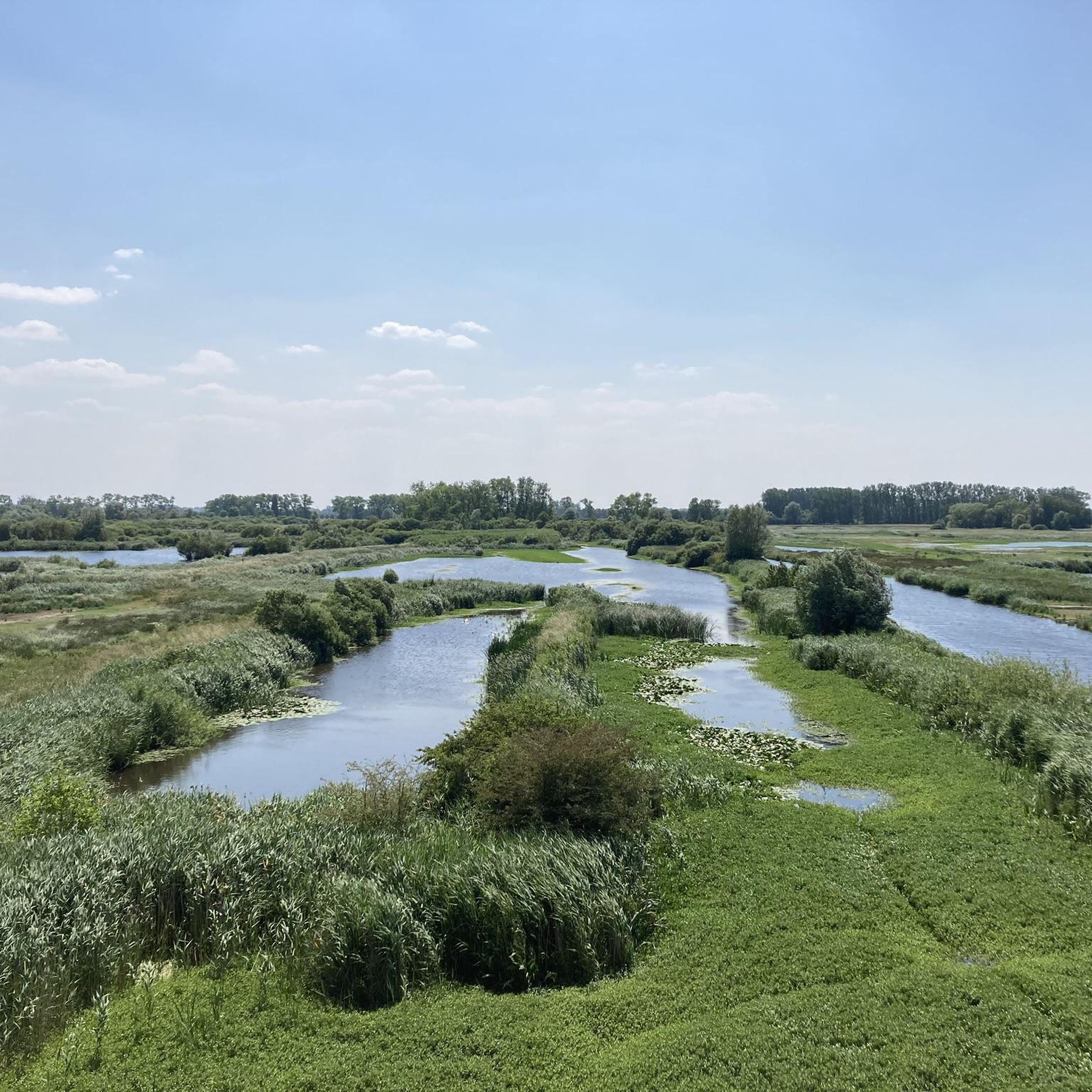
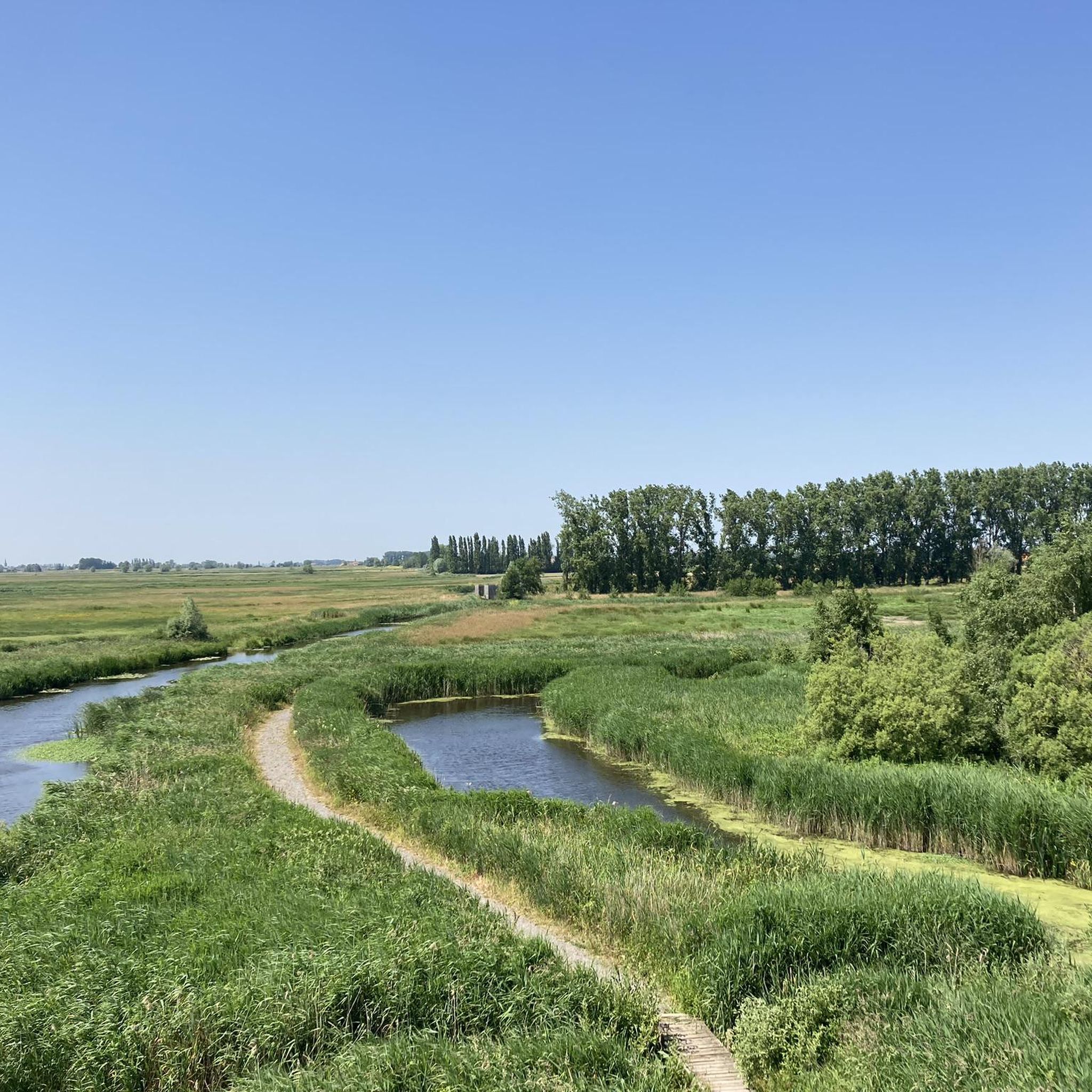
There are a total of four lookout towers in the Blankaart. This one here is the highest: 10m. It overlooks the reed marshes and the wet hay fields. The inspiration for the design of the viewpoints comes from the reed marshes. Just as the bittern blends with its tall figure into the reeds, the towers blend into the open space of the Blankaart, while at the same time they are beacons in the landscape. The rising walls with sloping elements, openings and green plexiglass refer to the reed collars in which birds can hide and which still have a certain transparency. Source: https://pers.vlm.be/nieuwe-uitkijktorens-in-natuurgebied-de-blankaart
4
1

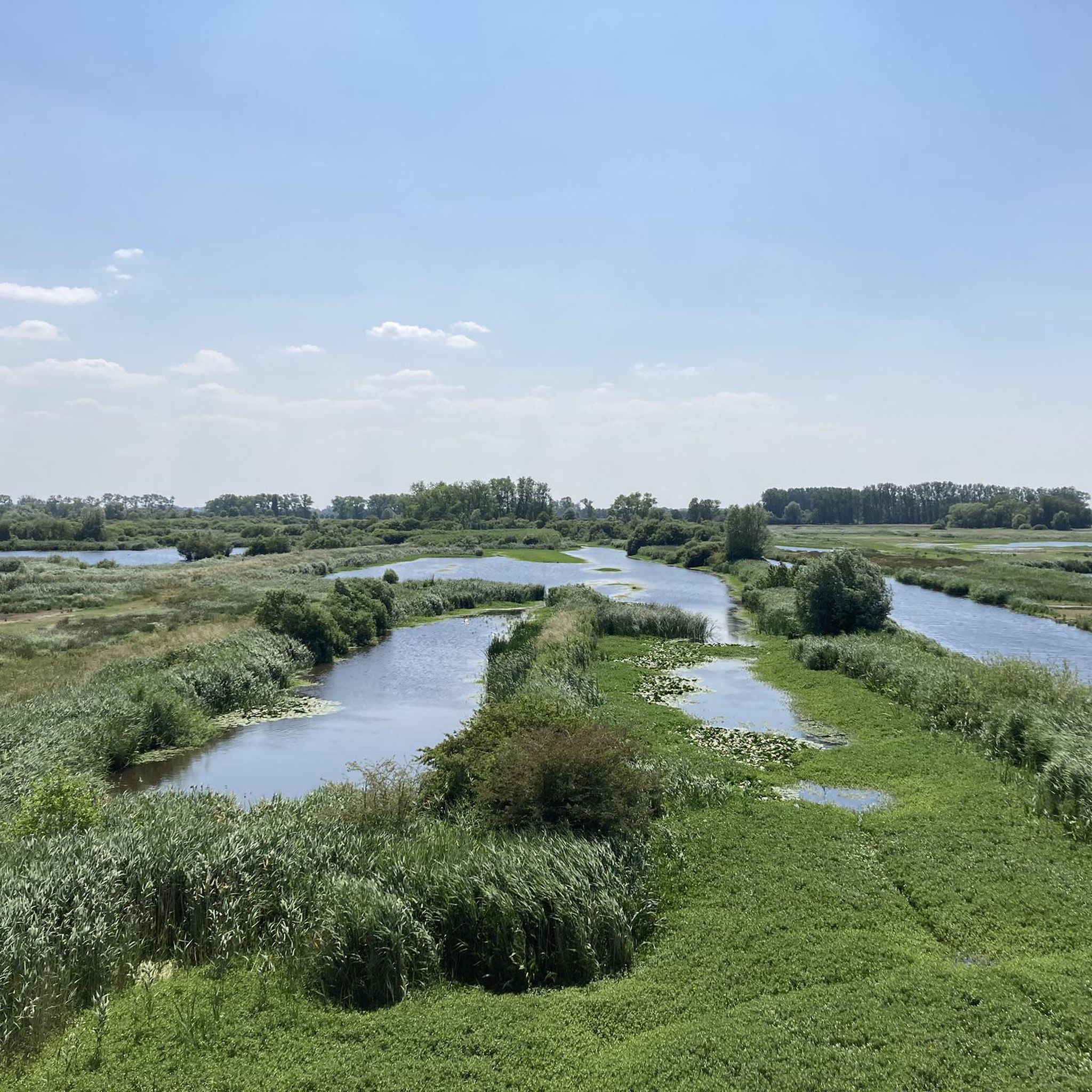
From this lookout tower you have a beautiful view of the De Blankaart nature reserve. When the weather is clear you can enjoy beautiful panoramas. Certainly do!
16
0
A forest where, until the 1700s, gallows literally stood ready for the convicts. During the First World War, the woods, unlike other forest areas, were spared because they formed a resting area for British soldiers. There was a barrack where Anglican worship services were held, and there was a cinema room. A nearby farm, the present Hospitaalhoeve, served as a hospital. The Plank Road led to the center of Vlamertinge and the soldiers went to the front along this road. At the edge of the forest is the Hagle Dump Cemetery. The British gave it the name “Dirty Bucket Camp” referring to the inn de Vuile Seule ("seule" is West Flemish for bucket).
3
0
Frequently Asked Questions
What natural features can I explore in the Houthulst area?
The Houthulst area offers a diverse range of natural features. You can explore wetlands and marshes at the De Blankaart nature reserve, which is known for its birdlife and boardwalks. The Viconia Clay Pits feature wet meadows, ponds, and reed collars, creating a rich habitat for various species. Additionally, the region is known for its forests, such as the historically significant Houthulst Forest (Vrijbos) and The Gallows Woods.
Where can I go for birdwatching around Houthulst?
For birdwatching, the De Blankaart nature reserve is an excellent choice. It features an observation tower and birdwatching huts, allowing you to spot diverse bird species, including spoonbills. The Viconia Clay Pits also offer a bird hide and a new lookout tower for observing the many birds that visit its shallow lakes and wet meadows.
Are there specific viewpoints to enjoy the scenery?
Yes, you can find several viewpoints. The Blankaart Observation Tower provides panoramic views of the De Blankaart nature reserve. At the Viconia Clay Pits, a new lookout tower offers extensive views over the shallow lakes and surrounding nature.
What is the historical significance of the natural monuments around Houthulst?
The natural monuments in the Houthulst area are deeply intertwined with history. The Houthulst Forest, also known as the Vrijbos, played a critical role during World War I, serving as a German fortress. Remnants of this history, including a Belgian military cemetery, are present within the forest. The Gallows Woods also have historical significance, having been a site for gallows until the 1700s and a resting area for British soldiers during WWI. The Passchendaele Memorial Gardens combine nature with remembrance of the Battle of Passchendaele.
Are there family-friendly natural monuments around Houthulst?
Many natural monuments in the area are suitable for families. The De Blankaart nature reserve offers child-friendly bike rides and walks, with boardwalks leading to birdwatching huts. The Viconia Clay Pits also feature beautiful hiking trails and a watchtower that families can enjoy. Additionally, The Gallows Woods is a play forest with diverse plant and animal life, making it an engaging spot for children.
When is the best time to visit the natural monuments around Houthulst?
The best time to visit depends on your interests. For birdwatching, spring and autumn are often ideal as migratory birds pass through. Between April 15 and September 15, you can also enjoy whisper boat trips in the De Blankaart swamp. The forests, like Houthulst Forest and The Gallows Woods, offer pleasant walking conditions throughout spring, summer, and autumn. Even in winter, these areas can be beautiful for quiet reflection, though some facilities or boat trips might be seasonal.
What outdoor activities can I do near these natural monuments?
The Houthulst area is excellent for various outdoor activities. You can find numerous routes for road cycling, gravel biking, and mountain biking. For example, explore routes like the 'Fintele Lock – Ypres Canal loop' for road cycling, or the 'Frontzate path through the greenery' for gravel biking. Mountain bikers can enjoy trails such as the 'Langemark Church – Trail along Houthulst Forest loop'. You can find more details on these activities in the Road Cycling Routes around Houthulst, Gravel biking around Houthulst, and MTB Trails around Houthulst guides.
Are there hiking trails near these natural monuments?
Yes, there are many opportunities for hiking. The De Blankaart nature reserve offers walks along marshes and meadows, including boardwalks. The Viconia Clay Pits feature the Viconiapad, a path running through the reserve. The Houthulst Forest (Vrijbos) and The Gallows Woods are also popular for walks, combining natural beauty with historical reflection. For specific routes, you can check the various cycling and MTB guides which often include walking sections or paths suitable for hiking.
What do visitors enjoy the most about Houthulst's natural monuments?
Visitors particularly appreciate the blend of natural beauty and profound historical significance. The panoramic views from the Blankaart Observation Tower and the diverse birdlife at the Viconia Clay Pits are highly rated. Many also find the historical context of places like the Houthulst Forest and The Gallows Woods, with their WWI connections, to be very moving and unique.
Are there any unique historical structures or monuments to see?
Beyond the natural landscapes, you can find unique historical structures. The West Gate is the only remaining remnant of the old city walls of Lo, accompanied by an ancient yew tree. The Passchendaele Memorial Gardens feature eight memorial gardens, each in the symbolic shape of a poppy, commemorating the nations involved in the Battle of Passchendaele.
Can I visit the Houthulst Forest (Vrijbos)?
Yes, the Houthulst Forest, locally known as the Vrijbos, is accessible for visitors. It offers a space for walking and reflection, combining its natural environment with a profound sense of history, including the Belgian military cemetery within its bounds. While significantly reduced in size, its remaining portion is a unique natural monument.
Most popular routes around Houthulst
Most popular attractions around Houthulst

Get inspired with the komoot mobile app


Explore more
Extend your search for the best caves by checking out these guides of the top ones around Houthulst:
