Top 19 Natural Monuments around Wervik
Best natural monuments around Wervik include diverse natural areas recognized for their ecological value and unique features. The region, situated in West Flanders, Belgium, offers varied landscapes shaped by river systems and historical events. These sites provide opportunities for nature observation and outdoor recreation. Wervik's natural heritage is characterized by preserved ecosystems and significant historical landmarks.
Best natural monuments around Wervik
- The most popular natural monuments is The Bluff Memorial and Crater, a natural monument that shows how the…
Last updated: June 1, 2026
The Bluff Memorial and Crater
Highlight • Historical Site
Translated by Google •
Tip by

Hill 60 preserved Battlefield (World War I)
Highlight • Historical Site
Translated by Google •
Tip by

Sign up now to discover places like this
Get recommendations on the best single tracks, peaks, & plenty of other exciting outdoor places.
Sign up for free
Caterpillar Crater
Highlight • Historical Site
Translated by Google •
Tip by

Coming World Remember Me Sculpture
Highlight • Monument
Zillebeke Pond
Highlight • Lake
Translated by Google •
Tip by

Sign up for free to discover even more natural monuments around Wervik.
Sign up for free
Already have an account?
Start today with a free account
Your next adventure awaits.
Login or Signup

Tips from the Community

An interesting anecdote concerns the battles around the pond during the war. Soldiers used the pond as a natural barrier and shelter. There are stories of soldiers wading through the water at night to reach enemy lines, which gave the pond strategic significance.
7
0

another very beautiful work
0
0
some very beautiful works on the route
0
0

Strategic hill called Hill 60 in the First World War.
1
0

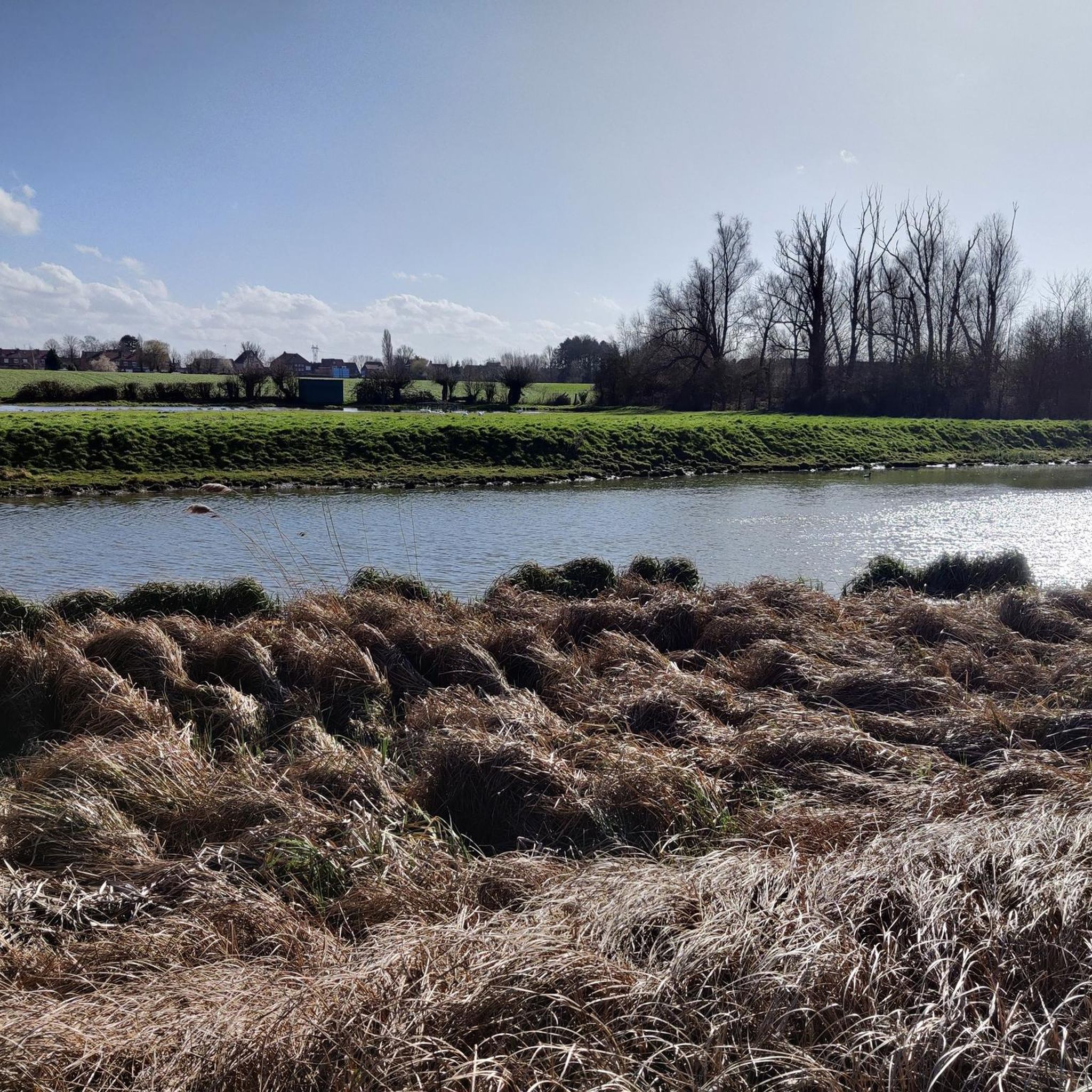
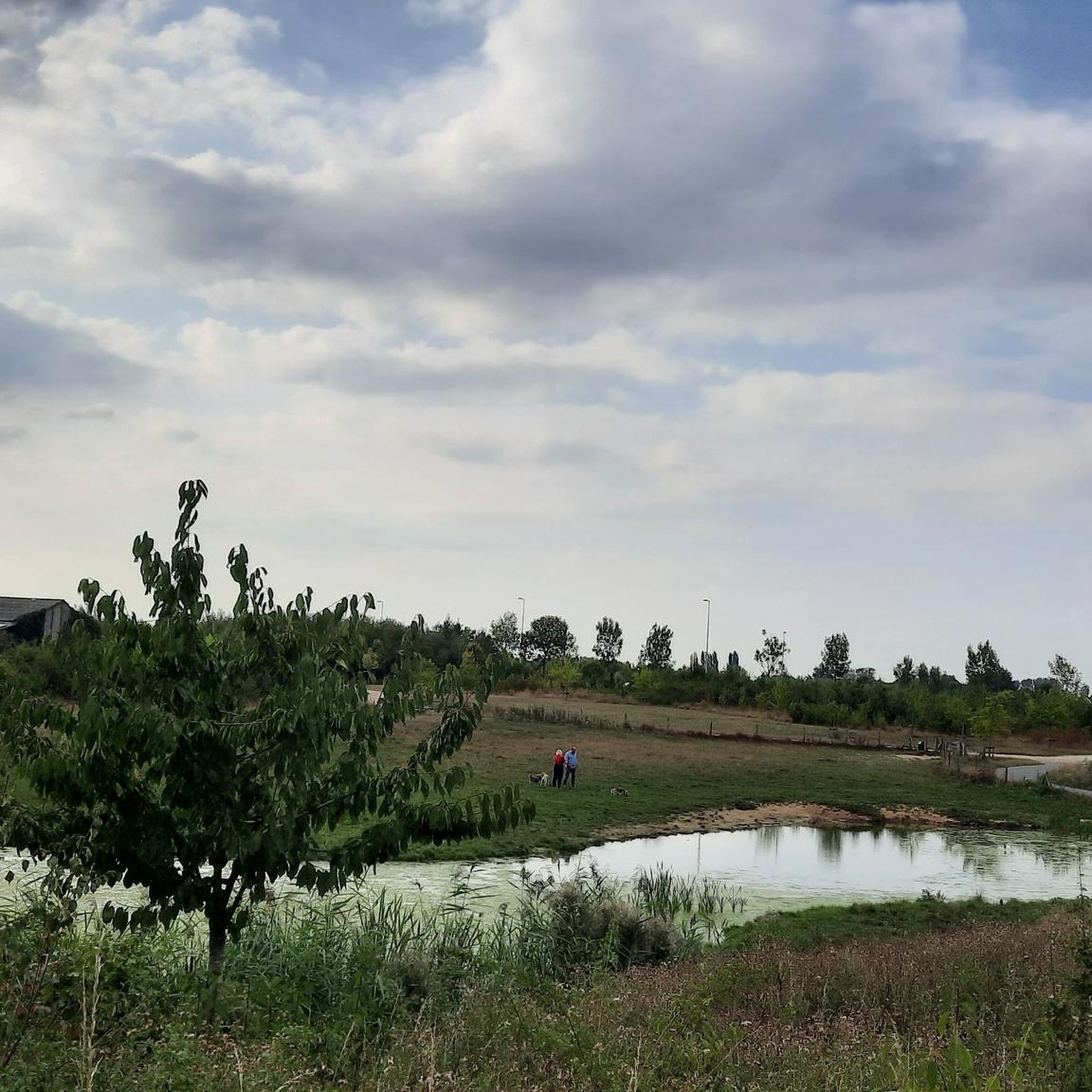
At the beginning of the 14th century, Ypres was a very prosperous and densely populated city. Two ponds were constructed for water supply: one in Dikkebus and one in Zillebeke, and these ponds still provide Ypres with drinking water today. The 28-hectare Zillebeke Pond is fed by the Zillebeek stream. On the western bank lies the pumping and treatment plant, which produces approximately four to five thousand cubic meters of drinking water daily. The pond is surrounded by a beautiful double row of trees. Fishing is permitted with a special permit. The pond is a valuable natural feature. The large fields of water lilies are particularly picturesque. A colony of grebes breeds there, but grey herons, coots, moorhens, mallards, and sandpipers also call the pond home. During the migration season, the pond is frequently visited by numerous bird species. You can cycle and walk around the pond. Source: knooppunter.com/zillebekevijver
2
0
Old pond that supplies fresh water to the city of Ypres. Some explanation: The Dikkebus Pond is a pond near the village of Dikkebus, south of Ypres. On July 23, 1310, the City of Ypres received permission from the Count of Flanders to dig the pond, which, next to the Zillebeke Pond, was intended to ensure sufficient water in the city for fulling and dyeing cloth. The pond was created by damming the Kemmelbeek stream and was excavated on land belonging to the parishes of Vlamertinge, Dikkebus, and Voormezele. The expropriation of the necessary land was arranged by the city of Ypres and took about ten years. The thirty-six-hectare pond was not completed until around 1323. The pond supplied and still supplies Ypres with drinking water, initially via the Ypres canals and later via a system of oak pipes. Since 1926, this has been done via a modern pumping station. The Zillebeke Pond and Bellewaarde Pond were also created this way. Besides providing drinking water, the pond also serves a recreational purpose. Enjoy the shady banks at a moderate pace.
2
0
Old pond that supplies fresh water to the city of Ypres. Some explanation: The Dikkebusvijver is a pond near the village of Dikkebus, south of the city of Ypres. On July 23, 1310, the City of Ypres received permission from the Count of Flanders to dig the pond next to the Zillebeke pond to ensure that sufficient water was available in the city for fulling and dyeing sheets. The pond was created by damming the Kemmelbeek and was excavated on the grounds of the parishes of Vlamertinge, Dikkebus and Voormezele. The expropriation of the necessary land was arranged by the city of Ypres and took about ten years to complete. The pond of thirty-six hectares was not realized until around 1323. The pond provided and supplies Ypres with drinking water, formerly via the Ypres canals and then via a system of oak pipes. Since 1926 this has been done via a modern pumping station. The Zillebeke pond and Bellewaarde pond were also created in this way. In addition to the drinking water supply, the pond also has a recreational function. Enjoy the shaded banks at moderate speed.
4
0
Frequently Asked Questions
What types of natural features can I explore around Wervik?
Wervik offers a diverse range of natural features, from river landscapes and preserved battlefields to serene ponds. You can explore areas like De Balokken, a recreational island with varied landscapes including grasslands, woods, and a unique swampy zone with boardwalks. The Leiemeersen provides insights into historic low-lying meadows with small-scale landscape elements and crucial wildlife habitats. Additionally, you can visit the significant Zillebeke Pond, a valuable nature reserve known for its water lilies and diverse bird species.
Are there natural monuments around Wervik that are also historically significant?
Yes, several natural monuments around Wervik are deeply intertwined with history, particularly from World War I. For instance, The Bluff Memorial and Crater showcases how the landscape was impacted by war, featuring mine craters, shelters, and military cemeteries. Another significant site is Hill 60 preserved Battlefield (World War I), a small piece of preserved battlefield that changed hands multiple times during the war, marked by mine detonations and a monument.
What are some family-friendly natural monuments to visit near Wervik?
For families, the Caterpillar Crater is an impressive site, featuring a gigantic mine explosion crater that is one of the largest in the Ypres Salient. Another family-friendly option is the Coming World Remember Me Sculpture, a poignant land art installation with 600,000 statues. The Zillebeke Pond also offers recreational opportunities suitable for families, including walking and cycling.
Where can I observe wildlife in the natural areas around Wervik?
The natural areas around Wervik are rich in biodiversity. De Balokken is home to rare animal species like the crested newt, and features an artistic bird observation hut overlooking the Leiemeersen. The Leiemeersen itself provides crucial habitats for species such as grass snakes and little owls, with buzzards frequently wintering there. Zillebeke Pond is also a valuable nature reserve with various bird species like grebes, herons, and ducks.
Are there walking or hiking routes available in Wervik's natural monuments?
Yes, Wervik's natural areas offer various walking and hiking opportunities. De Balokken island is ideal for walking and jogging, with numerous paths and serene sitting areas, including wooden boardwalks through its swampy zone. The Leiemeersen has designated walking paths, such as the Laag-Vlaanderenroute, allowing visitors to explore its unique landscape. For more extensive routes, you can find various cycling and mountain biking guides around Wervik, which often pass through or near these natural areas. For example, explore routes in the Cycling around Wervik guide.
What outdoor activities can I do near these natural monuments?
Beyond exploring the natural monuments themselves, the region around Wervik offers a range of outdoor activities. You can find numerous routes for gravel biking, mountain biking, and general cycling. Guides like Gravel biking around Wervik and MTB Trails around Wervik provide options for various skill levels, often incorporating scenic views and riverside paths.
Is there parking or public transport access to Wervik's natural monuments?
For The Bluff Memorial and Crater, spacious parking is available on Palingbeekstraat or a smaller lot at the visitor center in Vaartstraat 7 Zillebeke. De Balokken is easily accessible from Wervik via a red pedestrian and cycling bridge near the National Tobacco Museum, suggesting good local access. While specific public transport details for each site are not provided, Wervik is a town in West Flanders, Belgium, and local transport options would typically connect to central areas.
What is the Kommerenhoek and why is it important?
The Kommerenhoek is recognized as one of the few remaining parts of a stream valley along the Reutelbeek. It serves as a vital green lung between Menen and Geluwe. Managed by Natuurpunt Wervik, its importance lies in preserving these natural corridors for local biodiversity, contributing significantly to the region's natural heritage.
Are there any cafes or facilities available at the natural monuments?
On De Balokken island, there is a cafeteria with a sun terrace, as well as hiker huts and a camper area for overnight stays, providing convenient facilities for visitors. For other natural monuments, it's advisable to check local amenities in nearby towns like Wervik.
What do visitors appreciate most about the natural monuments around Wervik?
Visitors frequently appreciate the unique blend of natural beauty and historical significance. For sites like The Bluff Memorial and Crater, the impact of war on the landscape and the opportunity to reflect on history are highly valued. The preserved battlefields and impressive craters, such as Caterpillar Crater, leave a lasting impression. The tranquility and diverse ecosystems of areas like De Balokken and Leiemeersen are also highly regarded for nature observation and recreation.
Can I bring my dog to the natural monuments in Wervik?
While specific dog policies for every natural monument are not detailed, many outdoor areas in Belgium are dog-friendly, especially on leash. For example, De Balokken offers walking paths that are generally suitable for dogs. It is always recommended to check local signage or specific park regulations upon arrival to ensure a pleasant visit for both you and your pet.
Most popular attractions around Wervik

Get inspired with the komoot mobile app


Explore more
Extend your search for the best caves by checking out these guides of the top ones around Wervik:
