Top 20 Natural Monuments around Schelle
Best natural monuments around Schelle feature a landscape shaped by significant waterways and diverse natural areas. The region is characterized by river confluences, floodplains, and protected natural spaces. These areas offer opportunities to observe local flora and fauna within a varied terrain. The natural monuments provide insights into the hydrological and ecological features of the Schelle area.
Best natural monuments around Schelle
- The most popular natural monuments is Benedenvliet - Schelle, a river that historically served as an important…
Last updated: November 26, 2026
Confluence of the Dijle and Nete = Rupel
Highlight • River
Translated by Google •
Tip by

The Putten van Lacourt
Highlight • Lake
Translated by Google •
Tip by

Sign up now to discover places like this
Get recommendations on the best single tracks, peaks, & plenty of other exciting outdoor places.
Benedenvliet - Schelle
Highlight • River
Translated by Google •
Tip by
Zennegat Flood Area
Highlight • Natural Monument
Translated by Google •
Tip by
Fort 4 Mortsel
Highlight • Historical Site
Translated by Google •
Tip by

Sign up for free to discover even more natural monuments around Schelle.
Already have an account?
Start today with a free account
Your next adventure awaits.
Tips from the Community


is a fairly beautiful nature reserve with many future possibilities
1
1

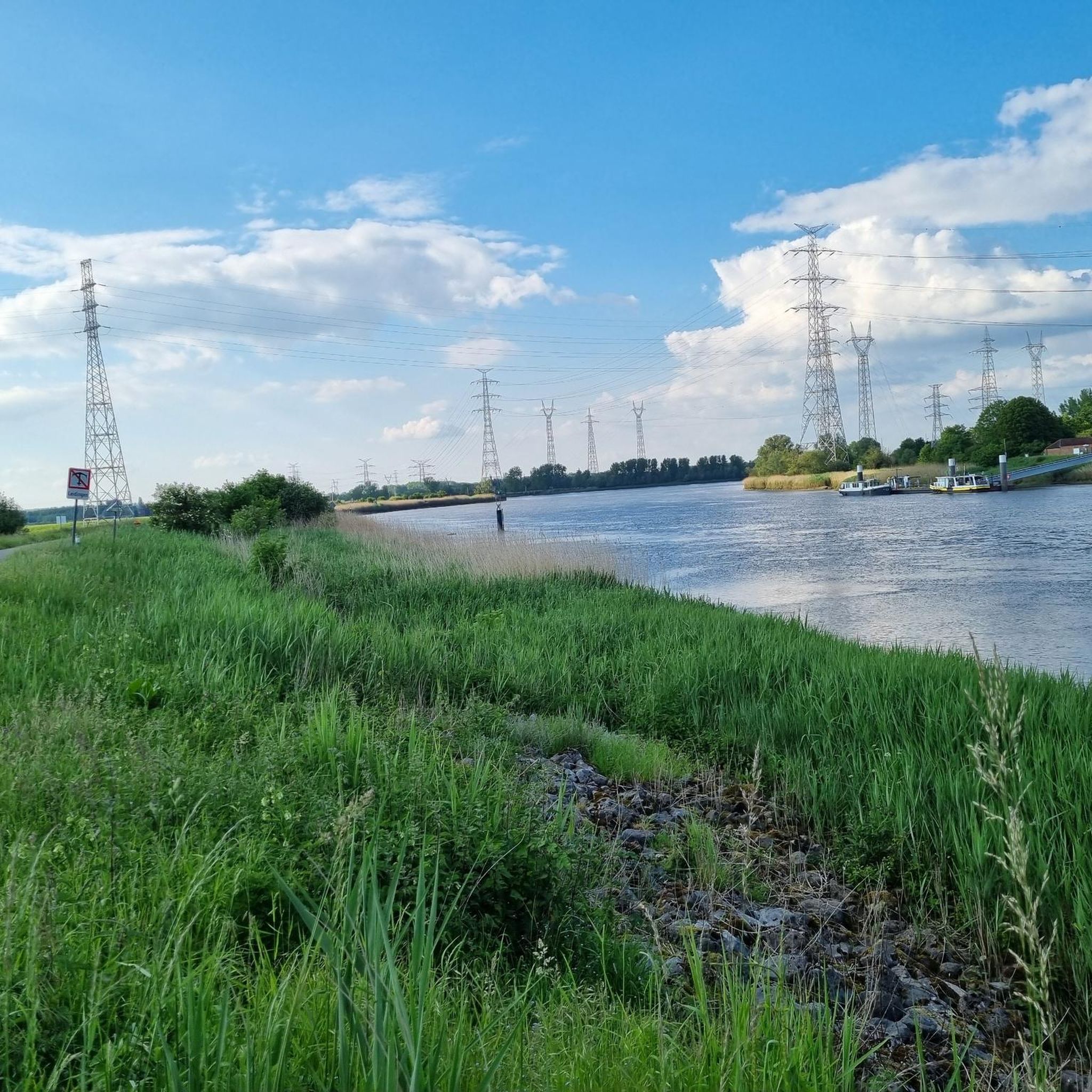
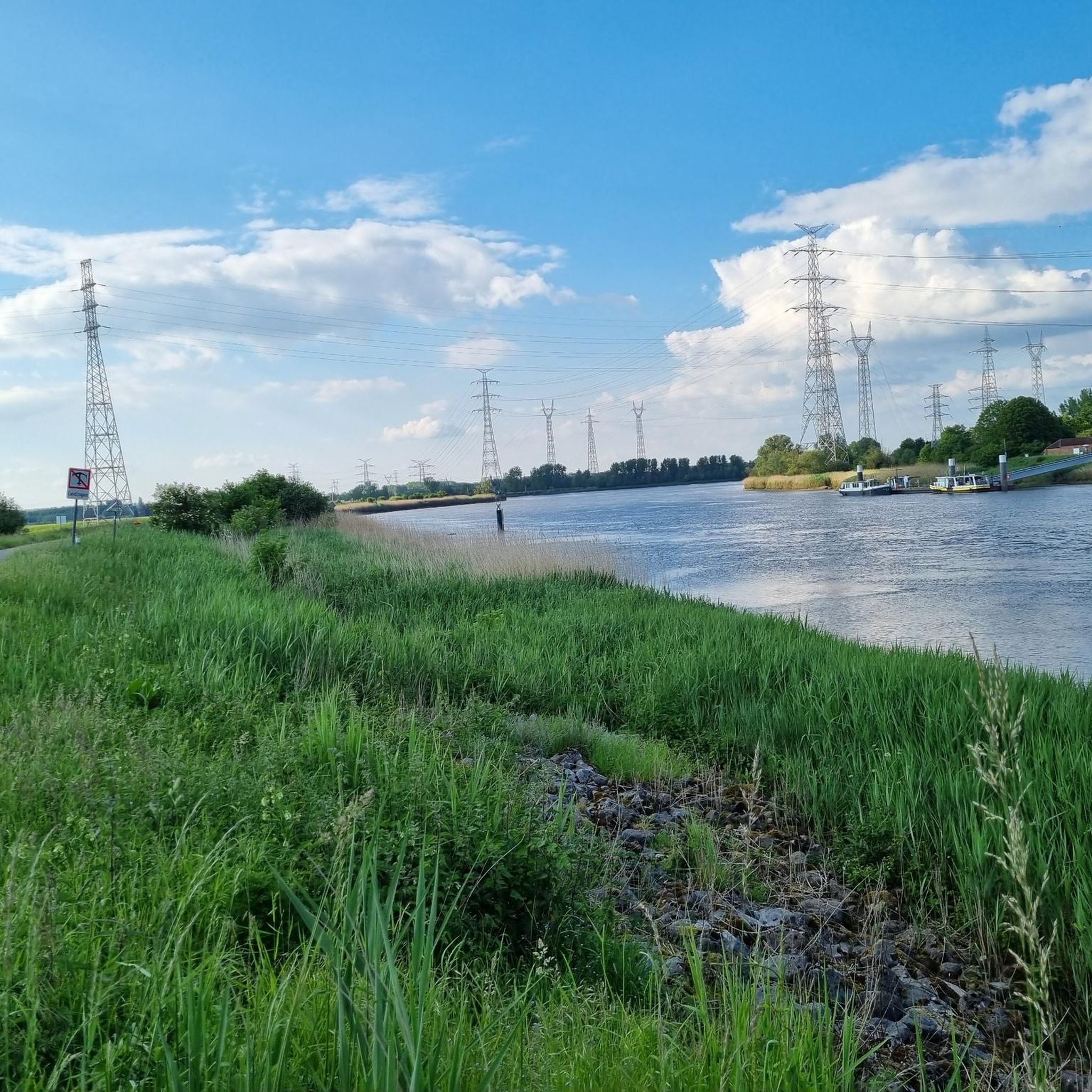
The "Samenvloeiing van Dijle en Nete = Rupel" is a place in Belgium which is located where the rivers Dijle and Nete join to form the river Rupel. It is located in the Flemish region, in the province of Antwerp, in the city of Rumst. This site is known for its natural beauty and for being a meeting point between the waters of the two rivers. The confluence of the rivers creates a striking and fascinating landscape, with large expanses of water joining and mixing. The area around the Samenvloeiing van Dijle en Nete = Rupel also offers opportunities to enjoy the surrounding nature, with scenic trails and green areas that invite for walks and hikes. It's a popular spot with nature lovers and those looking to spend time outdoors.
5
0
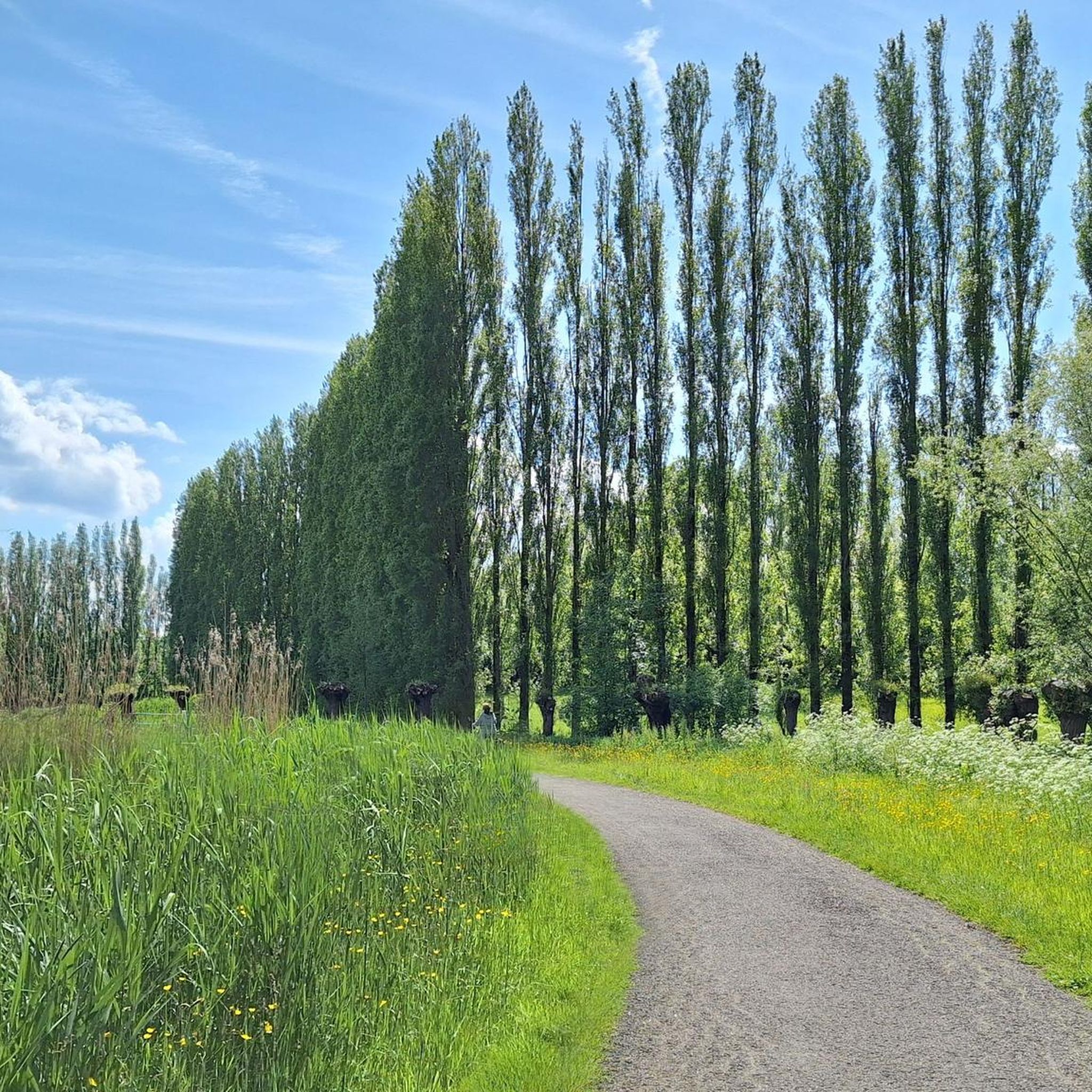
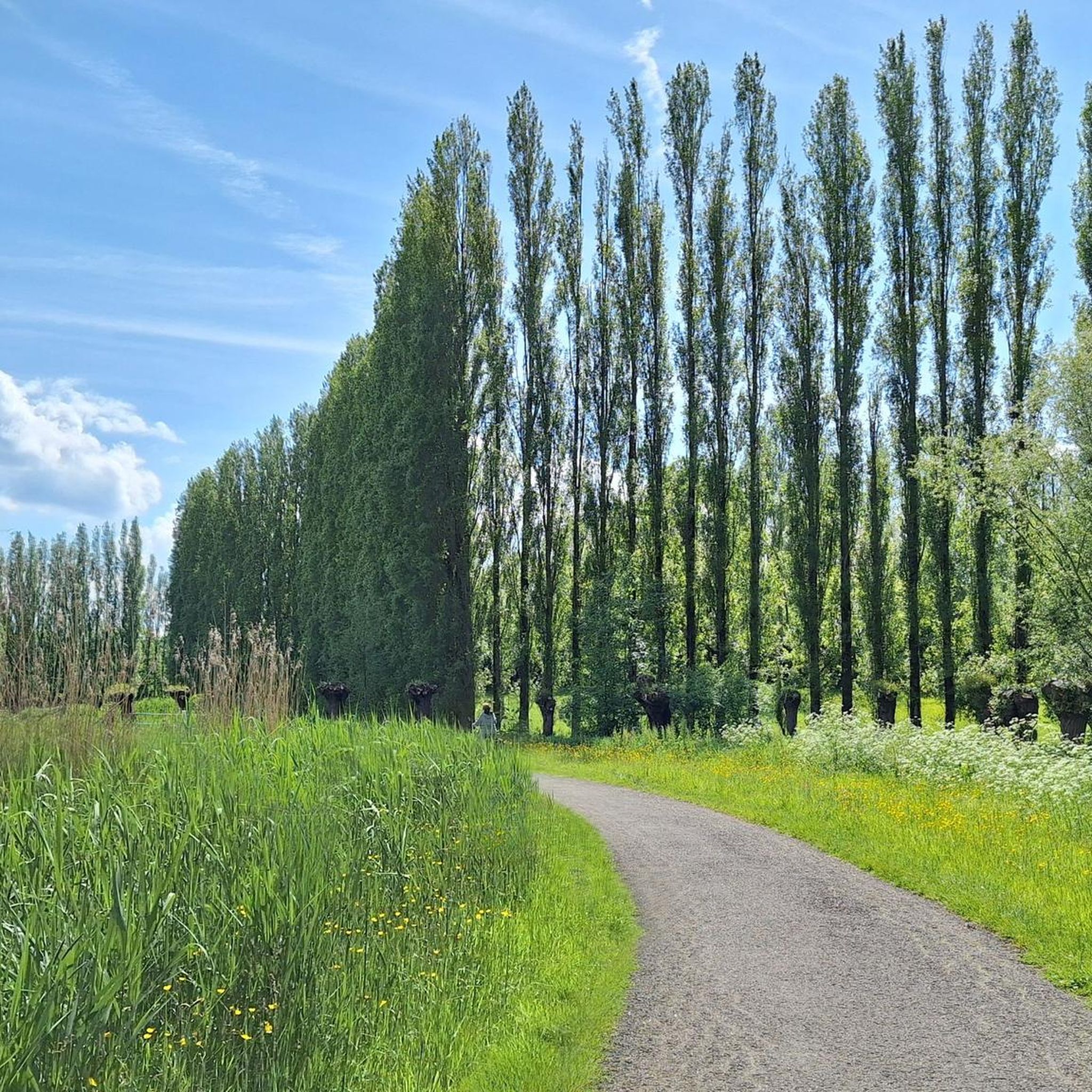
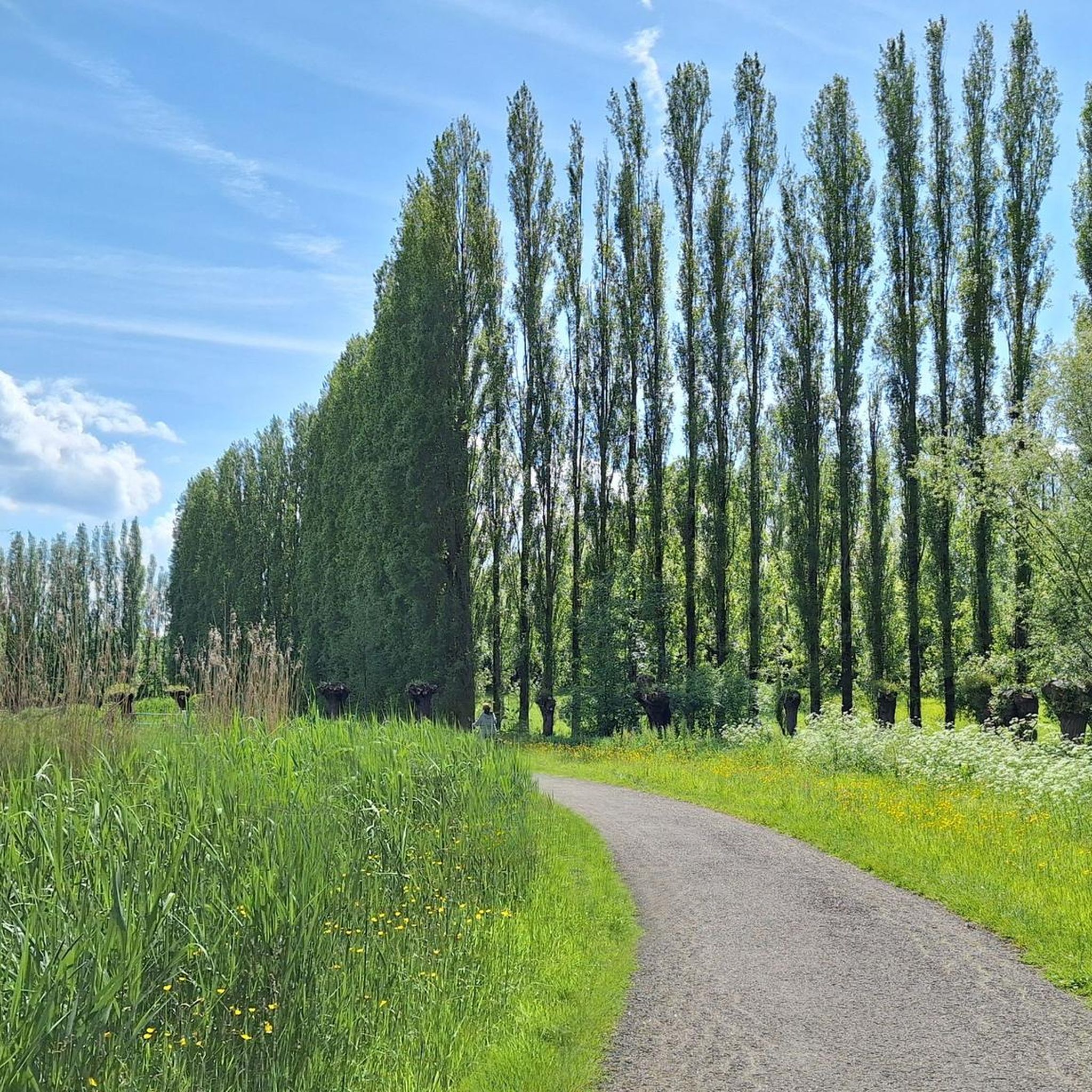
Zennegat-Dijle-Mechelen is a region located in Belgium, characterized by the beauty of the landscape and the presence of important waterways. The place gets its name from the point where the rivers Zenne and Dijle meet near the city of Mechelen.
2
0

Watch out for rainy weather. The paths can be under water.
8
0

FORT 4 in Mortsel was built in the middle of the 19th century and was part of the Brialmont fortress belt. Together with seven other fortresses it had to defend Antwerp in times of war. The army remained the owner of the fort until the year 2000, the year in which the city of Mortsel became the owner of FORT 4, a beautiful domain of 24 hectares. It was and is the ambition of the city of Mortsel to open up this closed bastion and allow as many people as possible to enjoy this exceptional site: an oasis of greenery combined with historic buildings and contemporary infrastructure. In the fort you can play, do sports, meet, rest, relax, discover, ... There are picnic areas and play equipment and events take place. With the support of various governments, several historic buildings have already been restored and a visitor center has been set up. The fort's guides will lead you through places you wouldn't even suspect existed. As a city, we are only at the beginning of the development of this domain, but gradually, step by step, FORT 4 is being returned to the Mortselaars and everyone who likes to stay there. This is an invitation to come and discover FORT 4: the old fortress, the new fortress, the green fortress, … It is worth it and you are very welcome. More info at https://www.mortsel.be/fort-4
5
0
FORT 4 in Mortsel was built in the middle of the 19th century and was part of the Brialmont fortress belt. Together with seven other fortresses it had to defend Antwerp in times of war. The army remained the owner of the fort until the year 2000, the year in which the city of Mortsel became the owner of FORT 4, a beautiful domain of 24 hectares. It was and is the ambition of the city of Mortsel to open up this closed bastion and allow as many people as possible to enjoy this exceptional site: an oasis of greenery combined with historic buildings and contemporary infrastructure. In the fort you can play, do sports, meet, rest, relax, discover, ... There are picnic areas and play equipment and events take place. More info at https://www.mortsel.be/fort-4
3
0

With binoculars you can watch the antics of the water birds here
4
0
Frequently Asked Questions
What kind of natural landscapes can I expect to see around Schelle?
The natural monuments around Schelle are characterized by significant waterways, river confluences, and floodplains. You'll find diverse natural areas including rivers like the Dijle, Nete, and Rupel, as well as protected ecological zones such as the Zennegat Flood Area. There are also lakes, forests, and castle parks, offering a varied terrain for exploration.
Which natural monuments are popular for their unique features in Schelle?
Visitors often enjoy the Confluence of the Dijle and Nete = Rupel, where two rivers merge to form the Rupel, creating a striking landscape. Another popular spot is Benedenvliet - Schelle, historically an important watercourse and now a holding basin and breeding area for water birds.
Are there family-friendly natural monuments to visit in Schelle?
Yes, several natural monuments around Schelle are suitable for families. The Hof ter Saksen Castle estate is a public educational nature park with walking paths, meadows, a forest, and an arboretum. The Confluence of the Dijle and Nete = Rupel and Zennegat Flood Area are also categorized as family-friendly, offering scenic views and opportunities to enjoy nature.
What historical sites are integrated with the natural monuments in Schelle?
The Hof ter Saksen Castle is a natural monument that includes a castle, farm, and orangery within its park, offering a blend of nature and history. Additionally, Benedenvliet - Schelle has historical significance as a former busy port activity site, with remnants of a 1577 fort that served as a defense line.
What outdoor activities can I do near these natural monuments?
The area around Schelle's natural monuments offers various outdoor activities. You can find numerous routes for mountain biking, road cycling, and running. For example, there are MTB Trails around Schelle, Road Cycling Routes around Schelle, and Running Trails around Schelle, allowing you to explore the natural beauty actively.
Are there good hiking or walking opportunities near Schelle's natural monuments?
Yes, many natural monuments feature walking paths. The Hof ter Saksen Castle estate has dedicated walking paths through its nature park. The Confluence of the Dijle and Nete = Rupel and Zennegat Flood Area also offer scenic trails and green areas ideal for walks and hikes. For more structured routes, you can explore the running trails which are also suitable for walking.
What is special about the Zennegat Flood Area?
The Zennegat Flood Area is one of five controlled flood areas designed to guarantee safety for residents while also creating valuable nature. It features gullies, mudflats, and salt marshes, providing an ideal habitat for rare plants and animals. It's also known for beautiful views between the Canal Leuven-Mechelen and the Dyle, with informative boards about the area's history.
What can I expect at The Putten van Lacourt?
The Putten van Lacourt is a lake area that attracts many visitors, especially on weekends. It's a place to enjoy the surroundings, observe swimming birds, and experience the calming effect of water. During working days, it tends to be much quieter. Be aware that paths can be underwater during rainy weather.
What do visitors enjoy most about the natural monuments around Schelle?
Visitors appreciate the diverse natural beauty, especially the unique river landscapes and flood areas. The opportunities for birdwatching at places like Benedenvliet - Schelle, the scenic views from spots like the Confluence of the Dijle and Nete = Rupel, and the blend of nature and history at Hof ter Saksen Castle are frequently highlighted. The peaceful atmosphere and the chance to connect with nature are also highly valued.
Are there viewpoints to enjoy the scenery of Schelle's natural monuments?
Yes, several natural monuments offer excellent viewpoints. The Confluence of the Dijle and Nete = Rupel provides a view of the starting point of Belgium's shortest river. The Zennegat Flood Area offers beautiful vistas between the Canal Leuven-Mechelen and the Dyle. Additionally, Benedenvliet - Schelle and Hof ter Saksen Castle also provide scenic spots to take in the surroundings.
Most popular routes around Schelle
Most popular attractions around Schelle

Get inspired with the komoot mobile app


Explore more
Extend your search for the best caves by checking out these guides of the top ones around Schelle:
