Top 10 Natural Monuments around Cesena
Best natural monuments around Cesena are found in a city situated between the Apennine hills and the Adriatic Sea in Emilia-Romagna, Italy. The area features natural spaces, parks, and a significant river, providing opportunities for outdoor enjoyment. Cesena offers a blend of natural beauty and accessible green areas for exploration. The region's diverse landscape includes riverine environments, coastal salt pans, and historical natural landmarks.
Best natural monuments around Cesena
- The most popular natural monument is Cervia Saltworks, a natural…
Last updated: October 29, 2026
Cervia Saltworks
Highlight • Natural Monument
Tip by

Francesca's Cypress in Polenta
Highlight (Segment) • Natural Monument
Translated by Google •
Tip by

Sign up now to discover places like this
Get recommendations on the best single tracks, peaks, & plenty of other exciting outdoor places.
Marco Pantani Memorial Rock, Montevecchio
Highlight • Monument
Translated by Google •
Tip by

Salina Camillone
Highlight • Structure
Translated by Google •
Tip by

Giardini Pubblici di Cesena
Highlight • Natural Monument
Translated by Google •
Tip by

Sign up for free to discover even more natural monuments around Cesena.
Already have an account?
Start today with a free account
Your next adventure awaits.
Popular around Cesena
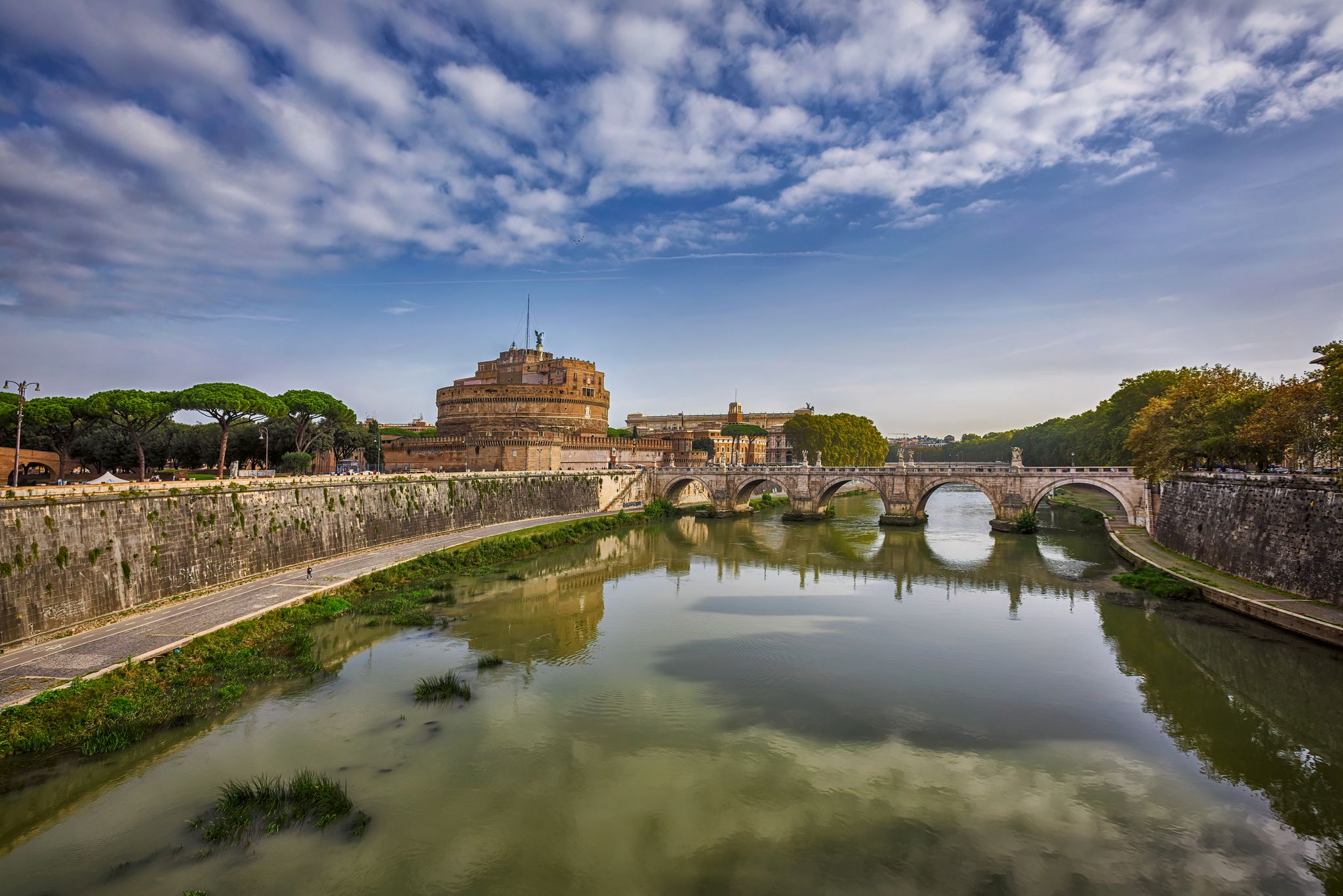
All roads lead to Rome – Romea Tiberina Cycleway
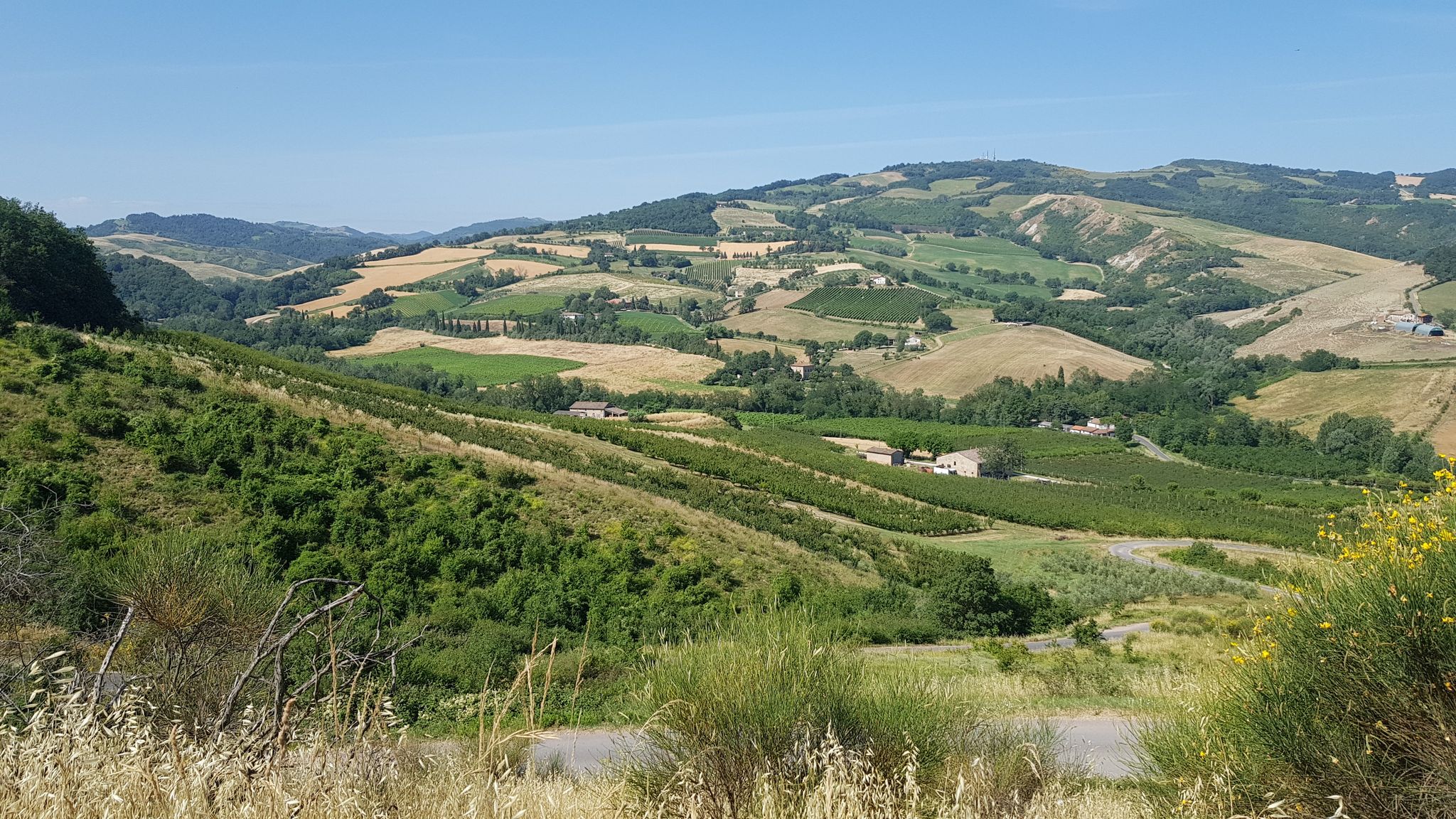
Preappennino 15K – a hilly crossing from Cattolica to Piacenza
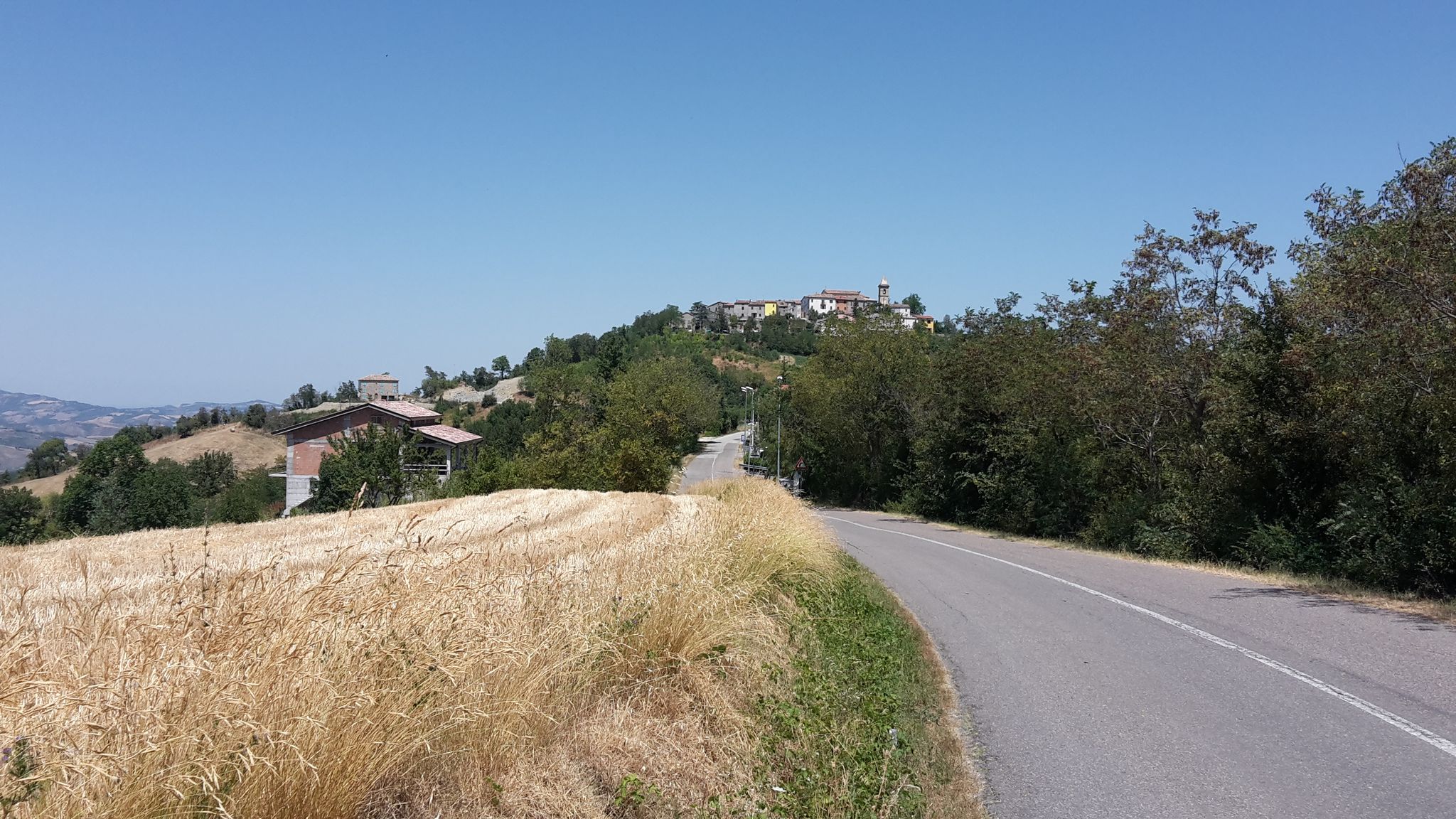
Grand Tour Valle del Savio – between hills, water and cycling
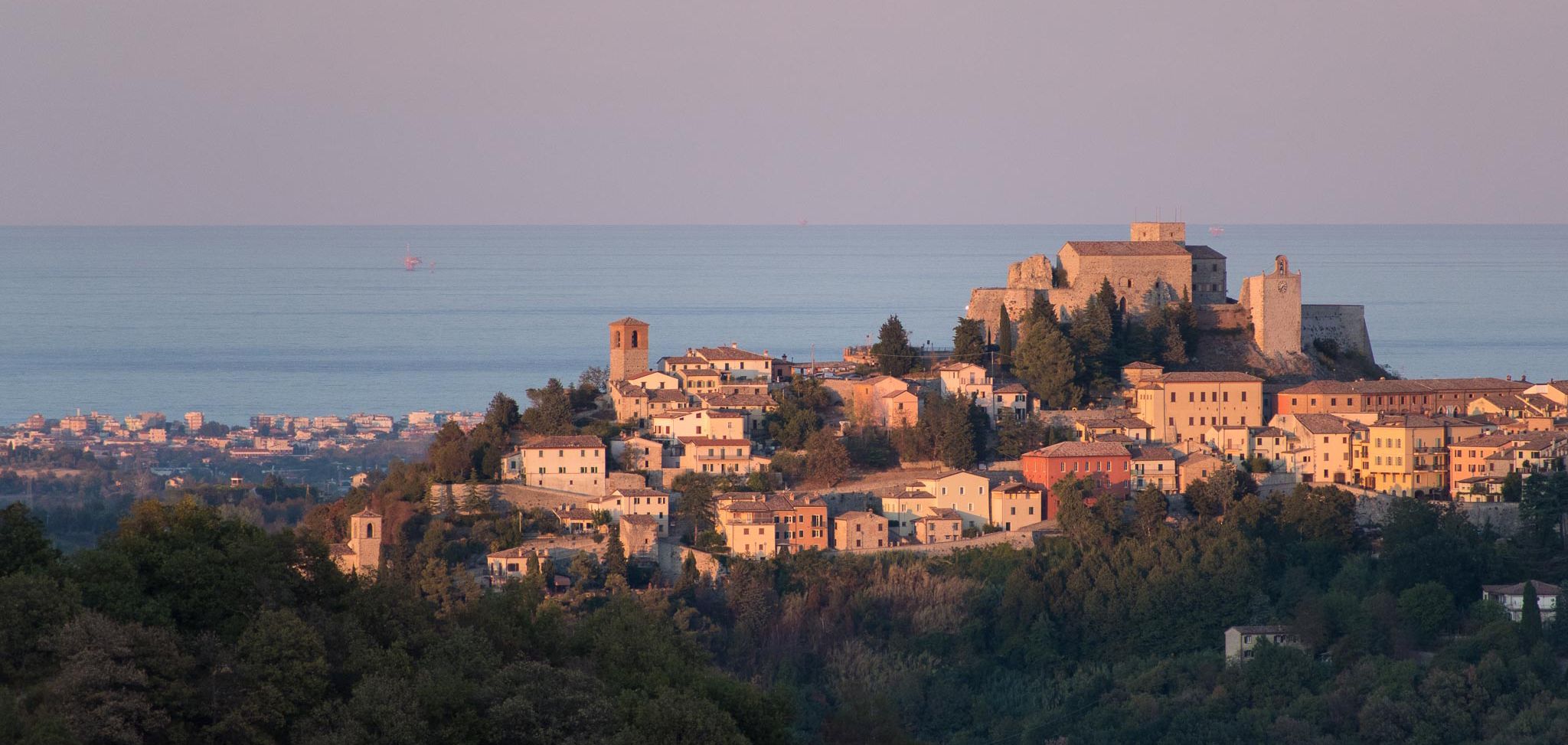
In the quiet backcountry of the Adriatic — cycling in Emilia Romagna
Road Cycling Routes around Cesena
Cycling around Cesena
MTB Trails around Cesena
Running Trails around Cesena
Hiking around Cesena

Gravel biking around Cesena
Other adventures around Cesena


Tips from the Community

Seawater, sun and wind to produce the famous sweet salt of Cervia which until 1960, before the introduction of processing machines, was carried out with shovels, rakes, baskets and wheelbarrows in 150 salt pans; at the end of the 80s, thanks to retired volunteers, sons of old willing salt workers, the only remaining salt pan was cleaned and put back into operation and produced 600 quintals of salt; its processing dates back to Roman times, as demonstrated by the discovery of a lock and other artifacts from the 3rd century BC; in the Papal era, it even seems that Cervia was demolished and rebuilt closer to the sea to make salt production more functional.
1
0
Ideal period for birdwatching when the expanses of water are tinged with the pink of flamingos, especially at sunset
1
0

Location as already described.
1
0

Legends never die.
1
0


At the top of Montevecchio one of the pirate's favorite climbs, 20 km from Cesenatico
1
0

The Giardini Pubblici di Cesena extend along part of the southern perimeter of the old city walls, near the Teatro Comunale, dedicated to the famous tenor Alessandro Bonci. The park was created in the first half of the 19th century in a neoclassical style and has undergone an important restoration under the direction of architect Pier Luigi Cervellati, completed in 2007. This restoration has partly restored the park to its original 19th century appearance. The park has an impressive main entrance on Corso Garibaldi, with a long wrought iron gate supported by brick columns. At the centre of the park is a large cast iron gazebo, reminiscent of the bandstands of the 19th century. Around the gazebo you can admire historic lanterns, originating from various European cities. The park also contains busts of famous Cesena residents, as well as various decorative elements from the time of its creation. The paths in the park are symmetrical and surrounded by ancient trees such as holm oaks and cedars. The park was originally created in 1843 on land that the city had received as a legacy from Count Paolo Neri. Over the years, the park has undergone several transformations, including a major change in 1946 when a road was built through the park. However, the recent restoration has attempted to return the park to its original design, with concentric paths and historical elements. During the restoration work, the remains of a 14th-century church and several human skeletons were also discovered, which are currently being studied.
0
0

Frequently Asked Questions
What natural features can I expect to see around Cesena?
Cesena, situated between the Apennine hills and the Adriatic Sea, offers diverse natural features. You can explore coastal salt pans, riverine environments along the Savio River, and lush green parks. Highlights include the unique Cervia Saltworks, known for its extensive wetlands, and various urban green spaces like Parco Cesuola and the park around Rocca Malatestiana.
Are there any natural monuments suitable for families with children?
Yes, several natural areas around Cesena are family-friendly. The Cervia Saltworks and Cervia Salt Pans and Flamingos are excellent for wildlife observation, particularly birdlife. Parco della Casa Rossa, located between Cesena and Cesenatico, features a well-equipped playground and ample shade, making it ideal for families. The Giardini Pubblici di Cesena also offer a pleasant green space within the city.
Where can I observe wildlife, especially birds, near Cesena?
The Cervia Saltworks and Cervia Salt Pans and Flamingos are prime locations for wildlife spotting. This area is the northernmost salt pan in Italy and serves as a natural reserve for many animal and plant species, particularly known for its significant birdlife, including flamingos. It's considered one of the Italian sites with the greatest concentration of birdlife.
Are there natural monuments with historical significance in the area?
Yes, Cesena offers natural sites intertwined with history. Francesca's Cypress in Polenta is a mythical cypress with a rich history, replanted multiple times after being destroyed, symbolizing rebirth and linked to literary figures. The Giardini Pubblici di Cesena, while a green space, were created in the 19th century in a neoclassical style and contain historical elements and busts of famous Cesena residents.
What kind of outdoor activities can I do near Cesena's natural monuments?
The natural areas around Cesena are perfect for various outdoor activities. You can enjoy cycling, running, and hiking. For cycling, there are routes like 'Gravel for the Romagna hills' or 'Vena Mazzarini – Cesenatico Canal Port loop'. Runners can explore trails such as 'Running loop from Cesena' or 'Teatro Bonci – Abbey of Santa Maria del Monte loop'. You can find more details on these activities in the Cycling around Cesena, Road Cycling Routes around Cesena, and Running Trails around Cesena guides.
When is the best time of year to visit the natural monuments around Cesena?
The best time to visit depends on your interests. The Parco della Casa Rossa is particularly enchanting during the summer due to its ample shade. For birdwatching at the Cervia Saltworks, spring and autumn are generally excellent for migratory birds. The region's natural beauty can be enjoyed throughout the warmer months for hiking and cycling, while the Casentinesi Forests National Park offers stunning scenery in autumn with its vibrant foliage.
Are there any natural parks or green spaces within Cesena itself?
Yes, Cesena has several accessible green spaces. Parco Cesuola offers lush greenery and picturesque landscapes for immersion in nature. The Savio River Park safeguards the banks of the longest watercourse in Romagna, providing scenic views and opportunities to observe flora and fauna. The park around Rocca Malatestiana offers natural beauty and panoramic city views, while the Giardini Pubblici di Cesena provide a historical urban green retreat.
Can I find natural monuments that offer panoramic views?
Absolutely. The park surrounding the Rocca Malatestiana offers excellent panoramic views of Cesena, extending to the Adriatic Sea on clear days. Additionally, Francesca's Cypress in Polenta is situated on a hill near Polenta, providing a scenic viewpoint.
What do visitors enjoy most about the natural monuments in the area?
Visitors frequently praise the rich birdlife and natural beauty of the Cervia Saltworks, often describing it as a great starting point for rides towards the Cesena hills. The historical significance and serene setting of Francesca's Cypress in Polenta are also highly appreciated. The natural monuments around Cesena are valued for offering an escape into nature and opportunities for outdoor recreation.
Are there any unique natural landmarks slightly further afield from Cesena?
Venturing slightly further, you can discover the Casentinesi Forests National Park, a paradise for nature lovers with ancient woods, cool mountain streams, and stunning waterfalls like dell'Acquacheta. Another notable area is Bagno di Romagna, known for its natural thermal waters and extensive wooden heritage, offering therapeutic springs and beautiful landscapes for excursions and long walks.
What are the unique characteristics of the Cervia Saltworks?
The Cervia Saltworks is the northernmost salt pan in Italy, spanning 827 hectares. It's a vital natural reserve for numerous animal and plant species, particularly renowned for its birdlife. The salt is still harvested using traditional methods, and the water's pink hue comes from the dunaliella alga, rich in lycopene and beta-carotene. It's a significant part of the Po Delta Park.
What is the story behind Francesca's Cypress in Polenta?
The Francesca's Cypress in Polenta is a mythical tree on a hill near Polenta, famously referenced by Giosuè Carducci. The original tree was destroyed by lightning in 1898 and replanted by Carducci himself. It was later blown up by German troops in 1944 but was replanted again in 1994 as a symbol of rebirth and resilience, representing the triumph of freedom and beauty.
Are there opportunities for cycling near Cesena's natural monuments?
Yes, the area around Cesena offers excellent cycling opportunities, including routes that pass by or through natural monuments. You can find various options for both gravel and road cycling. For instance, there are routes like 'Gravel for the Romagna hills - ring tour' or 'Vena Mazzarini – Cesenatico Canal Port loop'. Explore more cycling routes in the Cycling around Cesena and Road Cycling Routes around Cesena guides.
Most popular attractions around Cesena

Get inspired with the komoot mobile app


Explore more
Extend your search for the best caves by checking out these guides of the top ones around Cesena:
