Top 5 Mountain Passes around Sanremo
Best mountain passes around Sanremo are situated in the mountainous hinterland of the Italian Riviera. This region offers a variety of ascents and passes, attracting cyclists and hikers. The area features significant elevation gains from sea level, providing views of the Ligurian coast and inland mountains. These routes connect natural beauty with historical elements, offering diverse outdoor experiences.
Best mountain passes around Sanremo
- The most popular mountain passes is Passo del Bandito, a mountain pass that serves as an…
Last updated: May 1, 2026
Poggio di Sanremo Climb
Highlight (Segment) • Climb
Translated by Google •
Tip by

Passo di Santa Brigida Gravel Road
Highlight • Mountain Pass
Translated by Google •
Tip by

Sign up now to discover places like this
Get recommendations on the best single tracks, peaks, & plenty of other exciting outdoor places.
Sign up for free
Tomb of the Unknown Soldier at Passo della Pistuna
Highlight • Monument
Translated by Google •
Tip by
Tunnel at Colle dei Termini di Bajardo
Highlight • Structure
Translated by Google •
Tip by

Passo del Bandito
Highlight • Mountain Pass
Translated by Google •
Tip by

Sign up for free to discover even more mountain passes around Sanremo.
Sign up for free
Already have an account?
Start today with a free account
Your next adventure awaits.
Login or Signup
Popular around Sanremo
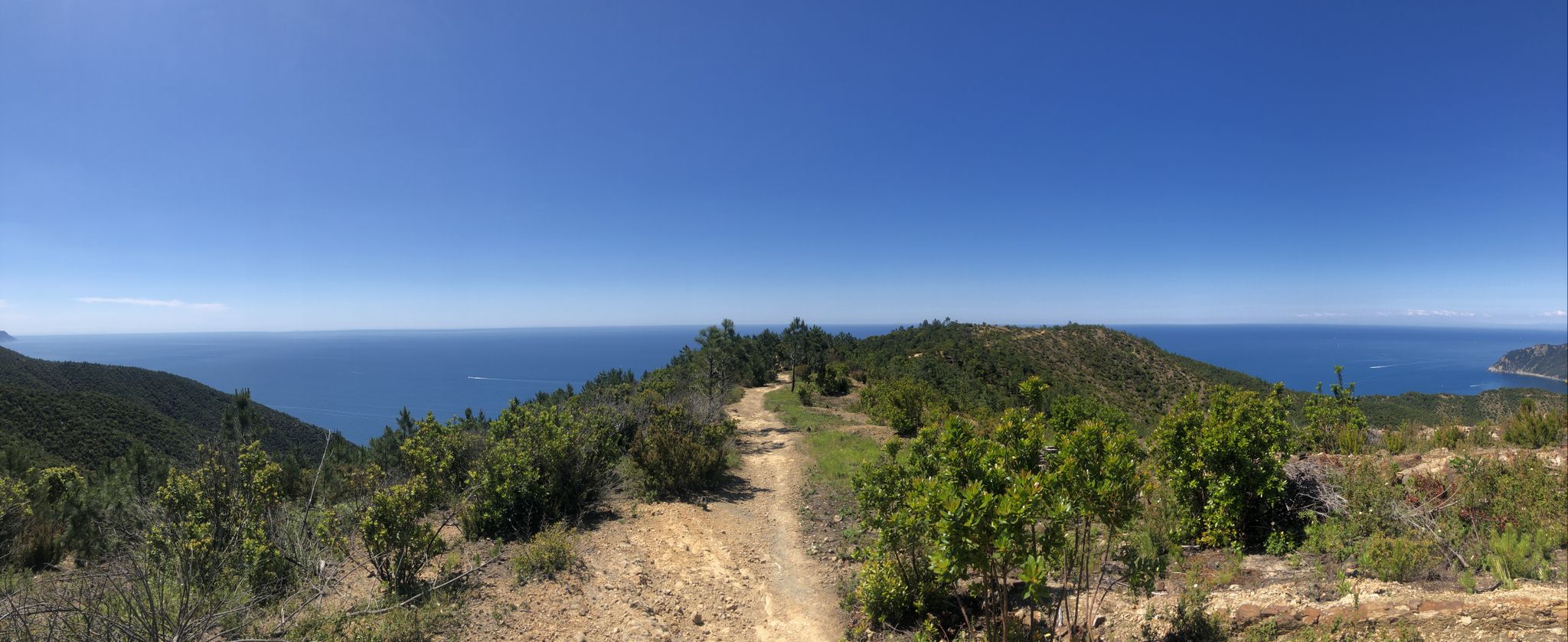
Via della Costa – A breathtaking hike along the Italian Riviera
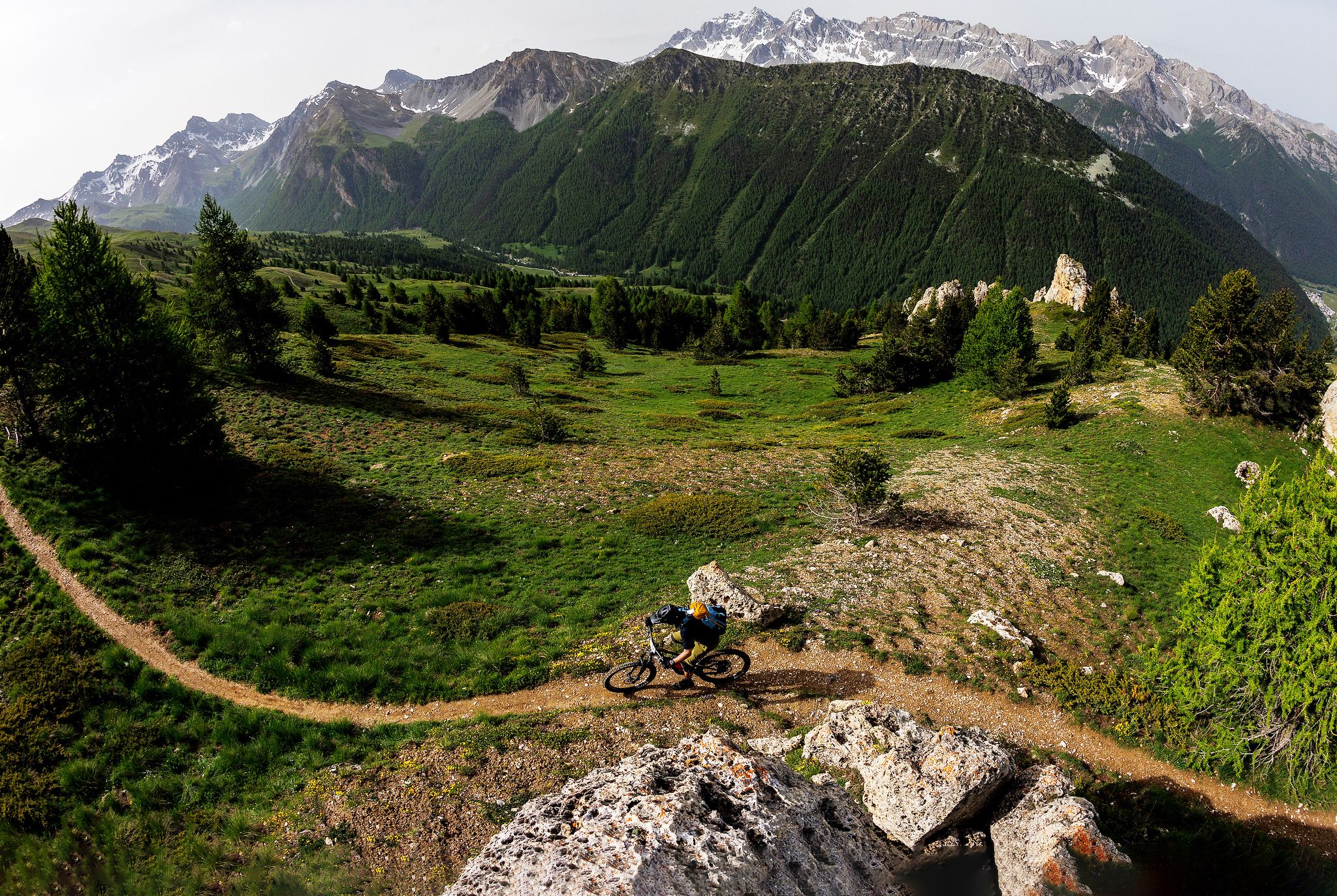
The STONE KING Route – adventure enduro from High Alps to the Med
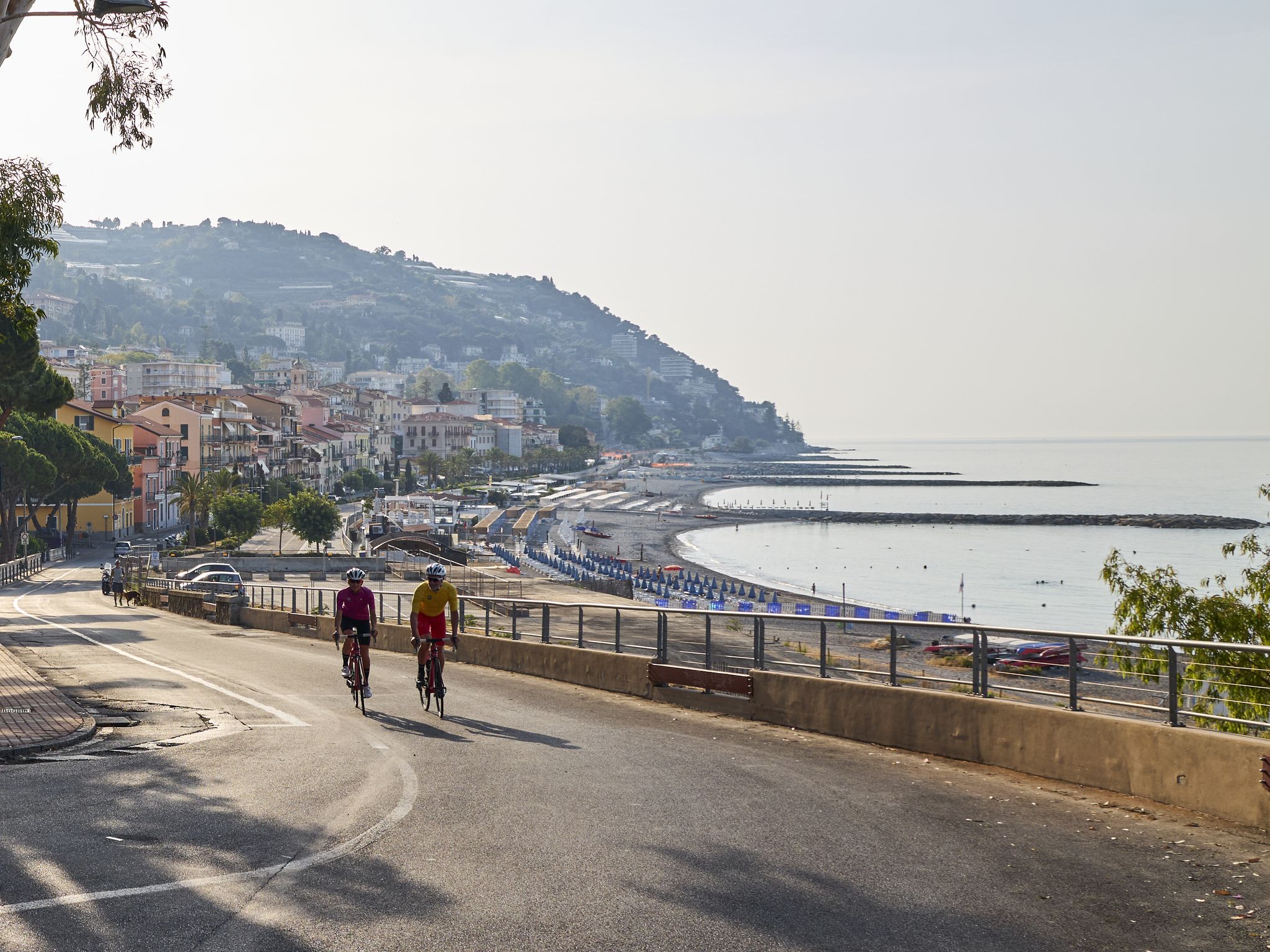
Seven wonderful racing bike routes on Italy’s Riviera di Ponente
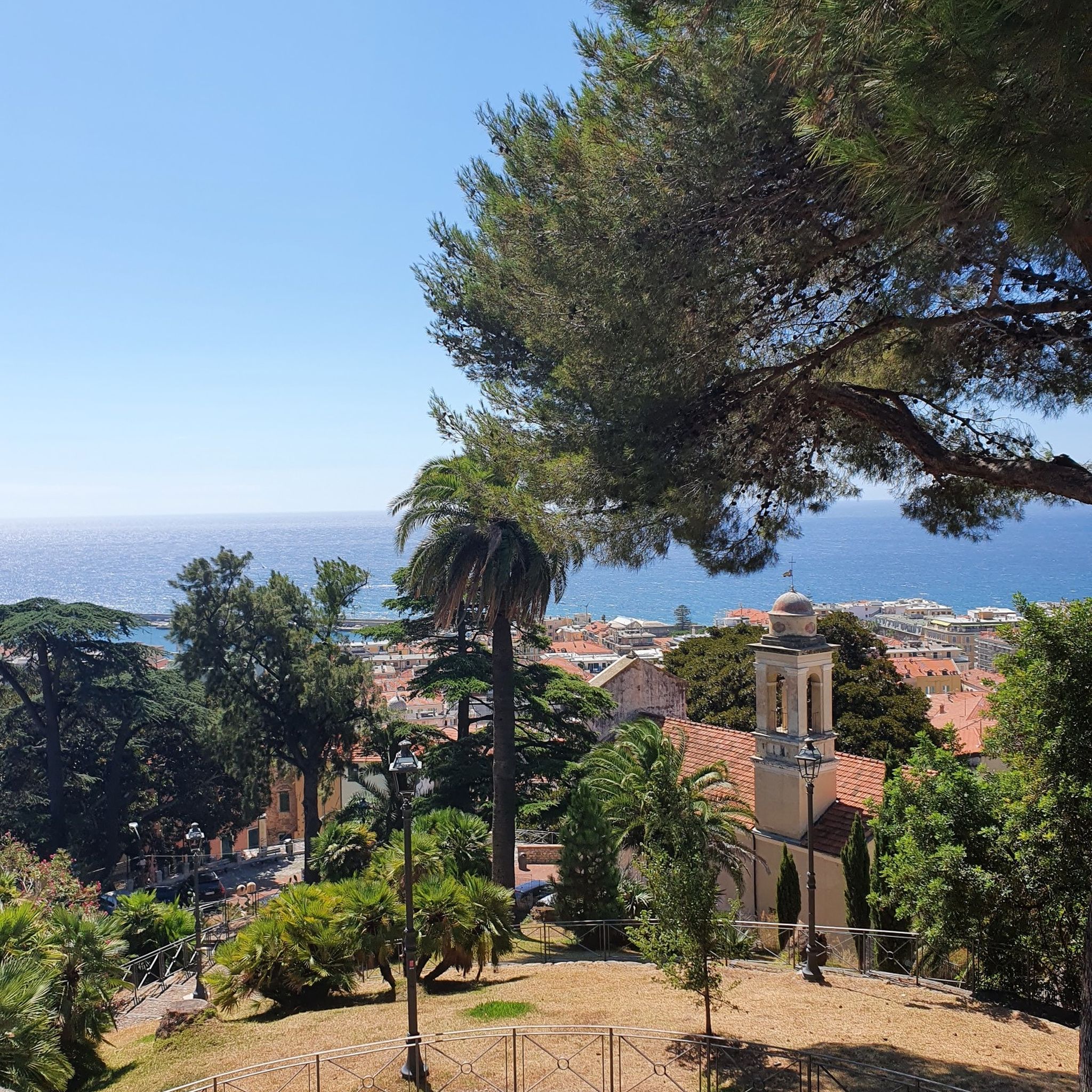
Hiking around Sanremo
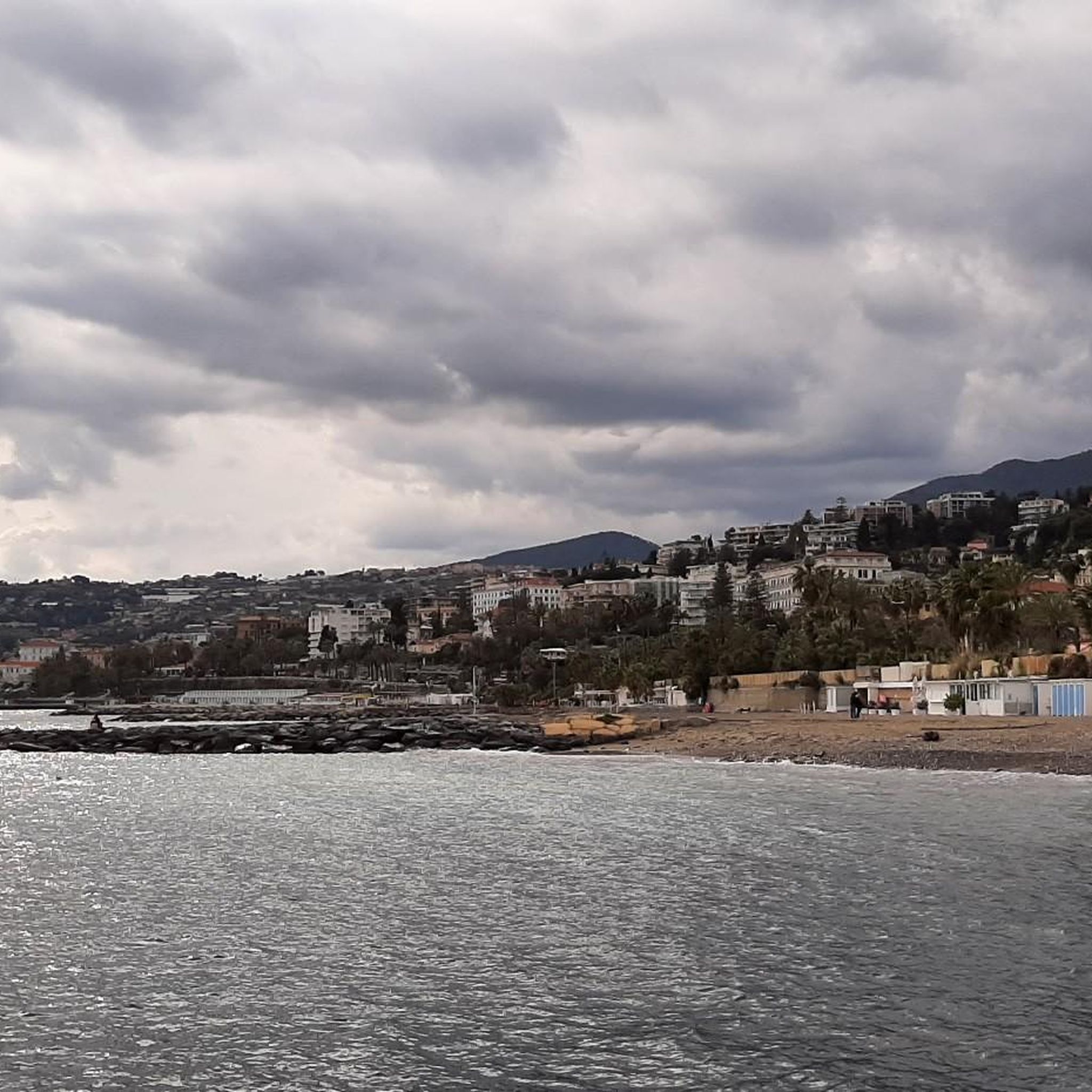
Running Trails around Sanremo
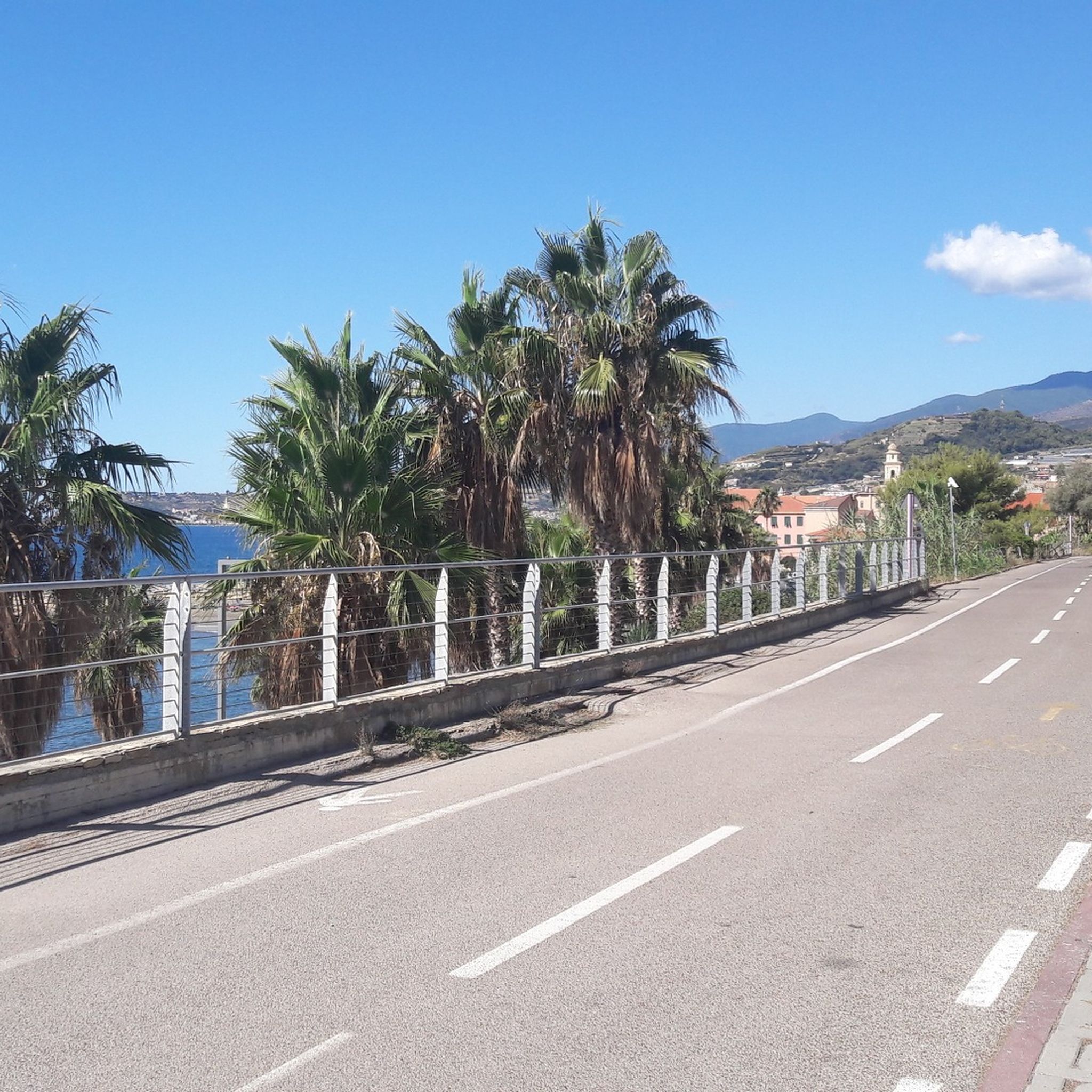
Road Cycling Routes around Sanremo
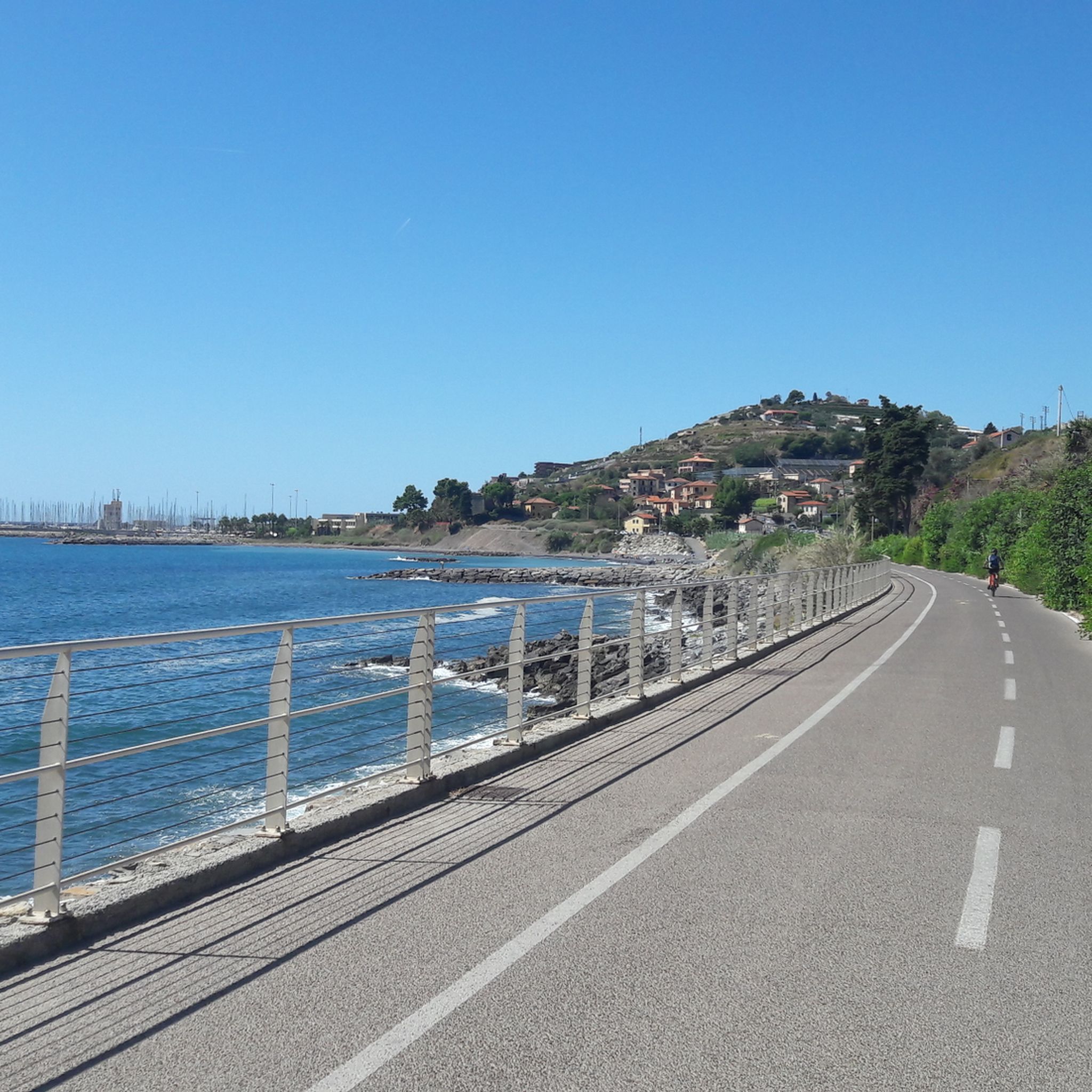
Cycling around Sanremo
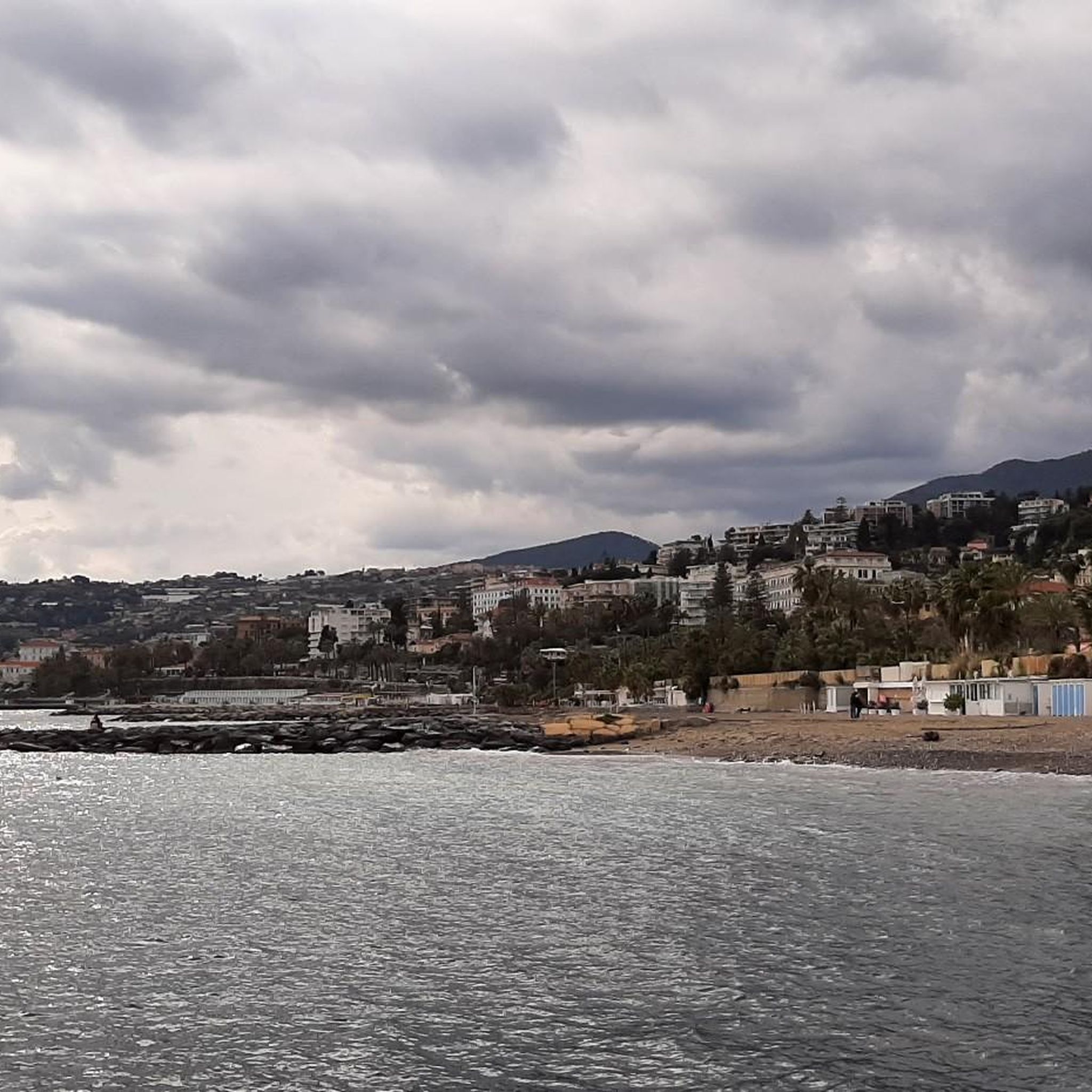
MTB Trails around Sanremo

Gravel biking around Sanremo
Other adventures around Sanremo


Tips from the Community

Dirt road that divides the upper Prino valley and the upper Argentina valley, perfect road to do with a gravel, not with a racing bike. Once you get to the top there is a beautiful little church and an unmissable view of the two valleys. Highly recommended!!
1
0

Let's go and do it today!!
0
0

The famous Poggio climb. The last asperity of the Milan-Sanremo.
1
0
This is the Poggio climb, famous for being the decisive point of the Milan-Sanremo. The climb does not have very challenging slopes and from its hairpin bends you can enjoy a beautiful view towards the sea
0
1

The last climb of the classic Milan - Sanremo. Easy to ride and with beautiful views of the Riviera
0
0

The famous final climb of the Milan-Sanremo, the Poggio is rather short (not even four kilometers in all) and anything but steep (the average gradient is around 3%). During the Classicissima, however, it is tackled after over 280 kilometers of racing and professionals often climb at around 38 km/h. It is the decisive point of the race: if the sprinters manage to stay with the group, they will be uncomfortable customers in the sprint. In recent years, however, very strong climbers or top-level puncheurs have managed to create selection, with inventiveness and class, right on the Poggio. In recent years, for example, a race that seems like an obvious sprint has ended in many different ways, all breathtaking: from Vincenzo Nibali's attack on the top of the Poggio to Mathieu van der Poel's razor-sharp run after a blind curve on the climb, passing through Matej Mohorič's crazy and winning descent. First included in the Milan-San Remo route in the 1960s, the Poggio is a legendary climb in world cycling: one of those things you really should do if you pass through here by bike.
4
1

very pleasant climb that of Poggio di Sanremo has a length of 3.65 km, has its highest point at 169 m, and continues to climb for 3.65 km. The average slope of Poggio di Sanremo is 2.8%, therefore very pedalable and with a beautiful view of the Sanremo coast
2
0

Passed in January 2023, very beautiful even with rain, the ground drains enough
1
0
Frequently Asked Questions
What are some popular mountain passes for cycling near Sanremo?
Sanremo's hinterland is famous for its cycling routes. Iconic climbs like Cipressa and Poggio di Sanremo are crucial to the Milan-Sanremo race, offering spectacular coastal views and a chance to experience cycling history. While further inland, the Turchino Pass is historically significant as the first major climb in the race. For mountain biking, Passo del Bandito is a popular transition route from Sanremo to Seborga.
Are there mountain passes suitable for gravel biking around Sanremo?
Yes, the region is well-known for its gravel roads. The Passo di Santa Brigida Gravel Road is a prime example, connecting the church of S. Brigida with Pietrabruna via an unpaved dirt road, suitable for both MTB and gravel bikes. The area around Monte Faudo also features excellent gravel biking opportunities.
Which mountain passes offer the best panoramic views of the Ligurian coast?
For breathtaking views, Monte Faudo (1151 meters) provides panoramic vistas of the Ligurian Riviera, often with grazing horses. Monte Bignone (1299 meters) also offers exceptional views over the Mediterranean and inland mountains, especially on clear days. The Tomb of the Unknown Soldier at Passo della Pistuna is another viewpoint with a unique panorama covering the Imperia del Prino and Argentina valleys.
What historical significance do some of the mountain passes near Sanremo hold?
The Turchino Pass and the climbs of Cipressa and Poggio di Sanremo are steeped in cycling history, being integral parts of the famous Milan-Sanremo race. The Tomb of the Unknown Soldier at Passo della Pistuna is located at a pass that has historically been a meeting point between valleys, with a modern sanctuary built upon ancient rock altars. Additionally, the Tunnel at Colle dei Termini di Bajardo is named after ancient 'terms' stones marking boundaries.
Are there challenging mountain passes for experienced hikers or cyclists?
Absolutely. Monte Bignone, with its steep climb from sea level to 1299 meters, offers a demanding yet rewarding experience for serious hikers. The routes to Monte Faudo also involve significant elevation gain. For cyclists, the iconic climbs of Cipressa and Poggio, while not high alpine passes, are challenging enough to test stamina, especially in the context of longer rides. The Monte Faudo–Monte Follia Ridge Passage provides challenging terrain for mountain biking and hiking.
What kind of outdoor activities can I do near these mountain passes?
The mountainous hinterland of Sanremo offers a diverse range of outdoor activities. You can find numerous MTB trails, including challenging loops around Monte Bignone. For road cyclists, there are extensive road cycling routes that take you through scenic passes and along the coast. Hikers can explore winding trails and enjoy stunning vistas, with options ranging from moderate to difficult. There are also running trails, including the popular Ponente Ligure Cycle Path.
When is the best time of year to visit the mountain passes around Sanremo?
The Ligurian Alps near Sanremo are generally pleasant for outdoor activities from spring through autumn. Spring (April-May) offers lush greenery and comfortable temperatures, while autumn (September-October) provides cooler weather and often clear skies. Summer can be warm, especially at lower elevations, but higher passes offer a refreshing escape. Winter conditions can bring snow to the highest peaks, making some routes challenging or inaccessible, though lower coastal climbs remain rideable.
Are there any unique natural features or wildlife to look out for?
Yes, the area is rich in natural beauty. Around Monte Faudo, you might spot grazing horses and mountain chickens on its alpine slopes. The mountains surrounding Sanremo are characterized by lush forests and diverse landscapes. The views from many passes encompass both the Mediterranean Sea and the rugged inland mountains, offering a striking contrast.
Are there any family-friendly options among the mountain passes?
While many passes involve significant elevation, some routes leading to or near them can be adapted for families. The region offers a mix of challenging climbs and more moderate routes. For specific family-friendly trails, it's best to look for routes with lower elevation gain and well-maintained paths, often found closer to towns or along sections of the coastal cycle path which can connect to the base of some climbs.
What do visitors enjoy most about the mountain passes around Sanremo?
Visitors frequently praise the stunning panoramic views, especially the contrast between the sea and the mountains. The sense of history, particularly for cyclists following in the footsteps of the Milan-Sanremo race, is a big draw. Many appreciate the variety of terrain, from challenging climbs to scenic gravel roads, and the opportunity for adventurous outdoor activities. The beauty of the landscape, even in varied weather conditions, is also often highlighted.
Can I access these mountain passes using public transport?
Access to some mountain passes directly by public transport can be limited, as many are in the mountainous hinterland. However, Sanremo itself is well-connected by public transport. From Sanremo, you can often find local buses or arrange private transport to reach the base of certain climbs or trailheads. For specific passes like Monte Bignone or Monte Faudo, planning involves a combination of transport to nearby villages and then proceeding on foot or bike.
Are there any specific regulations or permits needed for hiking or cycling in the Ligurian Alps?
Generally, for hiking and cycling on established trails and roads in the Ligurian Alps around Sanremo, no specific permits are required for individual recreational use. However, it's always advisable to respect local regulations, stay on marked paths, and be aware of any protected areas. For large groups or organized events, specific permissions might be necessary. Always check for local advisories, especially regarding fire risks or temporary closures.
Most popular attractions around Sanremo

Get inspired with the komoot mobile app


Explore more
See even more epic mountain passes by checking out these guides around Sanremo:
