Top 20 Natural Monuments around Grottaferrata
Best natural monuments around Grottaferrata are situated within the Parco Regionale dei Castelli Romani, a protected area established in 1984. This region, shaped by ancient volcanic activity, features diverse landscapes including wooded hills, vineyards, olive groves, and lake basins. The terrain includes craters, lava flows, and depressions, offering a variety of natural settings. Grottaferrata itself is nestled on the slopes of the Alban Hills, providing access to these natural and historical features.
Best natural monuments around Grottaferrata
- The most popular natural monument is Via Appia Antica (Ancient Appian Way), a historical site and natural monument that functions as a regional park. This ancient road, lined with tombs and estates, offers a unique blend of archaeological and natural elements.
- Another must-see spot is Park of the Aqueducts, a man-made monument and natural area. This park features the impressive arches of ancient Roman aqueducts, providing a green space with historical significance.
- Visitors also love Tempesta Spring, a natural monument. This seasonal spring is located within a main junction of the Colli Albani park's trail system, offering a suggestive place to experience nature.
- Grottaferrata is known for its volcanic formations, ancient springs, and historic pathways within protected parks. The area offers a variety of natural monuments to see and explore, from the slopes of the Alban Hills to lake basins.
- The natural monuments around Grottaferrata are appreciated by the komoot community, with over 550 upvotes and 60 photos shared.
Last updated: July 26, 2026
Via Appia Antica (Ancient Appian Way)
Highlight • Historical Site
Translated by Google •
Tip by

Park of the Aqueducts
Highlight • Monument
Rich in history, the Parco degli Acquedotti is one of the green lungs of the city, its name derives from the fact that here was the fundamental hub of the water network of ancient Rome, a point where the aqueducts intersected, joined and overlapped which supplied the capital, the immense patrician villas, the thermal baths and the fountains with water.
In the area there are seven aqueducts: the Anio Vetus, the Anio Novus, the Aqua Marcia, the Tepula, the Iulia aqueduct, the Aqua Claudia aqueduct and the Felice aqueduct, still functioning, built in 1585. by Pope Sixtus V, Felice Peretti, on the arches of the Marcio Aqueduct. In addition to the aforementioned aqueducts, in this area there are other interesting ancient buildings, including the Villa delle Vignacce, the old Roma farmhouse and the Villa dei Sette Bassi.
Strolling around the park means allowing yourself a few hours of complete relaxation away from the chaos of the city, among paths lined with streams, waterfalls, trees and pastures, and obviously immerse yourself in the atmosphere of the Rome of the past.
The Parco degli Acquedotti, as it is made, is one of the most instagrammable places in Rome… not to be missed.
Translated by Google •
Tip by

Sign up now to discover places like this
Get recommendations on the best single tracks, peaks, & plenty of other exciting outdoor places.
Sign up for free
Tempesta Spring
Highlight • Natural Monument
Translated by Google •
Tip by

Lake Nemi
Highlight • Lake
Translated by Google •
Tip by

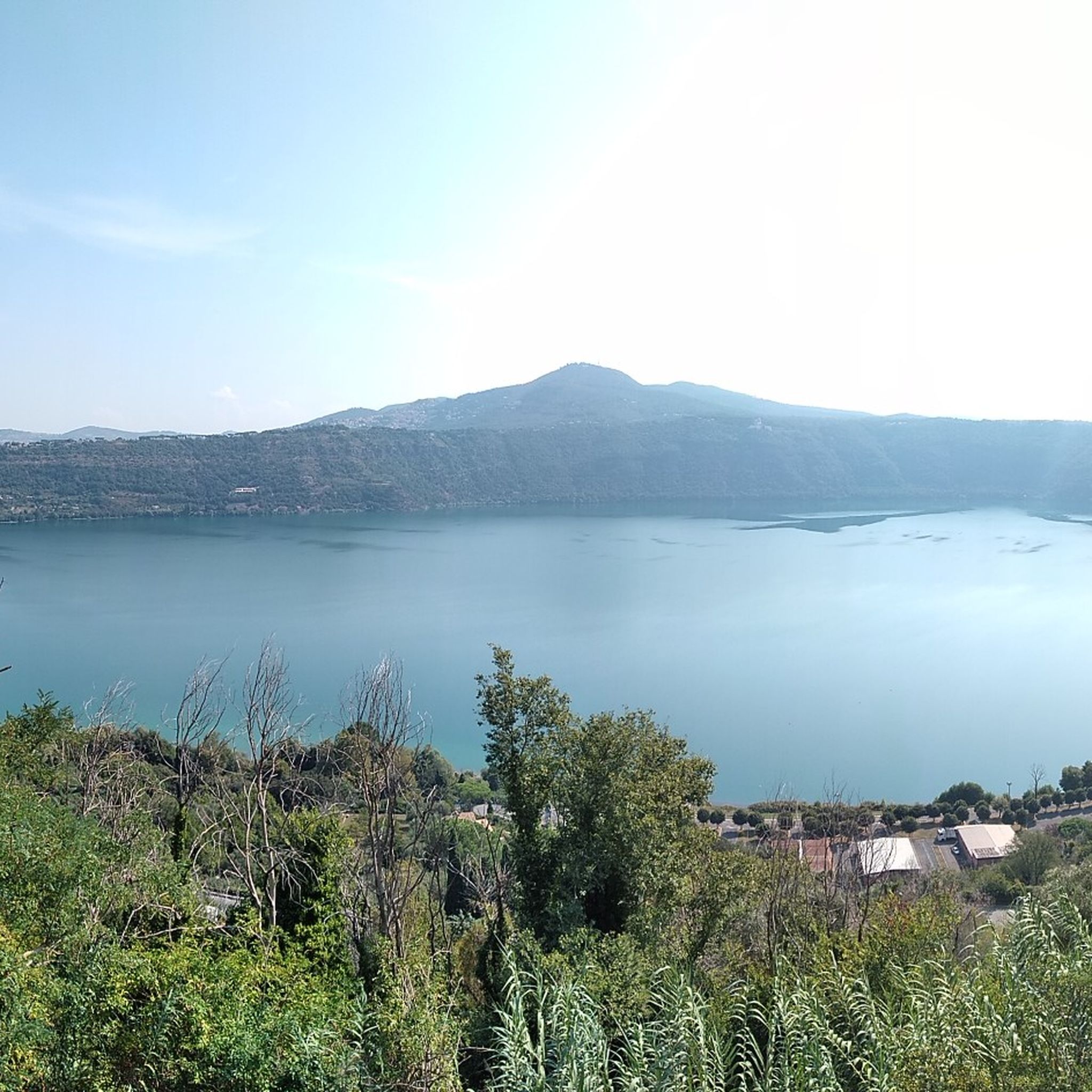
Lake Albano
Highlight • Lake
The trains carry out the service with bikes in tow.
Translated by Google •
Tip by

Sign up for free to discover even more natural monuments around Grottaferrata.
Sign up for free
Already have an account?
Start today with a free account
Your next adventure awaits.
Login or Signup

Tips from the Community

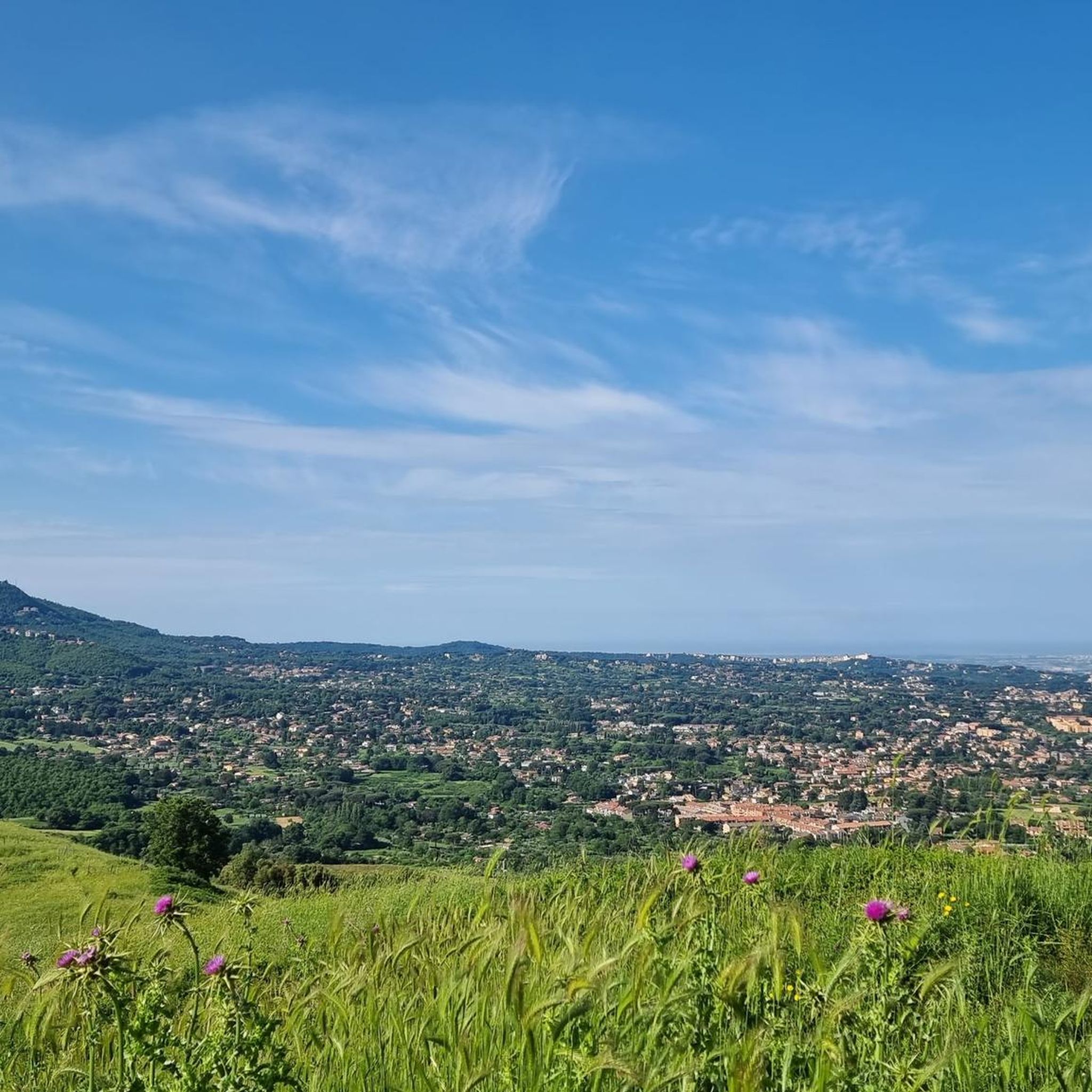
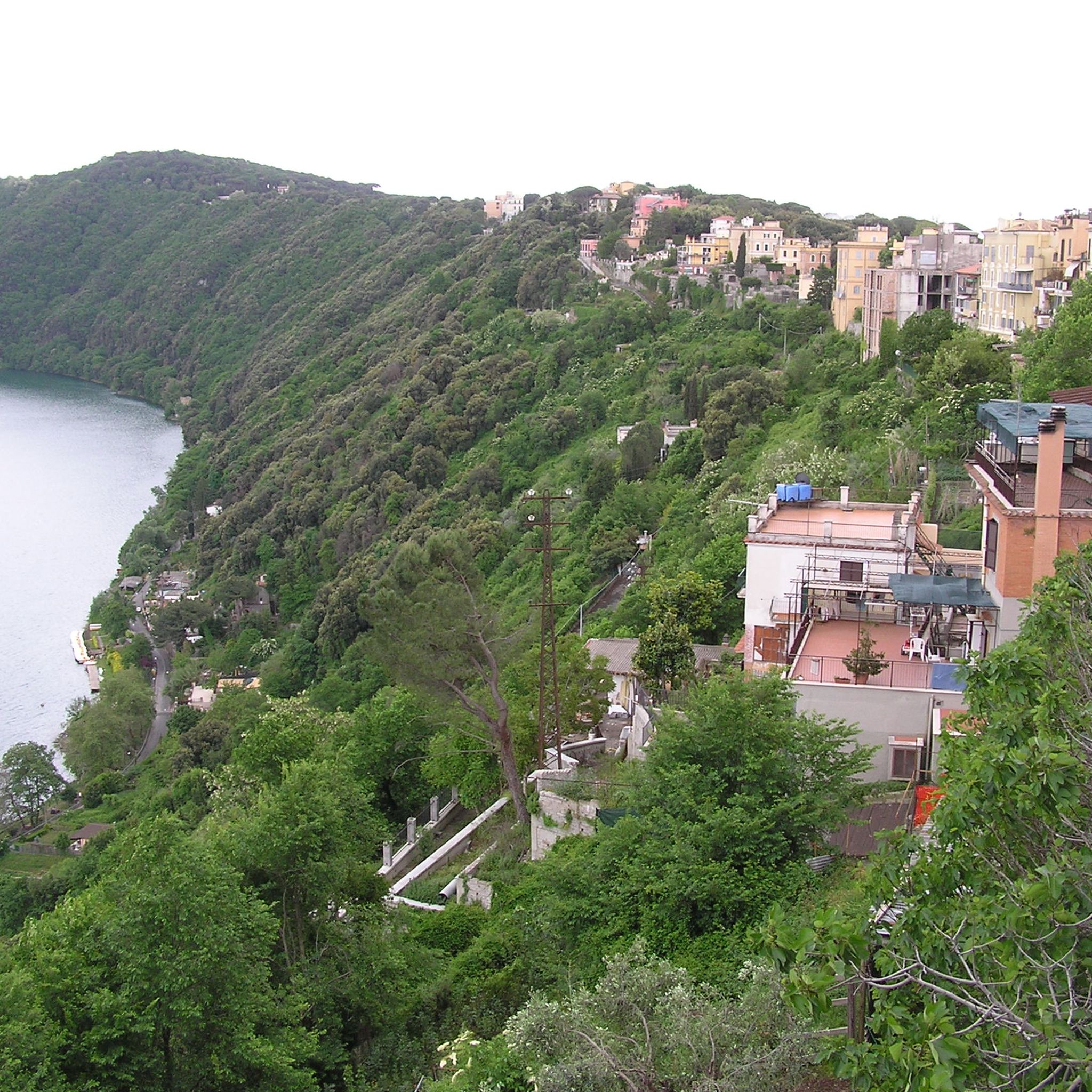
A treasure trove of history and nature 💎 Lake Nemi, anciently called "Diana's Mirror", is one of the most evocative stops in the entire Park of the Roman Castles. Perfect for a loop tour or as a scenic detour. The descent towards the shores offers views that seem painted, with the perched village overlooking the blue water.
0
0

Unfortunately, the tour is not practicable at this time due to some fallen trees along the route, but it will surely be cleared of these trees as soon as possible and it is a beautiful ride.
0
0

After a long time, the water has returned, perhaps thanks to the rains of the past few months. There are also some tadpoles that have been placed in the fountain.
0
0
Fontan Tempesta is much more than a simple spring: it is a melting pot of history, geology, and legend located in the heart of the Castelli Romani Park, along the ancient path connecting Genzano, Nemi, and Rocca di Papa. 1. History and Name The name "Tempesta" has ancient roots. Some historians link it to the Tempesta family, local nobles in the Middle Ages. Others, more romantically, maintain that the area is so named for the frequency of intense atmospheric phenomena due to the particular shape of the Nemi volcanic crater, which "attracts" thunderstorms. 2. A Hydrographic Turning Point The spring is located approximately 600 meters above sea level. Geologically, the water that flows here is the result of filtering through the pyroclastic rocks of the Laziale Volcano. The fact that it has returned to flow after years of drought is an important sign of the restoration of surface water tables, often strained by the scarce rainfall of recent years. 3. Crossroads of Pilgrims and Wayfarers Historically, Fontan Tempesta was an obligatory stop for those traveling the Southern Via Francigena or for pilgrims heading to the Temple of Diana in Nemi. Even today, it is a favorite "turning point" for bikers and hikers because it represents the coolest and most sheltered spot in the forest, where the microclimate remains humid even in the height of summer.
0
0

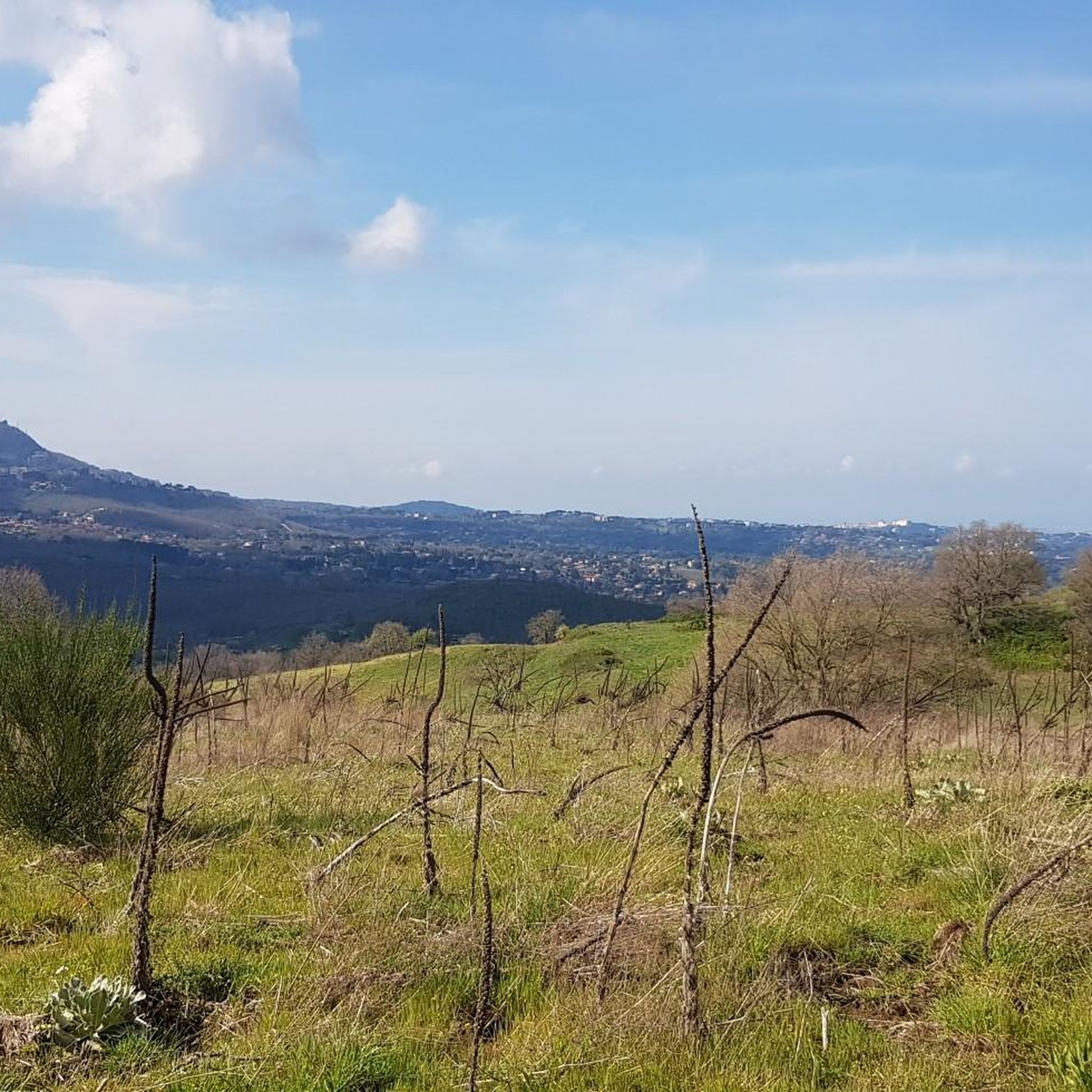
Nice spot to make pause and regain energy. Don’t expect water flowing during summer months
0
0

Hello Do you know if the trail is exposed in any places? We have a 15-month-old baby, and my wife is particularly afraid of the exposed sections. Thank you very much.
0
0

The Appian Way is the perfect place for a family bike ride, away from the hustle and bustle. The paths are mostly very well-maintained. In some places, you can cycle alongside the Appian Way on sandy paths, as the old stones are not very pleasant to ride on. However, this is only the case in a few places. Furthermore, throughout the entire ride, you can repeatedly see ancient ruins, etc., on both sides. Just passing by is wonderful.
2
0

Fantastic spot reachable by car or on foot from both Nemi and Genzano where you can rest along the lake, camp out and feed the ducks.
0
0
Frequently Asked Questions
What kind of natural landscapes can I expect in the Grottaferrata area?
The Grottaferrata area is nestled within the Parco Regionale dei Castelli Romani, offering diverse landscapes shaped by ancient volcanic activity. You'll find wooded hills, vineyards, olive groves, and lake basins. The terrain features craters, lava flows, and depressions, providing a rich variety of natural settings, including the slopes of the Alban Hills.
Are there family-friendly natural monuments around Grottaferrata?
Yes, several natural monuments are suitable for families. The Park of the Aqueducts is a great option, offering green spaces and historical significance where families can walk or cycle. Lake Albano also features family-friendly areas, including beaches and trails.
Can I find historical sites integrated with natural monuments in this region?
Absolutely. The region beautifully blends history with nature. The Via Appia Antica (Ancient Appian Way) is a prime example, functioning as a regional park with ancient Roman cobblestones, funerary monuments, and farmsteads amidst natural surroundings. Similarly, the Park of the Aqueducts showcases impressive Roman aqueduct arches within a natural green space.
What outdoor activities can I do near the natural monuments around Grottaferrata?
The area offers a wide range of outdoor activities. You can enjoy hiking, gravel biking, and running on numerous trails. For instance, there are many hiking routes around Grottaferrata, including those exploring Mount Tusculum. Gravel biking is also popular, with routes like the Parco degli Acquedotti loop.
Are there specific hiking trails recommended near these natural monuments?
Yes, the region offers diverse hiking experiences. You can explore trails around Mount Tusculum, such as the 'Ancient Via Tuscolana – Cross of Mount Tuscolo loop'. The Tempesta Spring is also located within a main junction of the Colli Albani park's trail system, offering a suggestive place to immerse yourself in nature. Find more options in the hiking guide for Grottaferrata.
Can I go cycling or gravel biking in the natural monument areas?
Absolutely. The natural monuments around Grottaferrata, particularly within the Castelli Romani Regional Park, are excellent for cycling and gravel biking. The Via Appia Antica is a popular choice for an unforgettable adventure through ancient Roman cobblestones. The Park of the Aqueducts also offers great cycling paths. Explore more routes in the gravel biking guide for Grottaferrata.
When is the best time to visit the natural monuments around Grottaferrata?
The region's natural monuments are enjoyable throughout much of the year. Spring and autumn generally offer pleasant temperatures for outdoor activities like hiking and cycling, with lush greenery in spring and vibrant colors in autumn. Summer can be warm, but early mornings or late afternoons are still suitable, especially around shaded areas or lakes. The mystical atmosphere of sites like the Via Appia Antica is particularly evocative at sunset.
What makes the natural monuments around Grottaferrata unique?
The uniqueness stems from the area's volcanic origin, which has created a distinctive landscape of craters, hills, and fertile land. This geological history, combined with centuries of human activity, has resulted in a rich blend of natural beauty and historical significance. You'll find ancient Roman infrastructure like the Via Appia Antica and the Park of the Aqueducts seamlessly integrated into protected natural parks, offering a truly immersive experience.
Are there any natural water features or lakes to visit?
Yes, the region features beautiful water elements. Lake Albano, a volcanic lake, is a significant natural monument offering scenic views and recreational opportunities. You can also visit the Tempesta Spring, a seasonal spring located within the Colli Albani park's trail system, and the historic Acqua Donzella Spring, known for its ancient origins and local legends.
What do visitors particularly enjoy about the natural monuments here?
Visitors frequently praise the blend of history and nature, especially the opportunity to explore ancient Roman sites like the Via Appia Antica and the Park of the Aqueducts within serene natural settings. The scenic beauty of the Alban Hills and the tranquility of places like Tempesta Spring are also highly appreciated. Many enjoy the opportunities for cycling, hiking, and simply immersing themselves in the area's rich atmosphere.
What are the terrain and difficulty levels for exploring natural monuments in this region?
The terrain around Grottaferrata, being part of the Alban Hills and the Castelli Romani Regional Park, varies from gentle slopes to more challenging hilly reliefs. Many trails, such as those around Mount Tusculum, are rated as moderate. Sites like the Via Appia Antica can have uneven ancient cobblestones, while paths around Lake Albano offer both paved and dirt sections. Overall, there are options for various fitness levels, from easy walks to more demanding hikes and bike rides.
Is public transport available to reach natural monuments near Grottaferrata?
While Grottaferrata itself is accessible, reaching some of the more secluded natural monuments might require a combination of public transport and walking or cycling. For instance, Lake Albano can be reached by train from Rome, getting off at Castel Gandolfo. For detailed local transport options to specific sites, it's advisable to check local bus schedules or consider a short taxi ride from Grottaferrata's center.
Where can I find parking near the natural monuments?
Parking availability varies by monument. Larger and more popular sites like the Park of the Aqueducts often have designated parking areas nearby. For other natural monuments or trailheads within the Castelli Romani Regional Park, you might find smaller parking lots or roadside parking. It's recommended to check specific access points for parking information before your visit, especially during peak seasons.
Most popular routes around Grottaferrata
Most popular attractions around Grottaferrata

Get inspired with the komoot mobile app


Explore more
Extend your search for the best caves by checking out these guides of the top ones around Grottaferrata:
