Top 5 Natural Monuments around Lampedusa E Linosa
Best natural monuments around Lampedusa E Linosa are found in the Pelagie Islands, characterized by unique geological formations and significant biodiversity. Lampedusa features pristine beaches and protected reserves, while Linosa is known for its volcanic landscape with dark rock formations and craters. These islands offer diverse natural features, from sandy shores to dramatic cliffs and volcanic peaks.
Best natural monuments around Lampedusa E Linosa
- The most popular natural monuments is Spiaggia dei Conigli, a beach that is a vital…
Last updated: May 16, 2026
View from Mount Vulcano
Highlight • Viewpoint
Translated by Google •
Tip by

Spiaggia dei Conigli
Highlight • Beach
Translated by Google •
Tip by
Sign up now to discover places like this
Get recommendations on the best single tracks, peaks, & plenty of other exciting outdoor places.
Sign up for free
Piscina dei Faraglioni
Highlight • Beach
Translated by Google •
Tip by
Pozzolana di Levante Cliff
Highlight • Natural Monument
Translated by Google •
Tip by
Belvedere Vallone dell'Acqua
Highlight • Viewpoint
Translated by Google •
Tip by
Start today with a free account
Your next adventure awaits.
Login or Signup

Tips from the Community

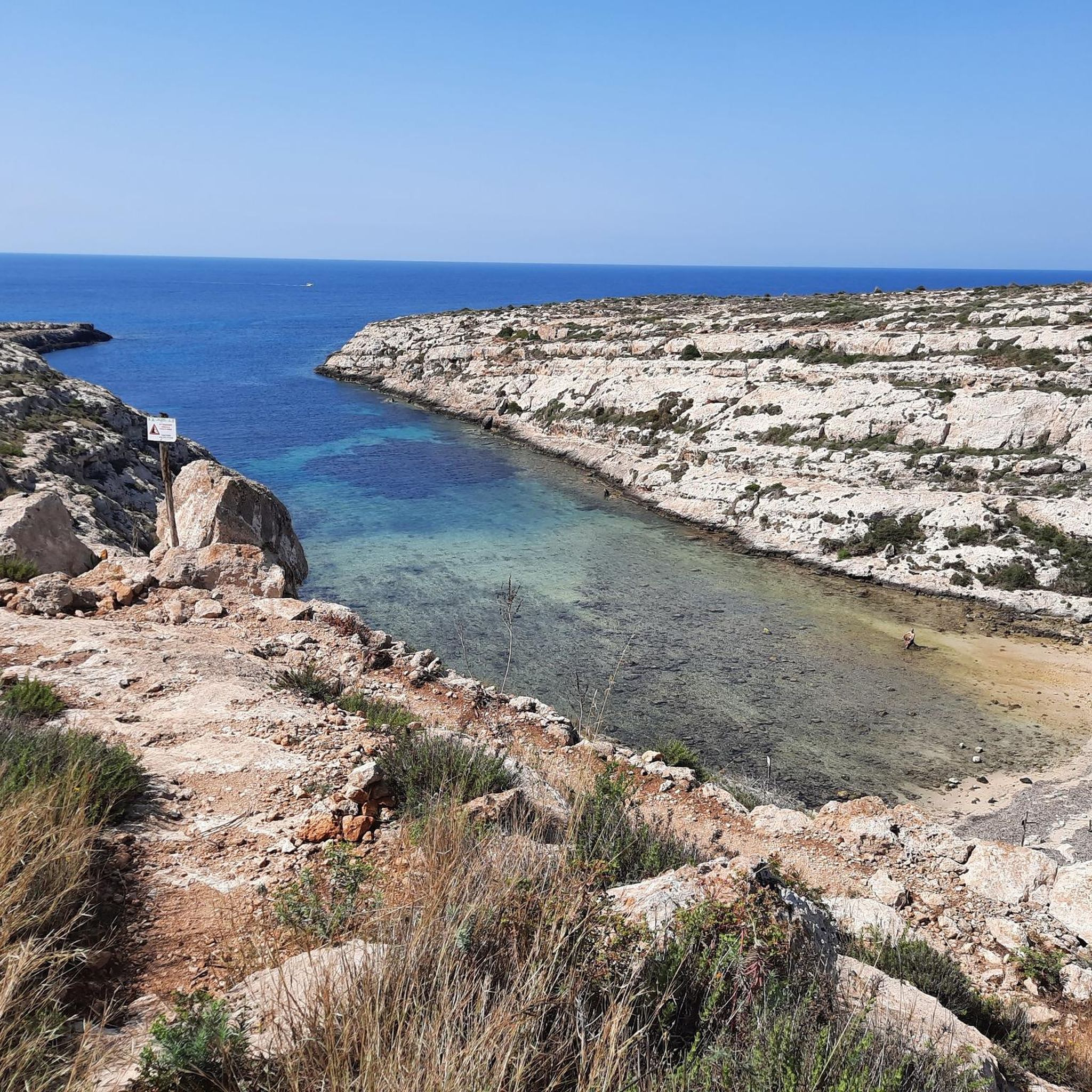
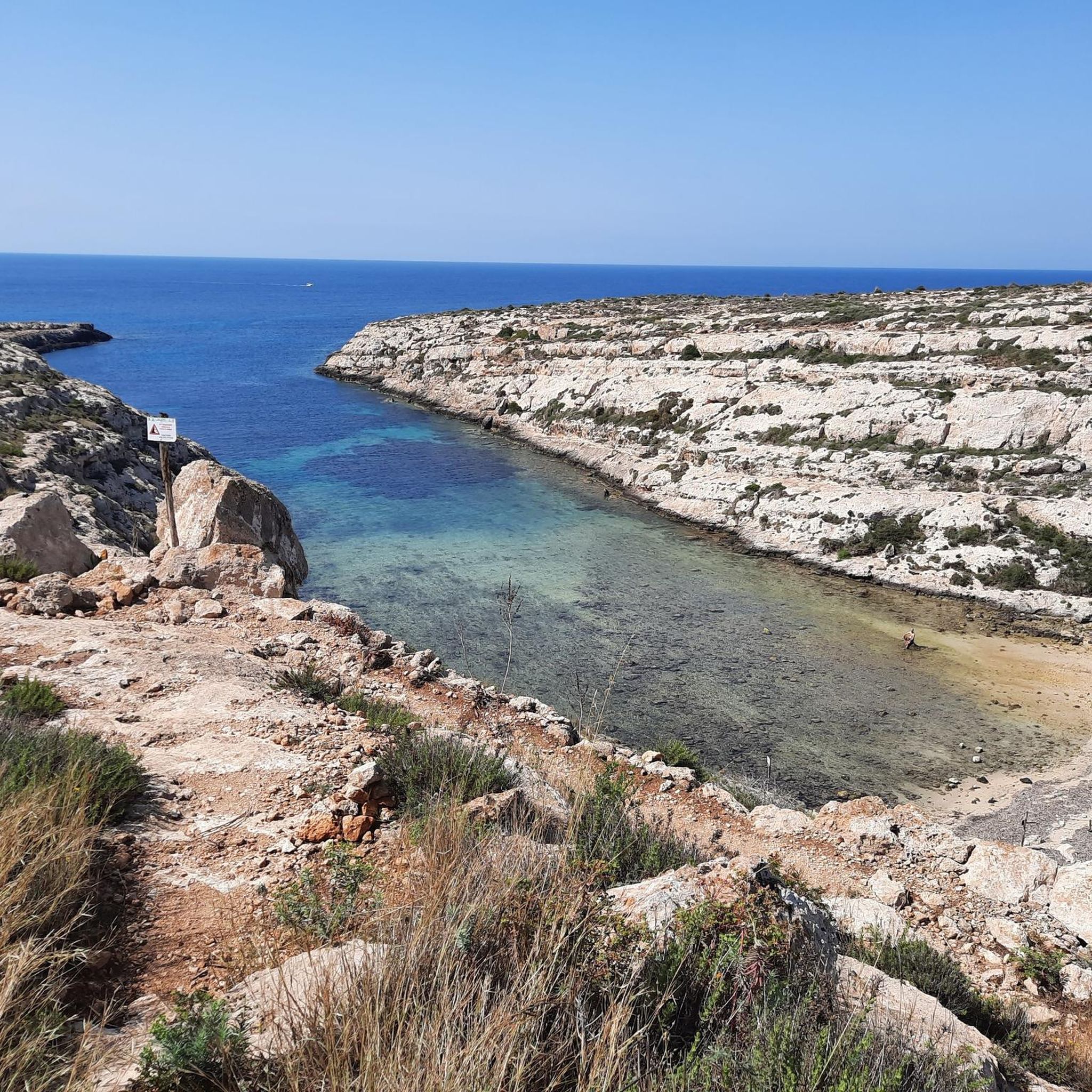
From the main road towards the sea on the gravel road. Be careful not to go too close to the cliffs. Danger of falling.
0
0
Probably the most beautiful beach in Lampedusa. Reservations required from June to October. In the middle of a nature reserve.
0
0
A small path branches off from the road and leads to the sea. From there you have to climb over the rocks and partly through the water to get here.
0
0
The youngest and highest volcano on the island. Hiking boots recommended at the summit. Slippery and porous lava rock. Great views.
0
0
Old fire slide of Monte Vulcano. Very easy to reach on foot, by bike or by car via a gravel road. Keep your distance, there is a risk of falling rocks.
0
0
Frequently Asked Questions
What unique natural features can I expect to see in Lampedusa E Linosa?
The Pelagie Islands offer a diverse range of natural features. On Lampedusa, you'll find pristine sandy beaches like Spiaggia dei Conigli with crystal-clear waters, and dramatic cliffs. Linosa, being volcanic, features dark rock formations, ancient craters, and imposing sea stacks like the Faraglioni. Both islands boast unique ecosystems and significant biodiversity.
What makes Spiaggia dei Conigli a significant natural monument?
Spiaggia dei Conigli (Rabbit Beach) on Lampedusa is renowned for its soft white sand and shallow, turquoise waters. It is also a vital nesting site for the endangered loggerhead sea turtle (Caretta caretta), making it a place of immense ecological importance. Access is regulated to protect this natural habitat, especially during nesting season. The adjacent Isola dei Conigli adds to its picturesque scenery.
What are the distinctive natural monuments on Linosa?
Linosa, with its volcanic origin, features several unique natural monuments. The imposing Piscina dei Faraglioni are dramatic rock stacks emerging from the sea, showcasing the island's dark volcanic rock. You can also find ancient volcanic craters, such as Mount Vulcano, which offers great views and is the youngest and highest volcano on the island. The Pozzolana di Levante Cliff is another notable volcanic feature, an old fire slide of Mount Vulcano.
Are there any notable viewpoints to experience the natural beauty of the islands?
Yes, both islands offer stunning viewpoints. On Linosa, the View from Mount Vulcano provides expansive vistas across the island's volcanic landscape. Lampedusa features spots like Scoglio della Vela, a distinctive sail-shaped rock formation, and Capo Grecale, which offers impressive flora and fauna. The Belvedere Vallone dell'Acqua also offers a scenic overlook of a canyon.
What kind of outdoor activities can I do near the natural monuments in Lampedusa E Linosa?
The islands are perfect for various outdoor activities. You can explore the natural beauty through hiking, cycling, and running. For example, there are several hiking routes, cycling tours, and running trails available. Many of these routes pass by or offer views of the natural monuments, allowing you to combine sightseeing with physical activity.
Are there hiking opportunities around the natural monuments?
Absolutely. Lampedusa E Linosa offer various hiking opportunities. For instance, you can take a moderate hike like the 'Descent to Rabbit Island – Spiaggia dei Conigli loop' which leads to the famous Spiaggia dei Conigli. On Linosa, trails lead to volcanic craters like Mount Vulcano, though some areas may require sturdy footwear due to slippery lava rock. You can find more details on hiking routes around Lampedusa E Linosa.
Can I go snorkeling or diving near the natural monuments?
Yes, the crystal-clear waters around Lampedusa E Linosa are ideal for snorkeling and diving. Areas like Spiaggia dei Conigli offer excellent snorkeling opportunities. Punta Cappellone on Lampedusa is known for diverse marine life, including tuna, kingfish, moray eels, and lobsters, making it a great spot for underwater exploration. Cala Calandra (Mare Morto) is also sheltered and ideal for exploring caves.
Are there family-friendly natural monuments or activities suitable for children?
Many natural monuments in Lampedusa E Linosa are suitable for families. Spiaggia dei Conigli, with its shallow, calm waters, is particularly family-friendly for swimming and sunbathing. Observing the loggerhead sea turtle nesting sites (from a respectful distance) can also be an educational experience for children. The clear waters are also great for kids to try snorkeling.
Are any natural monuments in Lampedusa E Linosa wheelchair accessible?
While the natural terrain of the islands, with their rugged cliffs, sandy beaches, and volcanic landscapes, can be challenging, some areas might offer limited accessibility. Generally, direct access to many natural monuments, especially beaches and viewpoints requiring paths or climbs, may not be wheelchair accessible. It's advisable to check specific locations or inquire locally for the most up-to-date information on accessibility.
What is the best time of year to visit Lampedusa E Linosa for natural monuments and wildlife?
The best time to visit is typically from late spring (May-June) to early autumn (September-October). During these months, the weather is pleasant for outdoor activities, and the sea is warm for swimming and snorkeling. The loggerhead sea turtle nesting season usually occurs from June to August, offering a chance to witness this natural phenomenon (with regulated access). Bird migration can also be observed during spring and autumn.
Are there any nature reserves or protected areas in Lampedusa E Linosa?
Yes, both islands have significant protected areas. Lampedusa is home to the Isola di Lampedusa Nature Reserve, which includes Spiaggia dei Conigli and safeguards critical loggerhead sea turtle nesting habitats. Linosa is part of the larger Linosa and Lampione Islands Nature Reserve, preserving its distinct volcanic ecosystems, unique flora, and seabird colonies like Cory's shearwater. These reserves are crucial for conservation.
How can I reach the natural monuments on Linosa, such as the Faraglioni?
Many natural monuments on Linosa, including the Piscina dei Faraglioni, can be accessed via paths from the main road. For the Faraglioni, a small path branches off and leads to the sea, requiring some climbing over rocks and wading through water to reach the exact spot. Other areas, like the Pozzolana di Levante Cliff, are easily reachable on foot, by bike, or via a gravel road.
What should I wear when visiting the natural monuments?
For visiting natural monuments in Lampedusa E Linosa, comfortable clothing suitable for warm weather is recommended. If you plan to hike, especially to places like Mount Vulcano on Linosa, hiking boots are advisable due to potentially slippery and porous lava rock. For beach visits, swimwear, sandals, and sun protection are essential. Always bring plenty of water, especially during warmer months.
Most popular routes around Lampedusa E Linosa
Most popular attractions around Lampedusa E Linosa

Get inspired with the komoot mobile app


Explore more
Extend your search for the best caves by checking out these guides of the top ones around Lampedusa E Linosa:
