Top 14 Natural Monuments around Abbasanta
Natural monuments around Abbasanta showcase a landscape defined by its geological heritage, including a prominent basalt plateau. The region offers a variety of natural features, from ancient oak forests to natural springs and scenic summits. These natural elements contribute to the area's distinct character and provide opportunities for outdoor exploration.
Best natural monuments around Abbasanta
- The most popular natural monuments is Monte Agudu (Sa Rocca de Tiu Antoni Gana), a summit that rises to almost 900m in altitude. On…
Last updated: May 16, 2026
Sos Molinos Waterfall
Highlight • Waterfall
Source: sardegnatoujours.com/cascata-sos-molinos-come-ragvenirerla
Translated by Google •
Tip by

Fontana Sa Preda 'Lada
Highlight • Religious Site
Following the fires of July 2021, the fountain took on a fluctuating activity.
Translated by Google •
Tip by

Sign up now to discover places like this
Get recommendations on the best single tracks, peaks, & plenty of other exciting outdoor places.
Sign up for free
Monte Agudu (Sa Rocca de Tiu Antoni Gana)
Highlight • Summit
Translated by Google •
Tip by
Funtana de Su Crabarzu
Highlight • Natural Monument
Translated by Google •
Tip by
Shaded Rest Spot at Badde Urbara Summit
Highlight • Summit
(This is one of the very few trees on the top of Badde Urbara to have been saved from the …
Translated by Google •
Tip by
Sign up for free to discover even more natural monuments around Abbasanta.
Sign up for free
Already have an account?
Start today with a free account
Your next adventure awaits.
Login or Signup
Tips from the Community

The path to the waterfall has been closed and inaccessible for three years.
0
0

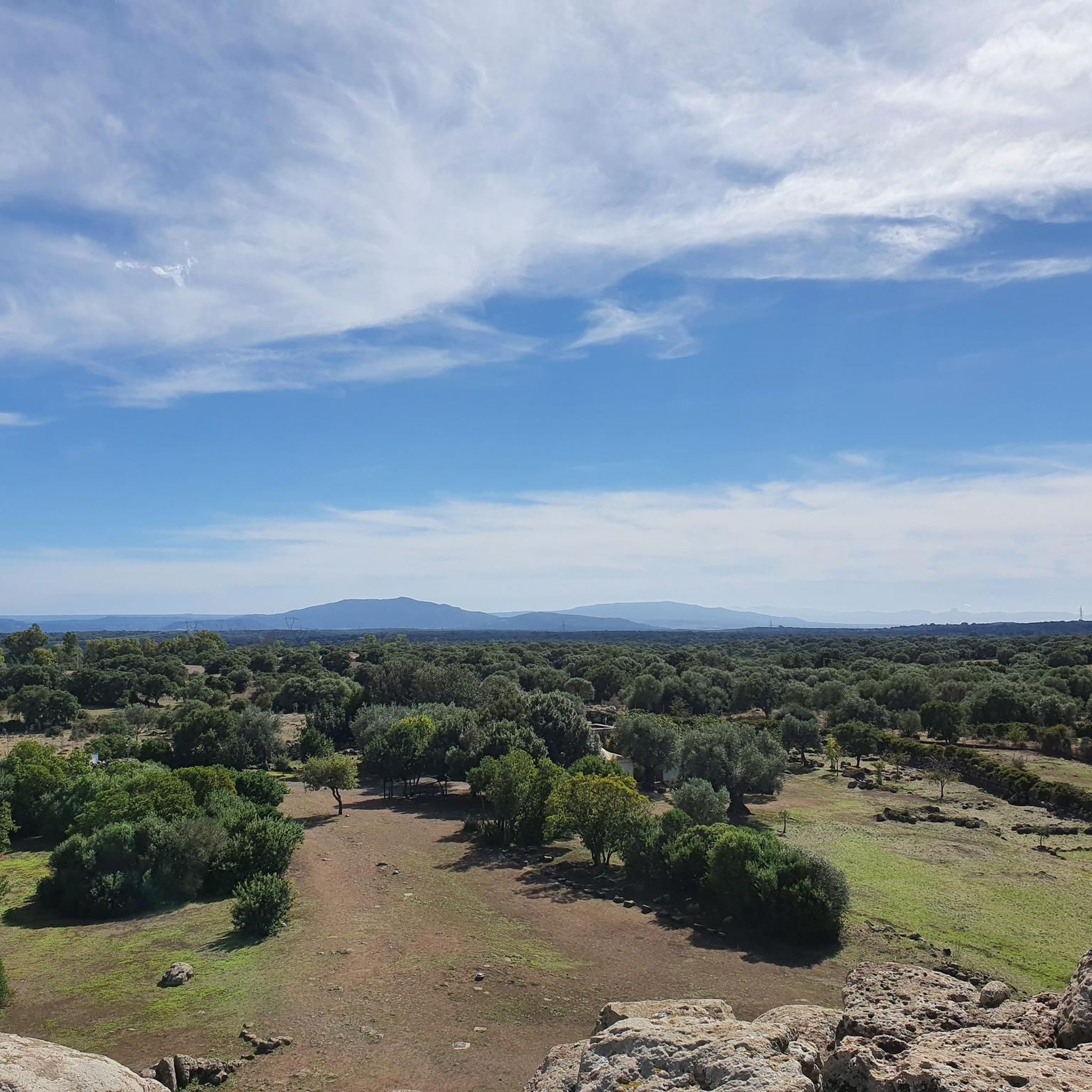
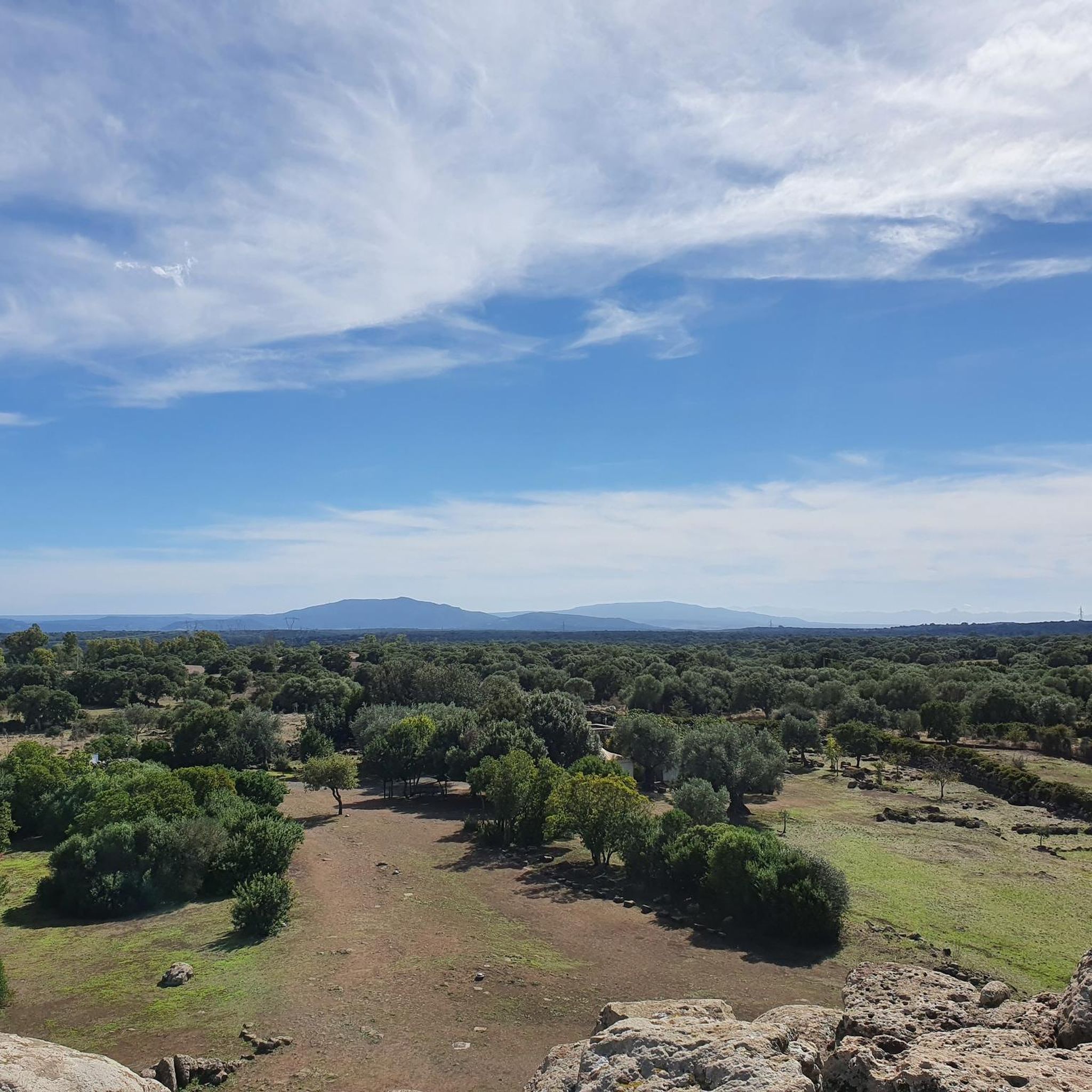
Also known as Monte Agudu, it rises imposingly reaching almost 900m in altitude. On the summit there are the remains of a probable late-Nuragic sanctuary
2
0
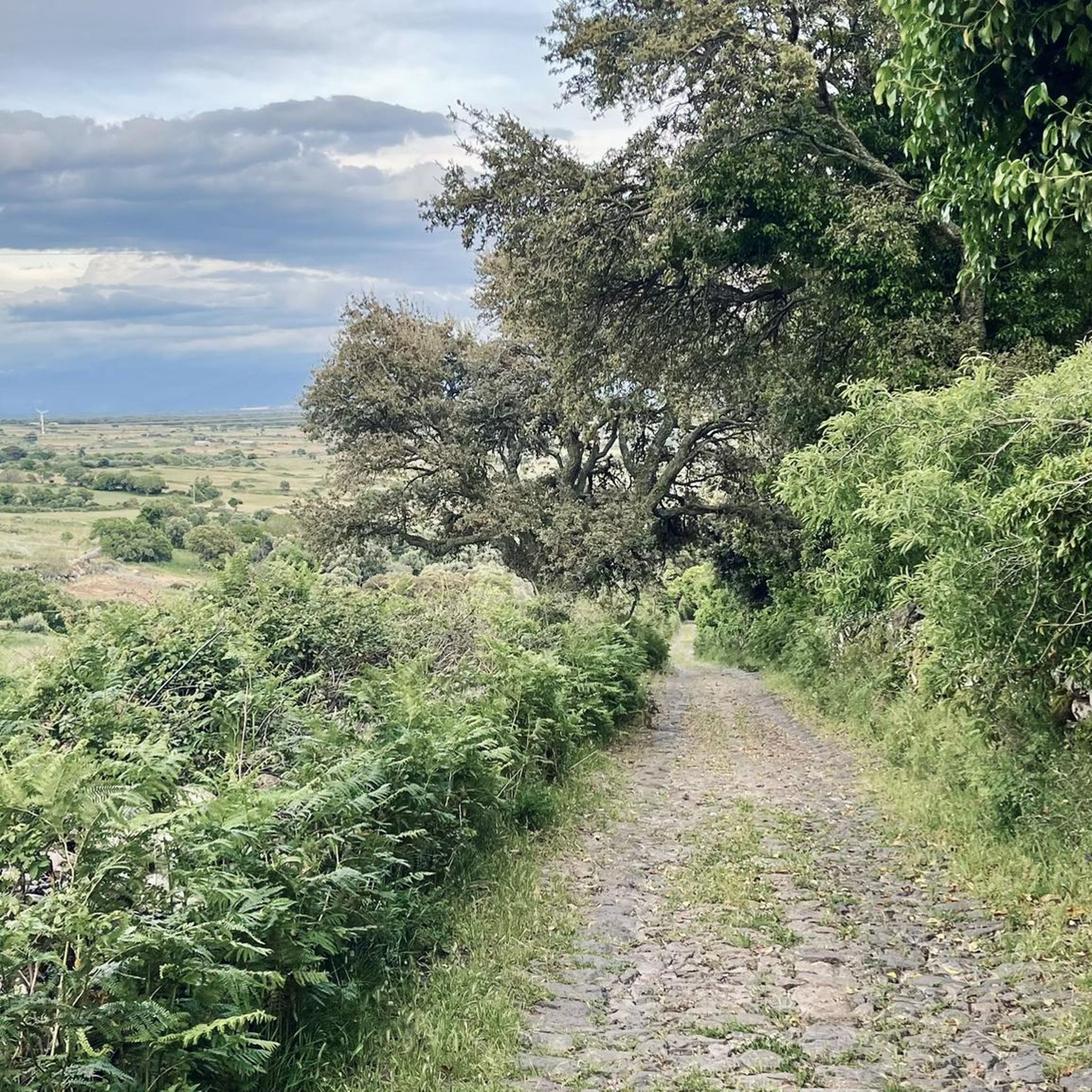
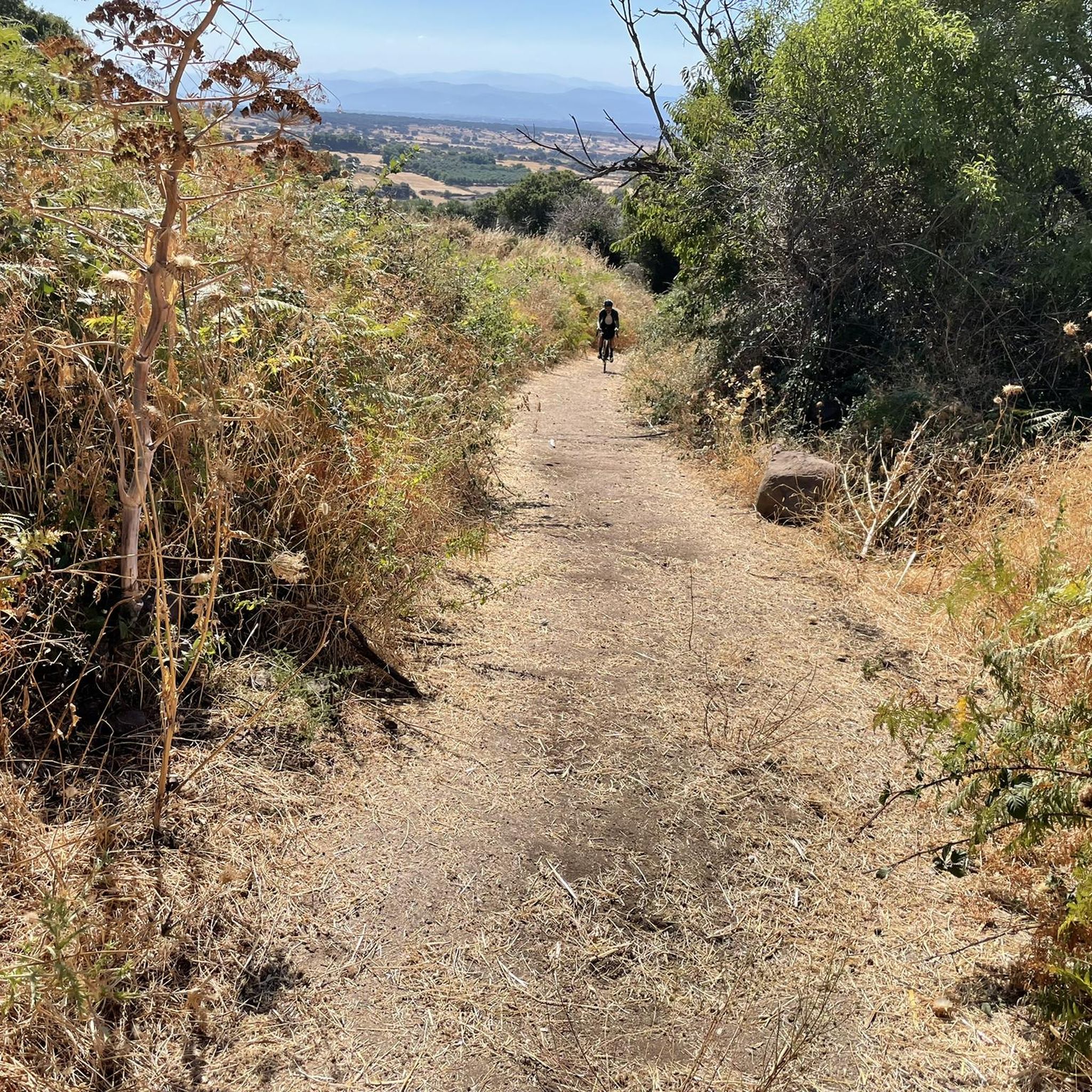
You've reached the top, take a break in the shade. (This is one of the very few trees on the top of Badde Urbara to have been saved from the 2021 fire, and remains one of the few shaded points in the area with the exception of the descent which then takes you back to the provincial road towards Cuglieri. The descent towards Elighes Uttiosos shows this fact very well, as after almost three years the charred skeletons of the trees that once populated this hill can still be found, today replaced only by shrubs).
0
0

It is a beautiful place that we visited despite the prohibition sign at the top of the path that indicated that the path was dangerous.
0
0

Deep inside the historic Montiferru region, surrounded by rolling hills and untouched nature, lies Santu Lussurgiu, an idyllic mountain village that seems to forget time. But this village hides a secret that is only revealed to those who set out to discover it. Follow the path as it takes you over a slightly steep path. Every step on this path, which leads down a few steps, makes the anticipation grow. And then, at the end of this path, you will be rewarded with a breathtaking spectacle: the Cascata di Sos Molinos. A waterfall where the crystal clear water plunges an impressive 12 meters into the depths. The gentle sound of the water mixing with the singing of birds and the sound of the wind creates an atmosphere of calm and peace. Even when the leaves change color in autumn and nature prepares for winter, the water of the Riu sos Molinos still bubbles powerfully and lively. It is a place where you can experience the power and beauty of nature up close. Take a moment, sit on one of the stones at the edge of the falling pool and let yourself be enchanted by the magic of this place. A visit to the Cascata Riu sos Molinos is not only a feast for the eyes, but also balm for the soul. It's a little paradise waiting for you to discover.
5
0

An approx. 300m long, somewhat steep path leads down a few steps to the basin of this beautiful waterfall. The water of the Rio sos Molinos falls from a height of around 12 meters. It splashes wonderfully and even in October there is plenty of water here. A visit is highly recommended.
2
0

Cascata di Sos Molinos is located in Santu Lussurgiu, a small mountain village in the heart of Sardinia and in the historic region of Montiferru. Source: https://www.sardegnatoujours.com/cascata-sos-molinos-come-ragvenirerla/
2
0
A somewhat hidden path leads to the source of the waterfall. Definitely worth seeing! Some surefootedness is required.
0
0
Frequently Asked Questions
What are some notable natural monuments to visit around Abbasanta?
The region around Abbasanta offers a variety of natural monuments. You can explore the impressive Sos Molinos Waterfall, where crystal-clear water plunges 12 meters. Another interesting spot is Fontana Sa Preda 'Lada, a natural monument featuring a small pitch with a stone table and a votive altar that serves as a fountain. For those seeking panoramic views and historical context, Monte Agudu (Sa Rocca de Tiu Antoni Gana) rises to almost 900m, offering both natural beauty and remains of a probable late-Nuragic sanctuary.
What unique natural features define the landscape around Abbasanta?
The landscape around Abbasanta is significantly shaped by its geological heritage, particularly a prominent basalt plateau. This volcanic rock is even used in local architecture. Beyond the plateau, you can find natural springs like the Bonorchis spring near Tanca Regia, known for its tranquil environment, and ancient woodlands such as those in the Parco di Sant'Agostino, featuring centuries-old cork and downy oaks.
Are there any natural springs or water sources to discover near Abbasanta?
Yes, there are several natural water sources. The Bonorchis spring, located near Tanca Regia, is a notable natural spring in the area. Additionally, you can find Funtana de Su Crabarzu, a small spring on the roadside that provides very fresh water, even on hot days, making it an excellent spot to refill.
Where can I find ancient trees or shaded natural areas around Abbasanta?
The Parco di Sant'Agostino is an excellent place to find ancient trees, featuring centuries-old cork oaks and downy oaks, offering a peaceful natural environment. For a shaded rest spot on a summit, consider the Shaded Rest Spot at Badde Urbara Summit, which provides one of the few shaded points in that area.
What outdoor activities can I do near the natural monuments around Abbasanta?
The area around Abbasanta is great for various outdoor activities. You can find numerous routes for running, road cycling, and general cycling. For example, there's a challenging running loop that includes Sos Molinos Waterfall and Monte Pertosu. Cycling enthusiasts can enjoy a moderate loop tour on the Abbasanta plateau. Explore more options on the Running Trails around Abbasanta, Road Cycling Routes around Abbasanta, and Cycling around Abbasanta guide pages.
Are there family-friendly natural attractions around Abbasanta?
Yes, Fontana Sa Preda 'Lada is categorized as family-friendly, offering a tranquil spot with basic facilities like a stone table. The Parco di Sant'Agostino, with its ancient oak trees, also provides a pleasant and peaceful environment suitable for family walks.
What is the terrain and elevation like for natural monuments in the Abbasanta area?
The terrain around Abbasanta is characterized by a basalt plateau, which can lead to varied elevations. Summits like Monte Agudu rise to almost 900m, indicating some significant climbs. Paths to attractions like Sos Molinos Waterfall can involve somewhat steep descents with steps. Many routes in the area are rated intermediate in difficulty, suggesting a mix of flat and undulating sections.
What is the best time to visit the natural monuments around Abbasanta?
While specific seasonal recommendations aren't detailed for every monument, the region's natural springs and waterfalls, like Sos Molinos Waterfall, often have abundant water even in autumn, making them impressive year-round. For hiking and outdoor activities, spring and autumn generally offer milder temperatures, which are ideal for exploring the varied terrain and ancient oak forests.
Are there any historical sites combined with natural monuments?
Yes, Monte Agudu (Sa Rocca de Tiu Antoni Gana) is a prime example. This summit, reaching almost 900m, not only offers stunning natural views but also hosts the remains of a probable late-Nuragic sanctuary, blending natural beauty with ancient history.
What do visitors enjoy most about the natural monuments around Abbasanta?
Visitors appreciate the diverse natural beauty, from the powerful 12-meter plunge of Sos Molinos Waterfall to the tranquil settings of natural springs and shaded rest spots. The combination of geological features, like the basalt plateau, with ancient trees and historical elements, offers a rich and varied outdoor experience. The community has shared over 16 photos and given more than 19 upvotes, highlighting the visual appeal and enjoyment of these sites.
Are there any viewpoints to enjoy the natural scenery?
Yes, several natural monuments offer excellent viewpoints. Monte Agudu (Sa Rocca de Tiu Antoni Gana), being a summit, provides expansive views of the surrounding landscape. Additionally, the Shaded Rest Spot at Badde Urbara Summit also serves as a viewpoint, allowing visitors to take in the scenery while resting.
Most popular attractions around Abbasanta

Get inspired with the komoot mobile app


Explore more
Extend your search for the best caves by checking out these guides of the top ones around Abbasanta:
