Top 13 Natural Monuments around Castelfranco Piandiscò
Best natural monuments around Castelfranco Piandiscò include impressive geological formations and significant natural features. The area is characterized by the unique Balze del Valdarno, sculpted by erosion into pinnacles and canyons. The Arno River also flows through the Valdarno, contributing to the region's landscape and historical development. Additionally, the local Pietra Serena quarries highlight the geological richness and its historical importance for architecture.
Best natural monuments around Castelfranco Piandiscò
- The most popular natural monument is Pratomagno Summit Cross, a…
Last updated: June 1, 2026
Pratomagno Summit Cross
Highlight • Summit
Translated by Google •
Tip by

Faggio Santo (Sacred Beech Tree)
Highlight • Natural Monument
Translated by Google •
Tip by

Sign up now to discover places like this
Get recommendations on the best single tracks, peaks, & plenty of other exciting outdoor places.
Sign up for free
Secchieta Hut
Highlight • Mountain Hut
Translated by Google •
Tip by

Panorama of the Balze near La Castellina
Highlight • Viewpoint
Translated by Google •
Tip by

The Giants of Italy – Douglas Fir Giants of Vallombrosa
Highlight • Natural Monument
Translated by Google •
Tip by

Sign up for free to discover even more natural monuments around Castelfranco Piandiscò.
Sign up for free
Already have an account?
Start today with a free account
Your next adventure awaits.
Login or Signup

Tips from the Community

A chapel dedicated to Saint Gualbert, patron saint of foresters, stands next to the Holy Beech Tree, which, according to tradition/legend, sprouts leaves before the others and sheds them later. The current beech tree is a scion of the old tree, which, according to annals, dates back to the 8th/10th century and is said to have had a circumference of 3 meters and a height of 25 meters. The site is easily accessible with a short detour from the road leading up to Secchieta. It is located a short distance upstream from the Abbey.
10
0

Mount Secchieta lies between the municipalities of Reggello and Montemignaio. The peak, approximately 1,500 meters above sea level, is part of the Pratomagno ridge and separates the Casentino valley from the Upper Valdarno valley. There is a refuge there, which can also be reached by a paved road.
0
0

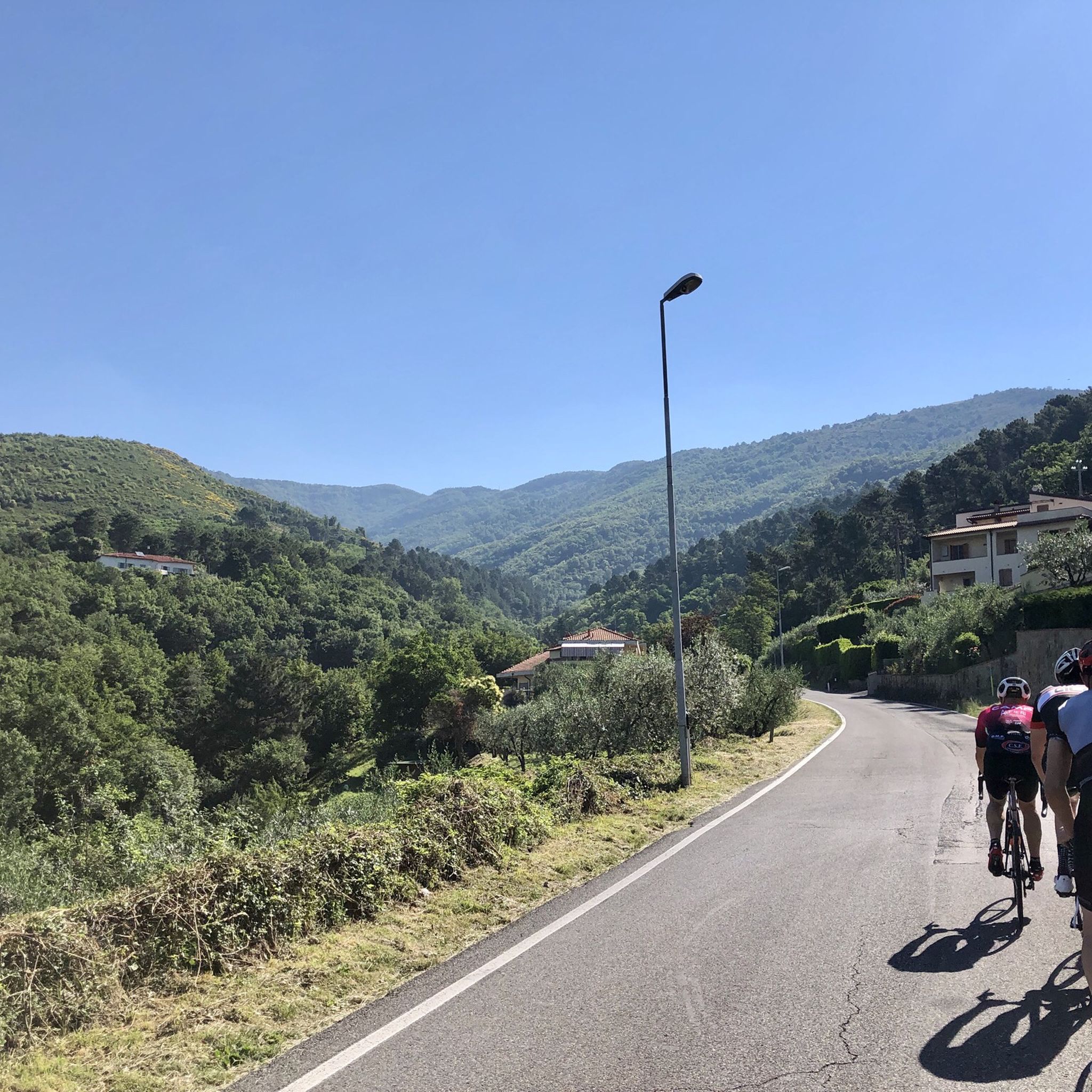
Rifugio Secchieta, with its cyclist museum featuring many interesting jerseys. The sandwiches are excellent, and the view is beautiful.
0
0

Path impassable! We dared to make a path ourselves, whereby one of us was badly injured.
1
0


Beautiful trees imported from the United States, they are called the Giants of Italy as they are the tallest in Italy
0
0

The tour led to a very narrow, overgrown, thorny path just before the rocks. So it's better to look for another path in that section! Otherwise you'll end up on a farmer's private property and walk across his field. There's already a sign there saying you shouldn't go there. The route should be changed!
2
1

In some parts the path is difficult to pass (narrow, slippery, high vegetation) and you walk partly over private land of a farmer, with large barking dogs (fortunately they kept their distance this time, but still not very pleasant to walk). It is better to continue to follow the main path, which also has an official walking route (red and white striped). Otherwise a very nice walk!
3
0
Frequently Asked Questions
What are the most popular natural monuments around Castelfranco Piandiscò?
Among the most appreciated natural monuments are the Pratomagno Summit Cross, a prominent landmark offering expansive views. Another favorite is The Giants of Italy – Douglas Fir Giants of Vallombrosa, home to some of the tallest trees in the country. Visitors also frequently seek out the Faggio Santo (Sacred Beech Tree), known for its unique legend and serene setting near Vallombrosa Abbey.
What unique geological formations can I explore in the area?
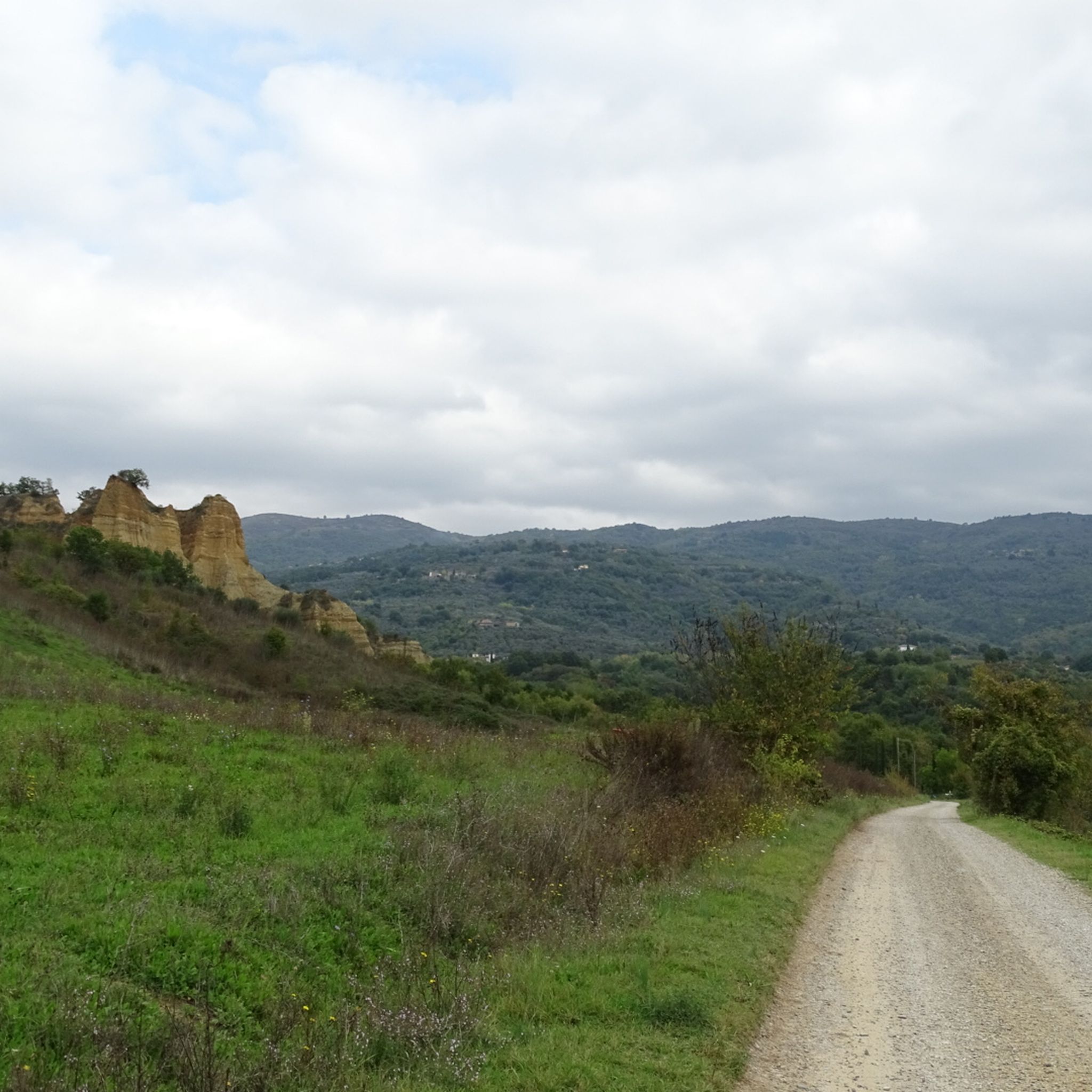
The most striking geological formations are the Balze del Valdarno, often described as 'moon-like' due to their dramatic sand and clay pinnacles and canyons. These impressive structures were sculpted over millennia by erosion and even inspired Leonardo da Vinci. You can experience them from viewpoints like the Panorama of the Balze near La Castellina.
Are there family-friendly natural monuments or activities in Castelfranco Piandiscò?
Yes, several natural monuments are suitable for families. The Giants of Italy – Douglas Fir Giants of Vallombrosa offers paths winding through tall trees, providing a pleasant and shady experience for all ages. The Secchieta Hut is also considered family-friendly, offering a refreshment point after an outdoor activity.
What kind of hiking trails can I find near the natural monuments?
The region offers a variety of hiking trails, particularly around the Balze del Valdarno. You can find routes like the Sentiero dell'Acqua Zolfina, which allows for quiet exploration of the unique landscape. For more structured routes, you can explore options in the Gravel biking around Castelfranco Piandiscò or MTB Trails around Castelfranco Piandiscò guides, which often pass through or near these natural areas.
What is the best time of year to visit the natural monuments?
Spring and autumn are generally ideal for visiting the natural monuments around Castelfranco Piandiscò. The weather is milder, making hiking and exploration more comfortable. In spring, the landscape is lush, while autumn brings beautiful fall colors, especially in forested areas like Vallombrosa. Summer can be warm, but shaded areas like the Douglas Fir forest offer respite. Winter walks are also possible, particularly for those seeking quiet contemplation.
Can I bring my dog to the natural monuments and trails?
While specific rules for each natural monument vary, many outdoor areas and trails in the region are dog-friendly. It's always recommended to keep dogs on a leash and clean up after them to preserve the natural environment and respect other visitors. For specific trails, check local signage or information before you go.
What historical or cultural significance do the natural monuments hold?
The Balze del Valdarno are not only a geological wonder but also hold artistic significance, having inspired Leonardo da Vinci. The Faggio Santo (Sacred Beech Tree) near Vallombrosa Abbey is steeped in legend, connected to Saint Gualbert, the patron saint of foresters. The Arno River itself has historically shaped the cultural and historical landscape of Tuscany, being a vital resource for centuries.
Are there any viewpoints offering panoramic vistas of the natural landscape?
Yes, the region is rich in viewpoints. The Pratomagno Summit Cross offers extensive views of the Valdarno and Casentino areas. The Panorama of the Balze near La Castellina provides a stunning perspective of the unique eroded formations. The Secchieta Hut also serves as a viewpoint, allowing visitors to take in the surrounding natural beauty.
What is the Arno River's role in the region's natural landscape?
The Arno River, the most important river in central Italy after the Tiber, flows through the Valdarno area near Castelfranco Piandiscò. Its presence contributes significantly to the region's natural landscape, creating fertile plains and picturesque views. Historically, it has been a vital natural resource, influencing the development of the surrounding countryside with its vineyards, olive groves, and historic villages. You can learn more about the river's impact on Tuscany here.
Where can I find refreshments or accommodation near the natural monuments?
For refreshments, the Secchieta Hut offers a bar and restaurant. In the broader Castelfranco Piandiscò area, you'll find various cafes, pubs, and restaurants. For accommodation, options range from hotels to agriturismo (farm stays), particularly in the villages surrounding the natural areas. It's advisable to check local listings for specific establishments.
Are there any hidden gems among the natural monuments?
While the Balze del Valdarno are well-known, exploring their less-trafficked paths can feel like discovering a hidden gem. The area features imaginatively named sites such as 'Casa delle Fate' (House of Fairies), 'Paradiso' (Paradise), 'Purgatorio,' and 'Inferno,' which add to the mysterious and enchanting atmosphere. These offer quiet contemplation and a deep connection with nature away from the main viewpoints.
What are the 'Giants of Italy' in Vallombrosa?
The 'Giants of Italy' refer to the monumental Douglas firs found in the Biogenetic Reserve of Vallombrosa. These are the tallest plants in the entire Italian peninsula, with some reaching over 60 meters in height. They thrive in the particular microclimate of Vallombrosa and offer a truly impressive natural spectacle, making for a unique forest experience.
Most popular routes around Castelfranco Piandiscò
Most popular attractions around Castelfranco Piandiscò

Get inspired with the komoot mobile app


Explore more
Extend your search for the best caves by checking out these guides of the top ones around Castelfranco Piandiscò:
