Top 14 Natural Monuments around Lugagnano Val D'Arda
Natural monuments around Lugagnano Val D'Arda in Italy's Piacenza province are characterized by unique geological formations and a wealth of fossils. This region was once a marine gulf over 3 million years ago, leaving behind significant paleontological treasures. Visitors can explore landscapes sculpted by natural processes and discover marine fossils, providing evidence of the area's ancient past as a seabed. The area offers opportunities for educational and recreational activities for those interested in geology and paleontology.
Best natural monuments around…
Last updated: May 16, 2026
Monte Menegosa summit cross
Highlight • Summit
Translated by Google •
Tip by

Devil Piplon Rock
Highlight • Natural Monument
Translated by Google •
Tip by

Sign up now to discover places like this
Get recommendations on the best single tracks, peaks, & plenty of other exciting outdoor places.
Sign up for free
Pietra Nera Quarry Pond
Highlight • Lake
Translated by Google •
Tip by

Calanchi of Piacenza
Highlight • Natural Monument
It is also possible to see the gullies: a geomorphological phenomenon whereby the rock is eroded by the …
Translated by Google •
Tip by

Stele to the Partisans Fallen at Passo dei Guselli
Highlight • Monument
Translated by Google •
Tip by
Sign up for free to discover even more natural monuments around Lugagnano Val D'Arda.
Sign up for free
Already have an account?
Start today with a free account
Your next adventure awaits.
Login or Signup
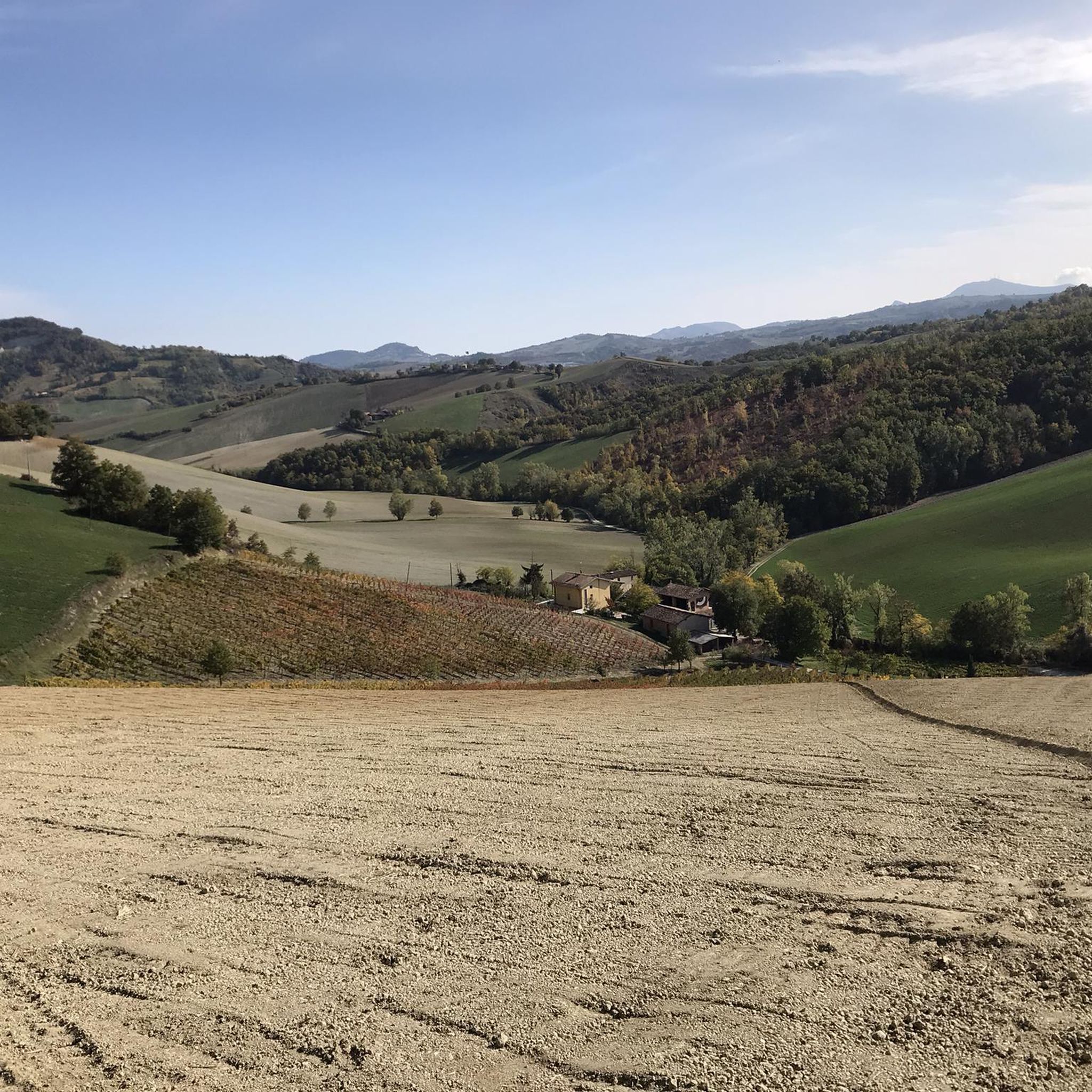
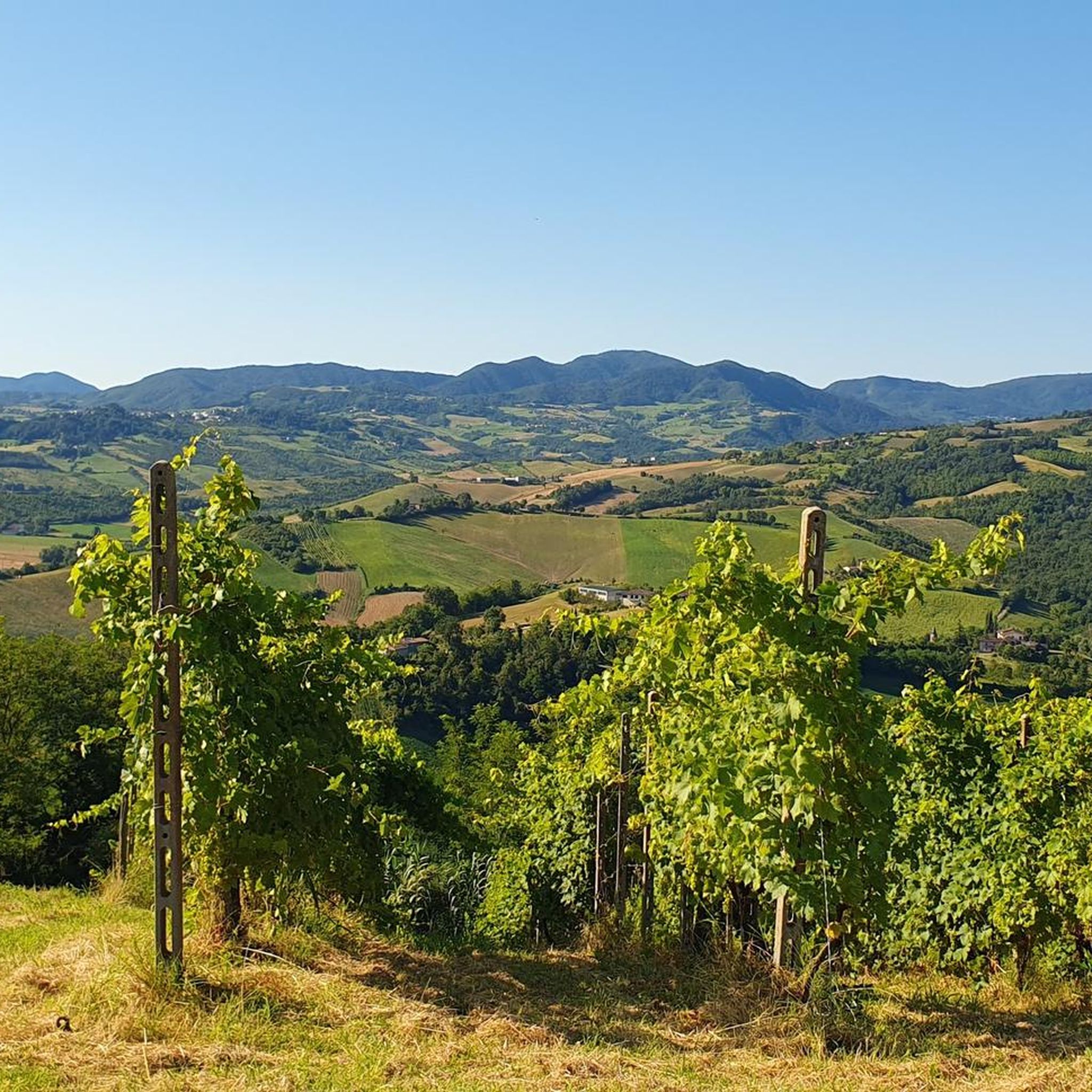
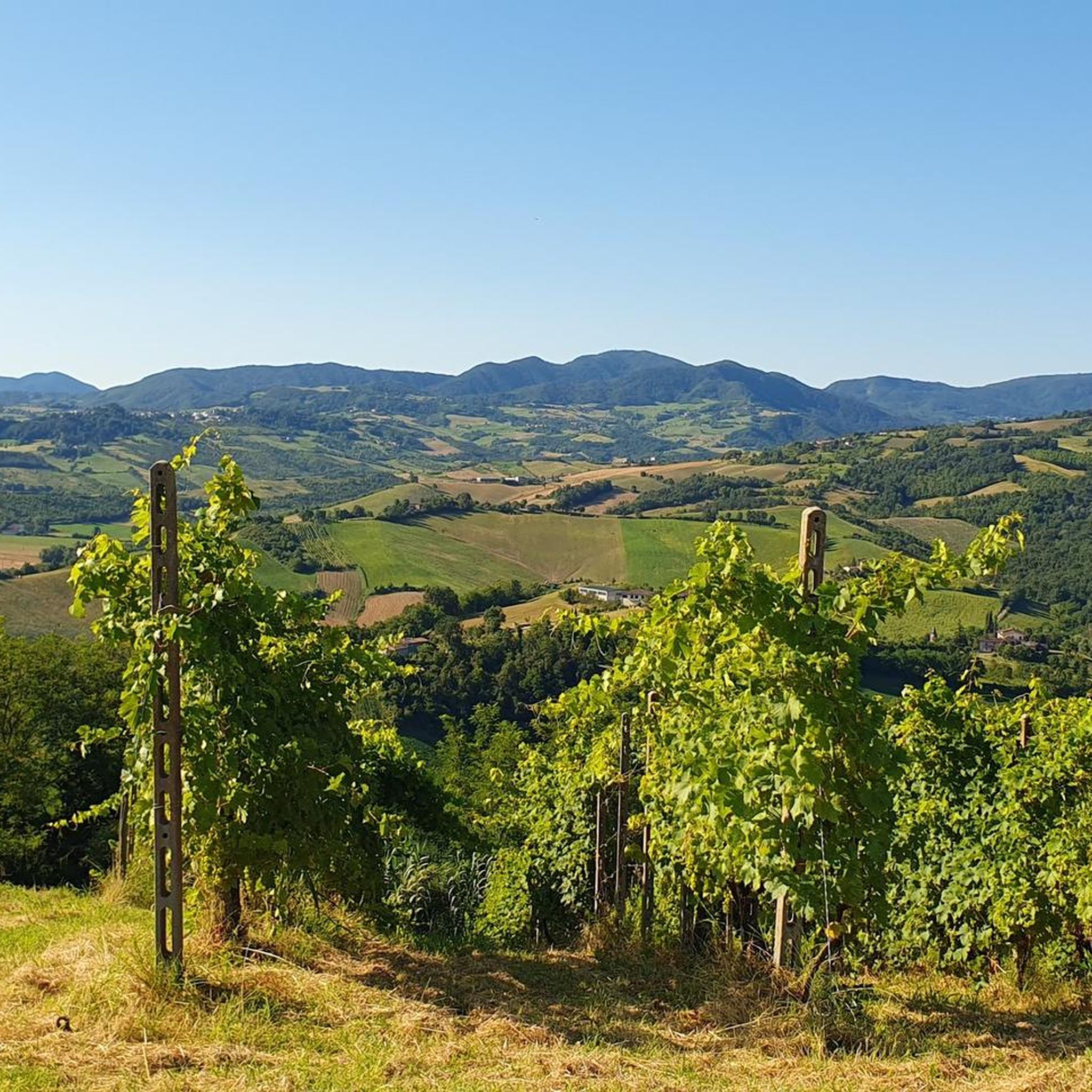
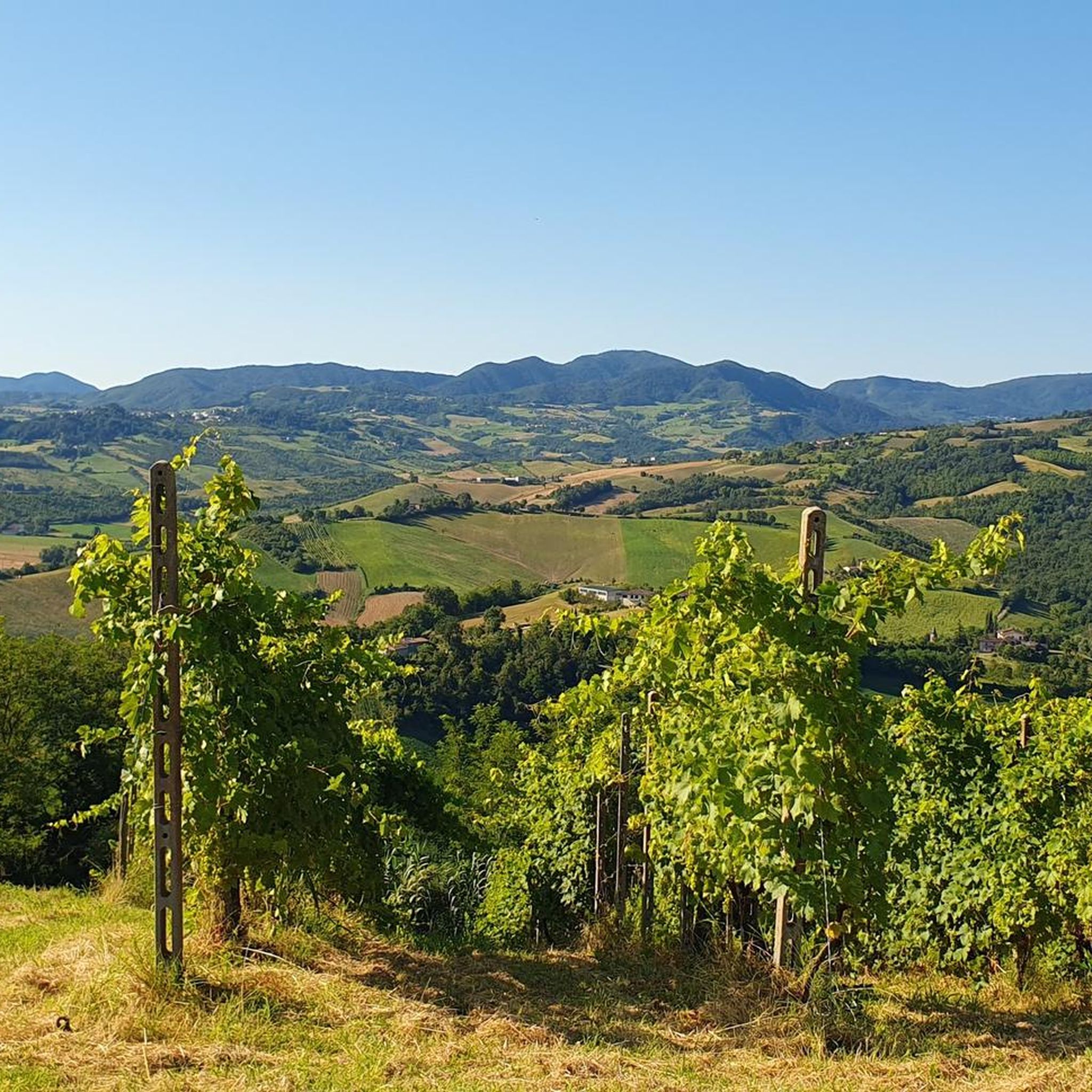

Tips from the Community

When you arrive, it feels like stepping into a fairy tale. The lake nestled between rock walls is very evocative.
0
0

The peaks of Menegosa are 4 and not 2. 2 in the municipality of Morfasso, in order of height the second and the fourth. And 2 in the municipality of Farini, the first, the highest, and the fourth, the southern peak from which you can get there from Teruzzi or Longhi passing the Passo Menegosa. At least inform yourself before writing nonsense…
0
0
Menegosa is made up of 4 peaks overall, not 2. The southern peak, the one you pass coming from Teruzzi is the first. The last one is behind the highest one. 2 peaks are in the municipality of Morfasso and 2 in that of Farini. So before you write nonsense, inform yourself…🤣
0
0

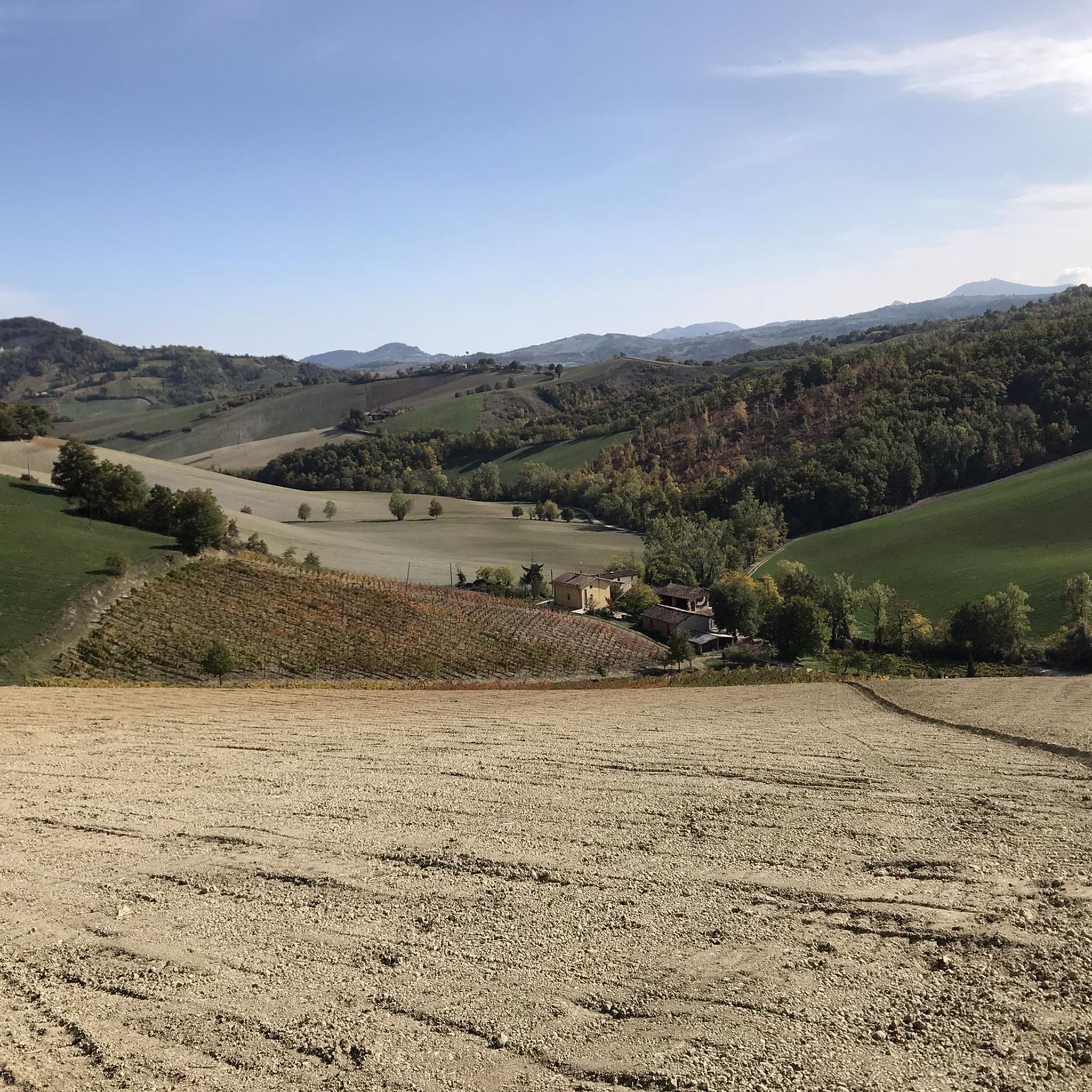
This side of the hill is characterized by a rapid change in terrain type at every step, you go from the tree-lined path, to the classic path and suddenly you turn the curve and you find yourself overlooking the gullies. They almost look like sand dunes but in the end they are clay rocks eroded by water. The peculiarity is that some are completely almost devoid of vegetation and immediately after you find them covered.
0
0
Not recommended for children, tiring climb and last section on rock
0
0

Piplon, a foolish devil, one day fell in love with a beautiful girl named Gesandra, but the young girl would not have anything to do with him. To deceive her, therefore, he disguised himself as a knight and sought the collaboration of Brother Gesualdo, a local religious man, to intercede for him. But the friar did not let himself be ensnared and deceived him in turn. He told him to come back in a week and carved a rock in his own likeness; Once the devil returned, Brother Gesualdo convinced him that the girl would marry him only if he waited for her, immobile, in that place for seven years, seven months and seven days and offered to stay with him while waiting. Months passed and then years and Piplon fell asleep, carelessly letting the sand carried by the wind cover him and transform him into the rock that can still be seen today on the road to Castellana, in the municipality of Gropparello.
2
0

the monument to the partisans of Passo dei Guselli was inaugurated in 1984 by Nilde Iotti, the first woman president of the Chamber of Deputies.
4
0

One of the most tragic and mournful events that affected the Resistance in the Val d'Arda was certainly the massacre at the Guselli Pass, by German troops and the soldiers of the National Republican Guard. The events began on the morning of 4 December 1944, when the Guselli area of Morfasso was reached by a column of Nazi soldiers, in particular belonging to the Turkestan division (called "the Mongols") mixed with Republican exponents, who dispersed in the nucleus inhabited in search of food. A local partisan, Oreste Scaglioni, an eyewitness to the episode, reported that in the fight and in the moments that followed it the German soldiers showed much more clemency than the forces of the Republic of Salò, who instead became the protagonists of some cold-blooded killings, even of partisans now rendered harmless and disarmed. Of the approximately sixty partisans present on the various vehicles, twenty-five were killed in the fighting on the Po
6
0
Frequently Asked Questions
What makes the natural monuments around Lugagnano Val D'Arda unique?
The natural monuments in Lugagnano Val D'Arda are renowned for their exceptional geological and paleontological significance. The region was once a marine gulf over 3 million years ago, during the Piacenzian geological period, leaving behind a wealth of fossils and unique geological formations. You can explore landscapes sculpted by millions of years of natural processes and discover an abundance of marine fossils, including rhinoceros, dolphin, and even whale remains.
What are some of the most popular natural monuments to visit?
Among the popular natural monuments, you can find the Monte Menegosa summit cross, which offers beautiful views towards Val Lardana and Val Nure. Another must-see is the Ancient Oak Tree, a monumental, centuries-old tree. Visitors also appreciate the Pietra Nera Quarry Pond, a suggestive lake nestled between dark, ophiolitic rocks.
Are there specific geological features I should look out for?
Absolutely. The region is famous for its distinctive badlands, known as the Calanchi. You can observe these striking formations, particularly the Calanchi of Piacenza, which are sculpted by the erosion of marly clays. The area also features rocky outcrops of ophiolitic origin, like those found near the Pietra Nera Quarry Pond, dating back to the Jurassic period.
Where can I see fossils in Lugagnano Val D'Arda?
Lugagnano Val D'Arda is a prime location for fossil discoveries. The Placentianum Natural Geological Reserve is a key area for understanding the Earth's ancient history and observing evidence of a prehistoric marine environment. Specific sites like the "Buco della Balena" (Whale Hole) in Osteria di Montezago are notable for discoveries of fossilized cetacean skeletons, offering a direct glimpse into the ancient marine life that once inhabited the region.
Are there family-friendly natural monuments or walks?
Yes, some natural monuments are suitable for families. The Ancient Oak Tree is considered family-friendly and is a wonderful natural monument to visit. When planning walks, look for routes described as 'easy' in nearby hiking guides, such as the 'Mount Giogo Cross – Attention Micio Mao loop from Lugagnano Val d'Arda' which is an easy hiking option.
What outdoor activities can I do near these natural monuments?
The area around Lugagnano Val D'Arda offers various outdoor activities. You can explore numerous hiking trails, with options ranging from easy to moderate, such as the 'Veleia and Parco Moria Loop'. For cycling enthusiasts, there are MTB trails and gravel biking routes available. You can find more details and specific routes in the Hiking around Lugagnano Val D'Arda or MTB Trails around Lugagnano Val D'Arda guides.
Are there hiking trails that allow me to see the natural monuments?
Yes, many hiking trails in the region will lead you through or near these natural monuments. For example, you can find routes that traverse the distinctive Calanchi landscape. The Hiking around Lugagnano Val D'Arda guide offers several options, including the 'Mount Giogo Cross loop from Chiavenna Rocchetta', which allows you to experience the local geological features and views.
What is the best time of year to visit the natural monuments?
The natural monuments are generally enjoyable throughout the year, but spring and autumn offer particularly pleasant weather for hiking and exploring the outdoor geological sites. These seasons provide comfortable temperatures and vibrant landscapes, making them ideal for appreciating the unique formations and fossil-rich areas.
What do visitors enjoy most about the natural monuments in Lugagnano Val D'Arda?
Visitors frequently highlight the stunning panoramic views, especially from summits like Monte Menegosa. The unique geological formations, such as the Calanchi, are also a major draw, with many describing them as looking like 'sand dunes' but being 'clay rocks eroded by water'. The sheer size and historical significance of the Ancient Oak Tree also receive high praise.
Are there any lesser-known natural monuments or 'hidden gems' worth exploring?
While the Placentianum Reserve and Calanchi are well-known, the region holds other intriguing spots. The Devil Piplon Rock is a unique natural monument with a local legend attached to it, offering a blend of natural beauty and folklore. Exploring the smaller trails within the Stirone and Piacenziano Regional Park can also lead to discovery of less-frequented fossil sites and scenic spots.
Can I find information about the local culture or history related to these natural sites?
While the natural monuments primarily focus on geology and paleontology, the region itself has a rich history. The presence of ancient marine fossils connects to a deep past, and nearby areas may offer cultural insights. For broader regional information, you might find resources on local tourism sites like visitpiacenza.it or visitaltavaldarda.it.
Most popular routes around Lugagnano Val D'Arda
Most popular attractions around Lugagnano Val D'Arda

Get inspired with the komoot mobile app


Explore more
Extend your search for the best caves by checking out these guides of the top ones around Lugagnano Val D'Arda:
