Top 13 Natural Monuments around Serravalle Pistoiese
Natural monuments around Serravalle Pistoiese, a medieval village in Tuscany, are characterized by the Montalbano hills, offering diverse natural features. The area provides a landscape of forested hills, ancient trees, and unique geological formations. These natural sites are often intertwined with historical and archaeological significance, reflecting centuries of human interaction with the environment. The region's natural beauty provides opportunities for outdoor exploration and scenic views.
Best natural monuments around Serravalle Pistoiese
- The most popular natural monument is Devil’s Rock (Pietramarina)…
Last updated: October 1, 2026
Devil’s Rock (Pietramarina)
Highlight • Natural Monument
Translated by Google •
Tip by

Faltognano Holm Oak
Highlight • Natural Monument
Translated by Google •
Tip by

Sign up now to discover places like this
Get recommendations on the best single tracks, peaks, & plenty of other exciting outdoor places.
Pietramarina Archaeological Area
Highlight • Historical Site
Translated by Google •
Tip by
Viale delle Cascine di Tavola
Highlight • Forest
Translated by Google •
Tip by

Etruscan Source
Highlight • Natural Monument
Tip by

Sign up for free to discover even more natural monuments around Serravalle Pistoiese.
Already have an account?
Start today with a free account
Your next adventure awaits.

Tips from the Community

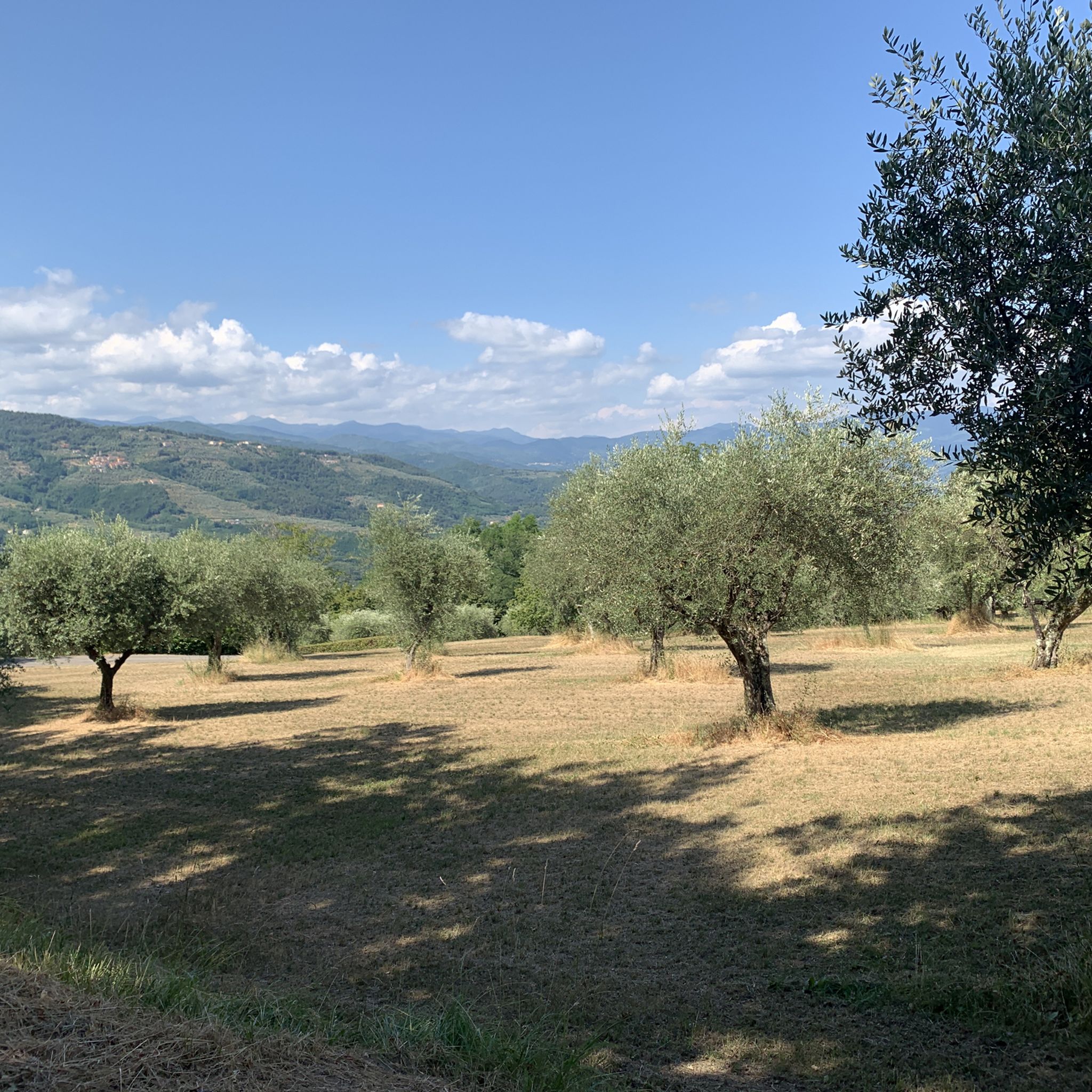
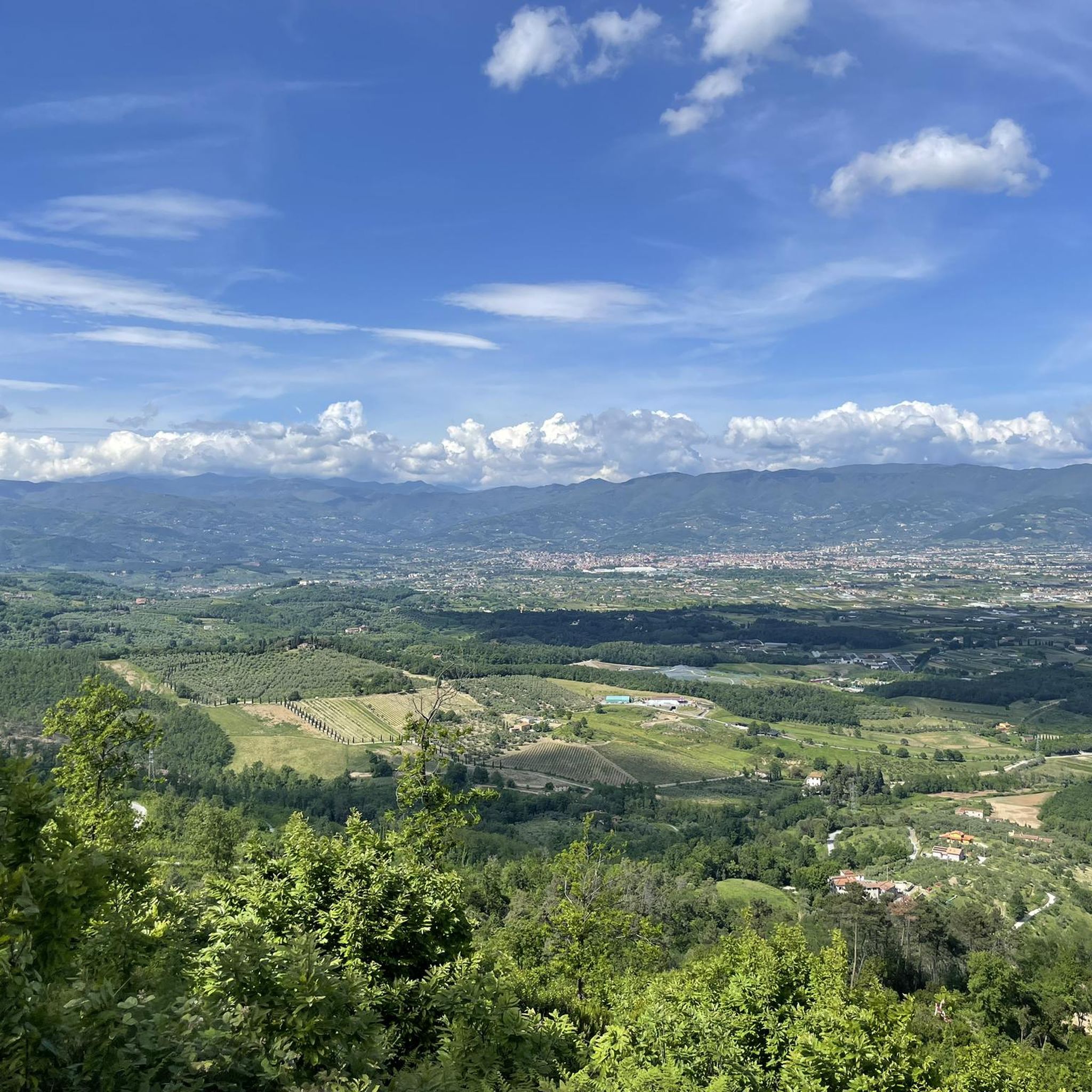
The holm oak of Faltognano is a monumental tree that is over a century old and is located near the church of Santa Maria Assunta in Faltognano, in the municipality of Vinci in the province of Florence. It is a specimen of holm oak (Quercus ilex) that has a trunk circumference of 4.60 m, is 11 m tall and dates back to before 1750 according to the inventory of monumental trees of Tuscany (progressive n°47). Over time it has undergone numerous prunings and interventions that have partially reduced its size and grandeur and altered its shape, which was once more dome-shaped. The plant has suffered from fungal attacks in recent decades and requires periodic care; at the moment various safety systems have been installed such as ropes, supports and a railing around the trunk to prevent branches from falling and limit access. In 2007 it received the Touring Club Award, an award announced by the TCI consuls of Tuscany for monumental trees. It is the symbol of the community of Faltognano and is located a short distance from the birthplace of Leonardo Da Vinci and the center of the city of Vinci; a center that can be seen inside the wonderful panoramic view that can be enjoyed from the foot of the tree.
1
0
Cascine di Tavola Park
0
0

It is a beautiful and quite technical tour, especially the single trek Mario but also the Merlino asks... to be done in the sense that I did it. Otherwise I find it very difficult uphill..
0
0

Devil's Boulder. It is a particular monolith located on the edge of a plateau surrounded by centenary holm oaks, similar - with smaller dimensions - to the so-called Etruscan Pyramid of Bomarzo. On the boulder there are writings that probably date back to a couple of centuries ago and indecipherable signs but what is most striking are the deep grooves perhaps due to uses and rituals that are lost in the mists of time. It is called "The Devil's Boulder" and is surrounded by centuries-old holm oaks in the Pietramarina woods, one of the most mysterious environments of Montalbano. The boulder is located near an area occupied by an Etruscan settlement, perhaps a sacrificial altar renamed "of the devil" by Christians to exorcise its pagan affiliation or, as a legend has it, "of the devil" because the devil left the the imprint of his hoof. However, the “Masso di Pietramarina” makes this corner of Montalbano suggestive and mysterious. It was also in a strategic position, given that from the top it is possible to see the sea.
0
0
It is truly a beautiful place nestled in the woods and where there is a bit of history with the monumental vineyard.
0
0


Today 9/9/2023 not a drop of water came out 🥵
0
0

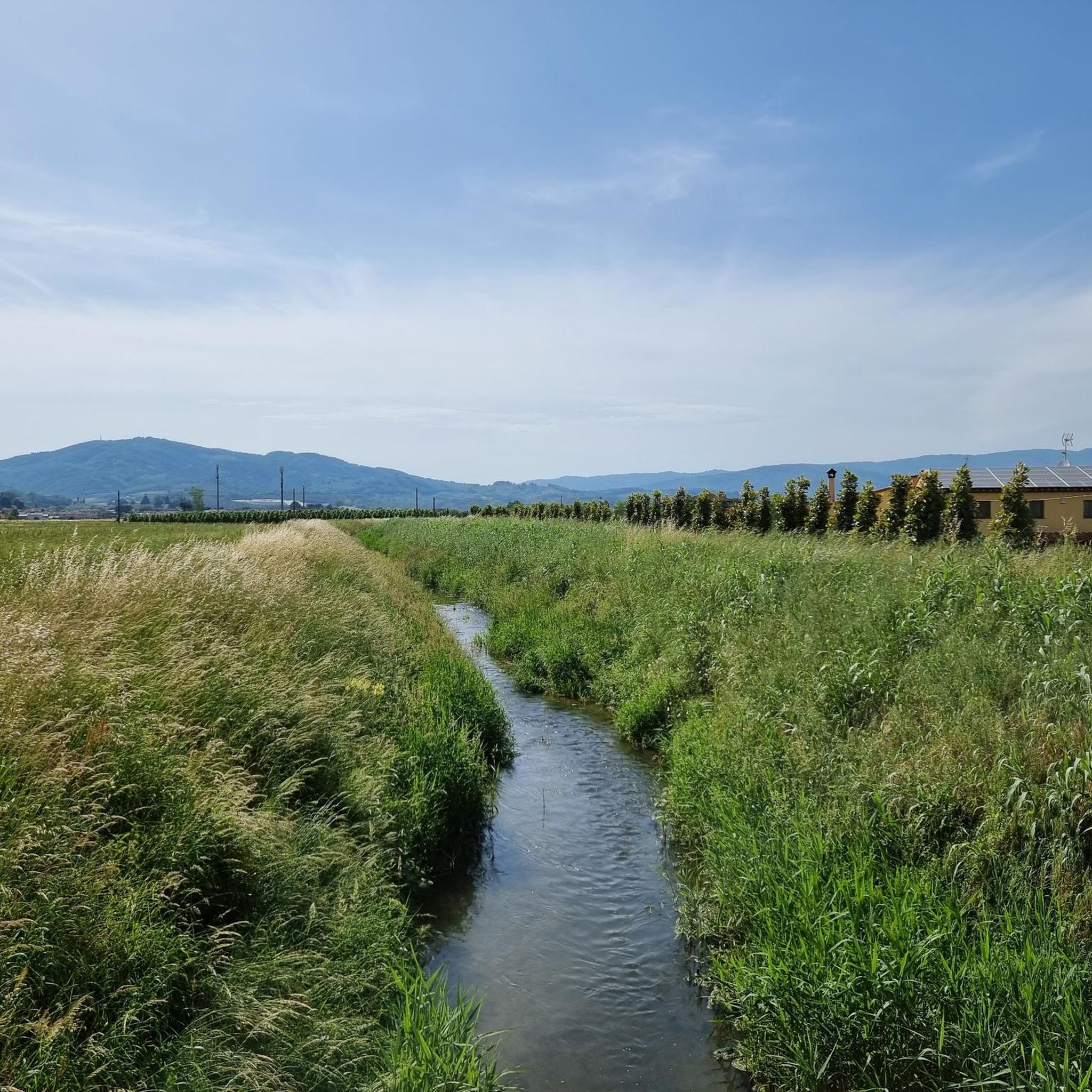
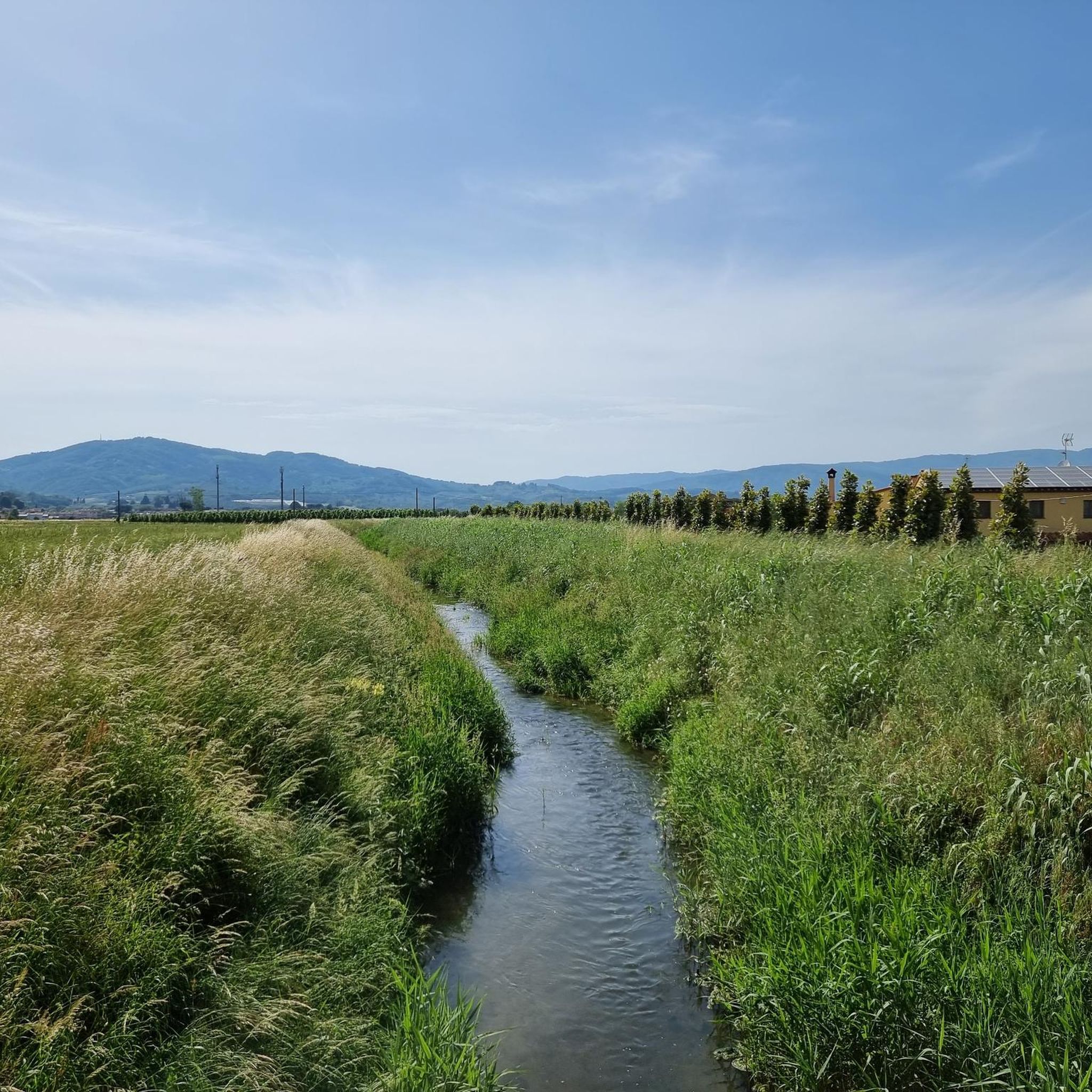
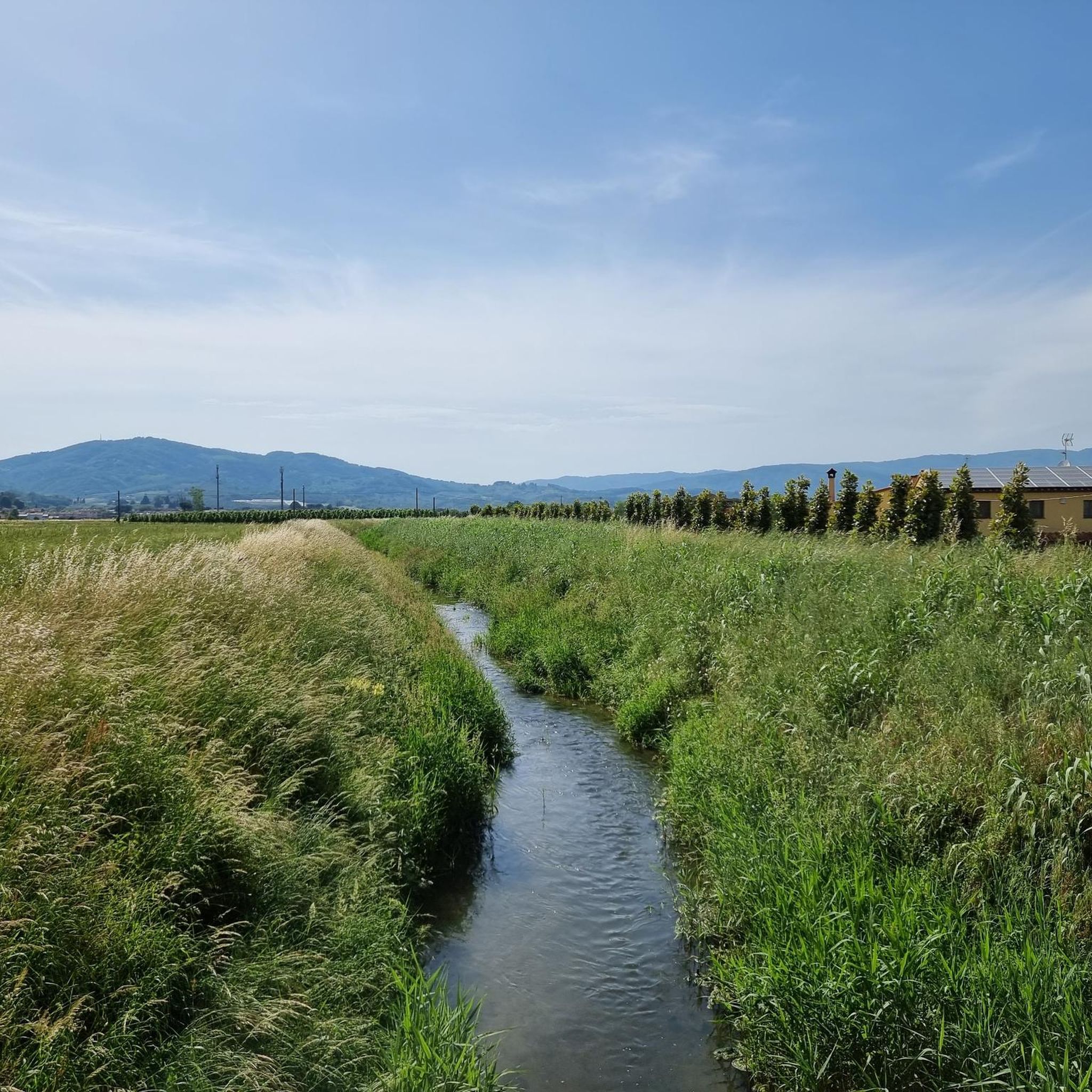
The Cascine di Tavola are a splendid park which, with its approximately 300 hectares, extends in the southern area of the city, taking its name from the district of the same name in which it is located. Built in the fifteenth century at the behest of Lorenzo di Piero de' Medici known as the Magnificent, on the basis of a project that involved the purchase and transformation of the villa of Poggio a Caiano and the construction of a vast agricultural estate reclaimed from the marshes through a dense network of channels. At the time the main activity was cattle breeding and the production of cheeses was able to satisfy the demand of all of Florence. Currently, a large part of the area is a magnificent park for public use, with large meadows and wooded areas. From www.Cittadiprato.it
7
0
Frequently Asked Questions
What are the most popular natural monuments around Serravalle Pistoiese?
Among the most appreciated natural monuments, visitors frequently highlight Devil’s Rock (Pietramarina), a unique sandstone monolith with historical significance. Another favorite is the Faltognano Holm Oak, a monumental tree offering beautiful panoramic views. The Etruscan Source is also popular for its refreshing stop and proximity to ancient village remains.
Are there family-friendly natural monuments or trails in the area?
Yes, several natural monuments are suitable for families. The Faltognano Holm Oak is considered family-friendly, offering an impressive natural sight and panoramic views. The Etruscan Source is also noted as family-friendly, providing a pleasant stop on trails. Additionally, Viale delle Cascine di Tavola is a large park with meadows and wooded areas, ideal for family outings.
What kind of unique natural features can I expect to see?
The region is known for its diverse natural features. You can explore unique geological formations like the isolated sandstone monolith of Devil’s Rock (Pietramarina). There are also ancient and monumental trees, such as the impressive Faltognano Holm Oak. The Montalbano hills themselves offer forested landscapes, terraced hillsides, and olive groves, providing scenic beauty and numerous viewpoints.
Are there historical or archaeological sites intertwined with the natural monuments?
Absolutely. The natural monuments around Serravalle Pistoiese often have deep historical connections. Devil’s Rock (Pietramarina) is believed to have been an Etruscan altar, with excavations of an Etruscan citadel visible nearby. The Etruscan Source is also close to the remains of an Etruscan village. The Pietramarina Archaeological Area itself is a fortified sanctuary site occupied from the 7th to the 1st century BC, offering significant historical insights.
What outdoor activities can I do near these natural monuments?
The Montalbano hills offer excellent opportunities for outdoor activities. You can find numerous trails for hiking and mountain biking. For example, Devil’s Rock (Pietramarina) is a highlight along the popular "La Fortezza" trail. You can explore various routes for road cycling, touring, and mountain biking. For detailed routes, check out the guides for Road Cycling, Cycling, and MTB Trails around Serravalle Pistoiese.
Are there specific hiking trails that lead to or pass by natural monuments?
Yes, many natural monuments are integrated into the local trail network. Devil’s Rock (Pietramarina) is a key feature on the "La Fortezza" trail, which is suitable for both hiking and mountain biking. The Etruscan Source is also a refreshing stop on various trails, including the start of the famous "Etruscan" enduristic trail. You can find more hiking options in the MTB Trails around Serravalle Pistoiese guide, which also includes hiking routes.
What is the best time of year to visit the natural monuments in Serravalle Pistoiese?
The Montalbano hills, where many of these monuments are located, offer pleasant conditions for outdoor activities during spring and autumn. These seasons typically provide milder temperatures and beautiful scenery, making them ideal for hiking and exploring. Summer can be warm, but places like Devil’s Rock (Pietramarina) are noted for being 'cool in summer' due to their forested surroundings.
What do visitors enjoy most about the natural monuments in this region?
Visitors particularly appreciate the unique blend of natural beauty and historical intrigue. The isolated geological formations, like Devil’s Rock (Pietramarina), offer a sense of mystery and ancient history. The panoramic views from spots like the Faltognano Holm Oak are also highly valued. Many find the trails leading to these sites to be quiet and suggestive, providing a sense of peace and connection with nature.
Are there any natural monuments that offer good viewpoints?
Yes, several locations provide excellent panoramic views. The Faltognano Holm Oak is situated near the church of Santa Maria Assunta, offering a beautiful panorama. Historically, the top of Devil’s Rock (Pietramarina) once offered expansive views to the sea and the island of Gorgona, though the forest has grown since. The elevated position of the Pietramarina Archaeological Area also provided strategic views across the territory.
Is public transport available to reach the natural monument areas?
While Serravalle Pistoiese is a charming village, direct public transport to the more secluded natural monument areas in the Montalbano hills can be limited. It's often recommended to use a car or consider local taxi services to reach trailheads or specific sites. For broader regional travel information, you might find resources on the Visit Tuscany website helpful for planning your journey to the general area.
Are there any rules or regulations to be aware of when visiting these natural monuments?
When visiting natural monuments and protected areas, it's generally important to respect the environment. This includes staying on marked trails, not disturbing wildlife or plants, and taking all your trash with you. Some sites, like the Faltognano Holm Oak, have safety systems installed, such as railings, to protect the monumental tree and visitors. Always look for local signage for specific rules or restrictions.
Can I bring my dog to the natural monuments and trails?
Many outdoor areas in the Montalbano hills are dog-friendly, especially on trails. However, it's always best to keep your dog on a leash, especially in areas with wildlife or near historical sites, and to clean up after them. While specific rules for each natural monument may vary, general etiquette for hiking with dogs applies.
Where can I find refreshments or accommodation near the natural monuments?
Serravalle Pistoiese and the surrounding villages in the Montalbano hills offer various options for cafes, restaurants, and accommodation. While specific establishments might not be directly adjacent to every natural monument, you'll find amenities in the nearby towns. The Etruscan Source itself offers a refreshing stop on trails, but for more substantial options, head to the villages.
Most popular routes around Serravalle Pistoiese
Most popular attractions around Serravalle Pistoiese

Get inspired with the komoot mobile app


Explore more
Extend your search for the best caves by checking out these guides of the top ones around Serravalle Pistoiese:
