Top 20 Natural Monuments around Refrontolo
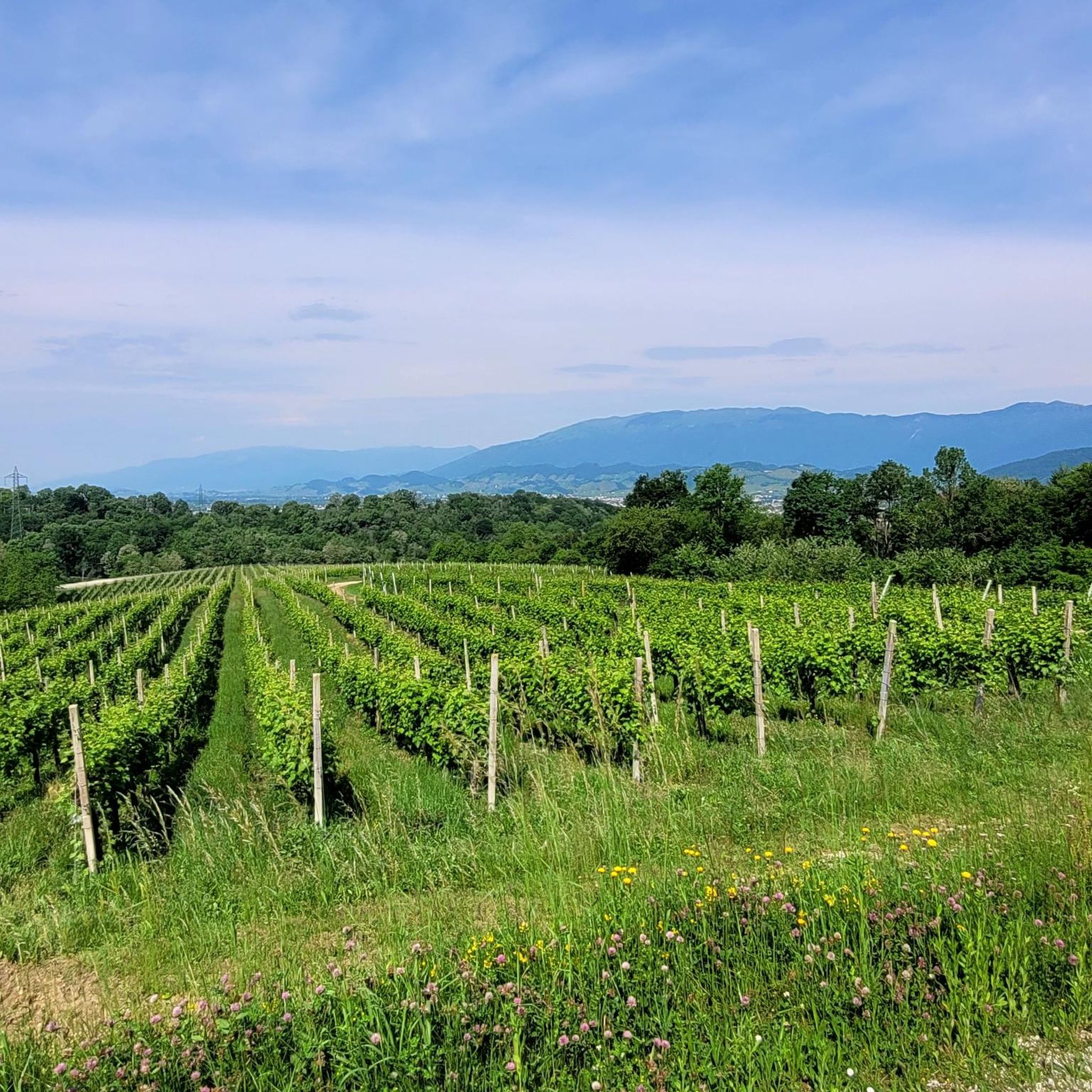
Natural monuments around Refrontolo are situated within Italy's Prosecco Hills, a UNESCO World Heritage Site known for its unique cultural landscape shaped by viticulture. This region features a visual mosaic of vineyards, woods, small villages, and natural terraces. The area offers a blend of natural beauty and historical heritage, with features like ancient woods, winding vineyards, rocky canyons, and caves.
Best natural monuments around Refrontolo
- The most popular natural monument is Molinetto della Croda, a man-made monument that is…
Last updated: October 1, 2026
Molinetto della Croda
Highlight • Monument
In its almost four centuries of history it has inspired artists …
Translated by Google •
Tip by

Terraced Vineyards of Rolle
Highlight • Viewpoint
Translated by Google •
Tip by
Sign up now to discover places like this
Get recommendations on the best single tracks, peaks, & plenty of other exciting outdoor places.
Isola dei Morti Memorial
Highlight • Monument
Translated by Google •
Tip by

Bosco delle Penne Mozze
Highlight • Monument
Translated by Google •
Tip by

The Laying
Highlight • Viewpoint
Translated by Google •
Tip by
Sign up for free to discover even more natural monuments around Refrontolo.
Already have an account?
Start today with a free account
Your next adventure awaits.

Tips from the Community

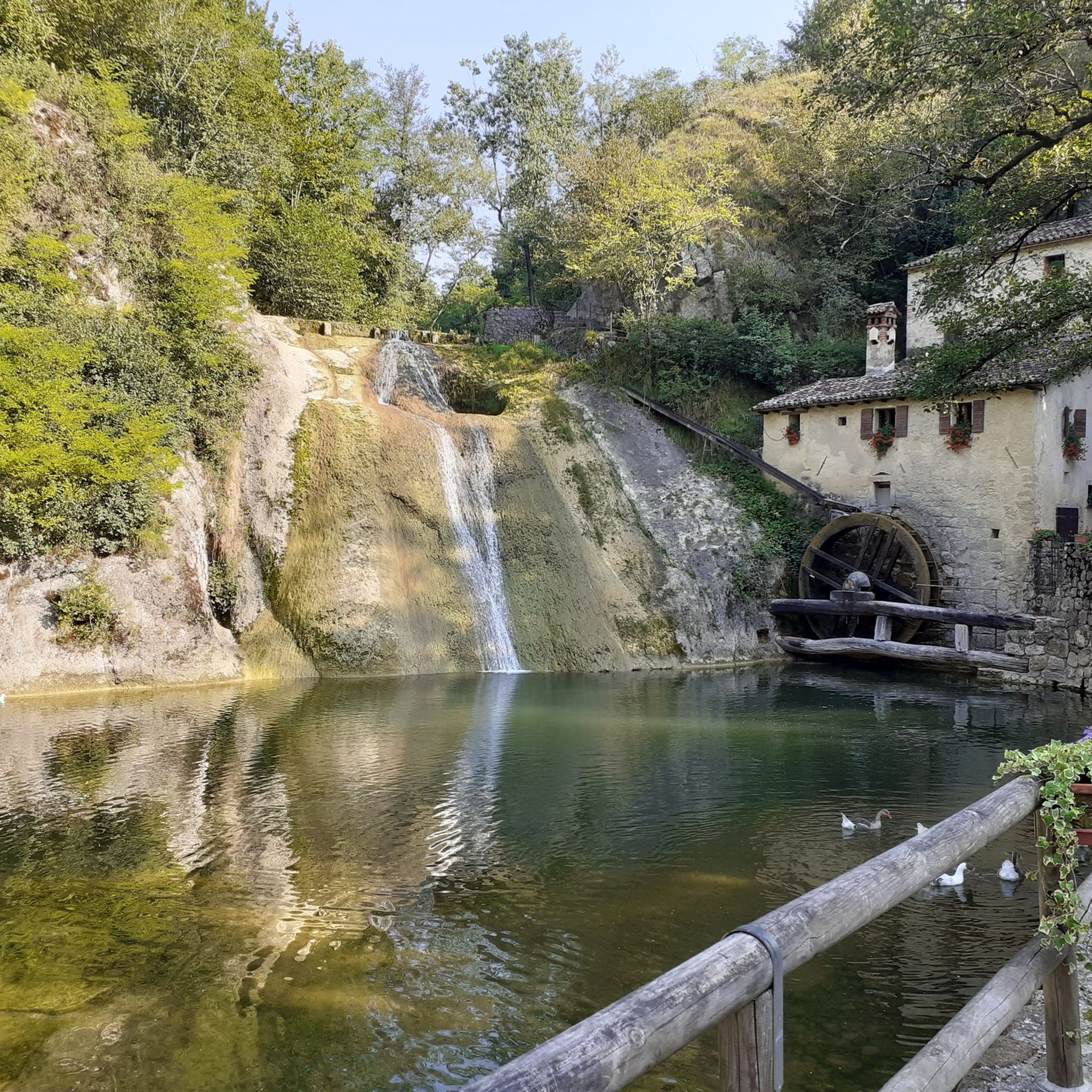
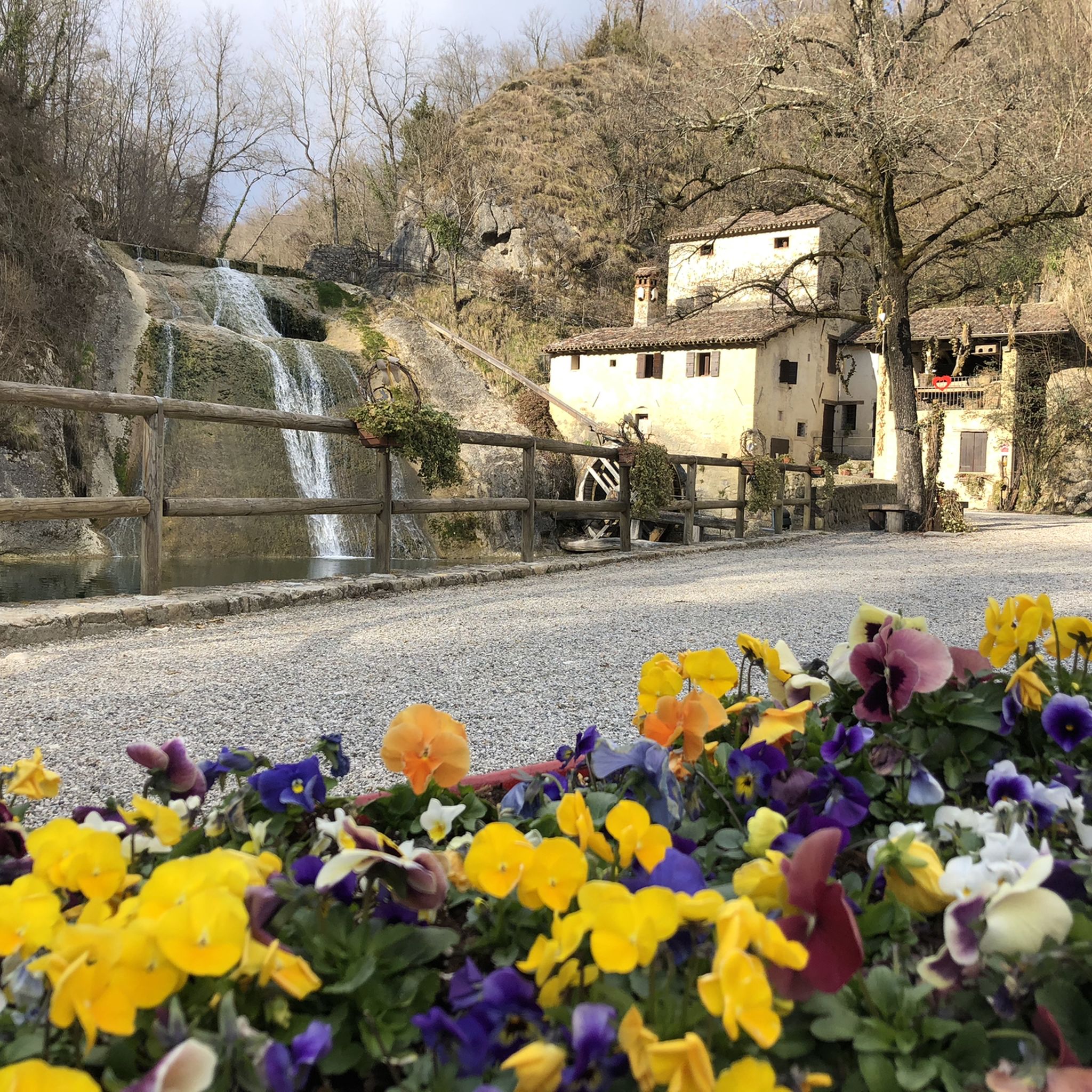
Il Molinetto della Croda, in the Lierza valley, represents one of the most evocative corners of the Marca Trevigiana. In its almost four centuries of history, the ancient mill with a stone grinder has managed to maintain its charm and enchant artists and visitors.
15
0

The Memoriale del Bosco delle Penne Mozze, located in Cison di Valmarino, is a striking open-air sanctuary honoring the sacrifice of the Trevigian Alpini who fell in war. Inaugurated in 1972, this site stands out for its perfect fusion of nature and historical memory. Along the paths of the San Daniele stream valley, there are over two thousand iron steles, the work of sculptor Simon Benetton, each dedicated to a fallen soldier. The term "penne mozze" (broken quills) symbolically refers to the black feathers on the Alpini hats, broken by death. Walking in the silence of the woods, visitors also encounter the statue of the Cristo degli Alpini, in an atmosphere of deep spirituality. It is not a mere celebratory monument, but a path of reflection where the memory of the fallen lives in the breath of the trees and the murmur of the water.
0
0

The "Bosco delle Penne Mozze" is a memorial dedicated to the Treviso Alpine troops who died in war, located in Cison di Valmarino. Reasons to visit the Bosco delle Penne Mozze: • The forest offers a place of silence and reflection. Visitors can honor the memory of those who lost their lives in war. • The forest extends over 16,000 square meters and is home to 2,400 steles created by the sculptor Simon Benetton, arranged in alphabetical order by municipality and surname. • Visitors can read the names, dates of birth, regiments and places of death engraved on the steles. Visitors are asked to respect the place: • Take your waste home. • Do not damage the signs and installations. • Only travel the route on foot. • Keep dogs on a leash.
0
0

Open-air monument sacred to the Alpine Corps, surrounded by nature, in an area of 15,956 m² where there are 15 paths, each dedicated to the 15 Gold Medals for military valor to the Treviso Alpine troops. The gravestones are located on these paths, divided by war and grouped by the municipalities of birth of all the Alpine soldiers in the province of Treviso, who died during all the wars of 1900 and during catastrophic events (1976 Friuli earthquake....) Each stela is engraved with name, surname, date and municipality of birth, the regiment to which it belongs, the place and date of death and to date there are 2403 stelae. Source Wikipedia https://it.m.wikipedia.org/wiki/Bosco_delle_Penne_Mozze
1
0

The mill was built in 1630 and shortly afterwards accommodation for the caretaker family, a stable and a granary were added. It exploited the waters of the Lierza stream, the main tributary of the Soligo, at the foot of a 12-metre waterfall; it was decommissioned in 1953. At the end of the twentieth century, after experiencing years of degradation, the mill was purchased by the municipality of Refrontolo, which carried out a careful restoration and turned it into a milling museum as well as a venue for exhibitions, including in 2009, an important retrospective by the painter Angelo Lorenzon and, in winter, the annual International Nativity Exhibition. Source Wikipedia
8
0

The Isle of the Dead is an experience to be had in the silence of a long summer afternoon: and imagine, remaining within the beauty of today, ....
2
1

The Isola dei Morti is a small strip of land lapped by the Piave river, included within the municipality of Moriago della Battaglia. It is so called because, during the First World War, it was a disputed area which caused huge losses on both fronts, where the Piave current dragged numerous bodies of fallen soldiers. Originally it was a plot of land divided into 16 lots, known as Isola Verde, divided between as many families who could receive compensation for wood and hay. After the war it became the property of the Water Authority and then of the Forestry Unit, until today. October 27, 1918 saw the assault of the Arditi who conquered Moriago, marking the beginning of the decisive Battle of Vittorio Veneto which led the Italian Army to victory on November 4. Since the end of the conflict, the place was dedicated to popular memory and piety, struck by the continuous emergence of remains, weapons and soldiers from the river gravel. All the routes inside the large wooded oasis, named after the regiments that fought on the Piave, converge on Piazzale Ragazzi del '99, where relics and commemorative monuments are located, including: - the pyramidal memorial stone, built with river stones welded in lime, erected in memory of the fallen who today rest in the nearby Nervesa Ossuary. On the top of the barbed wire he draws a cross intertwining with a helmet, while on the sides four plaques show some verses of the poem "La Sernaglia" by Gabriele D'Annunzio; - the small votive church dedicated to the Madonna del Piave, completed in 1965 based on a design by the architect Alberto Alpago Novello and consecrated on 29 June of the same year by the then Bishop of Vittorio Veneto, Monsignor Albino Luciani, who later became Pope with the name of Giovanni Paul. The Sanctuary was later embellished with furnishings and sacred objects. In 1969 the wooden portals were carved by the sculptor Mussner based on a design by Enrico Tonello from Moriago, the bas-relief was placed by the sculptor Giardina based on a design by Bepi Modolo from Santa Lucia di Piave, two artistic wrought iron chandeliers were donated, one representing the three caravels, the 'another helmet with holes in it. Also an iron lectern made from barbed wire residues, a crucifix made from a hand grenade and many others including the artistic stoup, one of a kind, which depicts a soldier with a helmet in his hand. Some historical relics are also collected in a display case. The fifteenth century bell was donated by the “Ragazzi del '99” association in 1968; - a stele dedicated to E. A. Mario, author of the verses of the song "The legend of the Piave", inaugurated in the 1960s; - the monument “Life for Peace”, inaugurated on 16 June 1991, the work of the sculptor Mario Balliana from Fontigo. Today the Isle of the Dead is an evocative monumental area that extends for approximately 100 hectares, immersed in a natural environment made up of walks, large trees and meadows. The area is organized into streets named after the regiments and soldiers, where the pleasantness of the landscape brings to mind the image of a vast cemetery.
3
0
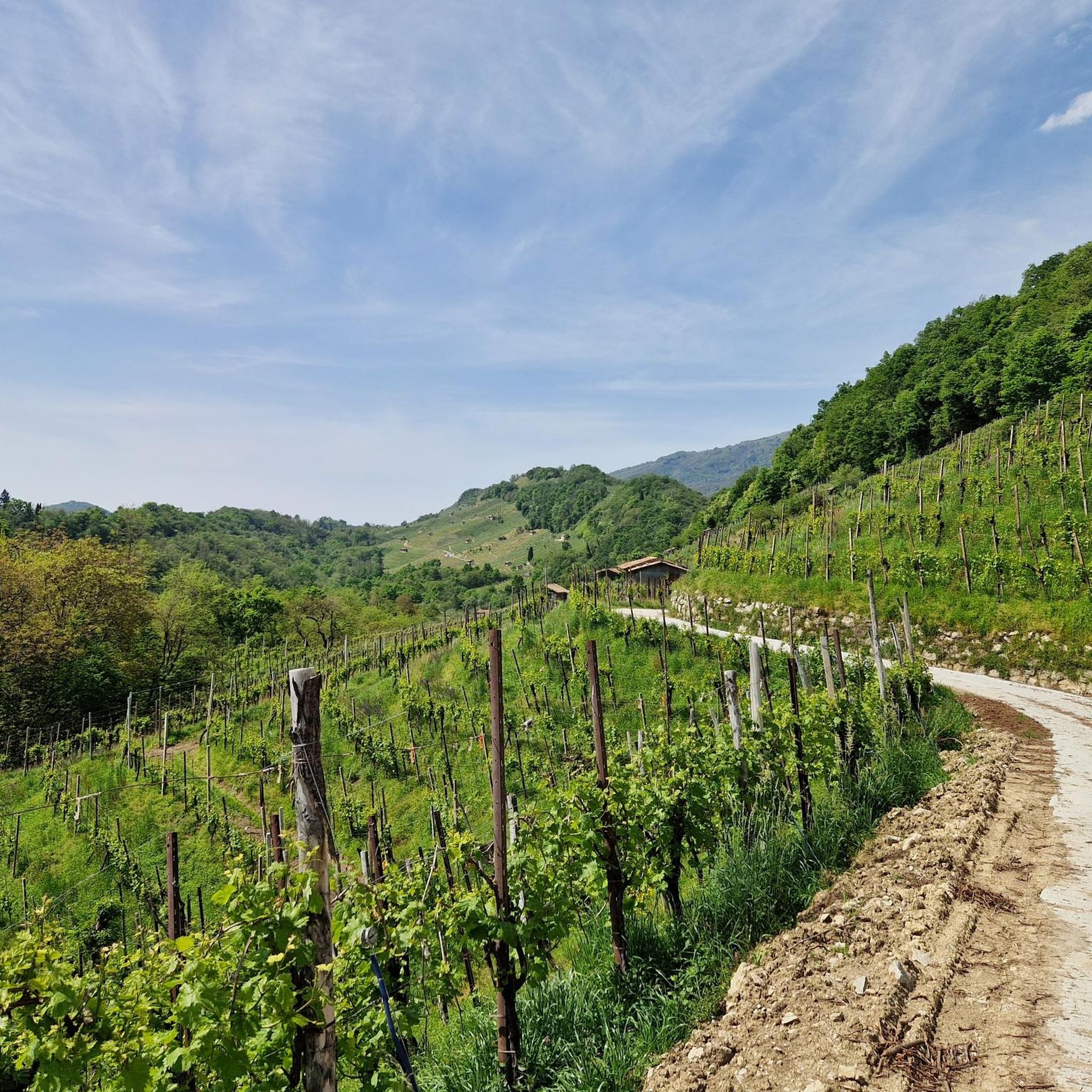
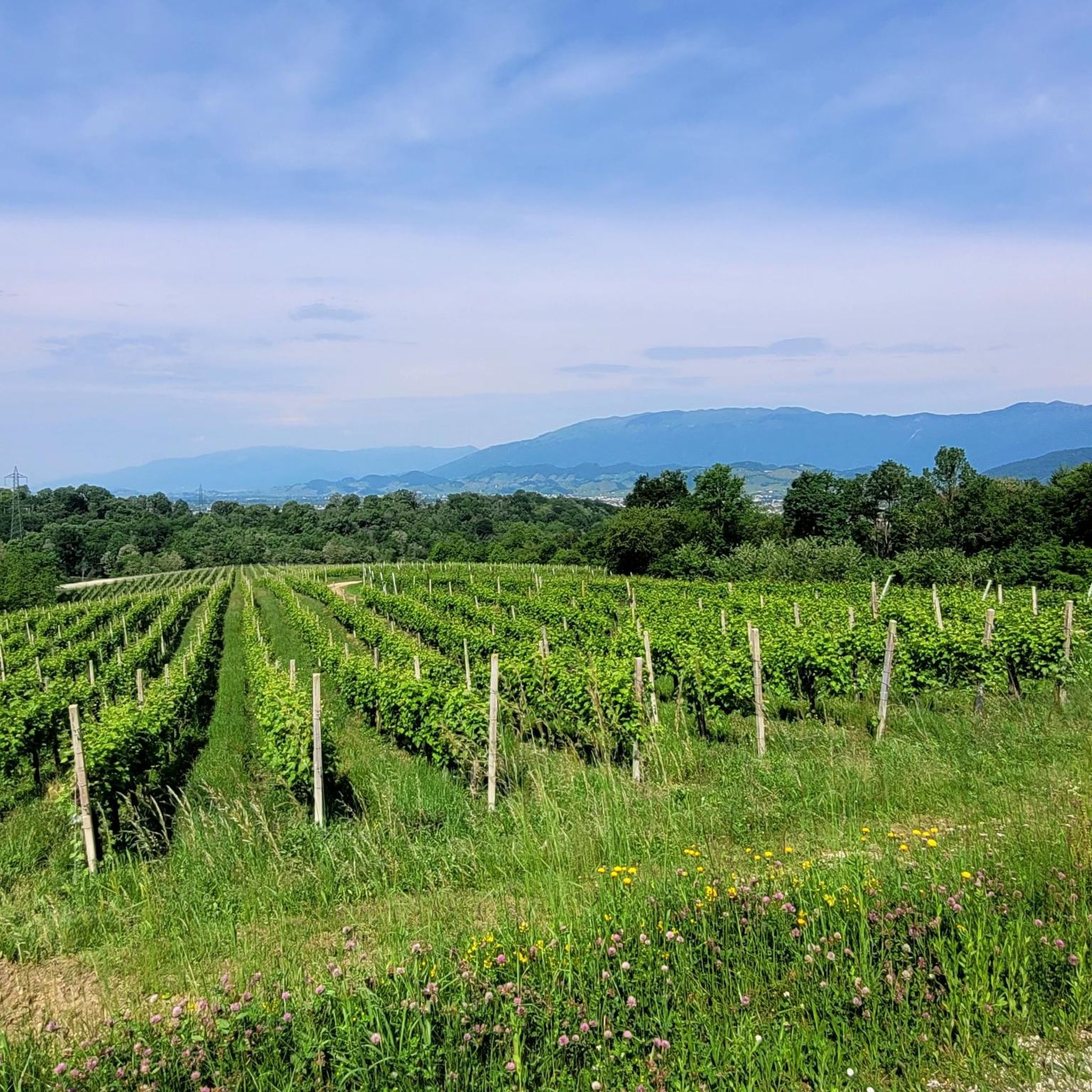
Rolle is a small hamlet of Cison di Valmarino, located on the hills of the Treviso Prealps, crossed by the Strada del Prosecco. In 2004, Rolle became the first Italian village protected by the FAI. Already inhabited since ancient times, starting from the thirteenth century, its history was linked to the presence of a Benedictine community, of which part of the monastery still remains. It is a place that often recurs in the poems of Andrea Zanzotto for the beauty of its landscape that ranges from the surrounding hills to the "heroic" vineyards present along the steep terraced slopes. From here you can enjoy a splendid view of the UNESCO heritage vineyards.
2
1
Frequently Asked Questions
What are some unique natural features to explore in the Refrontolo area?
Beyond the well-known sites, Refrontolo's landscape, part of the UNESCO World Heritage Prosecco Hills, offers a visual mosaic of ancient woods and winding vineyards. You can also discover evocative rocky canyons along the Crevada stream and mysterious Carsic caves, providing diverse natural exploration opportunities.
Are there family-friendly natural monuments around Refrontolo?
Yes, several natural monuments in the Refrontolo area are suitable for families. For instance, the Molinetto della Croda is a picturesque and historical site that appeals to all ages. Additionally, the Isola dei Morti Memorial, while historical, is set within a forest and offers flat paths, making it accessible for families.
What historical sites are integrated with the natural landscape in Refrontolo?
Refrontolo is rich in historical sites that blend with its natural beauty. The Molinetto della Croda is a 17th-century watermill uniquely built into a rock face. Another significant site is the Isola dei Morti Memorial, a First World War historical site nestled within a natural setting in the Middle Piave area, commemorating soldiers.
What kind of views can I expect from the natural monuments in Refrontolo?
The region offers breathtaking views, particularly from sites like the Terraced Vineyards of Rolle, which provides splendid panoramas of the UNESCO heritage vineyards. From The Laying (La Posa), you can enjoy a meadow terrace overlooking the Revine Lakes, with views extending to the Venice Lagoon on clear days.
What outdoor activities can I do near Refrontolo's natural monuments?
The Refrontolo area, with its ancient woods and winding vineyards, is ideal for various outdoor activities. You can find numerous routes for trekking, horse riding, and biking. For cycling enthusiasts, there are many options, including road cycling routes like the 'Molinetto della Croda – Rolle loop' or MTB trails such as the 'Molinetto della Croda – Lago di Lago loop'. You can explore more routes on the Road Cycling Routes around Refrontolo or MTB Trails around Refrontolo guide pages.
Are there any memorial sites among the natural monuments in Refrontolo?
Yes, the region features significant memorial sites. The Isola dei Morti Memorial is a poignant historical site from the First World War, located in a natural setting. Another notable memorial is the Bosco delle Penne Mozze, a forest memorial dedicated to fallen Alpine soldiers, offering a reflective experience amidst nature.
What is the best time of year to visit the natural monuments in Refrontolo?
The Prosecco Hills region, including Refrontolo, is beautiful year-round. Spring and autumn are particularly pleasant for outdoor activities like hiking and cycling, with mild temperatures and vibrant colors in the vineyards. Summer offers lush greenery, while winter can provide a serene, quiet experience, especially around the Molinetto della Croda.
What makes the Molinetto della Croda a significant natural monument?
The Molinetto della Croda is significant for its unique integration with nature. This ancient 17th-century watermill is built directly into the rock face and powered by the Lierza stream, creating a picturesque and harmonious blend of rural architecture and natural surroundings. It's considered one of the most evocative spots in the Marca Trevigiana.
Can I find easy hiking trails or natural monuments suitable for beginners in Refrontolo?
Yes, the region offers various trails suitable for different skill levels. While some areas feature steep 'heroic' vineyards, many paths through the ancient woods and vineyards are accessible for beginners. The flat cycle paths around the Isola dei Morti Memorial are also a good option for an easy stroll amidst nature.
What do visitors particularly appreciate about the natural monuments in Refrontolo?
Visitors frequently praise the unique blend of natural beauty and historical significance. The picturesque setting of the Molinetto della Croda and the splendid views from the Terraced Vineyards of Rolle are often highlighted. Many also appreciate the serene and touching atmosphere of historical sites like the Bosco delle Penne Mozze, which offers a reflective experience in nature.
Are there opportunities for gravel biking near Refrontolo's natural monuments?
Absolutely. The diverse terrain around Refrontolo, with its vineyards and natural paths, is well-suited for gravel biking. You can find routes like the 'Molinetto della Croda – Terraced Vineyards of Rolle loop' or the 'Piave River Trail – Isola dei Morti Memorial loop'. More gravel biking options are available on the Gravel biking around Refrontolo guide page.
What is the significance of the Prosecco Hills as a natural monument?
The entire Prosecco Hills region, where Refrontolo is located, is a UNESCO World Heritage Site. It's recognized as a 'cultural landscape' due to its unique visual mosaic of vineyards, woods, small villages, and natural terraces, shaped by centuries of viticulture. This area showcases a remarkable balance between the environment, culture, and agricultural traditions, particularly through its 'heroic viticulture' on steep slopes.
Most popular routes around Refrontolo
Most popular attractions around Refrontolo

Get inspired with the komoot mobile app


Explore more
Extend your search for the best caves by checking out these guides of the top ones around Refrontolo:
