Top 7 Natural Monuments around Gaiarine
Best natural monuments around Gaiarine offer diverse natural attractions within its surrounding area. The region is characterized by its river systems, including the Livenza and Monticano, which shape the landscape with their clear waters and riparian ecosystems. Visitors can explore areas with dense vegetation, historic river features, and extensive natural floodplains. These sites provide opportunities to experience the unique natural heritage of the northeast Italian waterway system, making them notable natural areas near Gaiarine Italy.
Best natural monuments around Gaiarine
…Last updated: October 1, 2026
Col Alt War Memorial
Highlight • Monument
Translated by Google •
Tip by

Prà dei Gai
Highlight • Natural
Translated by Google •
Tip by
Sign up now to discover places like this
Get recommendations on the best single tracks, peaks, & plenty of other exciting outdoor places.
Livenza Spring
Highlight (Segment) • River
Road without difficulty, you pass through the woods until you reach the center …
Translated by Google •
Tip by

Confluence of the Lia and Monticano Rivers
Highlight • River
Translated by Google •
Tip by

Christ of the Meschio
Highlight • Monument
Translated by Google •
Tip by

Sign up for free to discover even more natural monuments around Gaiarine.
Already have an account?
Start today with a free account
Your next adventure awaits.
Tips from the Community

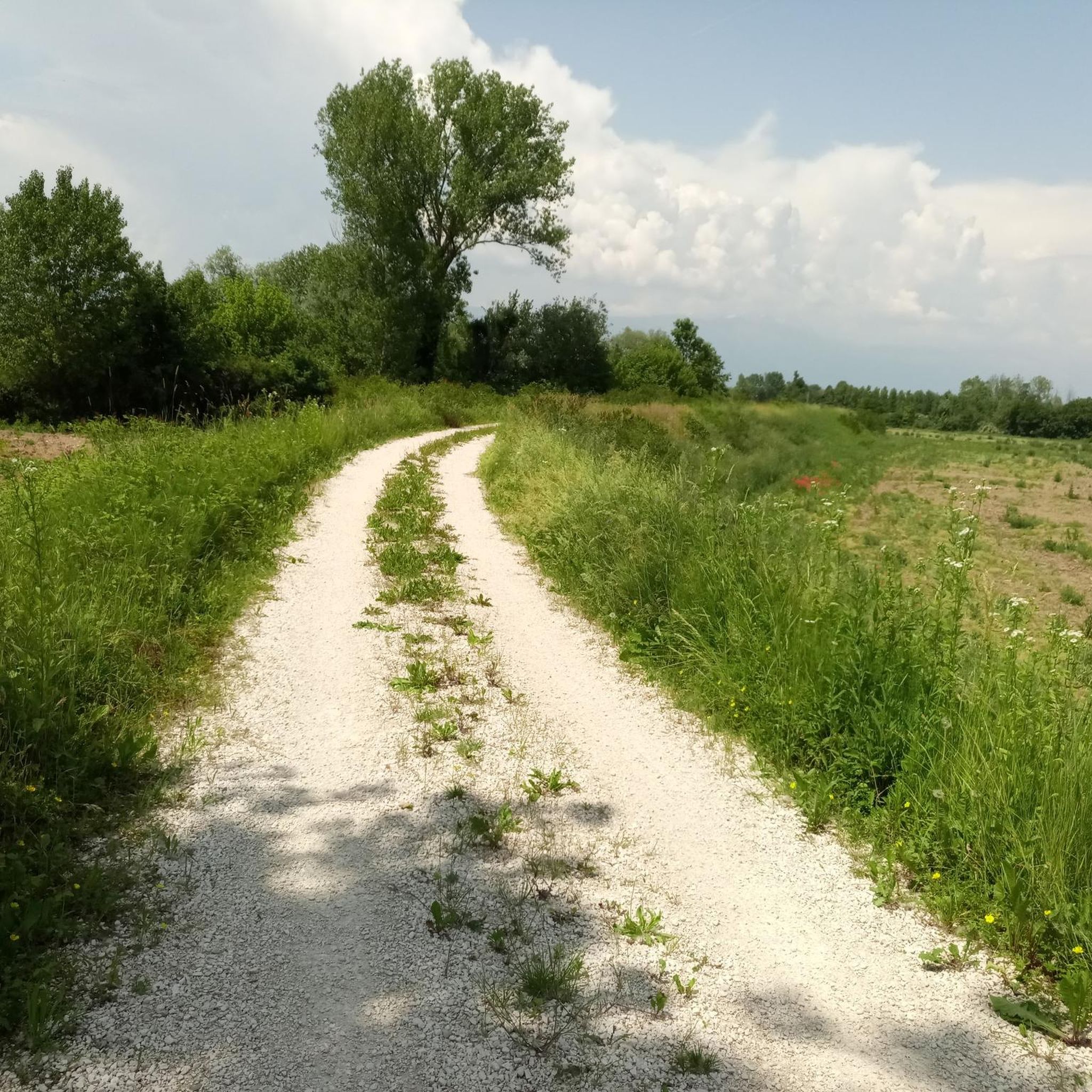
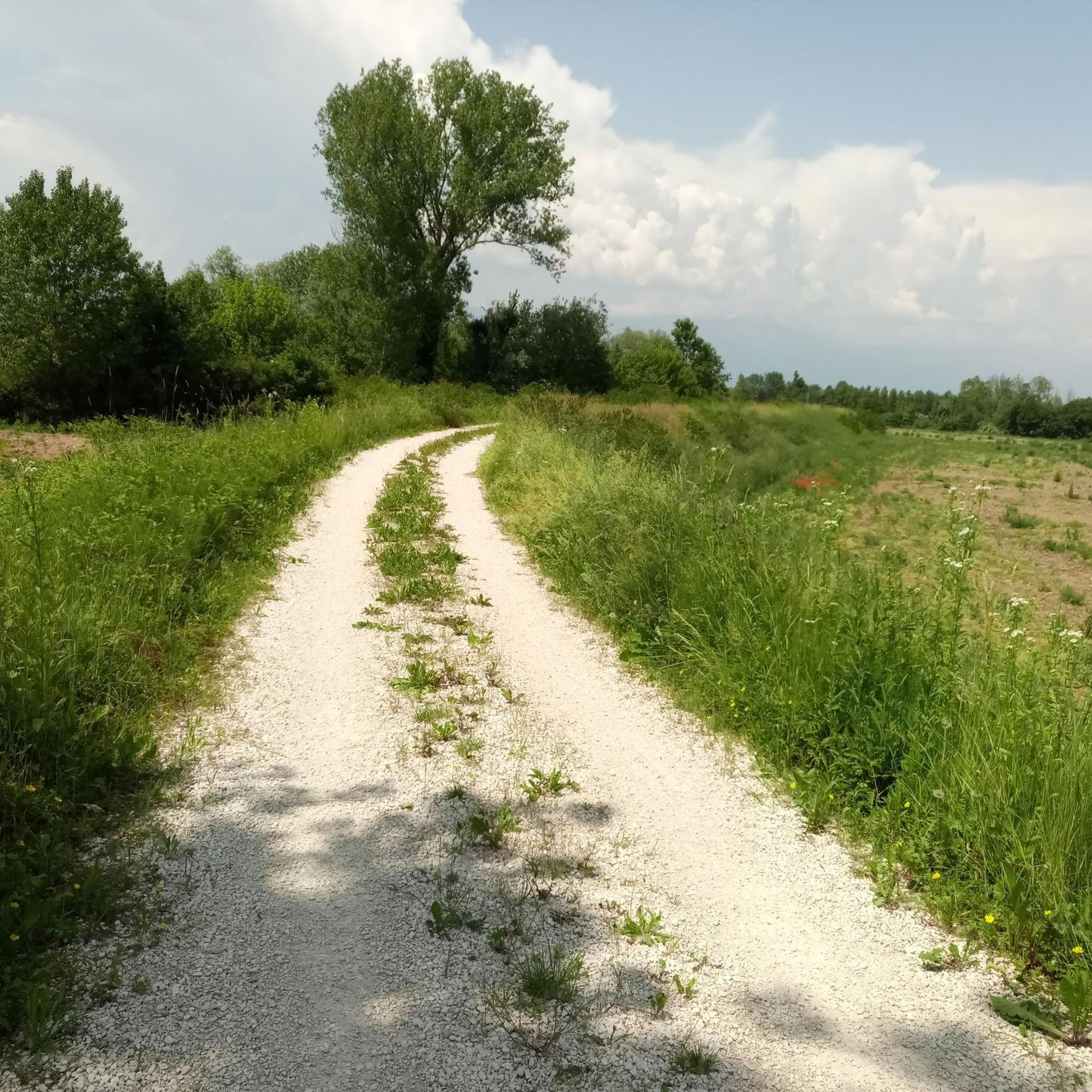
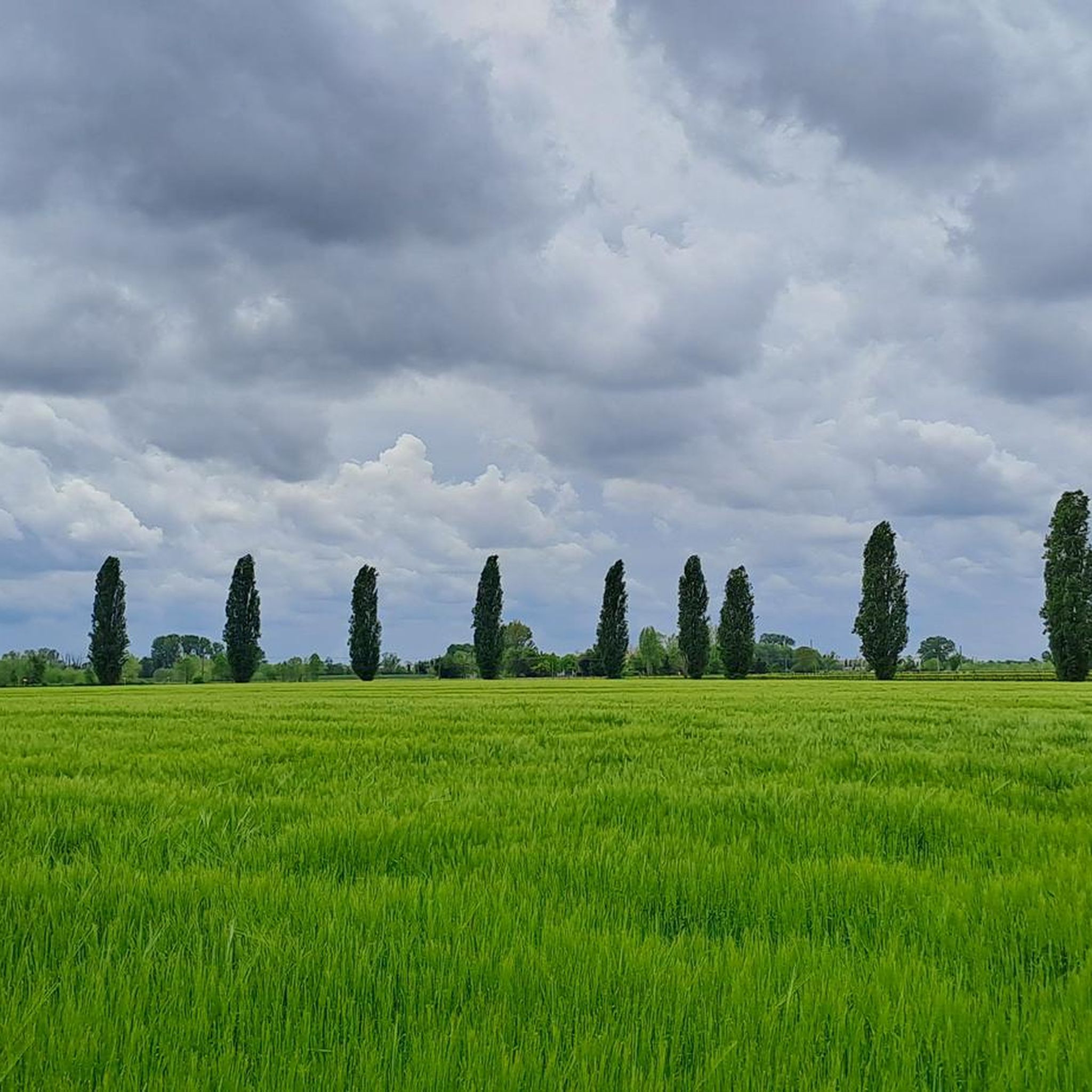
Crossing the meadow, along the poplar grove, you reach the small bridge that allows you to reach Portobuffolè avoiding the last 500m. of busy road, crossing a small bridge and continuing on a dirt road to the entrance of the iron bridge of the town
0
0

Monument in honor of the fallen of the area during the Second World War.
0
0

Beautiful view of the Po Valley.... With the sun you can see the Venice lagoon and the Euganean Hills
0
1

Combined with the Caneva Castle (another highlight) this proposal takes you around the source of the Livenza. Road without difficulty, you pass through the woods until you reach the center of Polcenigo, a very beautiful town with historic streets that survived the earthquake of 1976. You go back under the slopes of Cansiglio until you skirt the Livenza resurgence. I recommend entering the small road of the resurgence, passing in front of the church, taking the time to enjoy the freshness of the place and perhaps returning for a local walk. Worth it, mystical place.
0
0

This wooden crucifix is located on an islet along the Meschio river, between the municipalities of Cordignano and Colle Umberto. The river temporarily splits and forms a small waterfall. Along the shore there is a stone bench where you can sit in the shade and listen to the flow of the water on a sunny day.
14
0
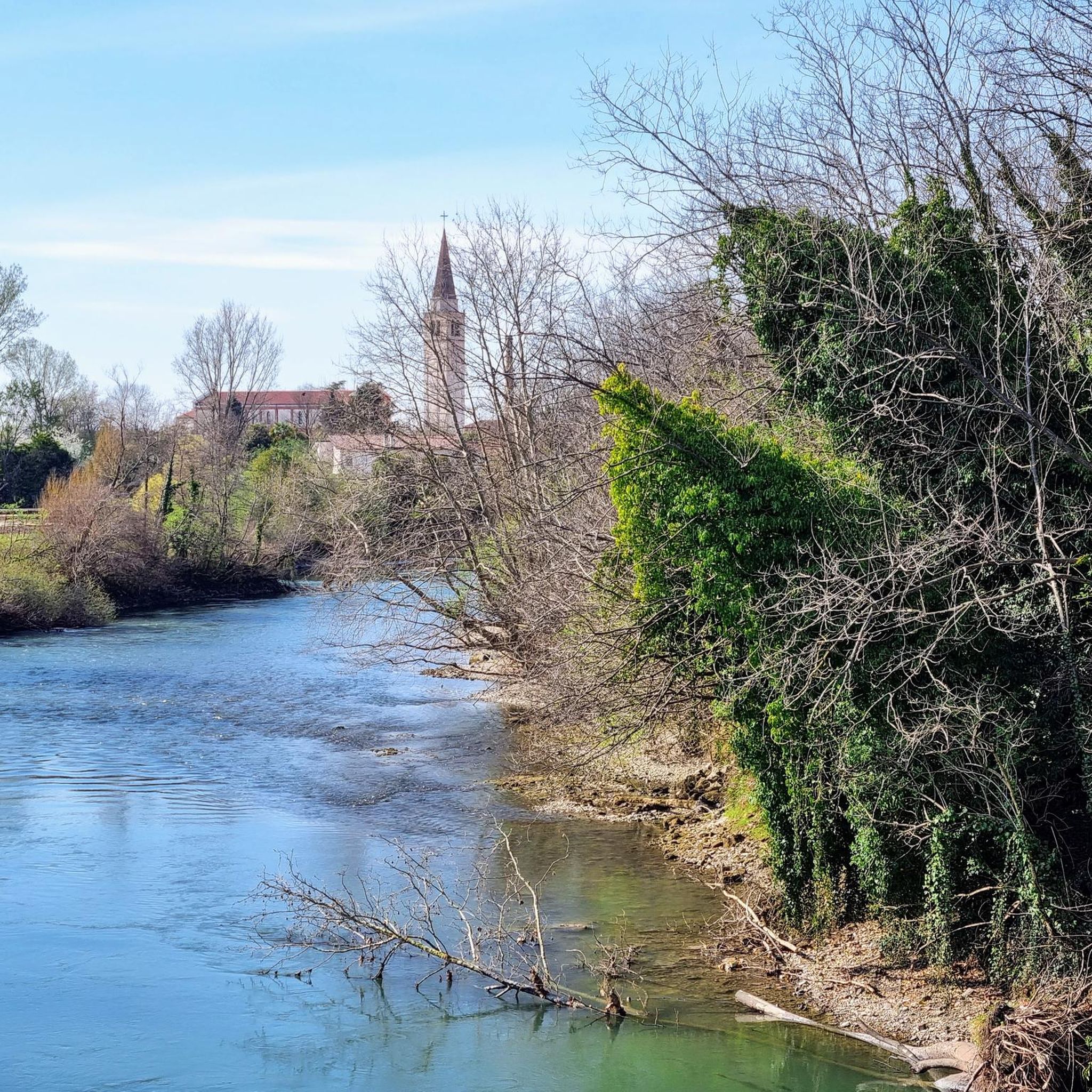
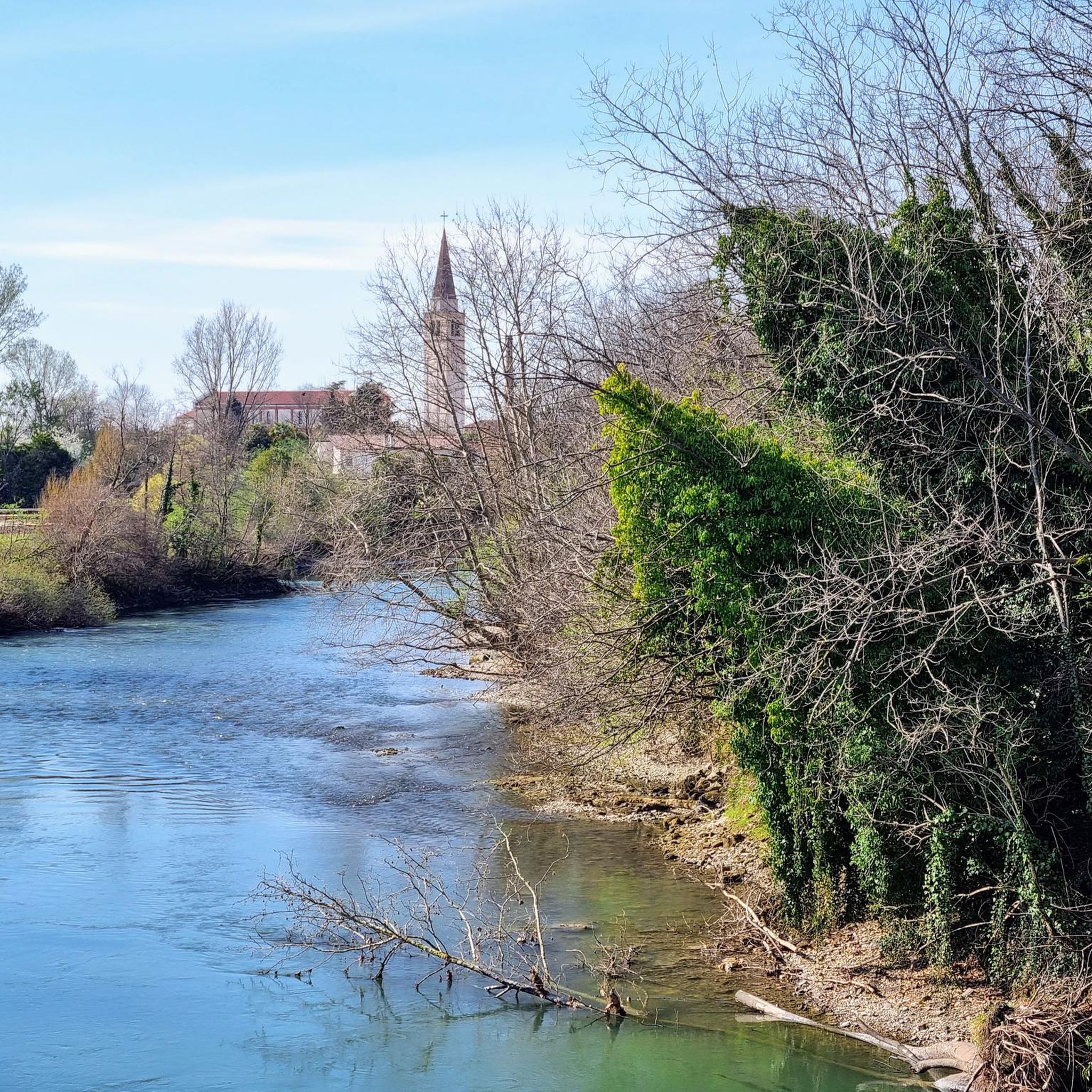
The Lia river ends here: it delivers its waters to the Monticano and in turn leaves them to the Livenza to reach the sea. The Lia is an ancient river that marks the territory. Born in what is now the Gambrinus park (that of the shrimp of this river), you can cross it under the bridge of the Church of the Templars of Ormelle and you can hardly follow its meanders in Colfrancui. Here you can greet its waters and its millenary memory of this territory
0
0

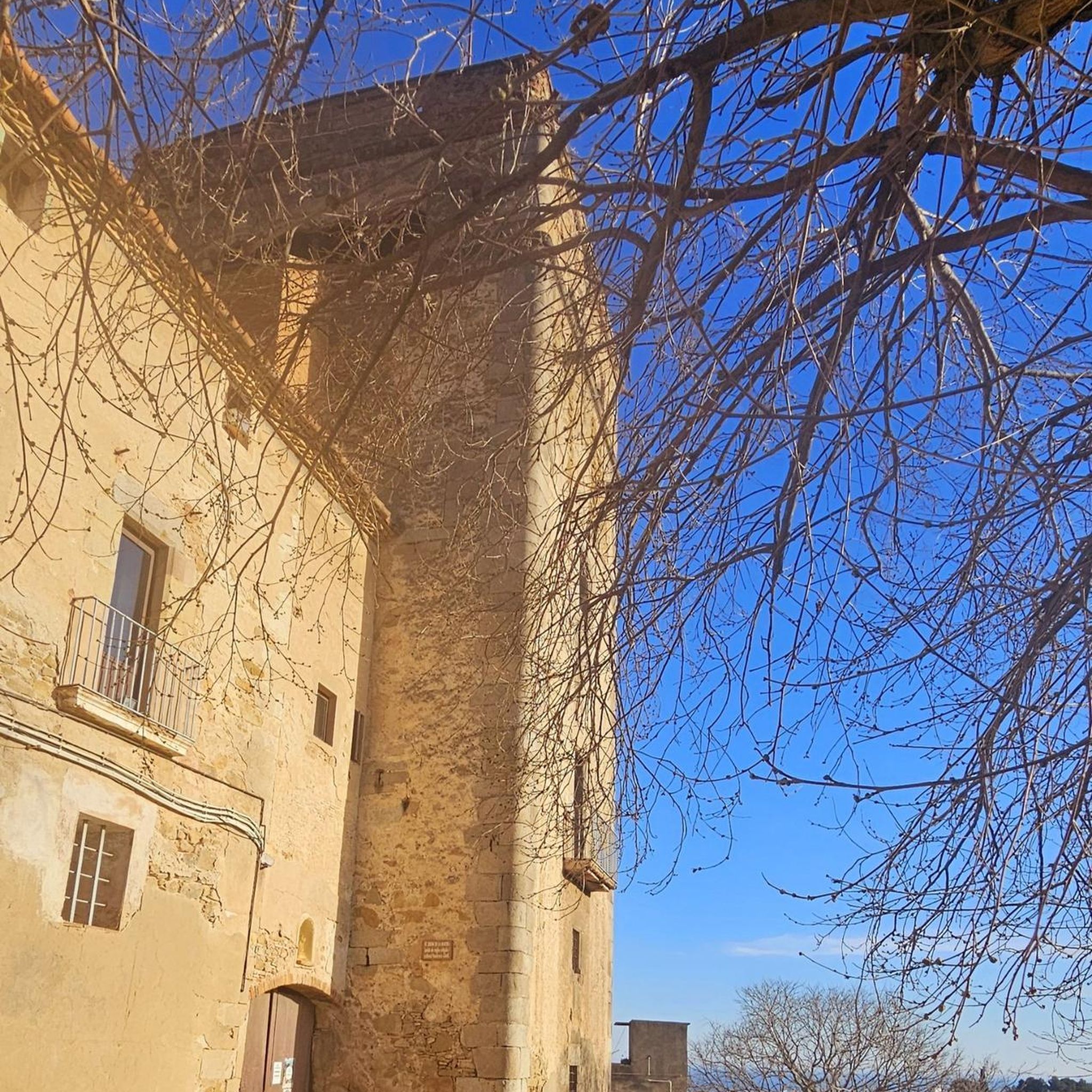
Col Alt (866 m) is a modest but panoramic hill in the Treviso Pre-Alps overlooking the territory of Cordignano. On clear days the view sweeps from the Euganean Hills to the Venice lagoon and it is not uncommon to spot buzzards in flight. A war memorial in the shape of an obelisk with an eagle on the tip was erected on its top. During the Liberation Struggle (1943-1945), Col Alt, due to its strategic position dominating the plain, became an important outpost of the partisan groups operating in Cansiglio. The task of garrisoning it belonged to the Luciano Manara battalion. On November 14, 1944, the battalion was attacked, by surprise, by about sixty Nazi-Fascists who had come up from Villa di Villa. In the clash, 7 men lost their lives. The monument was built immediately after the war by the partisans of the Hunters of the Alps Brigade, in memory of the 406 comrades of the Garibaldi Division Nino Nannetti who died in Cansiglio. In 1954 it suffered the insult from the neo-fascist hand that broke the eagle's wings, then being skilfully restored.
3
0
Col Alt (866 m) is a modest but panoramic hill in the Treviso Pre-Alps overlooking the territory of Cordignano. On clear days the view sweeps from the Euganean Hills to the Venice lagoon and it is not uncommon to spot buzzards in flight. A war memorial in the shape of an obelisk with an eagle on the tip was erected on its top. During the Liberation Struggle (1943-1945), Col Alt, due to its strategic position overlooking the plain, became an important outpost of the partisan groups operating in Cansiglio. The task of garrisoning it belonged to the Luciano Manara battalion. On November 14, 1944, the battalion was attacked, by surprise, by about sixty Nazi-Fascists who had come up from Villa di Villa. In the clash, 7 men lost their lives. The monument was built immediately after the war by the partisans of the Hunters of the Alps Brigade, in memory of the 406 comrades of the Garibaldi Division Nino Nannetti who died in Cansiglio. In 1954 it suffered the insult from the neo-fascist hand that broke the eagle's wings, then being skilfully restored.
1
0
Frequently Asked Questions
What types of natural features can I expect to see around Gaiarine?
The region around Gaiarine is characterized by its significant river systems, including the Livenza and Monticano, which offer clear waters and rich riparian ecosystems. You'll find areas with dense vegetation, historic river features, and expansive natural floodplains. Notable examples include the extraordinary natural floodplain of Prà dei Gai and the picturesque confluence points of rivers.
Are there any natural monuments with historical significance near Gaiarine?
Yes, the Ancient Chestnut Tree of Castagneron is a majestic, venerable tree that indicates historical human presence and subsistence in the higher altitude areas. Additionally, the Confluence of the Lia and Monticano Rivers marks the end of the ancient Lia river's journey, connecting it to the larger Livenza system, reflecting a millenary memory of the territory.
What outdoor activities can I do near these natural monuments?
The area offers various outdoor activities. You can explore numerous trails for hiking, cycling, and gravel biking. For instance, there are several routes available for hiking around Gaiarine, cycling around Gaiarine, and gravel biking around Gaiarine, allowing you to immerse yourself in the local landscape.
Are there family-friendly natural monuments or trails suitable for children?
Absolutely. Prà dei Gai, with its expansive natural floodplain, is considered family-friendly. Another charming spot is the Christ of the Meschio, located on an islet along the Meschio river, featuring a small waterfall and a stone bench perfect for resting in the shade, making it a pleasant stop for families.
What is the Livenza River known for, and can I visit it?
The Livenza River, flowing near Gaiarine, is renowned for its exceptionally clear and clean water, supporting rich biodiversity. It's a karstic river fed by underground springs, resulting in stable water flow. Its pristine conditions make it ideal for nature-based activities like kayaking and canoeing, and the surrounding areas offer excellent trails for cycling and hiking. You can find more information about the Livenza River on visitsacile.it.
Where can I find scenic viewpoints or panoramic views of the region?
For panoramic views, consider visiting Col Alt War Memorial. This modest but panoramic hill in the Treviso Pre-Alps offers sweeping views from the Euganean Hills to the Venice lagoon on clear days. It's also a great spot to observe buzzards in flight.
What is the TV3 GiraMonticano Cycle Path?
The TV3 GiraMonticano Cycle Path is a significant naturalistic itinerary that runs along the Monticano river, connecting Fontanelle to Motta di Livenza. This 25-kilometer cycle-pedestrian route offers a peaceful journey through varied landscapes, allowing visitors to immerse themselves in the local ecosystem and observe the Monticano river. It also integrates with other local routes for extended exploration.
What makes Prà dei Gai a significant natural monument?
Prà dei Gai is an extraordinary natural floodplain spanning six hundred hectares of stable lawn. It is recognized for its significant naturalistic and faunal value and has been declared a protected area by the European Community, making it a crucial habitat for local wildlife.
Are there any unique river features to explore near Gaiarine?
Yes, the Confluence of the Lia and Monticano Rivers is a unique river junction where the Lia river delivers its waters to the Monticano, eventually connecting to the larger Livenza system. Another interesting spot is the Ponti di Tremeacque, where the Meduna and Livenza rivers meet, featuring high, steep riverbanks and historic bridges.
What do visitors enjoy most about the natural monuments around Gaiarine?
Visitors appreciate the diverse natural attractions, from significant river systems and their confluences to protected natural habitats like the Prà dei Gai. The area's tranquility, natural beauty, and opportunities for outdoor activities such as walking, cycling, and observing wildlife are frequently highlighted. The komoot community has shared over 30 photos and given more than 20 upvotes, indicating a strong positive reception.
What is the best time of year to visit the natural monuments around Gaiarine?
The spring and autumn months generally offer pleasant weather for exploring the natural monuments, with comfortable temperatures for hiking and cycling. Spring brings lush vegetation and blooming flora, while autumn showcases vibrant foliage along the riverbanks. Summer can also be enjoyable, especially for water-based activities on the Livenza River, though it can be warmer.
Are dogs allowed on trails near the natural sites?
Many outdoor trails and natural areas in the region are dog-friendly, especially those along riverbanks and in open floodplains. However, it's always recommended to keep dogs on a leash, especially in protected areas like Prà dei Gai, to protect local wildlife and ensure a pleasant experience for all visitors.
Most popular routes around Gaiarine
Most popular attractions around Gaiarine

Get inspired with the komoot mobile app


Explore more
Extend your search for the best caves by checking out these guides of the top ones around Gaiarine:
