Top 20 Natural Monuments around Crespano Del Grappa
Best natural monuments around Crespano Del Grappa are concentrated in the foothills of the Monte Grappa massif, a UNESCO MAB Biosphere Reserve. This region is recognized for its ecological value, diverse landscapes, and historical significance, particularly from World War I. The area offers a blend of natural attractions, including prominent summits and panoramic viewpoints. Visitors can explore a rich tapestry of natural beauty and opportunities for outdoor activities.
Best natural monuments around Crespano Del Grappa
- The most popular natural monuments…
Last updated: June 1, 2026
Monte Caina Summit and Madonna di Fatima Statue
Highlight • Summit
Translated by Google •
Tip by

Cà Tasson – Garden of Remembrance and Arditi Memorial
Highlight • Historical Site
Translated by Google •
Tip by

Sign up now to discover places like this
Get recommendations on the best single tracks, peaks, & plenty of other exciting outdoor places.
Sign up for free
Monte Grappa
Highlight • Summit
In the late …
Translated by Google •
Tip by

Col del Fenilon
Highlight • Monument
Translated by Google •
Tip by

Monte Tomba Summit
Highlight • Summit
Translated by Google •
Tip by

Sign up for free to discover even more natural monuments around Crespano Del Grappa.
Sign up for free
Already have an account?
Start today with a free account
Your next adventure awaits.
Login or Signup
Popular around Crespano Del Grappa

Tips from the Community

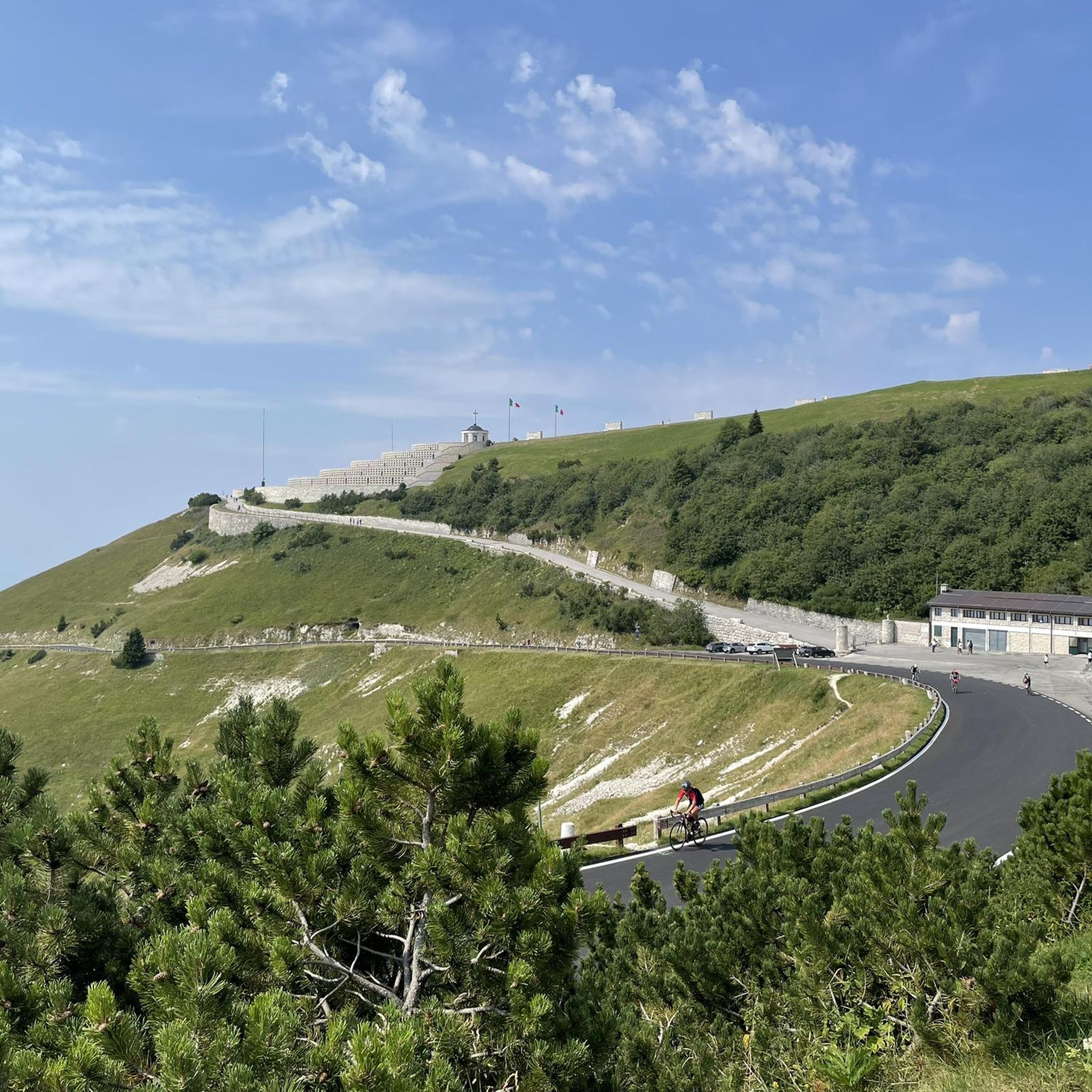
Col Fenilon is a green, rounded hill rising among the Colli Alti, offering a splendid 360° panorama, even better than the more famous (and lower) Col Moschin: the view extends over the plain, Bassano and the Brenta Valley, the Asiago Plateau, the Lagorai, Mount Grappa, and, on the horizon, the Dolomites. During the First World War, the Colli Alti del Grappa (including Col Fenilon and Col Moschin) were a crucial and extreme point of Italian resistance defending the plain. In June 1918, they were conquered by the Austro-Hungarians, and later retaken by the Italians in a lightning-fast and legendary action. The name derives from "buon fieno" (good hay), due to the excellent mountain pastures it has provided for centuries.
0
0

Memory Road...no comments needed 🙏
0
0

Crazy view on the Bassano valley
1
1


The large cross of Col del Fenilon (1327 m) is in memory of the fallen and heroic deeds that characterized these places during the First World War. From here the view is truly magnificent. You can admire in one fell swoop the plain up to the sea, the Brenta Valley, the Asiago Plateau and the Grappa peak.
0
0

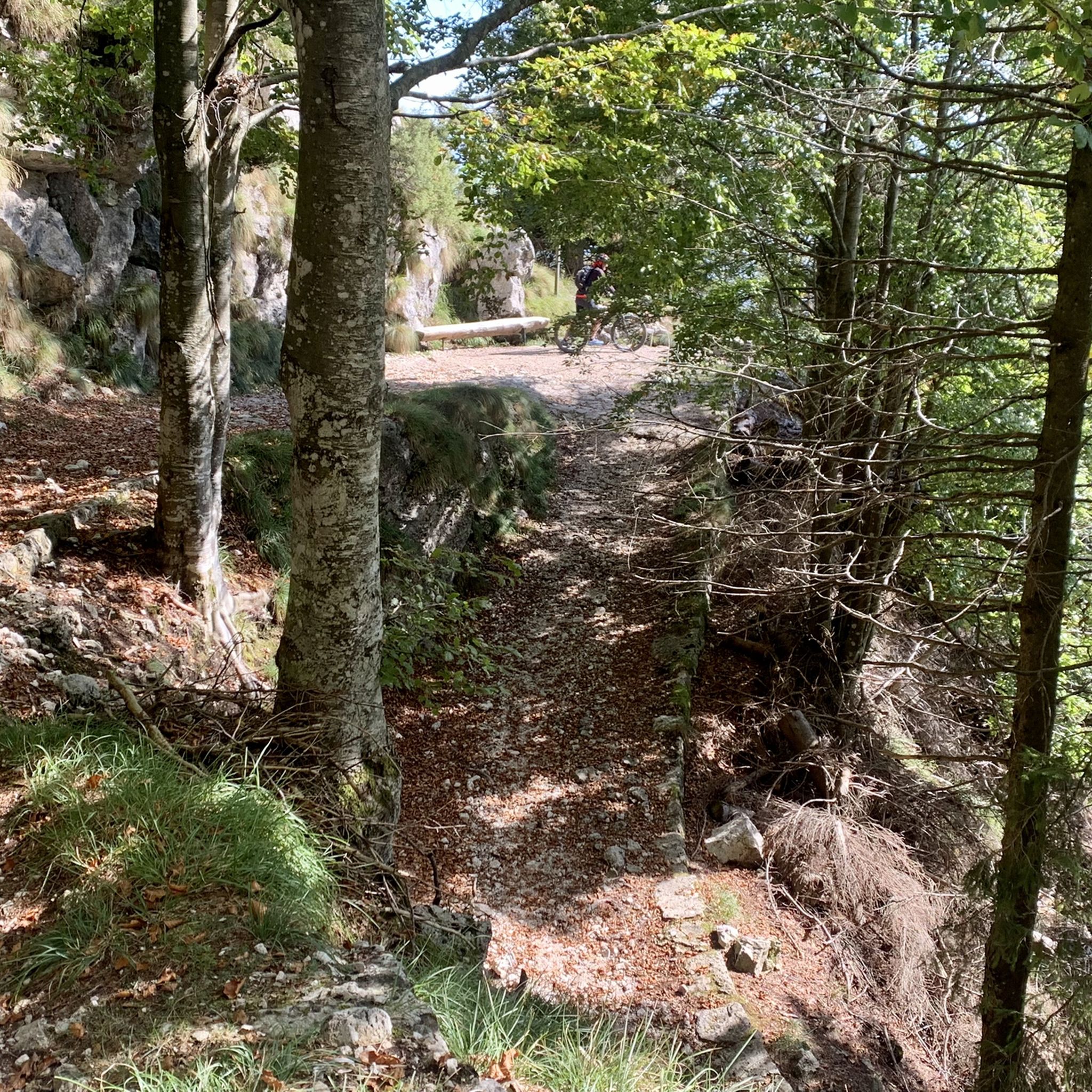
The little road that goes up with the mountains in the background is a wonderful image. In any case, following it you will arrive at the miet tavern, instead of taking the asphalt road.
0
0
Mount Caina (1,002 m) is a splendid panoramic balcony, thanks to its privileged and unique location, right on the southeastern corner of the Asiago Plateau. It offers a sweeping view of the entire Po Valley, from the Lessini Mountains to the Upper Adriatic. In the foreground is Bassano and the entrance to the Brenta Valley. To the left, the vertical, rocky western slope of the Grappa massif, with the profile of the Shrine atop it. On clear days, you can clearly see Venice itself, and even the bell tower of St. Mark's Basilica! The site is meticulously maintained: a green lawn, a cross, an Italian flag, a black statue dedicated to Our Lady of Fatima, benches, and—the icing on the cake—a powerful pair of binoculars (free) for hunting for details and places, both well-known and lesser-known!
5
0

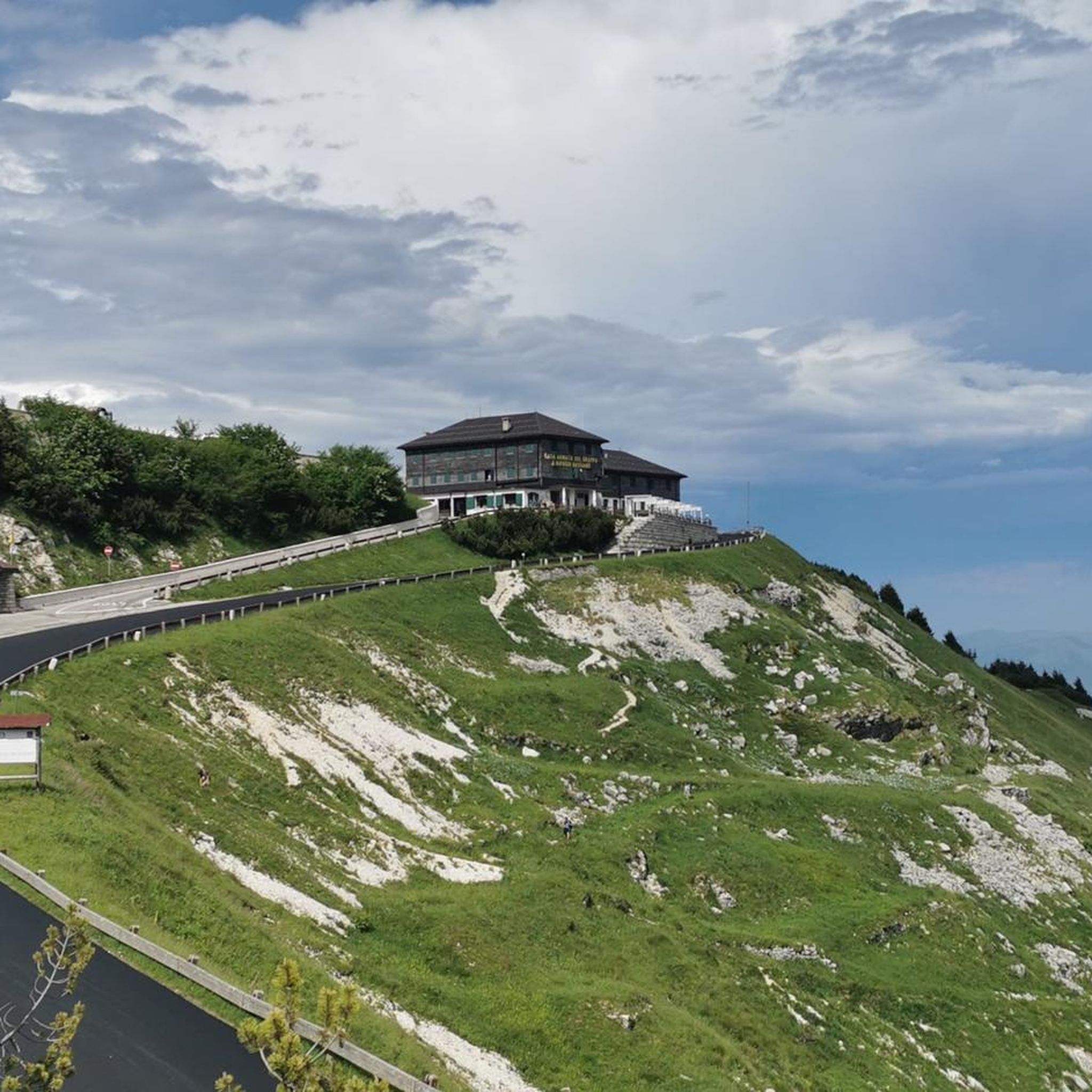
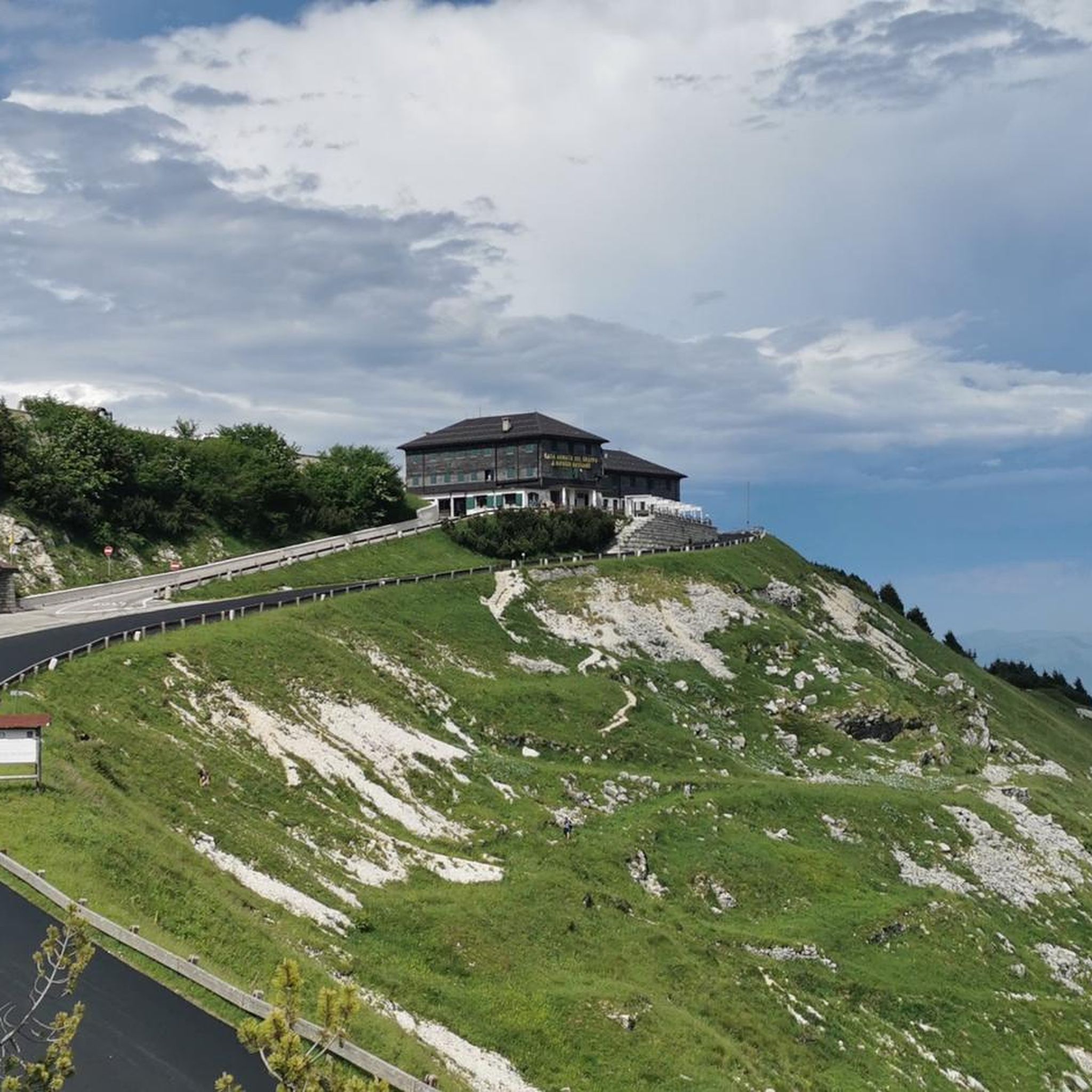
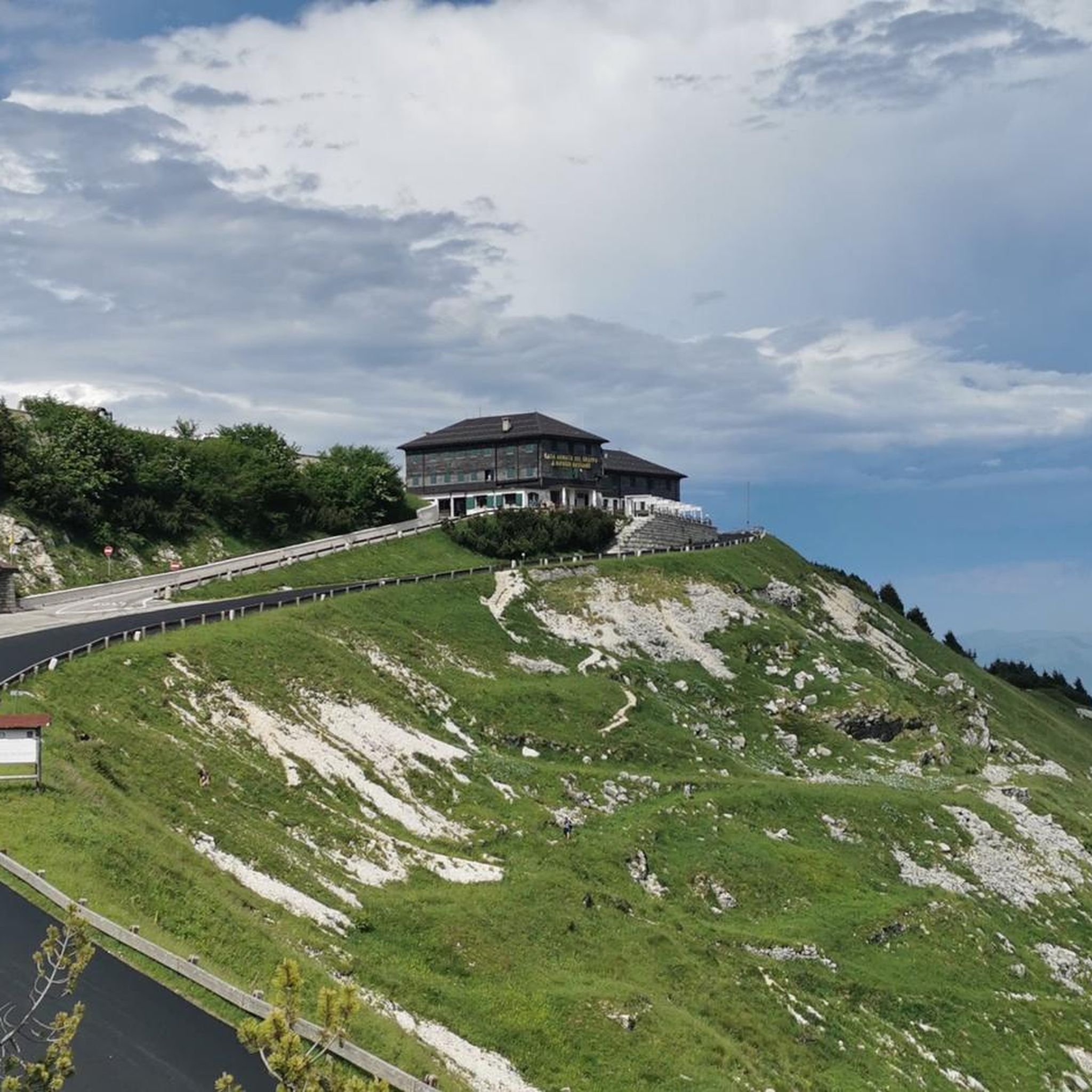
The Monte Grappa is at 1775 m s.l.m. the highest elevation of the Grappa massif, the southernmost group of the Dolomites.
2
0
Frequently Asked Questions
What are some of the most popular natural monuments to visit around Crespano Del Grappa?
The region offers several highly-rated natural monuments. Visitors particularly enjoy the Monte Caina Summit and Madonna di Fatima Statue, known for its sweeping views of the Po Valley and even Venice on clear days. Another favorite is the Monte Tomba Summit, which provides a spectacular panorama just off the main road and holds significant historical importance from the Great War.
Are there natural monuments with historical significance in the area?
Yes, many natural monuments around Crespano Del Grappa are deeply intertwined with history, particularly from World War I. Beyond the summits, you can visit Cà Tasson – Garden of Remembrance and Arditi Memorial, which marks the dividing line between Italian and Austrian trenches and features an art installation. The Col del Fenilon also commemorates fallen soldiers and offers magnificent views.
What kind of views can I expect from the natural monuments?
The natural monuments in this region are renowned for their panoramic vistas. From Monte Caina Summit, you can see the entire Po Valley, the Brenta Valley, and even the Venice lagoon on clear days. The highest point, Monte Grappa, offers expansive views stretching from Venice to the Dolomites. The Col del Fenilon provides a splendid 360° panorama over the plain, the Brenta Valley, and the Asiago Plateau.
What outdoor activities can I do near these natural monuments?
The Monte Grappa massif, which encompasses these natural monuments, is a hub for outdoor activities. You can find numerous hiking and cycling trails. For hiking, explore routes like the 'Alta Via degli Eroi' or 'Monte Colombera via CAI Trail 104'. Cyclists can enjoy challenging climbs like the 'Climb to Monte Grappa from Salto della Capra' or scenic loops. For more details on routes, check out the Hiking around Crespano Del Grappa, Road Cycling Routes around Crespano Del Grappa, and Gravel biking around Crespano Del Grappa guides.
Are there family-friendly options among the natural monuments?
Yes, some natural monuments are suitable for families. The Monte Tomba Summit is considered family-friendly, offering a rewarding panorama with relatively easy access. Additionally, the Astego Vegetation Garden, located at the foot of Monte Grappa, provides an interactive and educational experience for all ages, featuring a sensory path and a labyrinth.
What is the best time of year to visit the natural monuments around Crespano Del Grappa?
The Monte Grappa region offers unique experiences throughout the year. Spring and autumn are ideal for hiking and cycling, with pleasant temperatures and vibrant foliage or blooming wildflowers. Summer provides warmer conditions for outdoor activities, though higher altitudes offer cooler air. Even in winter, some trails are suitable for walks, especially at lower elevations, offering serene, snow-dusted landscapes.
Can I spot wildlife near the natural monuments?
The Monte Grappa massif is a UNESCO MAB Biosphere Reserve, known as a 'treasure chest of biodiversity.' Visitors might spot various wildlife, including roe deer, chamois, and even golden eagles. The diverse flora, with over 1300 plant species, also adds to the natural appeal of the area.
Are there any educational natural attractions in the region?
Yes, the Astego Vegetation Garden, situated at the base of Monte Grappa, is an excellent educational natural attraction. It's designed with different levels that replicate the natural environments found between the Grappa summit and the plain, offering guided tours and interactive features like a stream and a sensory path.
What should I wear for hiking or exploring the natural monuments?
Given the varied terrain and altitudes, it's advisable to wear appropriate hiking footwear and layered clothing. Even on warm days, conditions can change quickly at higher elevations. Bringing water, snacks, and sun protection is also recommended. For specific trail conditions, especially in shoulder seasons, it's wise to check local forecasts.
Is the Monte Grappa Massif itself considered a natural monument?
Yes, the Monte Grappa Massif is the overarching natural monument in the area. It's recognized as a UNESCO MAB Biosphere Reserve due to its exceptional biodiversity, unique pyramid shape, and panoramic views. Its ecological value, combined with its historical significance, makes the entire massif a significant natural and cultural landmark.
Are there any natural monuments that combine natural beauty with religious or spiritual sites?
Yes, the Monte Caina Summit and Madonna di Fatima Statue is a prime example. It features a black statue dedicated to Our Lady of Fatima, a cross, and an Italian flag, all meticulously maintained on a green lawn, offering a serene and reflective experience amidst stunning natural views. The Terrace of the Covolo Sanctuary also combines scenic views with a historical religious site.
What do visitors generally appreciate most about the natural monuments in this region?
Visitors frequently highlight the breathtaking panoramic views, the blend of natural beauty with profound historical significance, and the opportunities for diverse outdoor activities. The meticulously maintained sites, like Monte Caina, and the immersive experience of walking through historical landscapes, such as those near Cà Tasson, are often praised. The sense of tranquility and reflection found in these natural settings is also a common theme.
Most popular routes around Crespano Del Grappa
Most popular attractions around Crespano Del Grappa

Get inspired with the komoot mobile app


Explore more
Extend your search for the best caves by checking out these guides of the top ones around Crespano Del Grappa:
