Top 9 Natural Monuments around Cimadolmo
Best natural monuments around Cimadolmo are shaped by the region's agricultural heritage and its close proximity to the Piave River. The landscape features a mix of riverine ecosystems, unique tree formations, and protected natural areas. These natural features contribute to the biodiversity and scenic beauty of the Treviso province. Cimadolmo's surroundings offer opportunities for naturalistic walks and exploration.
Best natural monuments around Cimadolmo
- The most popular natural monuments is Majestic Black Poplar, a natural monument that stands alone in…
Last updated: June 1, 2026
Source of the Meolo River
Highlight • River
Translated by Google •
Tip by

Majestic Black Poplar
Highlight • Natural Monument
Translated by Google •
Tip by

Sign up now to discover places like this
Get recommendations on the best single tracks, peaks, & plenty of other exciting outdoor places.
Sign up for free
Confluence of the Lia and Monticano Rivers
Highlight • River
Translated by Google •
Tip by

The Lone Tree of San Salvatore
Highlight • Natural Monument
Translated by Google •
Tip by
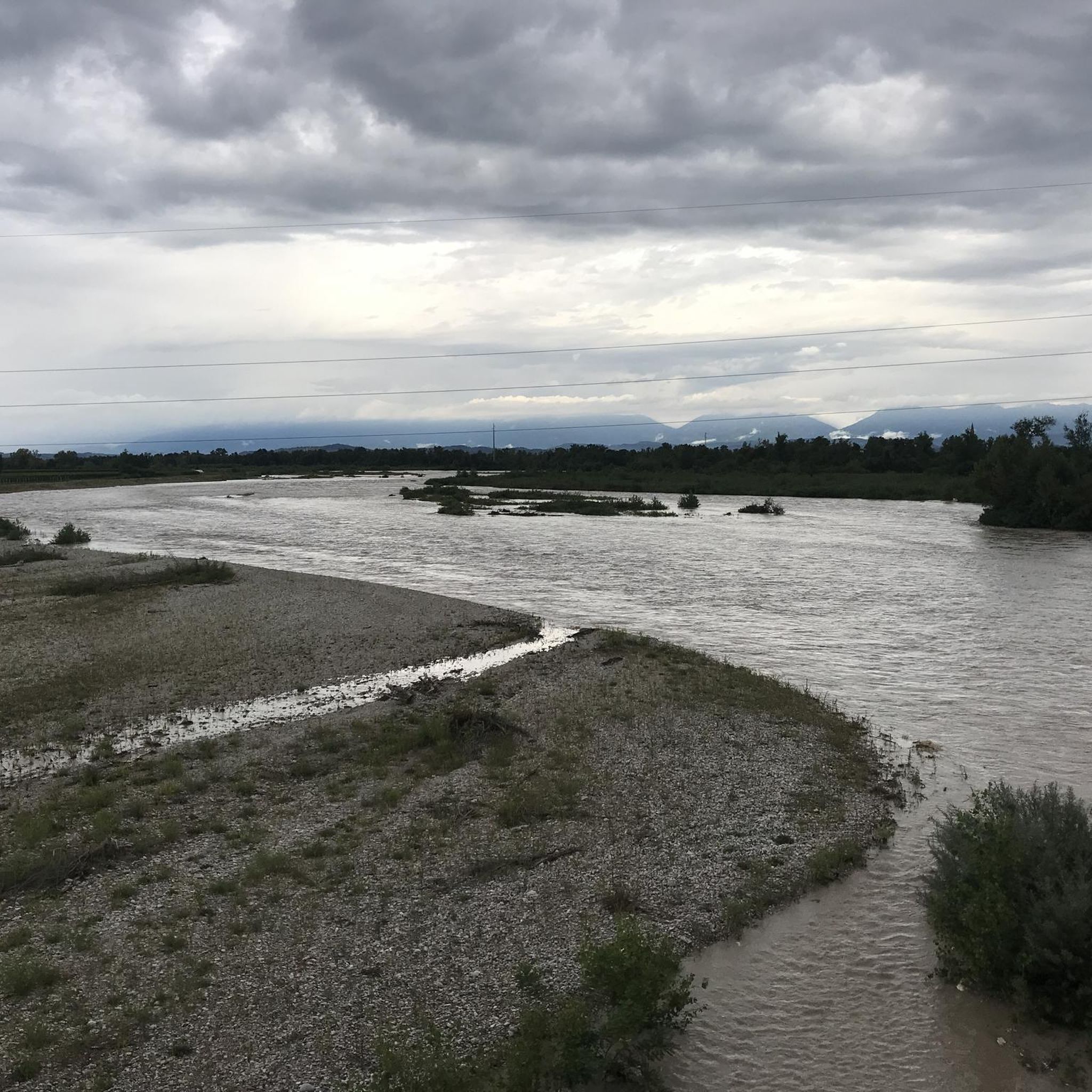
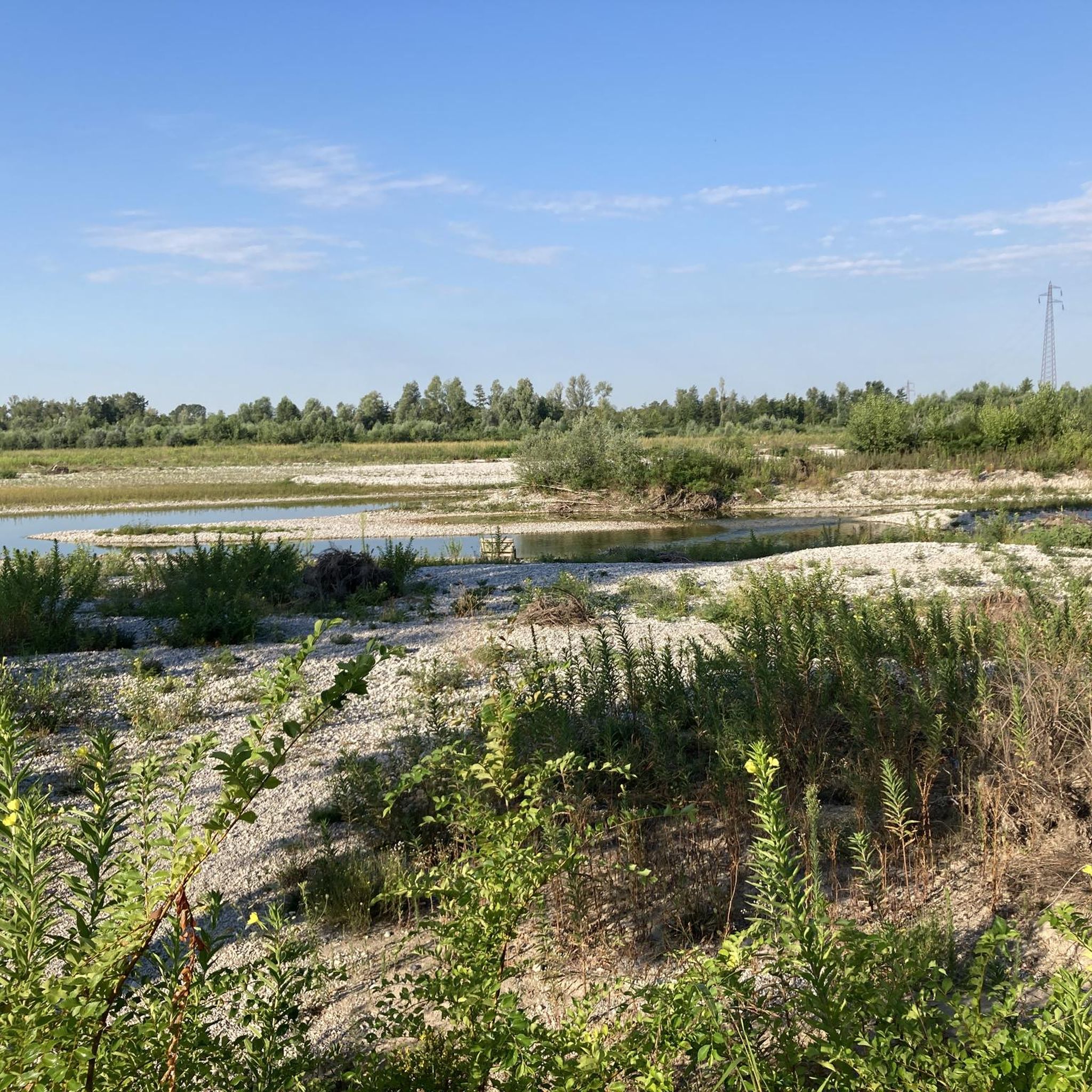
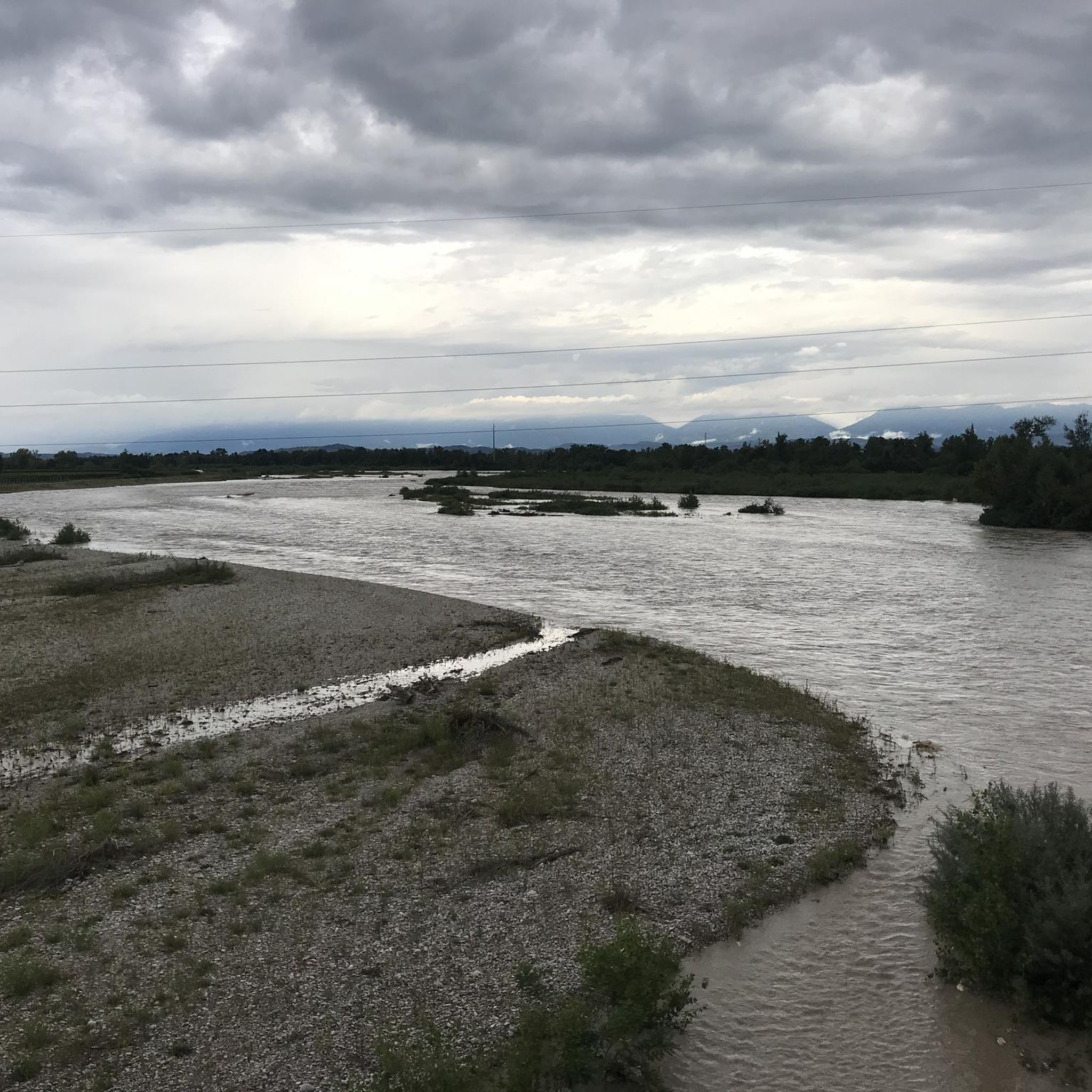
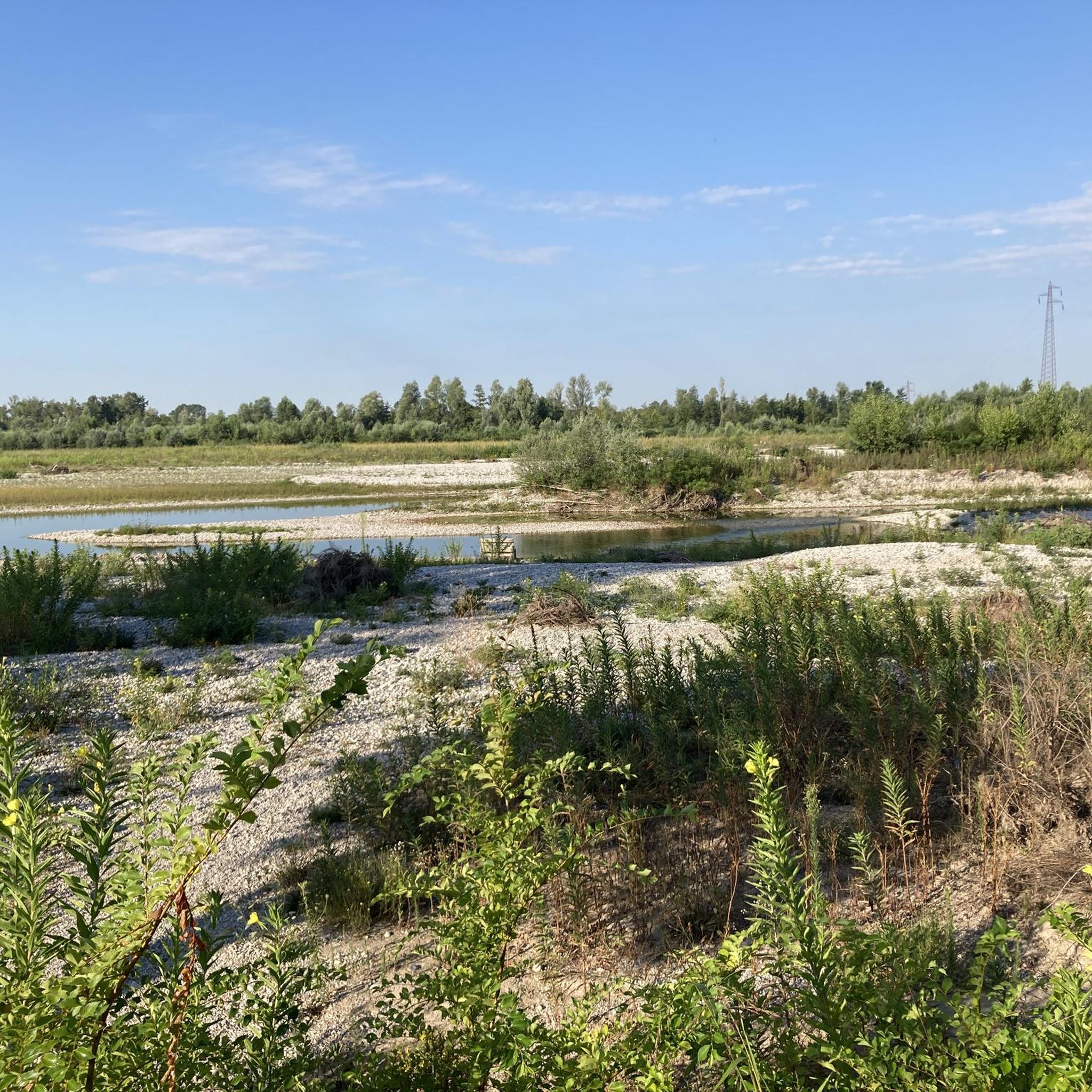
Parco delle Grave and Murazzi of Spresiano
Highlight • River
passeggiatetreviso.it/itinerari-fiumi-laghi-treviso/222-il-parco-delle-grave-di-spresiano-e-i-murazzi
Translated by Google •
Tip by

Sign up for free to discover even more natural monuments around Cimadolmo.
Sign up for free
Already have an account?
Start today with a free account
Your next adventure awaits.
Login or Signup

Tips from the Community

May '26: the old champion is still standing and the foliage is getting thicker
0
0
Visited today: it looks bald, but we'll wait for the warm season to judge it. In the meantime, take a look at the branches that they cut
0
0

The Grave Park and the Murazzi https://www.passeggiatetreviso.it/itinerari-fiumi-laghi-treviso/222-il-parco-delle-grave-di-spresiano-e-i-murazzi
0
0
The old name of the Meolo river is Pero. This is why, in these parts, river and place names blend together
0
0

The sources of the Meolo river are about 200 m away. from the bridge, unfortunately it was not possible to approach them because they were fenced off. It originates east of Breda di Piave, in the Campagne area, and flows for about twenty kilometers in the provinces of Treviso and Venice, crossing, among others, San Biagio di Callalta and Monastery of Treviso. At the town of the same name, the river bifurcates: the new main axis, maintaining the name of the Meolo river, heads south and flows shortly afterwards into the Vallio; the historic course, called the Meolo flowway, moves towards the south-east and its waters flow partly into the Colatore Principale reclamation canal and partly, by means of a structure that bypasses the previous watercourse, into the Fossetta canal. This situation is the result of the reclamation that affected the Lower Piave and was completed in the 1930s. Along its course there are country residences built by Venetian families between the 15th and the 19th centuries as well as the former Abbey of Santa Maria di Pero
11
0
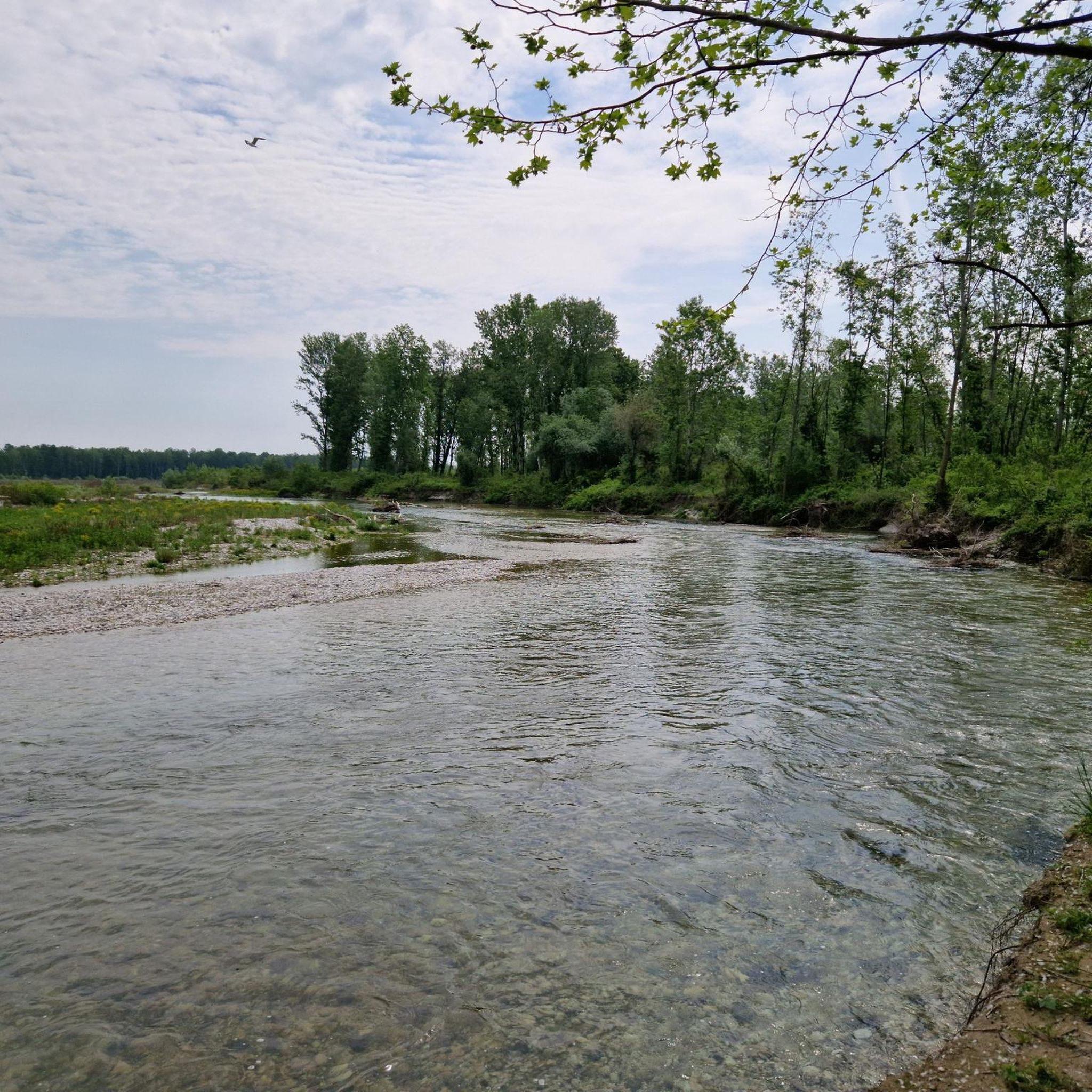
The Lia river ends here: it delivers its waters to the Monticano and in turn leaves them to the Livenza to reach the sea. The Lia is an ancient river that marks the territory. Born in what is now the Gambrinus park (that of the shrimp of this river), you can cross it under the bridge of the Church of the Templars of Ormelle and you can hardly follow its meanders in Colfrancui. Here you can greet its waters and its millenary memory of this territory
0
0
It is a majestic black poplar. Come down and hug him: but there must be at least three of you!
0
0
Frequently Asked Questions
What unique natural monuments can I explore near Cimadolmo?
Beyond the prominent Piave River, you can discover sites like the Majestic Black Poplar, a solitary landmark in agricultural fields, or the Lone Tree of San Salvatore, which offers views of the plain and a nearby castle. The Source of the Meolo River also provides a glimpse into the origin of a local waterway.
What kind of natural landscapes define the area around Cimadolmo?
The region is characterized by its strong connection to the Piave River, featuring rich riverine ecosystems. You'll find agricultural fields, dense vegetation along waterways, and unique tree formations. Protected areas like the Oasi Cervara and Oasi delle Fontane Bianche showcase marshlands and spring-fed pools, highlighting the area's biodiversity.
Are there opportunities for hiking or cycling near these natural monuments?
Yes, the area offers various outdoor activities. For cycling, you can explore routes like the 'Piave River at Ponte di Piave' or 'Il Giramonticano' loop. Hikers can enjoy trails such as 'Lago delle Bandie loop' or 'River Access Point loop from Spresiano'. You can find more details on these and other routes in the cycling guide and hiking guide for Cimadolmo.
Where can I find trails along the Piave River near Cimadolmo?
The Piave River is central to the region's natural beauty. You can find trails within the Parco delle Grave and Murazzi of Spresiano, which offers paths along the river. Other options include the 'Along the banks of the Piave in the town of Ponte del Piave' hiking route or various cycling routes that follow the river's course, detailed in the hiking guide.
Are there any natural oases or protected marshlands nearby?
Yes, the region is home to significant natural oases. The Oasi Cervara in Quinto di Treviso is a protected marshland within the Sile River Regional Park, known for its springs and diverse birdlife. Another notable site is the Oasi delle Fontane Bianche in Fontigo, characterized by crystal-clear spring-fed pools and a rich habitat for migrating birds.
Is there a historical natural site worth visiting?
Absolutely. The Molinetto della Croda in Refrontolo is a picturesque 17th-century water mill built into a rock face, offering a blend of natural beauty and historical architecture. The surrounding area features scenic walking paths and vineyards. Another unique site is the Bosco delle Penne Mozze in Cison di Valmarino, a memorial forest dedicated to Alpine soldiers, providing a place for reflection amidst lush nature.
Are the natural monuments around Cimadolmo suitable for families?
Many natural monuments in the area are family-friendly. Sites like the Majestic Black Poplar, the Source of the Meolo River, and the Parco delle Grave and Murazzi of Spresiano are generally accessible for families. The Oasi Cervara is also an excellent location for families, offering birdwatching and nature exploration.
What is the best time of year to visit the natural monuments in this region?
Spring and autumn are generally the best seasons. In spring, the Molinetto della Croda is particularly charming with its waterfall, and the oases are vibrant with new life. Autumn offers pleasant temperatures for walking and cycling, with beautiful foliage. Summer can be warm, but riverine areas provide cooler spots. Winter walks are also possible, offering a different, quieter perspective.
Can I observe wildlife around Cimadolmo's natural monuments?
Yes, the riverine ecosystems and protected oases are rich in wildlife. Along the Piave River, you can spot various bird species such as egrets, herons, gulls, and cormorants. The Oasi Cervara is a haven for marsh plants and birds, including white storks, while the Oasi delle Fontane Bianche attracts migrating birds, foxes, and squirrels.
Are there any natural monuments that offer panoramic views?
The Lone Tree of San Salvatore is noted for offering views of both the plain and the nearby castle and hills. While not a traditional viewpoint, the Majestic Black Poplar stands alone in the countryside, providing a wide, unobstructed vista of the agricultural landscape.
What is the significance of the Piave River in this region?
The Piave River is a significant natural and historical landmark. It shapes the landscape around Cimadolmo, offering diverse ecosystems and numerous nature trails. Beyond its natural beauty, the river holds historical importance for the Veneto region. Its banks are ideal for naturalistic walks, cycling, and observing native flora and fauna. You can learn more about its biodiversity at visitproseccohills.it.
What is the 'Confluence of the Lia and Monticano Rivers'?
This natural monument marks the point where the Lia River meets the Monticano River. The Lia is an ancient river that has historically shaped the territory. This confluence is a significant spot where the waters merge before eventually flowing into the Livenza River and then to the sea, representing a key hydrological feature of the area.
Most popular routes around Cimadolmo
Most popular attractions around Cimadolmo

Get inspired with the komoot mobile app


Explore more
Extend your search for the best caves by checking out these guides of the top ones around Cimadolmo:
