Top 8 Natural Monuments around Zenson Di Piave
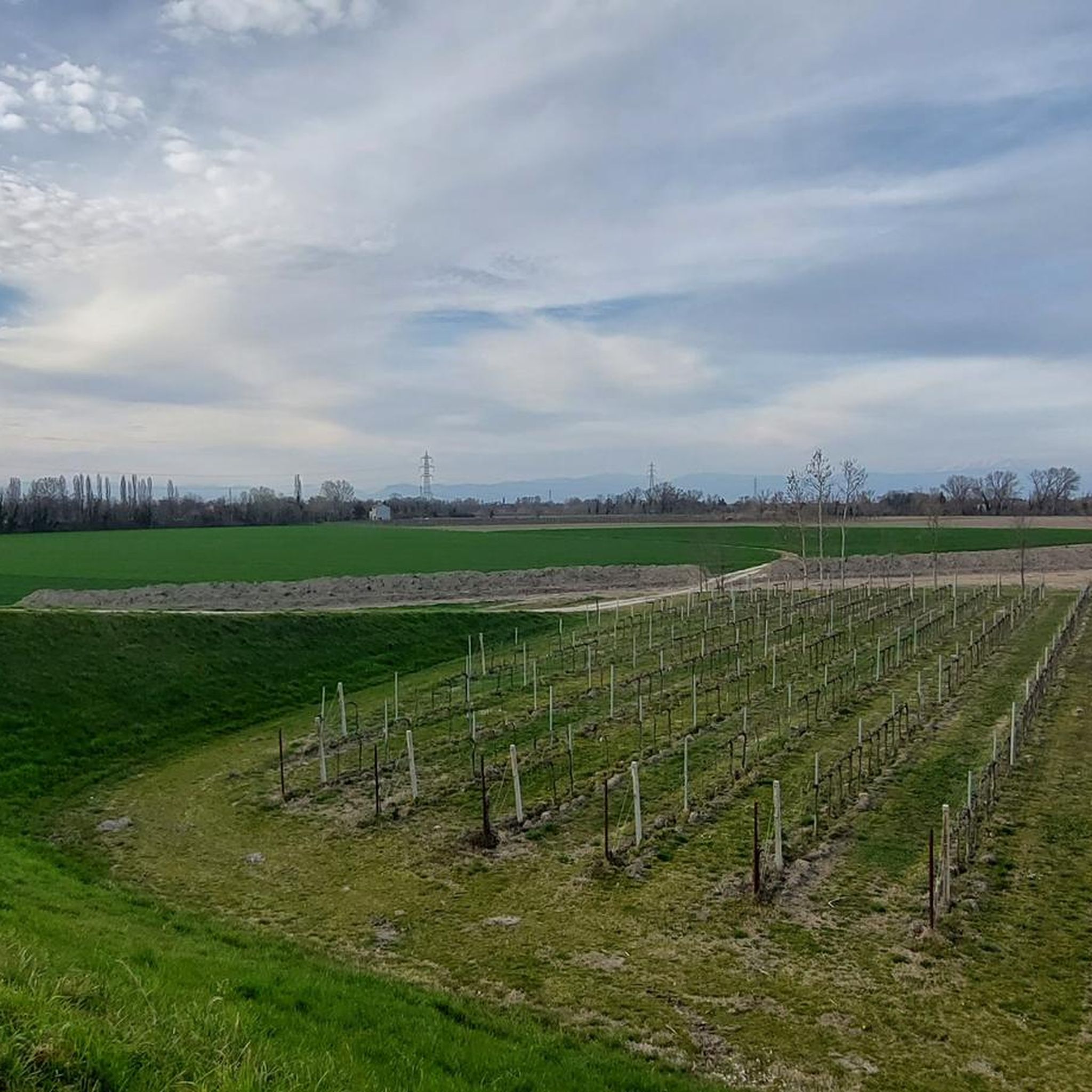
Natural monuments around Zenson Di Piave are primarily defined by the presence of the Piave River, which forms the region's northern and eastern boundaries. The landscape is characterized by flat terrain, cultivated fields, and vineyards, shaped by the river's historical course. This area offers a network of paths and trails, including the Piave Vecchia Cycle Path, providing opportunities for outdoor activities. The region's natural features hold both ecological and historical significance, particularly concerning the Piave River's role in Italian history.
…Last updated: June 1, 2026
Old River Port of Noventa di Piave
Highlight • Historical Site
The origin of the river port …
Translated by Google •
Tip by

Source of the Meolo River
Highlight • River
Translated by Google •
Tip by
Sign up now to discover places like this
Get recommendations on the best single tracks, peaks, & plenty of other exciting outdoor places.
Sign up for free
Majestic Black Poplar
Highlight • Natural Monument
Translated by Google •
Tip by

Sources of the Grassaga River
Highlight • River
Translated by Google •
Tip by
Bosco Olmè
Highlight • Forest
Translated by Google •
Tip by

Sign up for free to discover even more natural monuments around Zenson Di Piave.
Sign up for free
Already have an account?
Start today with a free account
Your next adventure awaits.
Login or Signup

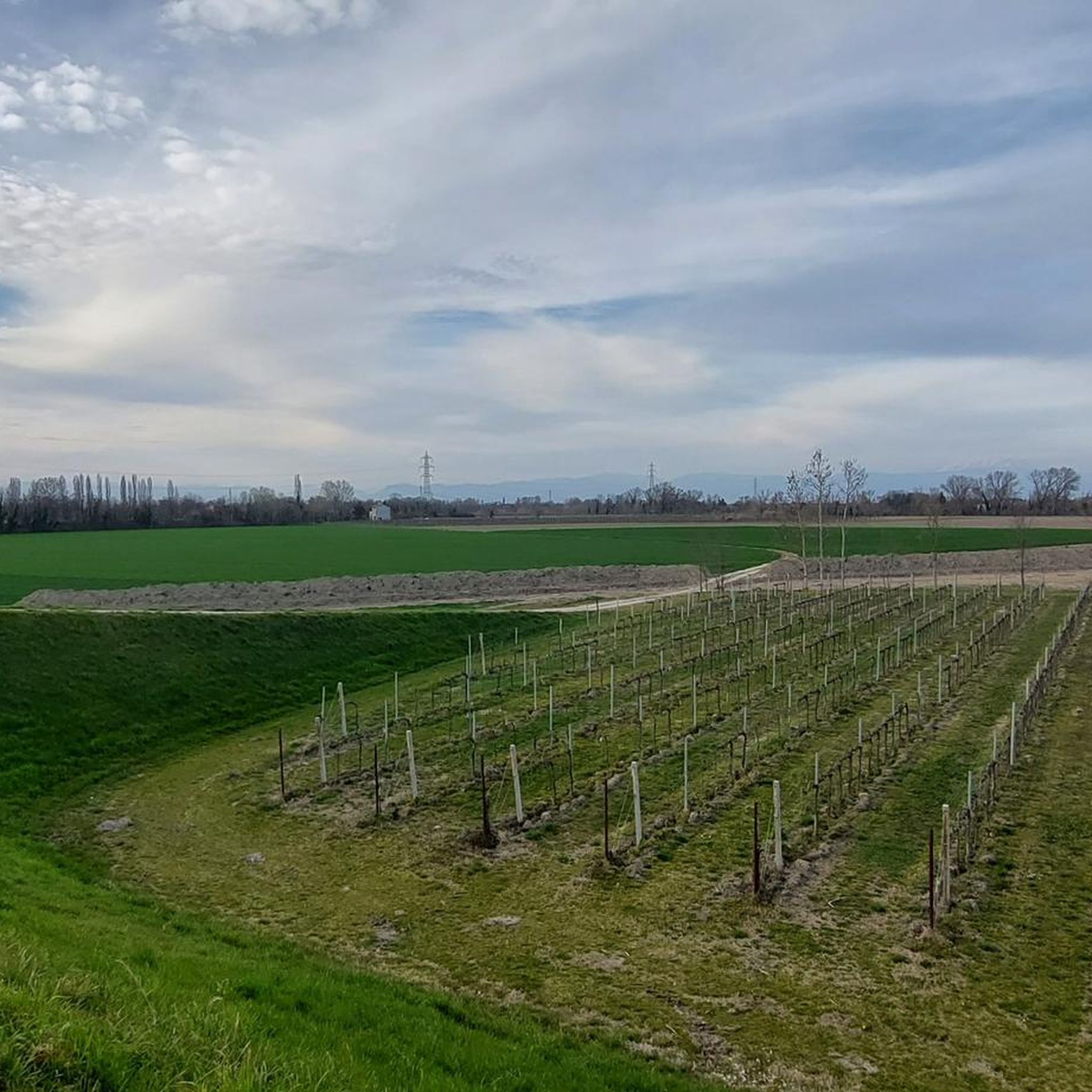
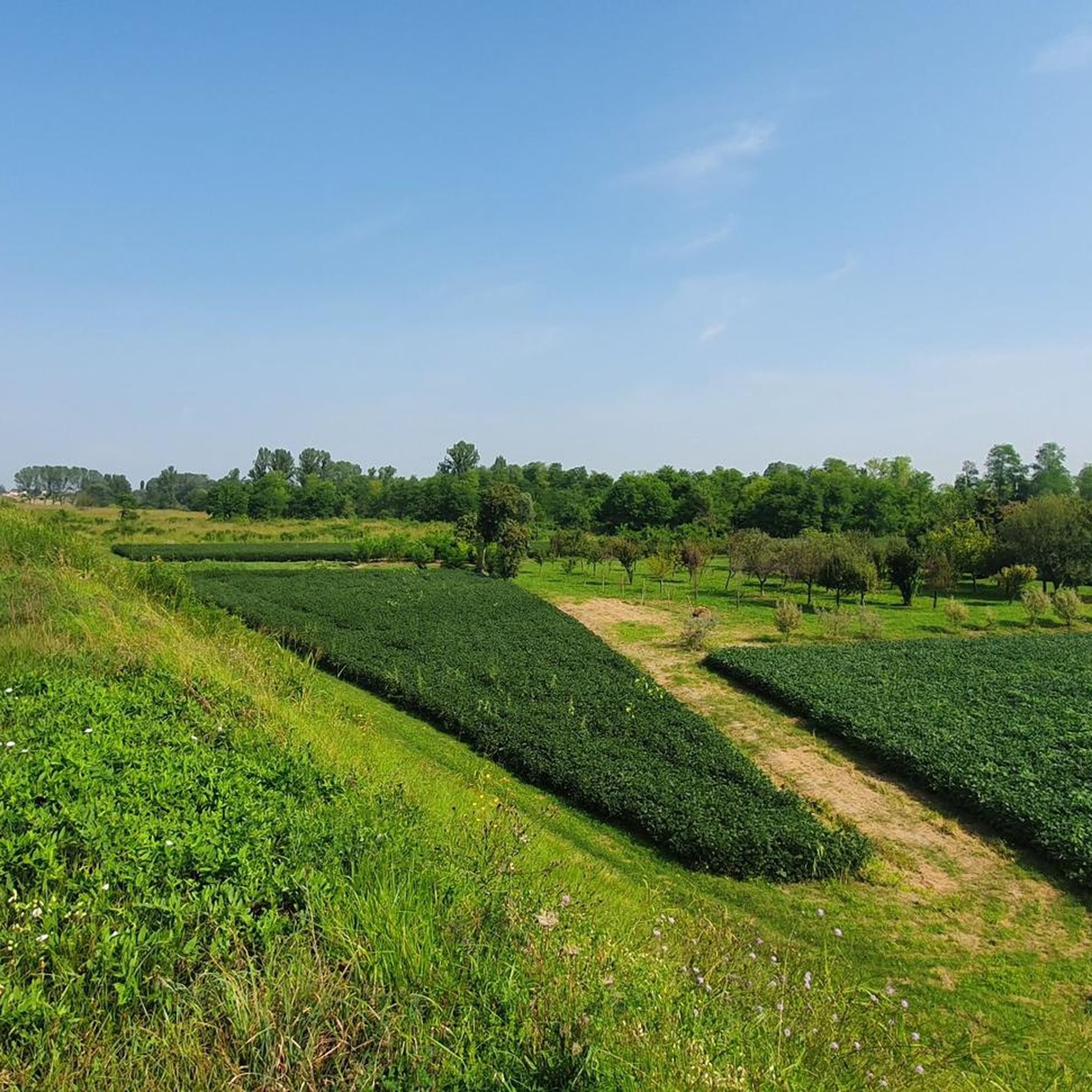
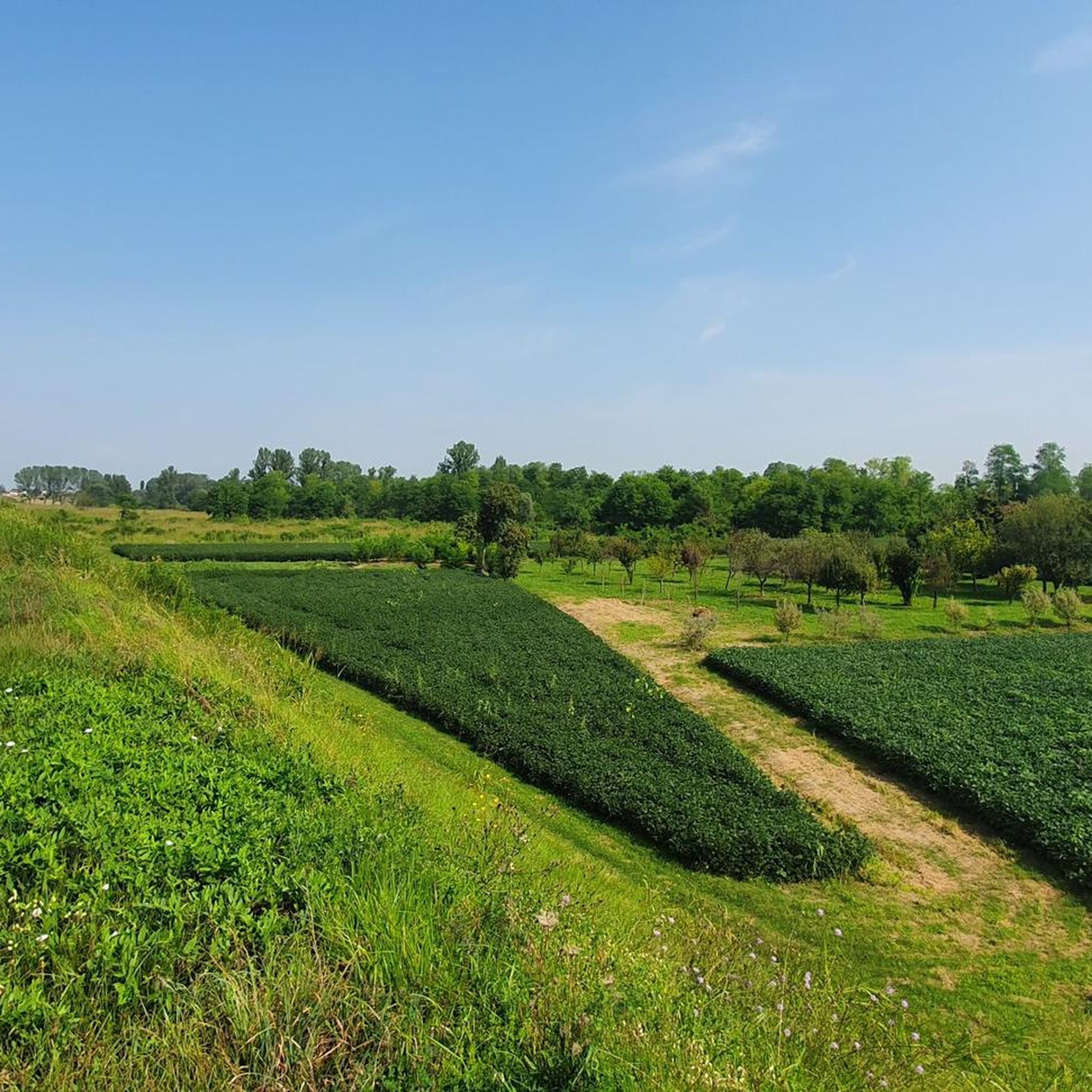
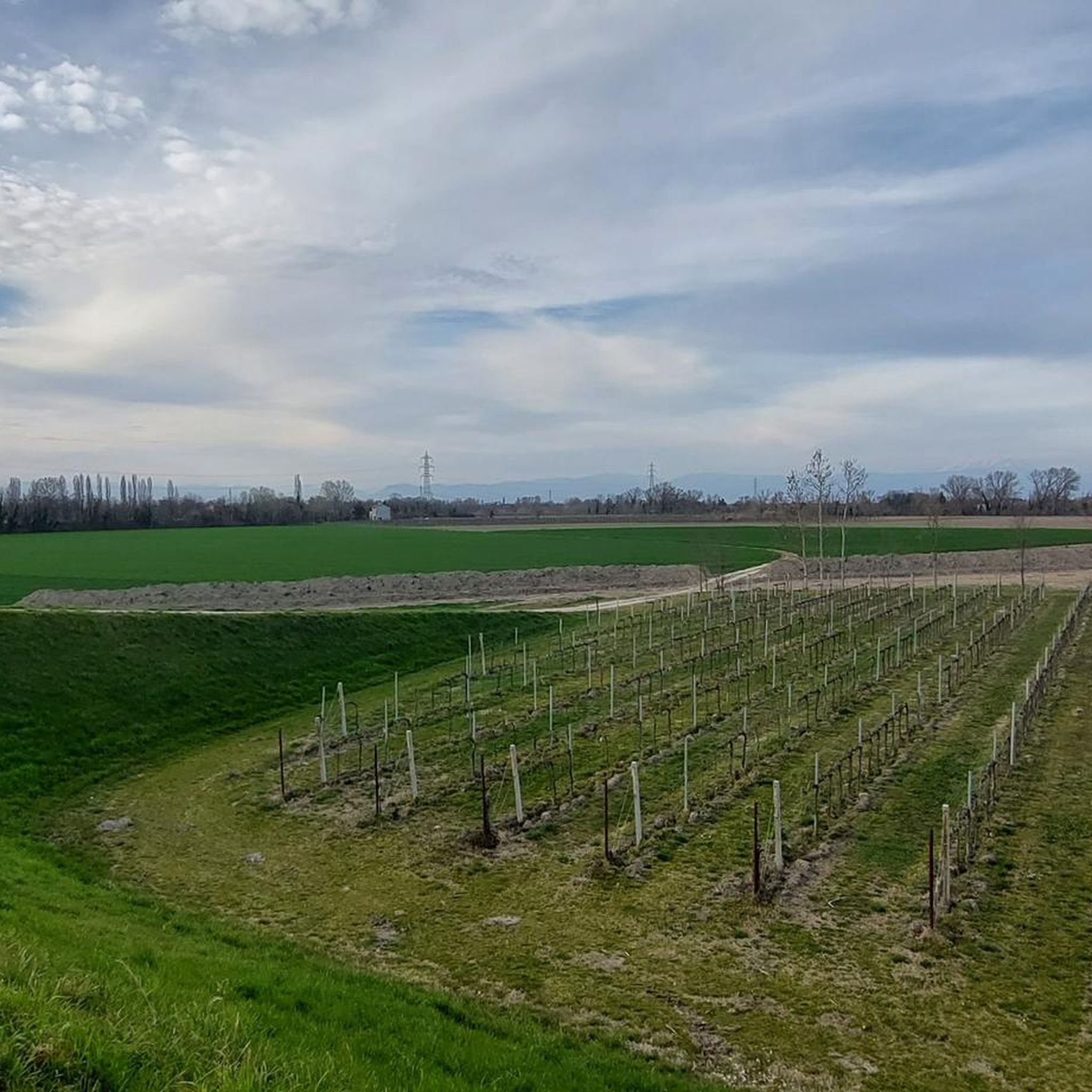
Tips from the Community

May '26: the old champion is still standing and the foliage is getting thicker
0
0

A former port site, lovingly transformed into a park, with historical images. A must-see, and not just for historians.
2
0

The Grassaga, a canal of the Lower Piave, "is born" near Roncadelle: the spring water seems to come out of this pipe that connects it to the Bidoggia canal, which in this photo is beyond the houses and the road that runs alongside it: via Bidoggia di Roncadelle, in fact, which then becomes via Postumia di Faè.
0
0
Visited today: it looks bald, but we'll wait for the warm season to judge it. In the meantime, take a look at the branches that they cut
0
0
The old name of the Meolo river is Pero. This is why, in these parts, river and place names blend together
0
0
Sources of the Grassaga river near the SP 7 in the Roncadelle hamlet in the municipality of Ormelle in the province of Treviso.
11
0
The sources of the Meolo river are about 200 m away. from the bridge, unfortunately it was not possible to approach them because they were fenced off. It originates east of Breda di Piave, in the Campagne area, and flows for about twenty kilometers in the provinces of Treviso and Venice, crossing, among others, San Biagio di Callalta and Monastery of Treviso. At the town of the same name, the river bifurcates: the new main axis, maintaining the name of the Meolo river, heads south and flows shortly afterwards into the Vallio; the historic course, called the Meolo flowway, moves towards the south-east and its waters flow partly into the Colatore Principale reclamation canal and partly, by means of a structure that bypasses the previous watercourse, into the Fossetta canal. This situation is the result of the reclamation that affected the Lower Piave and was completed in the 1930s. Along its course there are country residences built by Venetian families between the 15th and the 19th centuries as well as the former Abbey of Santa Maria di Pero
11
0
Frequently Asked Questions
What are the main natural features defining the landscape around Zenson Di Piave?
The landscape around Zenson Di Piave is primarily shaped by the presence of the Piave River, which forms its northern and eastern boundaries. The area is characterized by flat terrain, extensive cultivated fields, and vineyards, all influenced by the river's historical course and its surrounding ecosystem.
Beyond the main river, what are some unique natural monuments to visit around Zenson Di Piave?
You can explore several distinct natural monuments. Don't miss the Majestic Black Poplar, a striking large tree standing alone amidst agricultural fields. Another interesting site is the Source of the Meolo River, marking the origin of a river that flows through the provinces of Treviso and Venice. Additionally, the Bosco Olmè offers a natural wood environment with diverse flora and fauna.
Are there any historical natural monuments in the area?
Yes, the Old River Port of Noventa di Piave is a significant historical and natural monument. This site marks an ancient river port on the Piave, dating back to the 10th century, and now features a park with a landing place and barbecue area. The Piave River itself also holds immense historical significance, often referred to as a 'sacred river' due to its role in Italian history, particularly during World War I.
What kind of outdoor activities can I do near the natural monuments?
The area around Zenson Di Piave is excellent for various outdoor activities, especially cycling and hiking. You can explore routes like the 'Piave Vecchia Cycle Path' or discover trails through forests with diverse surfaces. For more detailed route information, you can check out guides for Gravel biking around Zenson Di Piave, MTB Trails around Zenson Di Piave, and Road Cycling Routes around Zenson Di Piave.
Are there family-friendly natural monuments or activities?
Many natural monuments in the area are suitable for families. The Old River Port of Noventa di Piave offers a park with a barbecue area, perfect for a family outing. The Majestic Black Poplar and the Source of the Meolo River are also considered family-friendly spots for a visit. Additionally, the Piave Vecchia Cycle Path provides a serene environment for cycling and walking with children.
What is the best time of year to visit the natural monuments around Zenson Di Piave?
The best season for outdoor activities and visiting the natural monuments around Zenson Di Piave is generally spring and autumn when the weather is mild and pleasant for cycling and walking. Summer can also be enjoyable, but it can get quite warm, so early mornings or late afternoons are preferable for activities.
Can I find trails suitable for beginners or easy walking routes?
Yes, the area offers various trails, including easy walking routes. The Piave Vecchia Cycle Path, for instance, is a beautiful and relatively flat route along the ancient bed of the Piave River, suitable for relaxed walks. Many paths along the riverbanks are also gentle and accessible for beginners.
Are there any natural monuments related to river sources?
Indeed. You can visit the Source of the Meolo River, which marks the origin of the Meolo River. Another interesting spot is the Sources of the Grassaga River, located near Roncadelle, where spring water emerges to form part of the Basso Piave canal system.
What kind of terrain can I expect on hiking and cycling trails?
The terrain around Zenson Di Piave is predominantly flat. Trails often feature surfaces of sand and gravel, especially along the Piave Vecchia Cycle Path. Some paths through forests may include sections of mud, particularly after rain. The landscape is generally easy to navigate, with minimal elevation changes.
What do visitors enjoy most about the natural monuments in this region?
Visitors appreciate the tranquility and natural beauty offered by the Piave River and its associated network of paths. The historical significance of sites like the Old River Port of Noventa di Piave and the unique presence of the Majestic Black Poplar are also highly valued. The opportunity for peaceful cycling and walking in a serene environment, connecting with both nature and history, is a major draw.
Are there any forests or woodlands to explore?
Yes, the Bosco Olmè is a significant natural wood in the area. Spanning 28 hectares, it's the largest wood of its kind in the Venetian Plain, consisting of various trees like white willow, hornbeam, oak, and elm. It also hosts a rich undergrowth and is home to a variety of mammals, offering a great spot for nature exploration.
Most popular routes around Zenson Di Piave
Most popular attractions around Zenson Di Piave

Get inspired with the komoot mobile app


Explore more
Extend your search for the best caves by checking out these guides of the top ones around Zenson Di Piave:
