Top 5 Natural Monuments around Gorgo Al Monticano
Best natural monuments around Gorgo Al Monticano are primarily centered around the Monticano River, a significant natural feature flowing through the region. The area is characterized by its riparian environment, cultivated fields, and green spaces. These natural areas offer opportunities for exploring the local ecosystem and experiencing the rural landscape. The region provides a blend of natural beauty and historical elements connected to its waterways.
Best natural monuments around Gorgo Al Monticano
- The most popular natural monuments is Old River…
Last updated: June 1, 2026
Old River Port of Noventa di Piave
Highlight • Historical Site
The origin of the river port …
Translated by Google •
Tip by

Palù del Bandiziol
Highlight • Lake
Showing Translation
Tip by
Sign up now to discover places like this
Get recommendations on the best single tracks, peaks, & plenty of other exciting outdoor places.
Sign up for free
Confluence of the Monticano and Livenza Rivers
Highlight • River
Translated by Google •
Tip by

Confluence of the Lia and Monticano Rivers
Highlight • River
Translated by Google •
Tip by

Sources of the Grassaga River
Highlight • River
Translated by Google •
Tip by
Sign up for free to discover even more natural monuments around Gorgo Al Monticano.
Sign up for free
Already have an account?
Start today with a free account
Your next adventure awaits.
Login or Signup
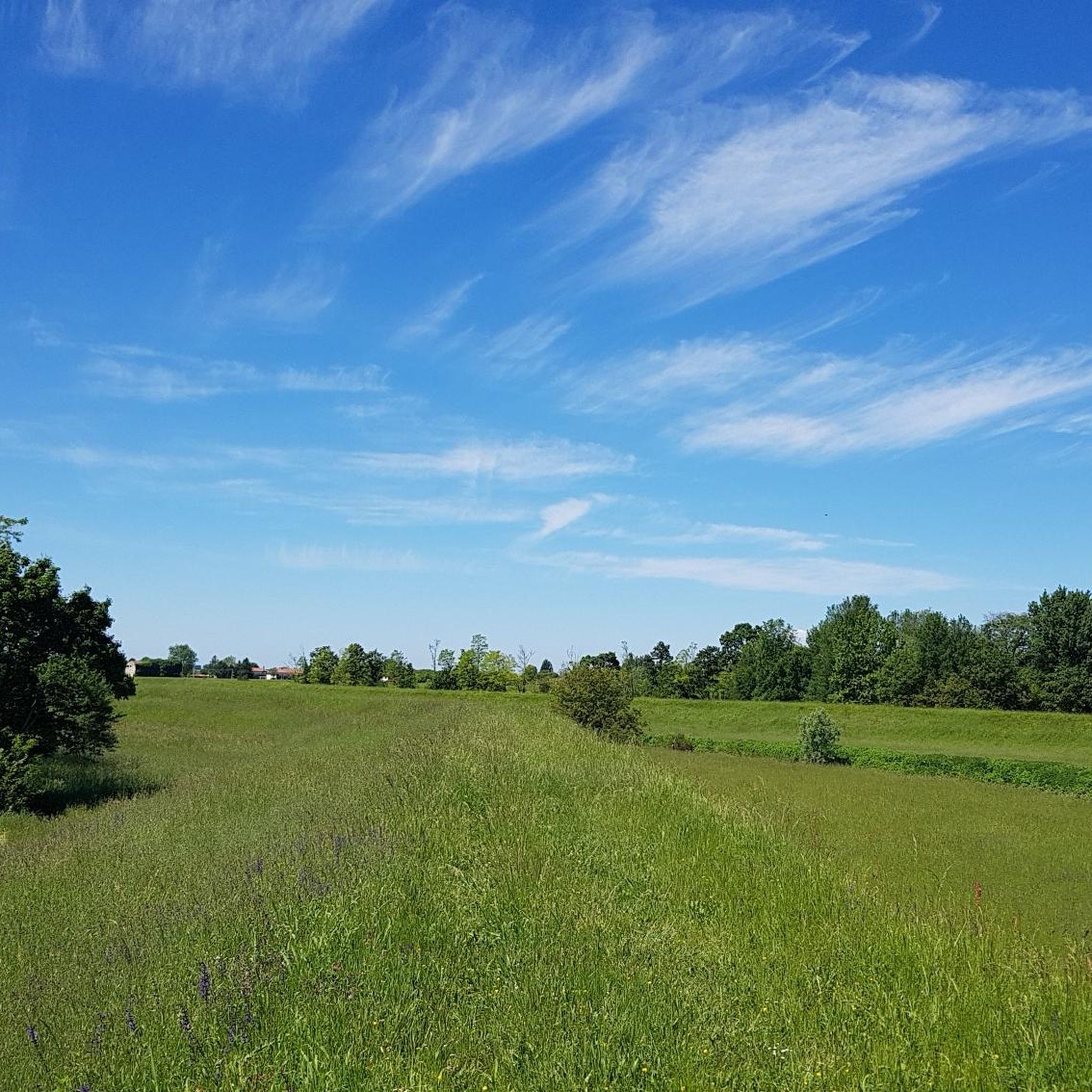
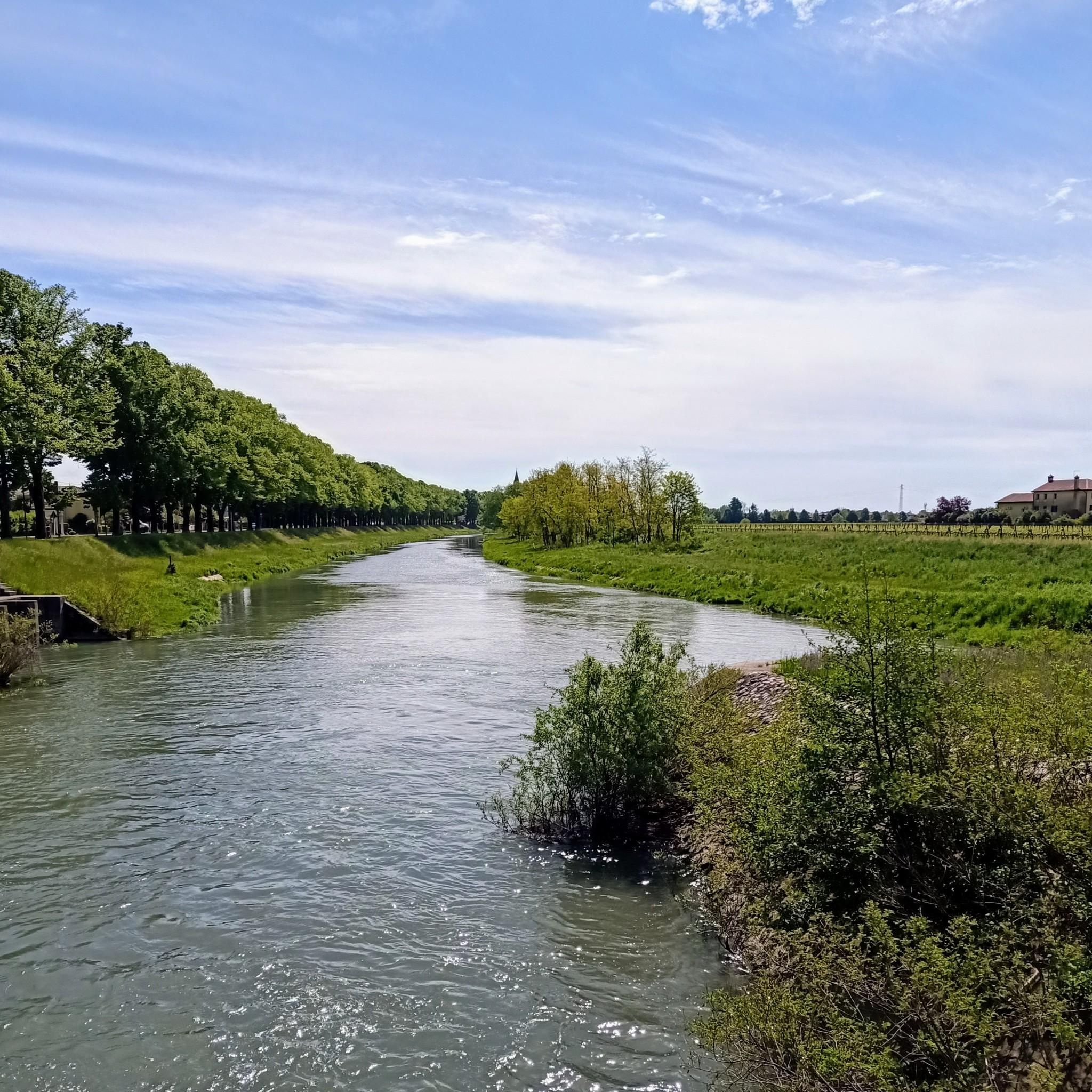
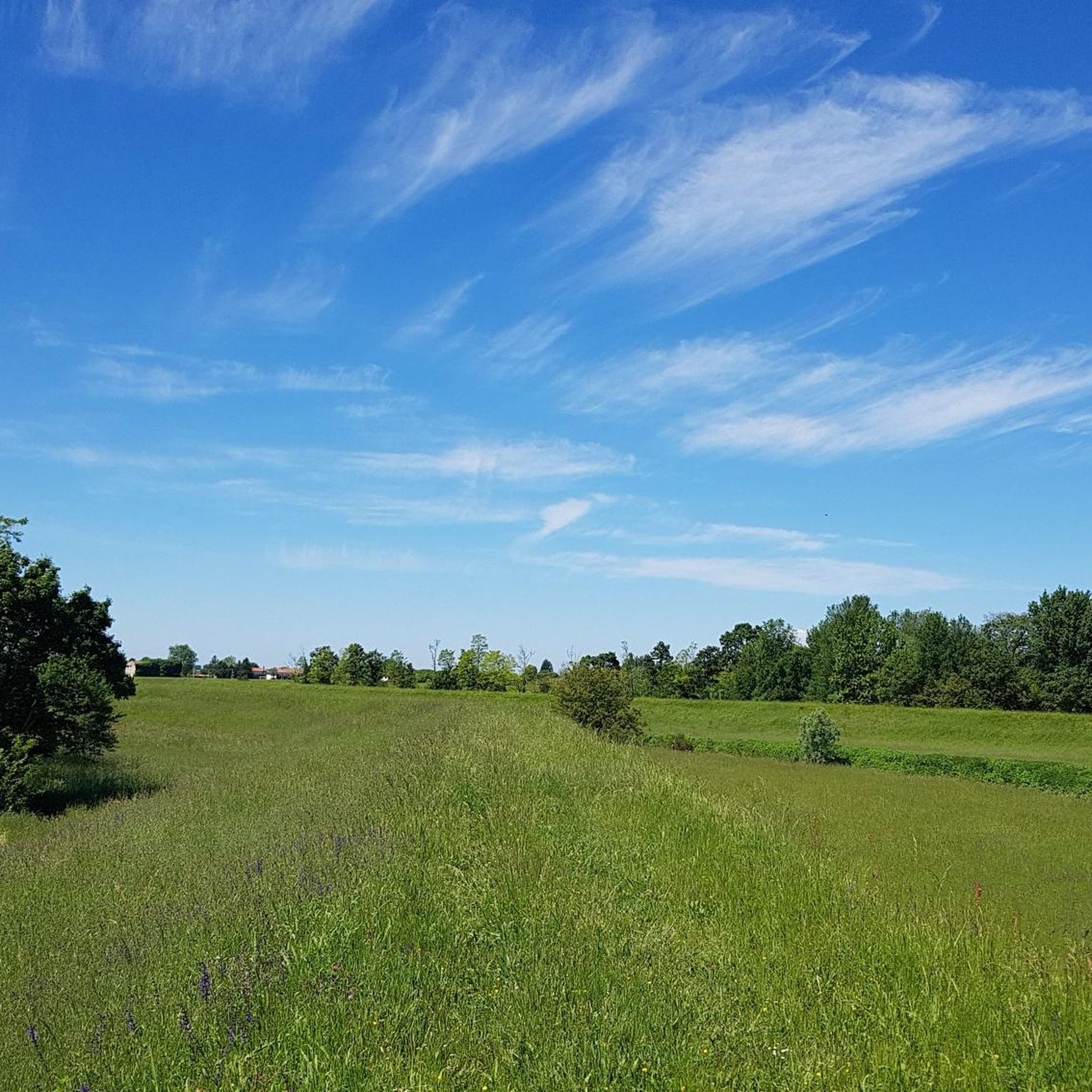
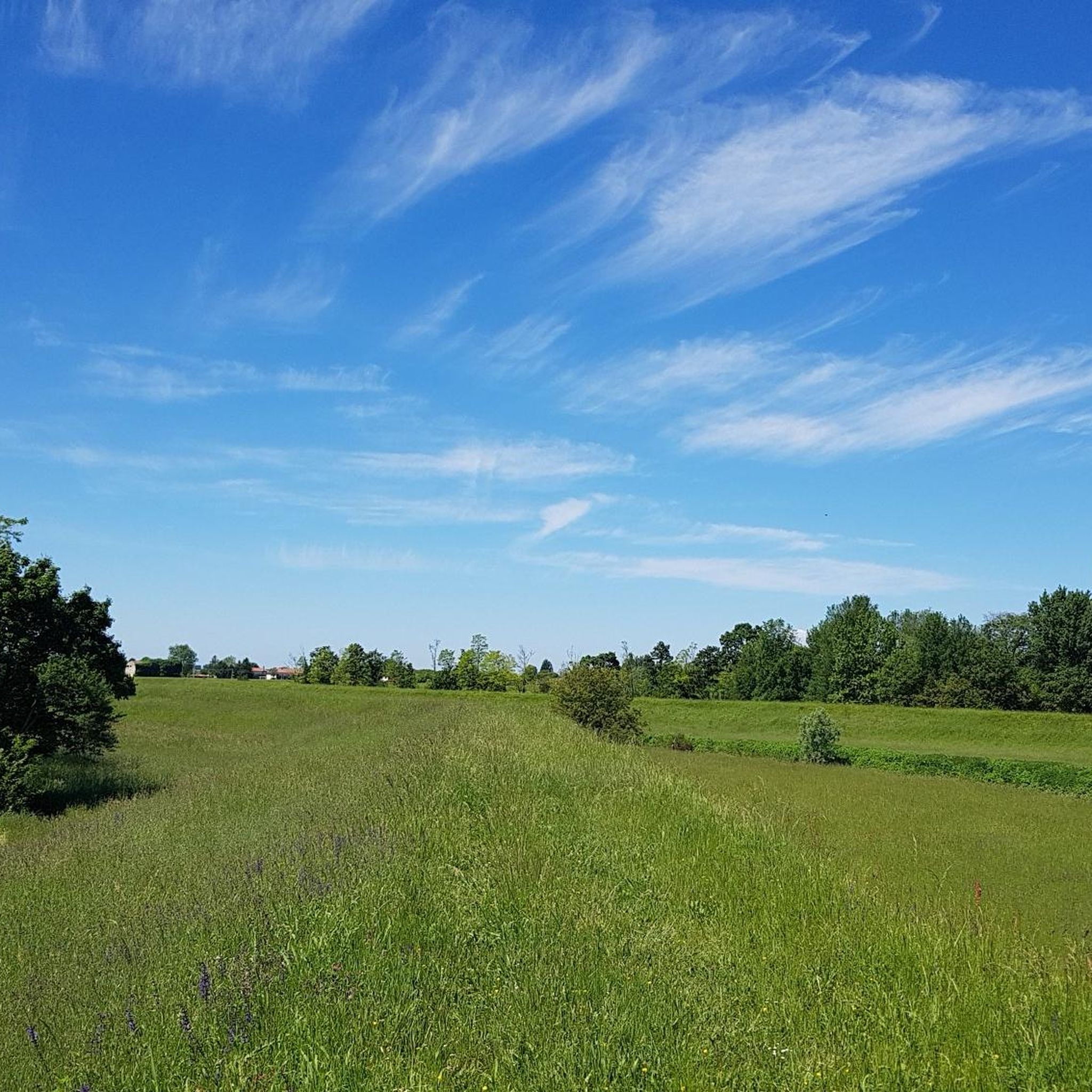

Tips from the Community

The Sanstino territory was characterized in its southern part by large lagoons and marshes until a few decades ago. Until the first half of the 20th century, these environments proved very harmful to humans, in various aspects, as they were a source of diseases, such as malaria, and were not sufficiently productive. Thus, with major land reclamation works, the land was taken from the water to make it cultivable and to obtain products that allowed many families to live. However, the lagoons were also a huge reservoir of biodiversity with many species of animals and plants that were largely destroyed during the land reclamation operations. It is also for this reason that, within the project for the historical reconstruction of the Bandiziol and Prassaccon woods, it was desired to leave a further mark of what the territory and landscape of S. Stino once were, by creating a wetland area, partly similar to the numerous wetlands once present even within the woods, called "bassone". This intervention is not only an operation of "philological" recovery of the pre-reclamation hydraulic system but, above all, presents a significant environmental value as it reconstructs the natural habitat of various bird species. The small lake is located in the eastern part of the Bosco di Bandiziol, covers an area of approximately 10,000 sq m and has a rounded shape with small islands within it. To better reproduce different lake habitats, the small lake has varying depths, from a few centimeters to over 2 meters, thus offering many bird species the opportunity to find a suitable environment to stay. In fact, in the shallower waters and marginal areas, it is possible to see herons, egrets, plovers, mallards, and other surface ducks. In the rest of the lake, there are divers, cormorants, and diving ducks that find food in open water or on deep bottoms. The islands and the winding perimeter shapes were created specifically to allow the avifauna to hide and find refuge, so that it can be disturbed as little as possible by human presence. In fact, the conformation of the banks and the vegetation (reeds, herbaceous and shrubby vegetation) offer all the necessary environments for the rest, feeding, and nesting of birds.
11
0

A former port site, lovingly transformed into a park, with historical images. A must-see, and not just for historians.
2
0

The Palù del Bandiziol is a wetland formed by a sulfur spring that, at its source, gives off the characteristic smell of rotten eggs. This wetland is of great naturalistic value due to the presence of numerous bird species.
1
0

peace and quiet, a tour for everyone.
0
0

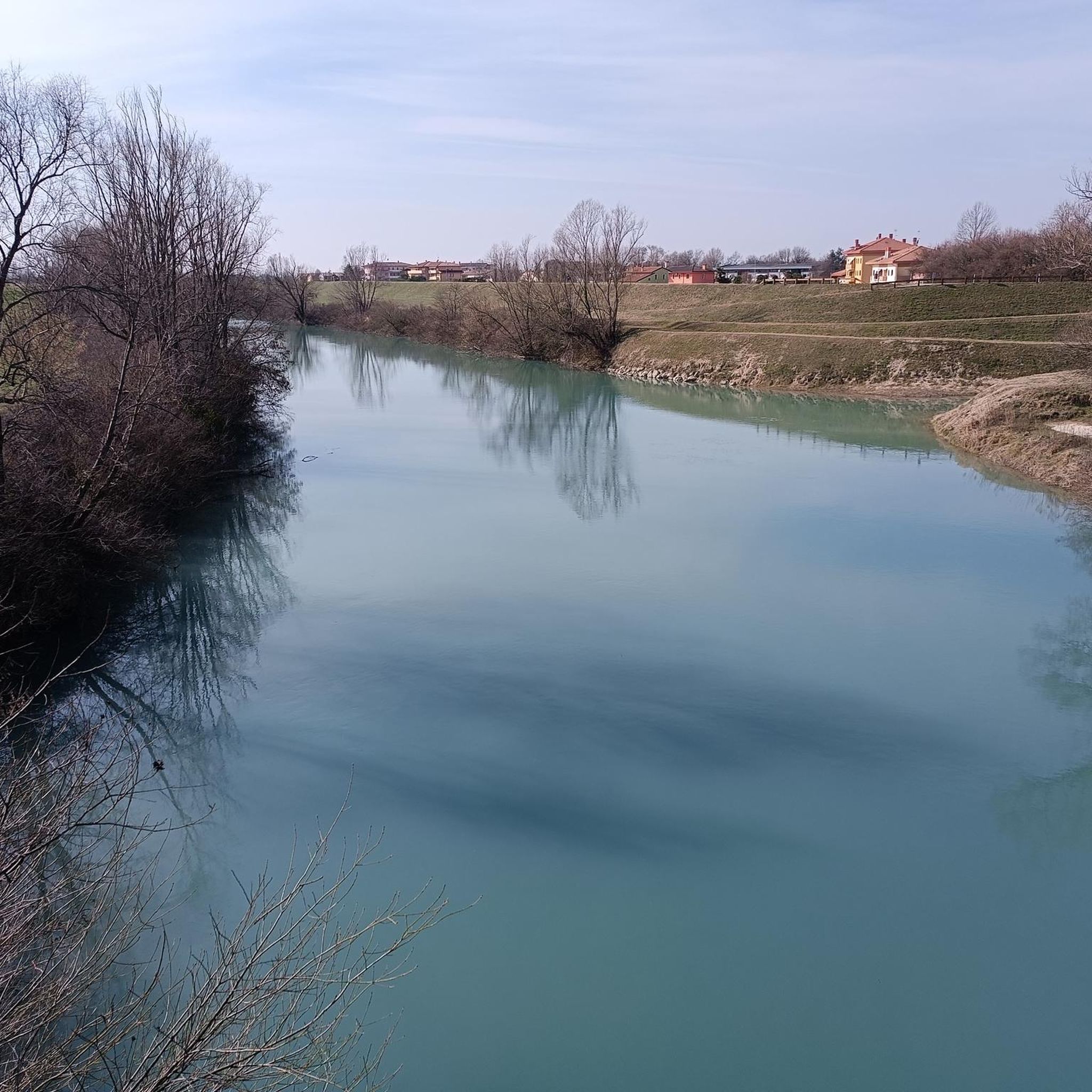
where the Monticano flows into the Livenza. The track is new, just widened and well beaten
0
0
The Grassaga, a canal of the Lower Piave, "is born" near Roncadelle: the spring water seems to come out of this pipe that connects it to the Bidoggia canal, which in this photo is beyond the houses and the road that runs alongside it: via Bidoggia di Roncadelle, in fact, which then becomes via Postumia di Faè.
0
0
Bosco Bandiziol, a green lung between San Stino di Livenza and Loncon
0
0
Here we have reached the end of the descent of the Monticano river to the confluence with the Livenza river.
1
0
Frequently Asked Questions
What are some notable natural landmarks around Gorgo Al Monticano?
The area is rich in natural beauty, primarily centered around the Monticano River. Notable landmarks include the Confluence of the Monticano and Livenza Rivers, offering a peaceful setting, and Prà dei Gai, an extraordinary natural floodplain and forest area recognized for its ecological value.
What natural features can I expect to see in the Gorgo Al Monticano area?
You will primarily encounter river environments, such as the Monticano River and its riparian ecosystem, characterized by dense vegetation and cultivated fields. The region also features floodplains, forests, and the unique confluence points of various rivers, offering diverse natural landscapes.
Are there family-friendly natural monuments around Gorgo Al Monticano?
Yes, several natural monuments are suitable for families. The Old River Port of Noventa di Piave is a park with barbecue facilities, ideal for a family outing. The Confluence of the Monticano and Livenza Rivers and Prà dei Gai are also considered family-friendly, offering gentle exploration opportunities.
Are there any historical sites connected to nature in the area?
Yes, the Old River Port of Noventa di Piave is a significant historical site that once served as a vital river port on the Piave. It's now a park, offering a glimpse into the region's past river trade while enjoying the natural surroundings.
What outdoor activities can I do near these natural monuments?
The area around Gorgo Al Monticano is excellent for various outdoor activities. You can explore numerous cycling paths, including the TV3 GiraMonticano cycle path along the Monticano River, and enjoy walking or running. For more specific routes, you can find options for road cycling, gravel biking, and running trails in the region.
Are there cycling paths or routes along the Monticano River?
Yes, the TV3 GiraMonticano cycle path is a significant route that closely follows the Monticano River. This approximately 25-kilometer cycle-pedestrian path offers a scenic way to experience the river corridor and its natural beauty, connecting Fontanelle to Motta di Livenza.
Where can I find viewpoints of the natural landscape?
Excellent viewpoints can be found at the Confluence of the Monticano and Livenza Rivers, where you can observe the meeting of these two waterways in a tranquil setting. The Confluence of the Lia and Monticano Rivers also provides a scenic spot to appreciate the river landscape.
Are there wheelchair-accessible natural monuments?
The Confluence of the Monticano and Livenza Rivers features a newly widened and well-beaten track, making it suitable for quiet exploration and generally accessible.
What is the best time to visit the natural monuments around Gorgo Al Monticano?
The Monticano River area and its natural monuments are enjoyable throughout the warmer months, from spring to early autumn. Spring offers lush greenery and pleasant temperatures, while autumn provides beautiful foliage. These seasons are ideal for walking, cycling, and general outdoor exploration.
Are there dog-friendly walks near the natural monuments?
Many of the natural areas and paths along the Monticano River, including the TV3 GiraMonticano cycle path and the general riparian environment, are suitable for dog walking. Always ensure your dog is on a leash and respect local regulations and other visitors.
What is the significance of the Monticano River in the region?
The Monticano River is a central natural feature of Gorgo Al Monticano, originating from Monte Piai and flowing through the area before joining the Livenza River. Its banks provide a peaceful setting for outdoor activities, and its ecosystem supports diverse flora, making it ideal for nature appreciation and gentle exploration.
What is the Parco del Monticano?
The Parco del Monticano is a dedicated green space within Gorgo al Monticano. While specific details are not extensively documented, it functions as a managed natural area, likely offering recreational opportunities such as relaxation and picnics, and preserving a segment of the river's natural surroundings for the community.
Most popular routes around Gorgo Al Monticano
Most popular attractions around Gorgo Al Monticano

Get inspired with the komoot mobile app


Explore more
Extend your search for the best caves by checking out these guides of the top ones around Gorgo Al Monticano:
