Top 4 Natural Monuments around Motta Di Livenza
Best natural monuments around Motta Di Livenza are defined by its significant river systems and unique natural floodplains. The area's landscape is shaped by the Livenza and Monticano rivers, which are central to its natural appeal and historical development. Prà dei Gai, a protected floodplain spanning over 600 hectares, contributes to diverse ecosystems and provides habitats for various wildlife. These natural features offer opportunities to explore the region's distinct geography.
Best natural monuments around Motta Di Livenza
- The most popular…
Last updated: July 12, 2026
Palù del Bandiziol
Highlight • Lake
Showing Translation
Tip by

Prà dei Gai
Highlight • Natural
Translated by Google •
Tip by

Sign up now to discover places like this
Get recommendations on the best single tracks, peaks, & plenty of other exciting outdoor places.
Sign up for free
Confluence of the Monticano and Livenza Rivers
Highlight • River
Translated by Google •
Tip by

Confluence of the Lia and Monticano Rivers
Highlight • River
Translated by Google •
Tip by

Bosco Olmè
Highlight • Forest
Translated by Google •
Tip by
Sign up for free to discover even more natural monuments around Motta Di Livenza.
Sign up for free
Already have an account?
Start today with a free account
Your next adventure awaits.
Login or Signup

Tips from the Community

The Sanstino territory was characterized in its southern part by large lagoons and marshes until a few decades ago. Until the first half of the 20th century, these environments proved very harmful to humans, in various aspects, as they were a source of diseases, such as malaria, and were not sufficiently productive. Thus, with major land reclamation works, the land was taken from the water to make it cultivable and to obtain products that allowed many families to live. However, the lagoons were also a huge reservoir of biodiversity with many species of animals and plants that were largely destroyed during the land reclamation operations. It is also for this reason that, within the project for the historical reconstruction of the Bandiziol and Prassaccon woods, it was desired to leave a further mark of what the territory and landscape of S. Stino once were, by creating a wetland area, partly similar to the numerous wetlands once present even within the woods, called "bassone". This intervention is not only an operation of "philological" recovery of the pre-reclamation hydraulic system but, above all, presents a significant environmental value as it reconstructs the natural habitat of various bird species. The small lake is located in the eastern part of the Bosco di Bandiziol, covers an area of approximately 10,000 sq m and has a rounded shape with small islands within it. To better reproduce different lake habitats, the small lake has varying depths, from a few centimeters to over 2 meters, thus offering many bird species the opportunity to find a suitable environment to stay. In fact, in the shallower waters and marginal areas, it is possible to see herons, egrets, plovers, mallards, and other surface ducks. In the rest of the lake, there are divers, cormorants, and diving ducks that find food in open water or on deep bottoms. The islands and the winding perimeter shapes were created specifically to allow the avifauna to hide and find refuge, so that it can be disturbed as little as possible by human presence. In fact, the conformation of the banks and the vegetation (reeds, herbaceous and shrubby vegetation) offer all the necessary environments for the rest, feeding, and nesting of birds.
11
0

The Palù del Bandiziol is a wetland formed by a sulfur spring that, at its source, gives off the characteristic smell of rotten eggs. This wetland is of great naturalistic value due to the presence of numerous bird species.
1
0

peace and quiet, a tour for everyone.
0
0

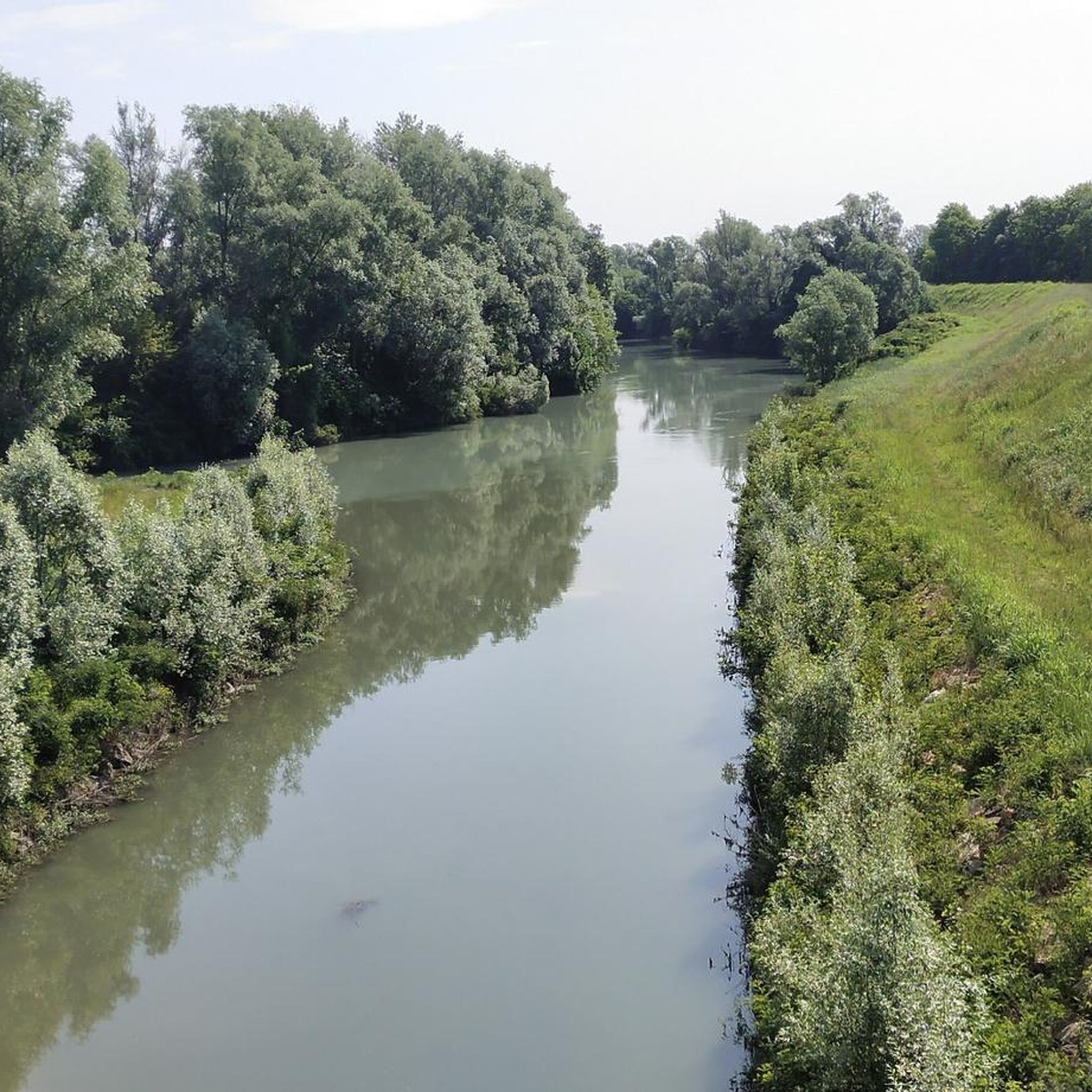
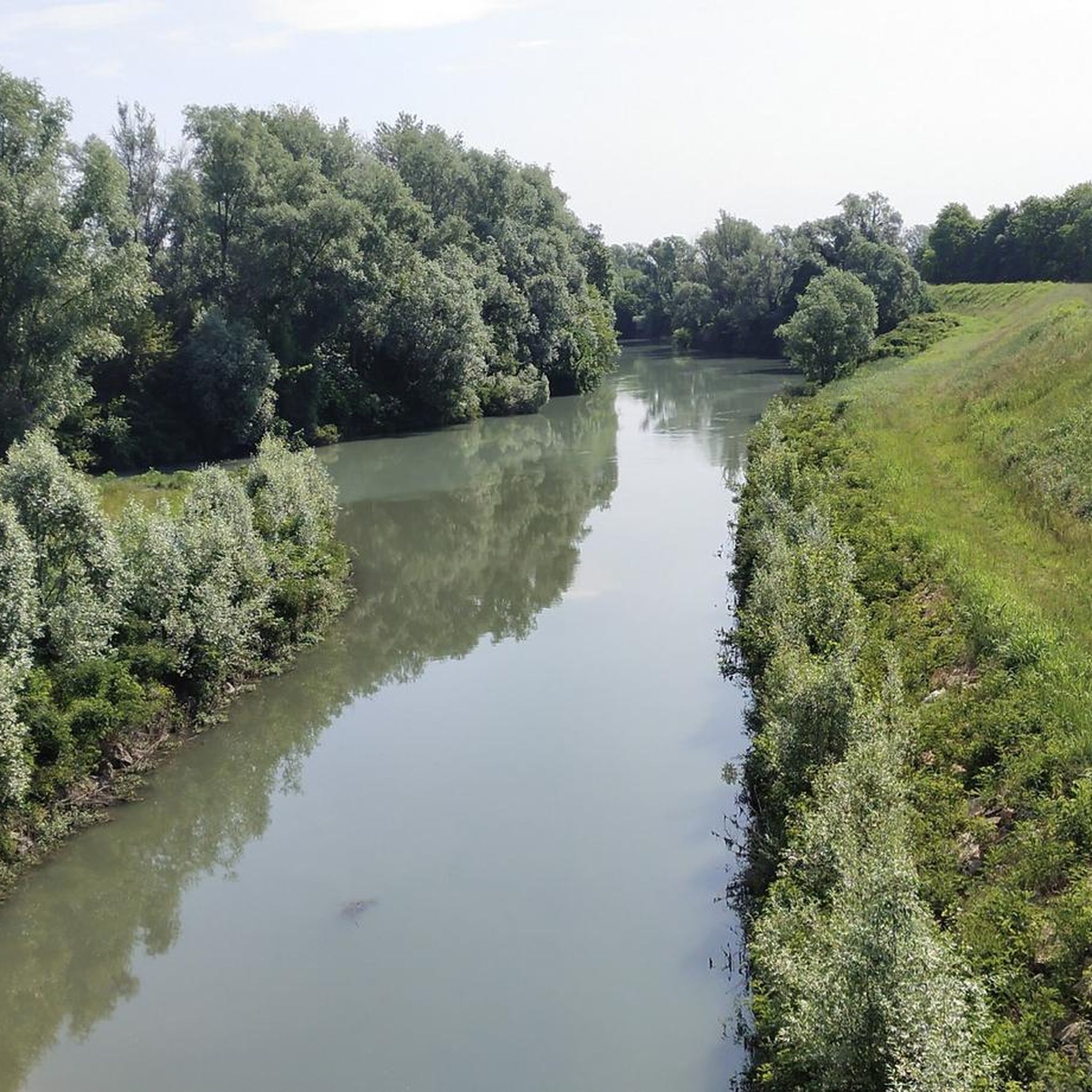
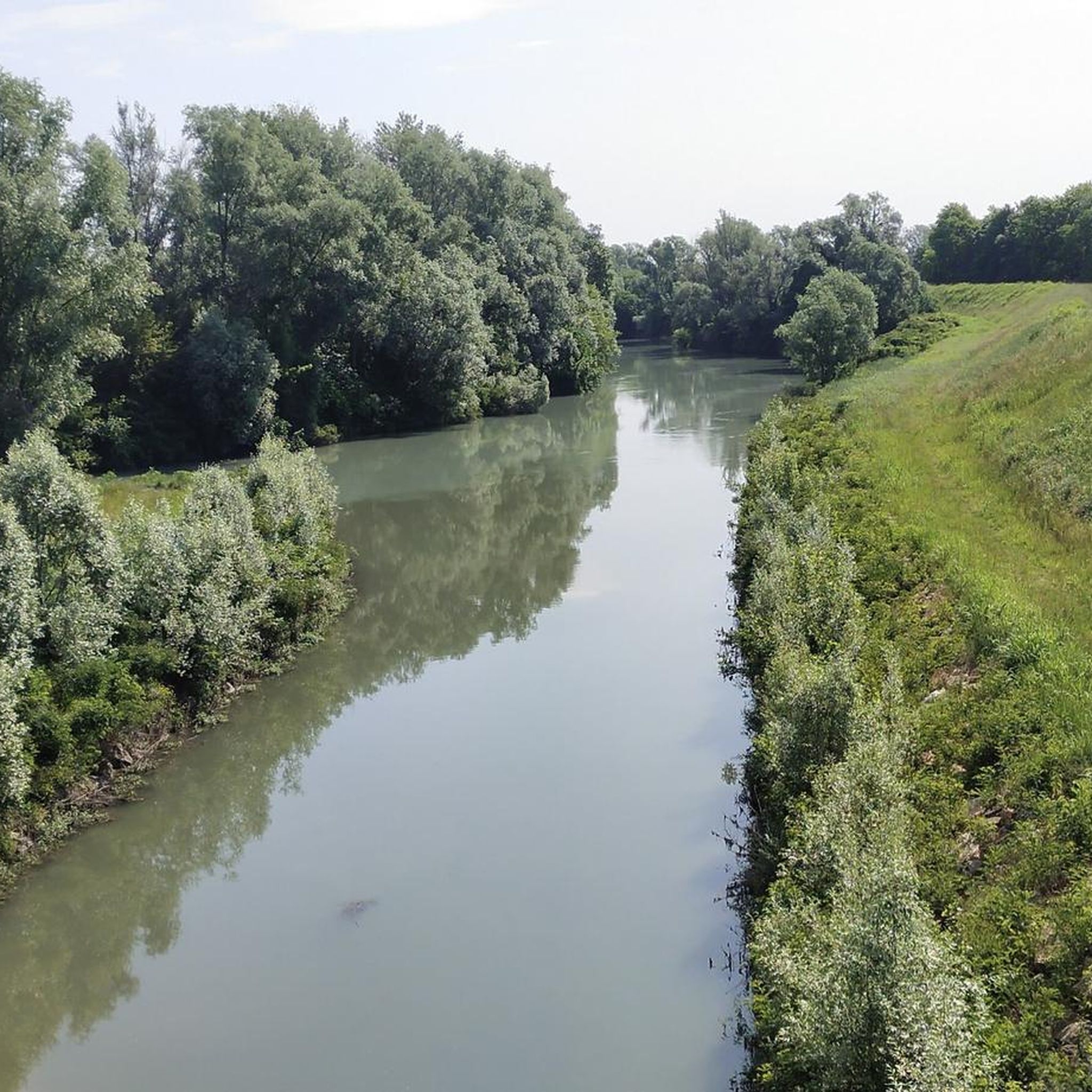
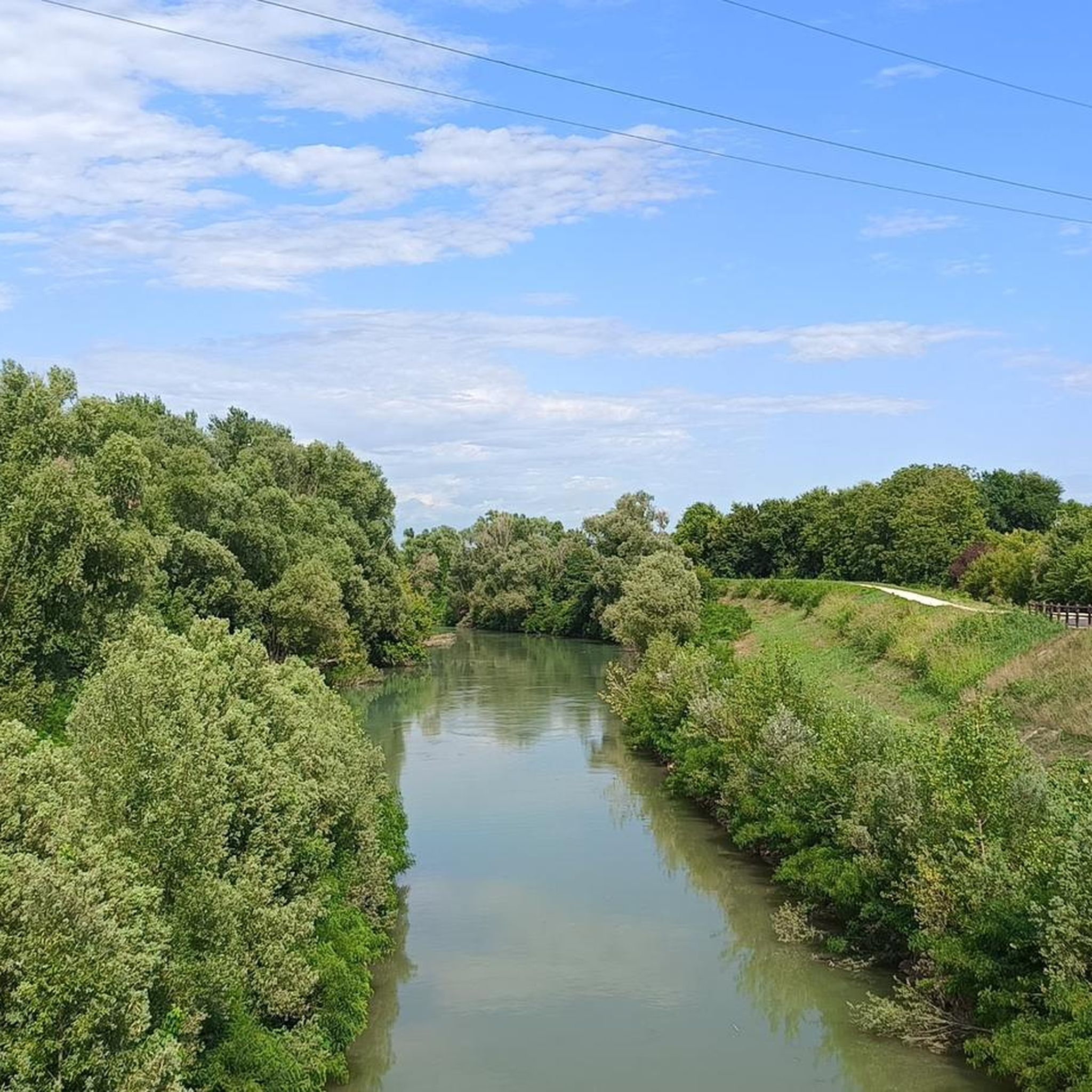
where the Monticano flows into the Livenza. The track is new, just widened and well beaten
0
0
Bosco Bandiziol, a green lung between San Stino di Livenza and Loncon
0
0
Here we have reached the end of the descent of the Monticano river to the confluence with the Livenza river.
1
0
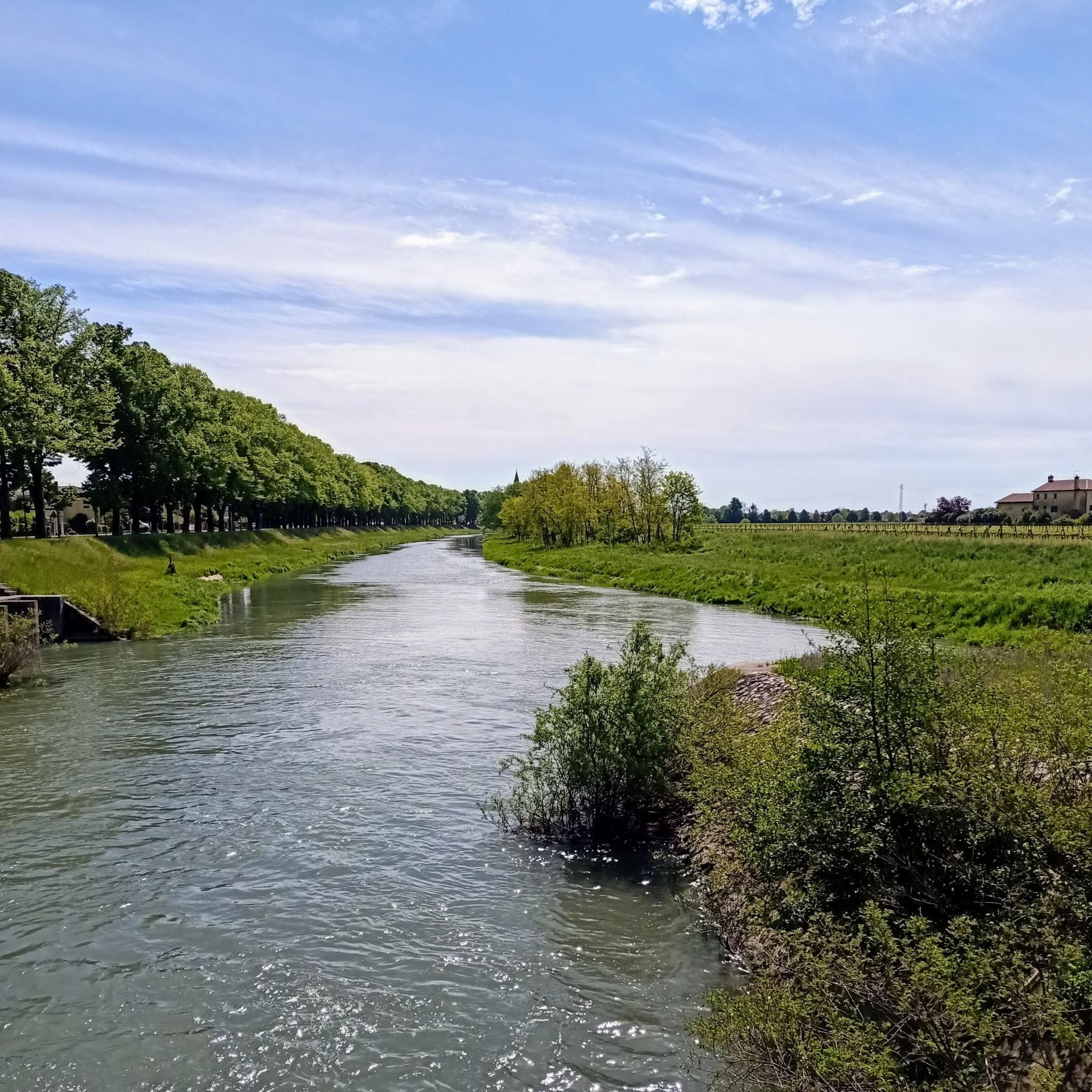
The Lia river ends here: it delivers its waters to the Monticano and in turn leaves them to the Livenza to reach the sea. The Lia is an ancient river that marks the territory. Born in what is now the Gambrinus park (that of the shrimp of this river), you can cross it under the bridge of the Church of the Templars of Ormelle and you can hardly follow its meanders in Colfrancui. Here you can greet its waters and its millenary memory of this territory
0
0

An extraordinary natural floodplain spread over six hundred hectares of stable lawn. Considering their naturalistic and faunal value, the Prà dei Gai have been declared a protected area by the European Community and included in the territorial development project of the LAG 5. In the past decades, the Prà lands were municipal and at the dawn of spring, with a public auction, the local farmers won small plots for grazing and harvesting hay.
3
0
Frequently Asked Questions
What are the most significant natural features around Motta Di Livenza?
The natural landscape of Motta Di Livenza is primarily defined by its river systems and unique floodplains. Key features include the Livenza and Monticano Rivers, which are central to the area's natural beauty and historical development, and Prà dei Gai, an extensive protected floodplain.
Are there any protected natural areas near Motta Di Livenza?
Yes, Prà dei Gai is an exceptional natural floodplain spanning over 600 hectares. It has been recognized as a protected area by the European Community due to its significant naturalistic and faunal value, serving as an important grazing area and a crucial natural expansion basin during river floods.
What kind of wildlife can be observed in the natural areas of Motta Di Livenza?
The Livenza River and its banks provide a habitat for diverse wildlife, including various fish species like trout and pike, and numerous bird species such as herons and kingfishers. Prà dei Gai is particularly important for birdwatching, especially during migratory periods, due to its unique ecosystem.
Are there family-friendly natural monuments to visit in the area?
Absolutely. The Confluence of the Monticano and Livenza Rivers offers a peaceful spot on a newly widened, well-beaten track, suitable for everyone. The Confluence of the Lia and Monticano Rivers is another accessible viewpoint. Prà dei Gai also offers open spaces for families to enjoy nature.
What outdoor activities can I do near the natural monuments?
The area around Motta Di Livenza is excellent for various outdoor activities. You can explore MTB trails, gravel biking routes, and running trails. For example, there are numerous routes like the 'Ponte di Fratta – Ponte Opitergino loop' for MTB, or the 'Motta di Livenza Town Center loop' for gravel biking. You can find more details on these activities in the MTB Trails around Motta Di Livenza, Gravel biking around Motta Di Livenza, and Running Trails around Motta Di Livenza guides.
Where can I see the confluence of rivers in Motta Di Livenza?
You can visit the Confluence of the Monticano and Livenza Rivers, where the Monticano flows into the Livenza. Another significant spot is the Confluence of the Lia and Monticano Rivers, marking the end of the ancient Lia river's journey.
Is there an ancient forest or woodland to explore?
Yes, Bosco Olmè is a natural wood spanning 28 hectares, making it the largest approachable ancient forest in the Venetian Plain. It features a diverse mix of trees like white willow, hornbeam, oak, and elm, along with a rich undergrowth and a variety of mammals.
What is the best time to visit the natural monuments around Motta Di Livenza?
The natural areas, especially the riverbanks and floodplains like Prà dei Gai, are beautiful throughout the year. Spring and autumn offer pleasant temperatures for outdoor activities and birdwatching, particularly during migratory periods. The calm waters of the Livenza are enjoyable for activities like kayaking and canoeing during warmer months.
Are there any historical or cultural sites connected to the natural landscape?
Yes, the town's historical development is closely linked to its position along the Livenza River, which was once an important trade route. Within Prà dei Gai, a monumental oak tree serves as a historical landmark tied to local peasant culture. The Confluence of the Lia and Monticano Rivers also holds historical memory, as the Lia is an ancient river that marked the territory.
Can I find trails suitable for cycling along the rivers?
Yes, the banks of the Livenza River are ideal for cycling. The area offers various cycling routes, including gravel biking options. You can find detailed routes and guides, such as those mentioned in the Gravel biking around Motta Di Livenza guide, which include loops like the 'Bandiziol Wood – GiraMonticano Cycle Path loop'.
What do visitors appreciate most about the natural monuments in Motta Di Livenza?
Visitors particularly enjoy the peace and quiet found at spots like the Confluence of the Monticano and Livenza Rivers. The extensive natural floodplains of Prà dei Gai are valued for their naturalistic beauty and ecological significance. The overall appeal lies in the blend of scenic beauty, ecological importance, and recreational opportunities offered by the river systems and protected areas.
Most popular routes around Motta Di Livenza
Most popular attractions around Motta Di Livenza

Get inspired with the komoot mobile app


Explore more
Extend your search for the best caves by checking out these guides of the top ones around Motta Di Livenza:
