Top 20 Natural Monuments around Caragnani/Calangianus
Best natural monuments around Caragnani/Calangianus showcase a diverse landscape characterized by granite formations, ancient trees, and extensive forests. This region in Sardinia features significant geological wonders, including large inselbergs and weathered rock formations. The area is also home to ancient flora and diverse ecosystems, making it a notable destination for nature exploration.
Best natural monuments around Caragnani/Calangianus
- The most popular natural monuments is Elephant Rock of Telti, a natural monument that resembles an elephant from a distance. This fascinating…
Last updated: July 25, 2026
Monte Limbara
Highlight • Summit
Translated by Google •
Tip by

Li Muri Necropolis
Highlight • Historical Site
Translated by Google •
Tip by

Sign up now to discover places like this
Get recommendations on the best single tracks, peaks, & plenty of other exciting outdoor places.
Sign up for free
Punta Gjucantinu (Mount Limbara)
Highlight • Summit
Translated by Google •
Tip by

Elephant Rock of Telti
Highlight • Natural Monument
Translated by Google •
Tip by

Vallicciola Sequoias
Highlight • Forest
Translated by Google •
Tip by
Sign up for free to discover even more natural monuments around Caragnani/Calangianus.
Sign up for free
Already have an account?
Start today with a free account
Your next adventure awaits.
Login or Signup

Tips from the Community

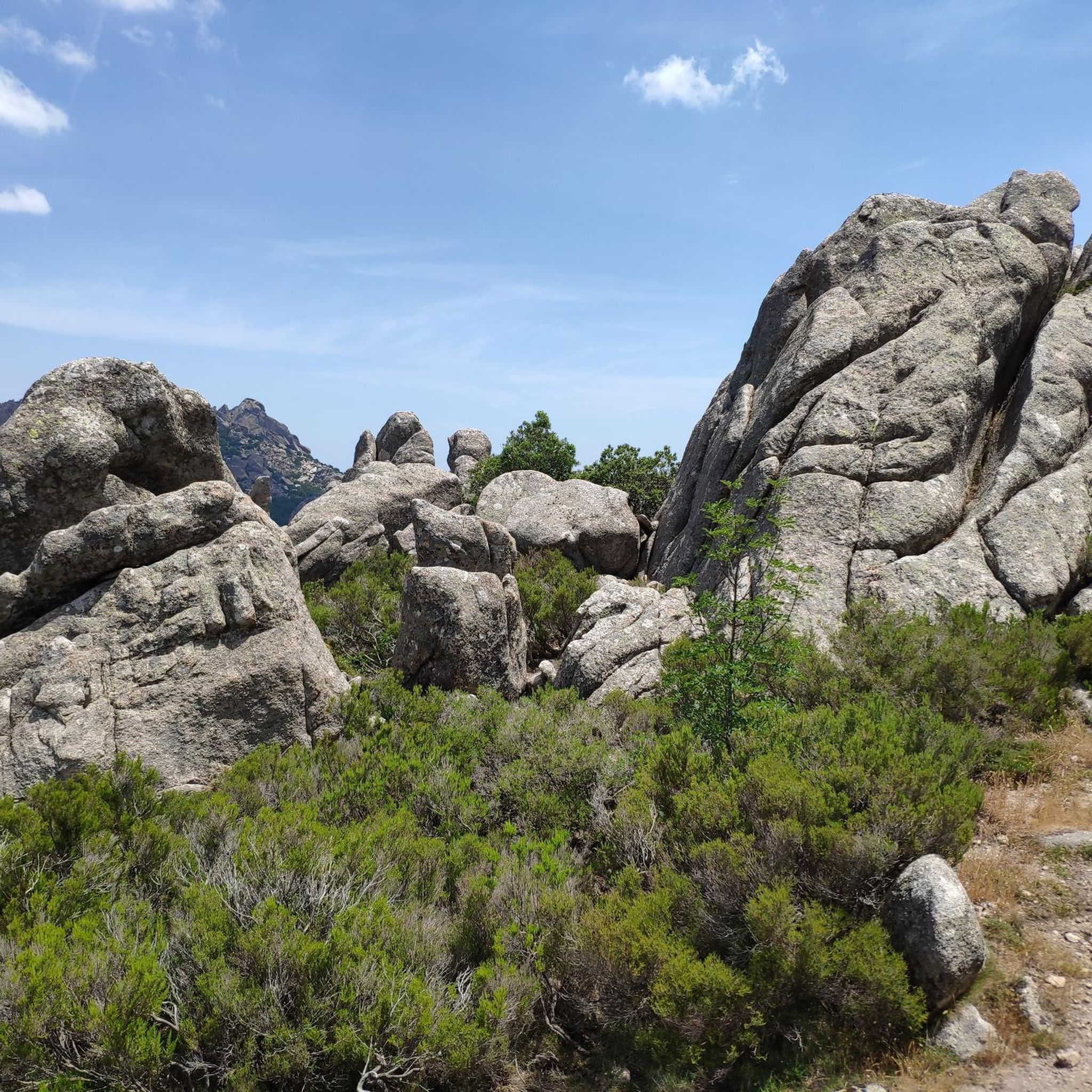
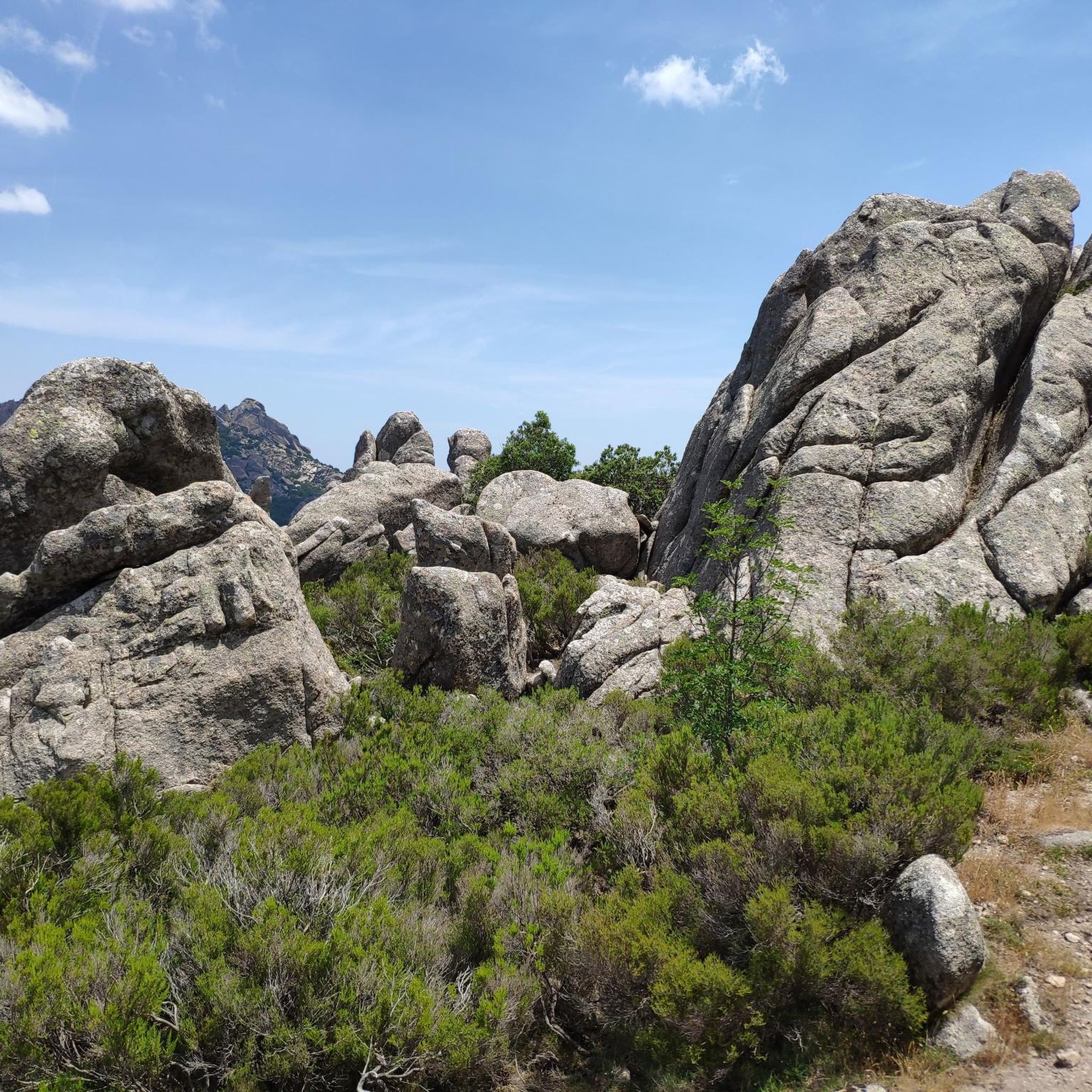
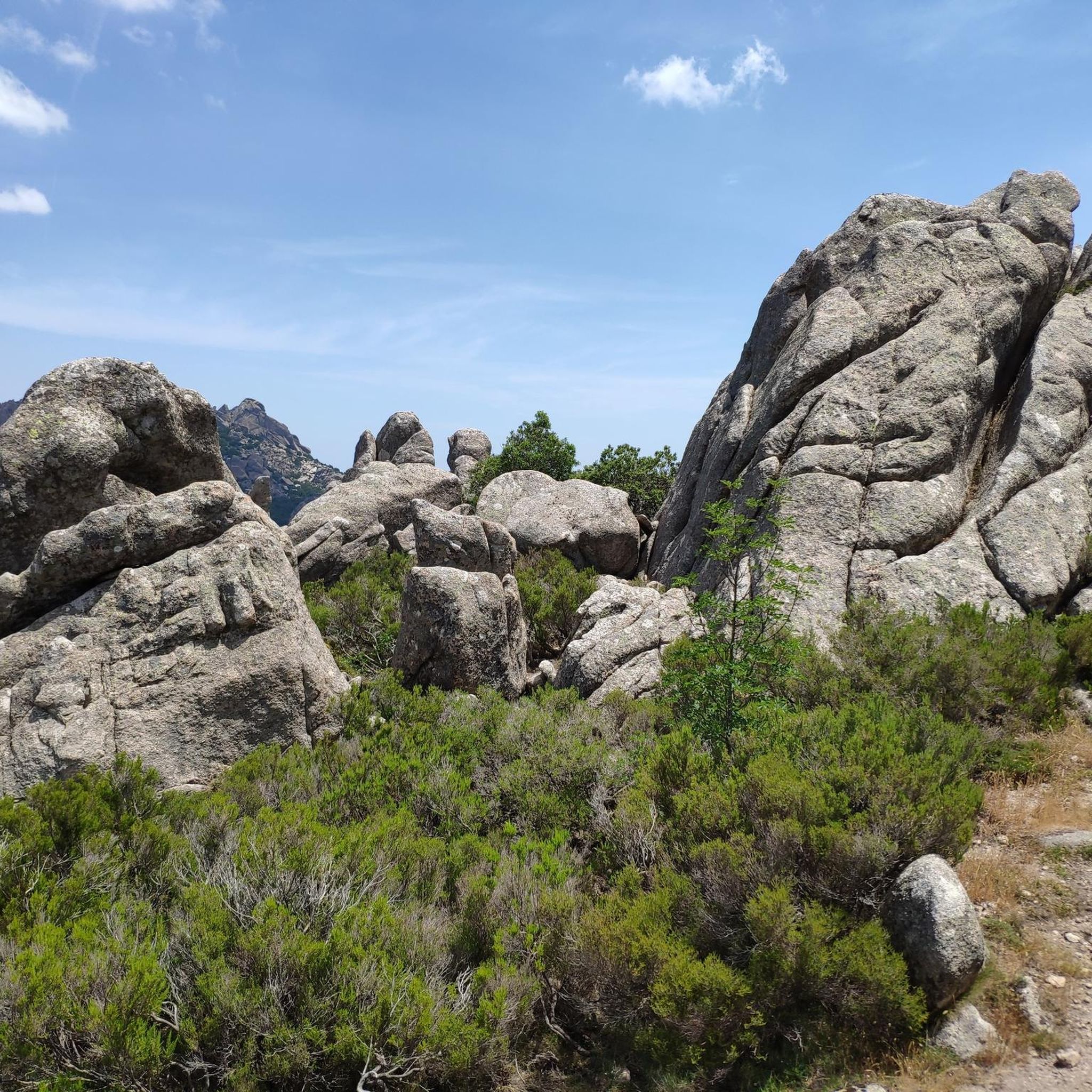
In Telti, near Monte Pino, you can see this fascinating rock immersed in a beautiful landscape. It has the shape of an elephant, at least that's what it looks like when you look at it from afar.
1
0

Similar to the more famous Elephant Rock of Castelsardo, this rock formation near Telti, also in northern Sardinia, is very fascinating. While walking towards Monte Pino, take a few minutes to observe this strange rock that looks, indeed, like an elephant.
1
0

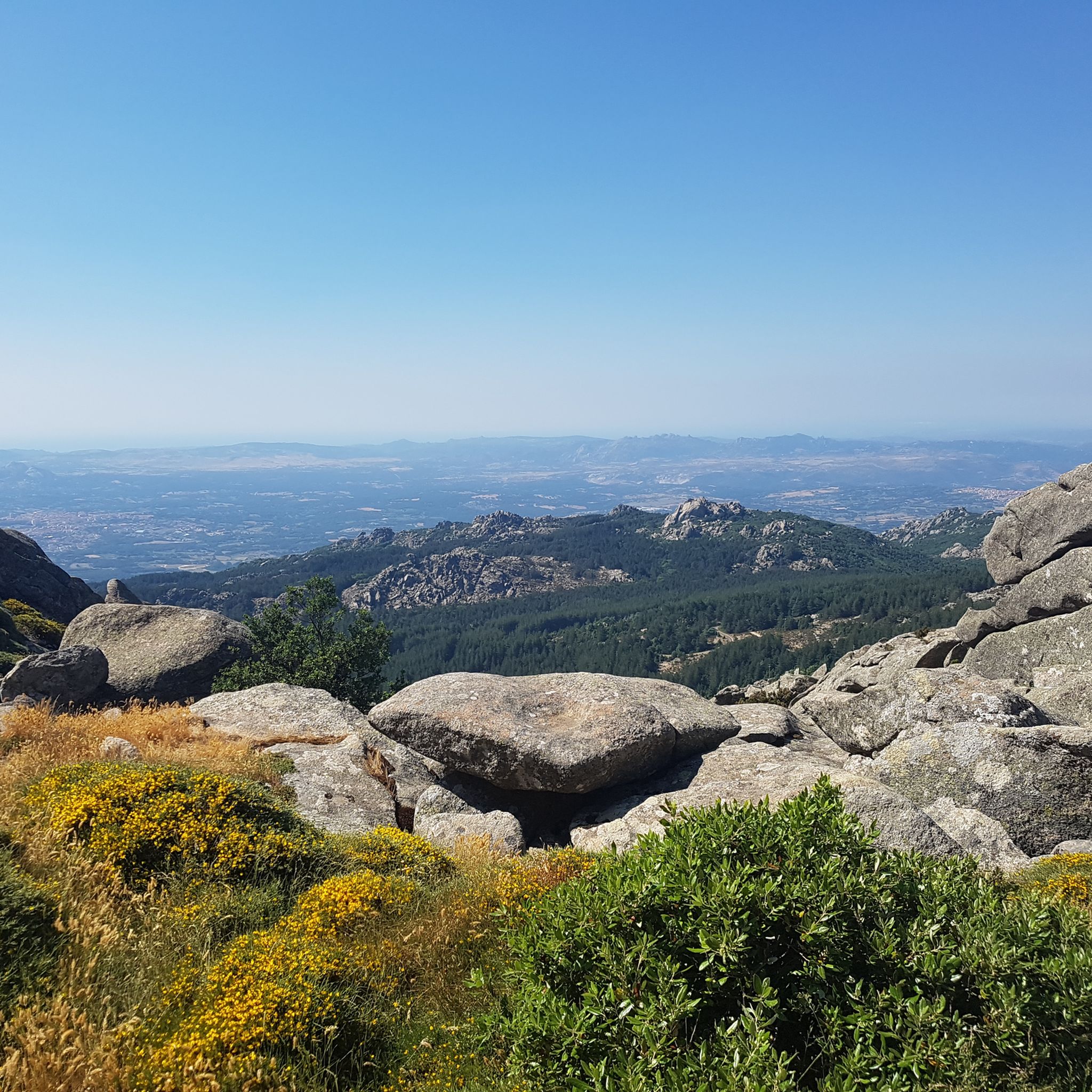
Punta Gjucantinu is the second highest peak of Mount Limbara. You can reach it easily with a path and a short climb. From the top, the view is breathtaking: you have a view that extends from the Gulf of Asinara to the Gennargentu chain. A majestic and fascinating panorama.
3
1
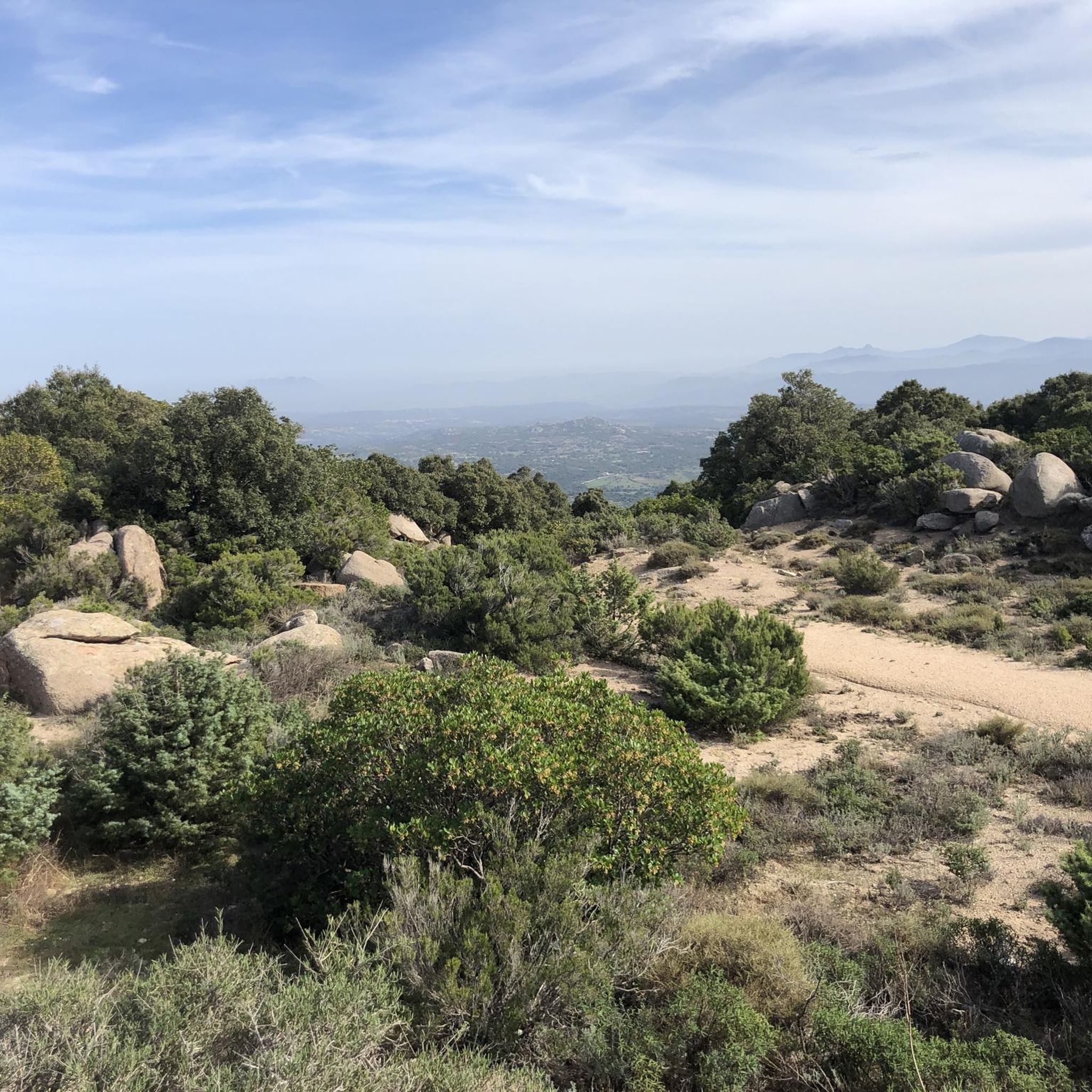
In the Vallicciola park on Mount Limbara, the most photographed trees are the magnificent sequoias. Near the Hotel Vallicciola, a clean path immerses itself in a forest of sequoias mixed with a few pines. The sequoias of Vallicciola, an enchanting mountain village on the Limbara, are monumental trees, planted at the beginning of the last century, which reach almost 40 meters in height.
1
0

The cost of visiting each excavation site is €4 (as of April 2024) and it is open from 10 a.m.
0
0

This impressive mountain range is the highest in the region and offers an unmistakable panorama with its two striking granite peaks, Punta sa Berritta and Punta Balistreri. The rugged peaks contrast with the densely forested slopes, which form a green band around the bare peaks with chestnuts, pedunculate oaks, pines, firs and firs. As soon as you reach the summit and look as far as Corsica and the island of Asinara under clear skies, you will understand why so many hikers rave about this place. Your starting point could be the hiking car park below the summit, where the small Madonna della Neve chapel rises from granite rocks. From here you have six different trekking routes available. But maybe you would like to start the adventure in the town of Vallicciola and set off on a hike into the mountain range. Such a circular tour takes between two and a half and four hours, depending on the route. You should be alert on the way, because wild boars roam this area. It is advisable to avoid the forest and take to the road, especially at dusk. Would you like to take a break? Then find a place near the church where you can enjoy the peace and quiet and the view. And when you finally drive along the winding road that takes you into the mountains, you will find that the journey is an adventure in itself. The best time to tour the Monte Limbara mountain range is between May and October. But even in winter, the snow-covered peak offers a charming sight. You need to be sure-footed on your hike, because nature shows its wild side here. But that is precisely what makes this region so charming. So, lace up your hiking boots and set off on a journey of discovery!
2
1

The Li Muri Necropolis is the oldest site in the Arzachena area. It dates from around 6,000 years ago, i.e. from the Neolithic period. The burial circles are among the oldest evidence of Western European megalithism and bear close comparisons with southern Corsica. Burials of this type are also found in the French and Spanish Pyrenees, while in Sardinia it seems to be widespread only in the Gallura region, particularly in the Arzachena region. The necropolis consists of four burial circles touching each other with variable widths between about 5 and 8.5 meters in diameter. They are delimited by small slabs fastened with a knife and arranged in concentric circles, which served to house a mound of stones and earth that encircled the tombs, giving them the appearance of four artificial mounds. Within each circle was a small rectangular stone chest containing one or at most two deceased in a crouched posture. Each burial was accompanied by a set of valuable objects: flint blades, necklaces of unspecified stone, spheroid buttons (perhaps set in sticks for use as weapons or scepters), axes of polished hardstone, and in one case a sophisticated soapstone chalice indicate this that the deceased were prominent figures in the community. Traces of red ocher, a substance symbolizing regeneration and used to clean or symbolically cover human remains, have been found in the tombs. Two large granite menhirs, stone monuments set vertically into the ground with the function of tombstones or symbolic representations of deities or the soul of the deceased, were placed between one circle and another. Outside the circles there are also small square stone boxes, presumably intended to collect grave goods. A fifth circle differs from the others both in its secluded location and in the features of the tomb at its center. The finds found prove a first use in the Neolithic, which is evidenced by fragments of flint blades and beads of a necklace made of steatite; In the Bronze Age (around 1600 BC), this circular grave would then have been converted into an allée couverte, i.e. a communal grave. https://www.gesecoarzachena.it/?page_id=1558
0
0
Frequently Asked Questions
What are some of the most popular natural monuments to visit around Caragnani/Calangianus?
Visitors frequently enjoy the impressive Monte Limbara, the highest mountain massif in northern Sardinia, known for its panoramic views and rugged granite peaks. Another favorite is the unique Elephant Rock of Telti, a fascinating rock formation that resembles an elephant from a distance, located near Monte Pino.
Are there any ancient or historically significant natural monuments in the region?
Yes, the region is home to the remarkable Millennial Wild Olive Tree in Luras, often called 'The Great Patriarch.' Estimated to be 3,000 to 4,000 years old, it is considered Italy's oldest tree and a profound connection to ancient times. While not a natural monument, the Li Muri Necropolis is an ancient historical site nearby, dating back 6,000 years to the Neolithic period.
What kind of geological features can I expect to see among the natural monuments?
The area is rich in granite formations. Monte Limbara showcases dramatic granite peaks and weathered rocks. Monte Pulchiana, the largest granite inselberg in Sardinia, features a distinctive rounded shape and a 'granite garden' with tafoni (weathered rock formations) and tors, offering unique pinkish-yellow hues.
What outdoor activities can I do near these natural monuments?
The region offers a variety of outdoor activities. For running enthusiasts, there are trails like the 'Monte Limbara Loop via Sentiero Italia' or the 'Punta Gjucantinu – Monte Limbara loop from Vallicciola.' Mountain biking is also popular, with routes such as the 'Strappone Quarry – Monte Limbara loop.' You can find more details on these activities and routes on the running trails guide and MTB trails guide for Caragnani/Calangianus.
Are there family-friendly natural monuments or trails suitable for children?
The Elephant Rock of Telti is a family-friendly natural monument, offering an easy and visually engaging experience for all ages. The Rio Santu Paulu valley, with its tranquil pathways amidst cork woods, also provides accessible routes for nature walks suitable for families.
What is the best time of year to visit the natural monuments around Caragnani/Calangianus?
The best time to tour the Monte Limbara mountain range is typically between May and October. During these months, the weather is generally pleasant for hiking and exploring. Even in winter, the snow-covered peaks offer a charming sight, though some trails might require more caution.
Are there any natural springs or water features to visit?
Yes, the Sigara Spring, located near the edge of Calangianus, is a notable natural spot. Situated on a hill and surrounded by forests, it offers a pleasant destination for forest walks and provides breathtaking views of the surrounding landscape.
What kind of flora and fauna can be observed in the region's natural areas?
The Mount Limbara Massif is a 'green lung' for Gallura, featuring extensive cork oak forests, coniferous woodlands, and Mediterranean scrubland. It's home to diverse wildlife, including wild boar, foxes, mouflon, and various bird species like Bonelli's eagle and peregrine falcon. The cork woods around Calangianus, such as those in Parco di Stazzana, are also significant for their biodiversity.
How difficult are the hiking trails around the natural monuments?
Hiking difficulties vary. For instance, the Rocky Ascent to Monte Limbara Summit is described as challenging and steep, requiring sturdy shoes and plenty of water. However, other areas like the Rio Santu Paulu valley offer more tranquil pathways suitable for easier walks. Always check specific trail descriptions for difficulty levels.
Are there good viewpoints to appreciate the landscape?
Absolutely. From the summit of Monte Pulchiana, at 673 meters, you can enjoy extensive panoramic views across the Gallura region, including Luras, Calangianus, and Tempio Pausania. Punta Gjucantinu (Mount Limbara) also offers breathtaking views extending from the Gulf of Asinara to the Gennargentu chain.
What do visitors enjoy most about the natural monuments in Caragnani/Calangianus?
Visitors particularly appreciate the breathtaking vistas from mountain peaks like Monte Limbara, the unique geological formations such as the Elephant Rock of Telti, and the immersive experience of ancient natural heritage found at sites like the Millennial Wild Olive Tree. The diverse landscapes and opportunities for outdoor activities are also highly valued.
Most popular routes around Caragnani/Calangianus
Most popular attractions around Caragnani/Calangianus

Get inspired with the komoot mobile app


Explore more
Extend your search for the best caves by checking out these guides of the top ones around Caragnani/Calangianus:
