Top 20 Natural Monuments around Tèmpiu/Tempio Pausania
Best natural monuments around Tèmpiu/Tempio Pausania are characterized by diverse landscapes, including mountain ranges, unique rock formations, and natural springs. This region in Gallura, Sardinia, offers a variety of natural features for exploration. The terrain around Tempio Pausania showcases granite peaks, forested slopes, and distinctive geological formations. These natural landmarks provide opportunities for outdoor activities and experiencing the local environment.
Best natural monuments around Tèmpiu/Tempio Pausania
- The most popular natural monuments is Monte Limbara, a summit that features two…
Last updated: May 16, 2026
Monte Limbara
Highlight • Summit
Translated by Google •
Tip by

Bear Rock (Roccia dell'Orso)
Highlight • Natural Monument
Translated by Google •
Tip by

Sign up now to discover places like this
Get recommendations on the best single tracks, peaks, & plenty of other exciting outdoor places.
Sign up for free
Rocky Ascent to Monte Limbara Summit
Highlight • Climb
Translated by Google •
Tip by

Bear Rock
Highlight • Natural Monument
Translated by Google •
Tip by

Giant’s Tomb of Coddu Vecchiu
Highlight • Historical Site
Translated by Google •
Tip by

Sign up for free to discover even more natural monuments around Tèmpiu/Tempio Pausania.
Sign up for free
Already have an account?
Start today with a free account
Your next adventure awaits.
Login or Signup
Popular around Tèmpiu/Tempio Pausania
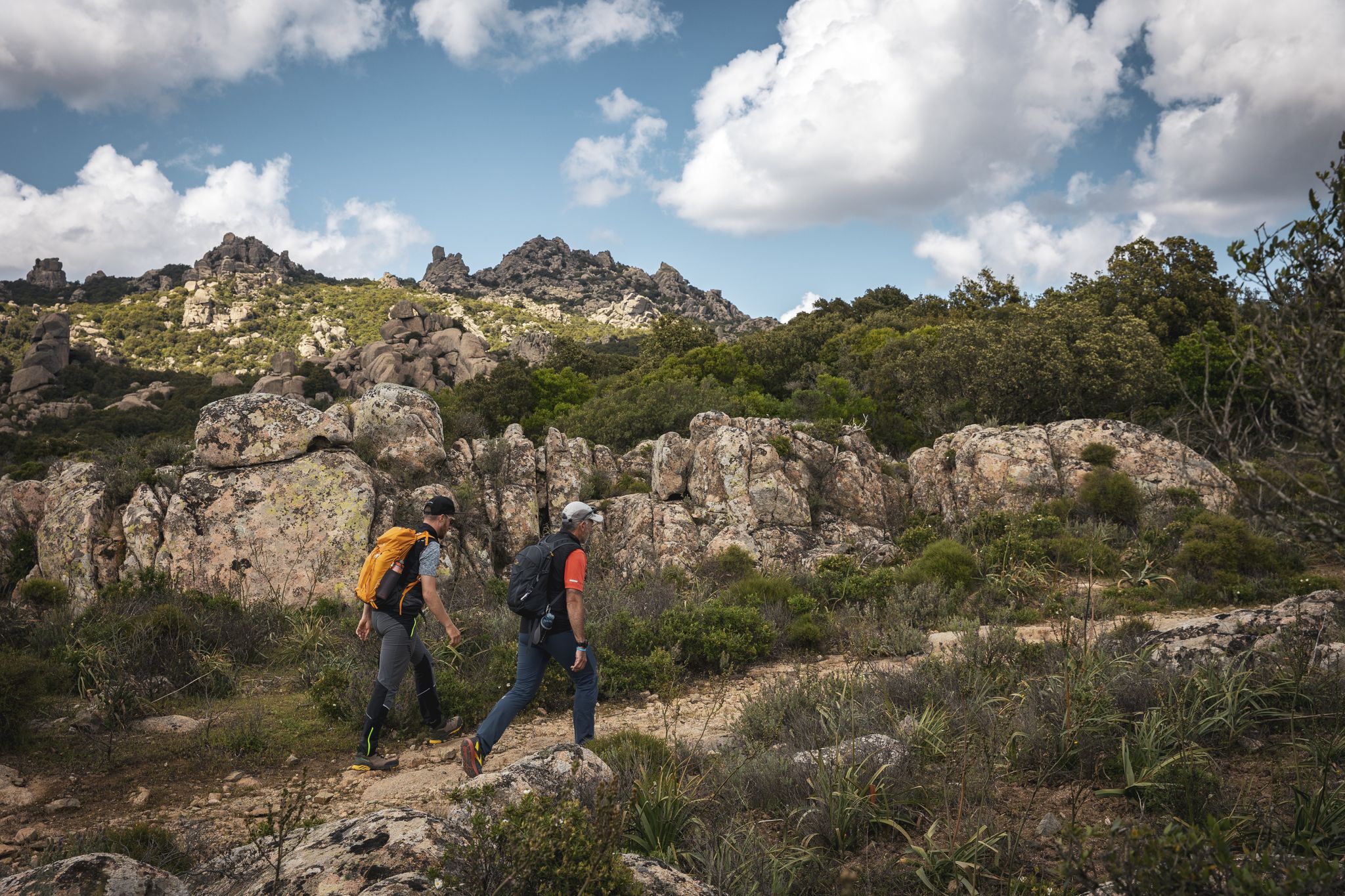
Eternal Sardinia – walks among the wonders of the hinterland
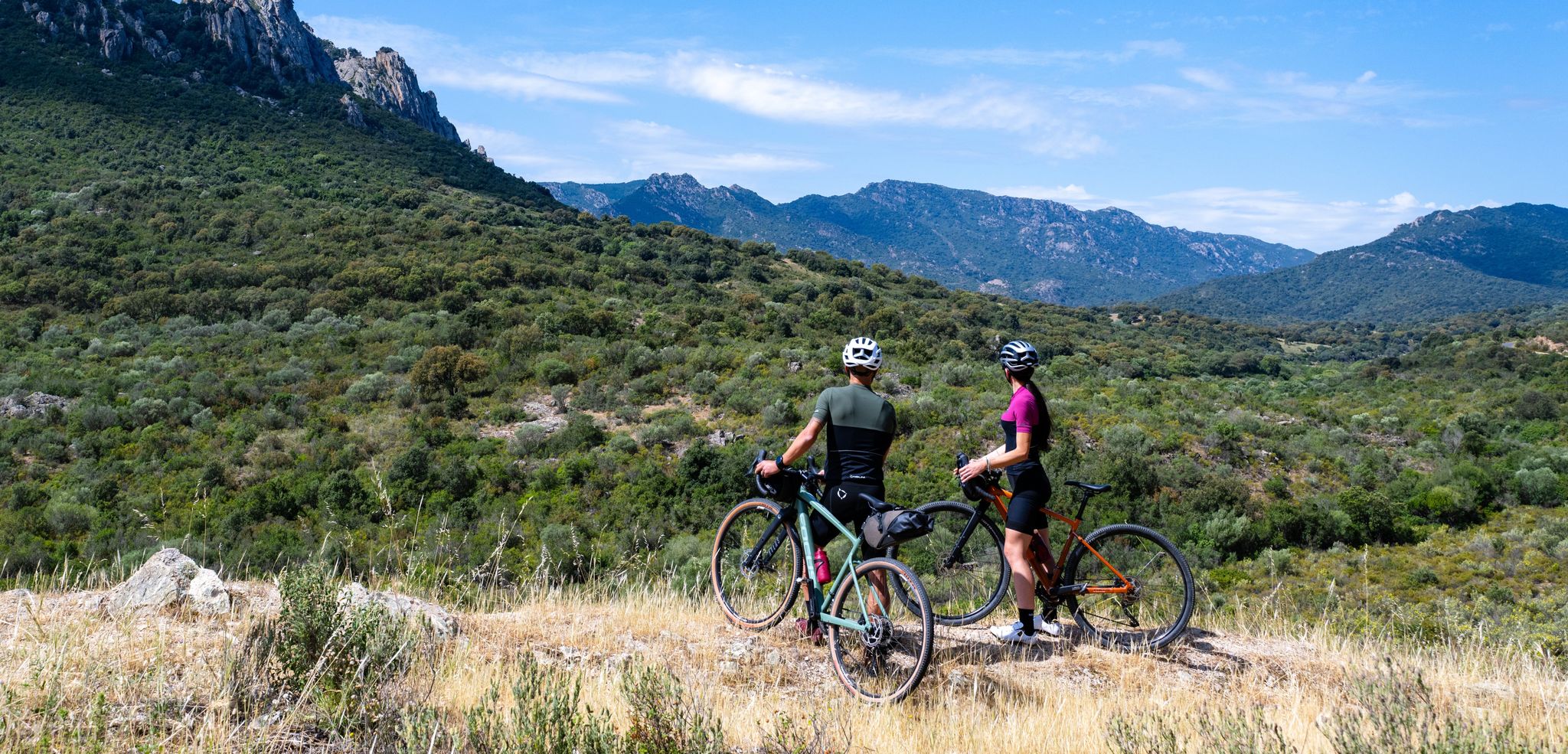
Sardinia by e-bike – enchanting landscapes and ancient culture
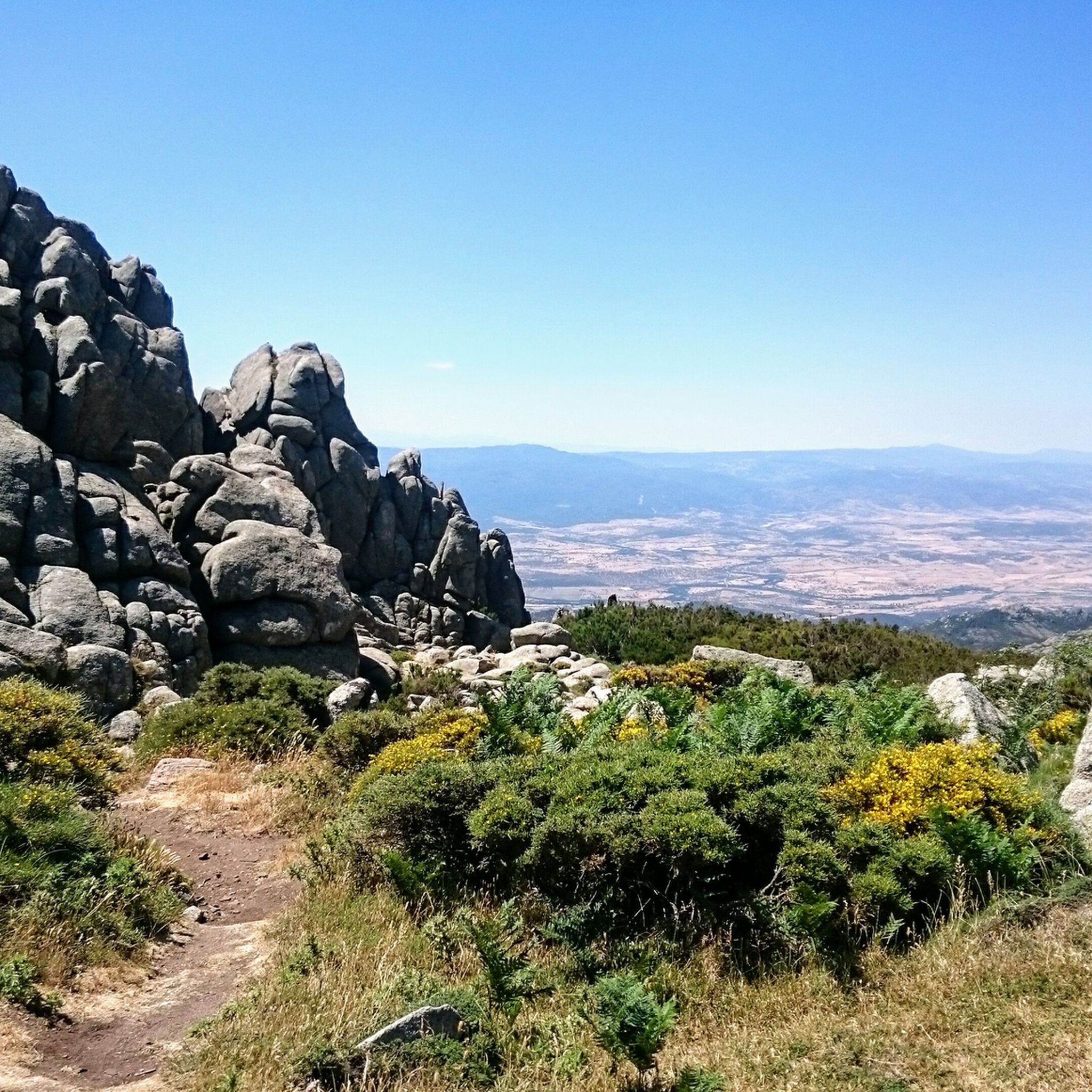
Hiking around Tèmpiu/Tempio Pausania
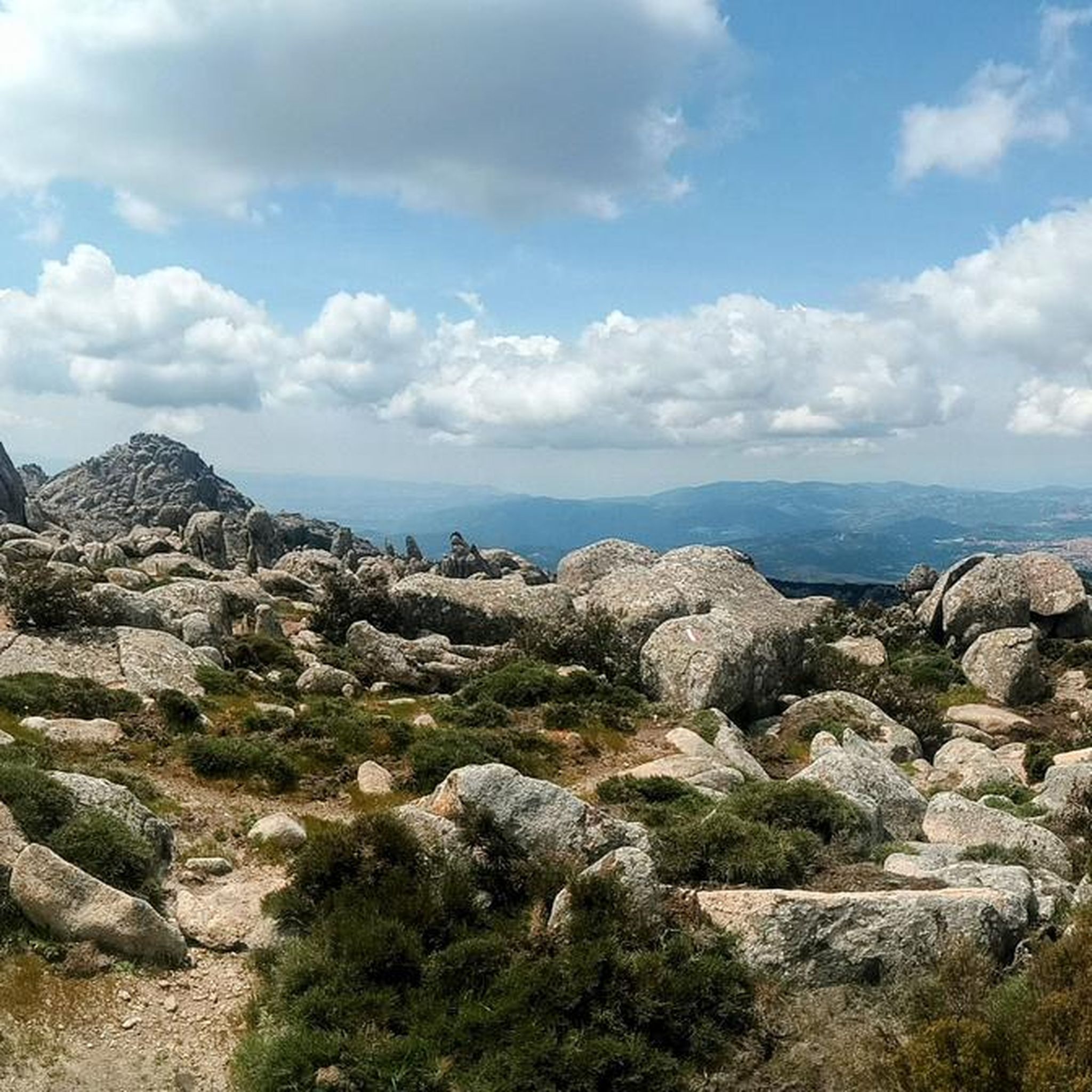
Road Cycling Routes around Tèmpiu/Tempio Pausania
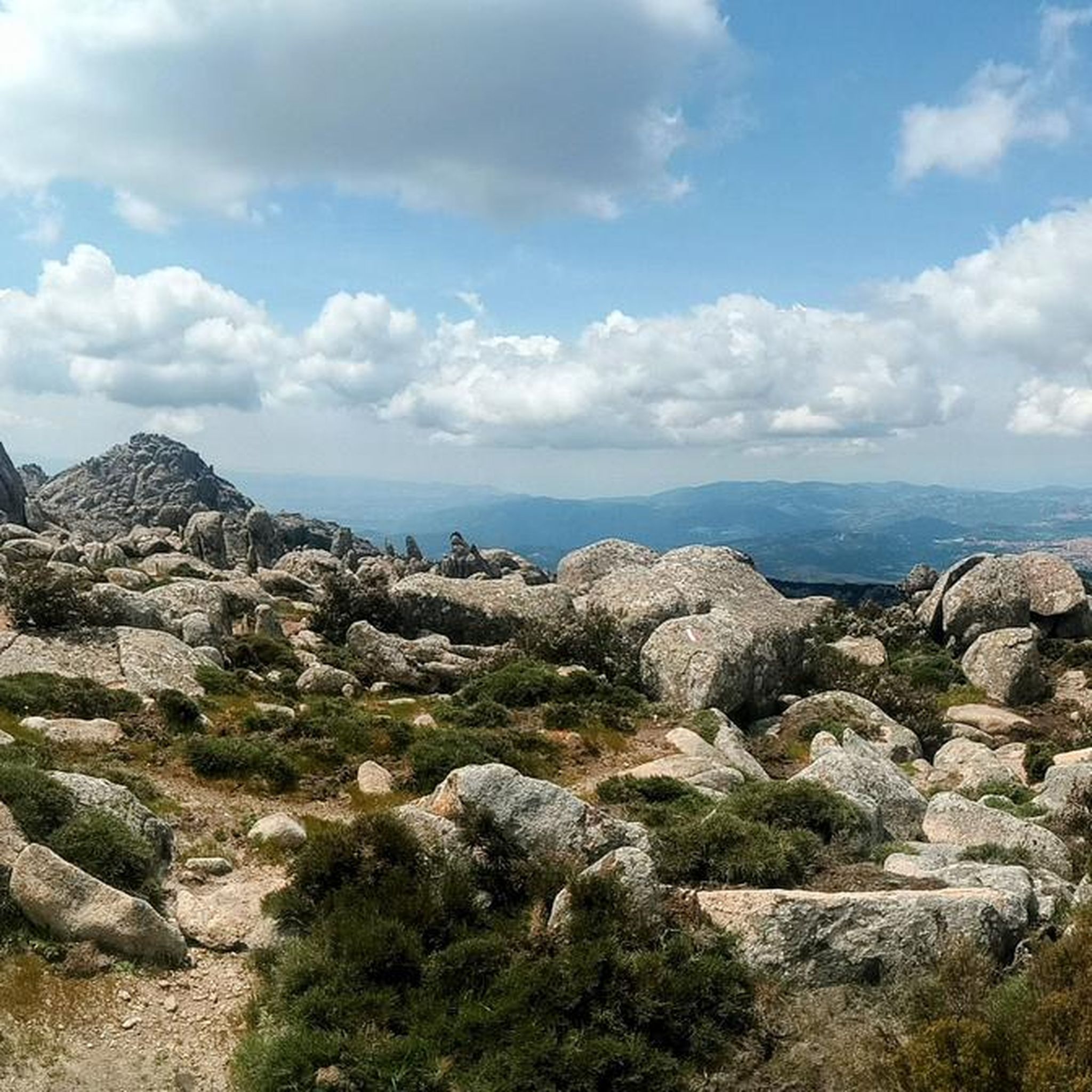
MTB Trails around Tèmpiu/Tempio Pausania
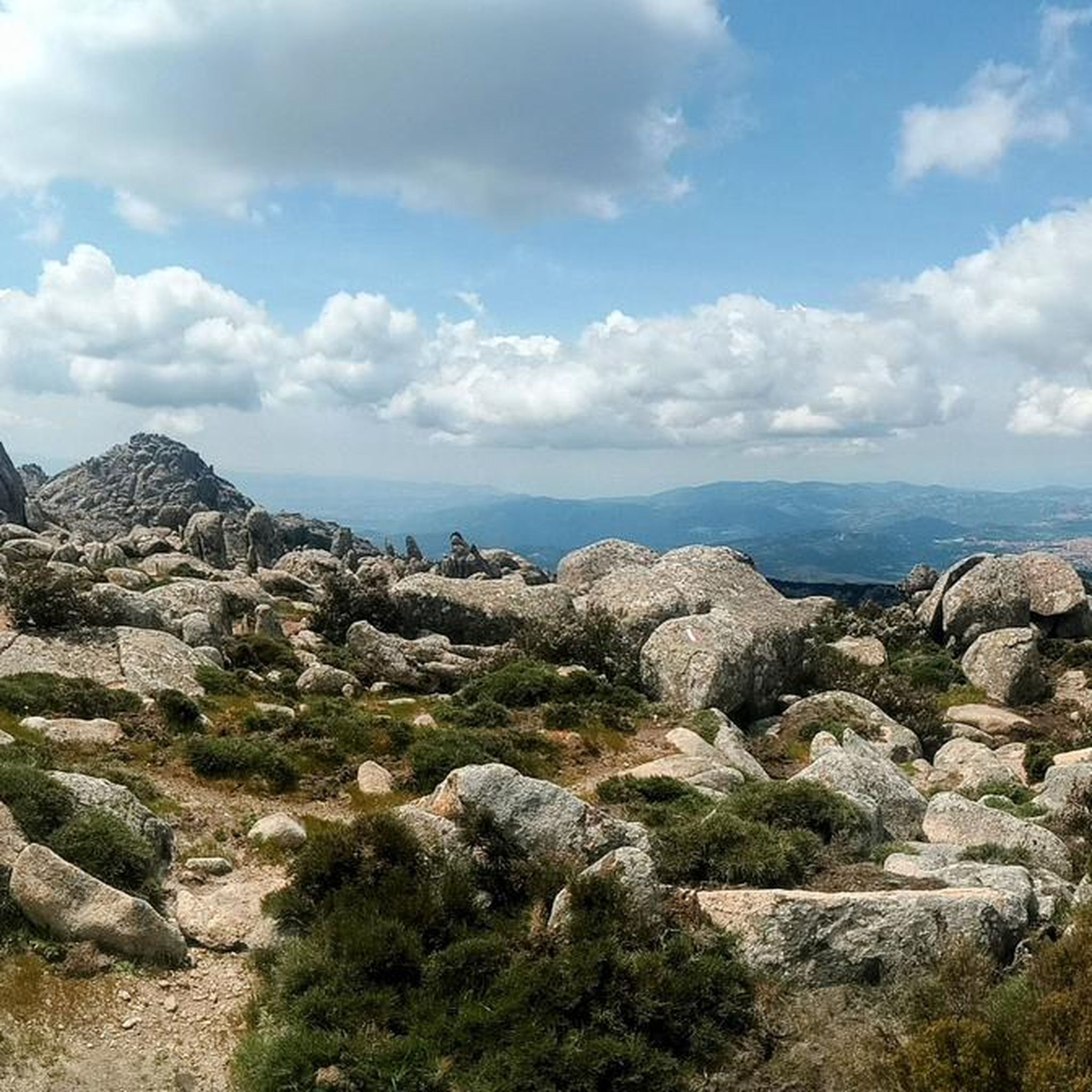
Cycling around Tèmpiu/Tempio Pausania
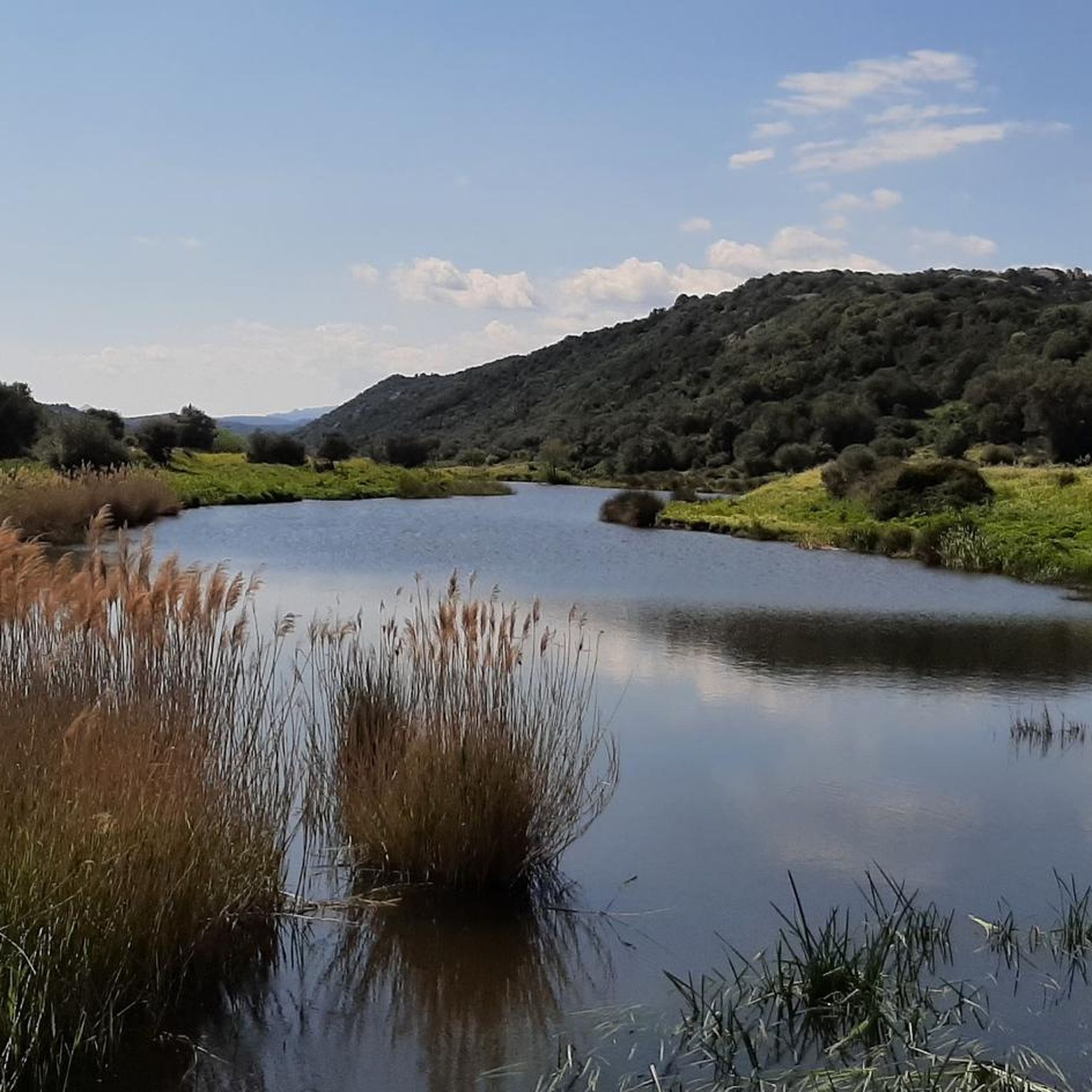
Running Trails around Tèmpiu/Tempio Pausania

Gravel biking around Tèmpiu/Tempio Pausania
Other adventures around Tèmpiu/Tempio Pausania

Tips from the Community

It's not really a "via ferrata" - but you need to have the ability to find your way and should be able to climb a bit to get to the top (and back down safely).
0
1

Even though it gets a bit steeper at this point and you might need to use your hands to help, this section was still easy to walk in October despite the rain. And the path is always visible. With good shoes and a bit of fitness, this climb can be mastered quite easily.
0
0

A beautiful Nuragic giant's tomb, not far from Arzachena, nestled in a lovely landscape with orchards. It lies close to the road from Arzachena to Luogosanto.
0
0

This impressive mountain range is the highest in the region and offers an unmistakable panorama with its two striking granite peaks, Punta sa Berritta and Punta Balistreri. The rugged peaks contrast with the densely forested slopes, which form a green band around the bare peaks with chestnuts, pedunculate oaks, pines, firs and firs. As soon as you reach the summit and look as far as Corsica and the island of Asinara under clear skies, you will understand why so many hikers rave about this place. Your starting point could be the hiking car park below the summit, where the small Madonna della Neve chapel rises from granite rocks. From here you have six different trekking routes available. But maybe you would like to start the adventure in the town of Vallicciola and set off on a hike into the mountain range. Such a circular tour takes between two and a half and four hours, depending on the route. You should be alert on the way, because wild boars roam this area. It is advisable to avoid the forest and take to the road, especially at dusk. Would you like to take a break? Then find a place near the church where you can enjoy the peace and quiet and the view. And when you finally drive along the winding road that takes you into the mountains, you will find that the journey is an adventure in itself. The best time to tour the Monte Limbara mountain range is between May and October. But even in winter, the snow-covered peak offers a charming sight. You need to be sure-footed on your hike, because nature shows its wild side here. But that is precisely what makes this region so charming. So, lace up your hiking boots and set off on a journey of discovery!
2
1

The giant tomb of Coddu 'Ecchju is a magnificent example of Nuragic funerary architecture. It is an imposing communal tomb, likely containing the remains of the deceased from the nearby village of La Prisgiona. This Bronze Age monument was constructed in two phases: The exedra was added to a gallery tomb (10.50 m long) or semicircular chamber built around 1800 BC (probably between 1600 and 1400 BC). This chamber was enclosed by a series of slabs set into the ground, with a large, arched stele (4.04 m high) in the center, decorated with a relief frame and featuring a small door at its base, likely used for placing offerings inside the tomb. The deceased was probably buried from above by removing one of the slabs covering the corridor. The burial of the deceased was likely carried out from above by removing one of the slabs covering the corridor. ``` The burial chamber was enclosed within a large mound of earth and stones, encompassing the area behind the exedra. This mound served the practical function of housing the mound itself, but also defined the ceremonial space where ancestor rites were performed, as evidenced by the numerous ceramic vessels found in the area. Ancestor worship was of great importance in the Nuragic culture. Source: https://www.gesecoarzachena.it/?page_id=1246
1
0

Monte Limbara is the highest mountain massif in northern Sardinia. The two bare granite peaks Punta Balistreri (1,363 m) and Punta sa Berritta (1,359 m) are visible from afar. The slopes of the Monte Limbara massif are forested almost to the summit with chestnut, pedunculate oak, pine, pine and fir trees. (Source: Wikipedia)
1
4

The Monte Limbara is a mountain chain that you can hike through a wonderful circular tour. We did a 10km loop hike and it was totally worth it. You can take a wonderful break at the church. The drive up along the serpentines is an experience in itself and not without it.
1
1

A challenging & steep path to the top of Monte Limbara. Warning: sturdy shoes and plenty of water are important on this trail!
1
0
Frequently Asked Questions
What are some unique natural monuments to explore around Tèmpiu/Tempio Pausania?
Beyond the prominent Monte Limbara, you can discover the distinctive Bear Rock (Roccia dell'Orso), known for its unique rock formation. The region also features the Moon Valley (Valle della Luna), characterized by abundant Mediterranean scrub and impressive, 'exploding' rock masses, suggesting a volcanic origin.
What kind of landscapes can I expect to see among the natural monuments?
The natural monuments around Tèmpiu/Tempio Pausania offer diverse landscapes. You'll find imposing mountain ranges like Monte Limbara with its granite peaks and densely forested slopes, unique rock formations such as those in the Moon Valley, and serene natural springs like Fonte Nuova and Fonte Rinaggiu.
When is the best time to visit the natural monuments in the region?
The best time to visit the Monte Limbara mountain range is between May and October. During this period, the weather is generally favorable for hiking and enjoying the panoramic views. Even in winter, the snow-covered peaks offer a charming sight.
Are there natural monuments with historical significance?
Yes, the region integrates natural settings with ancient history. The Giant’s Tomb of Coddu Vecchiu is a magnificent example of Nuragic funerary architecture set within a natural landscape. Another significant site is the Malchittu Nuragic Temple, an ancient cult building in excellent condition, surrounded by granite hills and natural gorges.
Are there family-friendly natural monuments around Tèmpiu/Tempio Pausania?
The Giant’s Tomb of Coddu Vecchiu is considered family-friendly, offering an accessible glimpse into ancient history within a natural setting. The natural springs like Fonte Nuova and Fonte Rinaggiu also provide peaceful, shaded environments suitable for family strolls and picnics.
What are the difficulty levels for exploring these natural monuments?
Difficulty levels vary. For instance, the Monte Limbara area offers six different trekking routes ranging from two and a half to four hours, requiring sure-footedness. The Rocky Ascent to Monte Limbara Summit is specifically described as challenging and steep, requiring sturdy shoes and plenty of water.
Are there any natural springs worth visiting in Tèmpiu/Tempio Pausania?
Yes, Tempio Pausania is known for its mineral springs. Fonte Nuova, located at the edge of town, offers a beautiful shaded avenue and cascading waters. Fonte Rinaggiu, situated in a picturesque park, is cherished by locals for picnics and its reputed diuretic and healing properties, with its water classified as 'cold, naturally oligomineral water from granite rock'.
Where can I find panoramic views of the region?
For breathtaking panoramic views, head to Monte Limbara. On clear days, the views from its peaks extend as far as Corsica and the island of Asinara. The Bear Rock (Roccia dell'Orso) also offers expansive views.
What outdoor activities can I do near these natural monuments?
The region offers various outdoor activities. For mountain biking, you can explore routes like 'Punta Balistrieri sul Monte Limbara' or 'Balistreri Peak – Monte Limbara loop from Tempio'. Cycling enthusiasts can enjoy routes such as 'Tree-Lined Scenic Road – Casteldoria Hot Springs loop from Tèmpiu/Tempio Pausania'. You can find more details on these activities in the MTB Trails around Tèmpiu/Tempio Pausania and Cycling around Tèmpiu/Tempio Pausania guides.
Are there hiking trails near these natural monuments?
Yes, Monte Limbara is a hiker's paradise, offering six different trekking routes with starting points near the Madonna della Neve chapel or from Vallicciola. These trails range from two and a half to four hours. The Rocky Ascent to Monte Limbara Summit provides a challenging path through beautiful rocky landscapes.
What do visitors enjoy the most about Tèmpiu/Tempio Pausania's natural monuments?
Visitors frequently praise the breathtaking views from Monte Limbara, often extending to Corsica. The unique geological formations of sites like Bear Rock (Roccia dell'Orso) and the historical integration of the Giant’s Tomb of Coddu Vecchiu are also highly appreciated. The tranquility and natural beauty of the springs provide a peaceful escape.
Are there any considerations for wildlife spotting in the natural monument areas?
When exploring areas like Monte Limbara, you should be alert for wild boars, especially at dusk. It is advisable to avoid the forest and stick to marked paths or roads during these times. The diverse ecosystems of the region support various wildlife, making it a rewarding experience for nature observers.
Most popular routes around Tèmpiu/Tempio Pausania
Most popular attractions around Tèmpiu/Tempio Pausania

Get inspired with the komoot mobile app


Explore more
Extend your search for the best caves by checking out these guides of the top ones around Tèmpiu/Tempio Pausania:
