Top 14 Natural Monuments around Oscheri/Oschiri
Natural monuments around Oscheri/Oschiri are found in a region of central-northern Sardinia, situated between Sassari and Olbia. The landscape features rugged granite formations, densely forested slopes, and a significant lake. These sites often blend natural beauty with archaeological significance, offering insights into the area's past. The area provides opportunities for outdoor exploration and observation of diverse ecosystems.
Best natural monuments around Oscheri/Oschiri
- The most popular natural monuments is Monte Limbara, a summit that is the highest mountain range in…
Last updated: May 16, 2026
Monte Limbara
Highlight • Summit
Translated by Google •
Tip by

Punta Gjucantinu (Mount Limbara)
Highlight • Summit
Translated by Google •
Tip by

Sign up now to discover places like this
Get recommendations on the best single tracks, peaks, & plenty of other exciting outdoor places.
Sign up for free
Vallicciola Sequoias
Highlight • Forest
Translated by Google •
Tip by

Waterfall and Natural Pool
Highlight • Waterfall
Translated by Google •
Tip by

Parco delle Rimembranze (Tempio Pausania Memorial Park)
Highlight • Monument
Translated by Google •
Tip by

Sign up for free to discover even more natural monuments around Oscheri/Oschiri.
Sign up for free
Already have an account?
Start today with a free account
Your next adventure awaits.
Login or Signup
Tips from the Community

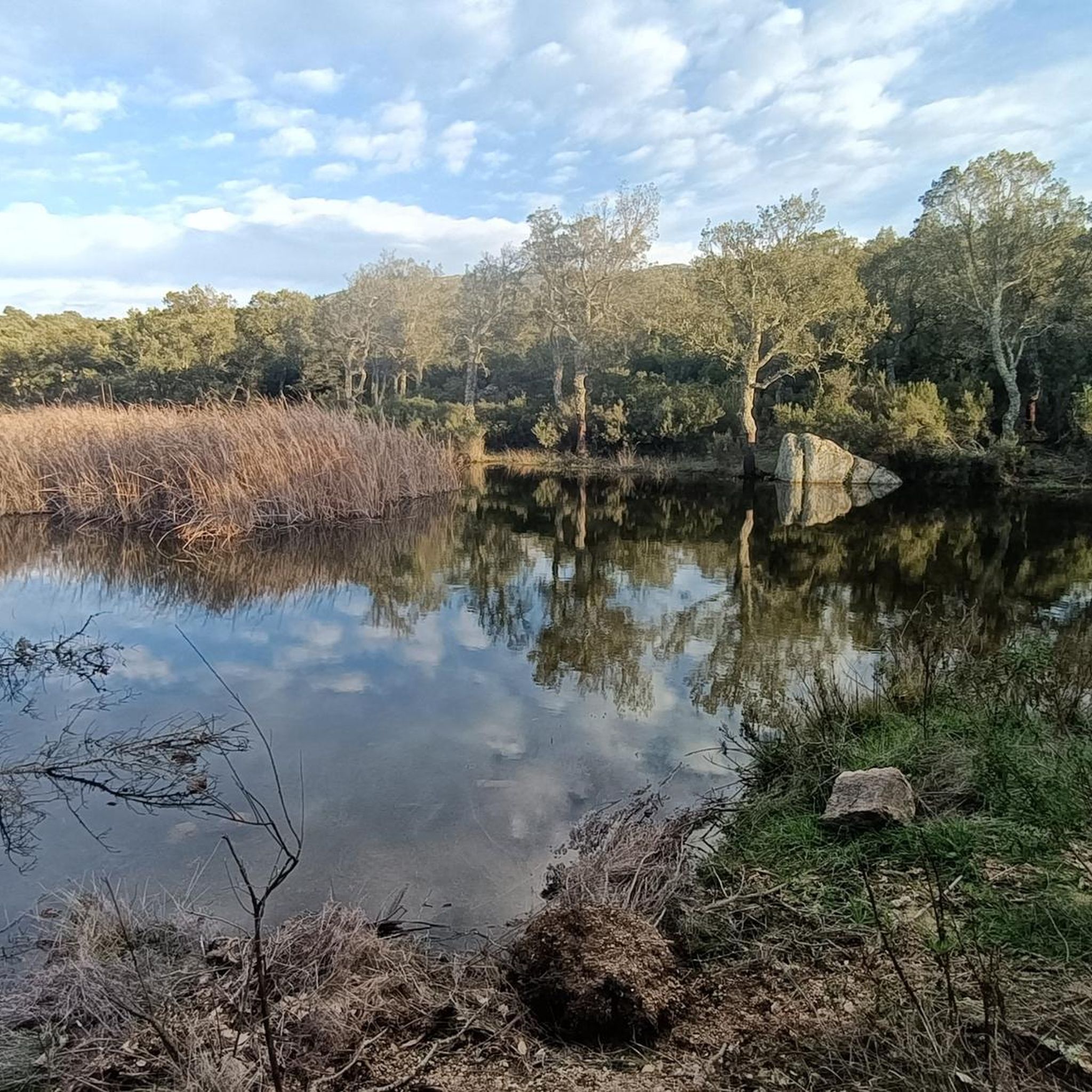
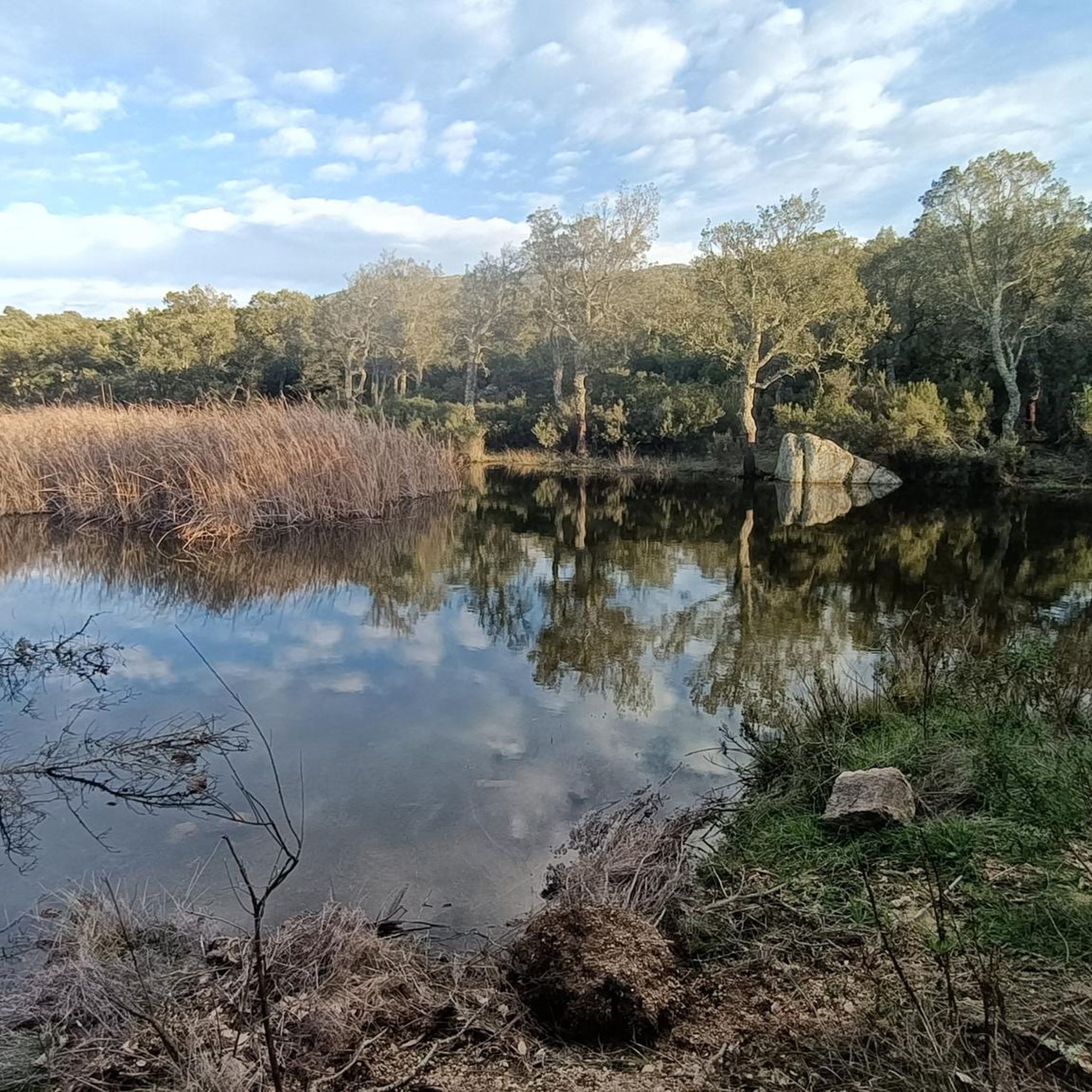
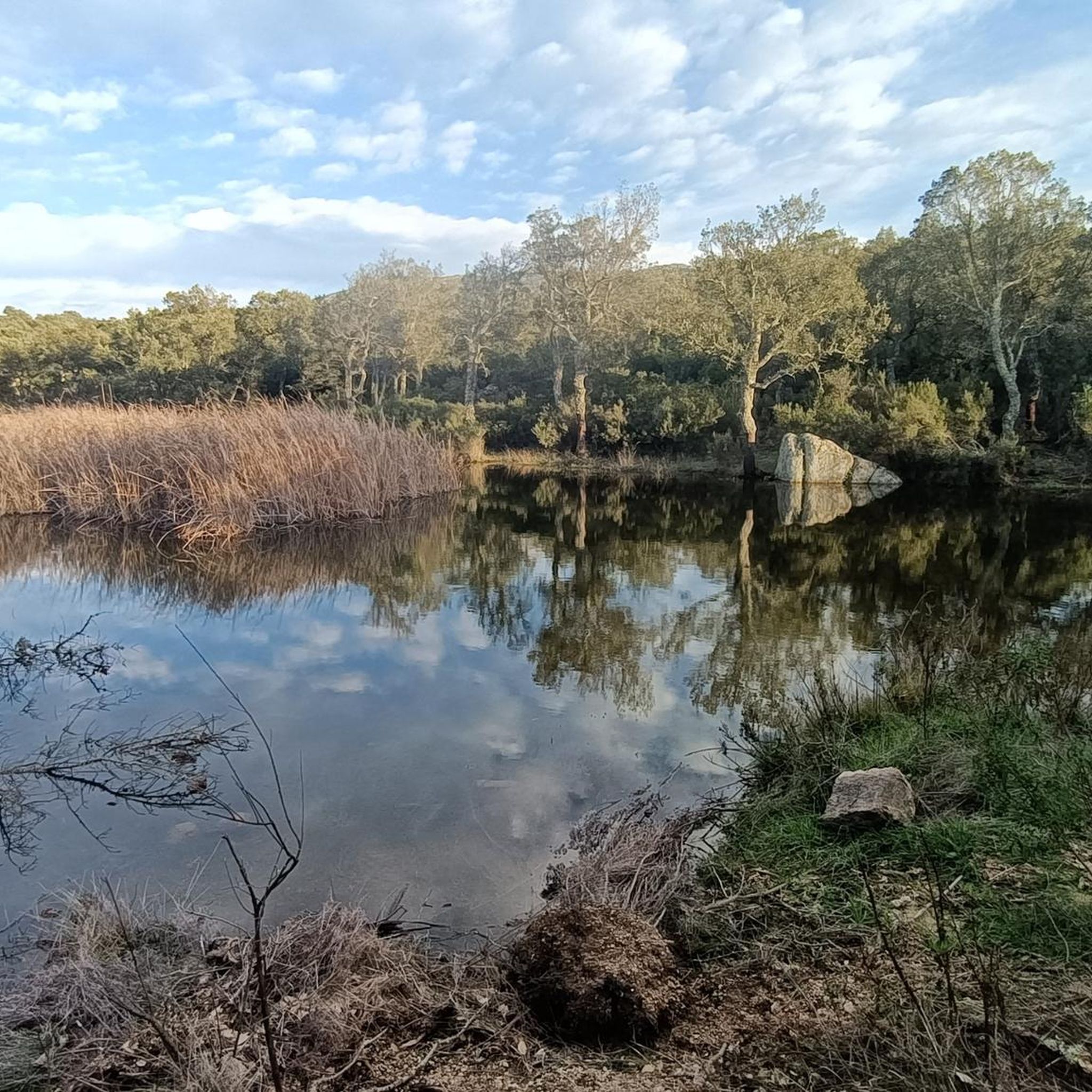
Unfortunately, the waterfalls can only be admired in spring; in autumn, everything here is dry and more of a mosquito paradise. Otherwise, however, it's beautiful!
1
0

Punta Gjucantinu is the second highest peak of Mount Limbara. You can reach it easily with a path and a short climb. From the top, the view is breathtaking: you have a view that extends from the Gulf of Asinara to the Gennargentu chain. A majestic and fascinating panorama.
2
1
In the Vallicciola park on Mount Limbara, the most photographed trees are the magnificent sequoias. Near the Hotel Vallicciola, a clean path immerses itself in a forest of sequoias mixed with a few pines. The sequoias of Vallicciola, an enchanting mountain village on the Limbara, are monumental trees, planted at the beginning of the last century, which reach almost 40 meters in height.
1
0

beautiful shady park to visit even with children
2
0

On Via Giommaria Angioj, the Parco delle Rimembranze was created in honor of the soldiers of Tempio Pausania who fought and fell during the First World War. Originally each tree was dedicated to a fallen soldier, whose name was engraved on a special plaque. These were subsequently detached from the oaks and over the years the memory of the correspondence with the names of the fallen soldiers was lost. Only some relatives of those who lost their lives in combat keep the memory of the plant dedicated to their relative. Furthermore, in the years following the inauguration of the park, the deaths of other soldiers were noted and reported, so the total number of victims was higher than that of the trees. Since it is impossible to reconstruct the original combination with the names of the soldiers who disappeared during the war, the municipal administration, in order to nevertheless preserve the commemorative character of the park, dedicates its trees, ideally to the fighters who were born in Tempio and who perished during the First World War. It is also important to remember that the "Sassari" Brigade was formed on March 1, 1915 in Tempio Pausania (SS) and in Sinnai (CA) with two regiments, the 151st and 152nd Infantry Regiments, composed entirely of Sardinians, heir to the traditions of the Terçio de Cerdena (of the Aragonese-Spanish period) and the Regiment of Sardinia (Savoy period). At the end of January 1915, the order for the formation was issued by the Chief of Staff of the Army of the Sassari Brigade, which was formed in Cagliari, with military service covering all the municipalities of the province of Nuoro. Source: https://catalogo.beniculturali.it/detail/HistoricOrArtisticProperty/2000203034
2
1

This impressive mountain range is the highest in the region and offers an unmistakable panorama with its two striking granite peaks, Punta sa Berritta and Punta Balistreri. The rugged peaks contrast with the densely forested slopes, which form a green band around the bare peaks with chestnuts, pedunculate oaks, pines, firs and firs. As soon as you reach the summit and look as far as Corsica and the island of Asinara under clear skies, you will understand why so many hikers rave about this place. Your starting point could be the hiking car park below the summit, where the small Madonna della Neve chapel rises from granite rocks. From here you have six different trekking routes available. But maybe you would like to start the adventure in the town of Vallicciola and set off on a hike into the mountain range. Such a circular tour takes between two and a half and four hours, depending on the route. You should be alert on the way, because wild boars roam this area. It is advisable to avoid the forest and take to the road, especially at dusk. Would you like to take a break? Then find a place near the church where you can enjoy the peace and quiet and the view. And when you finally drive along the winding road that takes you into the mountains, you will find that the journey is an adventure in itself. The best time to tour the Monte Limbara mountain range is between May and October. But even in winter, the snow-covered peak offers a charming sight. You need to be sure-footed on your hike, because nature shows its wild side here. But that is precisely what makes this region so charming. So, lace up your hiking boots and set off on a journey of discovery!
2
1

Monte Limbara is the highest mountain massif in northern Sardinia. The two bare granite peaks Punta Balistreri (1,363 m) and Punta sa Berritta (1,359 m) are visible from afar. The slopes of the Monte Limbara massif are forested almost to the summit with chestnut, pedunculate oak, pine, pine and fir trees. (Source: Wikipedia)
1
4
Beautiful waterfalls can be seen here!
0
0
Frequently Asked Questions
When is the best time to visit the natural monuments around Oschiri?
The ideal time to explore the Monte Limbara mountain range, a prominent natural monument, is between May and October. During these months, the weather is generally favorable for hiking and enjoying the panoramic views. Even in winter, the snow-covered peaks offer a charming sight, though some areas might require more sure-footedness.
What kind of hiking opportunities are available near Oschiri's natural monuments?
The region offers diverse hiking experiences, particularly around Monte Limbara. You can find various trekking routes, ranging from two and a half to four hours, with a good starting point near the Madonna della Neve chapel. For a more challenging experience, consider the Rocky Ascent to Monte Limbara Summit, which leads through a rugged landscape to high alpine views. The terrain can be wild and untamed, requiring sturdy shoes and sure-footedness.
Are there family-friendly natural monuments or activities suitable for children?
Yes, the Vallicciola Sequoias in the Vallicciola park on Mount Limbara offer a pleasant and family-friendly experience. Here, you can walk among magnificent sequoia trees, some reaching almost 40 meters in height. Additionally, Waterfall and Natural Pool can be a nice spot for families, especially in spring when the waterfalls are active, offering small hiking trails and a tranquil environment.
Can I observe wildlife in the natural monuments around Oschiri?
Absolutely. The Su Filigosu Forest, located at the foot of the Limbara granitic massif, is an excellent spot for wildlife observation. Here, you might encounter red and fallow deer, weasels, mouflons, and various birds of prey such as eagles, falcons, and sparrow hawks. On Monte Limbara, wild boars are also present, so it's advisable to be alert, especially at dusk.
What unique natural features can I expect to see in the Oschiri area?
The region is characterized by impressive granite formations, such as the two prominent peaks of Monte Limbara: Punta sa Berritta and Punta Balistreri. You'll also find densely forested slopes with chestnuts, oaks, pines, and firs. Waterfalls and natural pools add to the natural beauty, particularly in spring. The area also features unique rock formations, some with ancient engravings.
Do any natural monuments in Oschiri have historical or archaeological significance?
Yes, the Rock Site of Santo Stefano is a prime example where nature and history intertwine. This site features a large granite slab with ancient geometric engravings, often referred to as a 'rock altar.' Nearby, you can explore a necropolis with 'domus de janas' (fairy houses) and other rocks adapted into niches, offering a glimpse into the region's prehistoric past and how ancient civilizations utilized natural formations for ritualistic and burial purposes. You can learn more about this site at sardegnaversounesco.org.
What water-based activities are available near Oschiri's natural monuments?
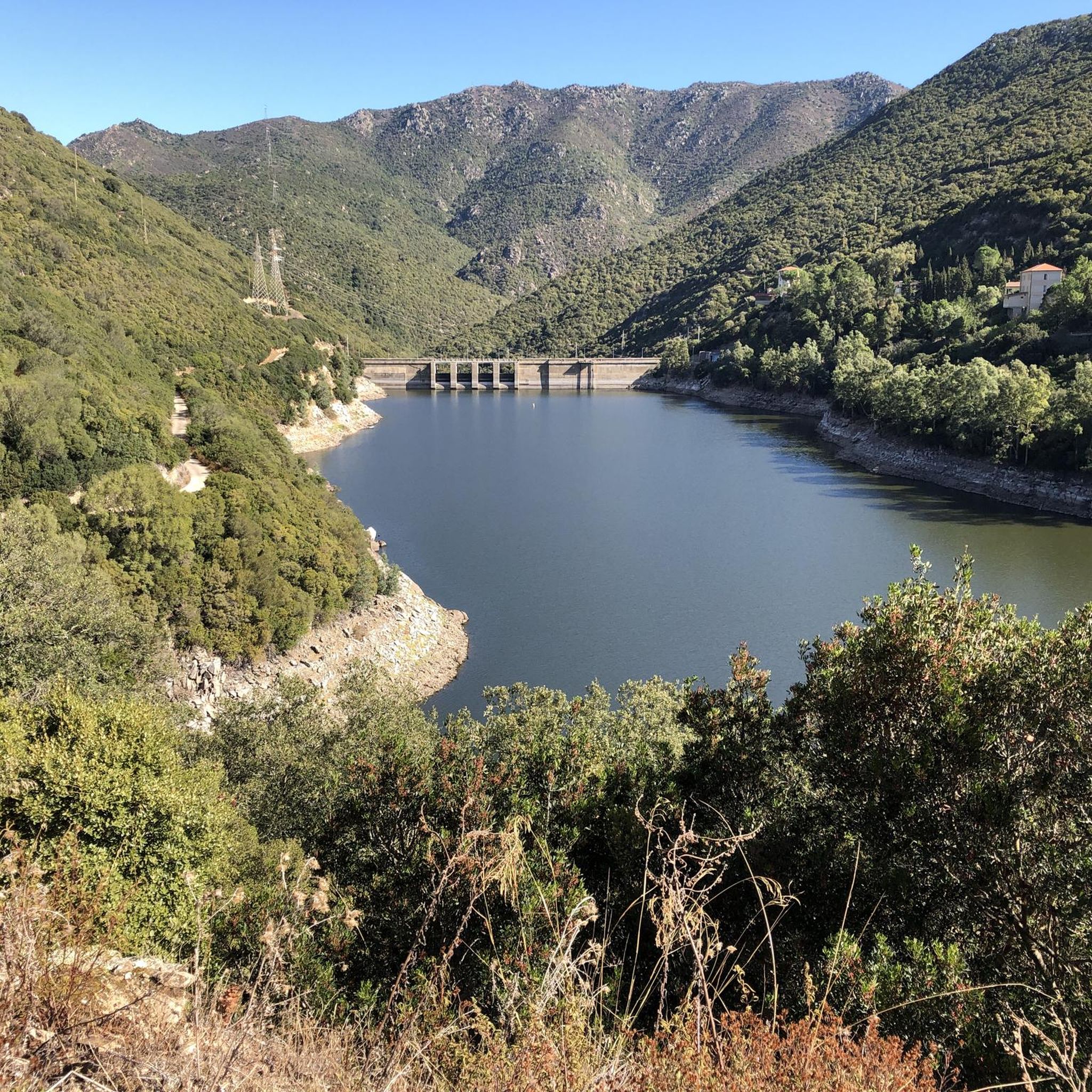
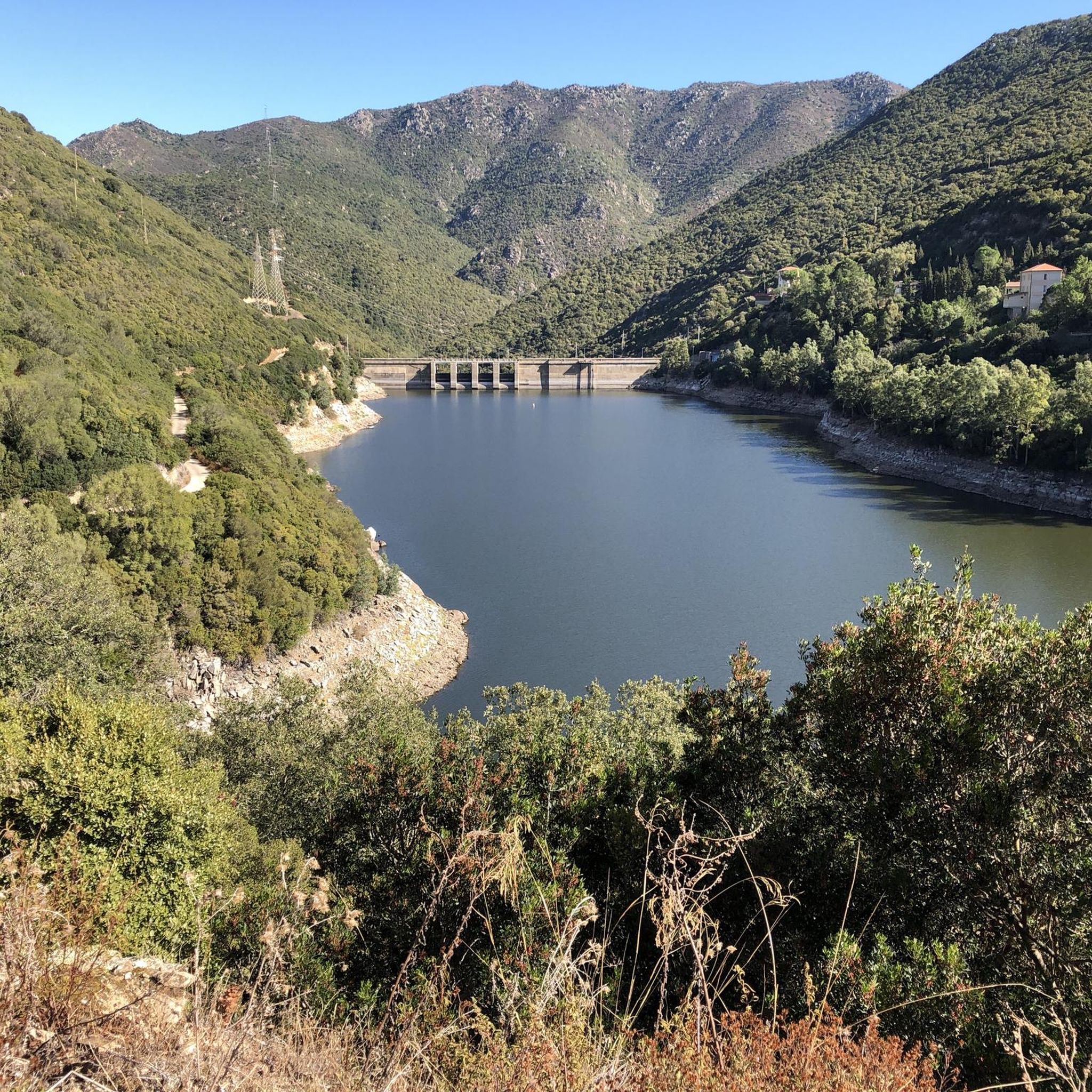
Lake Coghinas, situated on the border between Logudoro and Gallura, is a popular destination for various water sports. Visitors can enjoy sport fishing, water skiing, and kayaking on the lake. It also offers picturesque views against the backdrop of the surrounding landscape.
What other outdoor activities can I do near these natural monuments?
Beyond hiking, the area around Oschiri offers excellent opportunities for cycling and mountain biking. You can find various routes, such as the 'Trail in Sardinian Nature – Lake Coghinas loop' for cycling or 'Punta Balistrieri sul Monte Limbara' for mountain biking. For more details on routes, you can explore the MTB Trails around Oscheri/Oschiri, Cycling around Oscheri/Oschiri, and Road Cycling Routes around Oscheri/Oschiri guides.
Where can I find the best panoramic views of the region?
For breathtaking panoramic views, head to the peaks of Monte Limbara. From its highest points, including Punta Gjucantinu (Mount Limbara), you can enjoy expansive vistas that, on clear days, extend as far as Corsica, the island of Asinara, and the Gennargentu chain.
What do visitors enjoy most about the natural monuments around Oschiri?
Visitors frequently praise the stunning panoramic views from the mountain peaks and the immersive experience of hiking through the diverse landscapes. The tranquility of places like the Su Filigosu Forest and the unique blend of natural beauty with ancient history at sites like Santo Stefano are also highly appreciated. Many enjoy the feeling of escaping into nature and discovering hidden gems.
Are there any specific tips for hiking on Monte Limbara?
When hiking on Monte Limbara, it's important to be sure-footed due to the wild and rugged terrain. Sturdy shoes and plenty of water are essential, especially for challenging paths like the Rocky Ascent to Monte Limbara Summit. Be aware that wild boars roam the area, so it's advisable to avoid forested areas at dusk. The winding road leading up to the mountains is an adventure in itself.
Most popular routes around Oscheri/Oschiri
Most popular attractions around Oscheri/Oschiri

Get inspired with the komoot mobile app


Explore more
Extend your search for the best caves by checking out these guides of the top ones around Oscheri/Oschiri:
