Top 8 Natural Monuments around Piaghe/Ploaghe
Best natural monuments around Piaghe/Ploaghe offer a diverse landscape shaped by volcanic activity and ancient human settlement. This area in Sardinia features geological formations, natural springs, and archaeological sites integrated with the natural environment. Visitors can explore a blend of natural beauty and historical elements, providing insights into the region's past and present. The terrain includes elevated areas, valleys, and rock formations.
Best natural monuments around Piaghe/Ploaghe
- The most popular natural monuments is Cliffs of San Lorenzo valley, a…
Last updated: November 11, 2026
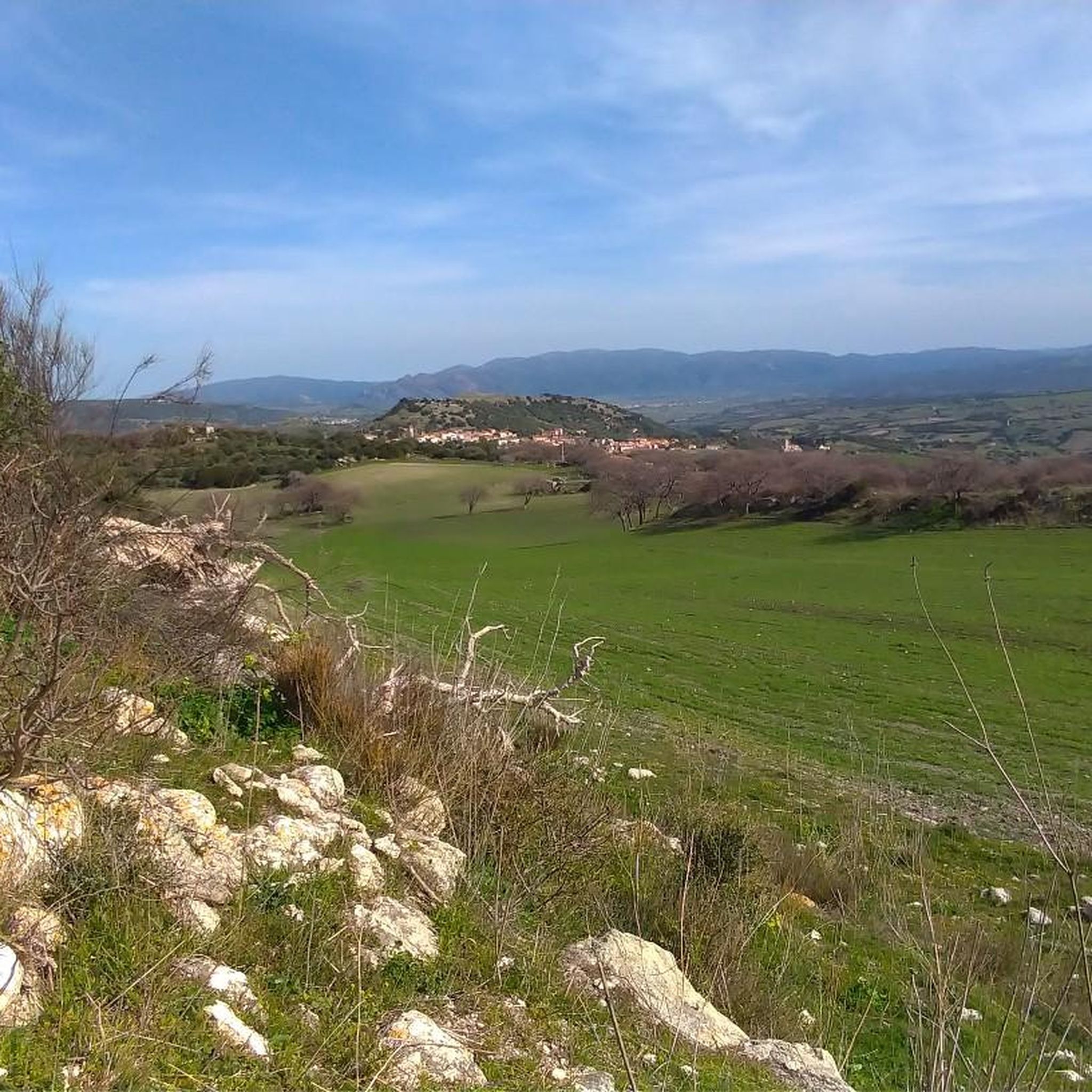
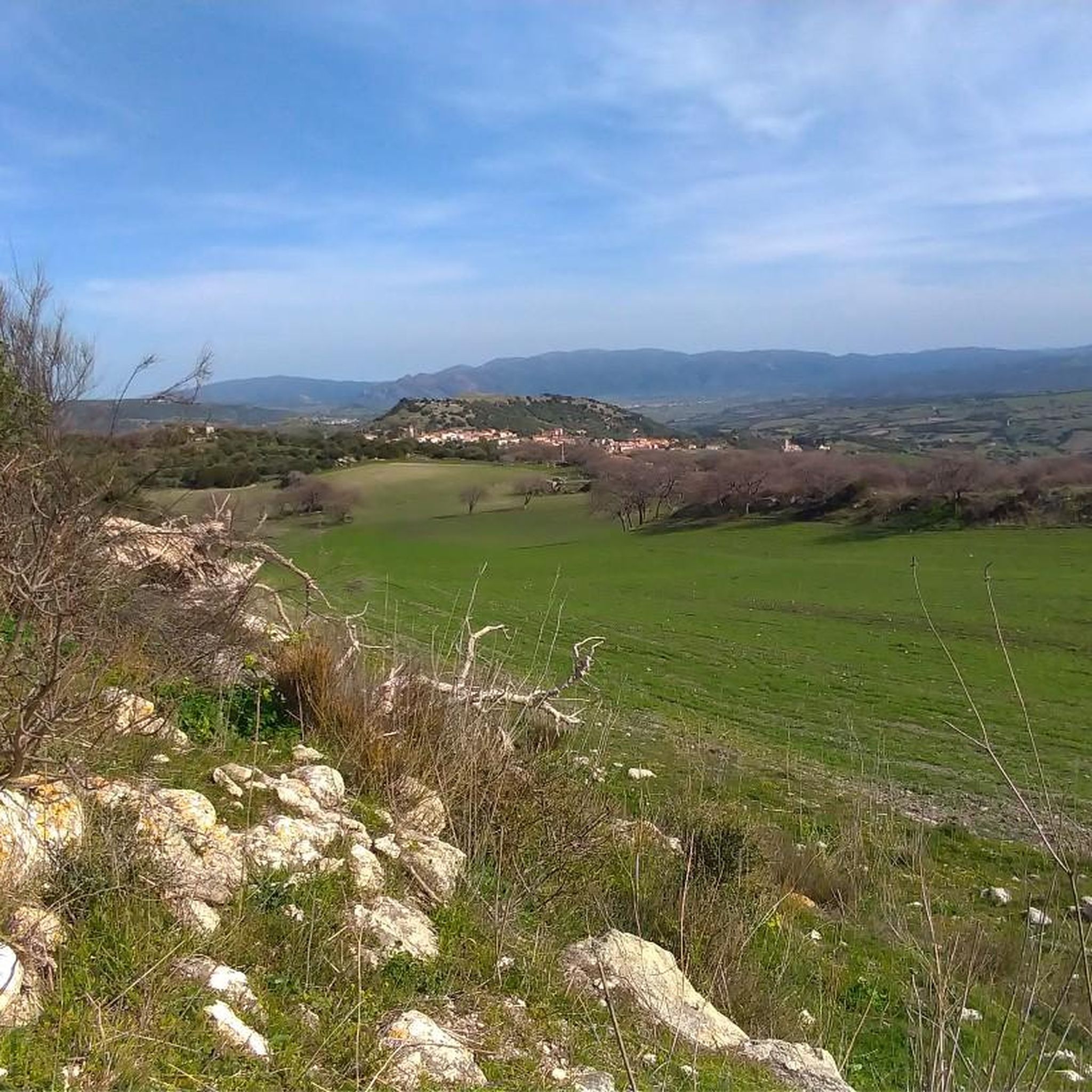
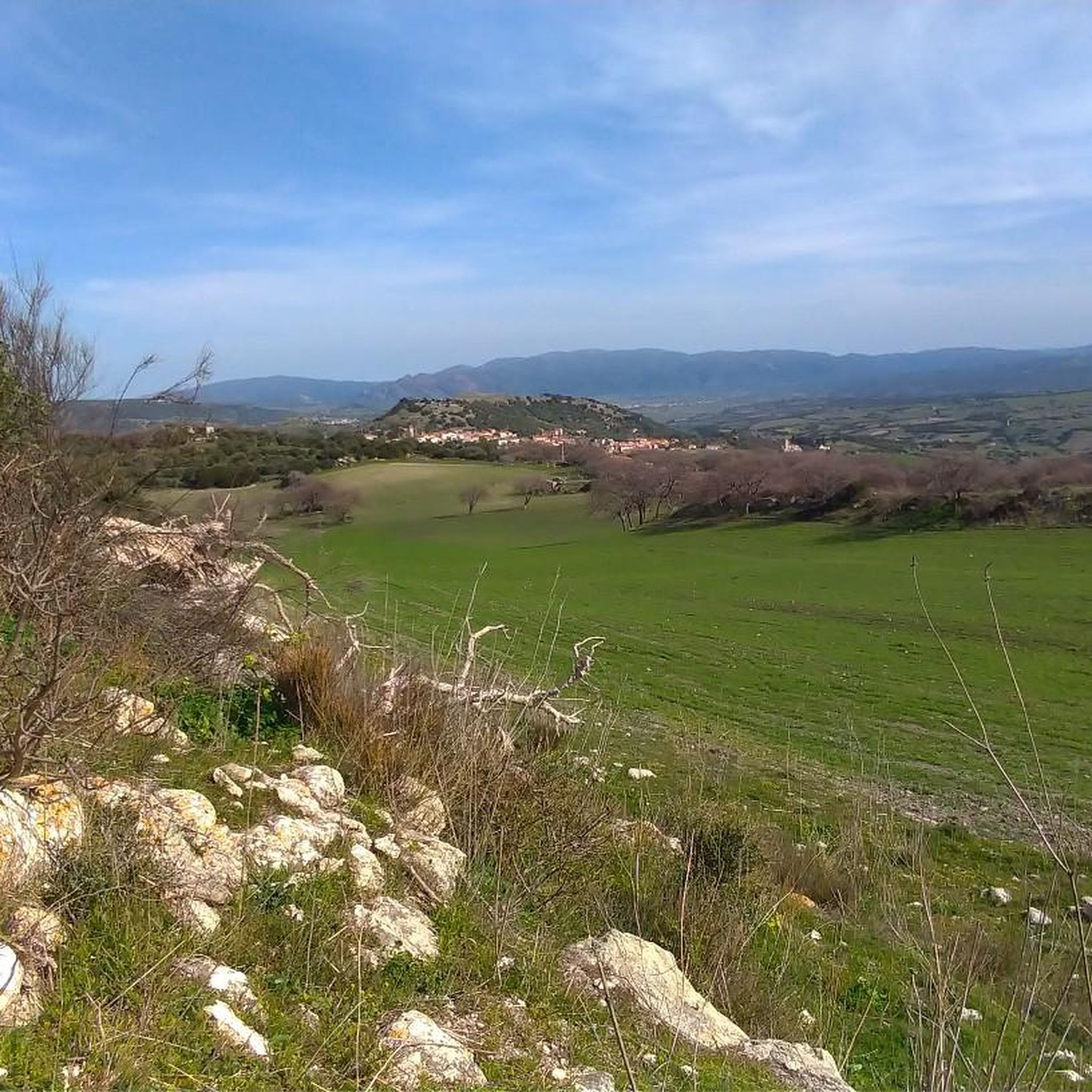
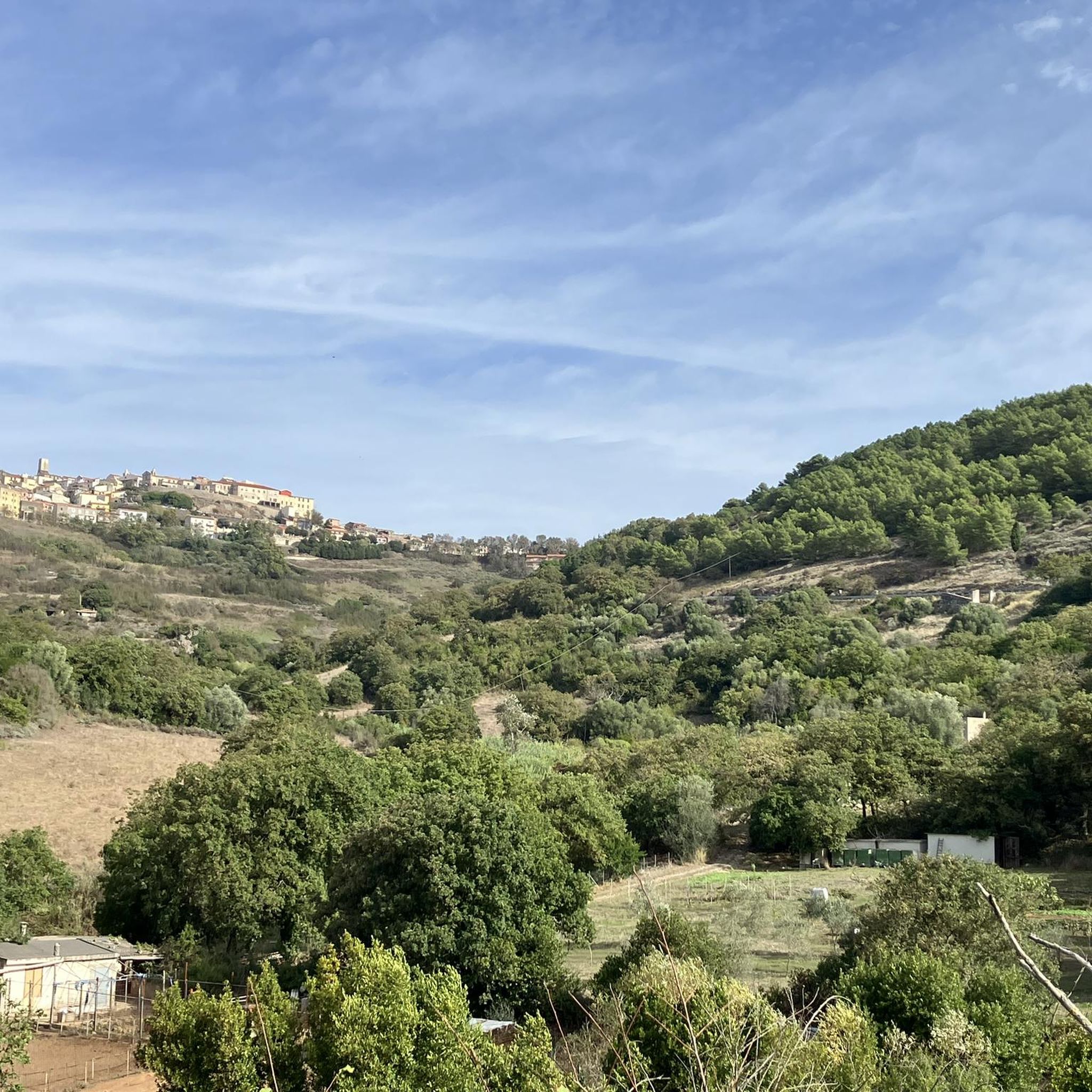
San Lorenzo Village and Limestone Cliffs
Highlight • Settlement
Translated by Google •
Tip by

Necropolis of Mesu ‘e Montes
Highlight • Historical Site
Left Ossi in the direction of Florinas, after …
Tip by

Sign up now to discover places like this
Get recommendations on the best single tracks, peaks, & plenty of other exciting outdoor places.
Noeddale Necropolis, Ossi
Highlight • Historical Site
Tip by
Cliffs of San Lorenzo valley
Highlight • Natural Monument
Translated by Google •
Tip by

Natural Spring
Highlight • Natural
Translated by Google •
Tip by

Sign up for free to discover even more natural monuments around Piaghe/Ploaghe.
Already have an account?
Start today with a free account
Your next adventure awaits.

Tips from the Community

Nice ride to do both on road bike and gravel, roads with little traffic with asphalt in good condition. You pass through small villages after being able to fill your water bottles or make a short stop at the bar to refresh yourself
0
0

Danger! The hiking trail is (now in summer 2023) completely overgrown, especially with blackberry bushes and thistles. Absolutely not recommended unless you have a machete.
3
0

The small town is immersed in the wild Sardinian hinterland, the peculiarity of the village is that it is surrounded by rocks with sinuous limestone formations
0
0

Particular rock formations typical of the San Lorenzo valley, also known as the Valley of the Mills due to the numerous water mills that have ground cereals for centuries in this area.
2
0

Small town topped by spectacular limestone formations.
0
0


The necropolis of Noeddale is an archaeological site located in the territory of Ossi (in the province of Sassari in north-western Sardinia). It is an area rich in evidence of the island's hypogean architecture (4th-3rd millennium BC). The necropolis consists of six hypogea, three of which are preceded by dromoi (access corridors also carved out of the rock). The most interesting are those called the "tomb of the house" (made up of 11 rooms) which reproduces the architectural structure and the ceiling of the pre-nuragic houses, and the "tomb of the spirals" enriched by numerous relief decorations: spirals, taurine protomes, frames ... The area is open and has free entry; it is accessed from the last houses of Ossi towards Florinas
2
0
In the territory south of Ossi there is an imposing necropolis on a limestone ridge of the southern slopes of Mount Mamas. Left Ossi in the direction of Florinas, after 10 km on the SP 3, on the left you see a dirt road that leads quickly to a large open space, where you can leave your bike under a big oak tree. Here a path, well delimited by low dry stone walls, climbs (for 400 m.) to the funeral complex. The necropolis consists of 18 domus de janas, all multicellular (in two of them there are up to 12 rooms), richly adorned with pilasters, panels, false doors, taurine protomes, spiral or wolf teeth motifs. Some tombs reproduce the structure of the pre-nuragic houses with great realism: horizontal, or single or double sloping roofs, central beams and lateral joists, support pillars, zigzag and sawtooth motifs, fireplaces… everything carved in the rock. Remember to bring a torch. The place is free to access and is clearly indicated by a sign at the beginning of the dirt road.
1
0
Frequently Asked Questions
What unique natural features can I explore around Piaghe/Ploaghe?
The region is known for its diverse geological formations, shaped by volcanic activity. You can discover distinctive rock formations like the Cliffs of San Lorenzo valley, also known as the Valley of the Mills, which are notable for their unique appearance and historical context. Additionally, the area features several natural springs that sustain local ecosystems and offer tranquil spots along hiking trails.
Are there any natural monuments that combine nature with ancient history?
Yes, Piaghe/Ploaghe offers several sites where human history is deeply intertwined with the natural landscape. For instance, the Noeddale Necropolis, Ossi, features six hypogea carved directly into natural rock, some replicating the architectural structures of pre-Nuragic houses. These sites provide a fascinating glimpse into how ancient cultures utilized and sculpted the natural environment.
What are some family-friendly natural monuments in the area?
For families, the Petrified Forest of Martis is an excellent choice. It's a park-like area where you can see the remains of trees that petrified millions of years ago after a prehistoric volcanic eruption. It offers shaded picnic areas and is a quiet, uncrowded spot for a relaxing visit.
What kind of outdoor activities can I do near the natural monuments?
The region around Piaghe/Ploaghe is ideal for various outdoor activities. You can find numerous hiking opportunities, including routes like 'Discovering Monte Santo' for panoramic views. There are also options for running and road cycling. For more detailed routes, you can explore the Hiking around Piaghe/Ploaghe guide, the Running Trails around Piaghe/Ploaghe guide, or the Road Cycling Routes around Piaghe/Ploaghe guide.
Are there any challenging hikes to natural monuments with good views?
Yes, for those seeking more challenging terrain and rewarding views, exploring areas like Monte Santo is recommended. This elevated region, part of an extinct volcano, offers scenic trails and panoramic vistas. The 'Discovering Monte Santo' route is a popular option for hikers.
What should I know about visiting the ancient necropolises carved into rock?
When visiting sites like the Necropolis of Mesu ‘e Montes, which features 18 domus de janas carved into a limestone ridge, it's advisable to bring a flashlight. Many of these ancient tombs are multicellular and can be quite dark inside, allowing you to appreciate the intricate carvings and architectural details. Access to these sites is generally free.
Are the natural monuments around Piaghe/Ploaghe dog-friendly?
Many natural areas and trails around Piaghe/Ploaghe are generally dog-friendly, especially for outdoor activities like hiking. However, specific rules may apply to archaeological sites or protected areas. It's always best to keep your dog on a leash and ensure you clean up after them to preserve the natural environment for everyone.
What is the best time of year to visit the natural monuments in Piaghe/Ploaghe?
The spring and autumn months are generally ideal for visiting the natural monuments around Piaghe/Ploaghe. The weather is milder, making it comfortable for hiking and exploring. Summers can be hot, especially for longer walks, while winters are generally mild but can bring some rain.
Are there any natural springs or water features to visit?
Yes, the region features several natural springs. You can find popular hiking routes that incorporate these water sources, such as the 'Natural Spring loop from Stadio Vanni Sanna'. These springs provide refreshing spots and contribute to the local ecosystems, though some trails leading to them might be overgrown depending on the season.
Where can I find cafes or accommodation near the natural monuments?
The town of Ploaghe itself, and nearby villages, offer various options for cafes, restaurants, and accommodation, including agriturismo (farm stays). While specific cafes might not be directly adjacent to every natural monument, you'll find amenities within a short driving distance, especially in the main settlements of the region.
What kind of geological history shaped the natural monuments in this area?
The natural monuments around Piaghe/Ploaghe are largely shaped by the region's volcanic past. Ploaghe is situated on the slopes of an extinct volcano, Monte San Matteo, which has contributed to the elevated terrain, unique rock formations, and the overall geological character of the area, including features like Monte Santo and the petrified forest.
Most popular attractions around Piaghe/Ploaghe

Get inspired with the komoot mobile app


Explore more
Extend your search for the best caves by checking out these guides of the top ones around Piaghe/Ploaghe:
