Top 10 Natural Monuments around Giave
Natural monuments around Giave, located in the Meilogu subregion of Logudoro, Sardinia, showcase a unique volcanic landscape. The area is characterized by extinct volcanoes, distinct high-ground areas of lava origin, and ancient geological formations. These sites offer insights into the island's geological past and provide opportunities for exploration. The region's broader connection to the "valley of the Nuraghi" also highlights prehistoric human activity within this ancient environment.
Best natural monuments around Giave
- The most popular natural monument is Rock Formations and Caves of the Sardinian Highlands, a natural monument featuring plains with imposing rock formations and caves. These formations include caves dug by nature, some inhabited by humans over millennia.
- Another must-see spot is Domus de Janas di S’Ena de Cannuja, an ancient necropolis featuring pre-Nuragic tombs carved into rock. This site includes six tombs dug into a trachytic ridge, dating back to the 3rd millennium BC.
- Visitors also love Nuraghe Torru, a historical site with a majestic nuraghe at the top of Mount Torru. This structure, built with blocks of soft trachyte, rests directly on the rock which acts as a natural bastion.
- Giave is known for its volcanic craters, ancient rock-cut tombs, and impressive rock formations. Visitors can explore a variety of natural monuments, from geological wonders to historical sites integrated into the landscape.
- The natural monuments around Giave are appreciated by the komoot community, with more than 7 upvotes and 14 photos shared.
Last updated: May 16, 2026
Domus de Janas di S’Ena de Cannuja
Highlight • Cave
The tombs were presumably reached using carvings dug into the rock face similar to those still preserved in the Domus de Janas Sos Furrighesos necropolis in Anela.
Translated by Google •
Tip by

Rock Formations and Caves of the Sardinian Highlands
Highlight (Segment) • Cave
Translated by Google •
Tip by

Sign up now to discover places like this
Get recommendations on the best single tracks, peaks, & plenty of other exciting outdoor places.
Sign up for free
Sacred Spring of Su Lumarzu
Highlight • Historical Site
The paved rectangular atrium (5.15 x 1.80 m) has seating along the walls (height 0.30 m; width 0.40 m) and a small alcove. The masonry (height 2 m; width 3 m) consists of regular rows of carefully squared basalt blocks.
From the atrium one enters the small cell through an entrance with a trapezoidal light (0.65 m wide; 0.64 m high) obtained in a monolithic slab.
The small room (diameter 0.97 m; height 1.60 m), built of roughly worked but carefully joined blocks of basalt, has a "tholos" roof closed by a large horizontal slab.
In Christian times, a Latin cross was engraved on the underside of the end plate.
The water flows through a channel carved into the sill of the entrance to the spring to a drainage channel built under the floor of the atrium itself.
The settlement of the place lasted until late antiquity, as evidenced by coins from the fourth century. AD Found in the time of Taramelli while clearing the porch.
Source: sardegnacultura.it/j/v/253?v=2&c=2488&t=1&s=21393
Translated by Google •
Tip by

Puttu Codinu Necropolis
Highlight • Historical Site
A necropolis with nine hypogeal tombs was found on the site, in an area with rocks emerging from the surrounding land. The tombs were found by chance during recent excavation work. It is believed that the site began to be used in the recent Neolithic (3500 BC). Source: Wikipedia
it.wikipedia.org/wiki/Necropoli_di_Puttu_Codinu
Translated by Google •
Tip by

Nuraghe Torru
Highlight • Historical Site
This structure, built with blocks of soft trachyte, rests directly on the rock which acts as a natural bastion. The view from here is wide and breathtaking.
Translated by Google •
Tip by
Sign up for free to discover even more natural monuments around Giave.
Sign up for free
Already have an account?
Start today with a free account
Your next adventure awaits.
Login or Signup
Tips from the Community

An adventurous approach, barking dogs, thorny undergrowth. The dolmens were great, but unfortunately the hiking trail was not well maintained, so we turned back with our son.
0
0

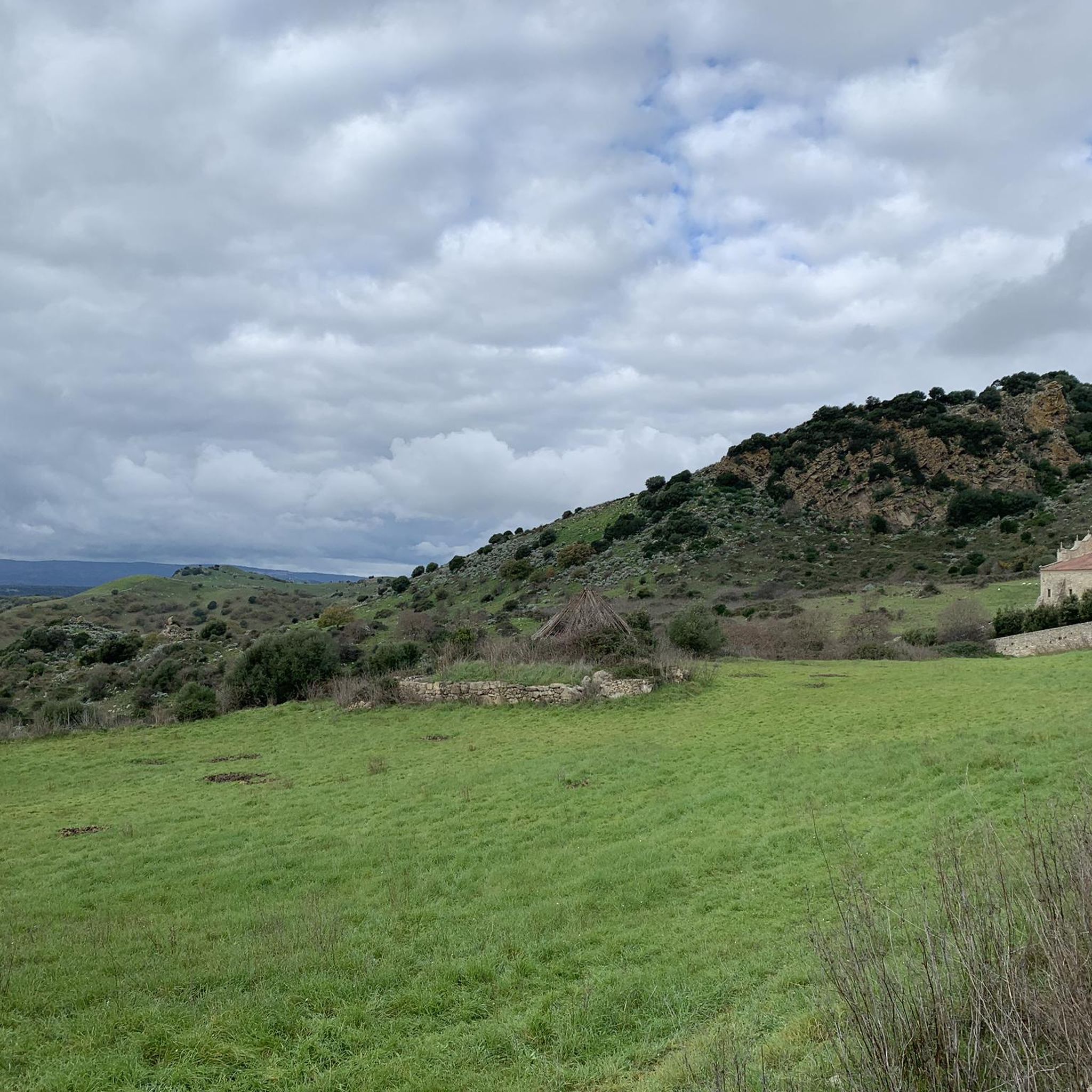
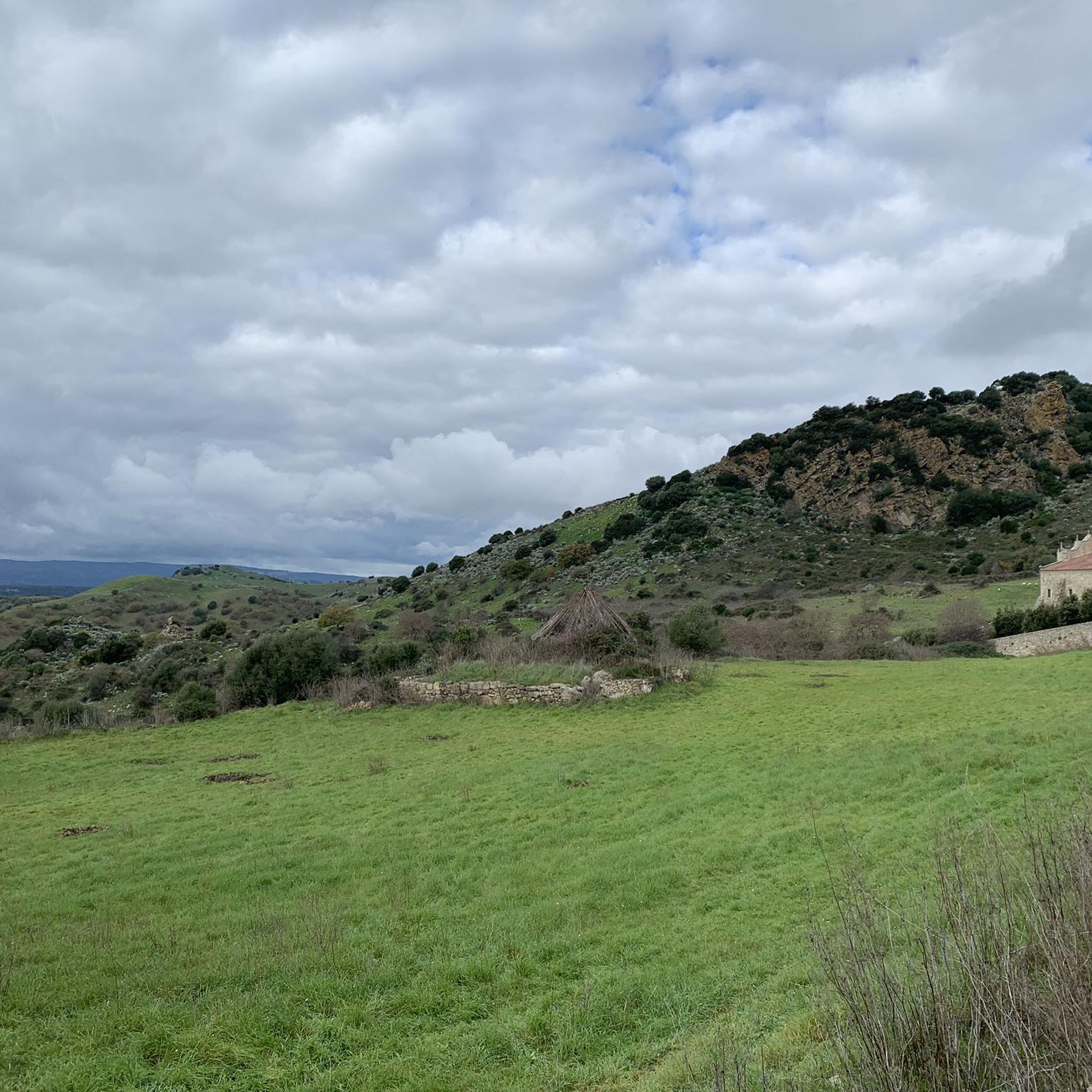
Plains with a primordial appearance, large green spaces bordered by imposing rock formations, isolated or in rows, with caves dug by nature and inhabited by man over the millennia
0
0

The caves are accessible from the road across a meadow. However, there are no paths, despite other claims to the contrary. We didn't find one, and the thistles and thorns make hiking less enjoyable. The area and the view are, of course, wonderful.
0
0

The necropolis of Puttu Codinu ("rock well") is an archaeological site located in the municipality of Villanova Monteleone, province of Sassari, near the state road 292 that leads to Monteleone Rocca Doria. A necropolis with nine hypogeal tombs was found on the site, in an area with rocks emerging from the surrounding land. The tombs were found by chance during recent excavation work. It is believed that the site began to be used in the recent Neolithic (3500 BC). Source: Wikipedia https://it.wikipedia.org/wiki/Necropoli_di_Puttu_Codinu
0
0

The path passes through the Domus de Janas of S'Ena de Cannuja, ancient pre-Nuragic tombs carved into the rock, dating back to the 3rd millennium BC. This necropolis includes six tombs dug into a trachytic ridge. The tombs were presumably reached using carvings dug into the rock face similar to those still preserved in the Domus de Janas Sos Furrighesos necropolis in Anela.
1
0
At the top of Mount Torru there is a vast amphitheater which houses the majestic Torru nuraghe, dominating the entire peak. The nuraghe, a typical megalithic building of ancient Sardinia, was developed during the Nuragic age between 1900 and 730 BC. This structure, built with blocks of soft trachyte, rests directly on the rock which acts as a natural bastion. The view from here is wide and breathtaking.
1
0

The monument, a small cult spring from the Nuragic period, consists of an atrium and a small cell where the vein of the spring is collected. The paved rectangular atrium (5.15 x 1.80 m) has seating along the walls (height 0.30 m; width 0.40 m) and a small alcove. The masonry (height 2 m; width 3 m) consists of regular rows of carefully squared basalt blocks. From the atrium one enters the small cell through an entrance with a trapezoidal light (0.65 m wide; 0.64 m high) obtained in a monolithic slab. The small room (diameter 0.97 m; height 1.60 m), built of roughly worked but carefully joined blocks of basalt, has a "tholos" roof closed by a large horizontal slab. In Christian times, a Latin cross was engraved on the underside of the end plate. The water flows through a channel carved into the sill of the entrance to the spring to a drainage channel built under the floor of the atrium itself. The settlement of the place lasted until late antiquity, as evidenced by coins from the fourth century. AD Found in the time of Taramelli while clearing the porch. Source: http://www.sardegnacultura.it/j/v/253?v=2&c=2488&t=1&s=21393
0
0
Frequently Asked Questions
What unique natural features can I explore around Giave?
Giave is renowned for its distinctive volcanic landscape. You can explore areas characterized by extinct volcanoes, high-ground formations of lava origin, and ancient geological structures. Notable features include the Rock Formations and Caves of the Sardinian Highlands, which feature plains with imposing rock formations and caves, some inhabited by humans over millennia. The region also boasts volcanic craters like Mount Annaru-Pòddighe and the ancient volcanic vent of Sa Pedra Mendarza.
Are there historical or archaeological sites integrated with the natural monuments in Giave?
Yes, Giave's natural landscape is rich with historical and archaeological significance. The area is part of the broader 'valley of the Nuraghi,' hinting at prehistoric human activity. You can visit sites like Domus de Janas di S’Ena de Cannuja, an ancient necropolis with pre-Nuragic tombs carved into rock, and Nuraghe Torru, a majestic Nuragic structure atop Mount Torru. Another significant site is the Sacred Spring of Su Lumarzu, a small cult spring from the Nuragic period.
What kind of wildlife can be observed at Giave's natural monuments?
The natural monuments around Giave offer opportunities for wildlife observation, particularly at sites like Sa Pedra Mendarza. This ancient volcanic vent serves as a nesting ground for ravens and northern goshawks, making it a point of interest for birdwatchers and nature enthusiasts.
What are some family-friendly natural monuments to visit in Giave?
While specific 'family-friendly' categories aren't always assigned, many natural monuments offer accessible exploration. The volcanic craters, such as Mount Annaru-Pòddighe, can be explored, and in autumn and winter, a small lake forms in its crater, which can be an interesting sight for families. For those with older children, the archaeological sites like Domus de Janas di S’Ena de Cannuja offer a fascinating glimpse into ancient history.
When is the best time to visit the natural monuments around Giave?
The natural monuments around Giave can be visited throughout the year. Mount Annaru-Pòddighe is particularly ideal for excursions in autumn and winter when a small lake forms in its crater. Even during warmer months, visitors can walk along its inner walls. Generally, spring and autumn offer pleasant temperatures for exploration.
Are there hiking opportunities near Giave's natural monuments?
Yes, the region around Giave offers various hiking opportunities. You can find trails that explore the unique volcanic landscape and lead to historical sites. For example, the route 'The extinct volcanoes of the Meilogu' is an easy hike covering over 5 km. You can find more hiking routes and detailed information on the Hiking around Giave guide page.
What kind of cycling routes are available near the natural monuments?
Giave is a great base for cycling. There are various routes for different types of cycling. For road cycling, you can explore routes like 'Fontana Rotonda loop from Thiesi' or 'The Washerwomen – Stone Fountain loop from Boruta/Borutta'. If you prefer touring, options include 'Thiesi historic centre – Lago di Monteleone loop from Ìtiri Cannedu/Ittiri'. Discover more routes on the Road Cycling Routes around Giave and Cycling around Giave guide pages.
What should I wear when visiting the natural monuments in Giave?
Given the varied terrain, which includes volcanic landscapes, potential thorny undergrowth, and archaeological sites, it's advisable to wear comfortable, sturdy walking shoes or hiking boots. Layered clothing is also recommended to adapt to changing weather conditions, especially during autumn and winter when a small lake can form in craters.
What do visitors enjoy most about the natural monuments around Giave?
Visitors particularly appreciate the unique blend of geological wonders and ancient history. The primordial appearance of plains with imposing rock formations, the insight into ancient civilizations provided by sites like the Domus de Janas di S’Ena de Cannuja, and the breathtaking views from places like Nuraghe Torru are frequently highlighted. The opportunity to explore a landscape shaped by volcanic activity is also a major draw.
Are there any hidden natural gems or less-known sites worth discovering?
Beyond the more prominent sites, the entire Meilogu subregion offers a wealth of natural beauty. Exploring the smaller, elevated areas formed from lava, which can be sharp, rounded, or cut out of flat tablelands, can reveal unique geological formations. The Puttu Codinu Necropolis, while an archaeological site, is nestled in an area with rocks emerging from the surrounding land, offering a blend of natural and historical discovery.
How long should I plan for a visit to the natural monuments in Giave?
The time needed depends on which sites you wish to visit. For a comprehensive exploration of a few key sites like the volcanic craters and one or two archaeological monuments, a full day would be beneficial. If you plan to include hiking or cycling, you might extend your visit to several days to fully appreciate the region's offerings.
Most popular routes around Giave
Most popular attractions around Giave

Get inspired with the komoot mobile app


Explore more
Extend your search for the best caves by checking out these guides of the top ones around Giave:
