Top 12 Natural Monuments around Magliano Sabina
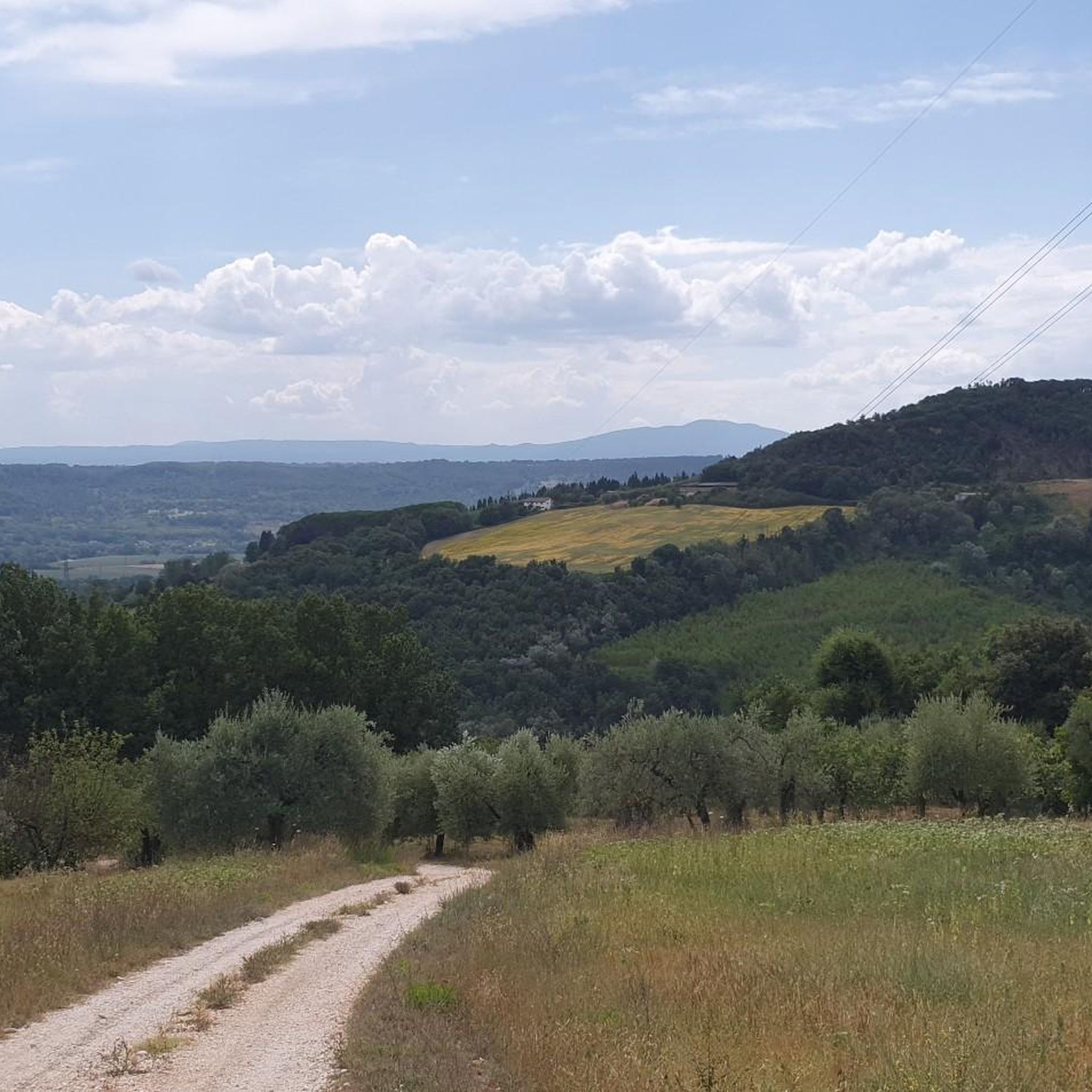
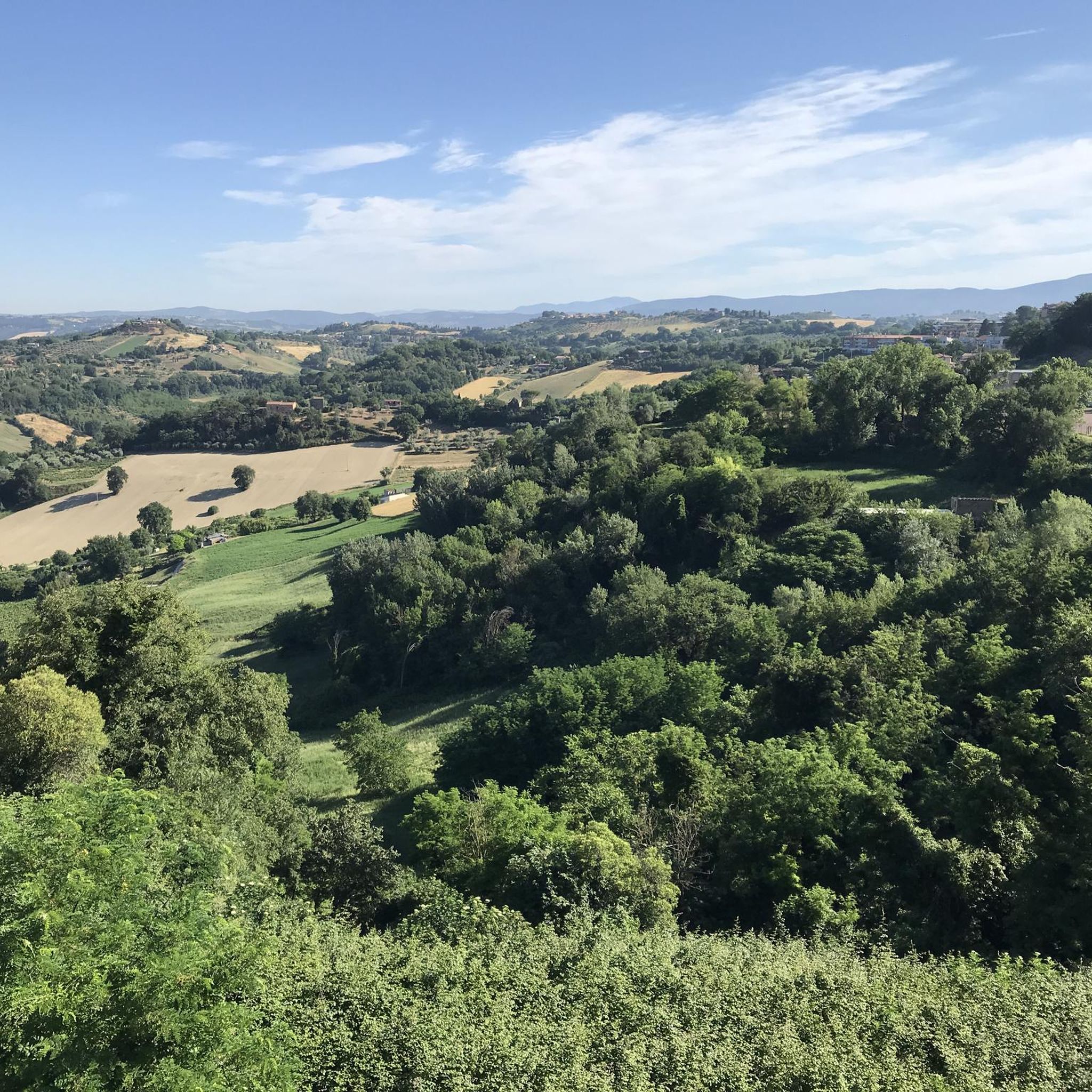
Best natural monuments around Magliano Sabina are found within a landscape characterized by rolling hills, the Tiber Valley, and diverse ecosystems. This region, nestled in the Sabina area of Lazio, Italy, features unique geological formations and rich biodiversity. The terrain includes hilly and mountainous areas leading to the Subapennine range, dotted with olive groves and ancient villages. These natural features offer varied exploration opportunities.
Best natural monuments around Magliano Sabina
- The most popular natural monuments is Corchiano Historic Village and…
Last updated: October 1, 2026
Corchiano Historic Village and Gorges
Highlight • Settlement
Translated by Google •
Tip by

The Saint's Hermitage
Highlight • Cave
Translated by Google •
Tip by

Sign up now to discover places like this
Get recommendations on the best single tracks, peaks, & plenty of other exciting outdoor places.
Lake San Liberato
Highlight • Lake
Translated by Google •
Tip by

Vie Cave of Corchiano
Highlight • Natural Monument
Translated by Google •
Tip by

Ocriculum Archaeological Park
Highlight • Historical Site
Translated by Google •
Tip by

Sign up for free to discover even more natural monuments around Magliano Sabina.
Already have an account?
Start today with a free account
Your next adventure awaits.
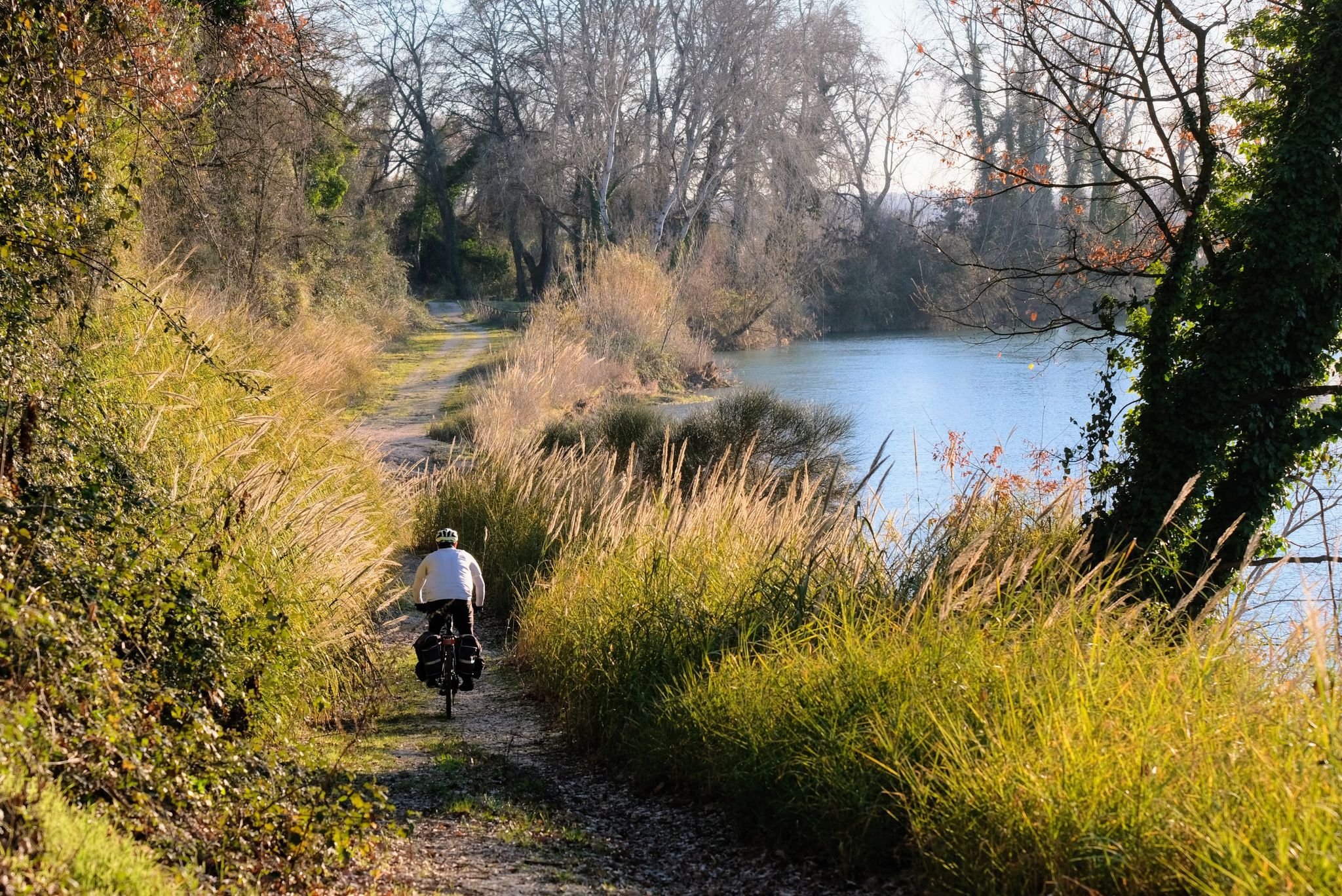
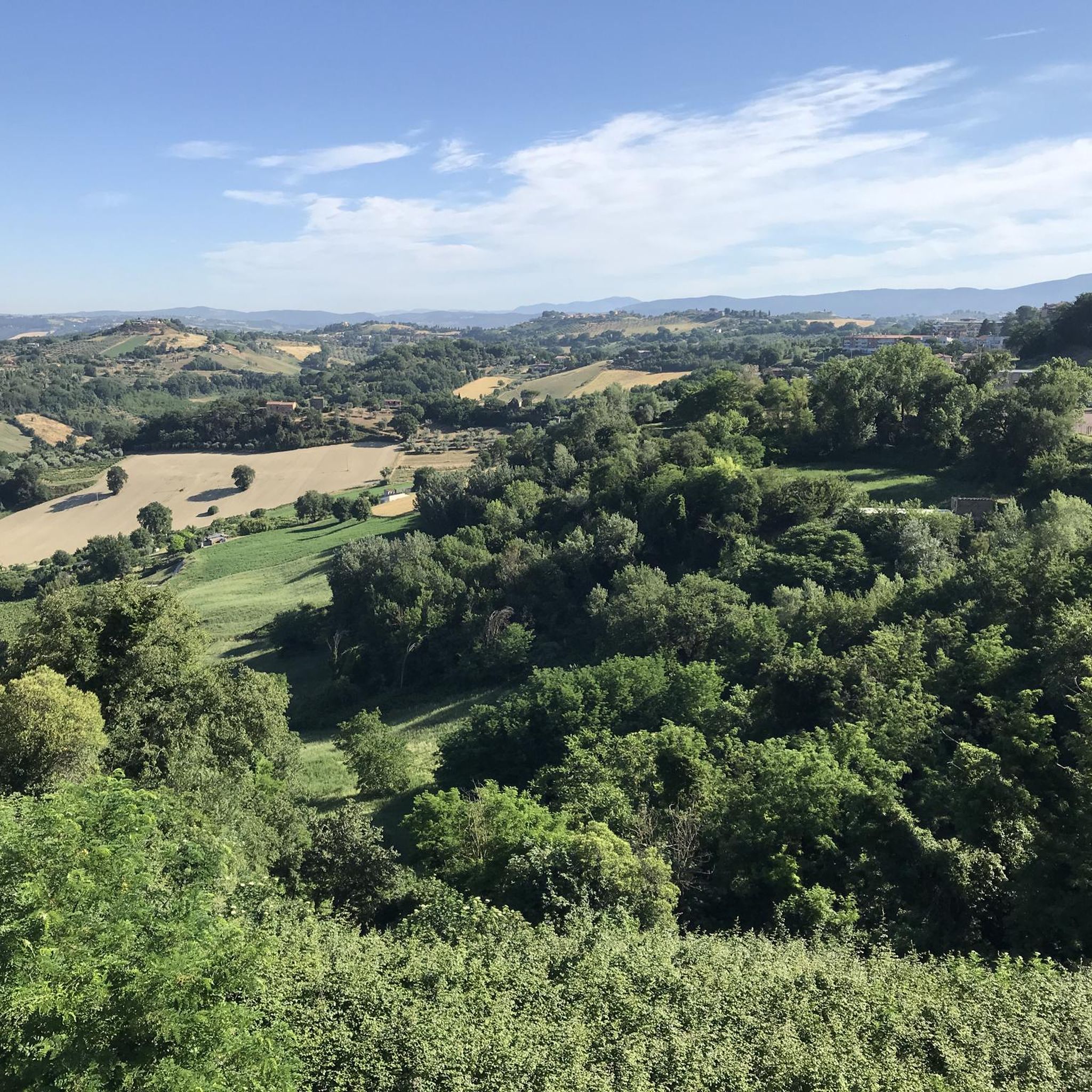
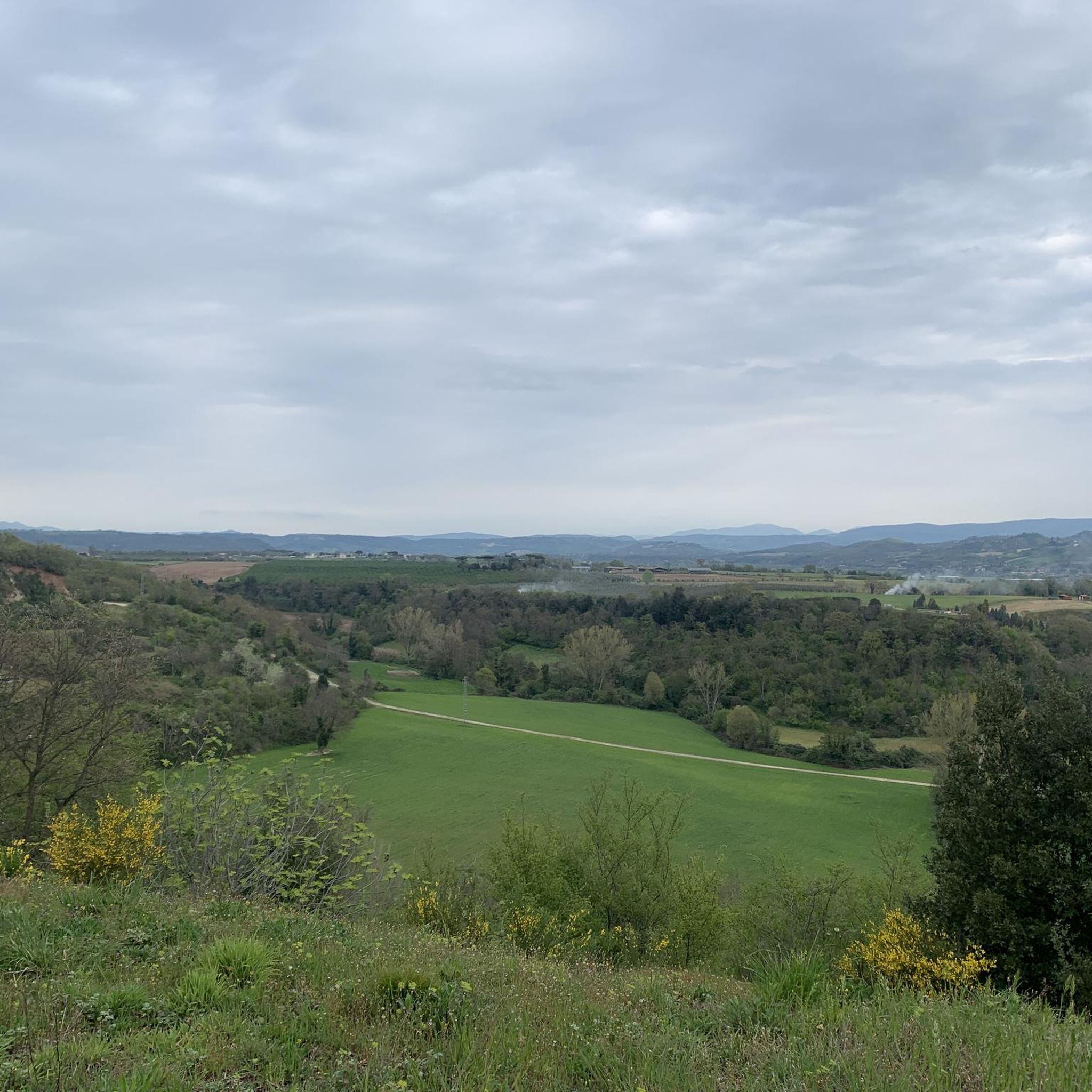
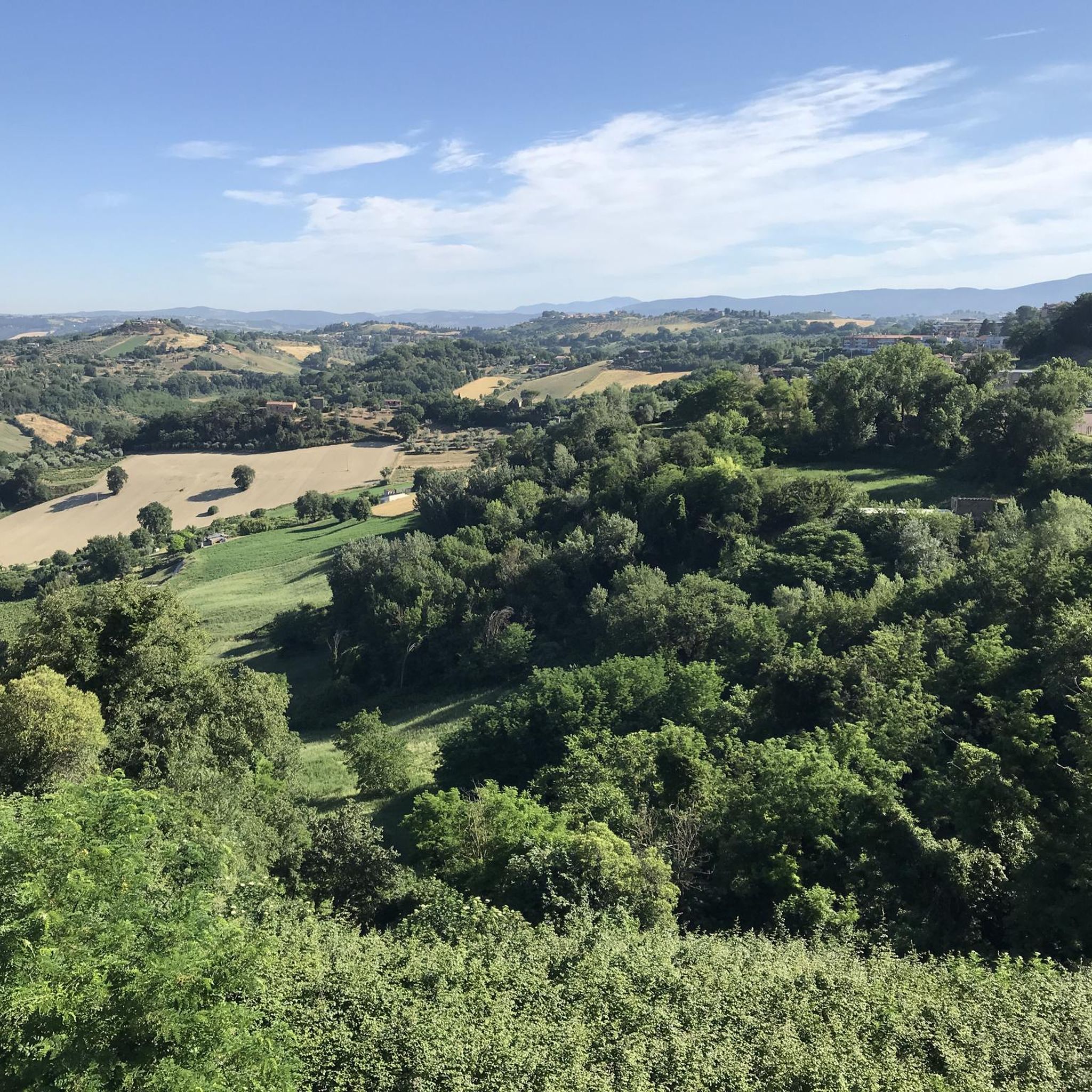

Other adventures around Magliano Sabina

Tips from the Community

There was a huge problem with my tour. They let you through onto the grounds, but the routes through are blocked. I was just lucky that an employee was driving over the dam and I just made it back to freedom through the large gate. It's an operating area, after all. No idea who suggests a tour through here. On the other hand, about 15 km detour on rough gravel would have been the alternative for me. The lake, well. There are many waterfowl.
0
0

Walking along via S. Egidio, you will find the beginning of this short but very suggestive path inside a "via cava" (roads dug through the tuff that connected the bottom of the valley with the territories above and, in other areas, were also used to drain excess water from agricultural land). This via cava is full of caves dug directly into the tuff, probably used as stables or cellars to store wine or food.
0
0
Corchiano is a small town in the province of Viterbo, apparently similar to many others, a little modest... and yet, it has become famous for some events, such as the infiorata, which is held at the end of May and sees the entire town involved in decorating a good part of the streets of the town with flower petals, colored sawdust, coffee grounds and in general any material that can be colored and applied in designs of great beauty. Then, in December, the living nativity scene takes place in a natural setting of great suggestion, finally, the exploration on foot of the ravines should not be overlooked, a true natural monument and archaeological site of great interest... in short, a place that is worth visiting. The difficulty in walking the paths, all equipped, is generally T (tourist) and suitable for all age levels.
1
0

The remains of the ancient Roman city, crossed by the Via Flaminia and lapped by a bend of the Tiber, are set in a natural landscape of remarkable beauty, a perfect synthesis of archeology and nature with a centuries-old history.
0
0

This splendid archaeological park from the Roman era can be visited all year round for free. The park extends for 36 hectares from the nearby bend of the Tiber to under the modern Otricoli. Right on the Tiber river there are still the remains of the used Oil Port active until the 16th century. The remains of what were once thermal baths, amphitheaters and villas are perfectly preserved and extraordinarily integrated into the natural context of the area.
2
0

Corchiano is an ancient Faliscan city, a people who shared the dominion of Tuscia with the Etruscans. The village retains its medieval layout, with winding alleys and suggestive squares.
0
0
The Forre di Corchiano (vie cave) are works declared a natural monument. They are located in the town of Corchiano (which stands on a tufaceous cliff), the vie cave are a work created by man. It is a vertical cut to create a road that softens the sometimes harsh slopes of nature.
1
0

One of the few saints who is also highly valued outside of Christianity is San Francesco, known in the German-speaking world as Francis of Assisi. Francis was born in Assisi in 1181/82 and died as early as 1226. In his youth, the son of wealthy parents, he was more of a bon vivant, but later he turned to Christ. In the half-ruined little church of San Damiano, on the hillside outside the city walls of Assisi, he was praying one day and heard the voice of Christ coming down from the cross, urging him to “rebuild his church”. At first he took this request literally and restored the church building, later he came to realize that this is primarily about the church as the community of believers. Francis became a role model for many people, they joined him and the "Order of the Friars Minor" (Ordo Fratrum Minorum) of Francis of Assisi came into being. Today in the broad Franciscan religious family there are three male branches: the Franciscans, the Minorites and the Capuchins; and two females: the Franciscans and the Poor Clares. In addition, there is the "Third" or "Secular" order, which women and men who do not take the classic vows of the order (poverty, chastity and obedience) and continue to live in their family and their profession can join.
2
0
Frequently Asked Questions
What are some of the most notable natural monuments to visit around Magliano Sabina?
The region around Magliano Sabina offers several unique natural monuments. Among the most popular are the Corchiano Historic Village and Gorges, known for its equipped paths through ravines and archaeological significance. Another significant site is The Saint's Hermitage, a historical cave with an easy trail offering scenic views. Don't miss the Meri del Soratte Karst Sinkholes, a series of deep karst cavities accessible via an easy path.
Are there family-friendly natural monuments suitable for all ages?
Yes, several natural monuments around Magliano Sabina are suitable for families. The Corchiano Historic Village and Gorges features equipped paths with a generally tourist-friendly difficulty level. The Saint's Hermitage also offers an easy trail. Additionally, the Ocriculum Archaeological Park provides a blend of history and nature that can be enjoyed by all ages.
What kind of natural features can I expect to see in the Magliano Sabina area?
The landscape around Magliano Sabina is characterized by rolling hills, the broad Tiber Valley, and diverse ecosystems. You'll encounter unique geological formations like the gorges of Corchiano and the karst sinkholes of Monte Soratte. The region also boasts protected natural habitats, including forests and river environments, offering panoramic views, especially from vantage points overlooking the Tiber Valley and Monte Soratte.
What historical or archaeological sites are integrated with the natural monuments?
The region beautifully blends natural beauty with rich history. The Corchiano Historic Village and Gorges is both a natural monument and an archaeological site, with ancient Faliscan origins. The Saint's Hermitage is a cave with religious historical significance, having hosted St. Francis of Assisi. Furthermore, the Ocriculum Archaeological Park showcases well-preserved Roman ruins integrated into a natural setting along the Tiber River.
Are there hiking opportunities near these natural monuments?
Yes, the area offers various hiking opportunities. For instance, you can explore the equipped paths within the Corchiano Historic Village and Gorges. The trail to The Saint's Hermitage is an easy stroll with amazing views. For more structured routes, you can find numerous trails in the area, including easy loops like the Ocriculum Roman Baths trail or more challenging options like the Sant'Oreste Fitness Trail. Discover more hiking routes in the Hiking around Magliano Sabina guide.
What kind of wildlife can be observed in the natural areas around Magliano Sabina?
The protected natural habitats in the Sabina area are a haven for diverse flora and fauna. Nature enthusiasts can spot various bird species, including the Sardinian Warbler, nightingale, cuckoo, European Bee-eater, and Hoopoe. Golden eagles can also be seen soaring above the Parco regionale naturale dei Monti Lucretili. The landscape is also home to wild boars, porcupines, various lizards, and interesting insects like fireflies and butterflies.
What is the best time of year to visit the natural monuments in Magliano Sabina?
The Sabina region offers beauty throughout the year. Spring and autumn generally provide pleasant temperatures for exploring the outdoor sites and enjoying the lush, green countryside or vibrant fall colors. In December, the Corchiano Historic Village and Gorges hosts a unique living nativity scene, adding a cultural dimension to your visit.
Are there cycling or mountain biking routes available near the natural monuments?
Absolutely. The hilly and mountainous terrain around Magliano Sabina is ideal for cycling and mountain biking. You can find routes that take you through olive groves and vineyards, offering scenic views. For example, there are moderate to difficult MTB trails like the 'View of Monte Soratte – Strada Vecchia Amerina loop' or cycling tours such as the 'Stele of San Famiano – Carchiano Gorges loop'. Explore more options in the MTB Trails around Magliano Sabina and Cycling around Magliano Sabina guides.
Can I bring my dog to the natural monuments and trails?
While specific rules for each site may vary, many natural outdoor areas and trails in the Magliano Sabina region are generally dog-friendly. It's always recommended to keep dogs on a leash and ensure you clean up after them to preserve the natural environment for everyone. Always check local signage for any specific restrictions at individual monuments or parks.
What makes the Tiber Valley and Monte Soratte significant natural features in this region?
The Tiber Valley, with the ancient Tiber River winding through it, offers dramatic countryside views, especially from elevated points around Magliano Sabina. Monte Soratte, with its distinctive silhouette, provides stunning panoramic vistas, such as those from the Eremo di San Silvestro. Hot air balloon flights from Magliano Sabina offer a unique perspective of this gorgeous natural landscape and ancient villages from above.
Are there any hidden natural gems or less-known spots worth discovering?
Beyond the well-known sites, the broader Sabina area is rich in picturesque spots. The lush, green countryside, dotted with olive groves and vineyards, offers tranquil escapes. Exploring the numerous ancient monasteries and medieval villages nestled within the hilly terrain can lead to discovering charming, less-trafficked natural viewpoints and serene walking paths that offer a glimpse into the traditional way of life.
Most popular routes around Magliano Sabina
Most popular attractions around Magliano Sabina

Get inspired with the komoot mobile app


Explore more
Extend your search for the best caves by checking out these guides of the top ones around Magliano Sabina:
