Top 18 Natural Monuments around Montalcino
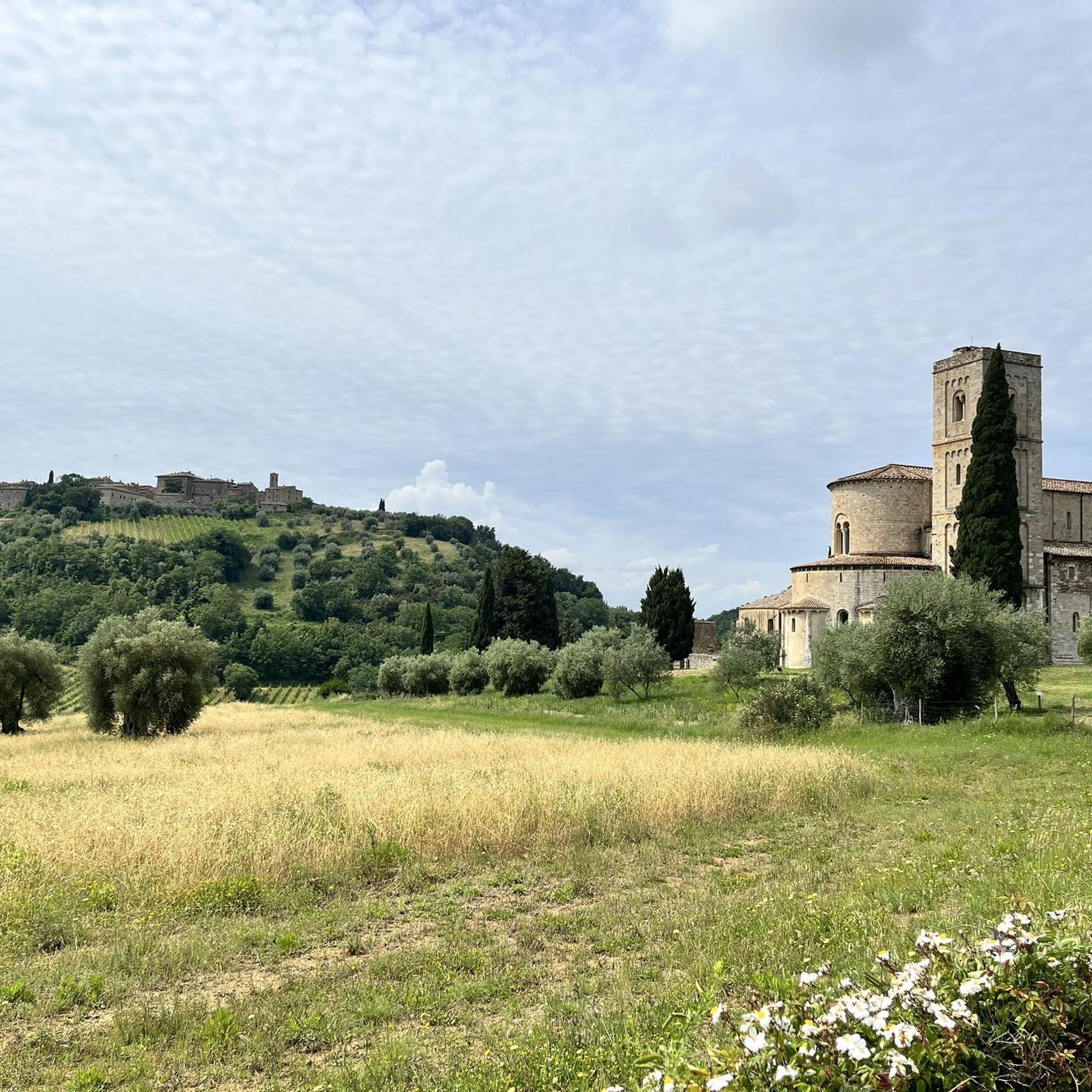
Best natural monuments around Montalcino are found within the Val d'Orcia, a UNESCO World Heritage site known for its cultural landscape. This region features rolling hills, geometric patterns of cultivated fields, vineyards, and distinctive cypress trees. Unique clay soil formations, including *calanchi* and *biancane*, also characterize the area. The natural elements around Montalcino offer diverse geological and scenic experiences.
Best natural monuments around Montalcino
- The most popular natural monument is Crete Senesi, a natural_monument characterized by gently rolling, often…
Last updated: July 25, 2026
Horti Leonini Gardens
Highlight • Natural Monument
Showing Translation
Tip by

Bagno Vignoni Thermal Baths
Highlight • Natural Monument
Bagno Vignoni, …
Translated by Google •
Tip by

Sign up now to discover places like this
Get recommendations on the best single tracks, peaks, & plenty of other exciting outdoor places.
Sign up for free
Parco dei Mulini Archaeological Site and Thermal Springs
Highlight • Historical Site
Translated by Google •
Tip by

Crete Senesi
Highlight (Segment) • Natural Monument
Translated by Google •
Tip by

Cypress Avenue of Poggio Covili
Highlight • Viewpoint
Translated by Google •
Tip by

Sign up for free to discover even more natural monuments around Montalcino.
Sign up for free
Already have an account?
Start today with a free account
Your next adventure awaits.
Login or Signup
Popular around Montalcino
Ciclovia dei due mari - By bike from the Tyrrhenian Sea to the Adria
L'Eroica di Gaiole in Chianti
Bike ride through the Elysian Fields – Eroica Montalcino
In bici nei dintorni di Grosseto e del Monte Amiata con DINAclub
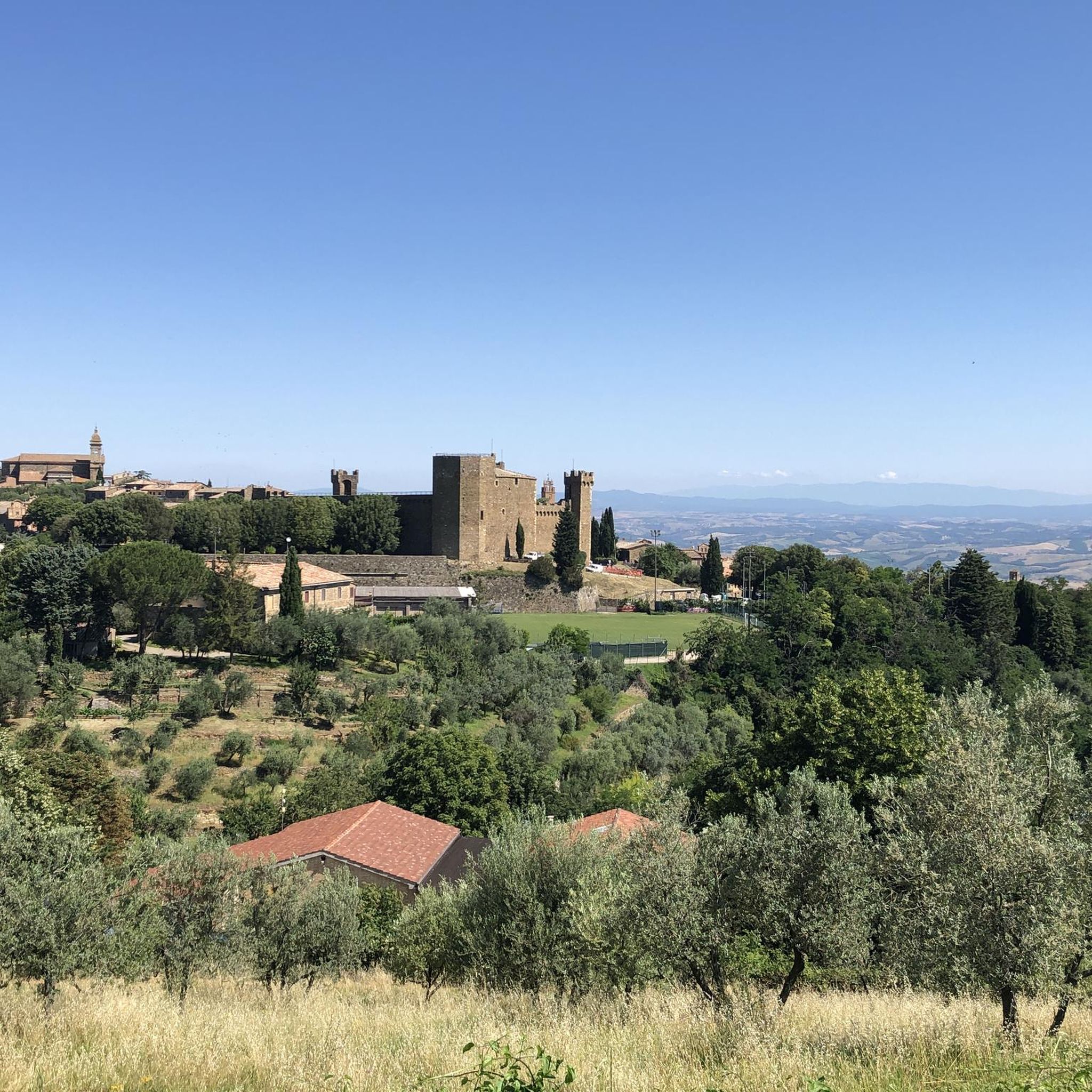
Road Cycling Routes around Montalcino
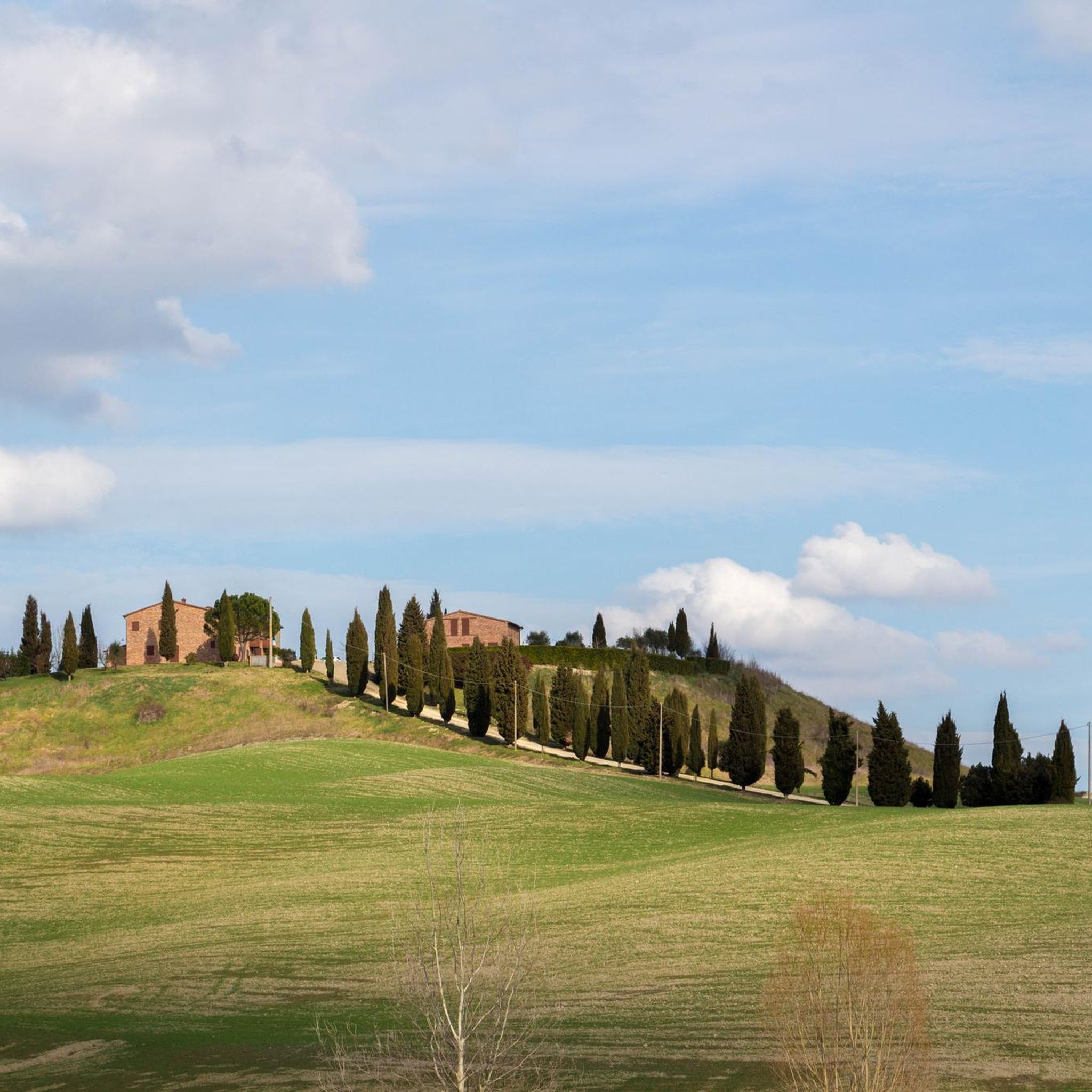
Hiking around Montalcino
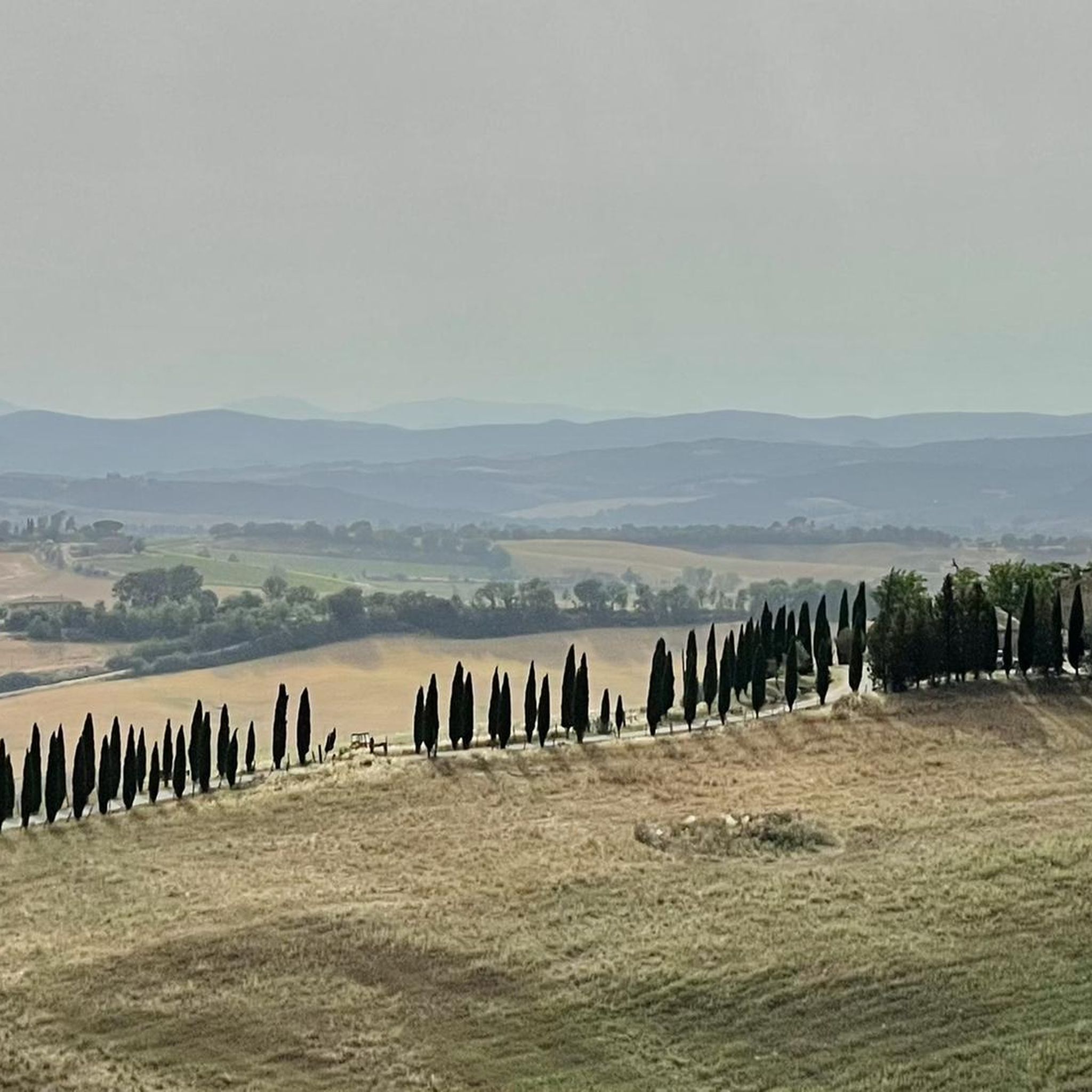
Cycling around Montalcino
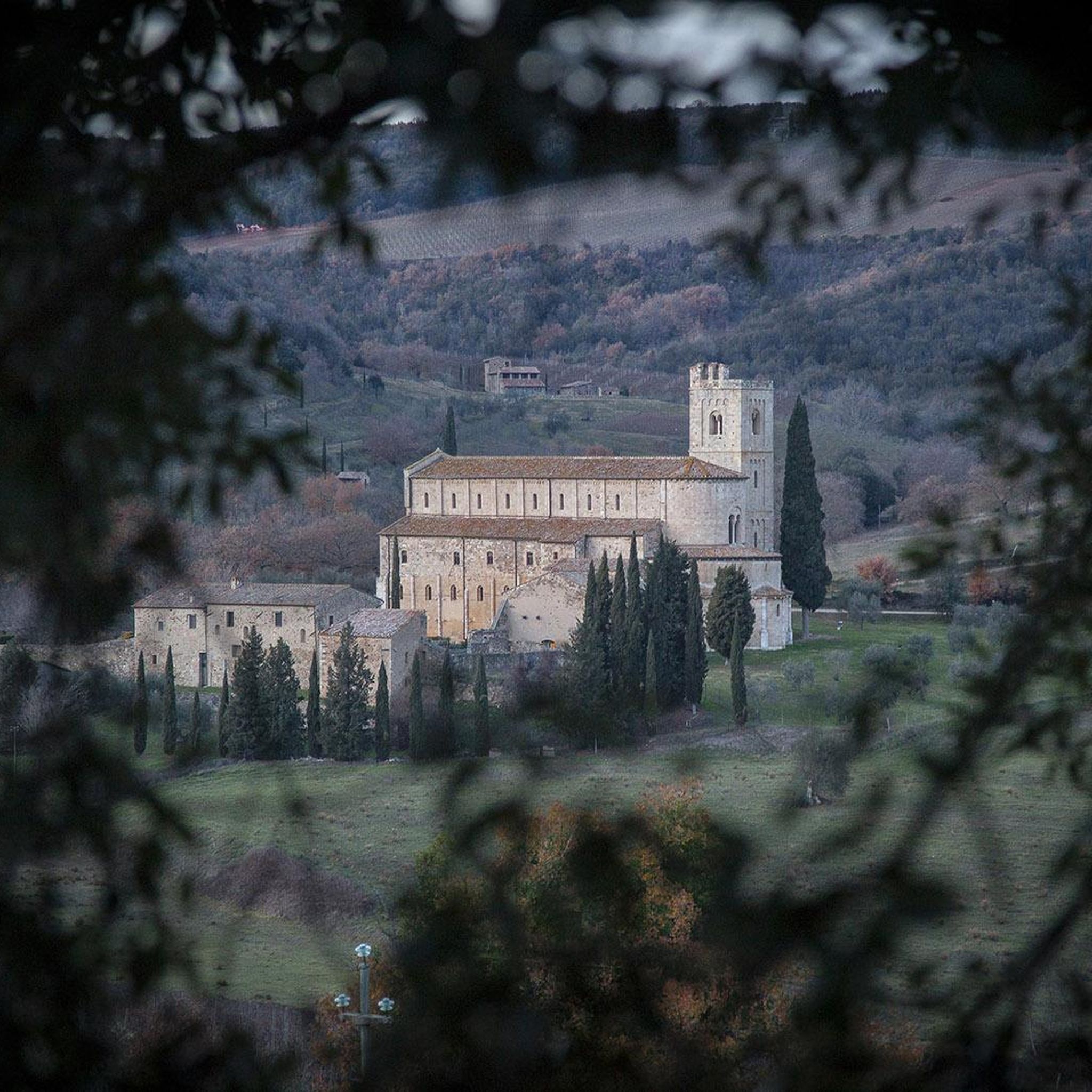
Running Trails around Montalcino
MTB Trails around Montalcino

Gravel biking around Montalcino
Other adventures around Montalcino


Tips from the Community

The Horti Leonini are a splendid Renaissance garden in the heart of San Quirico d’Orcia, created in the 16th century at the behest of Diomede Leoni. Characterized by perfect geometry and precisely manicured boxwood hedges, they represent a rare example of a public Italian garden. Divided between a flat formal section and a more natural area that climbs towards the woods, they offer a pleasant contrast between order and spontaneity. In the center is a statue of Cosimo III de’ Medici, while the paths invite quiet walks immersed in greenery. They are an ideal place for a relaxing break, amidst art, history, and landscape harmony.
1
0

The Horti Leonini are a magnificent example of a classic Italian garden, laid out around 1580 by Diomede Leoni, after whom it is named. Leoni was a connoisseur of ancient and Renaissance art who, on behalf of the Medici, acquired works of art from Roman circles. Francesco I de' Medici himself gifted him a plot of land in the heart of San Quirico d'Orcia, where the Horti, which still retain their original appearance, would later be established. The gardens are divided into two sections: The lower, diamond-shaped area is enclosed by walls and clipped holm oaks and consists of triangular flowerbeds bordered by a double boxwood hedge. At its center is a sculpture attributed to the Sienese artist Bartolomeo Mazzuoli, depicting Cosimo III de' Medici (1688). In the other section stands the head of Janus Bifrons, a Roman-era sculpture that symbolically marks the boundary between the more natural and the formally designed parts of the garden. A travertine staircase leads to the upper plaza.
0
0

Ruins of the thermal baths above, and below, paradise with light blue water in the pools. A dream.
0
0

The Horti Leonini are a public garden located in the ancient bastions of San Quirico d'Orcia (province of Siena). The Horti have maintained their original structure to this day, constituting a well-preserved example of a classic 16th-century Italian garden and a model of park arrangement revived in subsequent centuries. taken from: https://it.wikipedia.org/wiki/Horti_Leonini ═════════════════ 👇 here is the video in 4K 👇 https://youtu.be/MUBZ51VCcuE
0
0

The cypress avenue that leads to the Poggio Covili farmhouse is one of the most appreciated and photographed in the entire Val d'Orcia.
1
0

Bagno Vignoni is a small medieval village built more than a thousand years ago, in the heart of the Val d'Orcia. Peculiar to this village is the main square, consisting of a thermal pool (where it is not possible to swim) which makes the landscape truly unique. Below the hill on which the village stands there are two other pools with thermal water. The water flows from above the city to the ponds, overflows and flows into the river.
3
0

Bagno Vignoni is a small medieval village built a thousand years ago amidst rolling hills and winding roads. There is a swimming pool in the main square, and below the hill there are two pools with thermal waters. Water flows from above the town down to the ponds, overflows through them and flows into the river.
3
0

iconic places of world tourism
0
0
Frequently Asked Questions
What unique natural features define the Montalcino area?
The Montalcino area, nestled within the Val d'Orcia, is characterized by its iconic rolling hills, geometric patterns of cultivated fields, vineyards, and distinctive cypress trees. You'll also find unique clay soil formations known as calanchi (ravines) and biancane (bare hills), particularly in areas like the Lucciolabella Nature Reserve, which offer a more arid, almost lunar, landscape. The Orcia River flows through this protected park, adding to its natural diversity.
Are there family-friendly natural monuments in the Montalcino region?
Yes, several natural monuments are suitable for families. The Horti Leonini Gardens in San Quirico d'Orcia offer a classic 16th-century Italian garden experience with formal layouts and sculptures, perfect for a leisurely stroll. The Bagno Vignoni Thermal Baths also provide a unique setting with its central thermal pool, and while swimming in the main square isn't allowed, the nearby 'Parco dei Mulini' offers free access to thermal waters for bathing.
What is the best time of year to visit the natural monuments around Montalcino?
The Val d'Orcia landscape offers ever-changing colors throughout the seasons, making it beautiful year-round. Spring brings vibrant green hills and wildflowers, while autumn showcases golden fields and vineyards. Summer is ideal for longer days and outdoor activities, though it can be warm. Winter offers a quieter, often misty, beauty. For specific activities like hiking, spring and autumn generally provide the most comfortable temperatures.
Can I explore the natural monuments around Montalcino by bike?
Absolutely! The region is very popular for cycling. You can find numerous routes for various cycling types, including touring, mountain biking, and gravel biking. For example, you can explore routes like the 'Montalcino and Sant'Antimo Abbey Loop' or 'L'Eroica Trail: Montalcino and Buonconvento Loop'. You can find more details on cycling routes in the area on our Cycling around Montalcino, MTB Trails around Montalcino, and Gravel biking around Montalcino guide pages.
Are there any ancient or historically significant natural sites?
Yes, the region boasts sites with deep historical roots. The Bagno Vignoni Thermal Baths were cherished by Etruscans and Romans for their beneficial properties, and its Renaissance-era square is built directly over the original thermal source. Additionally, the Parco dei Mulini Archaeological Site, located below Bagno Vignoni, features ruins of ancient mills that were operated by the thermal waters, showcasing centuries of human interaction with this natural resource.
What is the Quercia delle Checche and why is it important?
The Quercia delle Checche, also known as the Witches' Oak or Big Oak, is a monumental oak tree nearly four centuries old. It's a significant natural landmark, recognized as Italy's first 'green monument' in 2017. Its impressive size, standing over 19 meters tall with a trunk circumference of almost 5 meters, and its historical significance, including serving as a hiding place during World War II, make it a powerful symbol of the region's enduring natural heritage.
Where can I find the iconic cypress-lined roads often seen in Tuscan photos?
The Val d'Orcia is famous for its elegant cypress-lined roads and groves. One of the most appreciated and photographed is the Cypress Avenue of Poggio Covili. These cypress formations are an integral part of the landscape, contributing significantly to the aesthetic appeal and unique visual identity of the region, offering striking photographic opportunities.
What kind of geological formations can I expect to see?
Beyond the rolling hills, the region features distinct geological formations. The Crete Senesi, south of Siena, are characterized by gently rolling, often dry hilltops and fertile river valleys, with natural erosion and clay soil creating a unique, sometimes desert-like, character. The Lucciolabella Nature Reserve also showcases 'arid and lunar-like' landscapes with calanchi and biancane formations, revealing ancient geological history as a seabed.
Are there opportunities for hiking near the natural monuments?
Yes, the Montalcino area offers various hiking opportunities. While specific hiking routes directly linked to individual natural monuments aren't always available, the broader Val d'Orcia region provides numerous trails. You can explore the diverse landscapes on foot, from the rolling hills to the more rugged terrain of the Crete Senesi. For detailed hiking routes, you can check out our Cycling around Montalcino guide, which also includes paths suitable for walking, or explore other guides for the wider Val d'Orcia region.
What is the Lucciolabella Nature Reserve known for?
The Lucciolabella Nature Reserve, within the Val d'Orcia, is known for its unique 'arid and lunar-like' landscape. It features distinctive clay soil, calanchi (ravines), and biancane (bare hills). Despite its barren appearance, pioneer plants thrive here. It's also notable for the discovery of the world's best-preserved fossil of a prehistoric dolphin, highlighting its ancient geological and paleontological interest. It offers a surreal scenery that contrasts with the region's verdant hills.
Is there a different type of natural scenery available, beyond the typical Tuscan hills?
Yes, for a different natural experience, you can look towards Monte Amiata. While Montalcino is on its own hills, the larger Val d'Orcia region extends towards this ancient volcano. Monte Amiata offers a more densely wooded landscape with ancient forests and volcanic soil, providing a cooler climate and opportunities for traditional woodland hiking, a contrast to the cypress-lined hills.
What do visitors enjoy most about the natural monuments around Montalcino?
Visitors consistently praise the extraordinary beauty and harmonious blend of natural wonders and human ingenuity in the Val d'Orcia. The panoramic views, especially from Montalcino itself, overlooking the valley, are particularly stunning. The iconic cypress avenues, the unique geological formations of the Crete Senesi, and the historical significance of sites like Bagno Vignoni all contribute to a deeply enriching experience, offering both visual splendor and a connection to centuries of history.
Most popular routes around Montalcino
Most popular attractions around Montalcino

Get inspired with the komoot mobile app


Explore more
Extend your search for the best caves by checking out these guides of the top ones around Montalcino:
