Top 20 Natural Monuments around Zumaglia
Best natural monuments around Zumaglia are situated in the province of Biella, Italy, offering access to diverse natural sites. The region features a mix of protected areas, mountain passes, and extensive parklands. These natural features provide varied terrain, from the unique "savannah-like" landscape of the Baragge to the alpine environment of the Biellese Alps. The area is characterized by its geological formations, rich biodiversity, and opportunities for outdoor activities.
Best natural monuments around Zumaglia
- The most popular natural monuments is…
Last updated: July 25, 2026
Bocchetto Sessera Pass
Highlight • Mountain Pass
Showing Translation
Tip by

Baraggia di Candelo – Baragge Nature Reserve
Highlight • Natural Monument
Translated by Google •
Tip by

Sign up now to discover places like this
Get recommendations on the best single tracks, peaks, & plenty of other exciting outdoor places.
Sign up for free
Climb to Oropa from Biella
Highlight (Segment) • Religious Site
Translated by Google •
Tip by
Burcina Pond
Highlight • Lake
Translated by Google •
Tip by

Labirinto di Stavello
Highlight • Structure
Translated by Google •
Tip by

Sign up for free to discover even more natural monuments around Zumaglia.
Sign up for free
Already have an account?
Start today with a free account
Your next adventure awaits.
Login or Signup

Tips from the Community

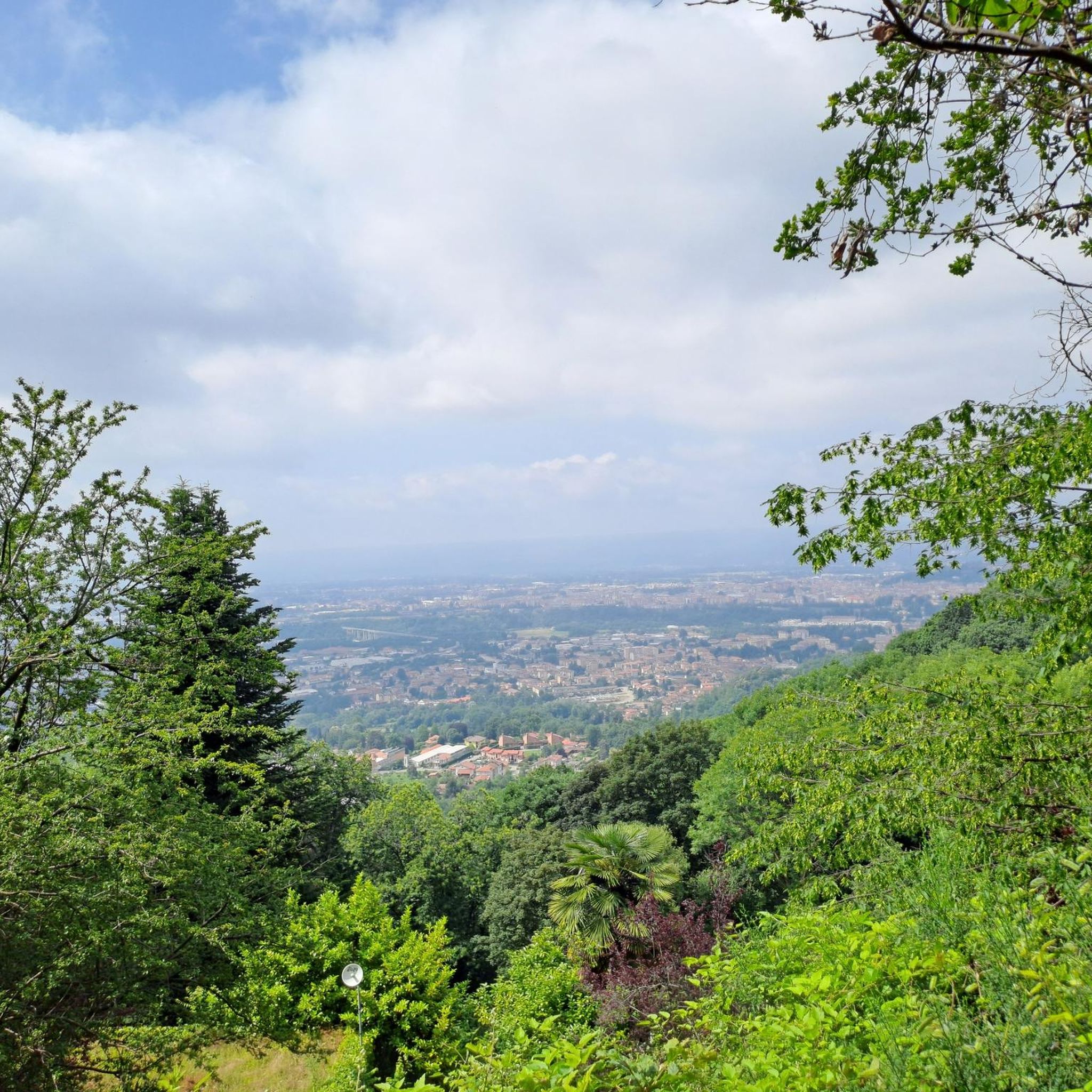
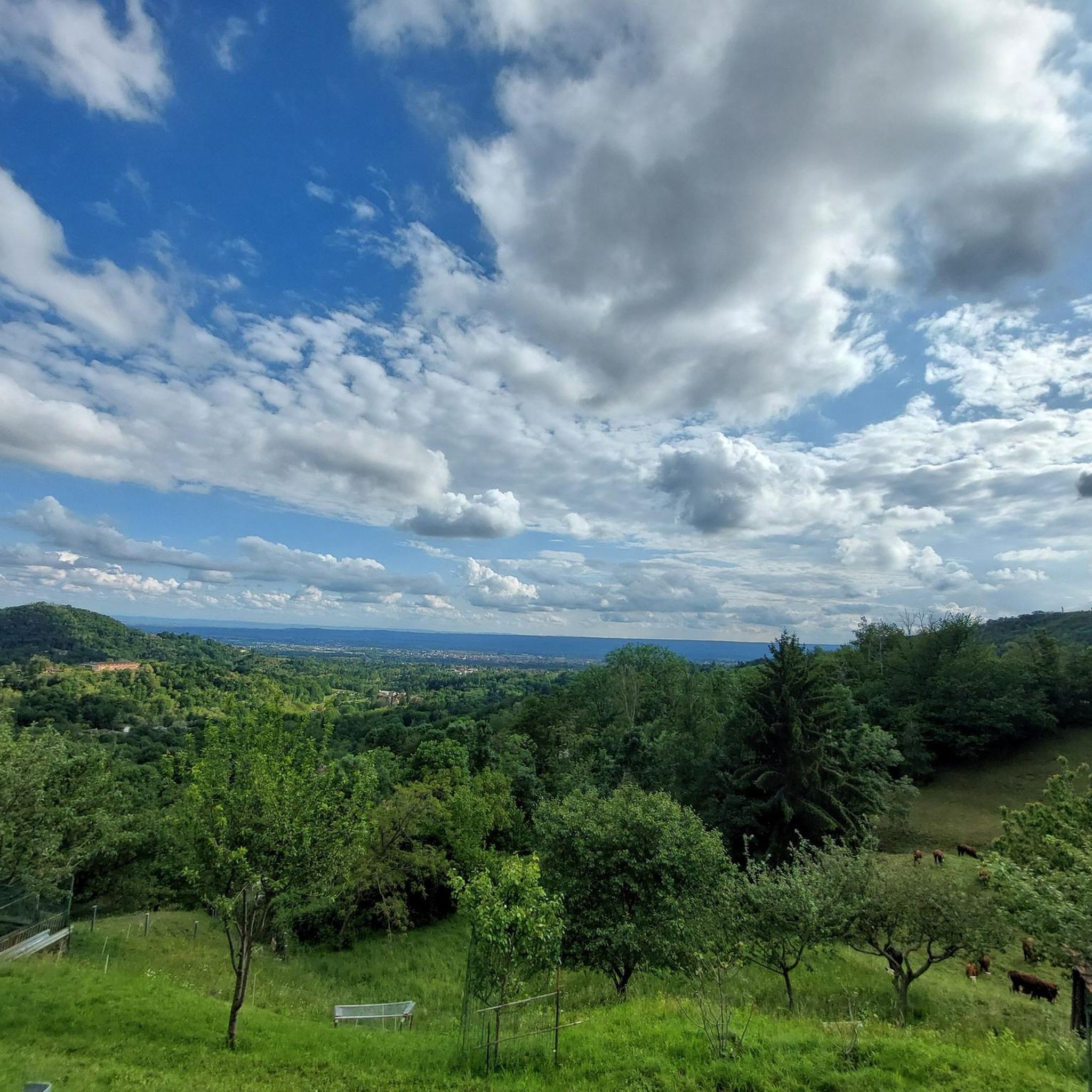
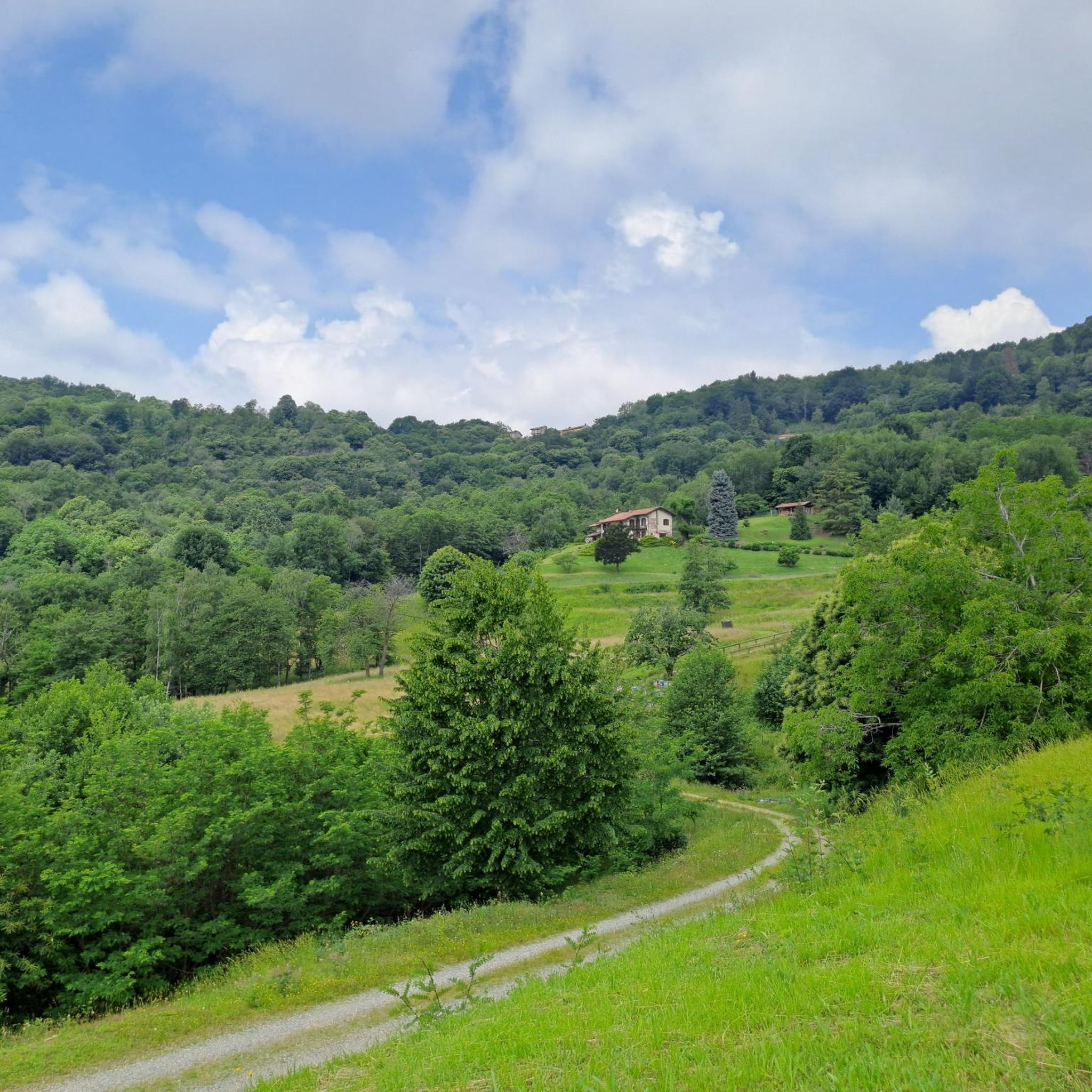
The **Passo (or Bocchetto) di Bocchetto Sessera is an alpine pass located in the Biella Alps, in the Province of Biella (Piedmont, Italy). It connects the Valle dello Strona di Mosso with the Val Sessera, between the mountains Monte Marca (1,558 m) and Monticchio (1,697 m).
14
0

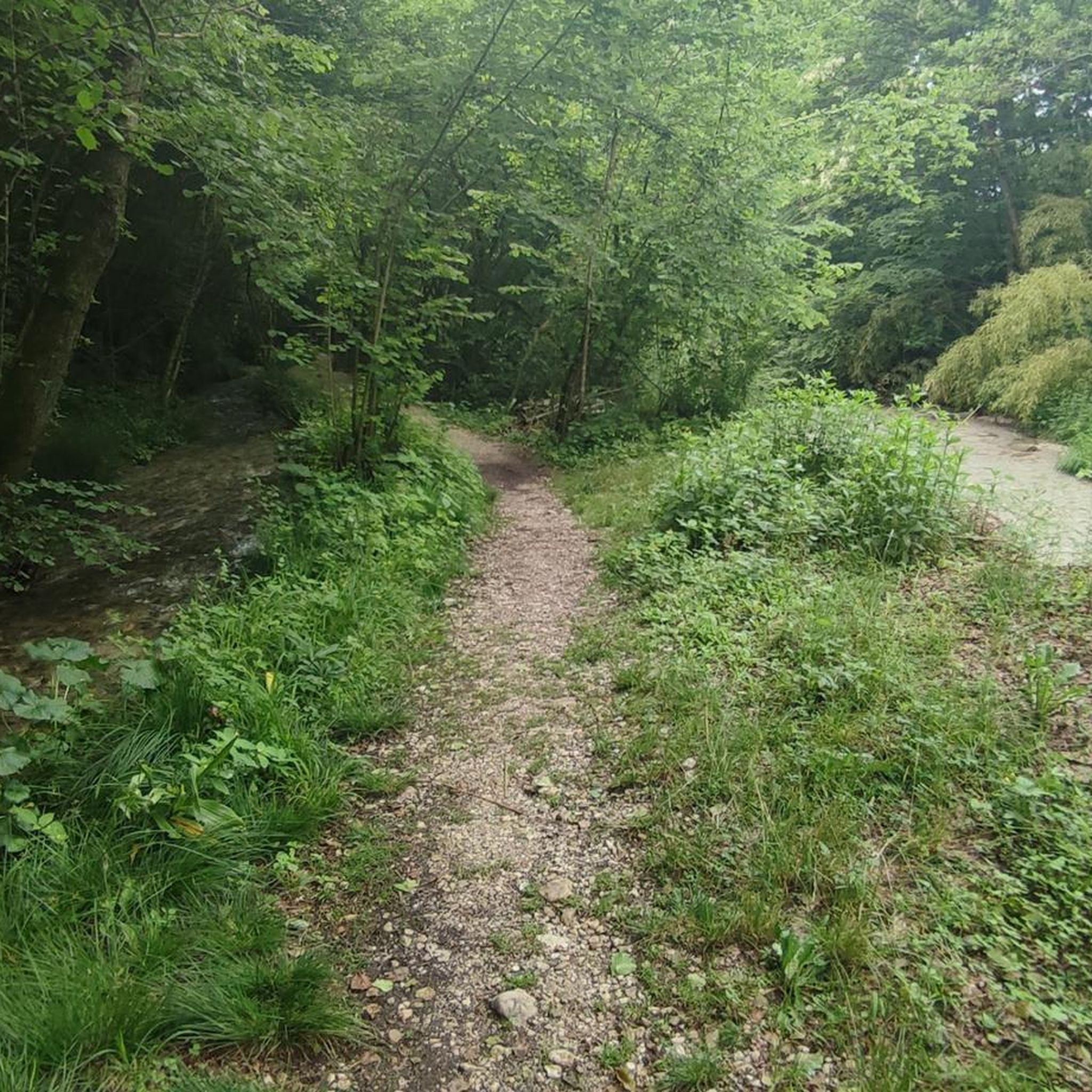
artificial lake once infested with abandoned turtles and now finally reclaimed
0
0

Main entrance to the Oasi Zegna, from which many paths start, including the "Bosco del Sorriso" path and others
2
0
The Stavello Labyrinth is one of the attractions of the Oasi Zegna, located in Bocchetta di Stavello in the municipality of Valdilana (BI). Built in 2021 on an area previously occupied by bowling greens, the labyrinth is a large stone spiral with a diameter of 29 meters, inspired by the Cretan model with 11 spirals. The path, over 480 meters long, was built using local stones of various shapes and sizes. Designed as a meditative path, the labyrinth invites visitors to an experience of introspection and awareness. Its unicursal path, which recalls the shape of a brain, symbolizes the inner journey of the human being. Walking through the labyrinth slowly and in silence allows you to reflect on yourself, promoting a deep connection with the surrounding nature and with your own interiority. It is an experience accessible to everyone, without technical difficulties, ideal for those looking for a moment of pause and reflection immersed in the greenery of the Oasi Zegna.
1
0
The climb is very tough but once you get to the top the sanctuary is beautiful.
17
0

Oropa is an important Catholic pilgrimage site in the Piedmont Alps, about 12 kilometers northwest of Biella, Italy. It lies in a picturesque valley at an altitude of approximately 1,159 meters. In brief: * Pilgrimage site: One of the most important Marian pilgrimage sites in the Alps, dedicated to the Black Madonna. * History: According to tradition, the pilgrimage dates back to Saint Eusebius in the 4th century. * Sacro Monte: The Holy Mountain of Oropa, with 12 chapels depicting the life of the Virgin Mary, has been a UNESCO World Heritage Site since 2003. * Basilicas: Consists of the old basilica (17th century), where the Black Madonna is venerated, and the newer, larger Basilica Superior (20th century). * Nature and activities: Surrounded by mountains, it offers opportunities for hiking, trekking, and mountaineering. There is also a botanical garden and an adventure park. * UNESCO World Heritage Site: Recognized along with eight other "Sacri Monti" in the region for its religious, cultural, and scenic significance. Oropa is a place of spiritual significance, impressive architecture, and natural beauty, attracting many pilgrims and visitors annually.
2
0

The climb to the Sanctuary of Oropa from Biella is a Piedmont classic. It is about 13 km intense and constant, which do not allow respite with always challenging slopes. The iconic and hardest stretch is the last kilometer on the scenic pavé, made legendary by Pantani's feat in the Giro '99.
4
0

Frequently Asked Questions
What unique natural features can I explore around Zumaglia?
The region offers diverse natural features. You can discover the distinctive landscape of Baraggia di Candelo – Baragge Nature Reserve, often compared to an African savannah with its vast clearings and unique vegetation. This area is known for its clayey soil, heathland, and geological formations resulting from stream erosion, revealing ancient deltaic and sea deposits with fossils.
Are there any natural monuments with panoramic views near Zumaglia?
Yes, the area boasts several spots with stunning vistas. Bocchetto Sessera Pass, located at about 1,400 meters, connects the Strona and Sessera valleys and offers panoramic views at the base of Monte Marca. Similarly, Oasi Zegna provides breathtaking views of Mount Rosa and the Po Valley, especially along the Panoramica Zegna road.
What are the best natural monuments for family-friendly activities?
For families, Burcina Park is an excellent choice. This historic garden on a hill offers pleasant walks amidst ancient trees and diverse vegetation. The park is ideal for leisurely strolls and even features a gymnastic route. The Dirt trail in Burcina Park is particularly recommended for its natural beauty and is suitable for cycling or walking.
What outdoor activities can I do near these natural monuments?
The region around Zumaglia is perfect for various outdoor activities. You can find numerous trails for hiking, running, and road cycling. For example, the Baragge Nature Reserve offers a network of flat trails and dirt roads ideal for trekking, cycling, and horseback riding. You can explore more options on the Hiking around Zumaglia, Running Trails around Zumaglia, and Road Cycling Routes around Zumaglia guide pages.
Are there any natural monuments with historical or cultural significance?
While primarily natural, the surroundings of the Oropa Sanctuary offer a blend of natural beauty and historical significance. The Climb to Oropa from Biella leads to one of the most important Marian pilgrimage sites in the Alps, set within a majestic natural amphitheater of mountains. The Sacro Monte of Oropa, with its chapels, is a UNESCO World Heritage Site, making the journey and destination culturally rich.
When is the best time to visit the natural monuments around Zumaglia?
The best time to visit depends on what you wish to experience. For vibrant floral displays, late May to mid-June is ideal for Oasi Zegna's Rhododendron Basin. For spectacular foliage, late October to late November is perfect for Burcina Park. The Baragge Nature Reserve is beautiful in autumn when the grass turns golden and heather blooms purple in September. Summer offers shade from oak trees in Baraggia, while winter allows for snowshoeing in Oasi Zegna.
Are the natural monuments around Zumaglia dog-friendly?
Many natural areas around Zumaglia are generally dog-friendly, especially for walks on trails and in parks. For instance, Brich di Zumaglia and its park offer a peaceful setting for walks with pets. However, it's always advisable to keep dogs on a leash and check specific regulations for protected areas like the Baragge Nature Reserve or Oasi Zegna before your visit to ensure a pleasant experience for everyone.
What kind of unique flora and fauna can be found in the natural monuments?
The Baraggia di Candelo – Baragge Nature Reserve is a biodiversity hotspot. It features distinctive flora like heathland, peat bogs, and fen-meadows with rare water plants such as peat moss, sun-dew, and black beak-rush. It's also home to rare birdlife, bees, dragonflies, and amphibians like the Paduan tree frog and the great crested newt. Oasi Zegna is famous for its Rhododendron Basin, which bursts with thousands of rhododendrons, daffodils, and brooms.
Are there any natural monuments suitable for forest bathing or relaxation?
Oasi Zegna offers a dedicated area known as the 'Forest of Smiles,' which provides an immersive natural experience specifically designed for forest bathing and regaining harmony and well-being. The serene environment and extensive trails make it an ideal spot for relaxation and connecting with nature.
What do visitors enjoy most about the natural monuments around Zumaglia?
Visitors frequently appreciate the unique and diverse landscapes, from the 'savannah-like' Baragge to the alpine settings of Oasi Zegna and Oropa. The opportunities for serene outdoor activities, the rich biodiversity, and the stunning panoramic views are often highlighted. The komoot community has shown strong appreciation, with over 230 upvotes and 81 photos shared for the natural monuments in the area.
Is public transport available to reach the natural monuments?
While some areas like Oropa Sanctuary are accessible by public transport (e.g., buses from Biella), many natural monuments, especially those off the main routes, might require private transportation. For example, reaching the more remote parts of Baragge Nature Reserve or specific trailheads might be easier by car. It's recommended to check local transport schedules for specific destinations.
Are there any easy hiking trails among the natural monuments?
Yes, there are options for easy hikes. The Baraggia di Candelo – Baragge Nature Reserve has a network of flat trails with limited inclines, suitable for easy trekking. Burcina Park also offers pleasant, not-too-demanding walks. For more detailed easy hiking routes, you can refer to the Hiking around Zumaglia guide.
Most popular routes around Zumaglia
Most popular attractions around Zumaglia

Get inspired with the komoot mobile app


Explore more
Extend your search for the best caves by checking out these guides of the top ones around Zumaglia:
