Top 10 Natural Monuments around Portigliola
Best natural monuments around Portigliola include its coastal scenery, Mediterranean vegetation, and hills overlooking the Ionian Sea. The region is characterized by fine sand beaches and clear, shallow waters, particularly at Marina di Portigliola. Surrounding the area are Mediterranean maquis, fragrant citrus trees, olive groves, and vineyards, which offer scenic walking paths. The village itself is perched on hills, providing expansive views of the Ionian Sea.
Best natural monuments around Portigliola
- The most popular natural monument is Tre Pizzi Trail…
Last updated: April 30, 2026
Timpe di Mutolo (Southern Dolomites)
Highlight • Natural Monument
Tip by

Tre Pizzi Trail
Highlight (Segment) • Trail
Translated by Google •
Tip by

Sign up now to discover places like this
Get recommendations on the best single tracks, peaks, & plenty of other exciting outdoor places.
Sign up for free
Canolo Vecchia and Monte Mutolo Cliffs
Highlight • Natural Monument
Translated by Google •
Tip by

Panoramic View of the Tre Pizzi
Highlight • Viewpoint
Translated by Google •
Tip by

Cascata dello Schioppo
Highlight • Waterfall
Translated by Google •
Tip by

Sign up for free to discover even more natural monuments around Portigliola.
Sign up for free
Already have an account?
Start today with a free account
Your next adventure awaits.
Login or Signup

Tips from the Community

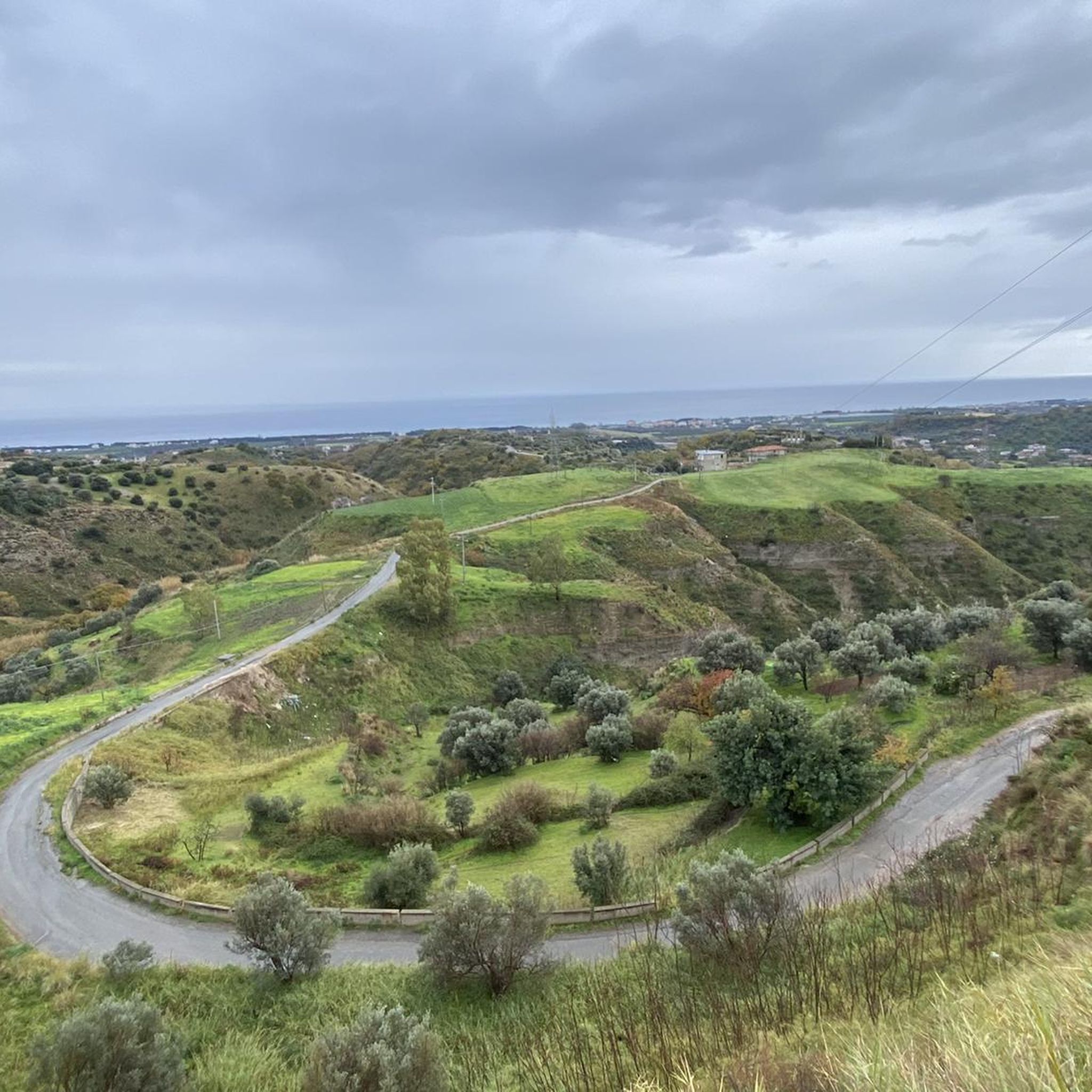
The first 3 km are a nightmare. Overgrown paths, sharp thorns. The trail is barely visible. GPS is a must. Once you reach the top, there's a marked path that's easy to navigate, with beautiful views. The last 4 km are another nightmare, and GPS is essential otherwise you'll get lost. The paths are extremely bad and difficult to navigate. I don't know who set them out, but they're terrible.
0
0

The Schioppo waterfall is a splendid and wild water source located in the hamlet of Cirella, municipality of Platì. It can be reached via a short path from Cirella.
2
1

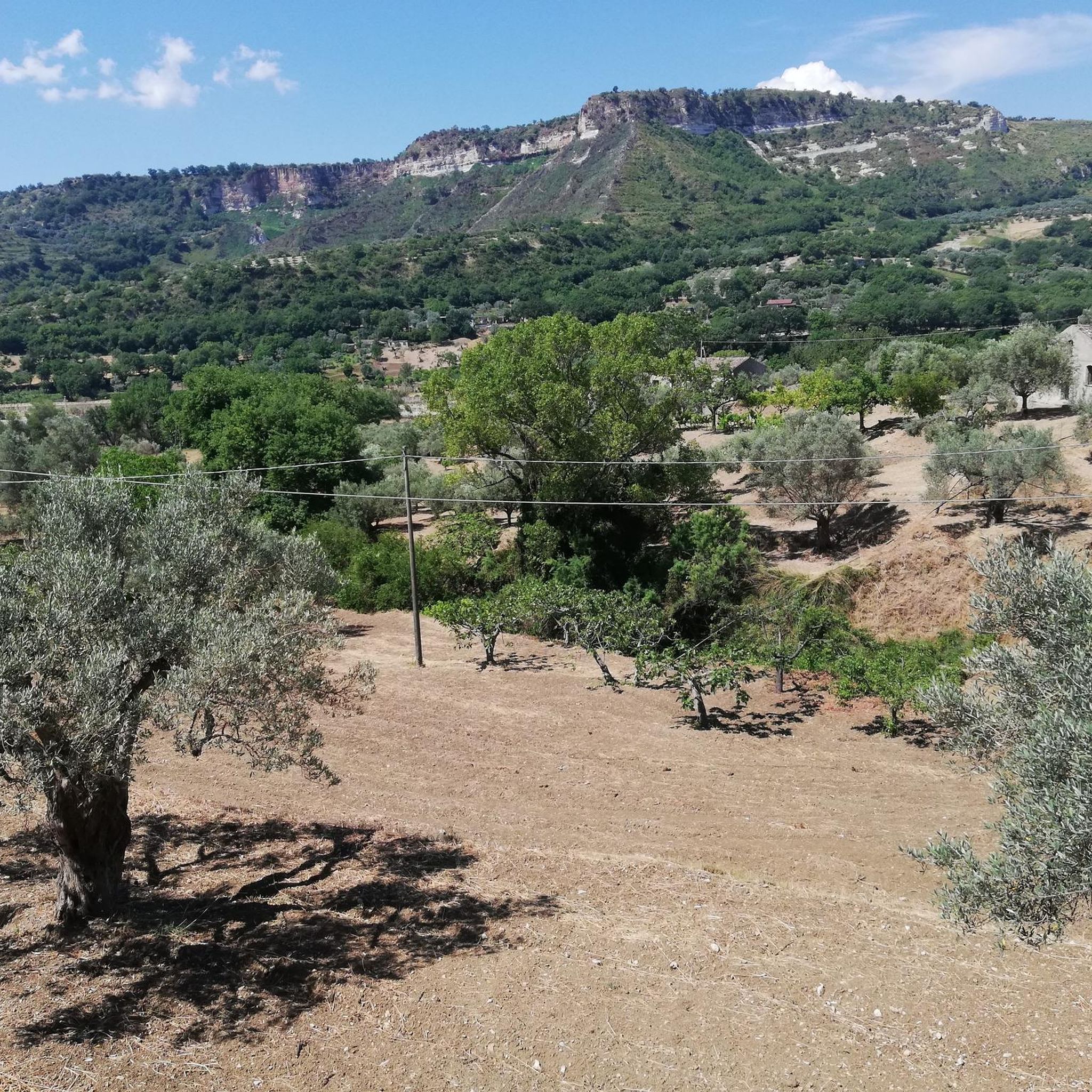
Majestic and unexpected, it is possible to climb up via the quarry road, which is asphalted and all in all in good condition.
0
0
Both the old and new parts are worth visiting. Old Canolo is dominated by Mount Mutolo, the southern Dolomites.
0
0

From the top there is a great view down.
1
0
The view from the top is very nice.
0
0

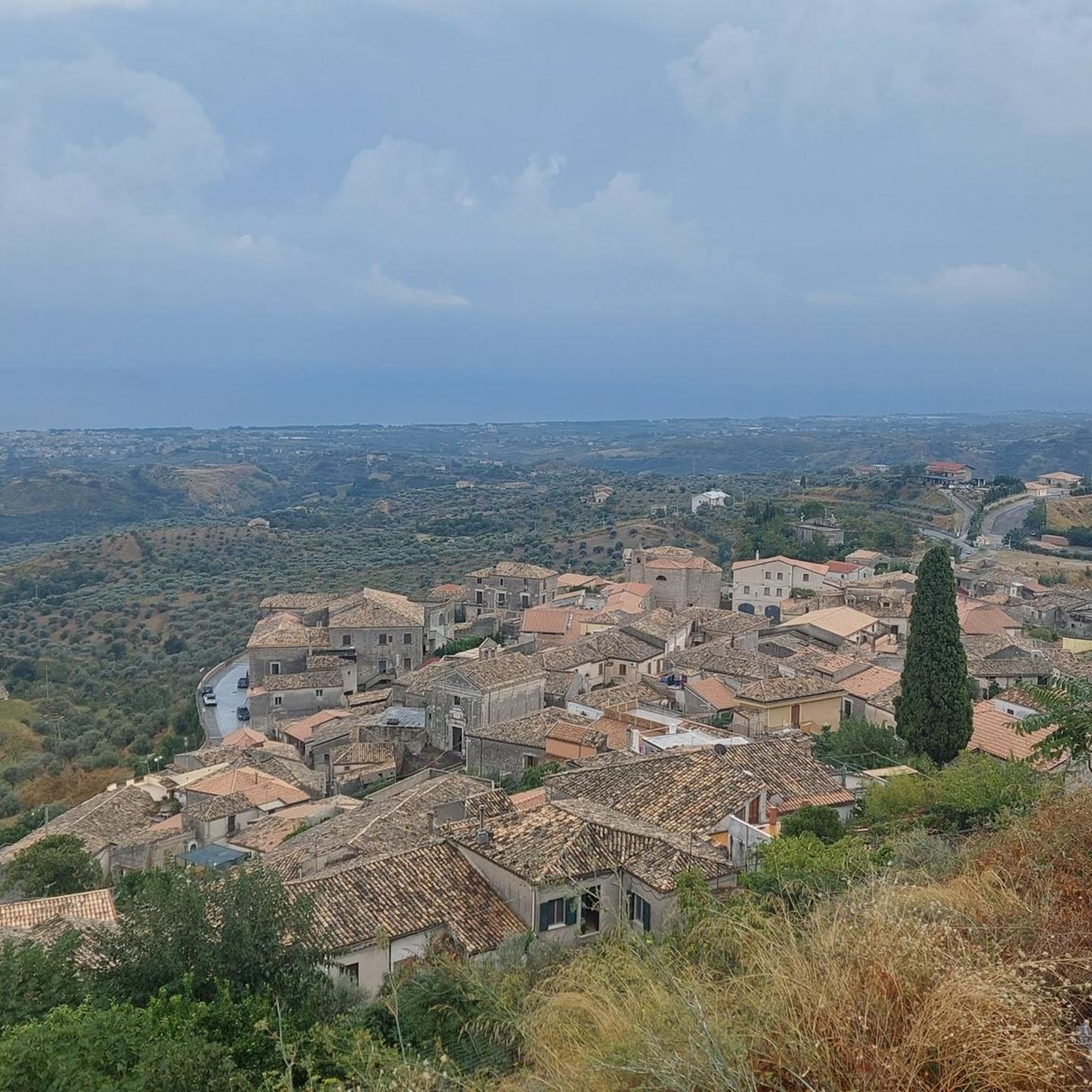
Typical mountain village, directly on the slope, with a wonderful view of the "Dolomiti del Sud"
0
0

Immerso nel territorio orientale del Parco Nazionale d’Aspromonte si trova il comune di Canolo, un meraviglioso angolo nascosto della Calabria, dove natura ed esperienze autentiche ci aspettano, lontani dalla vita frenetica di tutti i giorni. Unico borgo della zona che può vantare una dotazione di forni pubblici comunali, Canolo è il paese del pane di jermanu, dalla lavorazione complessa. Dal grano “jermanu”, acqua, sale e lievito madre, nasce un pane scuro, dal gusto deciso e dal profumo intenso. L’Unione Europea ha inserito il paese in zona S.I.C. (Sito di Interesse Comunitario) e lo ha dichiarato inoltre Z.P.S. (Zona a Protezione Speciale), anche grazie alla presenza del geosito delle “Dolomiti del Sud”, delle suggestive Grotte di Zagaria e, in località Malivindi, della torbiera più meridionale d’Europa, che il comune sta cercando di recuperare. L’abitato è dominato dal Monte Mutolo, con le sue caratteristiche vette note come “Dolomiti del Sud”, che includono le Torri di Canolo, Monte Mutolo e Monte Giunchi. Si tratta di un geosito di particolare pregio naturalistico, che rappresenta uno spettacolare ed insolito scenario geologico, risalente all’era Giurassica (150-136 milioni di anni fa). Le Timpe di Mutolo – così si chiamano in realtà – sono delle formazioni rocciose composte da tre torri alte oltre 100 m, costituite da un calcare abbastanza duro, cosa insolita per la Calabria meridionale. Il sito, spettacolare ed inaspettato, ha attirato ed attira molti appassionati di arrampicata sportiva, che hanno tracciato diverse vie. Alle pendici del Monte Giunchi, a 575 m s.l.m., si aprono invece le Grotte di Zagaria, frutto del passaggio e dell’infiltrazione dell’acqua in una zona carsica. I geologi le definiscono “finestre tettoniche” per la presenza di rocce più antiche in mezzo a rocce più giovani. Caratterizzate da variopinte stalattiti, sono abitate da numerosi grilli delle grotte. La nostra escursione inizia vicino Canolo Vecchio, nei pressi della cava subito a valle del paese. Superato un torrente ed alcuni tornanti che si snodano alla base delle “Dolomiti del Sud”, una stradina giunge in cima, dove una pista si sviluppa sul pianoro sulla sommità delle tre torri rocciose. Da qui, il panorama è ampio e mozzafiato, aperto su Gerace, Locri ed il Monte Tre Pizzi, oltre che sulla costa ionica.
1
0
Frequently Asked Questions
What kind of natural features can I expect to see around Portigliola?
Portigliola's natural charm lies in its diverse coastal scenery and Mediterranean environment. You'll find fine sand beaches and clear, shallow waters, particularly at Marina di Portigliola. The surrounding landscape features fragrant Mediterranean maquis, olive groves, and vineyards. The village itself is perched on hills, offering expansive views of the Ionian Sea. Beyond the immediate coast, the region also boasts unique rock formations like the Timpe di Mutolo (Southern Dolomites) and the wild Cascata dello Schioppo waterfall.
Are there any unique geological formations to explore near Portigliola?
Yes, the region is home to the impressive Timpe di Mutolo (Southern Dolomites). These are spectacular rock formations consisting of three towers over 100 meters high, dating back to the Jurassic era. They are a significant geosite and attract climbing enthusiasts due to their hard limestone composition, which is unusual for southern Calabria.
Where can I find scenic viewpoints with panoramic vistas?
For breathtaking views, consider the Tre Pizzi Trail, which offers expansive views along a ridge overlooking Antonimina. Another excellent spot is Canolo Vecchia and Monte Mutolo Cliffs, where a mountain village provides a wonderful view of the "Dolomiti del Sud" and the old part of Canolo. Additionally, the Panoramic View of the Tre Pizzi offers a very nice vista from its summit.
What kind of hiking opportunities are available near Portigliola's natural monuments?
The area offers various hiking experiences. The Tre Pizzi Trail provides a path along a ridge with scenic views. For those seeking a challenge, the area around the Timpe di Mutolo (Southern Dolomites) has routes for climbing enthusiasts. You can also find more general hiking and walking paths amidst the Mediterranean maquis, olive groves, and vineyards surrounding Portigliola. For more detailed hiking routes, explore the Natural Monuments around Portigliola guide.
Are there any waterfalls to visit in the Portigliola area?
Yes, you can visit the Cascata dello Schioppo. This splendid and wild waterfall is located in the hamlet of Cirella, within the municipality of Platì, and can be reached via a short path.
What outdoor activities can I do near these natural monuments?
Beyond exploring the natural monuments themselves, the Portigliola area is excellent for various outdoor activities. You can find numerous road cycling routes, such as the 'Ionian Seafront: Locri to Roccella Ionica' or more challenging loops like 'From the Locri seafront to the Passo del Mercante of Cittanova'. Mountain biking enthusiasts can explore trails like 'Rocce di San Pietro e Pietra Cappa - giro ad anello da Bovalino'. For general cycling, routes like 'Basilian Path: Ardore and Benestare Loop' are available. You can find more details on these activities in the Road Cycling Routes around Portigliola, MTB Trails around Portigliola, and Cycling around Portigliola guides.
What makes the beaches around Portigliola special?
The beaches, especially at Marina di Portigliola, are known for their fine sand and clear, shallow waters, making them ideal for swimming and sunbathing. Marina di Portigliola's beach has even received the prestigious Blue Flag award, indicating high environmental and safety standards. The area is appreciated for its tranquility and refreshing sea.
What is the best time to visit the natural monuments around Portigliola?
The region's Mediterranean climate makes it enjoyable for much of the year. Spring and autumn offer pleasant temperatures for hiking and exploring the landscapes without the intense summer heat. Summer is ideal for enjoying the beaches and coastal activities, though it can be quite warm. The 'intense scents of the Mediterranean maquis' are particularly noticeable during warmer months, and beautiful sunsets along the Jasmine Coast can be enjoyed year-round.
Are there any natural monuments that are particularly family-friendly?
The beaches at Marina di Portigliola, with their fine sand and clear, shallow waters, are very suitable for families. For gentle walks, the paths through the olive groves and vineyards offer a pleasant experience for all ages. While some trails like the Panoramic View of the Tre Pizzi can be challenging, many of the coastal and lower-elevation natural areas provide accessible and enjoyable experiences for families.
What do visitors enjoy most about the natural monuments in Portigliola?
Visitors appreciate the combination of pristine coastal environments with the rich historical and cultural context of the Locride region. The clean, uncrowded beaches offer a relaxing retreat, while the surrounding natural landscapes provide opportunities for leisurely walks amidst characteristic Mediterranean flora. The scenic views from elevated points like the Tre Pizzi Trail and the unique geological formations of the Timpe di Mutolo are also highly valued.
Can I find any 'hidden gems' among the natural monuments?
While not widely publicized, the Cascata dello Schioppo, a wild waterfall in the hamlet of Cirella, could be considered a hidden gem for those looking for a less-traveled natural spot. The overall tranquility of Portigliola's natural environment, away from more crowded tourist destinations, also contributes to a sense of discovering a peaceful retreat.
Most popular attractions around Portigliola

Get inspired with the komoot mobile app


Explore more
Extend your search for the best caves by checking out these guides of the top ones around Portigliola:
