Top 20 Natural Monuments around Gragnano
Natural monuments around Gragnano offer diverse landscapes within the Campania region. The town is situated amidst the Monti Lattari, providing access to a range of natural features. This area is characterized by its mountainous terrain, historical valleys, and coastal views. Visitors can explore a blend of industrial archaeology and significant natural formations.
Best natural monuments around Gragnano
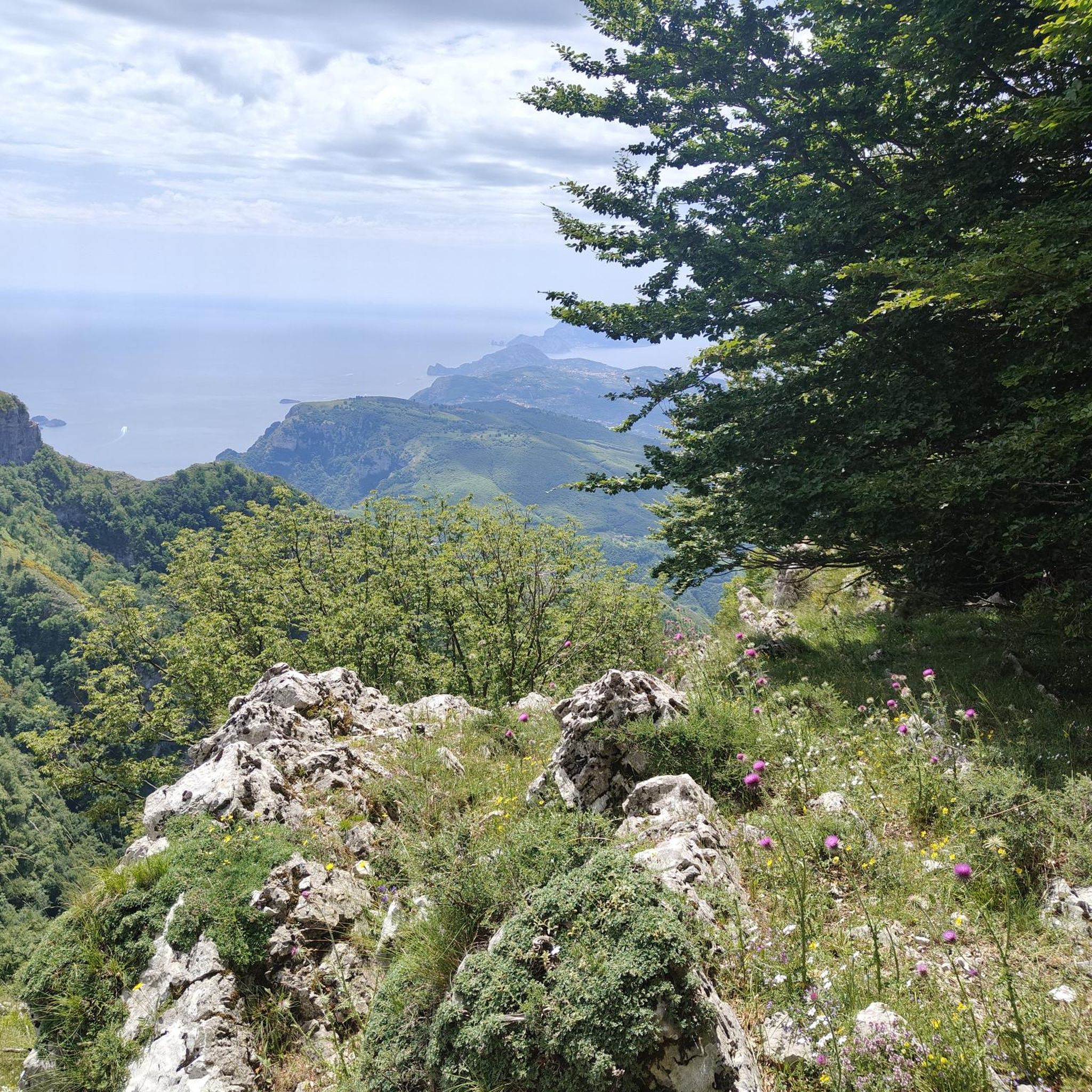
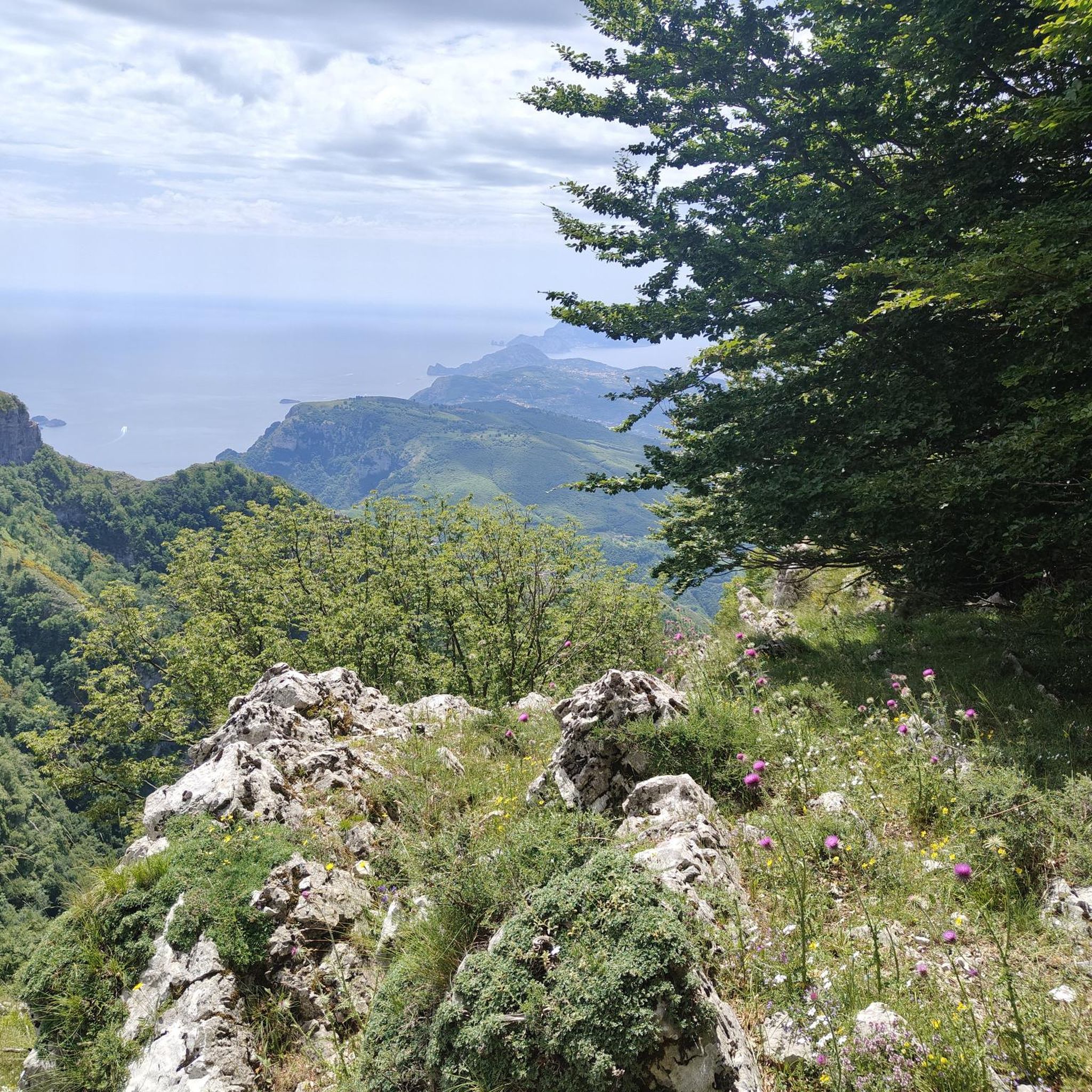
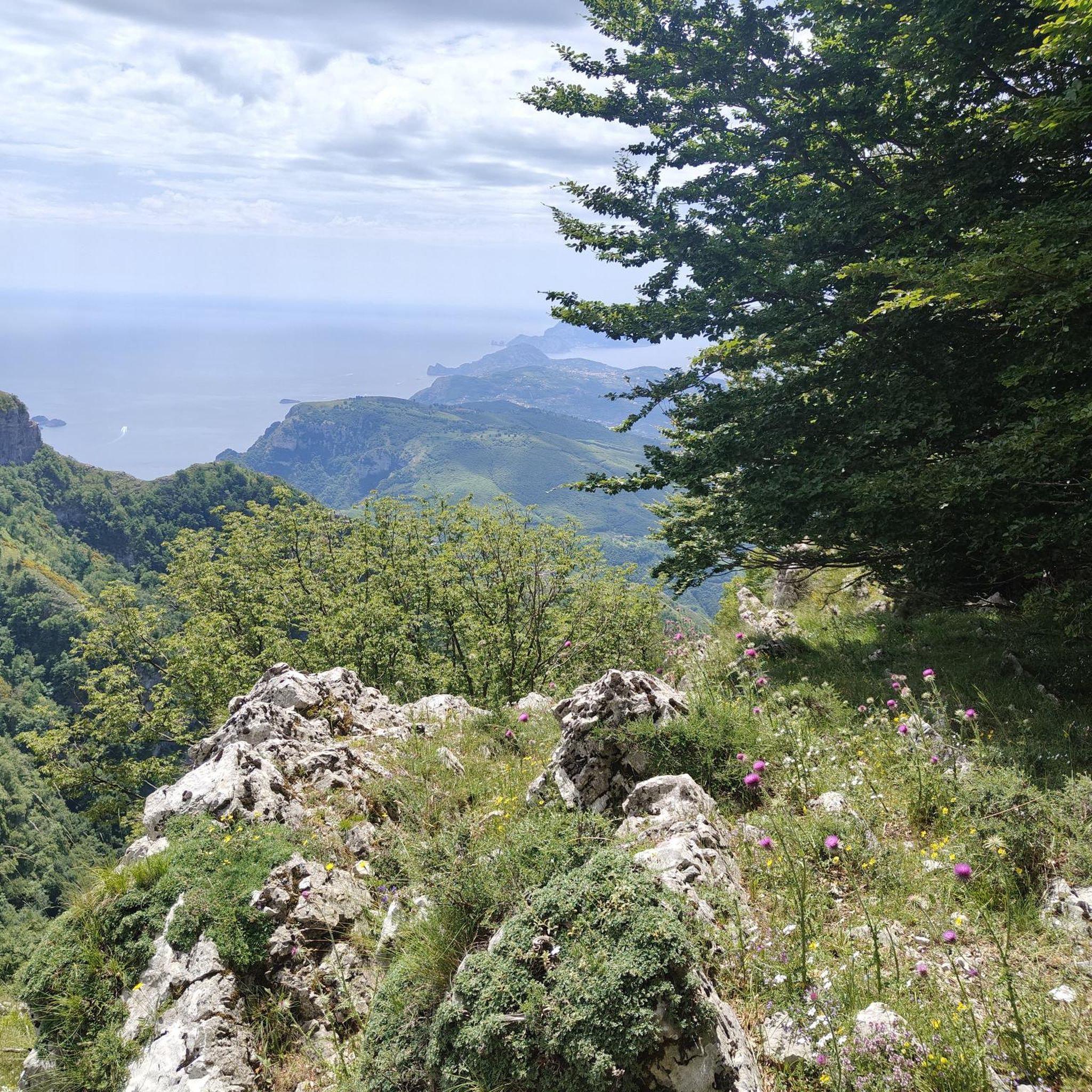
- The most popular natural monuments is Start of the Path of the Gods, a trail that offers continuous panoramic vistas of the…
Last updated: August 8, 2026
Start of the Path of the Gods
Highlight • Trail
Translated by Google •
Tip by

The Pinnacle (Il Pinnacolo) on the Sentiero degli Dei (Path of the Gods)
Highlight • Natural Monument
Translated by Google •
Tip by

Sign up now to discover places like this
Get recommendations on the best single tracks, peaks, & plenty of other exciting outdoor places.
Sign up for free
Waterfalls in the Valle delle Ferriere Nature Reserve
Highlight • Waterfall
Translated by Google •
Tip by

View across the valley to Nocelle
Highlight • Viewpoint
Translated by Google •
Tip by

Colle Serra Pinnacle
Highlight • Natural Monument
Translated by Google •
Tip by

Sign up for free to discover even more natural monuments around Gragnano.
Sign up for free
Already have an account?
Start today with a free account
Your next adventure awaits.
Login or Signup
Tips from the Community

The hike on the Sentiero degli Dei from Bomerano to Positano is a highlight on the Amalfi Coast. Breathtaking views accompany the path, which does not require a guide, but does require good shoes and plenty of water. After about 30 minutes, the path splits into a higher and a lower route, which later merge again. The destination is Nocelle, where you can fortify yourself with a refreshing lemon slush. From there, two paths lead down to Positano, either via Montepertuso or directly over hundreds of steps. Setting off early in the morning is recommended.
2
1
The hike on the Sentiero degli Dei from Bomerano to Positano is a highlight on the Amalfi Coast. Breathtaking views accompany the path, which does not require a guide, but does require good shoes and plenty of water. After about 30 minutes, the path splits into a higher and a lower route, which later merge again. The destination is Nocelle, where you can fortify yourself with a refreshing lemon slush. From there, two paths lead down to Positano, either via Montepertuso or directly over hundreds of steps. Setting off early in the morning is recommended.
3
0

If taking the path back to Amalfi there is one steep section with no barrier as the track has been rerouted around landslip. Caution and sticks are needed.
1
0
An early start improves the experience as you avoid crowds along the track and at the final waterfalls which are beautiful and worth paying the entrance fee.
0
0
At the beginning of April, the hike from St Lazarro to Valle de Ferrere was quite nice, but in comparison, not really recommendable. The forests are coppice forests, still leafless, only a few early bloomers and salamander larvae, a single orchid. In the end, at 3 p.m., we stood in front of a closed waterfall. That's a bit stupid. But understandable, hardly any people there. In some places, poorly signposted.
2
0

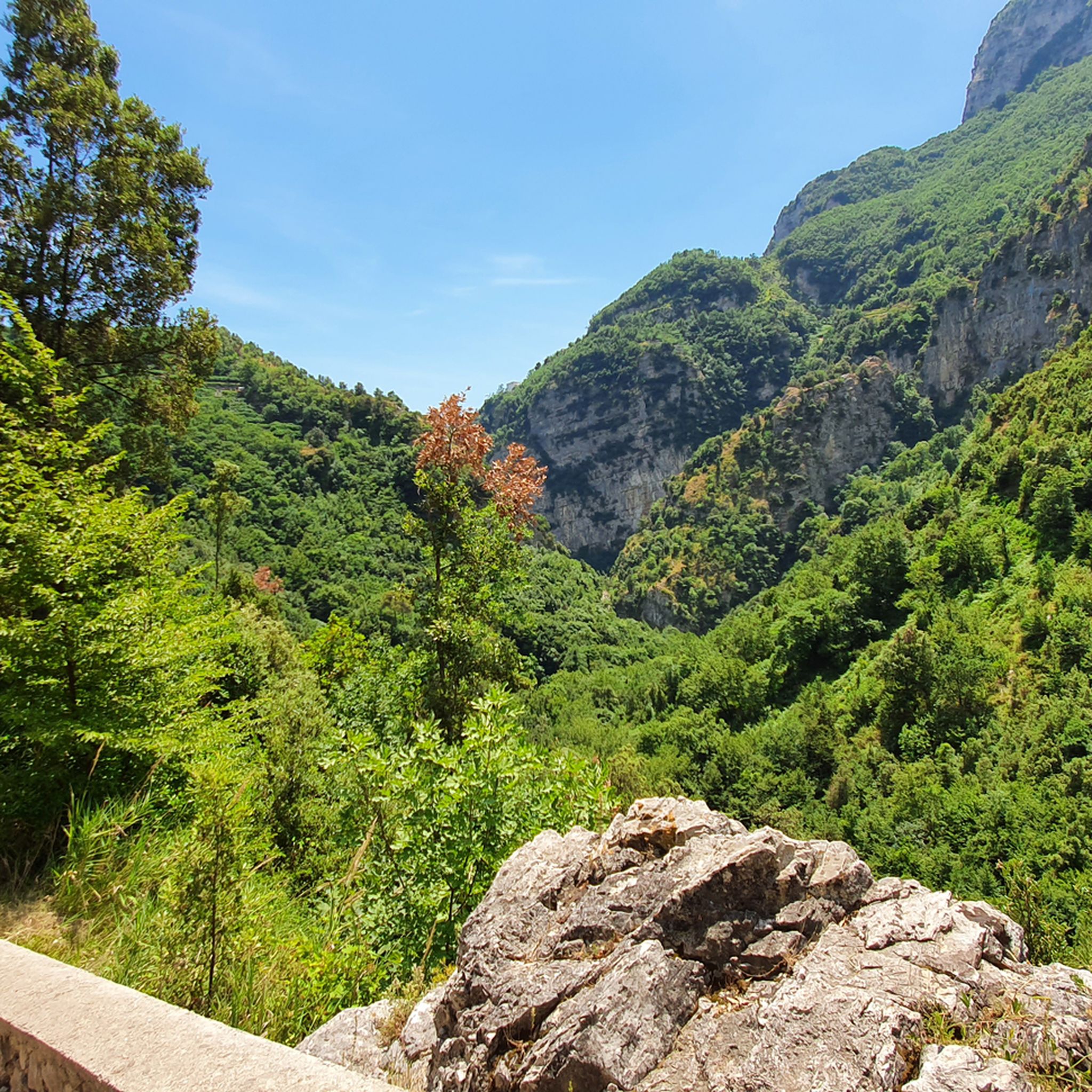
This last part of the path is home to magnificent waterfalls including a main one for which you have to pay a €5 ticket before accessing it. I highly recommend that you do.
0
0
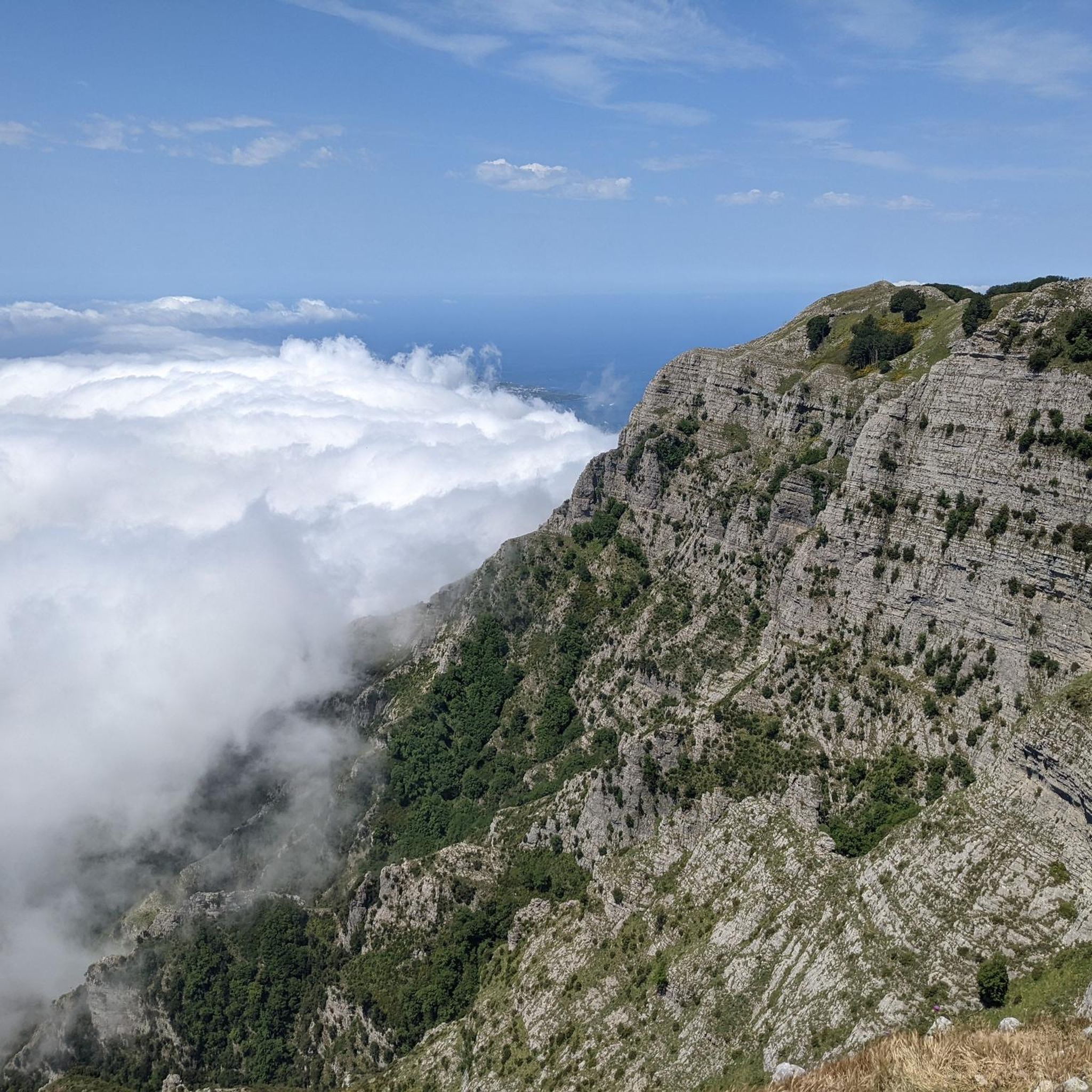
Il Pinnacolo (the pinnacle) lives up to its name! It is one of the natural nuggets along the Sentiero degli Dei. It is a rocky outcrop that rises in the middle of the landscape. This limestone spire contrasts with the surrounding greenery and the blue color of the sea.
0
0

Final part of the hike, with mega-waterfall is just a few hundred meters, but definitely worth 5€ entrance fee.
0
0
Frequently Asked Questions
What are some of the most popular natural monuments around Gragnano?
Gragnano offers access to several remarkable natural sites. Among the most popular are the Start of the Path of the Gods, known for its continuous panoramic vistas of the coastline, and the Waterfalls in the Valle delle Ferriere Nature Reserve, which features diverse natural environments and unique flora. Visitors also highly appreciate The Pinnacle (Il Pinnacolo) on the Sentiero degli Dei (Path of the Gods), a distinctive rocky outcrop along the famous trail.
What kind of natural features can I expect to see in the Gragnano area?
The region around Gragnano, nestled within the Monti Lattari, boasts a variety of natural features. You'll find dramatic mountainous terrain, historic valleys like the Valle dei Mulini with its ancient water mills, and breathtaking coastal views, especially along the Path of the Gods. The Monti Lattari Regional Park itself offers diverse landscapes from Mediterranean scrub to forests, with karst phenomena and numerous caves.
Are there any family-friendly natural monuments or activities near Gragnano?
While many trails in the Monti Lattari can be challenging, the Valle dei Mulini offers a more tranquil and accessible experience, blending industrial archaeology with natural beauty. For a more relaxed natural setting, the Villa Cimbrone Gardens, though a historical site, provides beautiful natural surroundings and stunning views that can be enjoyed by families.
What historical natural sites are there to explore in Gragnano?
Gragnano is uniquely positioned to offer natural sites with significant historical context. The **Valle dei Mulini** (Valley of the Mills) is a prime example, where ancient water mills, some dating back over six centuries, harnessed the Vernotico stream. This area provides a fascinating glimpse into Gragnano's industrial past intertwined with its natural landscape, featuring ruins, channels, and aqueducts.
What outdoor activities can I do near the natural monuments around Gragnano?
The Gragnano area is excellent for various outdoor activities. You can explore numerous hiking trails within the Monti Lattari Regional Park, including sections of the famous Path of the Gods. For cycling enthusiasts, there are many routes available. You can find detailed road cycling routes in the Road Cycling Routes around Gragnano guide, general cycling tours in the Cycling around Gragnano guide, and mountain biking trails in the MTB Trails around Gragnano guide.
Are there challenging hiking trails for experienced trekkers?
Yes, the region offers challenging options for experienced trekkers. The Waterfalls in the Valle delle Ferriere Nature Reserve, for instance, includes sections rated as challenging. The Path of the Gods, while offering some intermediate sections, also has parts that require sturdy shoes and a good level of fitness, especially considering its length and elevation changes.
What is the best time of year to visit the natural monuments in Gragnano?
The natural monuments around Gragnano are generally best visited during spring (April-May) and autumn (September-October). During these seasons, the weather is typically mild and pleasant for hiking and exploring, and the vegetation is lush. Summers can be very hot, especially on exposed trails like the Path of the Gods, while winters can bring cooler temperatures and occasional rain.
What do visitors enjoy most about the natural monuments in this area?
Visitors consistently praise the breathtaking panoramic views, particularly along the Path of the Gods, where the scenery is described as 'suspended between sky and sea.' The blend of natural beauty with historical elements, such as the ancient water mills in Valle dei Mulini, also receives high acclaim. The tranquility and unique geological formations, like Colle Serra Pinnacle, are also frequently highlighted.
Is public transport available to reach natural monuments from Gragnano?
While Gragnano is well-connected, reaching some of the more remote natural monuments, especially trailheads for the Path of the Gods, often requires a combination of public transport and transfers. It's advisable to research specific bus routes or consider local taxi services for direct access to certain starting points, such as Bomerano for the Path of the Gods.
Are there any viewpoints offering spectacular vistas of the coastline?
Absolutely. The Start of the Path of the Gods and The Pinnacle (Il Pinnacolo) along the same trail are renowned for their unparalleled views of the Amalfi Coast, including the Faraglioni of Capri and the island of Li Galli. The Monti Lattari Regional Park also offers numerous high points with extensive vistas of both the Gulf of Naples and the Gulf of Salerno.
What should I wear and bring when visiting natural monuments in Gragnano?
For hiking and exploring the natural monuments, especially trails like the Path of the Gods, sturdy hiking shoes with good grip are highly recommended. Layered clothing is advisable to adapt to changing temperatures, and sun protection (hat, sunscreen) is essential, particularly during warmer months. Always carry sufficient water, snacks, and a map or GPS device. For the Valle delle Ferriere Nature Reserve, be aware that a 'pass' or 'ticket' might be required to access certain core zones.
Most popular attractions around Gragnano

Get inspired with the komoot mobile app


Explore more
Extend your search for the best caves by checking out these guides of the top ones around Gragnano:
