Top 20 Natural Monuments around Folgaria
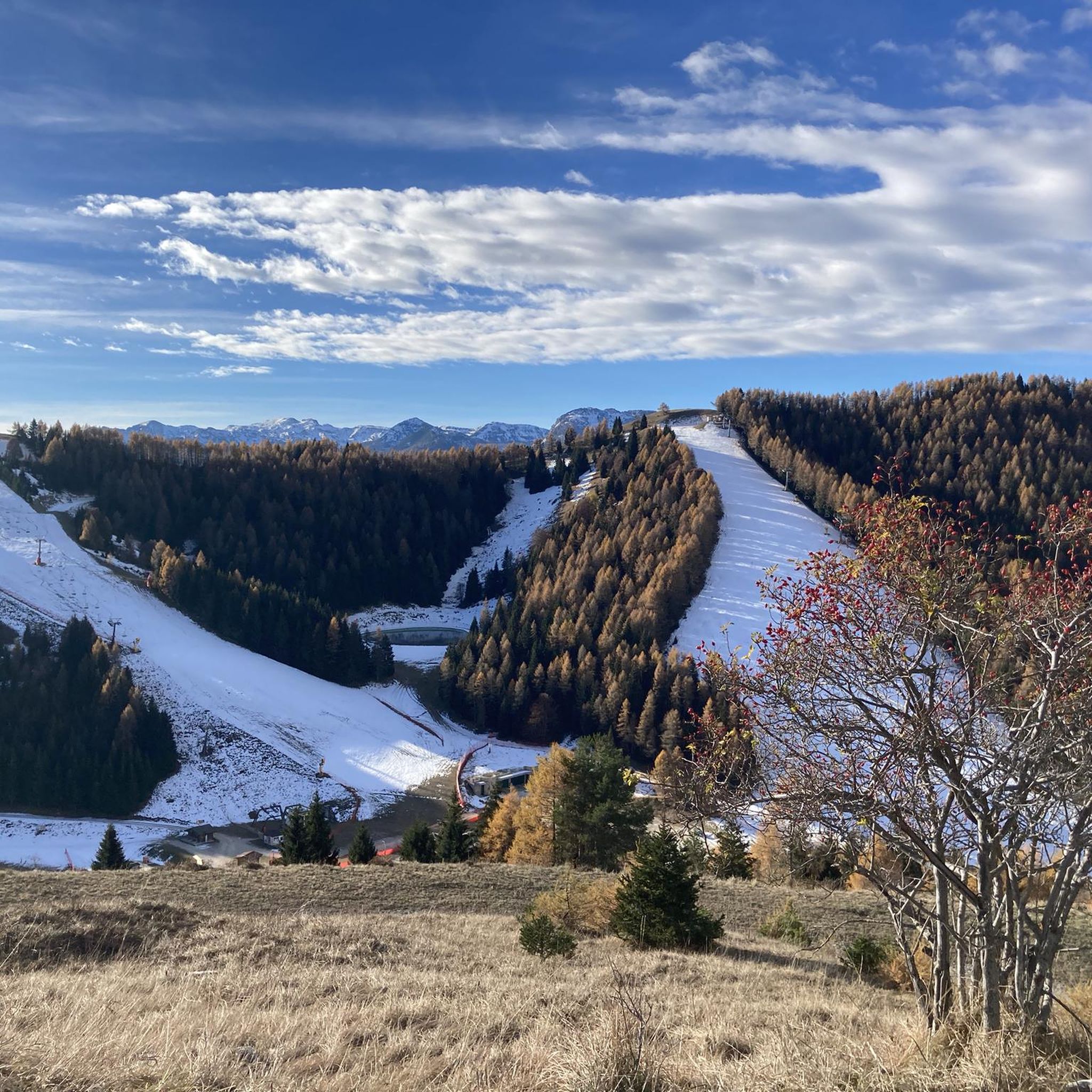
Best natural monuments around Folgaria are found within the Alpe Cimbra region, characterized by expansive green fields, serene small lakes, rolling hills, and vast forests. This highland area in Trentino Alto Adige offers diverse natural features. The landscape includes mountains, valleys, and historical sites integrated with natural settings. It provides opportunities for outdoor activities and contemplation of the natural environment.
Best natural monuments around Folgaria
- The most popular natural monuments is Forra del Lupo – World War I Trench,…
Last updated: November 11, 2026
Lake Levico
Highlight • Lake
Translated by Google •
Tip by

Vaia Winged Dragon Sculpture
Highlight • Monument
Translated by Google •
Tip by

Sign up now to discover places like this
Get recommendations on the best single tracks, peaks, & plenty of other exciting outdoor places.
Forra del Lupo – World War I Trench
Highlight • Historical Site
Translated by Google •
Tip by

Lake Lavarone
Highlight • Lake
Translated by Google •
Tip by

Italian Tooth
Highlight • Summit
Translated by Google •
Tip by

Sign up for free to discover even more natural monuments around Folgaria.
Already have an account?
Start today with a free account
Your next adventure awaits.
Popular around Folgaria
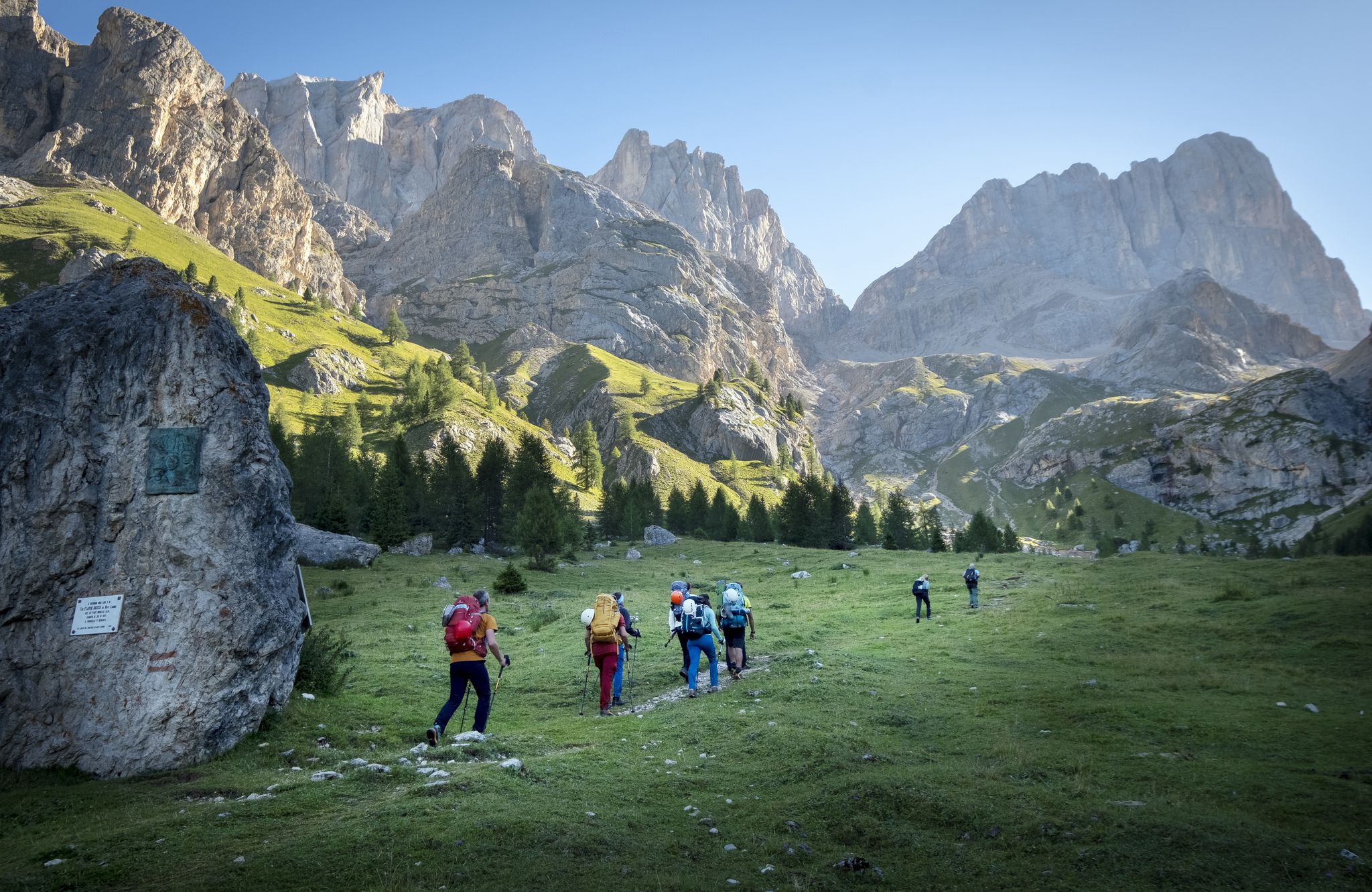
The Path of Peace – journey into Trentino's history
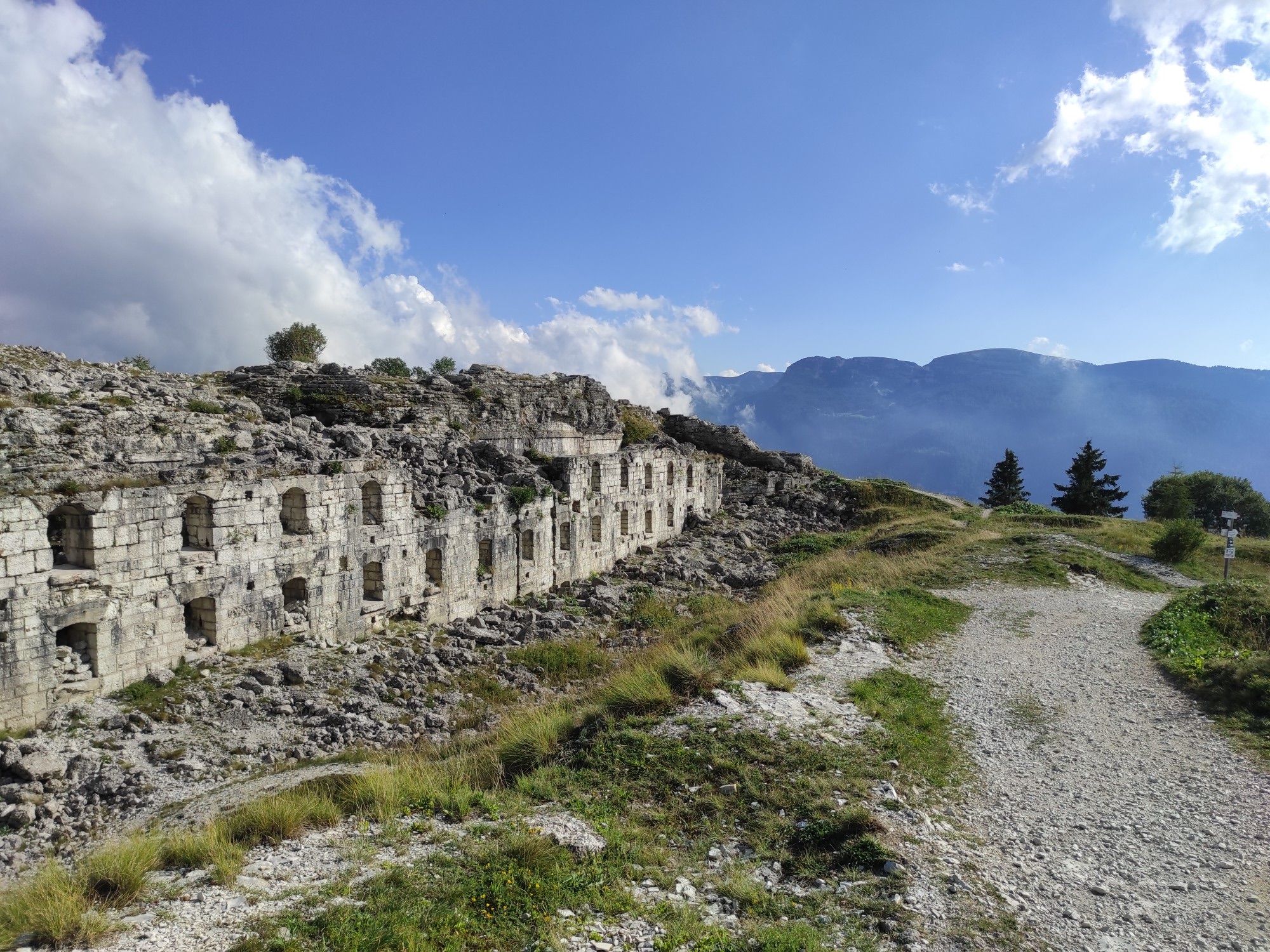
A ride through history and nature – 100Km dei Forti
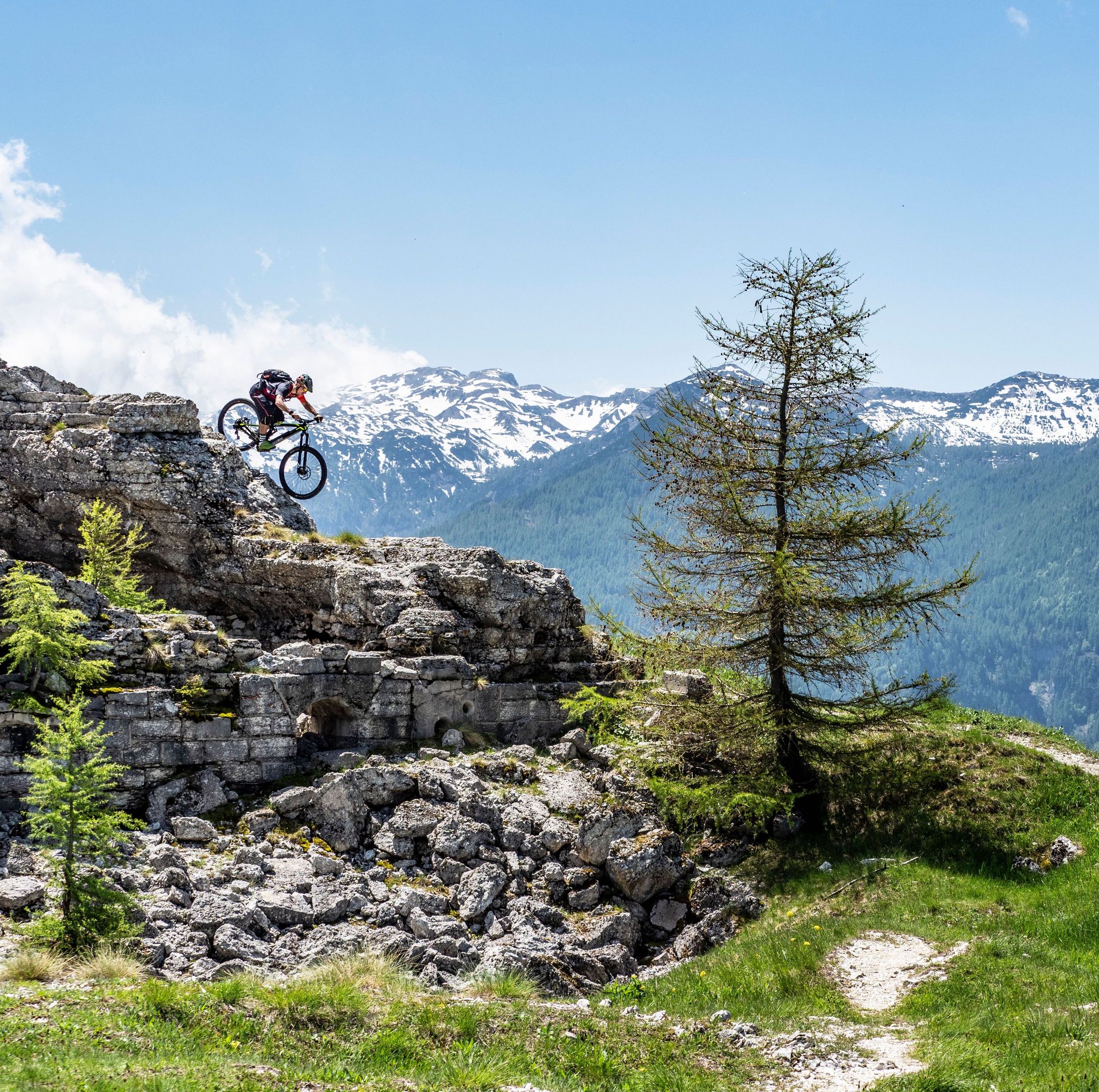
Free your energy! The mountain bike routes of Alpe Cimbra
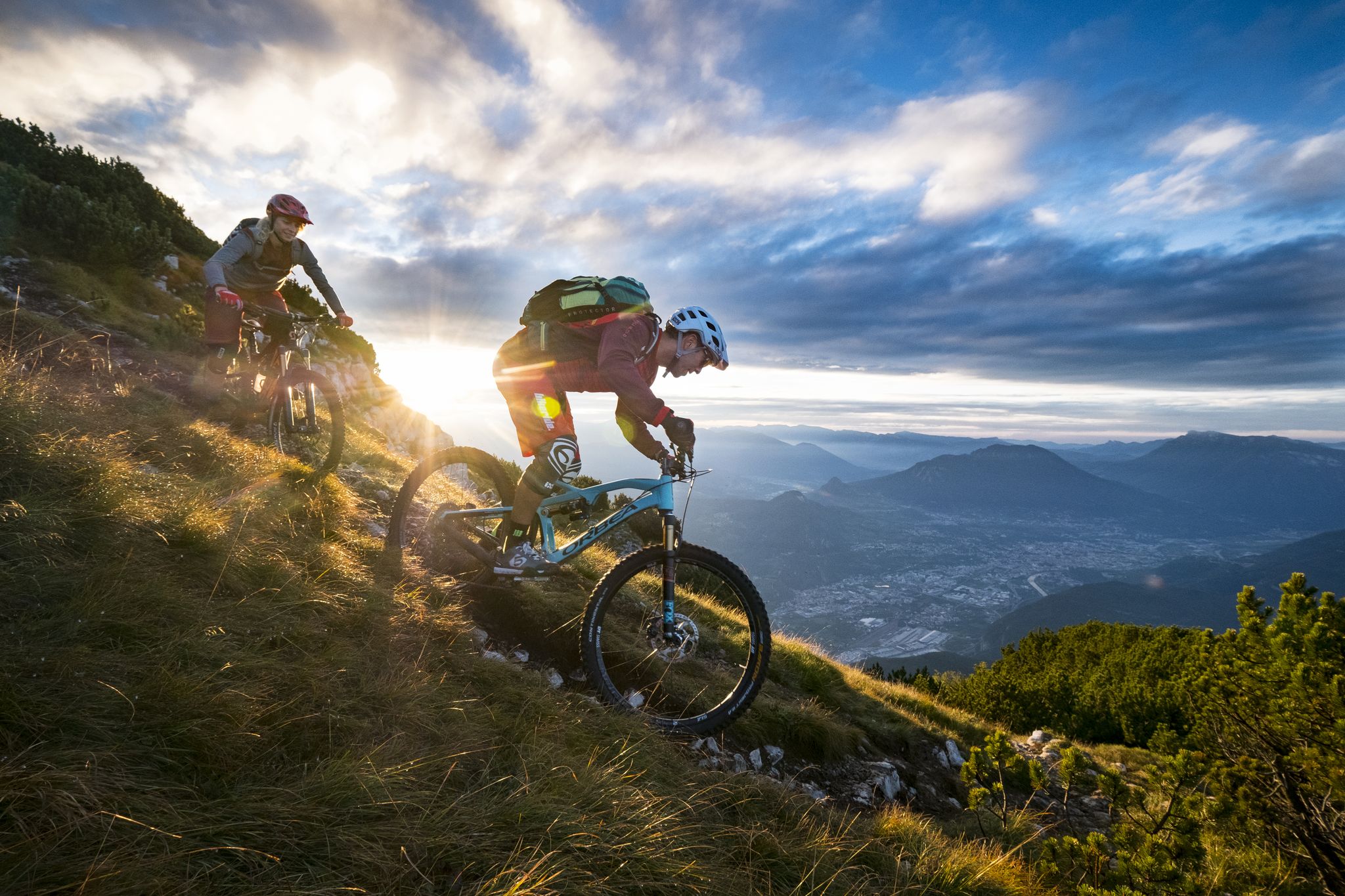
Mountain Biking in Trentino — from the Dolomites to Lake Garda
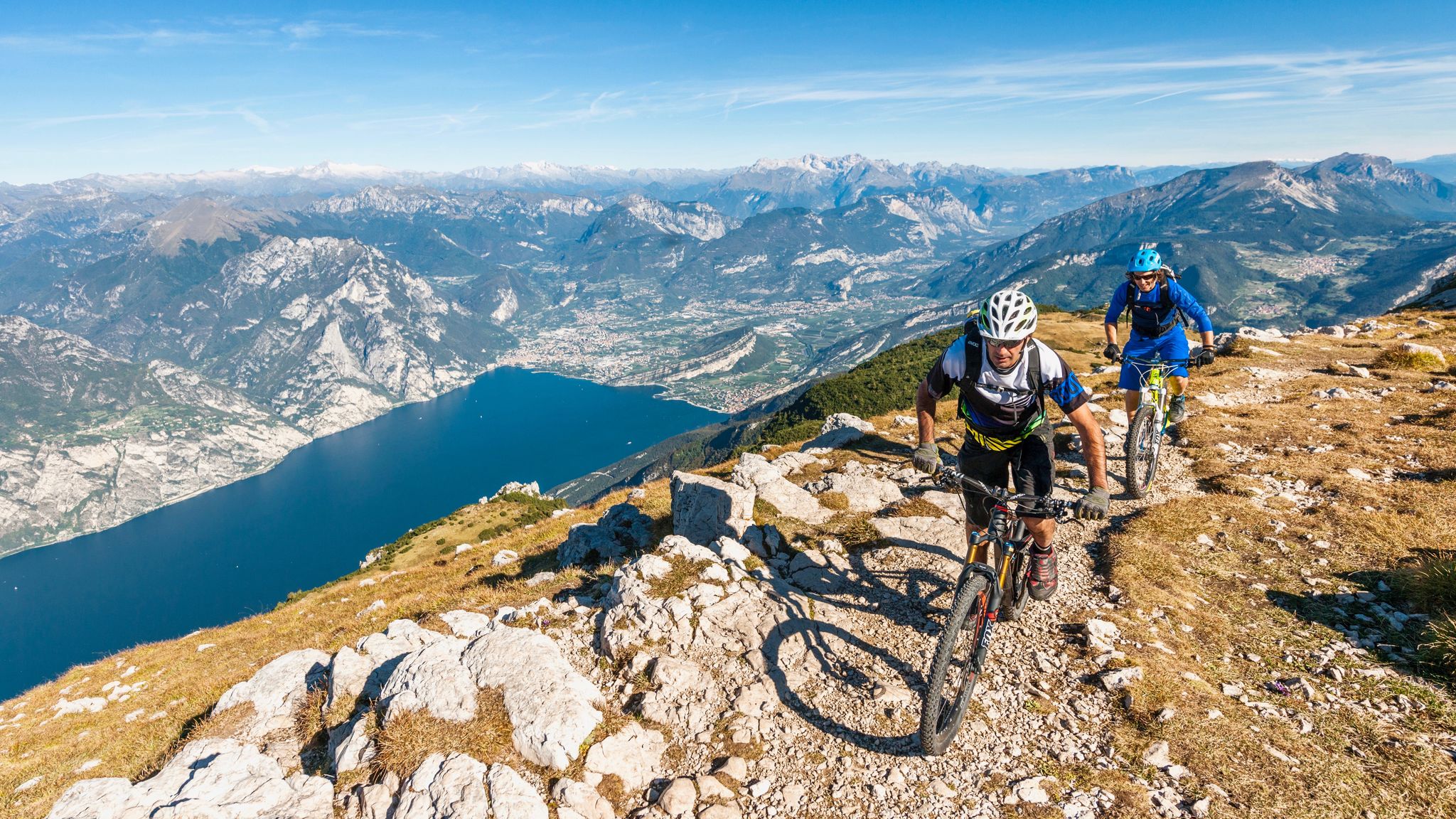
Mediterranean bike tours in alpine altitudes
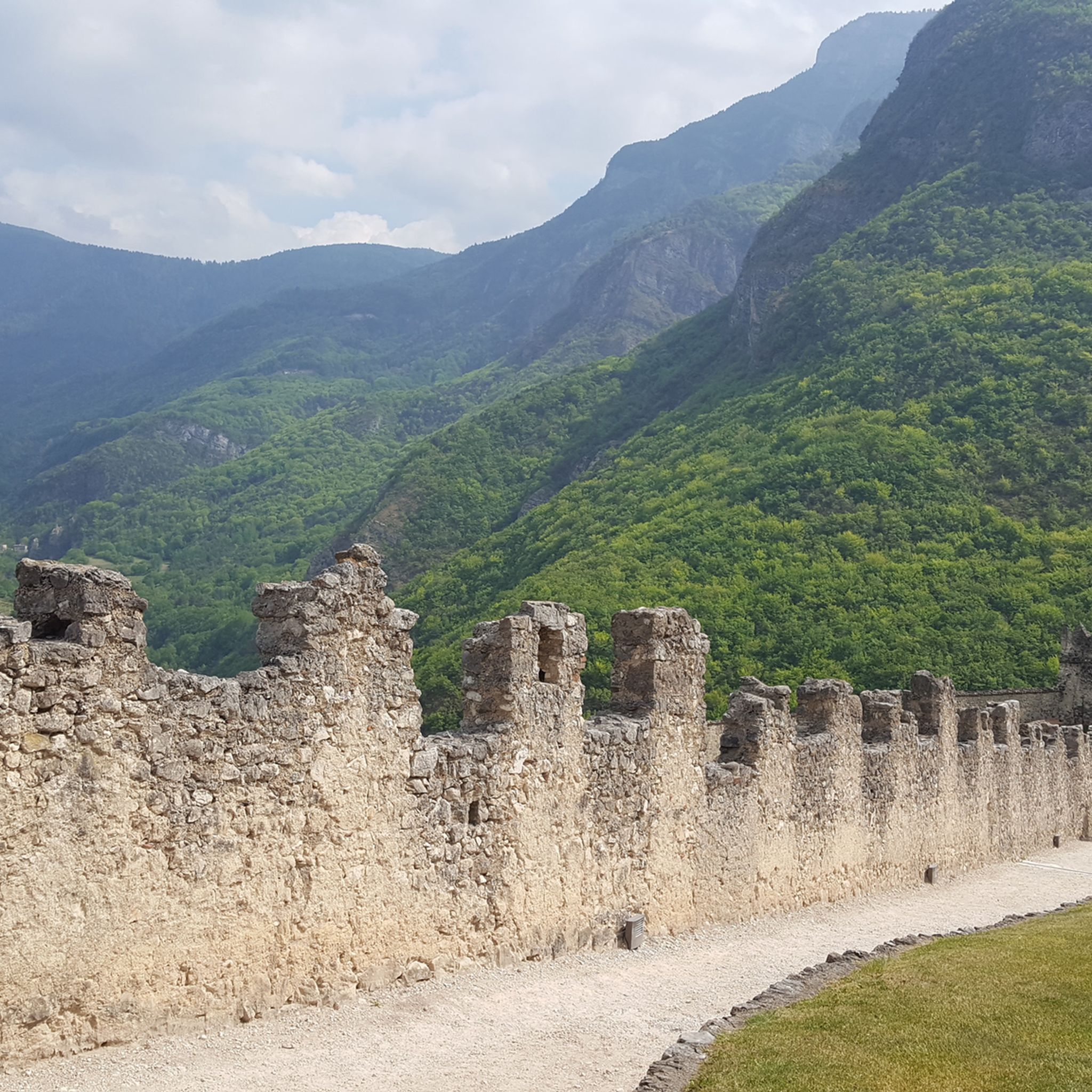
Hiking around Folgaria
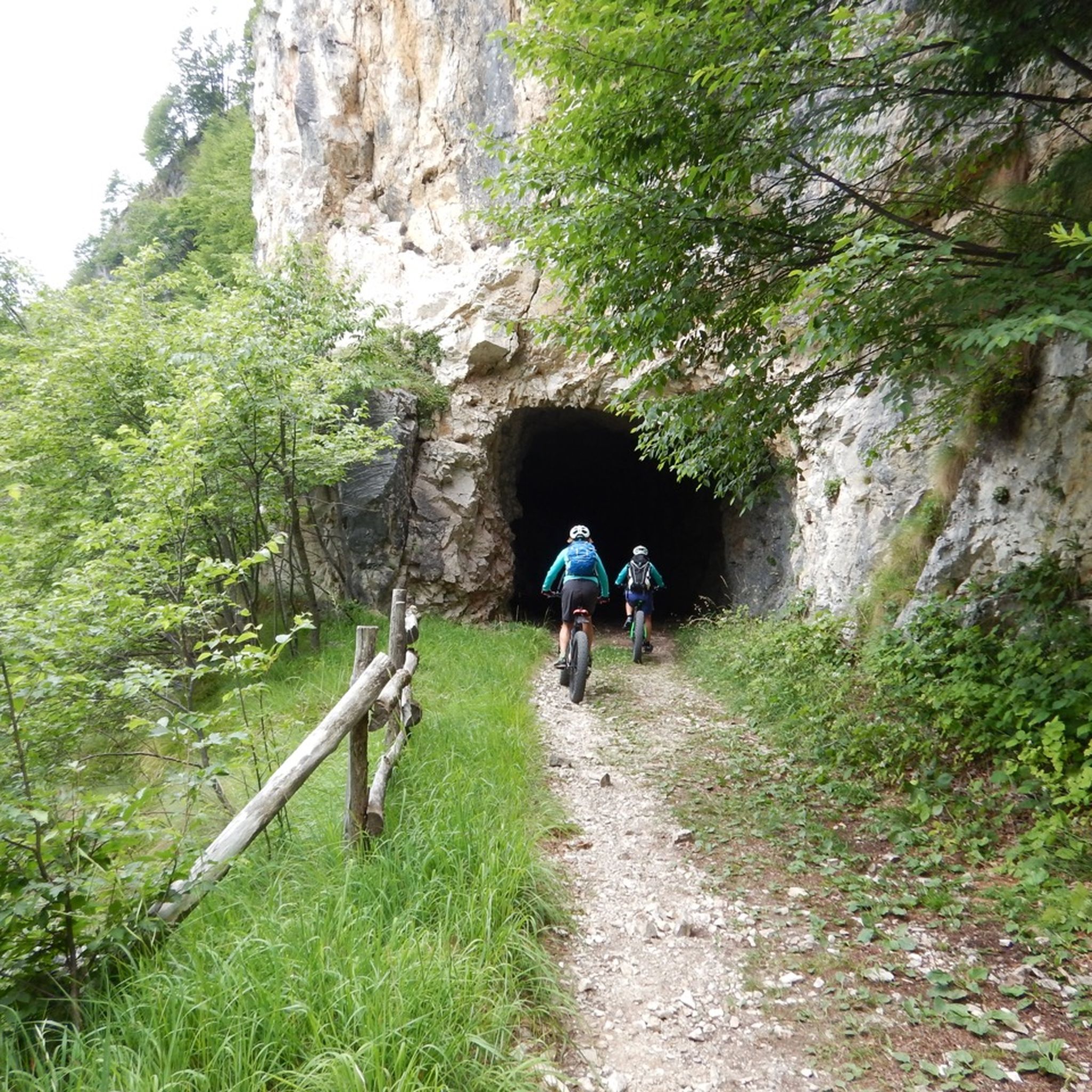
MTB Trails around Folgaria
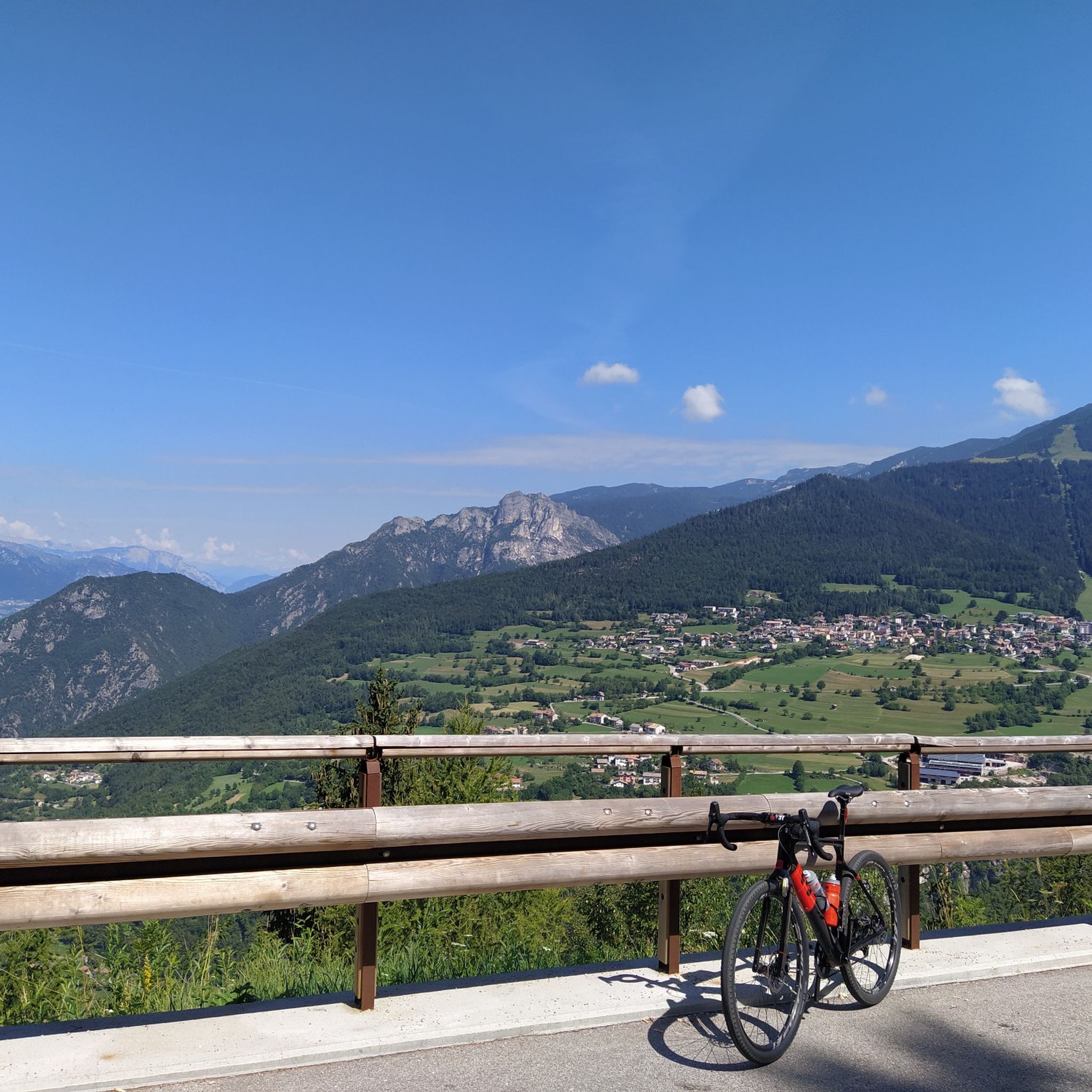
Cycling around Folgaria
Road Cycling Routes around Folgaria

Gravel biking around Folgaria
Other adventures around Folgaria


Tips from the Community

Beautiful thematic route related to the First World War. It is a long Austro-Hungarian trench entirely dug into the rock that can be easily walked. Also suitable for children and teenagers. No strollers!
0
0

Wolf's Gorge Trench
0
0

Beautiful and interesting, not only from a naturalistic point of view, but also from a historical one
0
0

The Dente Italiano and the Dente Austriaco are two rocky towers of equal altitude facing each other, separated by a saddle but sadly united by history: during the First World War, they were the point on Pasubio where enemy lines were closest. With the Strafexpedition of 1916, the imperial army reached the Dente Austriaco, but was blocked by royal troops who had arrived on the Dente Italiano. A grueling and bloody standoff began, with several attempts to break through, all in vain. The impending winter prevented further fighting, and both sides began to fortify their positions and make them more livable... In the Dente Italiano, the Army Corps of Engineers created a veritable underground citadel. It could accommodate 500 men, with all the necessary means of subsistence: shelters, storage facilities, a cistern for drinking water, a generator for lighting, dressing stations, and command posts. The armament consisted of five machine guns, two cannons, and one flamethrower, supported by artillery from the nearby Palon and Cogolo Alto peaks. In contrast, the Austrian Tooth was transformed into an impregnable fortress, thanks to its elongated, square shape, with fire on three sides. There were 10 machine gun emplacements and six artillery emplacements in the cave, complemented by the armament arrayed along the trenches at the summit: 18 grenade launchers, 12 grenade launchers, four flamethrowers, five cannons, and 10 machine guns. Here, too, the bowels of the mountain housed the troops with all the logistical and survival equipment: shelters, storage facilities, lighting, ventilation, a cistern, a telephone exchange, searchlights, etc. Faced with the impossibility of advancing, both commands believed the only solution was to blow up the enemy stronghold from the ground up: thus began the war of mines and countermines, with a dense network of underground tunnels. Between the autumn of 1917 and the spring of 1918, there were 10 explosions, five Austrian and five Italian, until the gigantic 50-ton Austrian dynamite charge on March 13, 1918, which shattered the northern slope of the Dente Italiano, altering its morphology and causing casualties on both sides. After years of war and thousands of deaths, the great war on Pasubio ended with the front line virtually unchanged! To pass between the two Denti, one passes through the chasm created by the mine, amidst enormous boulders and debris: impressive.
0
0

beautiful walk
0
0

Stunning route. Great work of man and nature.
2
0

cozy for a break,☕or feet in the water
0
0

Lake Lavarone, Blue Flag, is located at 1,079 m above sea level. and, with a surface area of 64,000 m², it reaches a maximum depth of 17 metres. Immersed in the nature of the Lavarone plateau, this bathing lake is a much loved destination for both athletes and those looking for relaxation. On its banks there are two equipped beaches where it is possible to swim.
1
0
Frequently Asked Questions
What natural features can I expect to see around Folgaria?
The Folgaria area, part of the Alpe Cimbra, is rich in diverse natural beauty. You'll find expansive green fields, serene small lakes, rolling hills, and vast forests, all set against the stunning backdrop of the Dolomites. The landscape also features impressive canyons like the Forra del Lupo – World War I Trench, and beautiful waterfalls such as the Cascata dell'Hofentòl.
Are there any beautiful lakes to visit near Folgaria?
Yes, the region boasts several picturesque lakes. Lake Lavarone, located at almost 1,100 meters, is surrounded by nature and offers cold, clean waters perfect for relaxation. Another beautiful option is Lake Levico, often described as a 'liquid emerald' in the Valsugana valley, known for its emerald-like color and wooded hills.
Are there natural monuments with historical significance around Folgaria?
Absolutely. The region is deeply intertwined with World War I history. The Forra del Lupo – World War I Trench is a unique canyon featuring high rock walls, observation posts, and trenches. Another significant site is the Italian Tooth, a summit on the Pasubio plateau with profound historical importance. Additionally, the Peace Trail (Sentiero della Pace) follows historical trench lines, offering a blend of natural beauty and historical reflection.
What are some family-friendly natural attractions near Folgaria?
For families, Lake Lavarone and Lake Levico are excellent choices, offering gentle walks and opportunities for relaxation. The Vaia Winged Dragon Sculpture is a captivating wooden artwork made from storm-felled trees, which is popular with children. The Water Trail (Sentiero dell'Acqua) in Carbonare is also an easy and picturesque walk suitable for all ages.
What outdoor activities can I do near these natural monuments?
The Alpe Cimbra region offers hundreds of kilometers of hiking and biking paths. You can explore ancient woods, pine trees, meadows, and mountain lakes. Popular hiking routes include those leading to Monte Cornetto and Cima Vezzena for panoramic views, or the historical Peace Trail. For more detailed route options, you can explore the Hiking around Folgaria guide, the Mountain Hikes around Folgaria guide, or the Road Cycling Routes around Folgaria guide.
Are there any unique or 'hidden' natural gems in the Folgaria region?
Beyond the well-known spots, the region holds some unique attractions. The Vaia Winged Dragon Sculpture, crafted from scrap wood in memory of the Vaia storm, offers a powerful visual and artistic experience within nature. The Water Trail in Carbonare also features the characteristic Cueli Mill, a testament to ancient crafts nestled along the Astico torrent.
What are the most popular hiking trails near Folgaria's natural monuments?
The Alpe Cimbra region offers a variety of popular trails. Routes leading to Monte Cornetto and Cima Vezzena are highly regarded for their spectacular panoramic views. The historical Peace Trail (Sentiero della Pace) is also a significant route. For an easier option, the Carbonare Water Trail (Sentiero dell'Acqua) is a picturesque walk suitable for everyone. You can find more hiking options in the Hiking around Folgaria guide.
What do visitors enjoy most about the natural monuments around Folgaria?
Visitors frequently praise the stunning landscapes and the tranquility offered by the region. The blend of natural beauty with historical elements, such as the Forra del Lupo – World War I Trench and the Italian Tooth, is particularly appreciated. The clean waters of Lake Lavarone and the peaceful atmosphere of Lake Levico are also highly rated for relaxation and scenic views.
Is it possible to see waterfalls in the Folgaria area?
Yes, the Cascata dell'Hofentòl (Hofentòl Waterfalls) in Folgaria are a beautiful natural spectacle. They are worth visiting in any season, offering a compelling display of cascading water and natural power.
What is the best season to visit the natural monuments around Folgaria?
The region is beautiful year-round. In summer, the lakes like Lake Lavarone are popular for swimming and outdoor activities, and hiking trails are fully accessible. In winter, Lake Lavarone transforms into an ice mirror perfect for skating, and the snowy landscapes offer opportunities for snowshoeing. Spring and autumn provide milder temperatures and vibrant seasonal colors, ideal for hiking and enjoying the serene environment.
Are there any natural monuments that offer panoramic views?
Many natural monuments in the Folgaria area provide spectacular panoramic views. The hiking routes leading to Monte Cornetto and Cima Vezzena are particularly known for their breathtaking vistas. Summits like the Italian Tooth also offer expansive views of the surrounding Trentino mountains and the Vicenza Pre-Alps.
Most popular routes around Folgaria
Most popular attractions around Folgaria

Get inspired with the komoot mobile app


Explore more
Extend your search for the best caves by checking out these guides of the top ones around Folgaria:
