Top 3 Natural Monuments around Pico
Natural monuments around Pico are primarily shaped by its volcanic origins, offering diverse experiences across the island. This region, part of the Azores archipelago, features a landscape characterized by volcanic formations, from ancient lava flows to unique coastal features. The island's natural environment provides opportunities for exploration and observation of its geological heritage.
Best natural monuments around Pico
- The most popular natural monument is Monte Solo Summit and Statues of Sant'Elena and San Sinforo, a summit that features two…
Last updated: October 1, 2026
Lago dei Cigni
Highlight • Lake
Translated by Google •
Tip by

Cascata della Mola
Highlight (Segment) • Waterfall
Translated by Google •
Tip by

Sign up now to discover places like this
Get recommendations on the best single tracks, peaks, & plenty of other exciting outdoor places.
Monte Solo Summit and Statues of Sant'Elena and San Sinforo
Highlight • Summit
Translated by Google •
Tip by

Grotte di Pastena
Highlight • Cave
Translated by Google •
Tip by

Pietra la Spina
Highlight • Summit
Translated by Google •
Tip by

Start today with a free account
Your next adventure awaits.

Tips from the Community

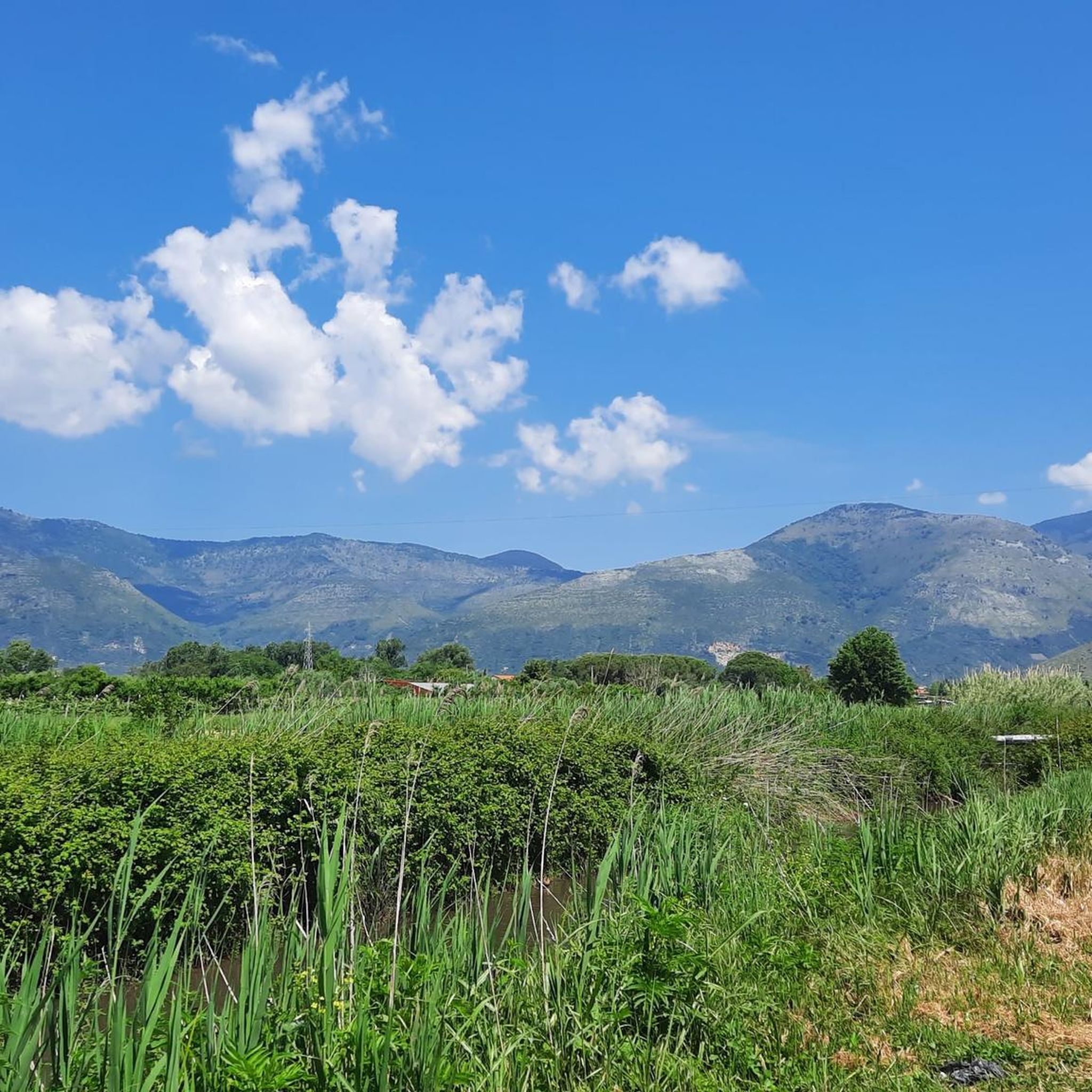
The waterfall is a beautiful sight, it's a shame about the carelessness and incivility of someone who leaves his waste there.
0
0

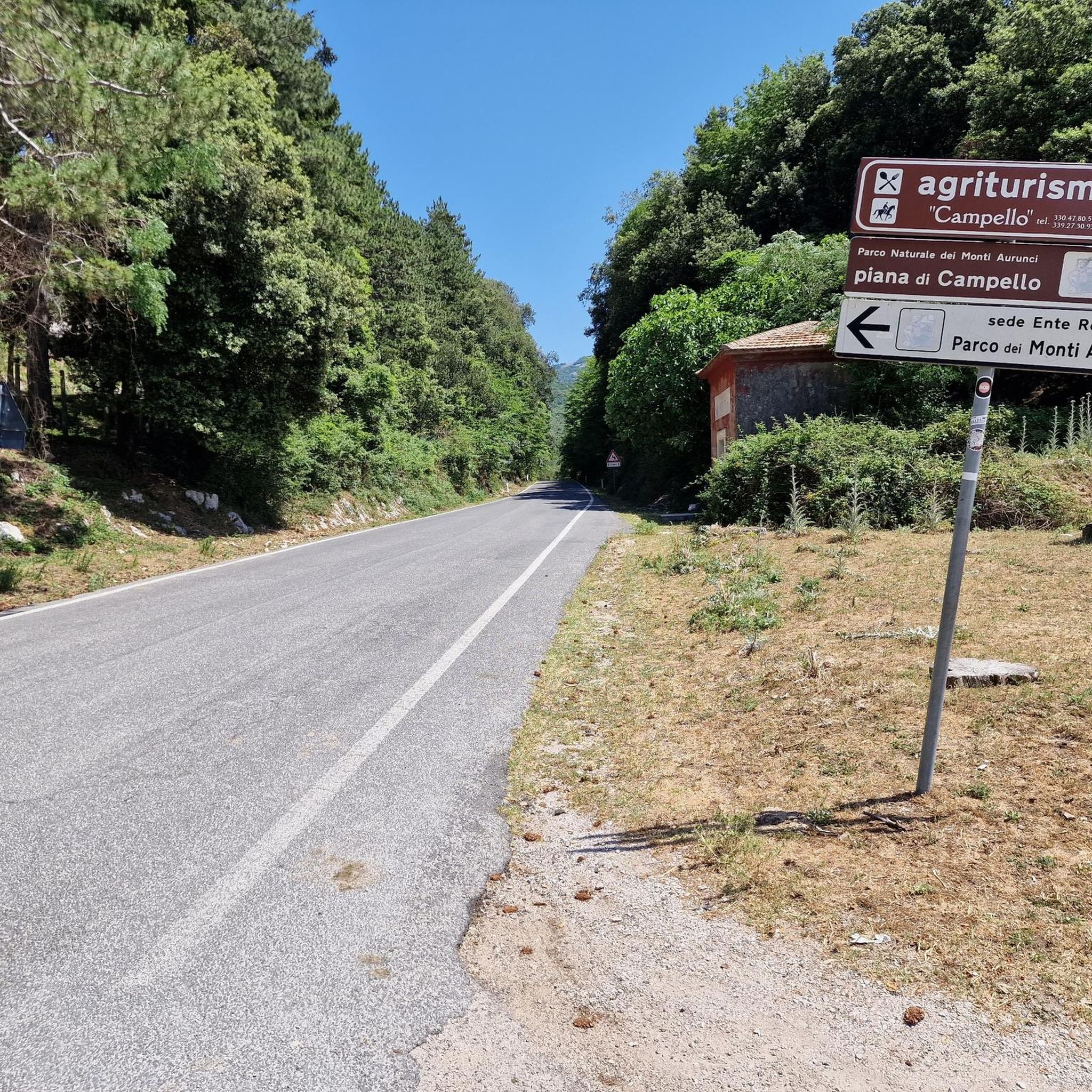
The caves are open to visitors and there are places to eat or a small fountain to refill your water bottles.
0
0

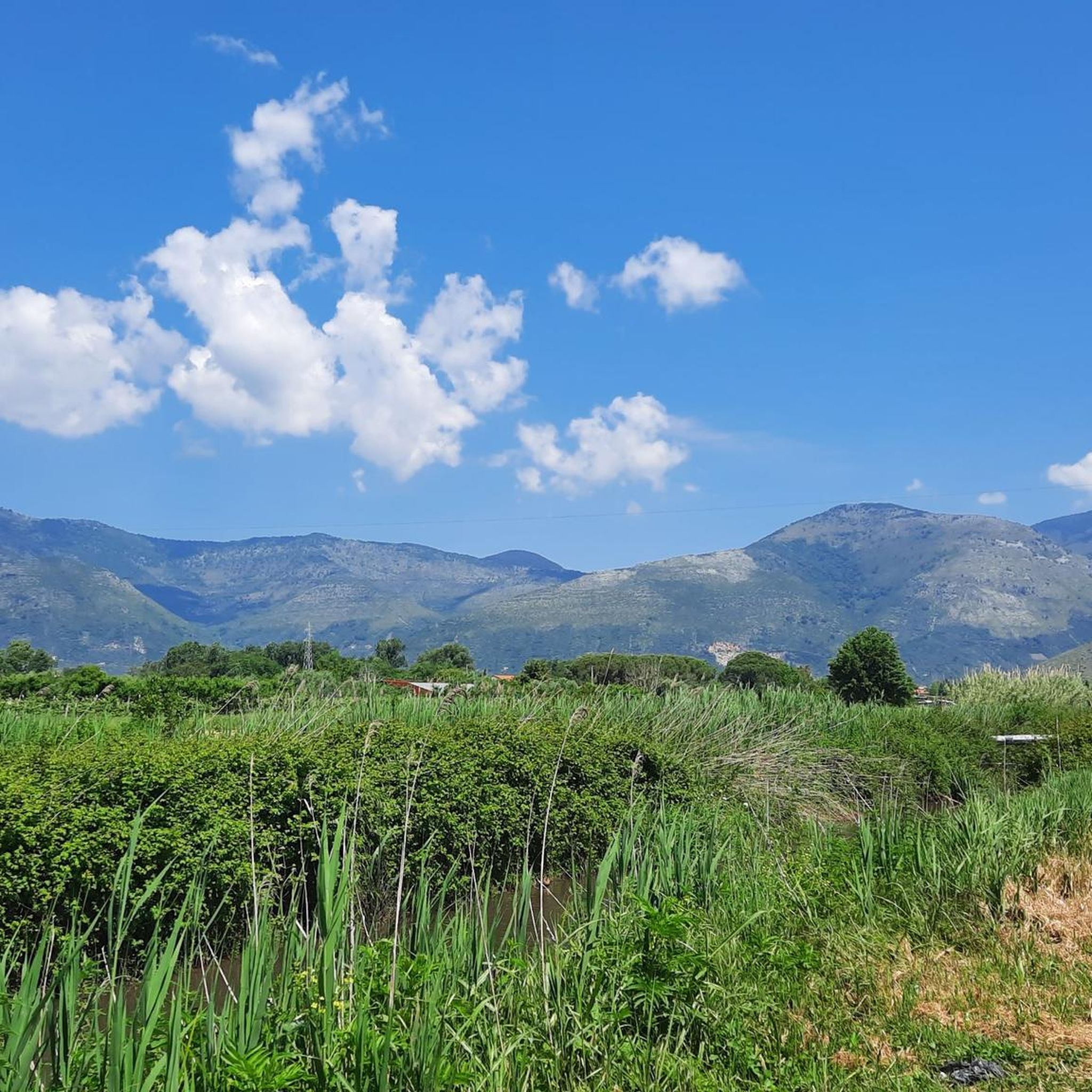
Swan Lake, known as the "little Atlantis of Abruzzo", is an unsuspected treasure located under the waters of Lake Capodacqua. With crystal clear waters and low temperatures, it reveals ancient ruins and sunken treasures, including traditional mills, a paint factory and ancient lanes. Underwater activity is permitted, guaranteeing excellent visibility, but swimming and snorkelling are prohibited.
1
0


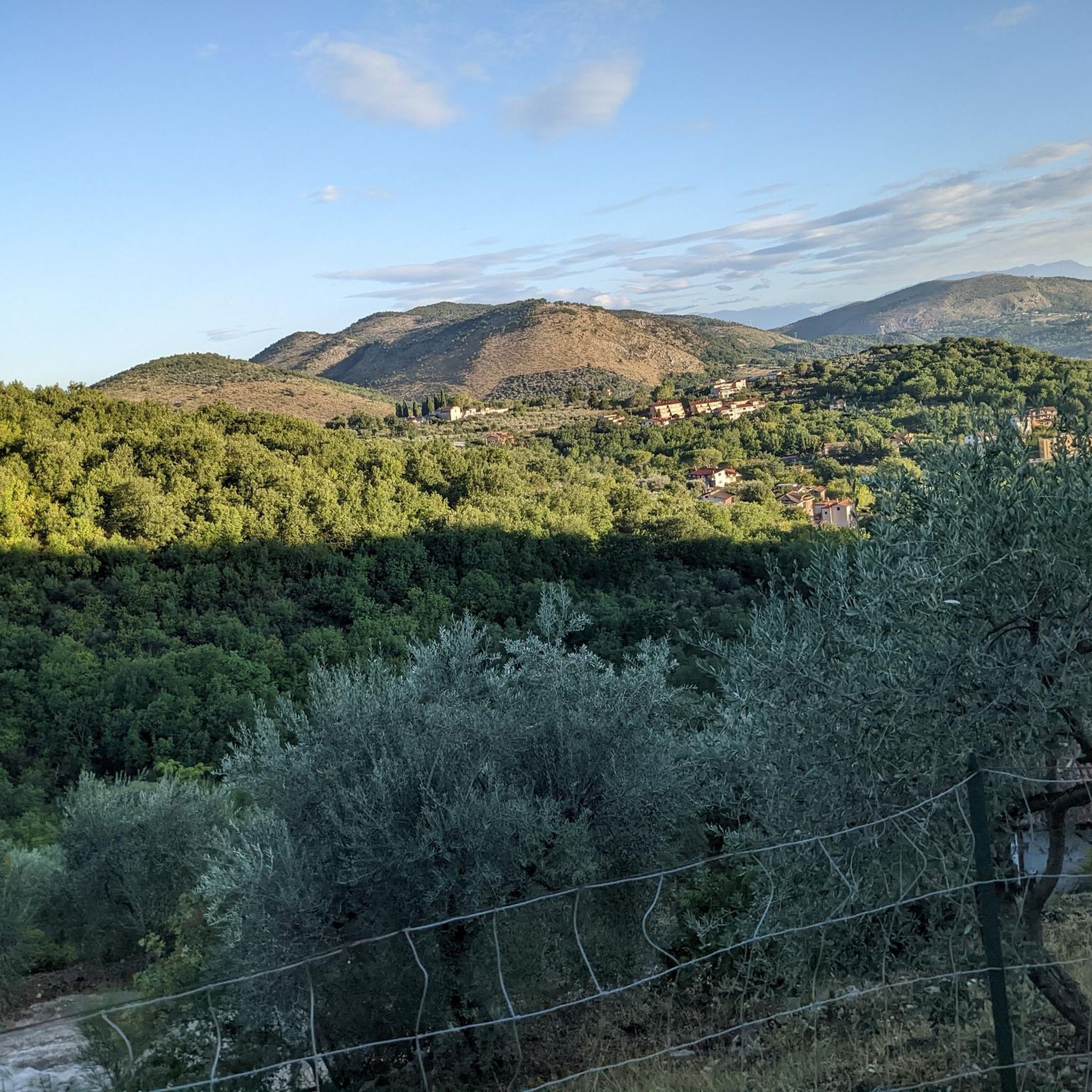
Monte Solo (511 m a.s.l.) is a hill of the Ausoni Mountains in the Lazio Anti-Apennines. On the top of the mountain there are two iron statues, 14 meters high, depicting the patron saints of the village Sant'Elena and San Sinforo martyr. The two statues were placed there on the occasion of the jubilee year.
1
0

To get to the top there are two bars with barbed wire to overcome! They can be overcome without major problems. The important thing is to pay attention!
3
0
Frequently Asked Questions
What are some of the most iconic natural monuments to visit on Pico Island?
Pico Island, known for its volcanic origins, offers several iconic natural monuments. These include the majestic Mount Pico, Portugal's highest peak, the extensive Gruta das Torres lava tunnel, and the serene Lagoa do Capitão. The unique Pico Island Vineyard Culture Landscape, a UNESCO World Heritage site, also stands out for its distinctive volcanic terrain.
Are there any family-friendly natural attractions on Pico Island?
Yes, Pico Island has natural attractions suitable for families. The Natural Pools, formed by volcanic rock, offer safe and enjoyable swimming opportunities. Exploring a section of the Gruta das Torres lava tunnel with a guide is also an engaging experience for older children, providing insight into the island's geology.
What kind of unique geological features can I expect to see on Pico Island?
Pico Island's landscape is dominated by its volcanic heritage. You'll encounter diverse features such as ancient lava flows, sharp basalt rock formations, and the impressive crater of Mount Pico. The Gruta das Torres lava tunnel showcases formations like lava stalactites and striated walls, while the Pico Island Vineyard Culture Landscape features unique black stone walls ('currais') built into lava fields.
What is the best time of year to visit Pico Island's natural monuments?
The best time to visit Pico Island's natural monuments is generally during the warmer, drier months, typically from late spring to early autumn (May to October). This period offers more stable weather conditions, which are ideal for hiking Mount Pico, exploring lagoons, and enjoying the natural pools.
Are there opportunities for wildlife spotting near the natural monuments?
Yes, Pico Island offers opportunities for wildlife spotting. The serene Lagoa do Capitão is home to various bird species and aquatic life. Beyond specific monuments, the waters around Pico are renowned for whale and dolphin watching, considered among the best in the world for spotting diverse marine species year-round.
What outdoor activities can I do near Pico's natural monuments?
Near Pico's natural monuments, you can engage in various outdoor activities. Hiking is popular, especially for those challenging Mount Pico. You can also find running trails, road cycling routes, and mountain biking trails in the area. For specific routes, explore the Running Trails around Pico, Road Cycling Routes around Pico, and MTB Trails around Pico guides.
What should I bring when visiting Pico Island's natural sites?
When visiting Pico Island's natural sites, it's advisable to bring appropriate gear. For hiking, especially to Mount Pico, sturdy hiking boots, layers of clothing, and rain gear are essential due to changing weather. For cave explorations like Gruta das Torres, helmets and lighting are provided, but comfortable walking shoes are recommended. Always carry water, snacks, and sun protection.
Are there any natural viewpoints on Pico Island offering panoramic views?
Yes, Pico Island boasts several natural viewpoints. The summit of Mount Pico offers breathtaking panoramic views of the entire island and neighboring islands like Faial and São Jorge on clear days. Lagoa do Capitão also provides a stunning backdrop of Mount Pico and vistas across Pico and São Jorge islands.
How long does it typically take to explore the main natural monuments on Pico Island?
The time required to explore Pico Island's natural monuments varies. Climbing Mount Pico is a full-day endeavor, often taking 6-8 hours round trip. A guided tour of Gruta das Torres typically lasts about 1-1.5 hours. Visiting Lagoa do Capitão or the Natural Pools can range from a quick stop to a leisurely few hours, depending on your activities.
What is the significance of the Pico Island Vineyard Culture Landscape?
The Pico Island Vineyard Culture Landscape is a UNESCO World Heritage site, recognized for its unique winemaking tradition dating back to the 15th century. It showcases an extraordinary example of human adaptation to a challenging volcanic environment, with vineyards protected by a mosaic of black stone walls ('currais') built into ancient lava fields. This landscape is a testament to the island's volcanic roots and cultural heritage.
Are there any easy hikes or accessible natural monuments for beginners on Pico Island?
While Mount Pico is challenging, there are easier options. The initial trails around Mount Pico offer stunning views without requiring a summit climb. The areas around Lagoa do Capitão provide gentle walks, and the Natural Pools are easily accessible for relaxation and swimming. Exploring the Pico Island Vineyard Culture Landscape also involves relatively flat walks through the unique terrain.
What makes the Gruta das Torres lava tunnel a significant natural monument?
The Gruta das Torres is significant as the largest lava tunnel in the Azores archipelago and the longest lava tube in Portugal, extending approximately 5 kilometers. Its interior preserves a wealth of unique geological formations, including lava stalactites, stalagmites, and lava balls, offering a remarkable glimpse into the island's volcanic history and formation.
Most popular attractions around Pico

Get inspired with the komoot mobile app


Explore more
Extend your search for the best caves by checking out these guides of the top ones around Pico:
