Top 14 Natural Monuments around Santarcangelo Di Romagna
Best natural monuments around Santarcangelo Di Romagna are found within a landscape characterized by the picturesque Valmarecchia valley and unique geological features. The town is built upon Monte Giove, which contains an extensive network of underground caves. This area offers a blend of geological wonders and scenic beauty, providing diverse outdoor exploration opportunities.
Best natural monuments around Santarcangelo Di Romagna
- The most popular natural monuments is Parco della Cava Fossil Park, a natural monument dedicated to a fossiliferous deposit.…
Last updated: October 1, 2026
Cypress of Saint Francis
Highlight • Natural Monument
Translated by Google •
Tip by

Fountain of the Barafonda Whale
Highlight • Monument
The sperm whale that ran aground on the beach in April 1943
As with every fact that remains in the city's memory, over time it colors and …
Translated by Google •
Tip by

Sign up now to discover places like this
Get recommendations on the best single tracks, peaks, & plenty of other exciting outdoor places.
View of San Marino from Mount Titano
Highlight • Viewpoint
Translated by Google •
Tip by

Fountain of the Four Horses and Fellinia in Federico Fellini Park
Highlight • Monument
Translated by Google •
Tip by

Ancient Surcioun Spring
Highlight • Natural Monument
I know, you've never heard of it. Few people know him even among the people of Rimini.
Translated by Google •
Tip by
Sign up for free to discover even more natural monuments around Santarcangelo Di Romagna.
Already have an account?
Start today with a free account
Your next adventure awaits.
Popular around Santarcangelo Di Romagna
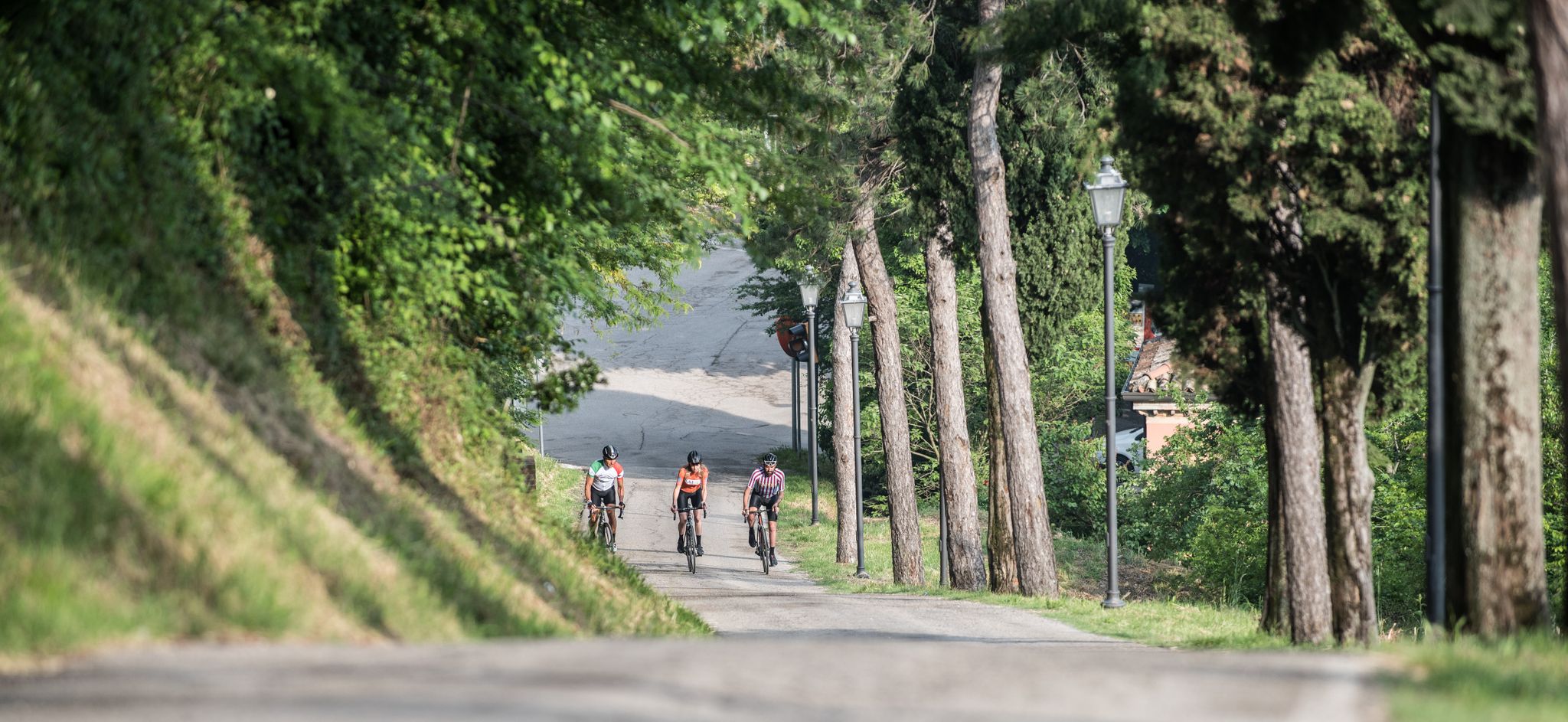
Enjoyment, culture and nature – cycling Tours in Italy’s Emilia Romagna region
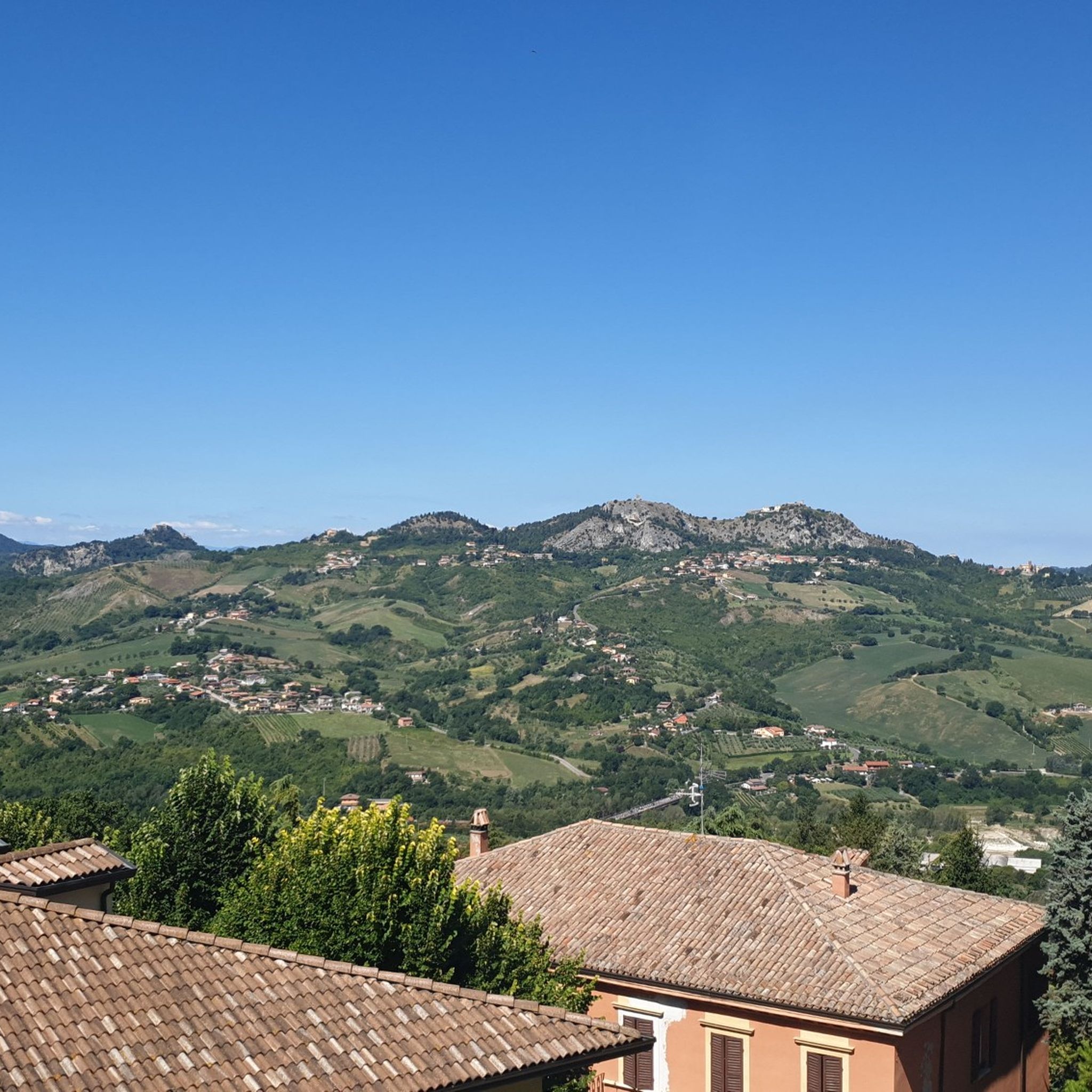
Road Cycling Routes around Santarcangelo Di Romagna
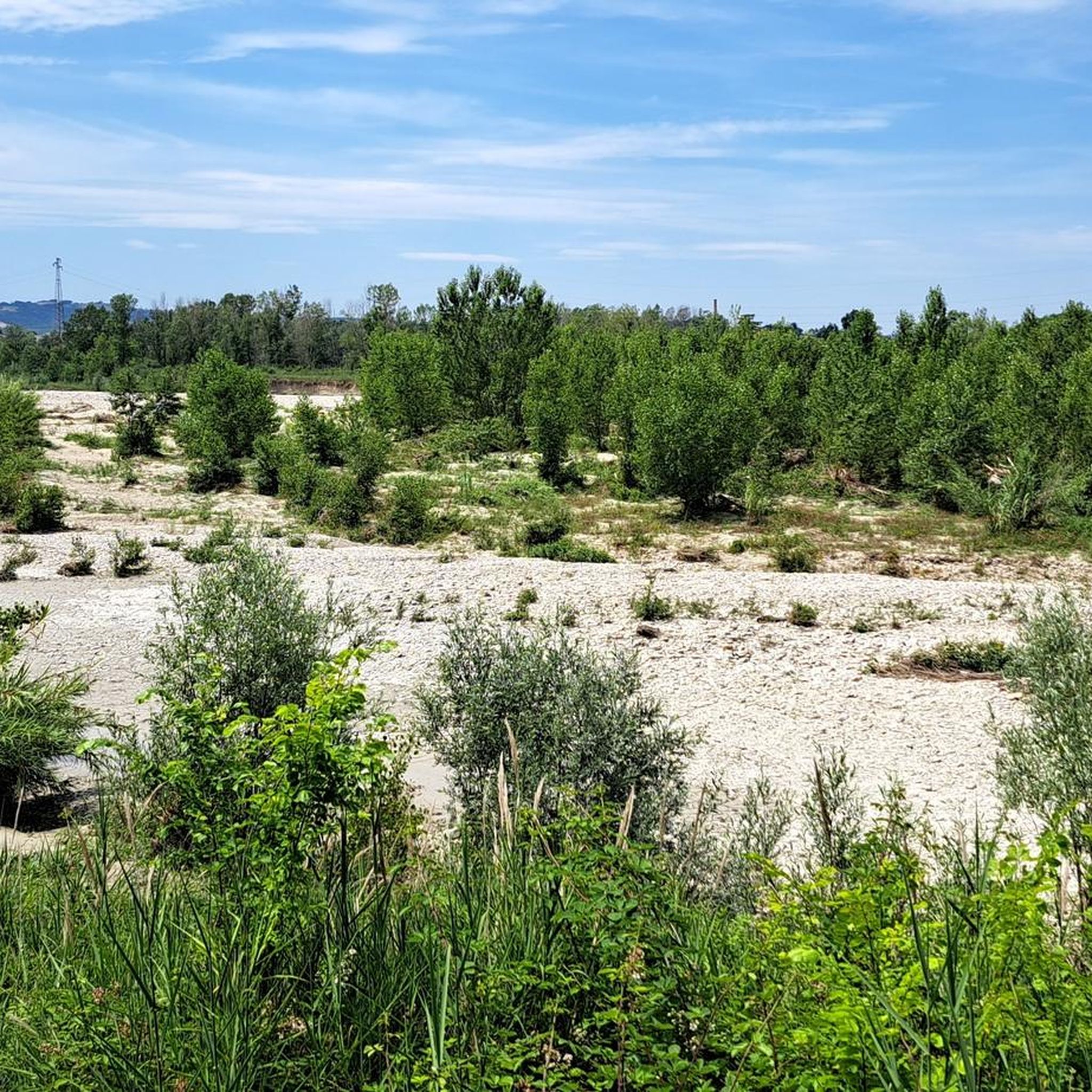
Cycling around Santarcangelo Di Romagna
MTB Trails around Santarcangelo Di Romagna
Hiking around Santarcangelo Di Romagna
Running Trails around Santarcangelo Di Romagna

Gravel biking around Santarcangelo Di Romagna
Other adventures around Santarcangelo Di Romagna

Tips from the Community

It is said that Saint Francis, during his journey in the province of Rimini in the 13th century, planted his "staff" in the ground, which had supported him during his travels. This staff miraculously took root, giving rise to a cypress tree that would go down in history. A tree that has faced not only atmospheric events but also dangerous situations for its life created by humans. Particularly during the Napoleonic period in 1800, the army that entered the convent received orders to cut down the tree, and while they were trying to burn it, a messenger arrived with a counter-order not to cut it down anymore. Furthermore, during the last world war, the Germans burned a part of it for warmth, and in 1980, the main top, 10 meters taller, collapsed due to bad weather. According to the Franciscan friars, this tree, which moves anyone who sees it with its beauty and majesty, is the symbol of the idea that God is a strong support, just as the staff that supported Saint Francis was. The cypress, weakened by age and the various fire attempts it has endured, stands thanks to some slightly rusty metal supports. However, compared to much younger similar trees, it seems to be in good health. It has been the subject of scientific studies that have sought to shed light on the secret of this plant's longevity. This monumental cypress, planted in 1213 according to tradition by Saint Francis, can be admired today in the convent's cloister as a colossal plant monument, 25 meters high, which has "seen" 800 years of history pass around it. Who knows how many things it would have to tell... Upon seeing it, one is fascinated and amazed. It is one of the arboreal testimonies to nature's resilient virtues. Another wonder of Creation.
0
0

History: Inaugurated on June 29, 1928 and sculpted by Filogenio Fabbri from Rimini, the Fountain of the Four Horses can be defined as one of the symbols of the Rimini Riviera. It is located inside the Federico Fellini Park and, in 1945, resisted the passage of the front. In the same year, the fountain was removed and placed in the then headquarters of the Fire Brigade, after which three of the four horses were transferred inside the Marecchia Park. The basin was demolished in 1954. Only in 1983, thanks to the perseverance of Umberto Bartolani and the sculptor's daughter, Fausta Fabbri, was the fountain returned to its original position. At the base, in the lower part, a plaque dated 1987 commemorates Ugo Stentori, the last restorer of the work. Description: The large main basin is circular in shape, symbolically representing the sea. From the water rise four sea horses, which spray water from their nostrils and support with their heads another, smaller basin, from which another jet extends upwards. taken from: https://it.wikipedia.org/wiki/Fontana_dei_Quattro_Cavalli
1
0

and beautiful
0
0

Bronze bust of Claudio Tintori, a physician who, together with Ruggero Baldini, initiated the development of tourism in Rimini in 1843, by investing in the first beach facilities.
1
0

A great view of San Marino, the climb was worth it.
4
1

From the modest top of Mount Titano, which reaches an altitude of 739 meters above sea level, you have a privileged view of the city of San Marino. It's really worth climbing up here to enjoy this unique panorama!
7
0


The cypress of San Francesco is the oldest monumental secular 🌲 (800 years old) among the giants of Emilia Romagna. It is located inside the convent of Villa Verucchio, it seems to have been planted by the Saint himself
0
0
Frequently Asked Questions
What are some unique natural monuments to visit in Santarcangelo di Romagna?
Santarcangelo di Romagna is known for its fascinating network of underground caves, carved into Monte Giove, offering a blend of geological wonder and historical intrigue. Beyond the caves, you can explore the Parco della Cava Fossil Park, an educational site dedicated to a three-million-year-old fossil deposit, or marvel at the ancient Cypress of Saint Francis, a colossal plant monument with over 800 years of history.
Are there any natural monuments with historical significance in the area?
Absolutely. The underground caves beneath Santarcangelo di Romagna hold centuries of history, theorized to have been pagan worship sites, early Christian catacombs, or even WWII shelters. The Cypress of Saint Francis is said to have been planted by St. Francis himself in 1213. Additionally, the Fountain of the Barafonda Whale commemorates a unique natural event from 1943, blending natural history with local lore.
What kind of natural landscapes can I expect to see in the Valmarecchia valley?
The Valmarecchia valley, often called the 'gateway' to Santarcangelo di Romagna, is characterized by harmonious landscapes, dramatic rock spurs, and unspoiled nature. You'll find breathtaking views, lush vegetation along the Marecchia River, and numerous trails winding through chestnut groves, perfect for those seeking scenic beauty and tranquility.
Are there opportunities for hiking or cycling near these natural monuments?
Yes, the Valmarecchia valley offers numerous trails suitable for various activity levels, making it ideal for trekking and cycling. You can find many routes for different sports, including gravel biking, road cycling, and running. For example, there are challenging gravel biking routes like the 'Rocca di San Leo – View of San Leo loop' or moderate road cycling options such as the 'View of Talamello – View of Perticara loop'. You can explore these and more on the Gravel biking around Santarcangelo Di Romagna, Road Cycling Routes around Santarcangelo Di Romagna, and Running Trails around Santarcangelo Di Romagna guide pages.
What is special about the underground caves of Santarcangelo di Romagna?
The underground caves are a unique 'underground city' of at least 160 artificial hypogea carved into sandstone and clay beneath Monte Giove. They feature vaulted rooms, circular halls, and niches, some with sculpted walls. These caves maintain a constant temperature of 12-14°C, making them historically ideal for wine storage and a cool escape. They also served as vital shelters during WWII, connecting many individual hypogea into a larger network.
Are there family-friendly natural monuments in the area?
Many natural monuments in the region are suitable for families. The Parco della Cava Fossil Park is an educational and engaging spot for all ages. The Fountain of the Barafonda Whale and the Fountain of the Four Horses and Fellinia in Federico Fellini Park are also listed as family-friendly, offering interesting stories and pleasant surroundings.
Can I bring my dog to the natural monuments or on nearby trails?
While specific rules for each natural monument vary, the broader Valmarecchia valley and its numerous trails are generally welcoming to dogs, especially on leash. It's always best to check local signage or specific attraction guidelines before visiting, particularly for indoor sites like the underground caves.
What is the <a href="https://www.komoot.com/highlight/6260023" target="_blank" rel="noopener">Parco della Cava Fossil Park</a>?
The Parco della Cava Fossil Park is an educational and theme park dedicated to a fossiliferous deposit found in the Marecchia riverbed. It's a recovered quarry where thousands of fossil fish, dating back three million years, were discovered, including species now only found in the tropical Indian Ocean.
What is the <a href="https://www.komoot.com/highlight/6707029" target="_blank" rel="noopener">Ancient Surcioun Spring</a>?
The Ancient Surcioun Spring is a unique natural monument: an ancient source of fresh, drinkable water that flows directly onto the Viserbella shoreline. It's known for its refreshing, cold water, offering a pleasant spot for a foot bath, and has many local stories and legends associated with it, including tales of quicksand from past centuries.
Are any natural monuments around Santarcangelo di Romagna accessible for visitors with mobility challenges?
The Fountain of the Barafonda Whale and the Fountain of the Four Horses and Fellinia in Federico Fellini Park are both listed as wheelchair accessible, making them suitable options for visitors with mobility challenges. For other sites, especially the underground caves or rugged trails, accessibility may be limited, so it's advisable to check specific venue information.
What is the best time to visit the natural monuments in Santarcangelo di Romagna?
The underground caves maintain a constant cool temperature year-round, making them a good option even during warmer months. For outdoor activities in the Valmarecchia valley, spring and autumn offer pleasant temperatures for hiking and cycling, avoiding the peak heat of summer. However, the scenic beauty can be enjoyed in any season.
What do visitors enjoy most about the natural monuments in Santarcangelo di Romagna?
Visitors are often captivated by the historical mystery of the underground caves and the unique sensory experience they offer. The Valmarecchia valley is appreciated for its stunning, unspoiled nature and the opportunities for active holidays. Highlights like the Cypress of Saint Francis are admired for their majesty and the profound sense of history they evoke.
Most popular routes around Santarcangelo Di Romagna
Most popular attractions around Santarcangelo Di Romagna

Get inspired with the komoot mobile app


Explore more
Extend your search for the best caves by checking out these guides of the top ones around Santarcangelo Di Romagna:
