Top 20 Natural Monuments around Camporgiano
Best natural monuments around Camporgiano are situated within the Garfagnana region, providing access to the Apuan Alps and Apennine mountains. This area features rugged peaks, deep valleys, and extensive cave systems. The natural landscape offers diverse experiences, from high-altitude summits to unique geological formations.
Best natural monuments around Camporgiano
- The most popular natural monuments is Summit of Monte Corchia, a summit that offers suggestive views of the Tyrrhenian coast. It provides a challenging ascent for experienced and trained hikers. …
Last updated: May 31, 2026
Tambura Ridge
Highlight • Summit
Translated by Google •
Tip by

Summit of Monte Corchia
Highlight • Summit
Translated by Google •
Tip by

Sign up now to discover places like this
Get recommendations on the best single tracks, peaks, & plenty of other exciting outdoor places.
Sign up for free
Pizzo d'Uccello Summit
Highlight • Summit
Translated by Google •
Tip by

The Campaniletti
Highlight • Natural Monument
Translated by Google •
Tip by

Wild Man's Den
Highlight • Cave
Translated by Google •
Tip by

Sign up for free to discover even more natural monuments around Camporgiano.
Sign up for free
Already have an account?
Start today with a free account
Your next adventure awaits.
Login or Signup
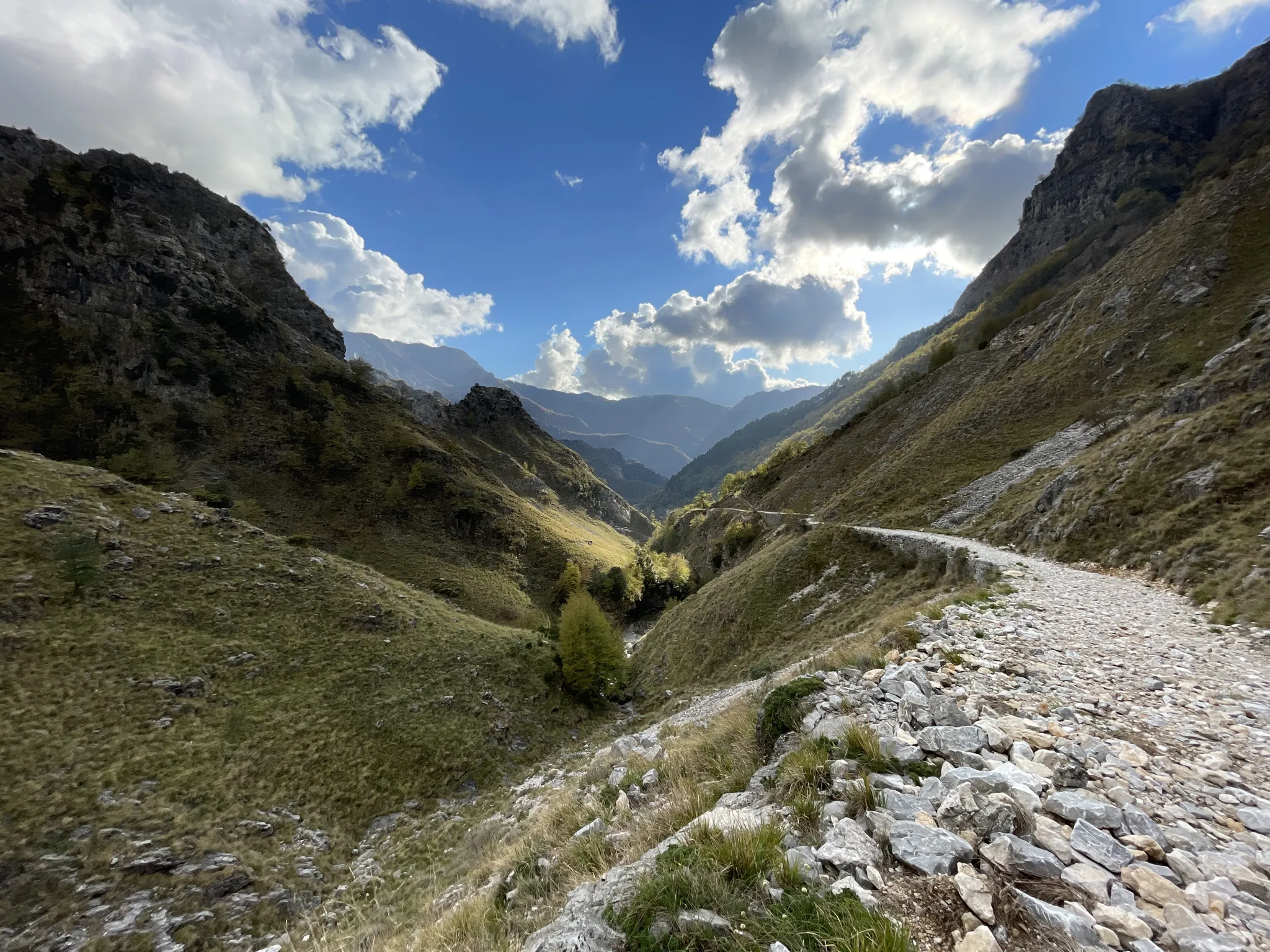
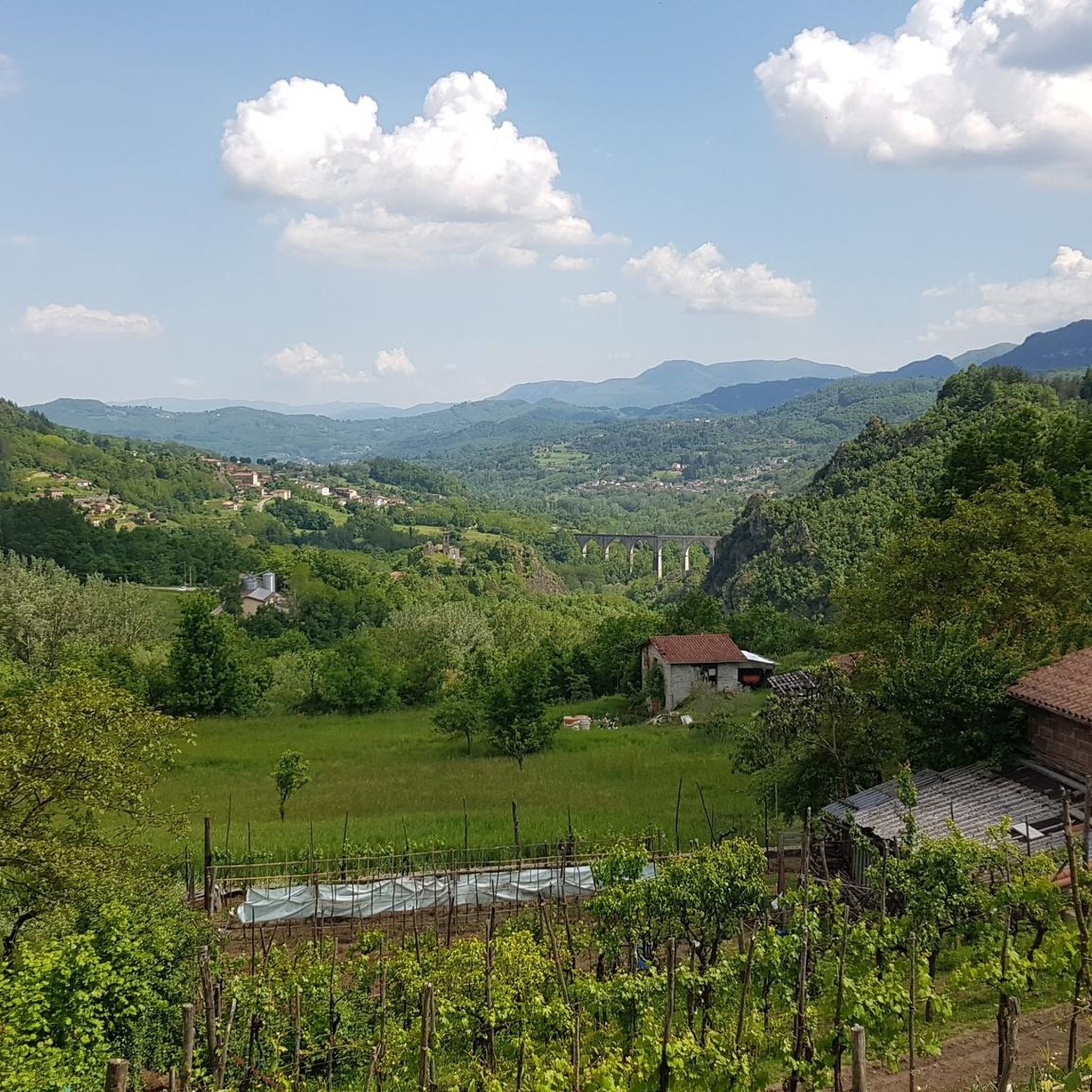
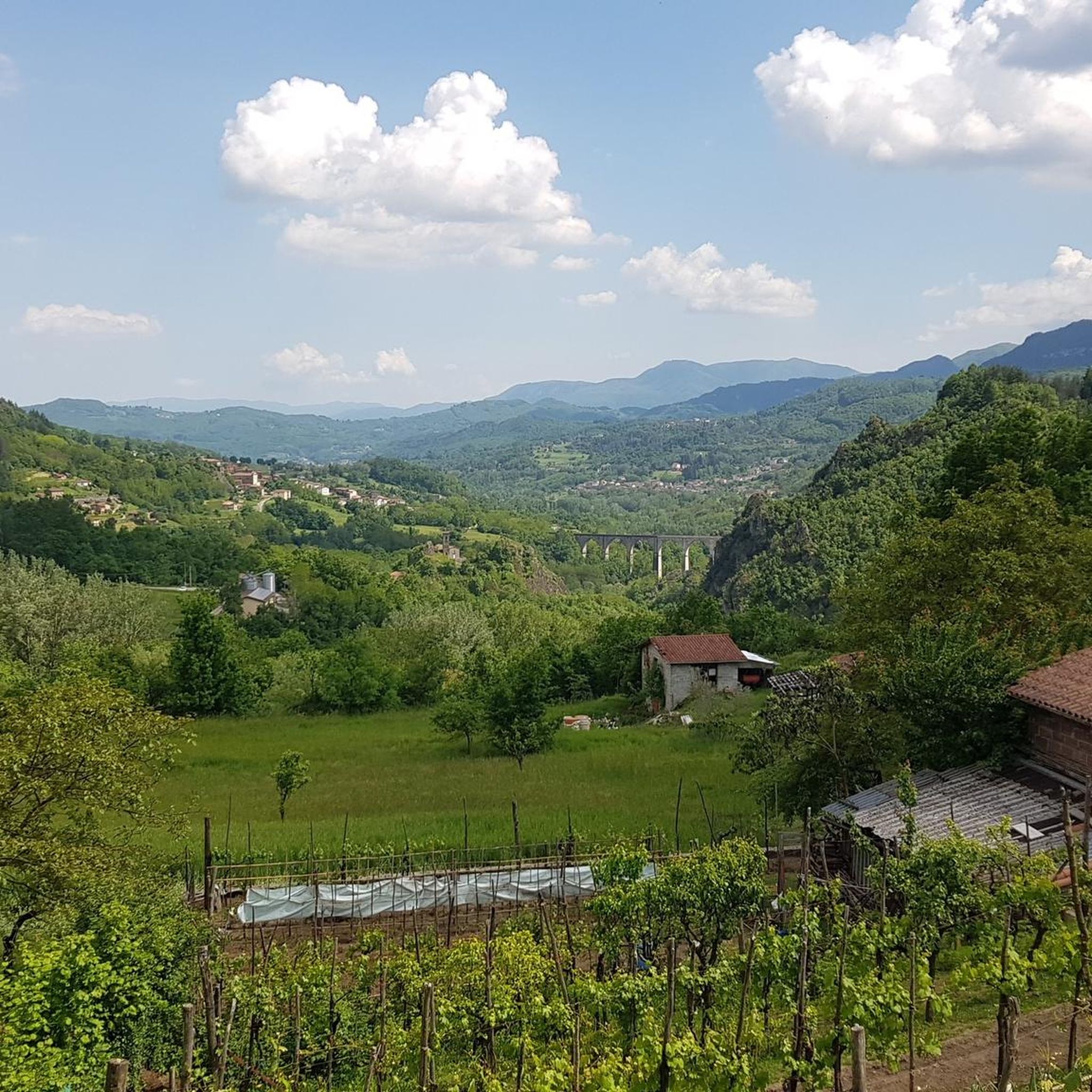
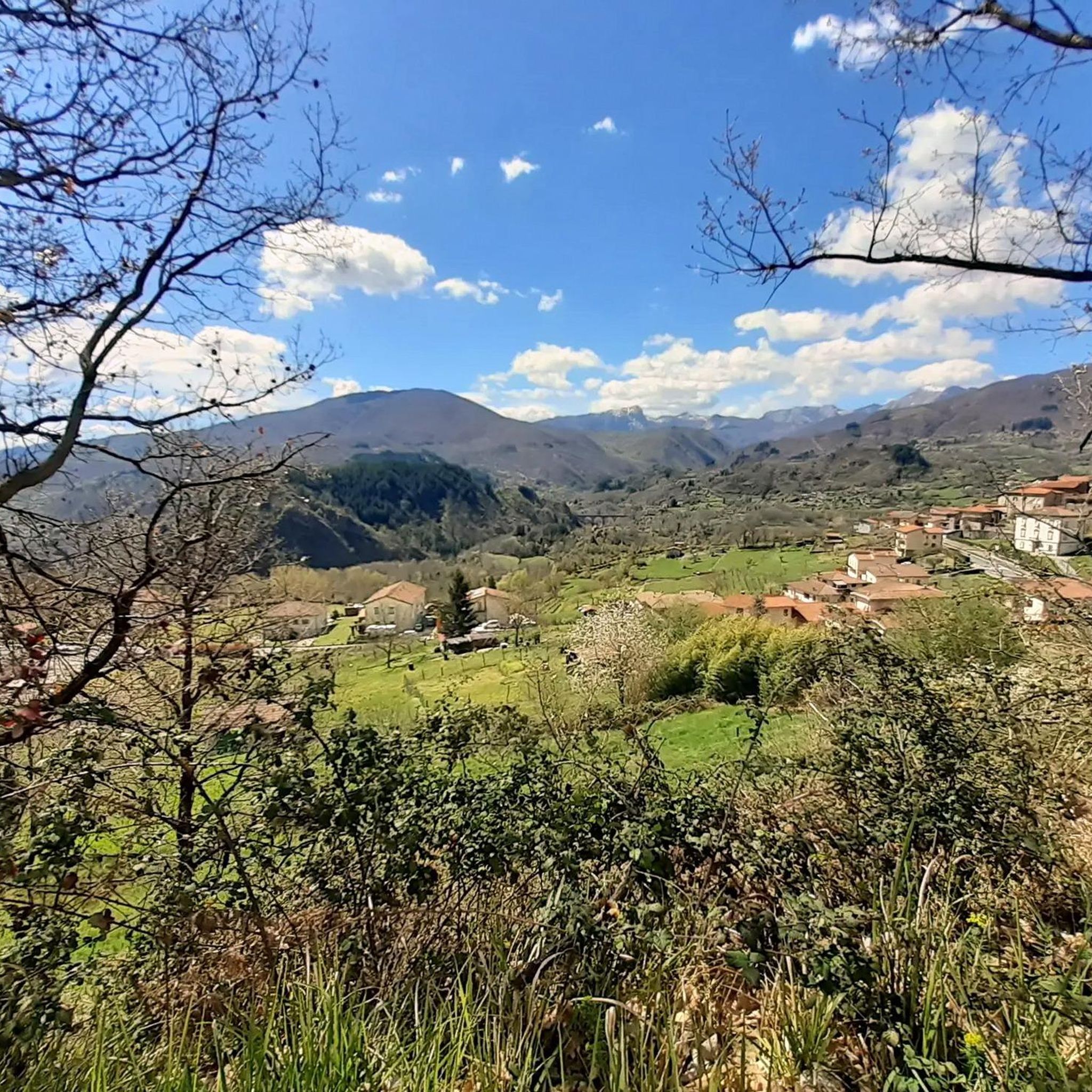


Other adventures around Camporgiano

Tips from the Community

It is always a satisfaction to be able to stay a while on peaks like these, the quarries represent the human devastation, the city with its noise is close by but up here nature always has the sceptre of command with its wild appearance even if time has faded it a bit due to human activity.
1
0
Typical Apuan peak, beautiful and crunchy, never banal due to the terrain that requires a bit of attention in some sections, obviously with the wet or worse snow things change drastically, there are also many climbing routes.
0
0

If the weather permits, the view is worth it, it spans 360 degrees and all in all it doesn't take long to reach the top, it is certainly a satisfying peak.
0
0
Like other peaks in the Apuan Alps, Corchia is not to be underestimated, there is nothing special but the pace must be sure and not be afraid of the emptiness that occasionally peeks out near the path...
0
0

The "bell towers" are dolomite formations near the Conti refuge, typical of the landscape of the valley they overlook. On one of them a bell is hoisted, hence the name Campaniletti.
0
0

Pizzo d'Uccello (1,781 m a.s.l.) is called the Matterhorn of the Apuan Alps due to its shape that resembles a pyramid and the fact that its rock conformation resembles that of the Alpine mountains. Its north face, vertical for almost 800 meters, is impressive! It is not the highest peak of the Apuan Alps and yet it is climbed by many who try their hand at the ascent along the normal route which is a sort of mountaineer's baptism, although it is not excessively difficult it does have some challenging passages.
2
0

It's not easy to reach, but you can enjoy a beautiful view. Only for experienced and trained hikers.
0
0
Frequently Asked Questions
What types of natural monuments can I explore around Camporgiano?
The area around Camporgiano, situated in the Garfagnana region, offers a diverse range of natural monuments. You can find towering peaks like Summit of Monte Corchia and Pizzo d'Uccello Summit, spectacular cave systems such as Grotta del Vento, and unique rock formations like The Campaniletti. The region is also known for its deep valleys and rugged morphology within the Apuan Alps.
What is the Grotta del Vento and what can I expect there?
The Grotta del Vento (Cave of Wind) is a fascinating karst cave system located in the Apuan Alps Nature Reserve. It features impressive stalactites, stalagmites, underground rivers, waterfalls, and crystal-encrusted lakes. You can choose from three different guided itineraries, ranging from one to three hours, with the longest including a 90-meter vertical shaft. The cave maintains a constant temperature of about 10.7°C (51°F) year-round.
Are there any challenging hikes to natural monuments in the area?
Yes, several natural monuments offer challenging hikes. The ascent to the Summit of Monte Corchia is recommended for experienced and trained hikers. Similarly, Pizzo d'Uccello Summit involves a non-trivial path that often requires using hands and feet, making it a challenging climb. The trails to The Campaniletti are also described as very complex and technical, requiring excellent trekking shoes.
What is the Orrido di Botri and is it suitable for families?
The Orrido di Botri is a spectacular natural canyon, often called 'Italy's Grand Canyon,' carved by the Pelago Torrent. It features high walls, dramatic gorges, and cascading waterfalls. Hiking through the canyon involves walking along the riverbed, which can be challenging and requires appropriate footwear and helmets (rentable on-site). The reserve is typically open from mid-June to mid-September, and daily entry is limited, so booking in advance is advisable. While adventurous, it might be challenging for very young children due to the terrain.
What is the best time to visit the natural monuments around Camporgiano?
The best time to visit depends on the specific monument and activity. For canyoning at Orrido di Botri, the reserve is typically open from mid-June to mid-September. For hiking in the Apuan Alps or Parco dell'Orecchiella, late spring, summer, and early autumn generally offer the most favorable weather conditions. Caves like Grotta del Vento maintain a constant temperature year-round, making them a good option in any season, though access roads might be affected by snow in winter.
Are there family-friendly natural monuments or activities near Camporgiano?
Yes, Parco dell'Orecchiella offers several family-friendly options. It features numerous hiking trails suitable for various levels, a Visitor Center with a Natural History Museum and a Museum of Raptors, and wildlife enclosures where you can observe brown bears and roe deer. The Grotta del Vento also offers guided tours of varying lengths, making it an engaging experience for families, though some sections might be more challenging for very young children.
What kind of wildlife can I expect to see in the natural parks?
In Parco dell'Orecchiella, located within the Tuscan-Emilian Apennine National Park, you can find a diverse array of wildlife. This includes the Apennine wolf, deer, mouflon, and golden eagles. The park also has wildlife enclosures where visitors can observe brown bears and roe deer up close.
What outdoor activities can I do near these natural monuments?
Beyond exploring the natural monuments themselves, the region offers various outdoor activities. You can find numerous running trails, mountain biking routes, and road cycling routes. For instance, there are challenging MTB routes like the 'Garfagnana Trekking: Lake Gramolazzo Loop' and scenic road cycling loops around Lake Gramolazzo and Passo dei Carpinelli.
What makes the Apuan Alps Regional Park a significant natural monument?
The Apuan Alps Regional Park, a UNESCO Global Geopark, is significant for its towering peaks, rugged morphology, deep valleys, and extensive cave systems. It's renowned for its rich marble deposits, quarried since ancient times, and features incredible views, often extending to the sea. Beyond the famous Grotta del Vento, the park boasts over 1,300 surveyed caves and unique geological formations like natural arches, offering a high level of biodiversity.
Are there any natural monuments with panoramic viewpoints?
Yes, many natural monuments in the area offer stunning panoramic views. The Summit of Monte Corchia provides suggestive views of the Tyrrhenian coast. Tambura Ridge offers beautiful panoramic vistas. The Pizzo d'Uccello Summit is known for its spectacular 360° panorama of the Apennines, Apuan Alps, and Tyrrhenian coast. Additionally, the Pania di Corfino Nature Reserve within Parco dell'Orecchiella provides splendid panoramic views.
What do visitors enjoy most about the natural monuments around Camporgiano?
Visitors frequently praise the breathtaking views from the summits and ridges, despite the challenging ascents. The unique geological features, such as the bizarre stalactite formations in Grotta del Vento, are highly recommended. The sense of accomplishment after reaching peaks like Monte Corchia and the wild, untamed appearance of nature are also highly valued, even where human activity has left its mark.
Most popular routes around Camporgiano
Most popular attractions around Camporgiano

Get inspired with the komoot mobile app


Explore more
Extend your search for the best caves by checking out these guides of the top ones around Camporgiano:
