Top 3 Caves around Vobarno
Best caves around Vobarno are situated within the diverse landscape of the Brescia province, characterized by its mountainous terrain and proximity to Lake Garda. This region provides various opportunities for outdoor exploration amidst its natural features. While Vobarno itself may not host extensive natural cave systems, the surrounding areas offer access to notable geological formations and unique natural attractions. The area is known for its blend of natural beauty and historical significance.
Best caves around Vobarno
- The most popular caves…
Last updated: May 31, 2026
Sanctuary of Madonna del Rio
Highlight • Religious Site
Translated by Google •
Tip by

Monte Budellone Quarry
Highlight • Structure
Translated by Google •
Tip by

Sign up now to discover places like this
Get recommendations on the best single tracks, peaks, & plenty of other exciting outdoor places.
Sign up for free
Trail to Monte Censo via Path 433
Highlight • Trail
Translated by Google •
Tip by

Büs de la Paül
Highlight • Cave
The flat areas of the Rocca di Manerba have undergone major interventions by man over the centuries. In the early 19th century, the vast …
Translated by Google •
Tip by

Enchanted Cave of Parco Alto Garda Bresciano
Highlight • Cave
Translated by Google •
Tip by

Start today with a free account
Your next adventure awaits.
Login or Signup
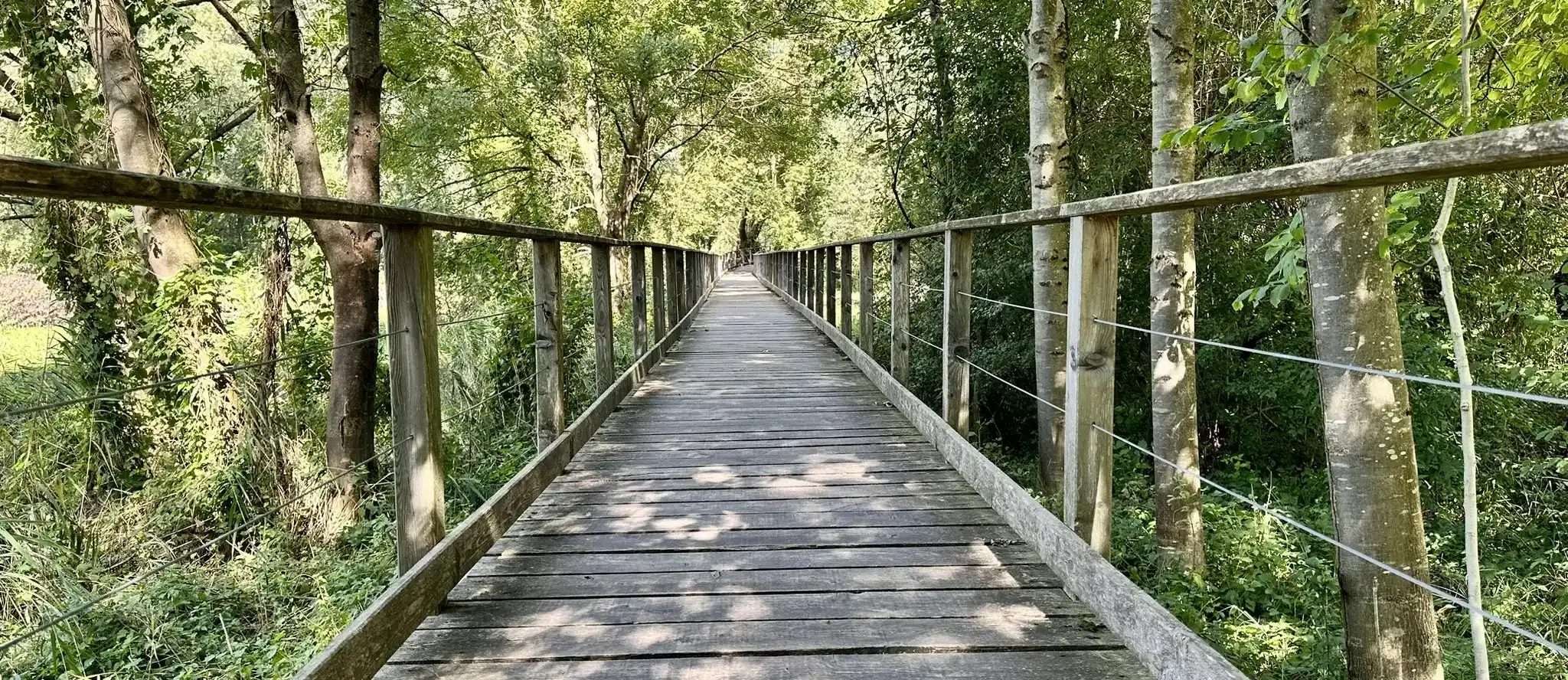
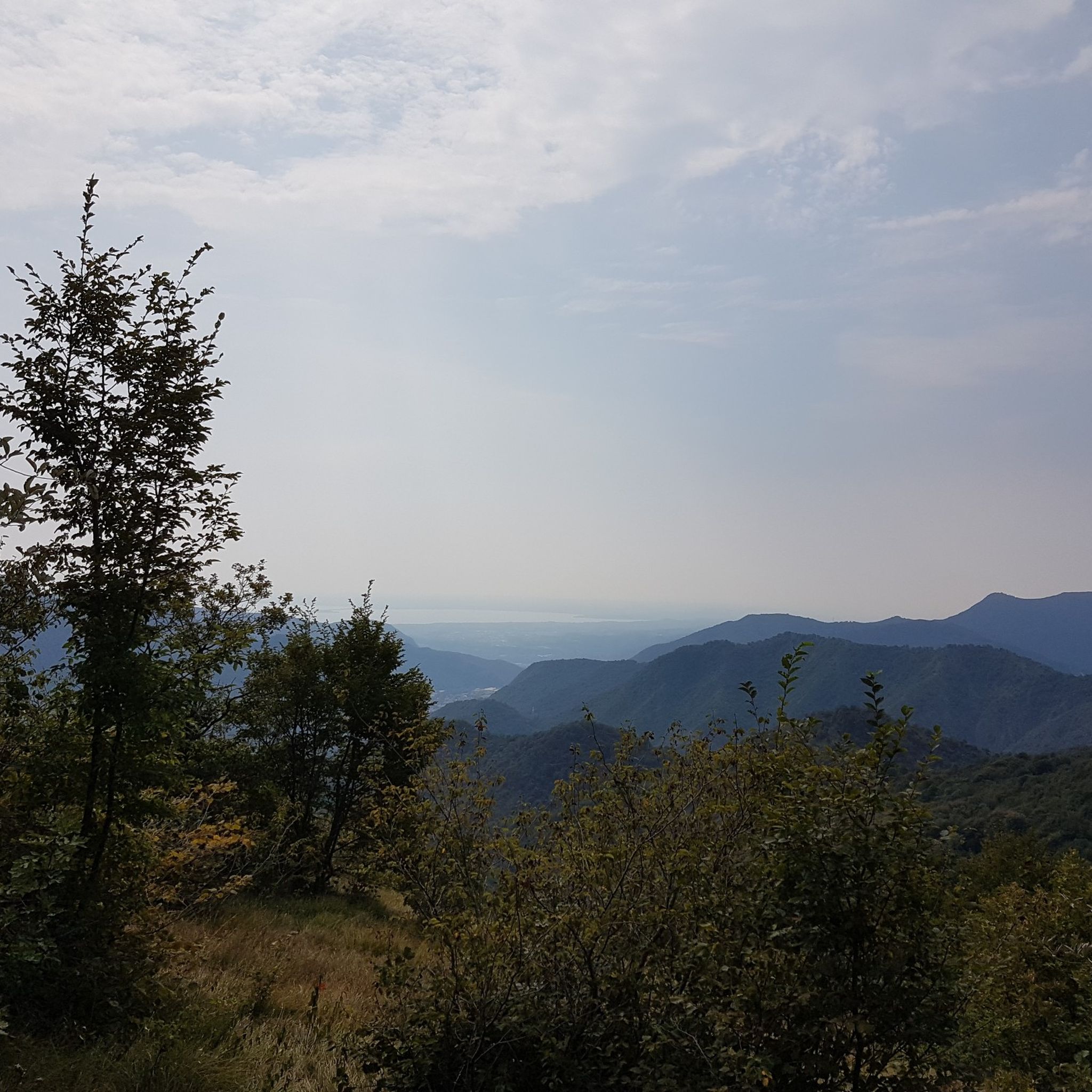
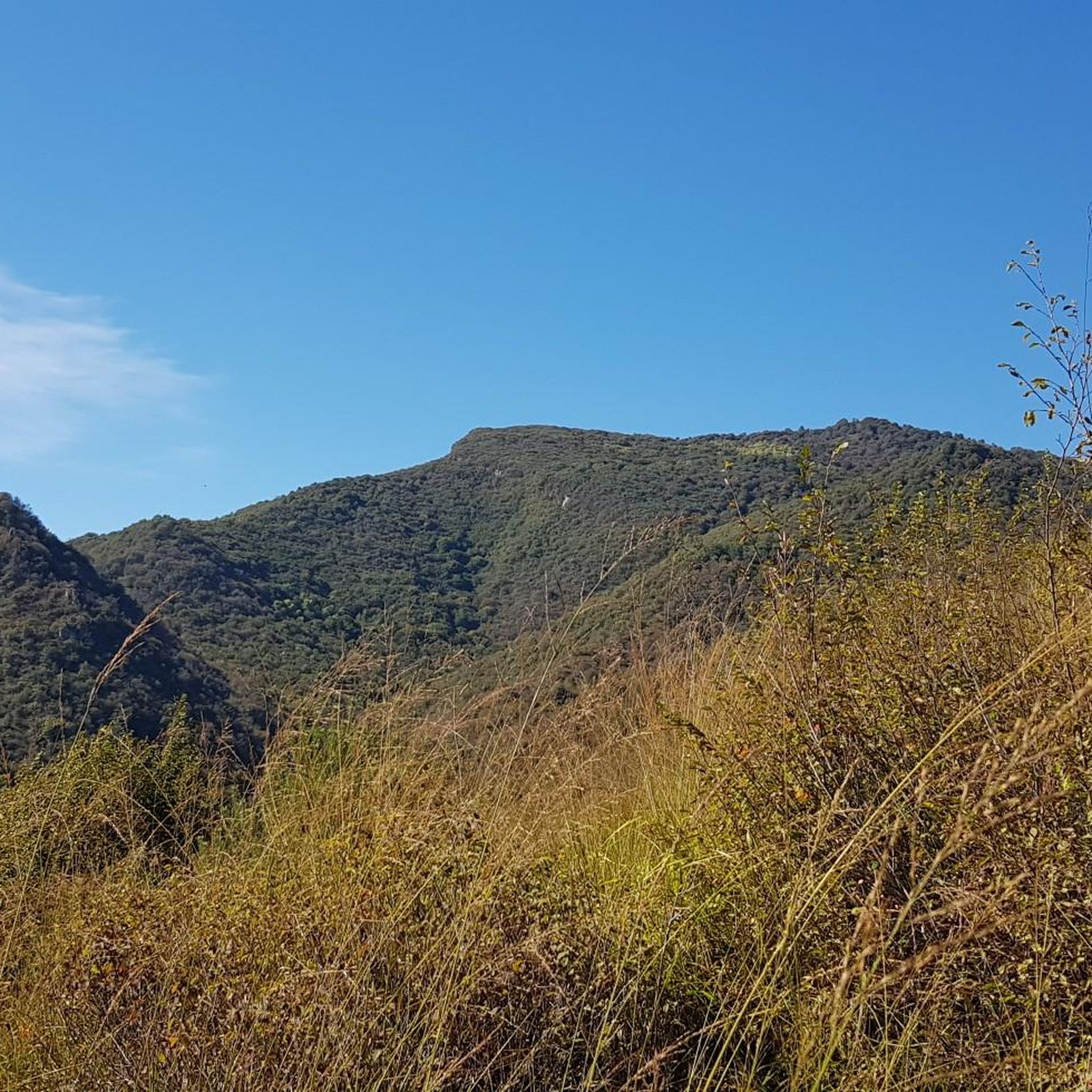
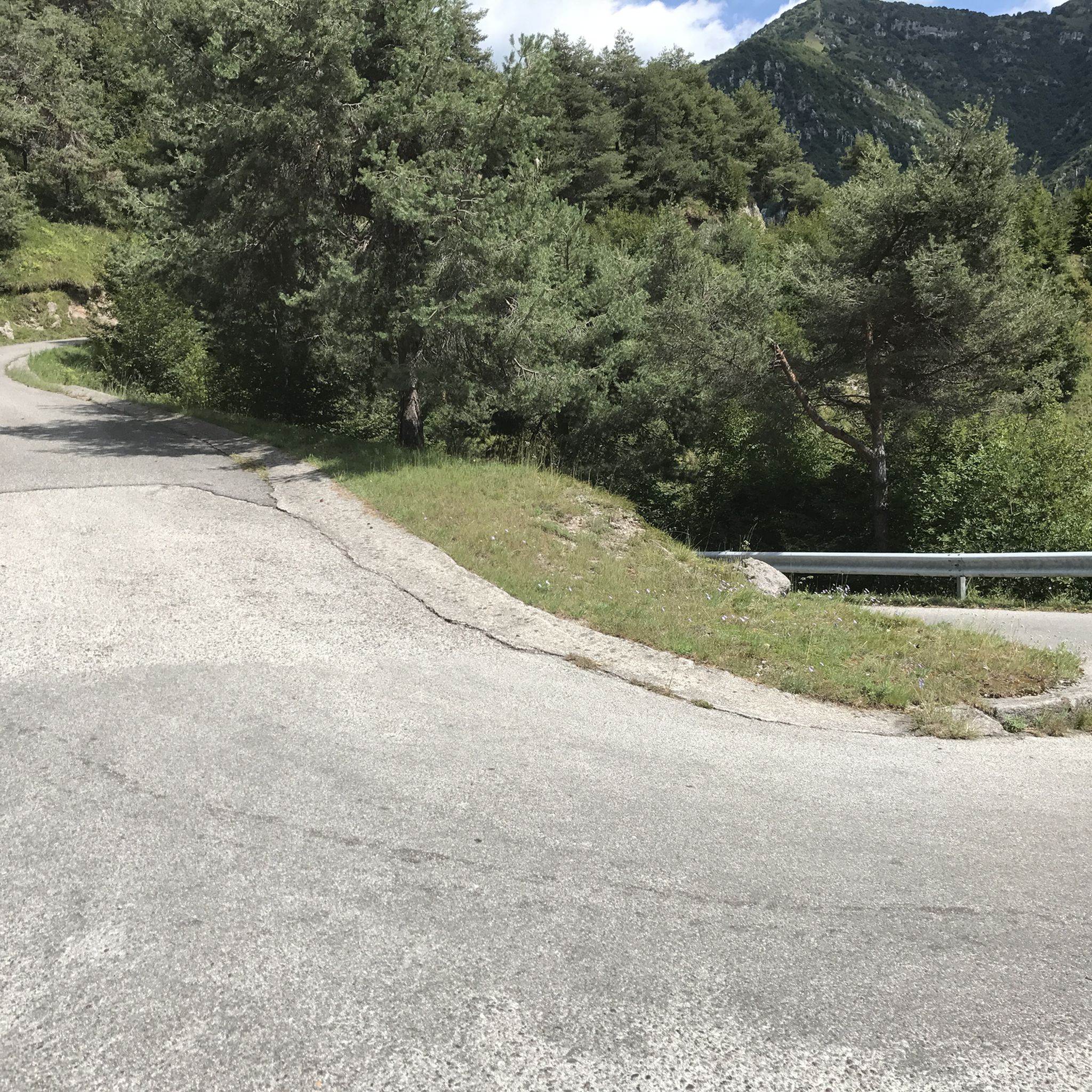
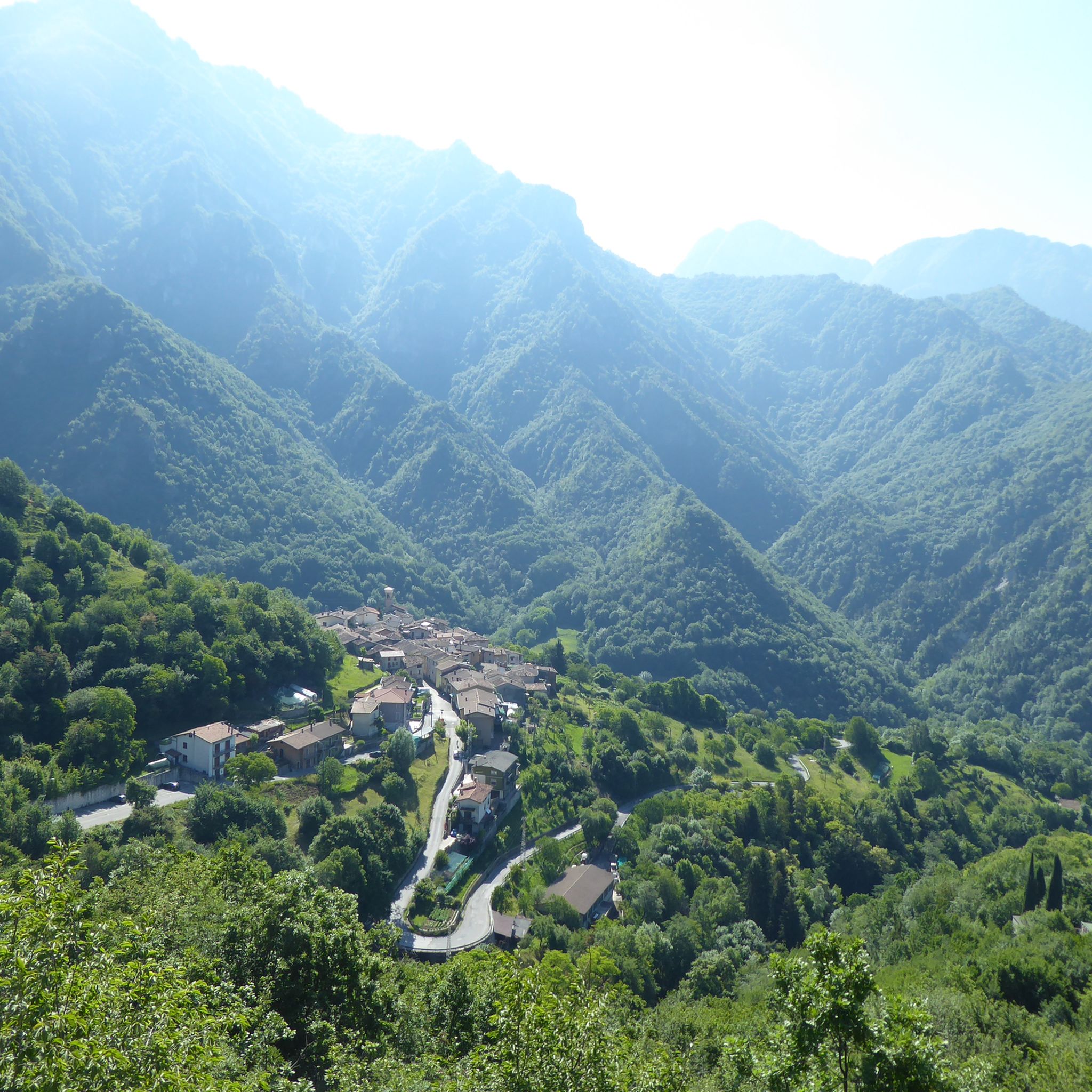

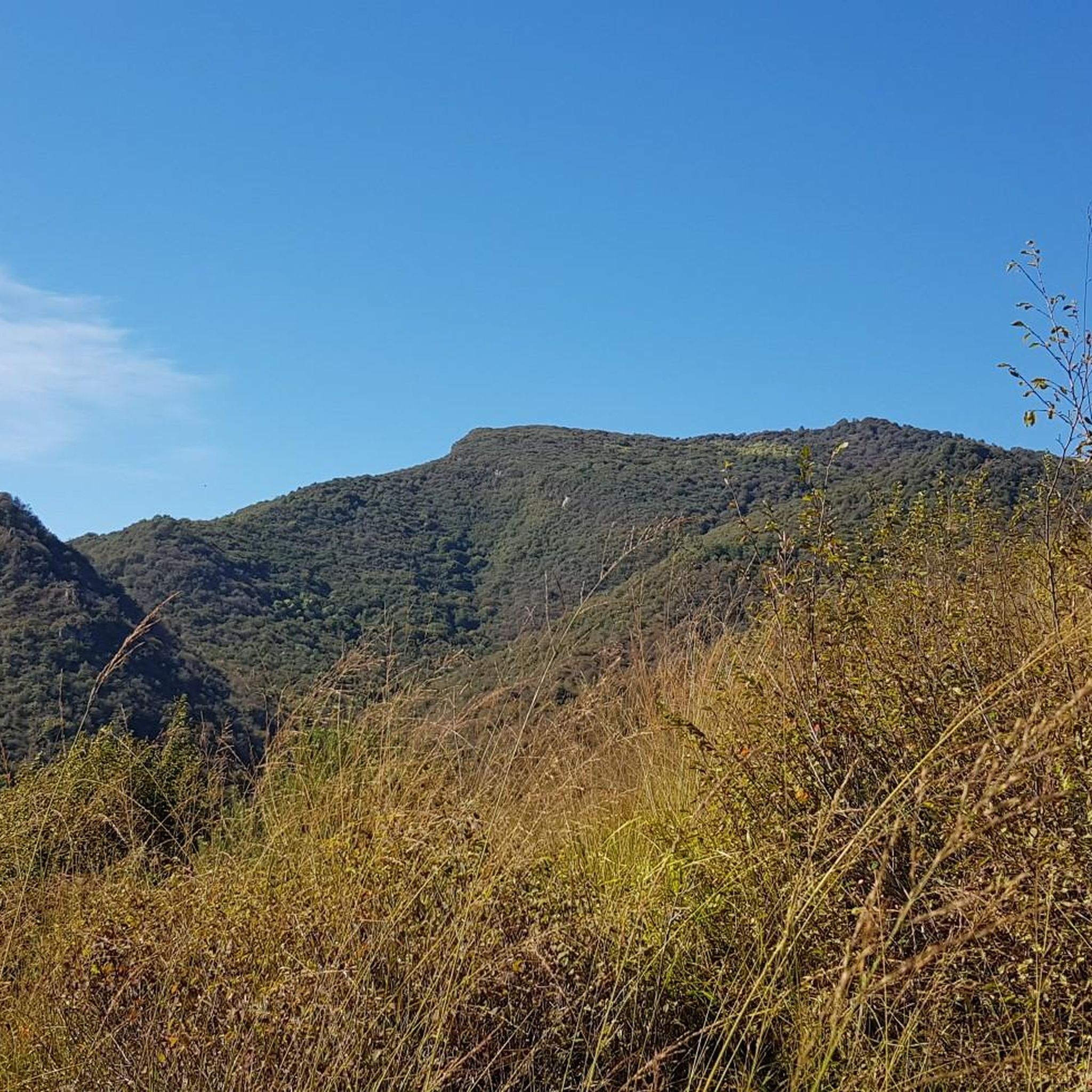
Other adventures around Vobarno

Tips from the Community


From Renzano, the path to the Madonna is easier than from the top! The chapel is beautifully done.
2
0

The first of three shrines on the tour. Its interior is truly beautiful.
0
1

Marble Cathedral
1
1
Unfortunately, the path to the Madonna del Rio was very overgrown during our stay. It was also not an easy path! In places it was very steep and very slippery!
2
0

The path from the chapel is currently closed (July 2024).
1
0

the "famous" cathedral, a little smaller than expected
1
0

Monte Censo (1,012 m) is one of them. In note you take the road to Baremone; After 2 hairpin bends and a long right bend you will see a small church on the right. Park your car next to or near the small church. From there you continue on foot on path 433. In terms of difficulty, this path is classified as moderately difficult. After a short hike of an hour and a half you reach the summit. From there you can admire the entire lake from north to south.
0
0
Frequently Asked Questions
What types of caves and underground sites can I explore near Vobarno?
The Vobarno area offers a mix of natural and man-made underground attractions. You can find significant natural karstic caves like the Grotta Buco del Frate, as well as interesting reclaimed quarry sites such as the Monte Budellone Quarry, which has been transformed into a unique landscape. There are also smaller natural features like the cave near the Sanctuary of Madonna del Rio and the artificial canal known as Büs de la Paül.
Are there any significant natural caves with geological importance in the region?
Yes, the most significant natural cave is the Grotta Buco del Frate (Hole of the Friar) in Prevalle, recognized as a regional natural monument. It's a karstic cave system with deep erosion, featuring numerous concretions like stalactites. Its geological formations are a major draw for speleologists and nature enthusiasts.
Can I find historical or paleontological sites related to caves near Vobarno?
Absolutely. The Grotta Buco del Frate is renowned for its rich paleontological finds. It served as a winter den for prehistoric cave bears (Ursus spelaeus), and numerous fossil remains, including a complete cave bear specimen, have been recovered from there. These finds are now displayed at the Archaeological Museum of Valle Sabbia in Gavardo.
What kind of wildlife can be found in the caves around Vobarno?
The Grotta Buco del Frate is home to an important colony of bats (chirotteri) and various endemic troglobiont insect species, which are perfectly adapted to the underground environment. These creatures thrive in the cave's mild internal climate, which remains around 15°C.
Are there opportunities for speleological exploration or guided caving tours?
Yes, the Grotta Buco del Frate offers opportunities for speleological exploration. Visits are typically arranged through organized speleological excursions, where participants are provided with necessary equipment like helmets and headlamps. This suggests it's more suited for those interested in active exploration rather than casual walk-through visits.
Are there family-friendly activities or outdoor parks related to caves in the area?
While not a natural cave system, the Parco delle Cave di Buffalora e San Polo (Park of the Buffalora and San Polo Quarries) is a great family-friendly option. This reclaimed landscape features groundwater-fed lakes, wetlands, and extensive paths for outdoor pursuits like cycling, jogging, and hiking. It's also an excellent spot for birdwatching and offers a 15 km cycle-pedestrian path.
What outdoor activities can I do near the caves around Vobarno?
Beyond cave exploration, the region offers diverse outdoor activities. You can find numerous routes for road cycling, touring cycling, and mountain biking, especially around the Parco delle Cave di Buffalora e San Polo. For hiking, there are trails like the Trail to Monte Censo via Path 433, which includes a small cave, and many other options listed in the Hiking around Vobarno guide.
Are there hiking trails that lead to or past caves?
Yes, several hiking opportunities exist. The Trail to Monte Censo via Path 433 is a moderately difficult path that leads to a summit and includes a small cave. Additionally, the Büs de la Paül is accessible via a single track that can be traveled on foot or by bike, connecting a plateau to the Rocca di Manerba beach.
What is the best time of year to visit caves in the Vobarno region?
For natural caves like Grotta Buco del Frate, the internal climate remains mild year-round, around 15°C, making them accessible in various seasons. However, for outdoor activities around reclaimed quarry parks or trails leading to caves, spring and autumn generally offer the most pleasant weather for hiking and cycling. Summer can be warm, while winter might present challenges with snow or ice on trails, though the caves themselves would remain temperate.
Do I need any special permits or equipment to visit the caves?
For active speleological exploration of caves like Grotta Buco del Frate, you will likely need to join an organized excursion, which typically provides specialized equipment such as helmets and headlamps. For more accessible sites or trails leading to smaller cave features, standard hiking gear is usually sufficient. Always check with local authorities or tour operators for specific requirements before your visit.
Are there any viewpoints near the caves or underground attractions?
Yes, the Sanctuary of Madonna del Rio, which has a small waterfall and cave nearby, is also considered a viewpoint. The Trail to Monte Censo via Path 433 leads to a summit (Monte Censo) from which you can admire the entire lake from north to south, offering excellent panoramic views after exploring the small cave along the path.
Most popular routes around Vobarno
Most popular attractions around Vobarno

Get inspired with the komoot mobile app


Explore more
Extend your search for the best caves by checking out these guides of the top ones around Vobarno:
