Top 6 Natural Monuments around Azzano Decimo
Best natural monuments around Azzano Decimo are located in a municipality within the western Friulian plain, featuring diverse ecosystems and historical landscapes. The region is characterized by natural woods, marsh vegetation, and river systems. These natural areas offer opportunities to observe local flora and fauna, making them suitable for exploring natural features and trails.
Best natural monuments around Azzano Decimo
- The most popular natural monuments is Confluence of the Monticano and Livenza Rivers, a river confluence that marks where…
Last updated: October 1, 2026
Palù del Bandiziol
Highlight • Lake
Showing Translation
Tip by

San Pietro Ford on the Versiola
Highlight (Segment) • River
Translated by Google •
Tip by

Sign up now to discover places like this
Get recommendations on the best single tracks, peaks, & plenty of other exciting outdoor places.
Prà dei Gai
Highlight • Natural
Translated by Google •
Tip by

Fontana di Venchieredo
Highlight • Natural Monument
"Between Cordovado and Venchieredo, one mile between the two towns, there is a large and clear fountain that also has the voice of containing many cooling and healthy …
Translated by Google •
Tip by

Confluence of the Monticano and Livenza Rivers
Highlight • River
Translated by Google •
Tip by

Sign up for free to discover even more natural monuments around Azzano Decimo.
Already have an account?
Start today with a free account
Your next adventure awaits.
Tips from the Community

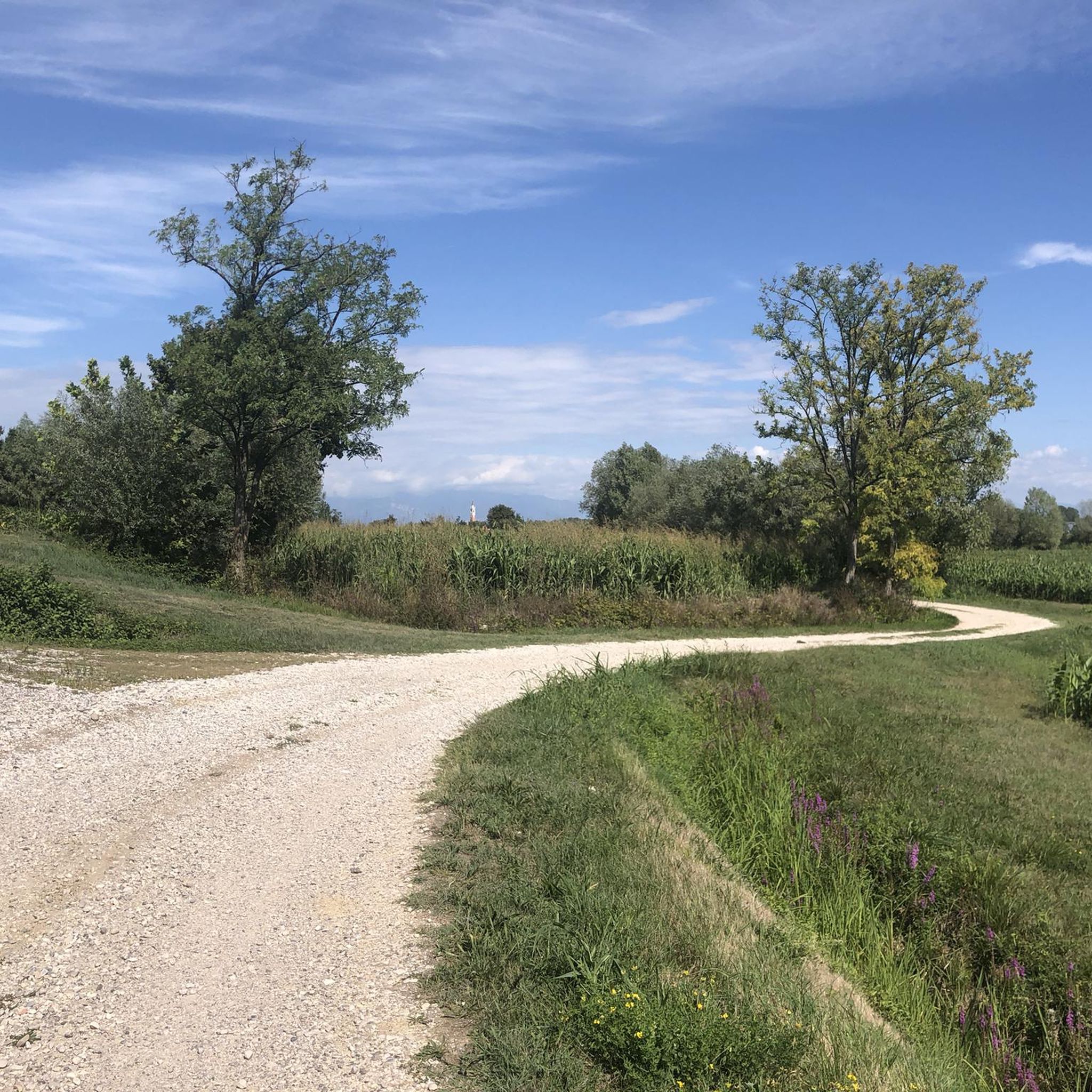
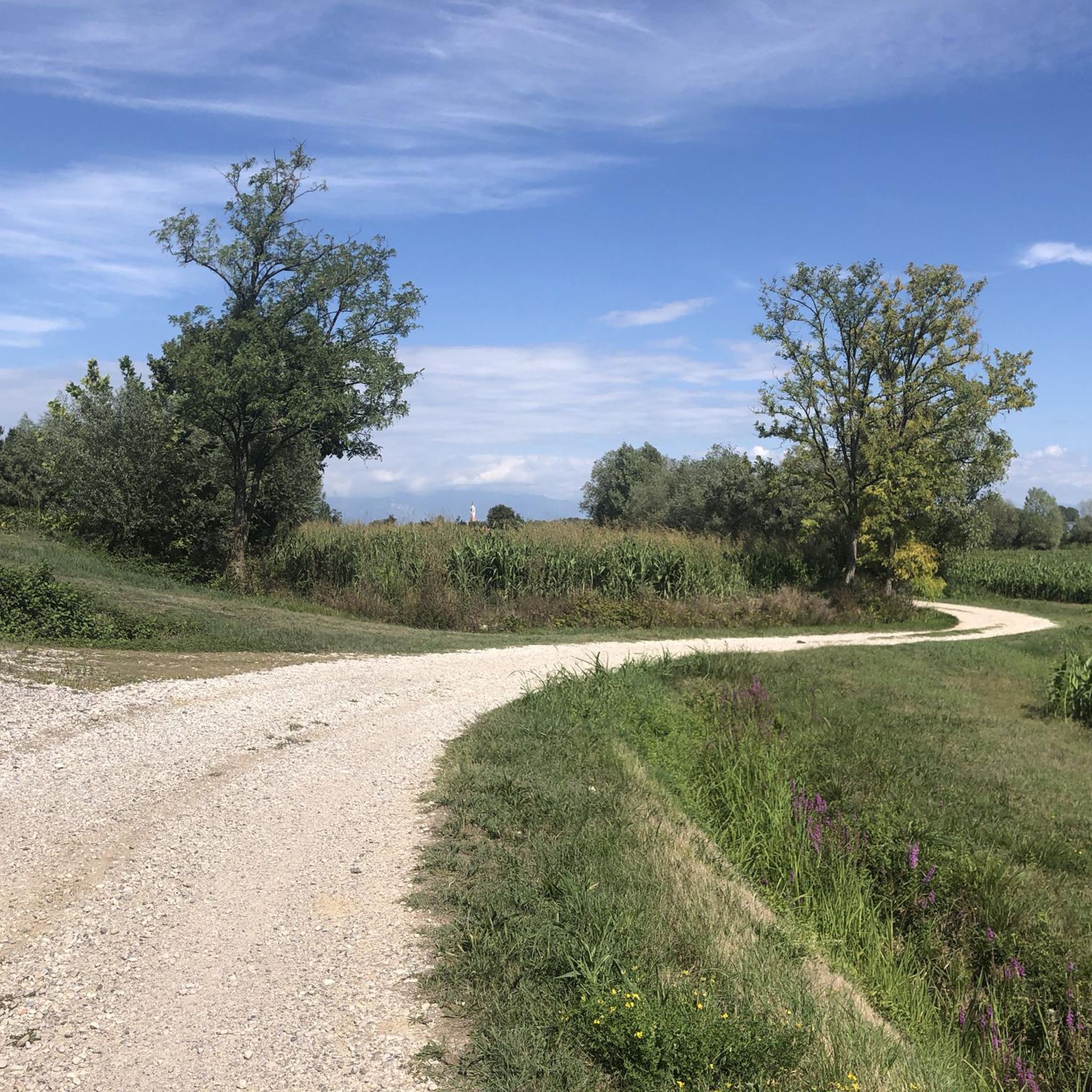
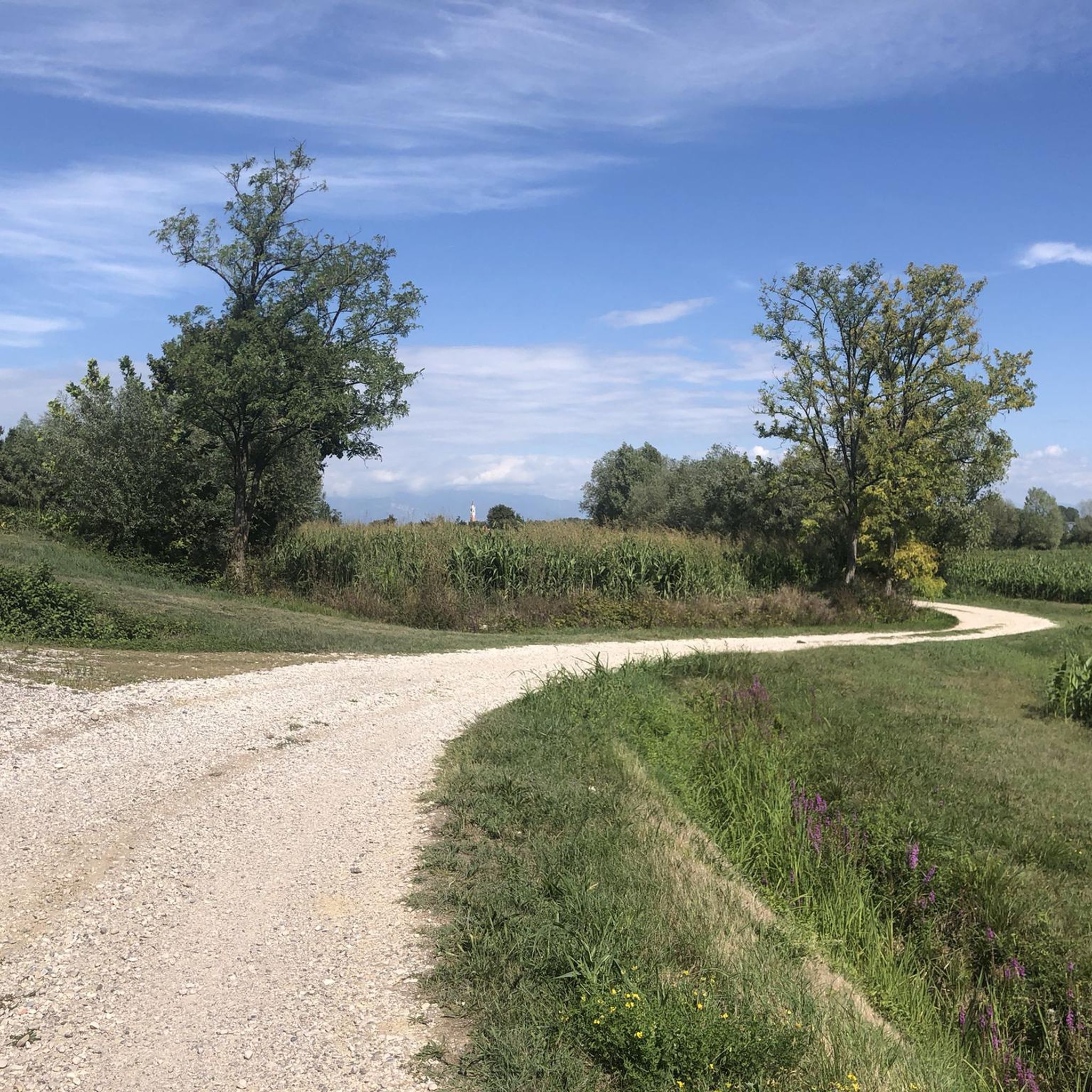
Crossing the meadow, along the poplar grove, you reach the small bridge that allows you to reach Portobuffolè avoiding the last 500m. of busy road, crossing a small bridge and continuing on a dirt road to the entrance of the iron bridge of the town
0
0

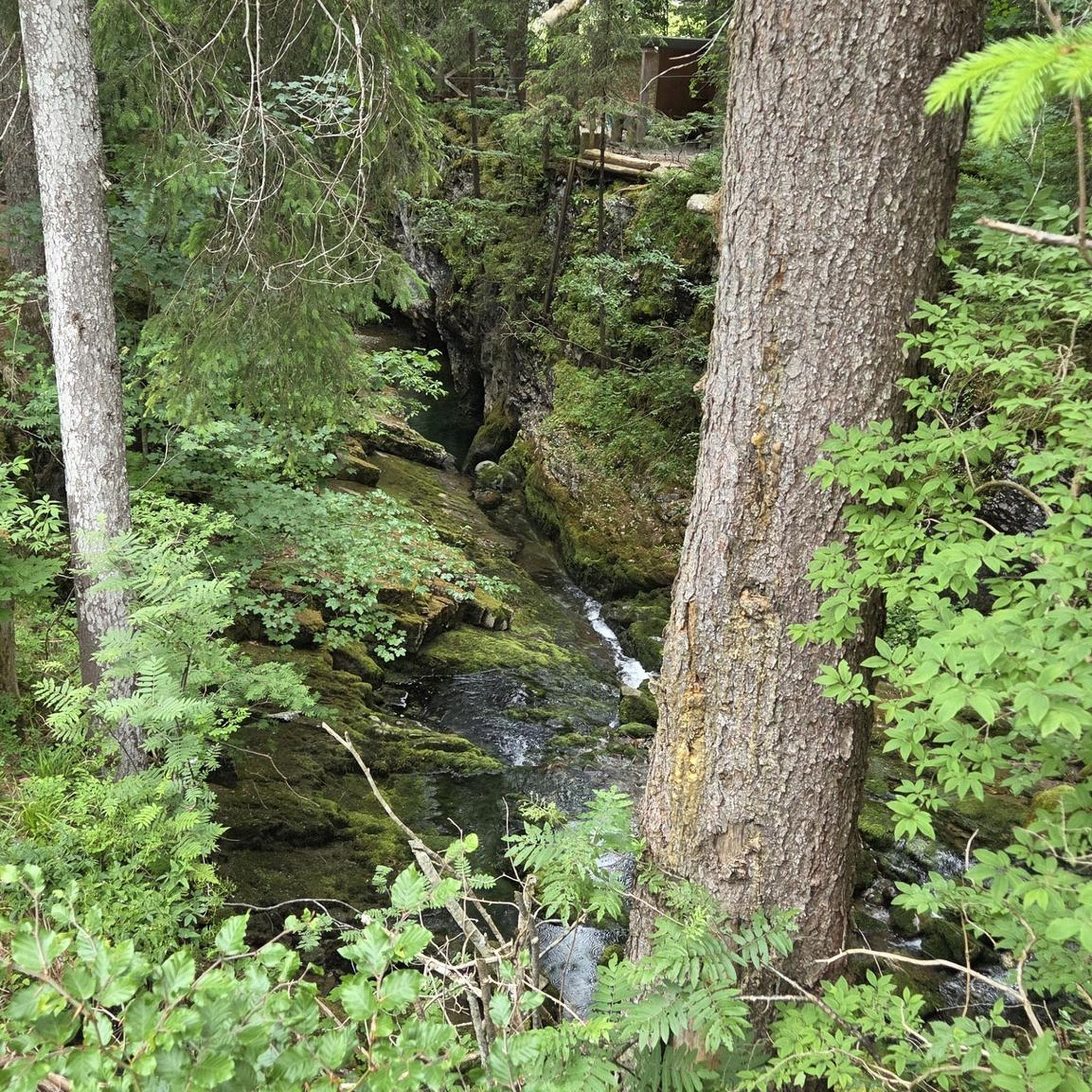
Il Guado di San Pietro, located near Bagnarola, is a place where history blends with the nature of the springs. This ancient crossing on the Versiola canal owes its name to the nearby church of San Pietro, a Romanesque jewel mentioned as early as the 12th century. In the past, the ford represented a fundamental transit point for wayfarers and pilgrims heading to the Abbey of Sesto, offering a safe passage in a territory dominated by water. Today, the area retains a suspended and evocative atmosphere, immersed in lush vegetation of alder and willow trees. The small church, with its fifteenth-century frescoes, testifies to the deep rural spirituality of Friuli. It is an essential stop for those who travel along the nature trails connecting the village to the Mulini di Stalis.
0
0

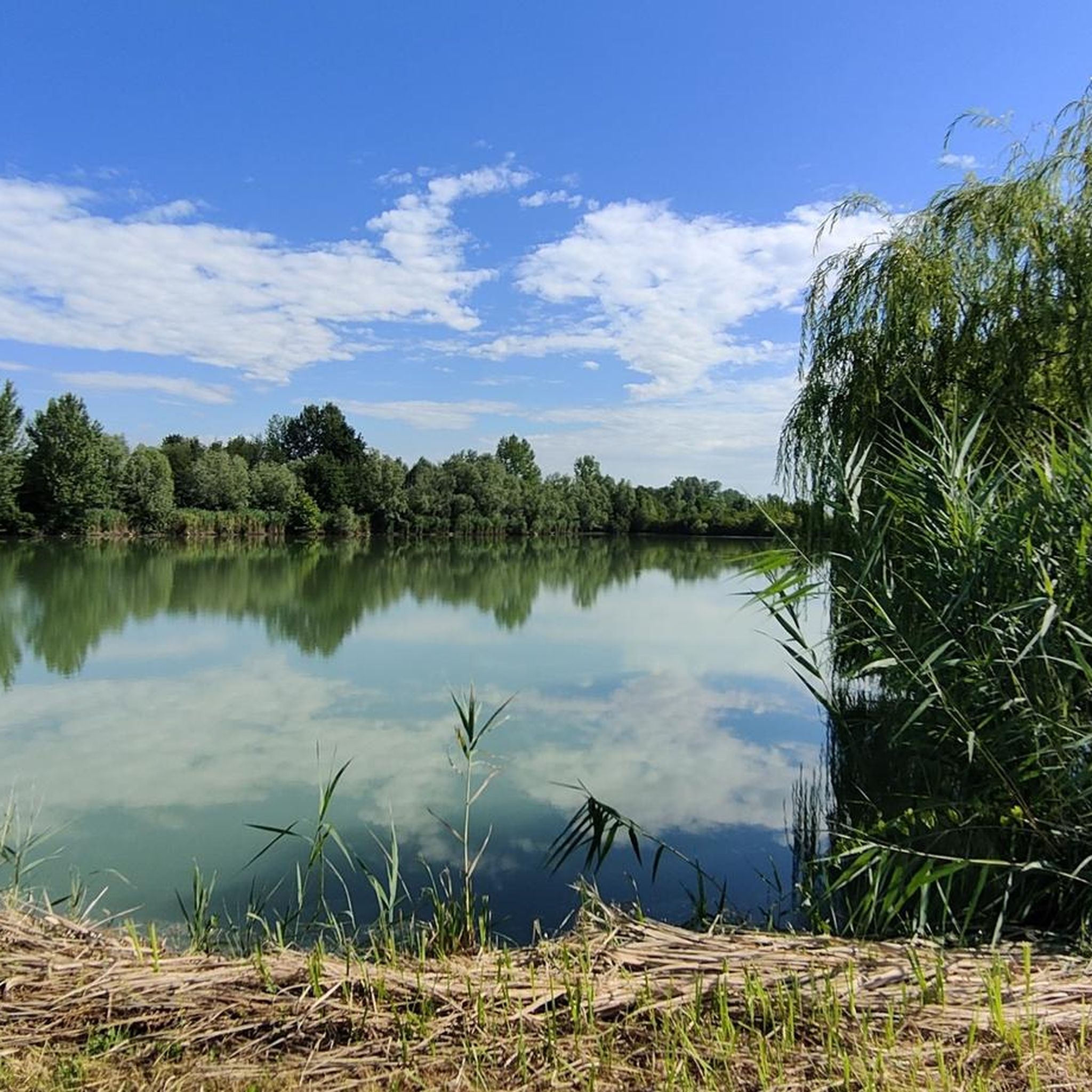
The Sanstino territory was characterized in its southern part by large lagoons and marshes until a few decades ago. Until the first half of the 20th century, these environments proved very harmful to humans, in various aspects, as they were a source of diseases, such as malaria, and were not sufficiently productive. Thus, with major land reclamation works, the land was taken from the water to make it cultivable and to obtain products that allowed many families to live. However, the lagoons were also a huge reservoir of biodiversity with many species of animals and plants that were largely destroyed during the land reclamation operations. It is also for this reason that, within the project for the historical reconstruction of the Bandiziol and Prassaccon woods, it was desired to leave a further mark of what the territory and landscape of S. Stino once were, by creating a wetland area, partly similar to the numerous wetlands once present even within the woods, called "bassone". This intervention is not only an operation of "philological" recovery of the pre-reclamation hydraulic system but, above all, presents a significant environmental value as it reconstructs the natural habitat of various bird species. The small lake is located in the eastern part of the Bosco di Bandiziol, covers an area of approximately 10,000 sq m and has a rounded shape with small islands within it. To better reproduce different lake habitats, the small lake has varying depths, from a few centimeters to over 2 meters, thus offering many bird species the opportunity to find a suitable environment to stay. In fact, in the shallower waters and marginal areas, it is possible to see herons, egrets, plovers, mallards, and other surface ducks. In the rest of the lake, there are divers, cormorants, and diving ducks that find food in open water or on deep bottoms. The islands and the winding perimeter shapes were created specifically to allow the avifauna to hide and find refuge, so that it can be disturbed as little as possible by human presence. In fact, the conformation of the banks and the vegetation (reeds, herbaceous and shrubby vegetation) offer all the necessary environments for the rest, feeding, and nesting of birds.
11
0

The Palù del Bandiziol is a wetland formed by a sulfur spring that, at its source, gives off the characteristic smell of rotten eggs. This wetland is of great naturalistic value due to the presence of numerous bird species.
1
0

peace and quiet, a tour for everyone.
0
0
Now, next to the ford, there is a comfortable metal walkway
0
0
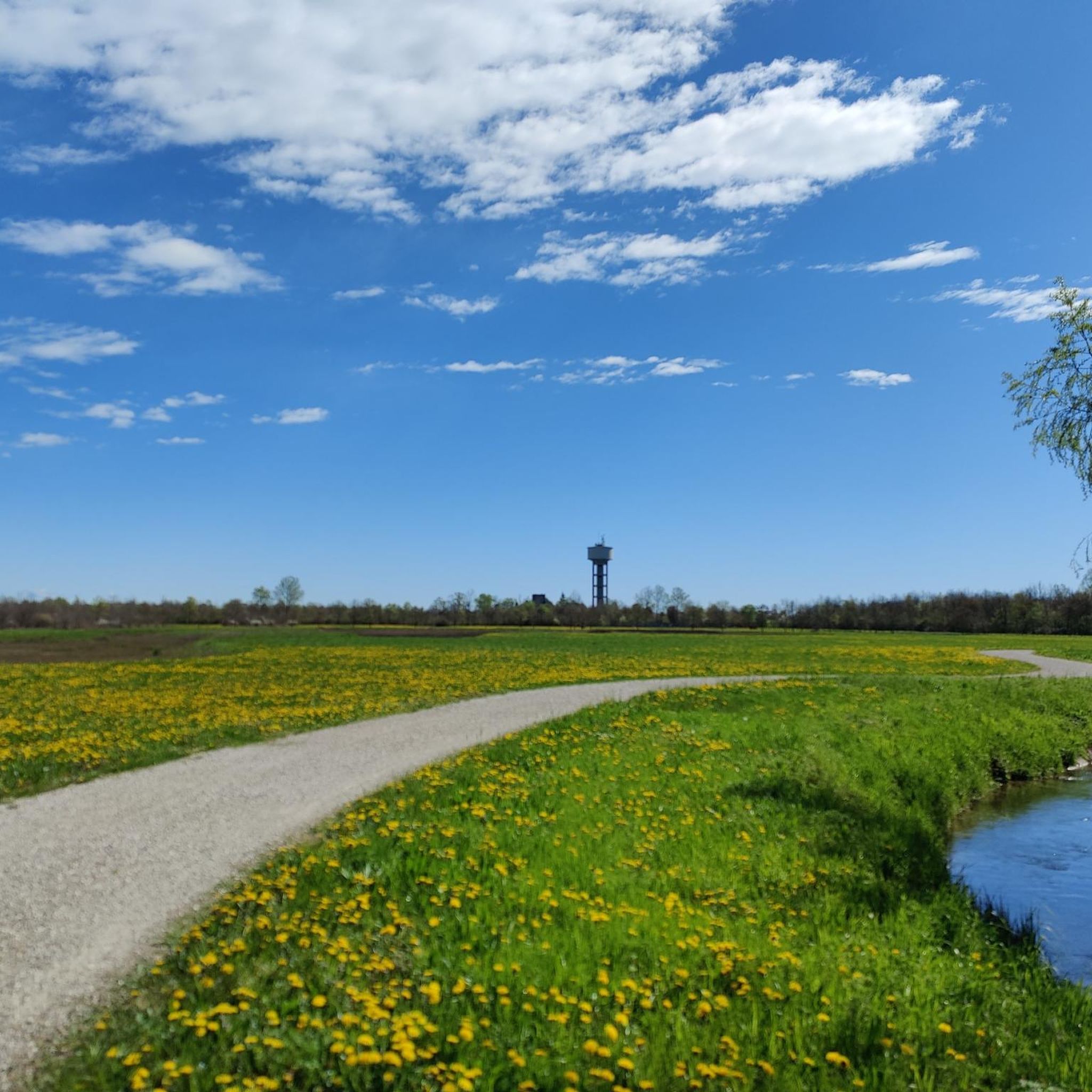
where the Monticano flows into the Livenza. The track is new, just widened and well beaten
0
0

On the border between Veneto and Friuli Venezia Giulia there is a very beautiful path immersed in nature, which starts from Gruaro and crosses the Versiola river, until reaching the Stalis mills. A historical and naturalistic path in the countryside full of canals and bodies of water.
1
0
Frequently Asked Questions
What are some of the most popular natural monuments around Azzano Decimo?
Visitors frequently enjoy the Confluence of the Monticano and Livenza Rivers, known for its peaceful environment and well-maintained track. Another highly appreciated spot is Prà dei Gai, an extraordinary natural floodplain recognized for its significant naturalistic and faunal value. The Fontana di Venchieredo also draws visitors with its clear waters, surrounding meadows, and hospitable shade.
Are there family-friendly natural monuments around Azzano Decimo?
Yes, several natural monuments are suitable for families. The Confluence of the Monticano and Livenza Rivers offers an easy, peaceful tour for everyone. Prà dei Gai, a vast natural floodplain, is also considered family-friendly. Additionally, the Fontana di Venchieredo provides a picturesque setting with meadows and woods, perfect for a family outing.
What natural features can I expect to see in the Azzano Decimo area?
The region boasts diverse natural features. You can explore river confluences like the Confluence of the Monticano and Livenza Rivers, vast natural floodplains such as Prà dei Gai, and clear natural springs like the Fontana di Venchieredo. The area also features ancient forests like Bosco della Mantova, artificial lakes that have become avifaunal oases (Laghetti di Cesena), and marsh vegetation.
Are there hiking trails near the natural monuments in Azzano Decimo?
Yes, there are several hiking opportunities. You can find easy trails like the 'Torrate Park loop from Savorgnano' or 'Bench and Swing in the Woods – Rondover River loop from Rondover'. For more options, explore the Hiking around Azzano Decimo guide.
What cycling routes are available to explore the natural areas of Azzano Decimo?
The region offers various cycling routes, including gravel biking options. You can find moderate routes like the 'Church of San Biagio (Giais) – Tree-lined Route loop from Pordenone' or an easy 'Ford on the Cellina River – Ford on the Meduna River loop from Pordenone'. For a comprehensive list, check the Gravel biking around Azzano Decimo guide.
Are there any natural areas with historical significance in Azzano Decimo?
The Bosco della Mantova, located in Fagnigola, is an ancient forest with roots tracing back to the Neolithic period, offering a timeless oasis of untouched nature. The Fontana di Venchieredo is also steeped in local lore and history, described as a place where people have gathered for centuries.
What are the Laghetti di Cesena and are they worth visiting?
The Laghetti di Cesena are a group of artificial lakes formed from excavations for the A28 motorway. Despite their origin, they have evolved into an important avifaunal oasis, making them valuable for nature observation and popular with sport fishing enthusiasts. They offer a unique example of nature reclaiming and adapting to human intervention.
Can I spot wildlife at the natural monuments in Azzano Decimo?
Yes, the natural areas are rich in biodiversity. Bosco della Mantova is a refuge for various birds, small mammals, and rare flowers. The Laghetti di Cesena are an important avifaunal oasis. The former 'Tre Scalini del Diavolo' area, though currently inaccessible, was known for migratory birds, weasels, and beech martens, indicating the region's potential for wildlife spotting in accessible areas.
Are there any dog-friendly trails around Azzano Decimo's natural monuments?
While specific dog-friendly designations for each monument are not detailed, many natural areas and trails in the region, especially those suitable for hiking and walking, are generally welcoming to dogs on a leash. The peaceful environment of the Confluence of the Monticano and Livenza Rivers and the open spaces of Prà dei Gai are often enjoyed by visitors with their canine companions.
What do visitors enjoy most about the natural monuments in Azzano Decimo?
Visitors particularly appreciate the tranquility and natural beauty. The Confluence of the Monticano and Livenza Rivers is praised for its peace and quiet, offering a tour for everyone. The Fontana di Venchieredo is loved for its picturesque setting of meadows, woods, and hospitable shade, making it a perfect spot for relaxation and enjoying nature.
Are there wheelchair accessible natural sights in Azzano Decimo?
The Confluence of the Monticano and Livenza Rivers is noted for having a new, widened, and well-beaten track, making it accessible for wheelchairs and strollers, offering a tour for everyone to enjoy the peace and quiet.
What is the Bosco della Mantova and what makes it special?
The Bosco della Mantova is an ancient forest in Fagnigola, described as a timeless oasis of untouched nature with roots dating back to the Neolithic period. It's special for its biodiversity, featuring centuries-old oaks, hornbeams, and wild cherry trees, and serving as a refuge for various birds, small mammals, and rare flowers like the *Gagea spathacea*. It offers opportunities for hiking, relaxing walks, and mountain biking.
Are there running trails near the natural monuments in Azzano Decimo?
Yes, the area around Azzano Decimo offers several running trails. You can find routes of varying difficulty, such as the 'Via Cesena Scorz loop from Azzano Decimo' or a 'Running loop from Fagnigola / Fagnigule'. For more detailed information and options, refer to the Running Trails around Azzano Decimo guide.
Most popular routes around Azzano Decimo
Most popular attractions around Azzano Decimo

Get inspired with the komoot mobile app


Explore more
Extend your search for the best caves by checking out these guides of the top ones around Azzano Decimo:
