Top 3 Natural Monuments around Cesenatico
Best natural monuments around Cesenatico are found in Italy's Emilia-Romagna region, a coastal area known for its diverse natural landscapes. The town offers a mix of green spaces, pinewoods, and unique coastal features. These locations provide opportunities for outdoor activities and immersion in nature. The region's natural attractions range from protected reserves to urban parks, catering to various interests.
Best natural monuments around Cesenatico
- The most popular natural monuments is Cervia Saltworks, a natural monument that extends for over…
Last updated: November 25, 2026
Cervia Saltworks
Highlight • Natural Monument
Tip by

Salina Camillone
Highlight • Structure
Translated by Google •
Tip by

Sign up now to discover places like this
Get recommendations on the best single tracks, peaks, & plenty of other exciting outdoor places.
Giardini Pubblici di Cesena
Highlight • Natural Monument
Translated by Google •
Tip by

Cervia Nature Park Entrance
Highlight • Rest Area
Showing Translation
Tip by

Start today with a free account
Your next adventure awaits.
Popular around Cesenatico
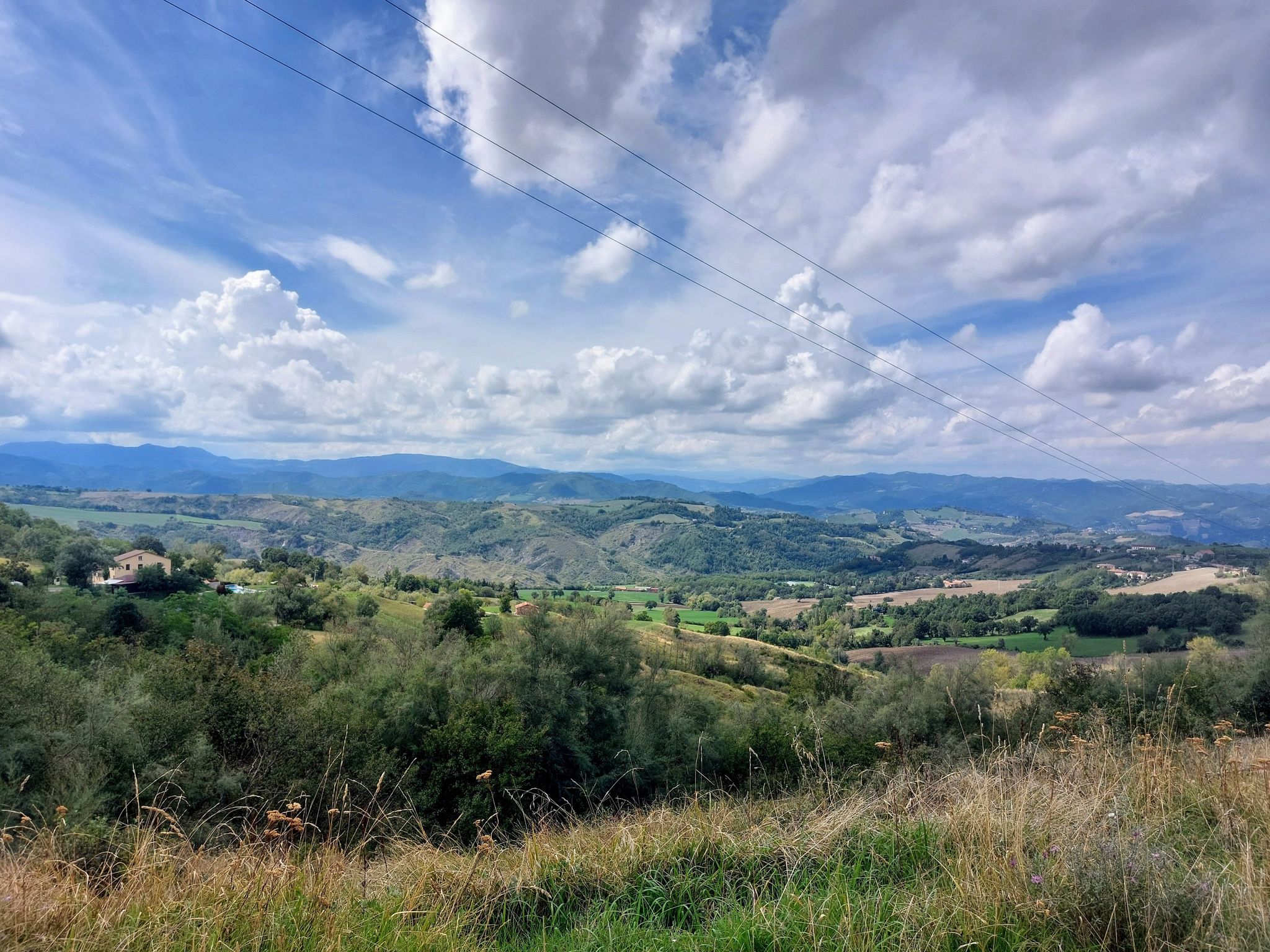
Enjoy Romagna – four routes of the Nove Colli
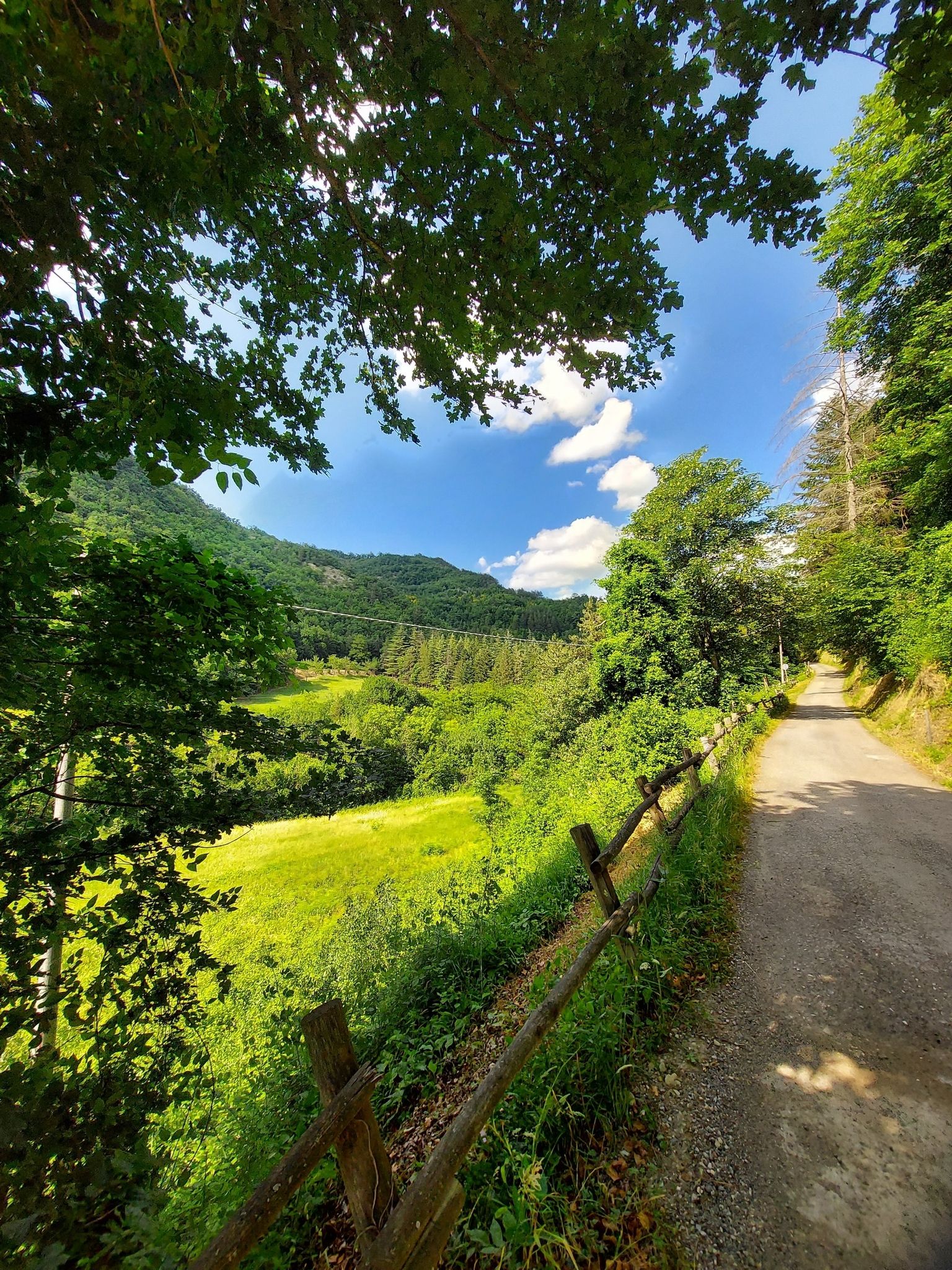
Cesenatico to Tirrenia – Italy Coast to Coast
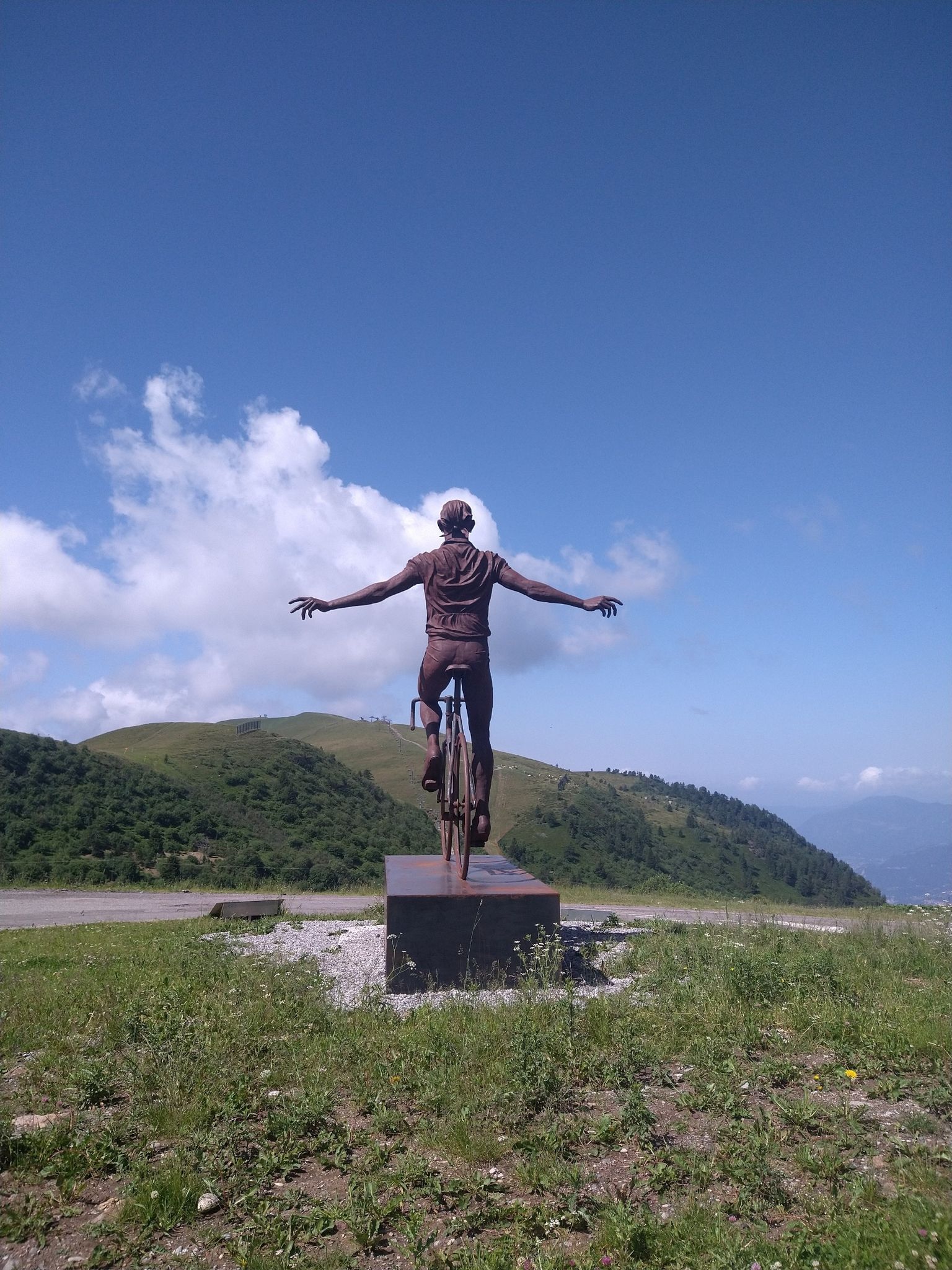
On the roads of the Pirata – discover the places of Marco Pantani
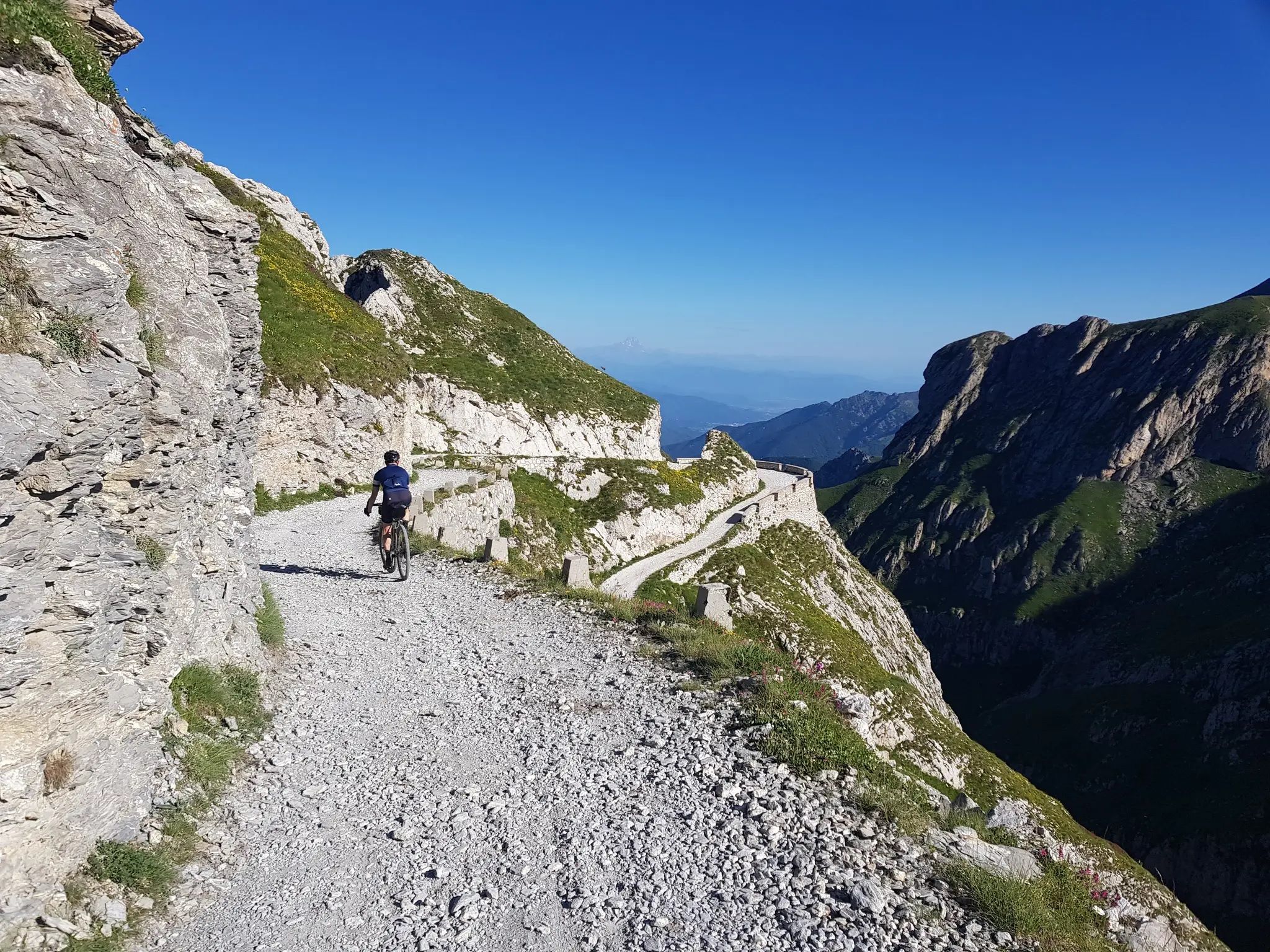
From the boot’s toe to the heel – the most beautiful cycling Tours in Italy
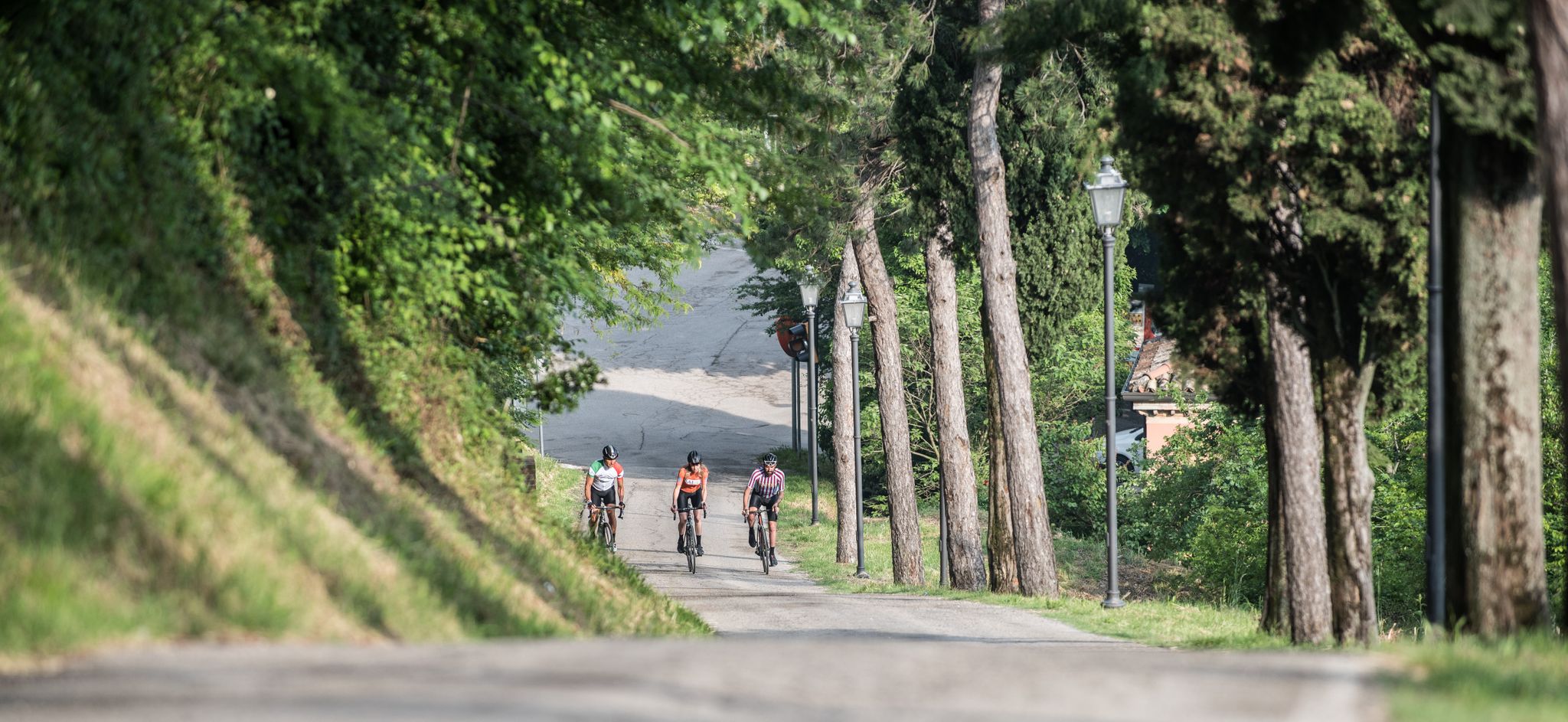
Enjoyment, culture and nature – cycling Tours in Italy’s Emilia Romagna region
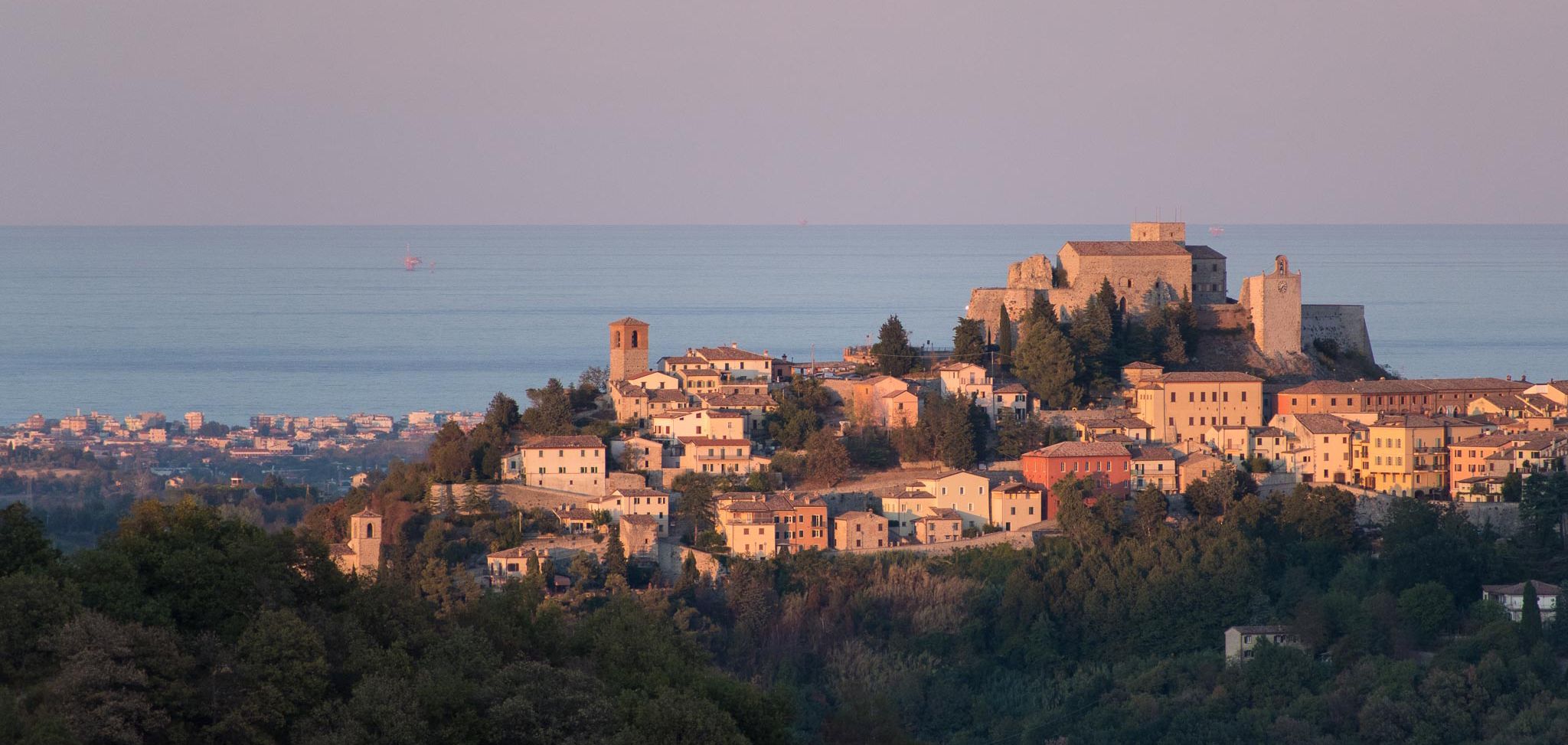
In the quiet backcountry of the Adriatic — cycling in Emilia Romagna
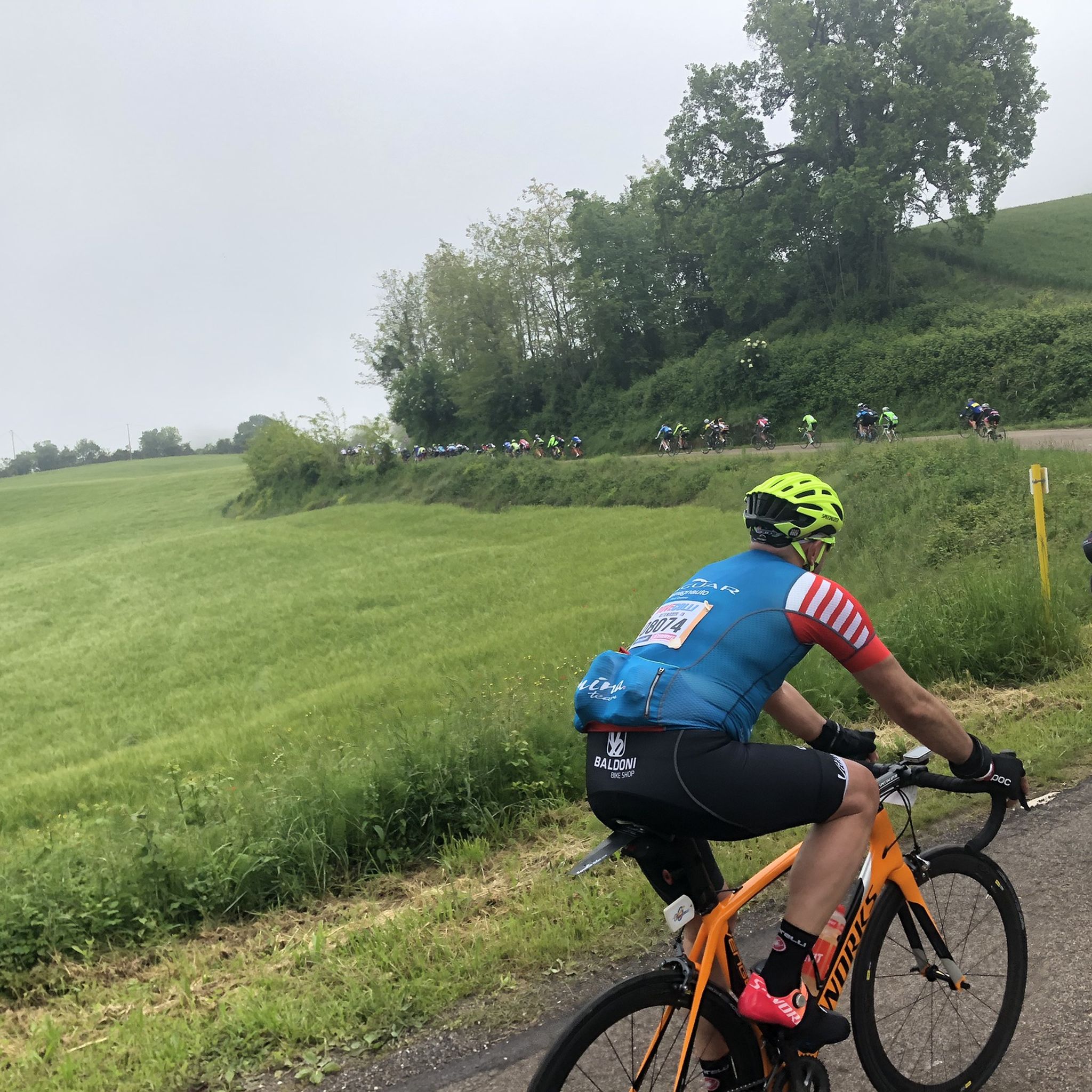
Road Cycling Routes around Cesenatico
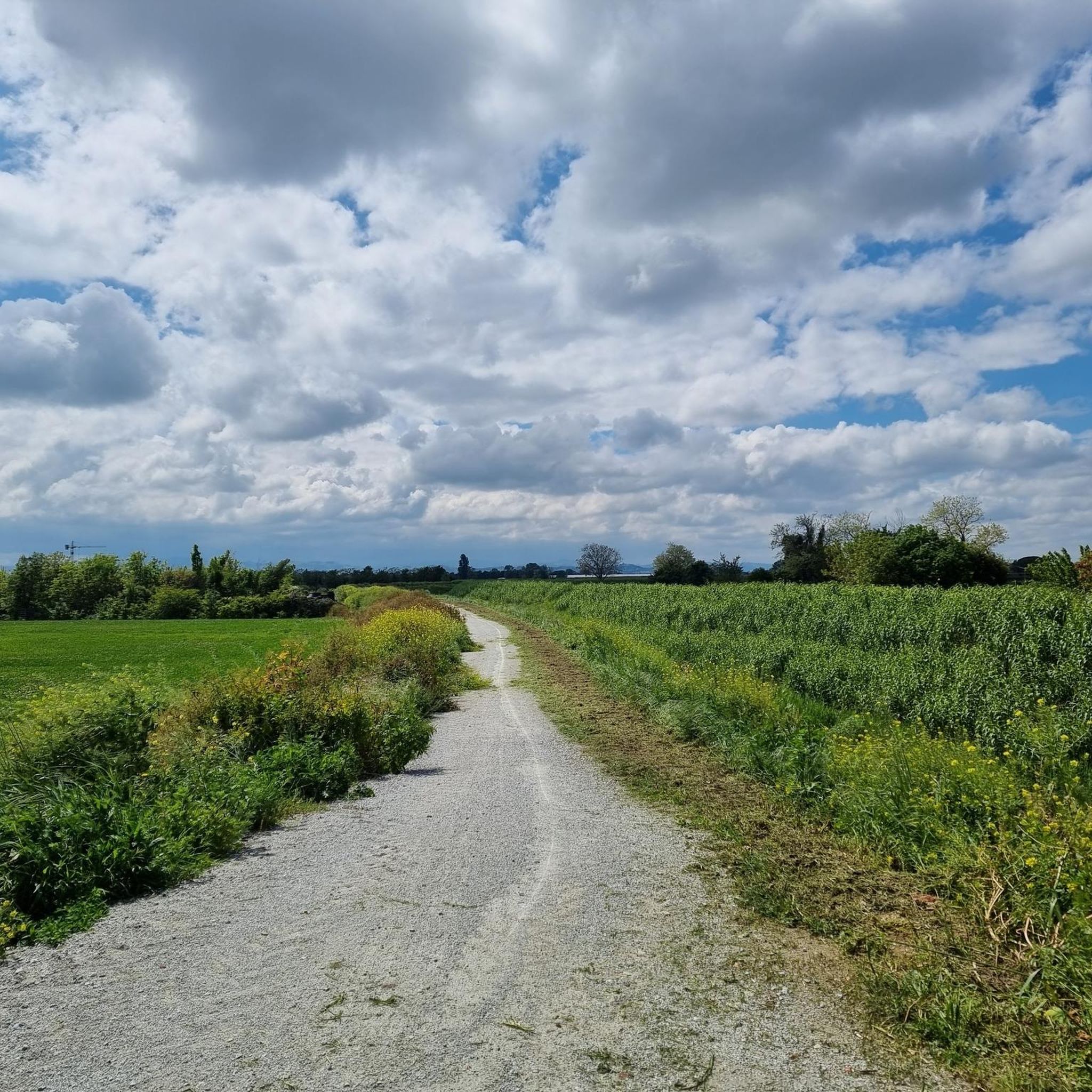
Running Trails around Cesenatico
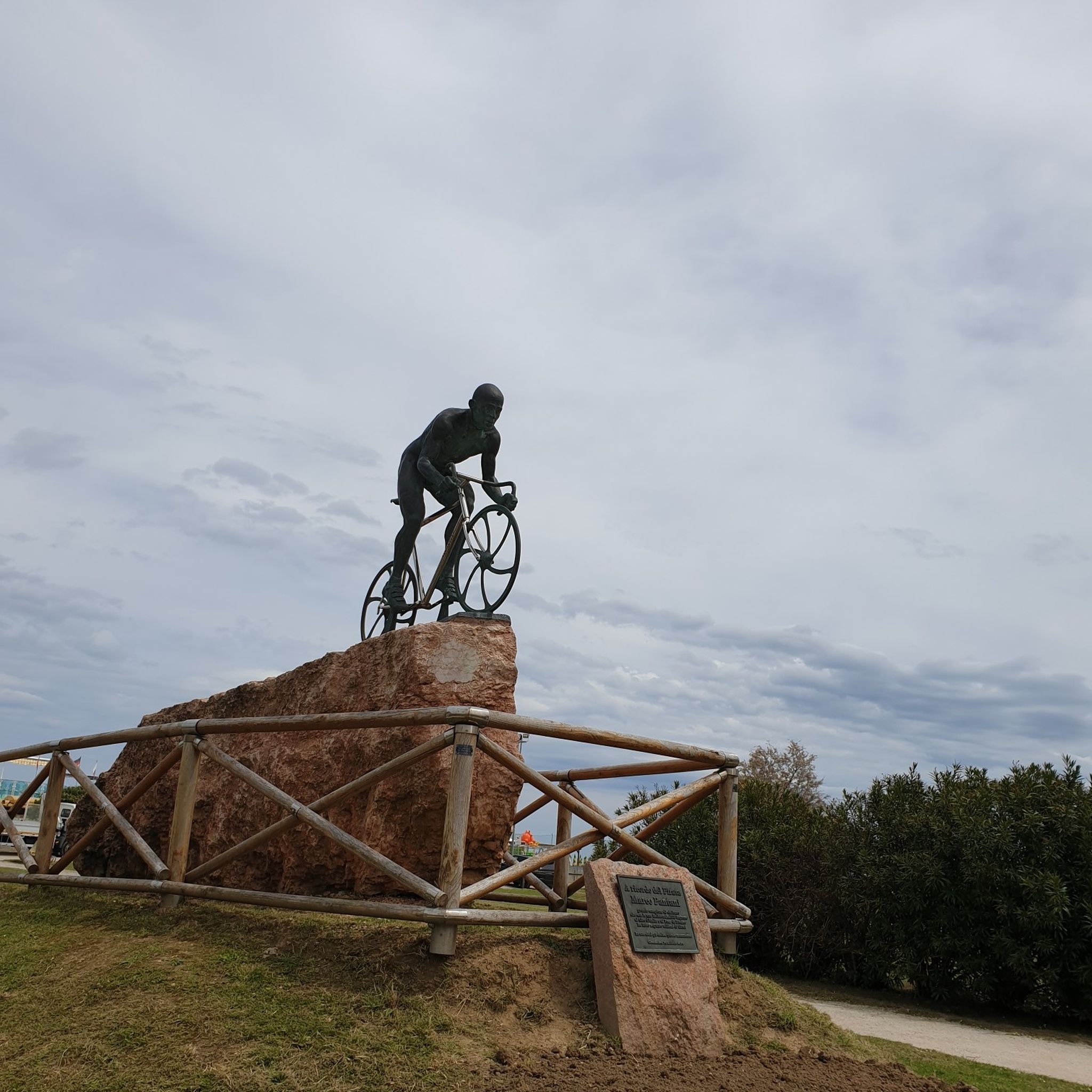
Cycling around Cesenatico
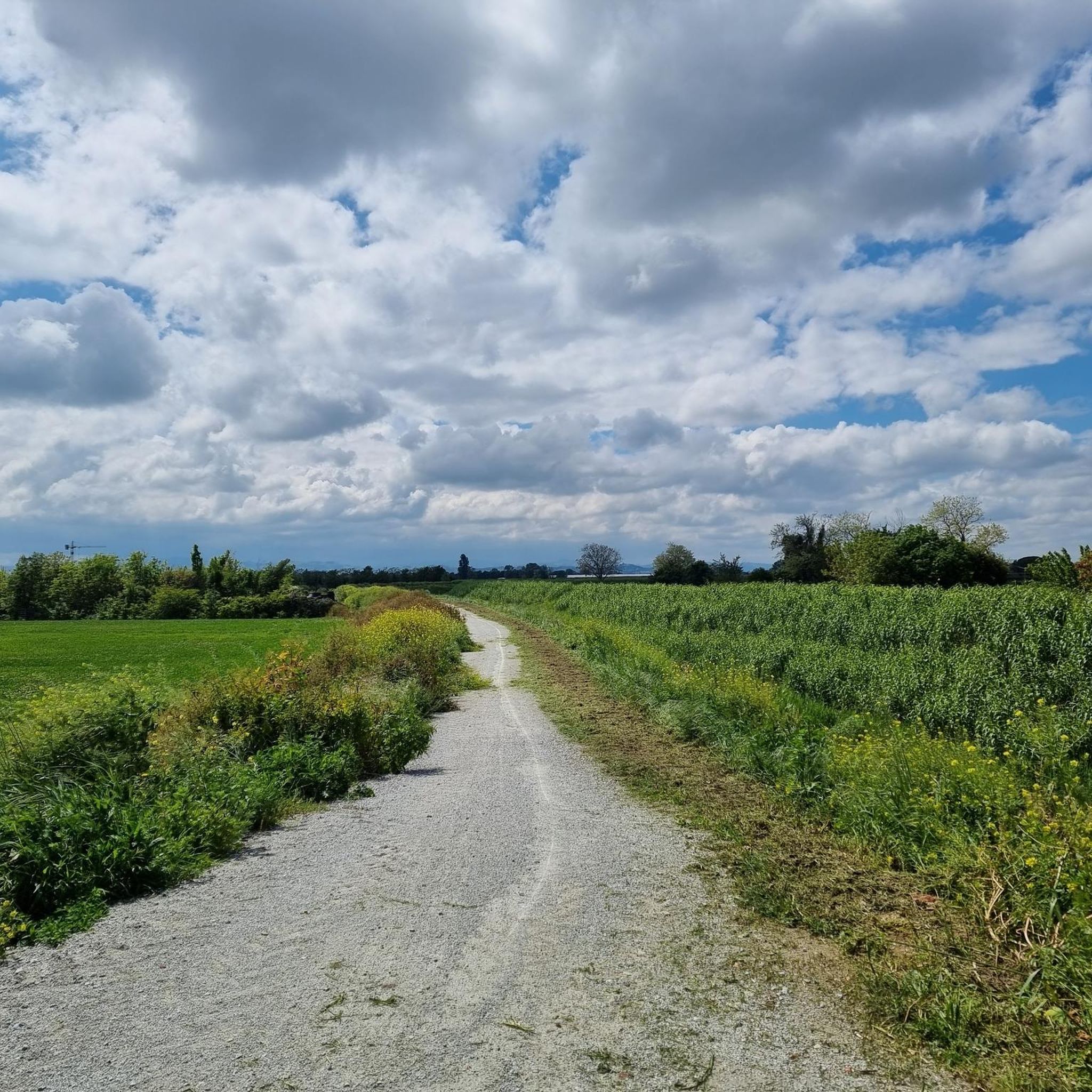
Hiking around Cesenatico
Other adventures around Cesenatico


Tips from the Community

Seawater, sun and wind to produce the famous sweet salt of Cervia which until 1960, before the introduction of processing machines, was carried out with shovels, rakes, baskets and wheelbarrows in 150 salt pans; at the end of the 80s, thanks to retired volunteers, sons of old willing salt workers, the only remaining salt pan was cleaned and put back into operation and produced 600 quintals of salt; its processing dates back to Roman times, as demonstrated by the discovery of a lock and other artifacts from the 3rd century BC; in the Papal era, it even seems that Cervia was demolished and rebuilt closer to the sea to make salt production more functional.
1
0
Ideal period for birdwatching when the expanses of water are tinged with the pink of flamingos, especially at sunset
1
0
Devastated in 2019 by a tornado and redeveloped, it is a green oasis within the pine forest where various animal species such as deer, fallow deer, horses, donkeys, chickens, and pheasants live in a protected area but at the same time in contact with people.
0
0

Location as already described.
1
0


The Giardini Pubblici di Cesena extend along part of the southern perimeter of the old city walls, near the Teatro Comunale, dedicated to the famous tenor Alessandro Bonci. The park was created in the first half of the 19th century in a neoclassical style and has undergone an important restoration under the direction of architect Pier Luigi Cervellati, completed in 2007. This restoration has partly restored the park to its original 19th century appearance. The park has an impressive main entrance on Corso Garibaldi, with a long wrought iron gate supported by brick columns. At the centre of the park is a large cast iron gazebo, reminiscent of the bandstands of the 19th century. Around the gazebo you can admire historic lanterns, originating from various European cities. The park also contains busts of famous Cesena residents, as well as various decorative elements from the time of its creation. The paths in the park are symmetrical and surrounded by ancient trees such as holm oaks and cedars. The park was originally created in 1843 on land that the city had received as a legacy from Count Paolo Neri. Over the years, the park has undergone several transformations, including a major change in 1946 when a road was built through the park. However, the recent restoration has attempted to return the park to its original design, with concentric paths and historical elements. During the restoration work, the remains of a 14th-century church and several human skeletons were also discovered, which are currently being studied.
0
0


Frequently Asked Questions
What are some of the most notable natural areas and monuments to explore around Cesenatico?
Cesenatico and its surroundings offer a variety of natural sites. Key attractions include the Cervia Saltworks, known for its unique ecosystem and birdlife, and the historic Giardini Pubblici di Cesena. Other significant areas are the serene Pineta di Zadina, the expansive Parco di Levante with its lakes, and the unique Spiaggia delle Tamerici, Italy's first re-naturalized beach. For a more dramatic landscape, the nearby Monte San Bartolo Natural Park offers stunning coastal cliffs.
Are there family-friendly natural monuments or parks in the Cesenatico area?
Yes, several natural areas are perfect for families. The Cervia Saltworks and Cervia Salt Pans and Flamingos are great for wildlife observation. The Pineta di Zadina features play areas for children and shaded trails. Parco di Levante is a large green space with cycle paths, picnic areas, and playgrounds. The Cervia Nature Park Entrance leads to an area with various animal species like deer and horses, offering a protected yet interactive experience for kids.
What kind of wildlife can I expect to see in the natural areas around Cesenatico?
The Cervia Saltworks and the Saline di Cervia Nature Reserve are particularly renowned for their birdlife, hosting one of Italy's greatest concentrations of bird species, including flamingos. Parco di Levante also features two small lakes inhabited by swans, ducks, and moorhens, creating a natural oasis for observation. The Cervia Nature Park is home to deer, fallow deer, horses, donkeys, chickens, and pheasants.
Are there good cycling paths near these natural monuments?
Absolutely! Cesenatico is very bike-friendly. The Pineta di Zadina is ideal for bike rides in the shade. Parco di Levante is well-equipped with cycle paths. For longer rides, you can explore routes like the "Adriatic Cycle Route: Cesenatico to Cervia Loop" or the "Savio River Cycle Route" which pass near some of these natural areas. You can find more cycling options in the Cycling around Cesenatico guide and the Traffic-free bike rides around Cesenatico guide.
What are the best natural areas for walking or hiking around Cesenatico?
For leisurely walks, the Pineta di Zadina offers shaded trails, and Parco di Levante provides extensive paths. The Giardini al Mare also feature pedestrian paths perfect for outdoor strolls. For a more challenging experience, the Monte San Bartolo Natural Park, though a bit further, offers spectacular cliffs and trails with sea views. The Cervia Saltworks also has an "Anello del Sale" cycle path that can be used for walking.
Are there any natural monuments with historical significance?
Yes, the Giardini Pubblici di Cesena are a prime example, created in the 19th century in a neoclassical style, featuring historic lanterns and busts of famous residents. The Cervia Saltworks also holds historical importance, as salt has been harvested there artisanally for centuries, with methods dating back to ancient times.
Can I visit the natural monuments with my dog?
Many parks and natural areas in Cesenatico are dog-friendly. Parco di Levante, for instance, has a dedicated area for dog walking. It's always a good idea to keep your dog on a leash and check specific park regulations, especially in nature reserves like the Cervia Saltworks, to protect the local wildlife.
What is the best time of year to visit the natural monuments around Cesenatico?
The spring and autumn months (April-May and September-October) are generally ideal. The weather is pleasant for outdoor activities like walking and cycling, and the natural landscapes are vibrant. Summer (June-August) is also popular, especially for coastal areas and beaches, but it can be quite warm. Winter offers a quieter experience, particularly for birdwatching at the salt pans.
Are there any unique or 'hidden gem' natural spots worth discovering?
The Spiaggia delle Tamerici in Valverde stands out as a unique natural spot. It's Italy's first re-naturalized beach, featuring tamarisk trees as 'green umbrellas' and hedges that create a relaxing, low-environmental-impact oasis. It offers a different kind of beach experience compared to the more traditional lidos.
How can I get to the natural monuments using public transport?
While specific public transport routes to every single natural monument might vary, Cesenatico has a local bus network. For areas like Parco di Levante or Giardini al Mare, they are often within walking or short bus distance from the town center. For destinations further afield like the Cervia Saltworks or Monte San Bartolo Natural Park, a combination of bus and a short taxi ride or personal vehicle might be necessary. Checking local bus schedules upon arrival is recommended.
What facilities are available at the natural parks, such as picnic areas or cafes?
Larger parks like Parco di Levante are well-equipped with picnic areas, cycle paths, and play areas. The Giardini al Mare also offer benches and gazebos for relaxation. While cafes might not be directly inside every natural monument, many are located nearby, especially in Cesenatico town or adjacent to the larger parks. The Cervia Nature Park Entrance provides access to a redeveloped green oasis with various amenities.
Most popular routes around Cesenatico
Most popular attractions around Cesenatico

Get inspired with the komoot mobile app


Explore more
Extend your search for the best caves by checking out these guides of the top ones around Cesenatico:
