Top 6 Natural Monuments around Savignano Sul Rubicone
Natural monuments Savignano Sul Rubicone offer a blend of historical significance and diverse natural landscapes. The region, situated in Emilia-Romagna, features riverine environments, ancient trees, and ecological conservation areas. These sites provide opportunities to explore both historically notable natural features and modern environmental projects. The area's geography includes river courses and hilly terrain, contributing to its varied natural attractions.
Best natural monuments around Savignano Sul Rubicone
- The most popular natural monuments is Canyon del Marecchia, a canyon that offers…
Last updated: October 1, 2026
Cypress of Saint Francis
Highlight • Natural Monument
Translated by Google •
Tip by

Ancient Surcioun Spring
Highlight • Natural Monument
I know, you've never heard of it. Few people know him even among the people of Rimini.
Translated by Google •
Tip by

Sign up now to discover places like this
Get recommendations on the best single tracks, peaks, & plenty of other exciting outdoor places.
Parco della Cava Fossil Park
Highlight • Natural Monument
Translated by Google •
Tip by

Canyon del Marecchia
Highlight • Canyon
Tip by

Marco Pantani Monument Fountain, Sogliano al Rubicone
Highlight • Monument
The statue is the 'finish line' for the many cyclists who travel the road by bike, at the end of the eighteen hairpin bends.
Translated by Google •
Tip by

Sign up for free to discover even more natural monuments around Savignano Sul Rubicone.
Already have an account?
Start today with a free account
Your next adventure awaits.
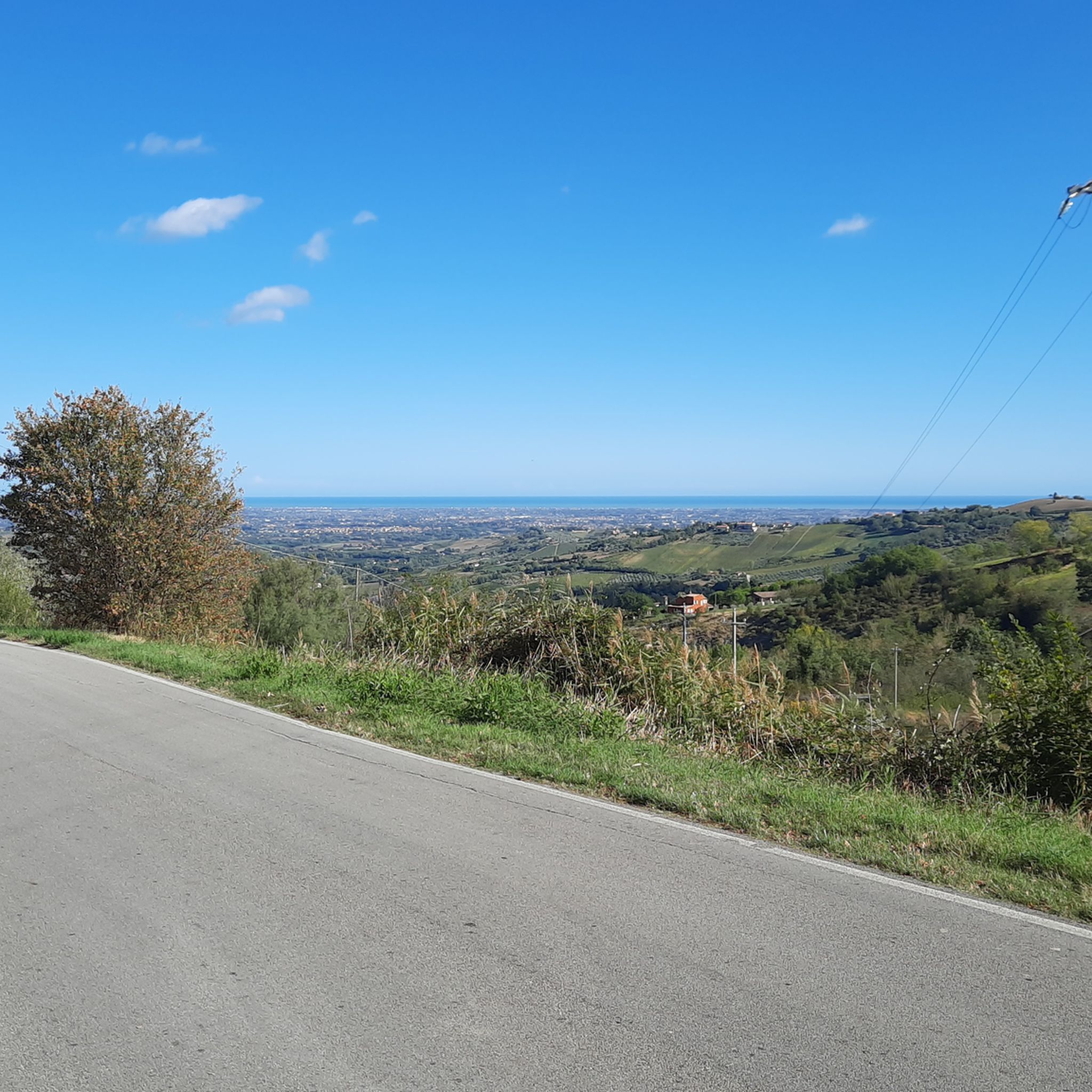
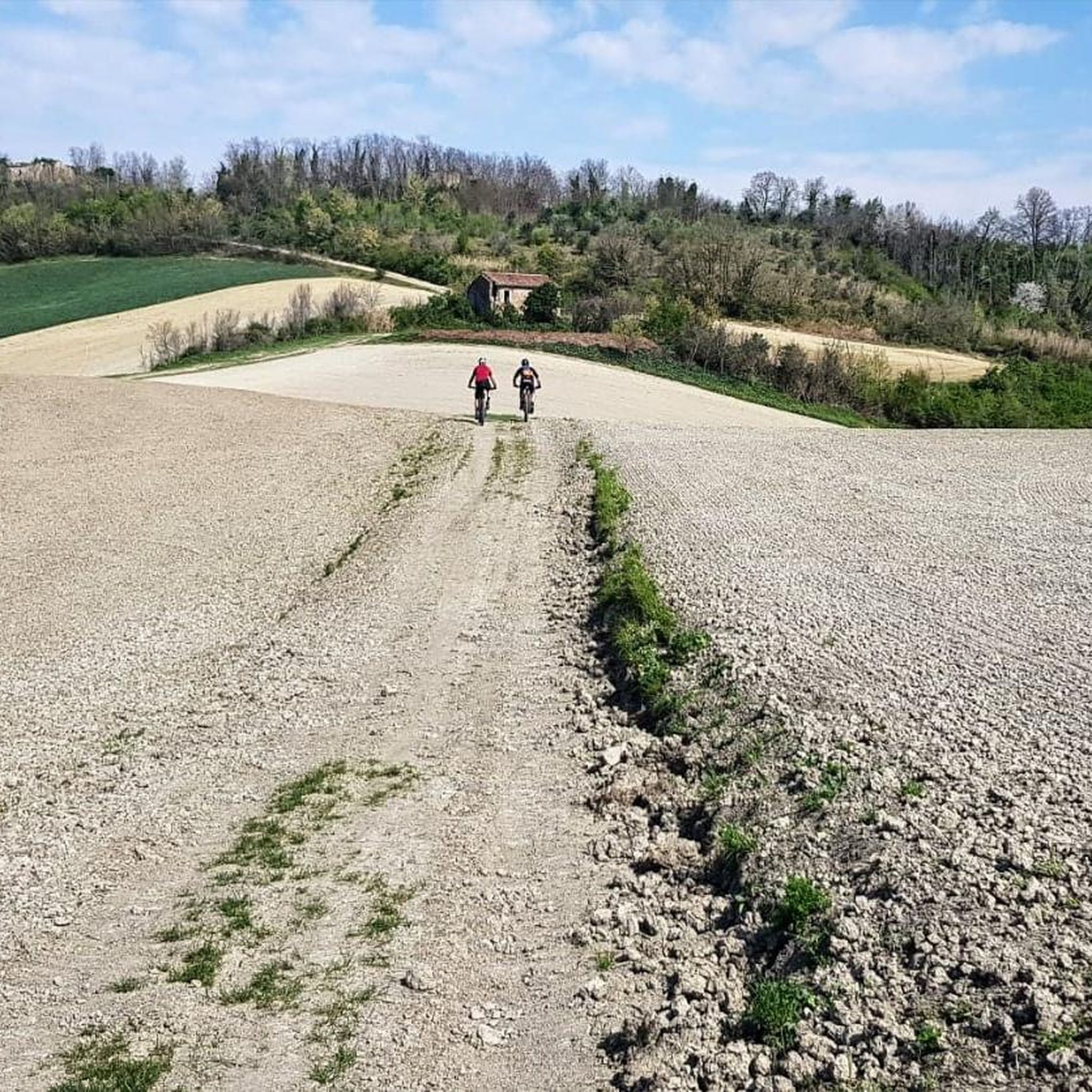
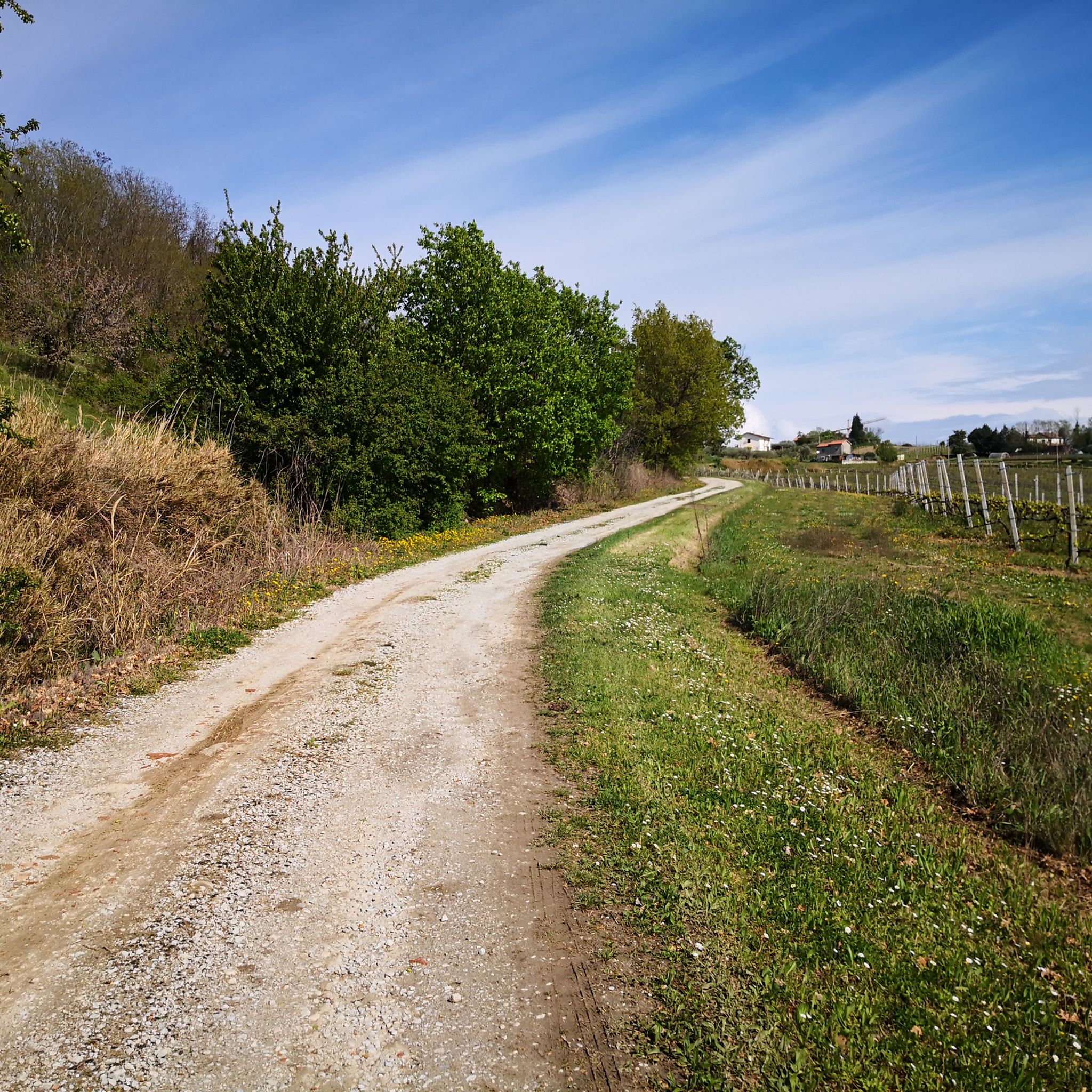
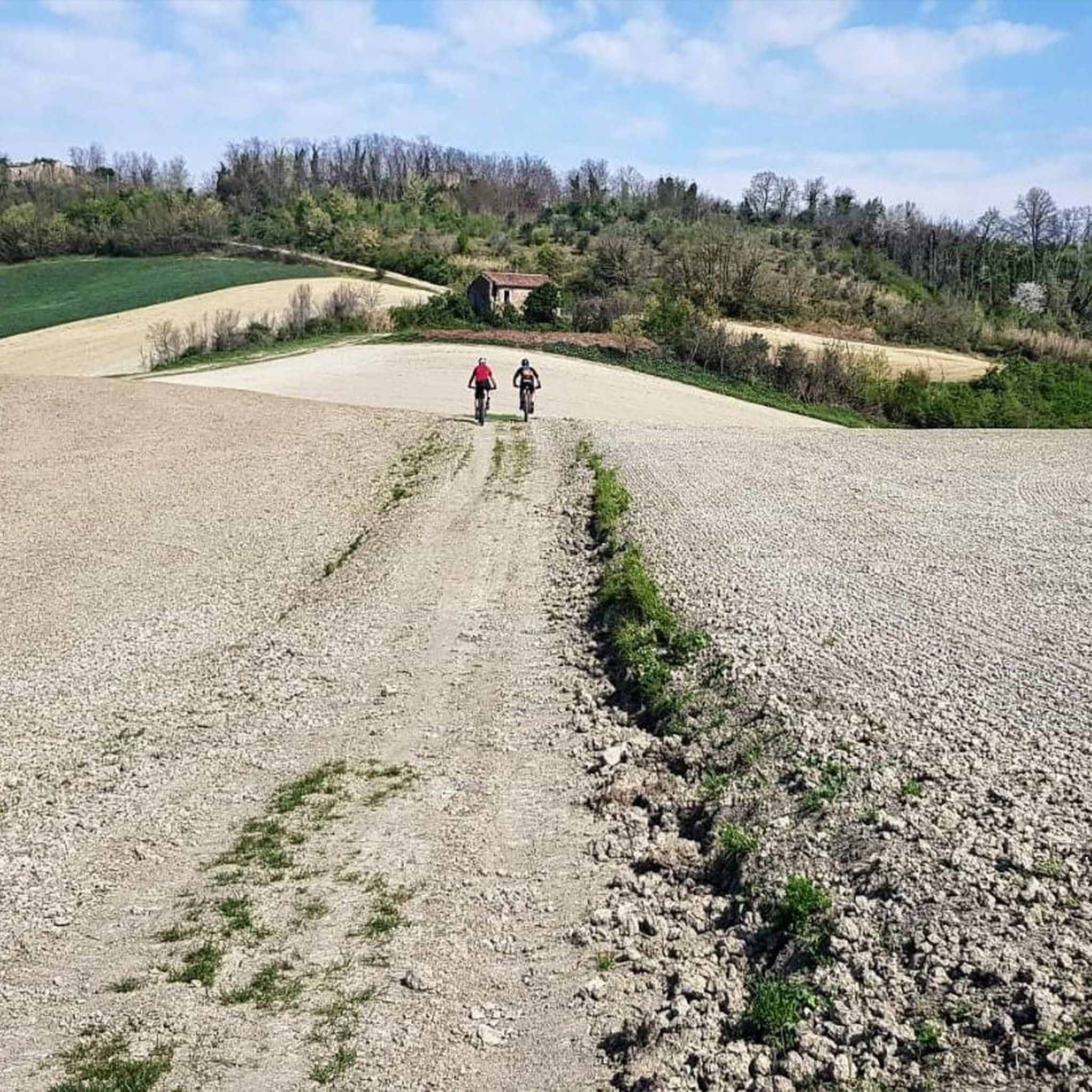
Tips from the Community

It is said that Saint Francis, during his journey in the province of Rimini in the 13th century, planted his "staff" in the ground, which had supported him during his travels. This staff miraculously took root, giving rise to a cypress tree that would go down in history. A tree that has faced not only atmospheric events but also dangerous situations for its life created by humans. Particularly during the Napoleonic period in 1800, the army that entered the convent received orders to cut down the tree, and while they were trying to burn it, a messenger arrived with a counter-order not to cut it down anymore. Furthermore, during the last world war, the Germans burned a part of it for warmth, and in 1980, the main top, 10 meters taller, collapsed due to bad weather. According to the Franciscan friars, this tree, which moves anyone who sees it with its beauty and majesty, is the symbol of the idea that God is a strong support, just as the staff that supported Saint Francis was. The cypress, weakened by age and the various fire attempts it has endured, stands thanks to some slightly rusty metal supports. However, compared to much younger similar trees, it seems to be in good health. It has been the subject of scientific studies that have sought to shed light on the secret of this plant's longevity. This monumental cypress, planted in 1213 according to tradition by Saint Francis, can be admired today in the convent's cloister as a colossal plant monument, 25 meters high, which has "seen" 800 years of history pass around it. Who knows how many things it would have to tell... Upon seeing it, one is fascinated and amazed. It is one of the arboreal testimonies to nature's resilient virtues. Another wonder of Creation.
0
0

Parco della Cava - "Dedicated to the fossiliferous deposit that came to light in the bed of the Marecchia river, it is a theme and educational park that has allowed the recovery of a quarry. Among the thousands of finds, fossil fish dating back three million years were found ago and among these some species today found only in the tropical area of the Indian Ocean."
0
0

Fantastically beautiful gorge with beautiful nature!
2
0


The cypress of San Francesco is the oldest monumental secular 🌲 (800 years old) among the giants of Emilia Romagna. It is located inside the convent of Villa Verucchio, it seems to have been planted by the Saint himself
0
0

It practically flows into the sea, it could be the shortest river in the world... it's the Survòun. I know, you've never heard of it. Few people know him even among the people of Rimini. I'm Renata from the Hotel Villa Perazzini. When I accompany my hotel guests on walks, I particularly love seeing their amazed look when they find themselves faced with something they never thought they would see in Romagna. One of the things that creates the greatest amazement is the Survòun, an ancient source of fresh (drinking) water that flows on the Viserbella shoreline. Many stories and legends are linked to Survòun. Consider that, until the 1960s, water flowed in such abundance that it created the phenomenon of quicksand. Our grandparents and parents often told of times when the Surcioun was their "bogeyman". It was said that a farmer had been swallowed up by quicksand along with an entire ox cart on a foggy day. It was probably a story invented by the elders to keep the more reckless children away from this area. Today there is no longer any trace of the quicksand and the spring is a pleasant discovery for tourists who want to soak their feet for a regenerating foot bath. It's wonderful to dip your feet in freezing water and then warm them in the sea! taken from https://www.hotelvillaperazzini.it/it/blog/73/Surci%C3%B2un-l%E2%80%99antica-fonte-di-acqua-dolce.html
3
0


On the Marecchia cycle path at Marecchia Park, the point where the banks become high and create a small canyon is clearly visible
2
0
Frequently Asked Questions
What are some of the most notable natural monuments to visit in Savignano sul Rubicone?
Savignano sul Rubicone offers a blend of historical and ecological natural monuments. Key sites include the historically significant Rubicon River, the educational Parco della Cava Fossil Park, and the monumental Cypress of Saint Francis. You can also explore the Canyon del Marecchia, known for its scenic views and cycling opportunities.
What makes the Rubicon River historically significant?
The Rubicon River is globally renowned for its historical importance as the boundary Julius Caesar famously crossed in 49 BC, uttering the phrase 'Alea iacta est' (the die is cast). Its 35 km course flows from the Apennine Mountains to the Adriatic Sea, passing through Savignano sul Rubicone, and visitors can follow paths along its banks, especially near the Roman bridge, to appreciate its connection to ancient history.
What is the Parco Ecologico del Rubicone and what can I do there?
The Parco Ecologico del Rubicone is an innovative ecological park spanning approximately 30,000 square meters in the Fiumicino area. It features a natural wood, an ancient fruit orchard, and areas dedicated to biodiversity. It's an ideal place for families, offering walking paths, picnic areas, outdoor classrooms, and workshops focused on environmental education and sustainability.
Are there any unique natural features in the area?
Yes, beyond the well-known sites, you can discover the Ancient Surcioun Spring. This ancient source of fresh, drinkable water flows on the Viserbella shoreline and is known for its unique legends and history, including tales of quicksand. It's a pleasant discovery for those looking for something off the beaten path.
Are there family-friendly natural monuments around Savignano sul Rubicone?
Many natural monuments in the region are suitable for families. The Parco Ecologico del Rubicone is designed with families in mind, offering picnic areas and educational activities. The Parco della Cava Fossil Park is also family-friendly, providing an educational experience about fossil deposits. The Cypress of Saint Francis, with its rich history, can also be an engaging stop for all ages.
What outdoor activities can I do near these natural monuments?
The area around Savignano sul Rubicone offers various outdoor activities. You can explore running trails, such as the 'Roman Bridge on the Rubicon loop', or enjoy gravel biking on routes like the 'Marecchia River Cycle Path'. For hiking, consider the 'Rubicone Trail from Savignano to Montalbano'. You can find more details on these activities in the hiking guide, running guide, and gravel biking guide for the region.
Are there hiking trails near the natural monuments?
Yes, there are several hiking trails. For instance, you can hike along the banks of the Rubicon River, especially near the Roman bridge. The area near the river's source in Sogliano al Rubicone also offers loop trails with panoramic views. Specific routes include the 'Rubicone Trail from Savignano to Montalbano' and the 'Croce di Ribano – Rubicone Stream loop'. More hiking options are available in the hiking guide for Savignano sul Rubicone.
Can I go cycling near the natural monuments?
Absolutely. The Canyon del Marecchia is a popular spot for cycling, offering amazing views along the Marecchia river. The region also has gravel biking routes like the 'Marecchia River Cycle Path – Porto Canale di Rimini loop'. Cyclists often use the Marco Pantani Monument Fountain in Sogliano al Rubicone as a 'finish line' for their rides. For more cycling routes, check the gravel biking guide for Savignano sul Rubicone.
What kind of natural landscapes can I expect to see?
The natural monuments around Savignano sul Rubicone showcase diverse landscapes. You'll find riverine environments along the Rubicon and Marecchia rivers, including the distinct Canyon del Marecchia. There are also ecological conservation areas like the Parco Ecologico del Rubicone with its natural woods and orchards, and hilly terrain offering panoramic views, especially near the Apennines.
Are there natural monuments with historical significance?
Yes, several natural monuments in the area are steeped in history. The Rubicon River is famous for Julius Caesar's crossing. The Cypress of Saint Francis is a monumental tree planted in 1213, witnessing over 800 years of history. Even the Ancient Surcioun Spring has local legends and historical tales associated with it.
What do visitors enjoy most about the natural monuments in Savignano sul Rubicone?
Visitors appreciate the blend of natural beauty and historical depth. The scenic views along the Marecchia river, the educational aspects of the Parco della Cava Fossil Park, and the profound historical connection of the Rubicon River are frequently highlighted. The majestic presence of the Cypress of Saint Francis also leaves a lasting impression, often described as 'absolutely worth a stop'.
What is the best time of year to visit the natural monuments in Savignano sul Rubicone?
The best time to visit is generally during spring (April-June) and early autumn (September-October) when the weather is mild and pleasant for outdoor activities like walking, hiking, and cycling. These seasons offer comfortable temperatures for exploring the riverbanks, parks, and trails, and the natural scenery is particularly vibrant.
Most popular routes around Savignano Sul Rubicone
Most popular attractions around Savignano Sul Rubicone

Get inspired with the komoot mobile app


Explore more
Extend your search for the best caves by checking out these guides of the top ones around Savignano Sul Rubicone:
