Top 8 Natural Monuments around Torrile
Best natural monuments around Torrile include diverse landscapes, from nature reserves to significant trees. The region features areas like the Parma Morta Nature Reserve, which protects local biodiversity. These sites offer opportunities to observe natural ecosystems and unique geological formations. Torrile's natural monuments provide insight into the area's ecological importance and conservation efforts.
Best natural monuments around Torrile
- The most popular natural monuments is Parma Morta Nature Reserve, a natural monument that represents a refuge for numerous animal species.…
Last updated: August 7, 2026
Parma Morta Nature Reserve
Highlight • Natural Monument
Translated by Google •
Tip by

Monument to Pietro Barilla
Highlight • Monument
Translated by Google •
Tip by

Sign up now to discover places like this
Get recommendations on the best single tracks, peaks, & plenty of other exciting outdoor places.
Sign up for free
Fontana del Trianon
Highlight • Monument
The green gradually overgrows the entire work of art. Pruning would be desirable.
Translated by Google •
Tip by

Monumental Plane Tree
Highlight • Natural Monument
Translated by Google •
Tip by
Fountain of the Three Religions
Highlight • Monument
It represents the union of the three symbols of monotheistic religions: the cross (Christianity), the Star of David (Judaism), and the crescent moon (Islam)
Showing Translation
Tip by

Sign up for free to discover even more natural monuments around Torrile.
Sign up for free
Already have an account?
Start today with a free account
Your next adventure awaits.
Login or Signup

Tips from the Community

The Fountain of the Three Religions in Parma is the work of sculptor Pietro Cascella. It represents the union of the three symbols of monotheistic religions: the cross (Christianity), the Star of David (Judaism), and the crescent moon (Islam)
1
0

great bike ride if you opt for a flat route
1
0

Located in the center of a roundabout at the entrance to the city's historic center beyond the torrent, the fountain monument to Pietro Barilla was commissioned by the Barilla family to the sculptor Pietro Cascella as part of a collaboration that also saw the renovation of the Barilla factory. Inaugurated on January 13, 1994, it was wanted by Pietro Barilla as a monument to the Via Emilia which he was unable to see, however, as he died prematurely the year before due to a heart attack. SOURCE: https://parmawelcome.it/scheda/monumento-a-pietro-barilla/
0
0
“The Fountain of the Three Religions – explained the First Citizen, Federico Pizzarotti – was recovered by the Municipality, after a long period in which it remained dismantled in the warehouses of the Municipality itself, to be placed, not by chance, in this place where it conveys a message of civilization and brotherhood, in a time in which religions are often used in an instrumental way. It is a symbol of community and inclusion”. The widow of the sculptor Pitro Cascella, the sculptor Cordelia von de Steinen, focused on the meaning of the work. “My husband had conceived the idea of a sculpture dedicated to the Three Religions since the 1990s. Today, more than then, this fountain is current, for the meanings it implies: the basin represents the Mediterranean Sea into which the jets of water from the symbols of the Three Religions pour, each of which has contributed and contributes to its life”. The fountain represents the symbols of the three monotheistic religions: Christianity, represented by a cross; Judaism, represented by the Star of David; the crescent moon representing the Islamic world and Muslims. The choice to place the fountain near the Duc stems from the fact that it is a very popular space in today's increasingly cosmopolitan world. Situated, therefore, in a sort of pedestrian crossroads, it is an expression of the different cultural and religious realities of the world: a symbol, therefore, of social cohesion and intercultural dialogue. The fountain was included in the plan for the redevelopment, recovery and re-functionalization of the spaces outside Duc A and Duc B, which form a green strip between Viale Mentana and the two buildings that house the citizen counters, various offices, and public utility services. This closes the story linked to the fountain, which was commissioned in 2008 by the then Municipal Administration. Initially it should have been placed where the fountain is today, also by Cascella, located in the center of the roundabout of Strada Elevata (intersection of Via Zarotto, Mantova, Via Emilia). This was not the case, as a new one was commissioned, again by Pietro Cascella. The new fountain, at the intersection of Strada Elevata, was inaugurated, shortly after the artist's death, in October 2008. Subsequently, between 2008 and 2009 the idea was to mount the fountain of the Three Religions in the area where the EFSA is located, but the idea was then abandoned. The fountain of the Three Religions was preserved for years, dismantled, in the warehouses of the Municipality in Via Spezia. Hence the intention of the current Administration to recover it, enhancing it and inserting it into a new urban context. SOURCE: https://www.nonsoloeventiparma.it/curiosita-tradizioni-e/curiosita-articchie/parma-fontana-delle-tre-religioni-opera-dello-scultore-pietro-cascella
0
0

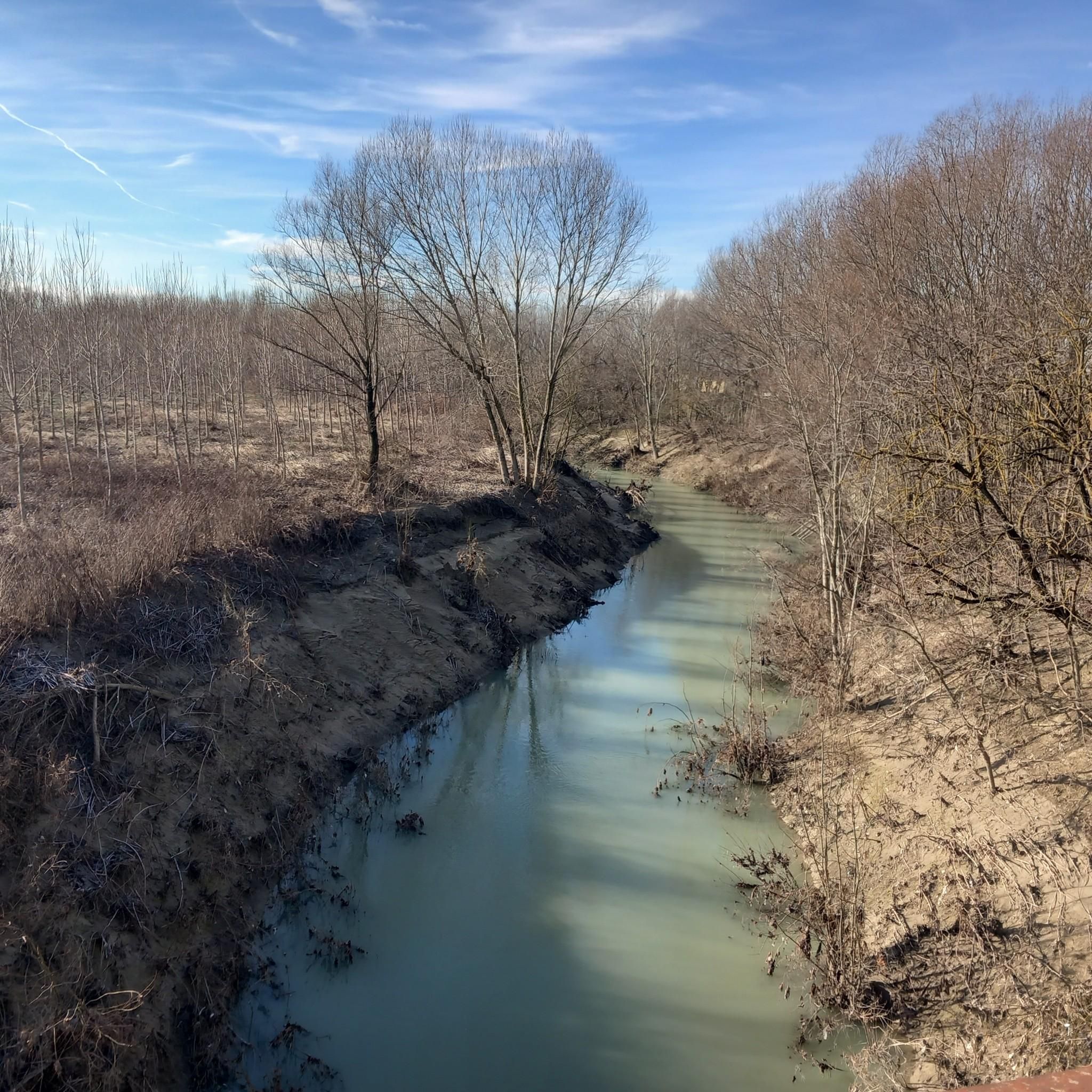
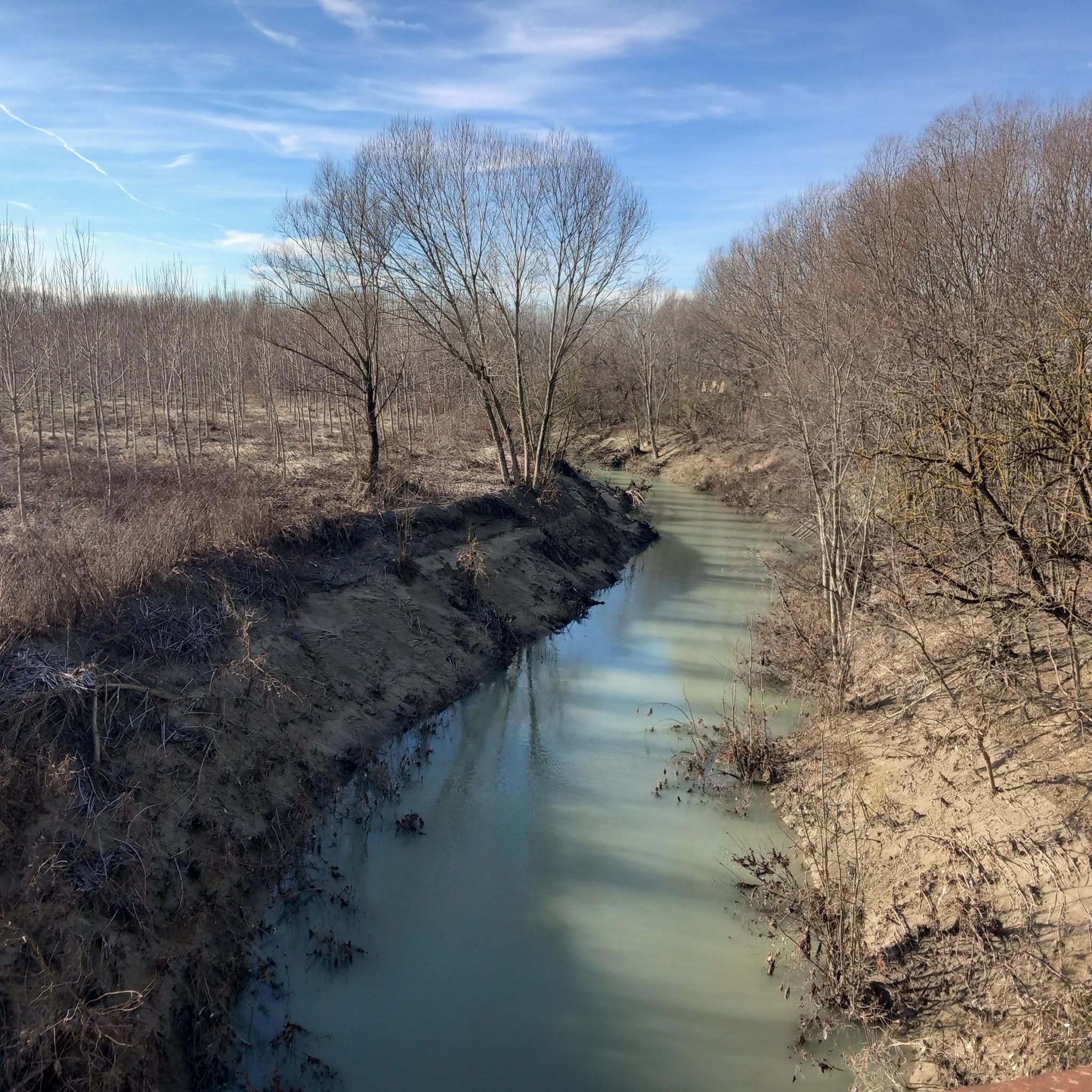
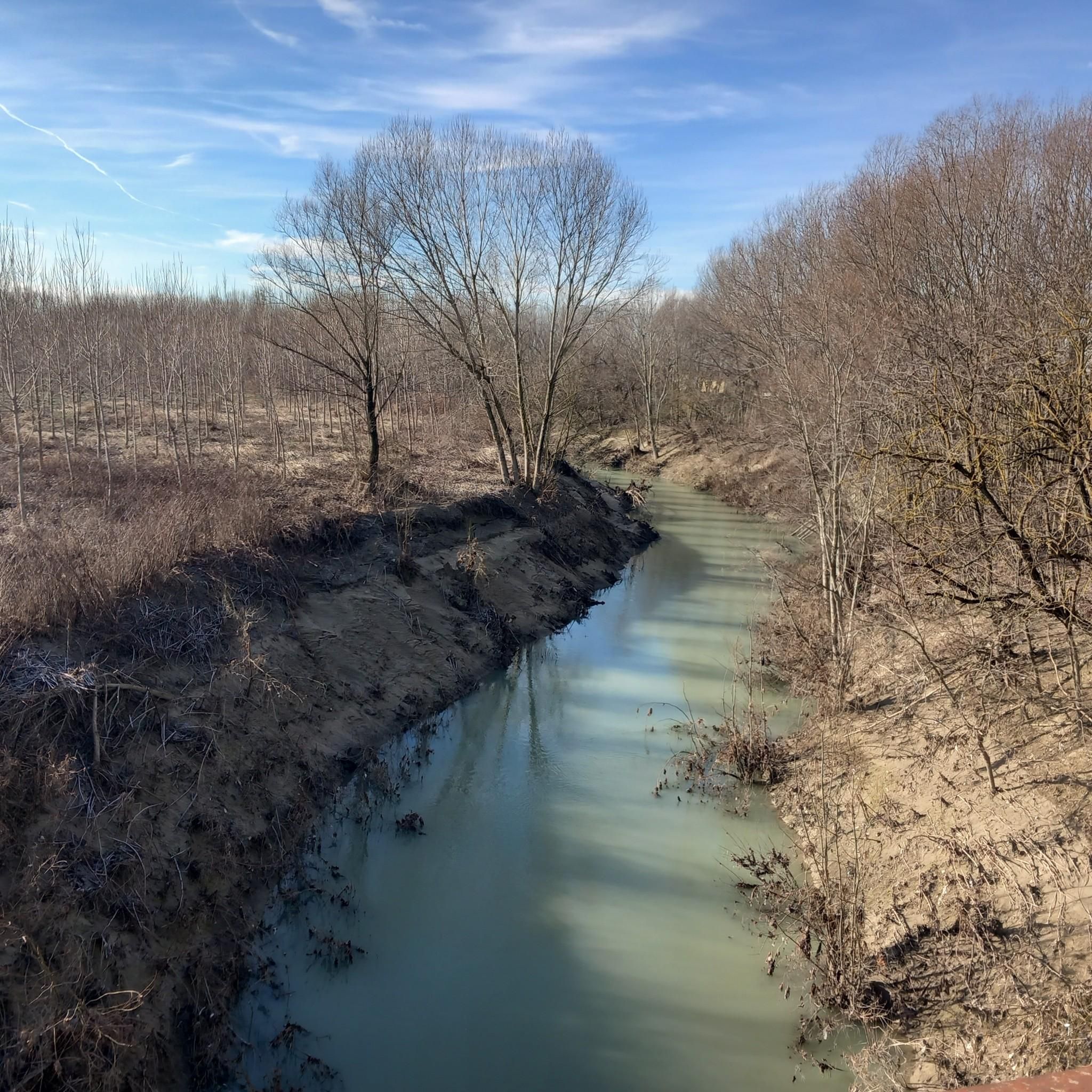
the Natural Oasis of Parma Morta which takes its name from the now disappeared waters of the stream that flowed into the Enza. The Natural Oasis was established as a nature reserve in 1990 and represents a refuge for numerous animal species that cannot inhabit the surrounding cultivated land. We talked about it here: https://outdoortest.it/le-5-ciclovie-italiane-piu-belle/
2
1

Beautiful to look at but difficult to reach. The green gradually overgrows the entire work of art. Pruning would be desirable.
6
0
Old trees in the park provide protection in all weather conditions. The ages of the trees inspire confidence. Sit down and enjoy beautiful crowns.
6
0
Frequently Asked Questions
What kind of wildlife can I expect to see at the natural monuments around Torrile?
The region is particularly rich in birdlife, especially at the LIPU Oasis of Torrile and Trecasali, where over 300 bird species have been observed. You might spot various herons, black-winged stilts, avocets, kingfishers, and ducks. Beyond birds, the area is home to rare dragonflies, butterflies, amphibians, reptiles, and even traces of small mammals.
Are there specific nature reserves worth visiting in Torrile?
Yes, the most prominent is the Parma Morta Nature Reserve, established in 1990 as a refuge for numerous animal species. Another significant area is the LIPU Oasis of Torrile and Trecasali, known for its successful wetland restoration and rich biodiversity.
Are there family-friendly natural monuments around Torrile?
Absolutely. The Parma Morta Nature Reserve and the Monumental Plane Tree are both noted as family-friendly. The LIPU Oasis of Torrile and Trecasali also offers well-maintained walkways and a visitor center with educational facilities, making it ideal for families.
Which natural monuments are accessible for wheelchairs?
The Monumental Fountain of Barriera Repubblica and the Fountain of the Three Religions are both wheelchair accessible. Additionally, the LIPU Oasis of Torrile and Trecasali features well-maintained walkways and raised platforms designed for accessibility.
What outdoor activities can I do near these natural monuments?
You can enjoy a variety of outdoor activities. For hiking, consider routes like the 'Church of San Rocco of Vedole – Reggia di Colorno loop from Oasi di Torrile' or 'Reggia di Colorno loop from Colorno'. Cyclists have options such as the 'Reggia di Colorno – Parma Morta Nature Reserve loop from Torrile-S. Polo'. Mountain biking trails are also available, including the 'Reggia di Colorno – Ponte di Legno loop from Colorno'. You can find more details on these activities in the hiking, MTB, and cycling guides around Torrile.
When is the best time to visit the natural monuments in Torrile?
Spring is an excellent time to visit, especially for birdwatching at the LIPU Oasis of Torrile and Trecasali, when species like the black-winged stilt are prominent. Migration periods also offer diverse bird sightings. The well-maintained paths and infrastructure make the oasis enjoyable throughout much of the year.
Are there any unique natural features or landmarks to see?
Beyond the nature reserves, you can visit the Fontana del Trianon, a man-made monument that is gradually being overgrown by natural greenery, creating a unique visual. The Monumental Plane Tree also stands out for its age and size, offering a sense of permanence.
What do visitors enjoy most about the natural monuments around Torrile?
Visitors appreciate the opportunities for wildlife observation, particularly birdwatching, and the peaceful natural settings. The successful ecological restoration of areas like the LIPU Oasis is also a point of interest. The presence of old, majestic trees like the Monumental Plane Tree provides a sense of tranquility and natural beauty.
Are there any historical natural monuments in the area?
While many are purely natural, some sites blend natural elements with historical significance. The Fontana del Trianon is a man-made structure with historical context that is being reclaimed by nature. The Fountain of the Three Religions, though a modern installation, carries a message of cultural and religious dialogue, set within a public space.
Can I go birdwatching at the natural monuments in Torrile?
Yes, birdwatching is a major attraction, especially at the LIPU Oasis of Torrile and Trecasali. It's recognized internationally as an Important Bird Area (IBA), with strategically placed wooden huts for observation and photography. Over 300 bird species have been recorded there.
Are there any entrance fees for the natural monuments?
Specific entrance fees for all natural monuments are not detailed, but managed reserves like the LIPU Oasis of Torrile and Trecasali typically have an entrance fee to support conservation efforts. It's advisable to check their official website for current pricing and opening hours before your visit.
What kind of terrain can I expect on trails near the natural monuments?
The terrain around natural monuments like the LIPU Oasis and Parma Morta Nature Reserve is generally flat, characteristic of the Po Valley. You'll find well-maintained walkways and paths, suitable for easy walks and cycling, often through wetland areas or alongside canals.
Most popular routes around Torrile
Most popular attractions around Torrile

Get inspired with the komoot mobile app


Explore more
Extend your search for the best caves by checking out these guides of the top ones around Torrile:
