Top 10 Natural Monuments around Diano D'Alba
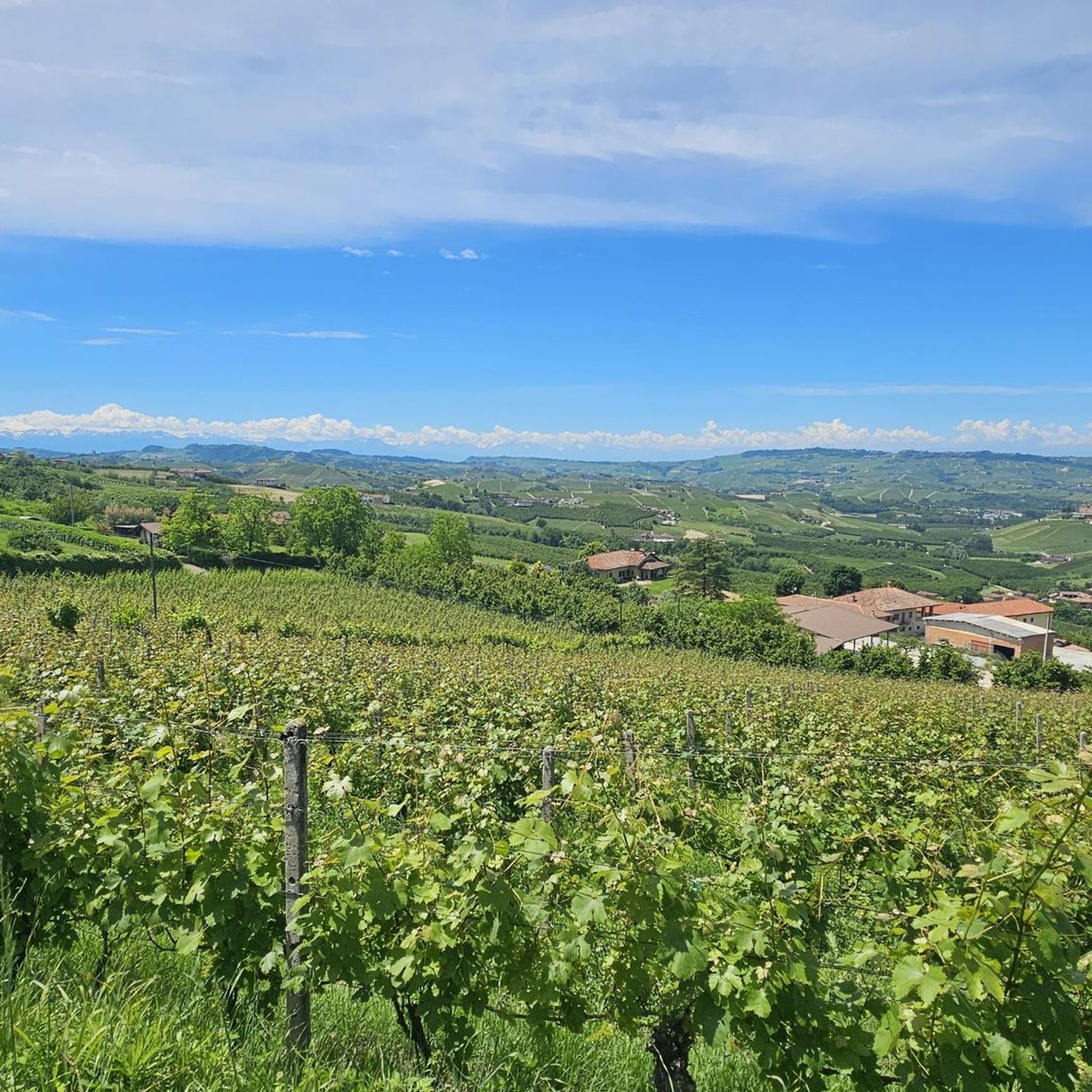
Best natural monuments around Diano D'Alba are defined by its elevated position within the Langhe hills, offering expansive panoramic views of vineyards and distant Alpine peaks. This region is recognized for its unique geological formations and viticultural landscapes, which are part of a UNESCO World Heritage site. The area's natural features are deeply intertwined with its renowned winemaking heritage, shaped by specific geological and climatic conditions. These landmarks and viewpoints provide insight into the natural features of the Piedmont region.
Best natural monuments around Diano D'Alba
- The most popular natural monuments is Cedar of Lebanon in the Langhe, a natural monument and viewpoint. This significant tree is one of the most visited places in the Lamorresi Langhe.
- Another must-see spot is Rocche of the Seven Brothers, a gorge formed by water erosion. This imposing rock formation offers a challenging experience for experienced hikers due to its steep descents and ascents.
- Visitors also love The hills of Barbaresco., a viewpoint offering expansive vistas. From this location, visitors can observe vineyards and the tower of Barbaresco.
- Diano D'Alba is known for its panoramic viewpoints, vineyard landscapes, and unique geological formations. These natural features offer a variety of experiences to see and explore.
- The natural monuments around Diano D'Alba are appreciated by the komoot community, with 19 upvotes and 11 photos shared by visitors.
Last updated: May 16, 2026
Rocche of the Seven Brothers
Highlight (Segment) • Gorge
Translated by Google •
Tip by

Plane trees "the nativity scenes"
Highlight • Natural Monument
Translated by Google •
Tip by

Sign up now to discover places like this
Get recommendations on the best single tracks, peaks, & plenty of other exciting outdoor places.
Sign up for free
Cedar of Lebanon in the Langhe
Highlight • Natural Monument
Translated by Google •
Tip by
Nebbiolo Monument of Fontanafredda
Highlight • Monument
Translated by Google •
Tip by

The hills of Barbaresco.
Highlight • Viewpoint
Translated by Google •
Tip by
Sign up for free to discover even more natural monuments around Diano D'Alba.
Sign up for free
Already have an account?
Start today with a free account
Your next adventure awaits.
Login or Signup

Tips from the Community

The most famous tree of the Langhe
0
0

The entry point of the prestigious and renowned Langhe wine estate located on the road to Serralunga d'Alba and Piana Gallo.
3
0

Producers of Barolo and the great wines of the Langhe in Serralunga d'Alba. Born in 1858 from the love story between the King of Italy, Vittorio Emanuele II and Rosa Vercellana.
1
0
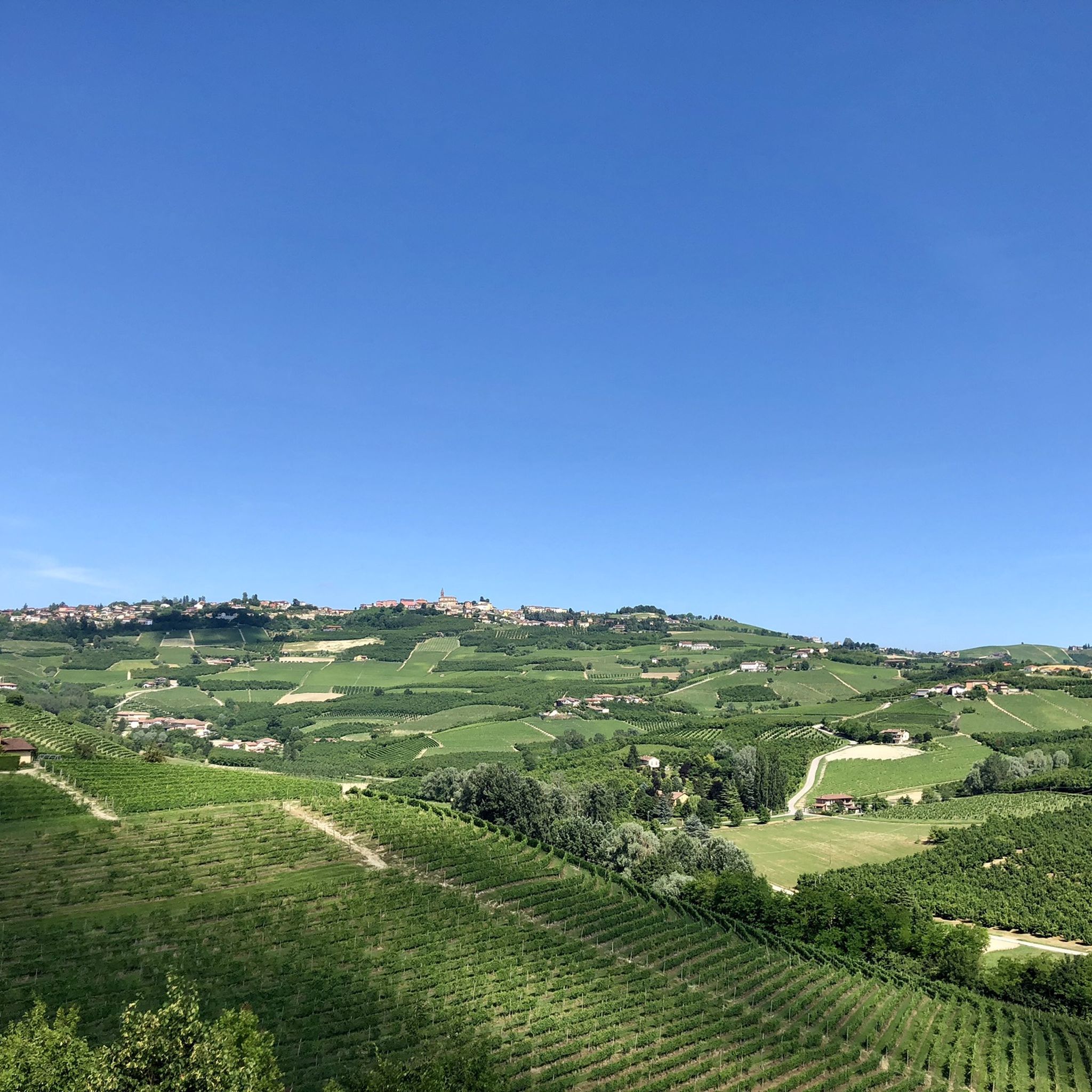
On the SP3, at the crossroads for Barbaresco, there is this very nice corner with a stone table and chairs in the shade of a large tree. On both sides one looks there are vineyards as well as, not too far away, the beautiful tower of Barbaresco.
0
0
On the SP3 at the Barbaresco-Treiso/Alba junction.
0
0

pity it can not be visited because it is located on a private property
0
2
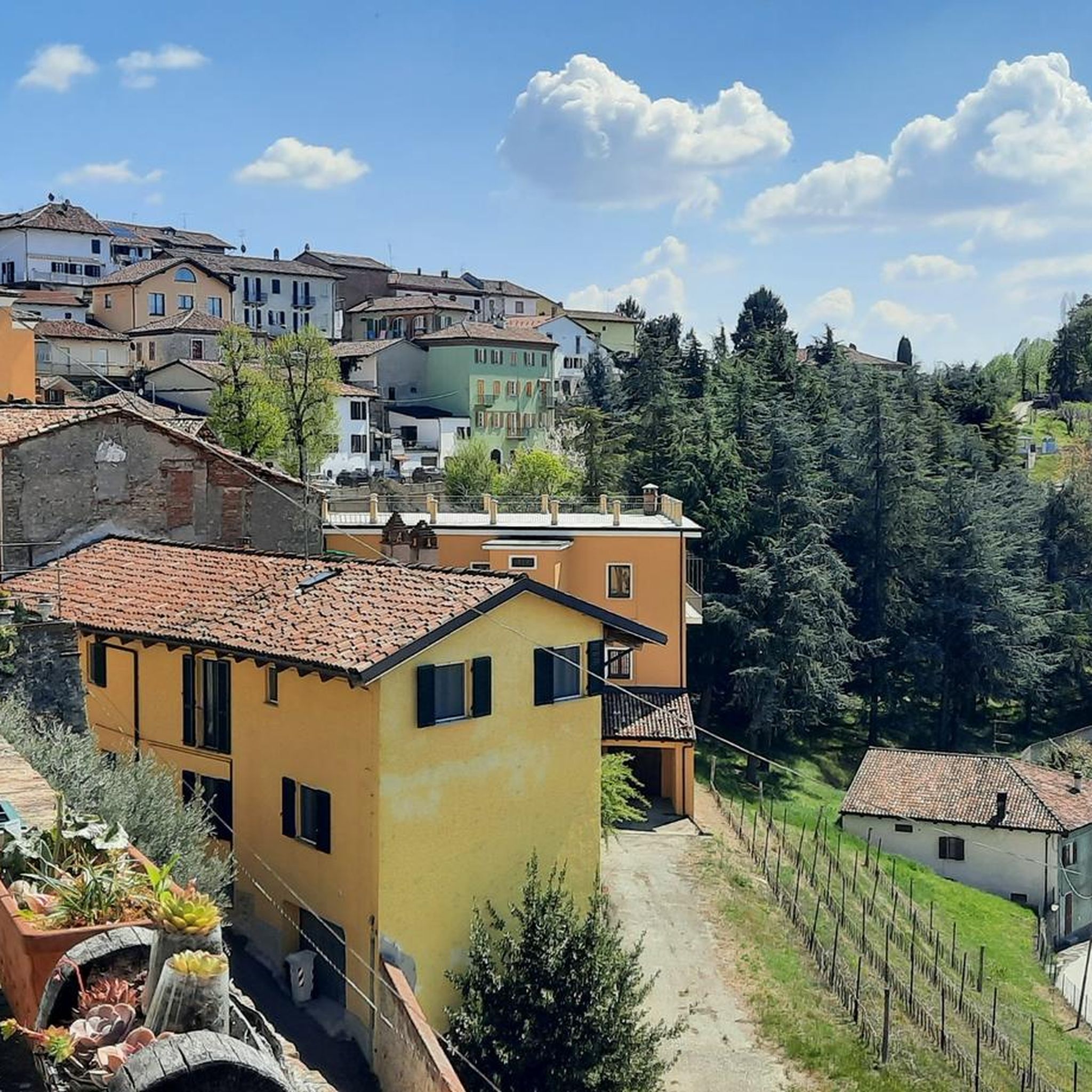
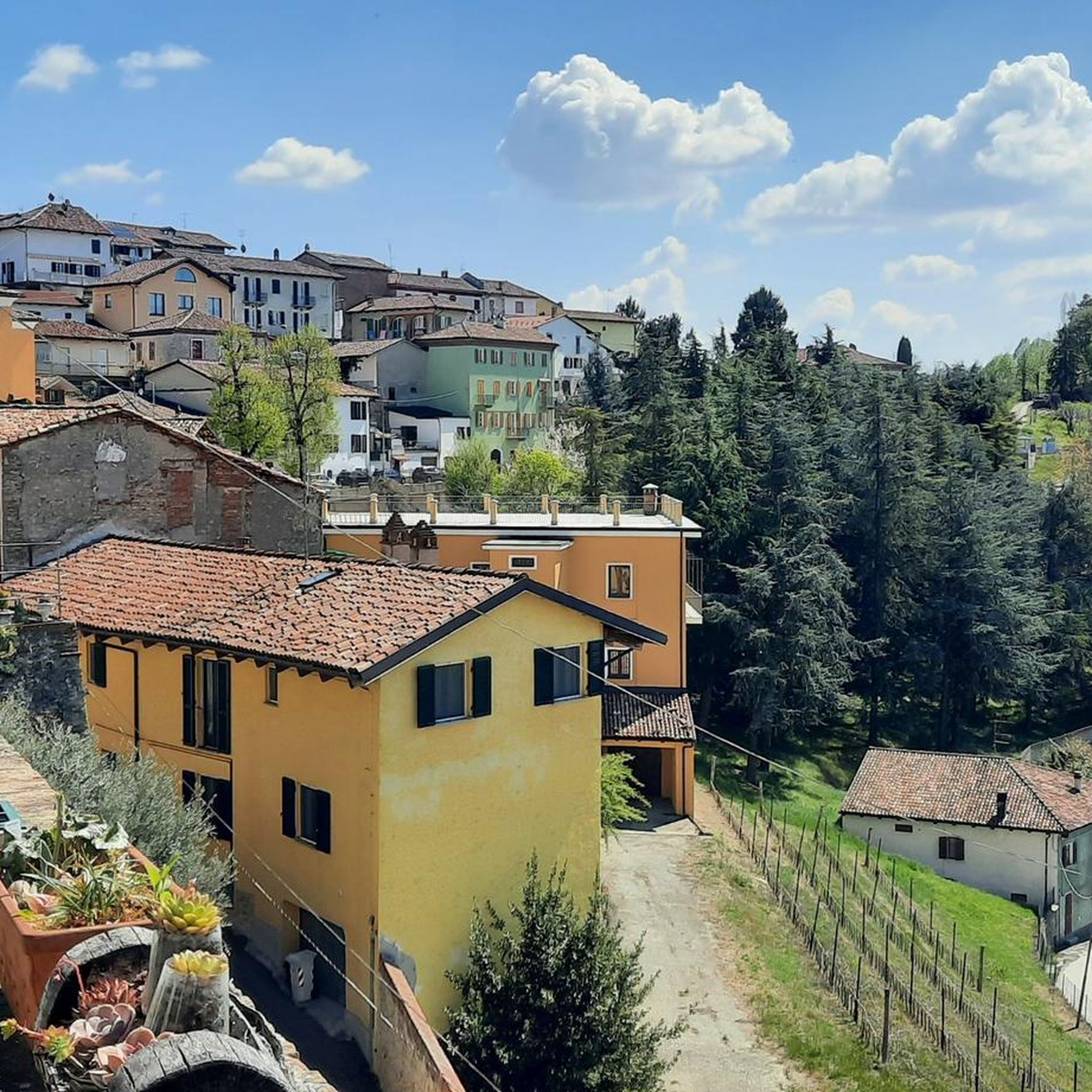
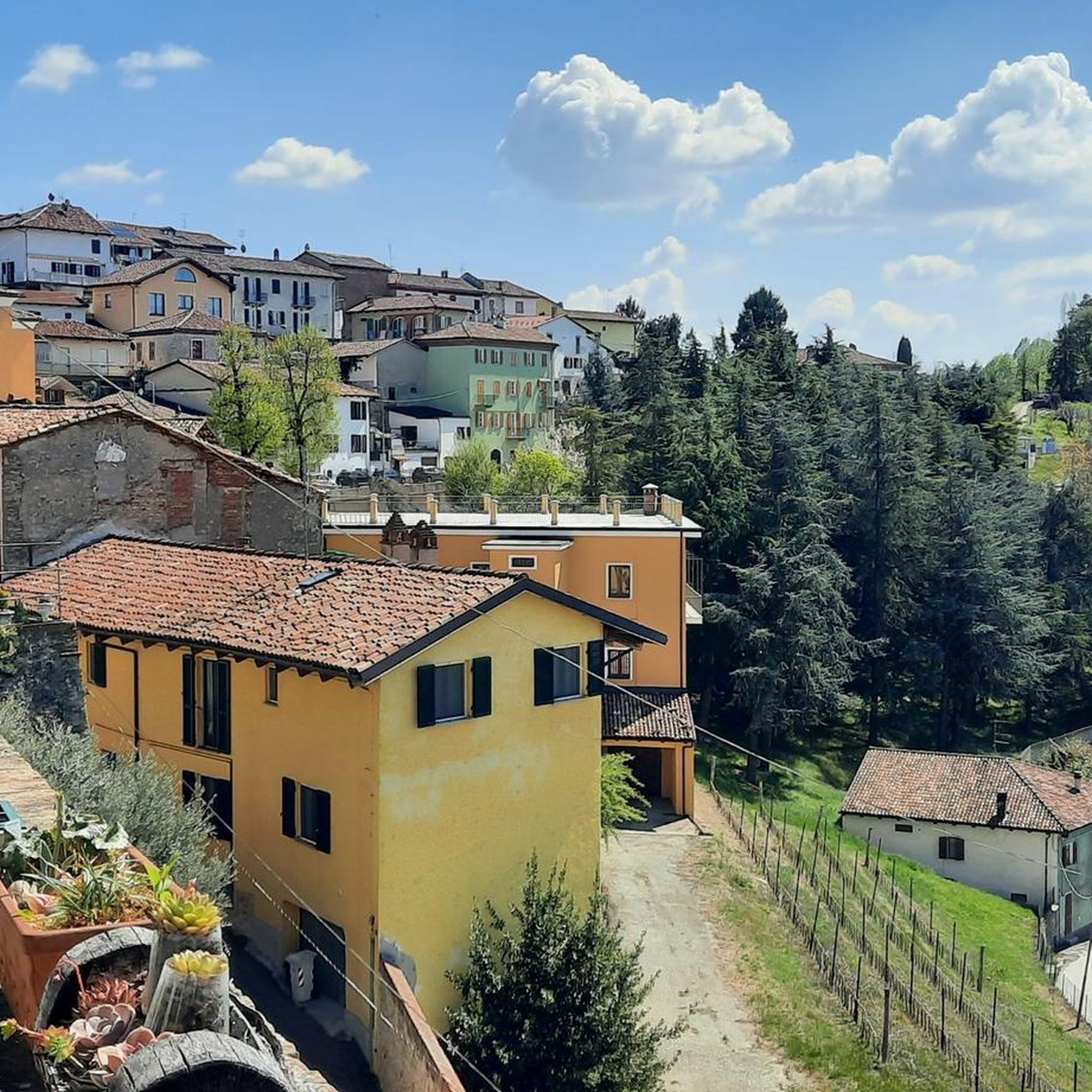
The cedar of Lebanon is one of the most visited places in the Lamorresi Langhe. Unfortunately there is no longer the possibility of access near the tree because the adjacent area has been fenced off.
1
0
The cedar of lebanon is one of the most visited places in the Langhe. Too bad you can't get too close due to fences.
4
0
Frequently Asked Questions
What are the most notable natural features to explore around Diano D'Alba?
Diano D'Alba is renowned for its stunning panoramic views and extensive vineyard landscapes, which are considered its primary natural attractions. Key features include the elevated viewpoints offering vistas of the Langhe hills and distant Alpine peaks, and the vast vineyards, particularly those cultivating the Dolcetto grape. These landscapes are deeply intertwined with the region's unique geology and climate, forming a UNESCO World Heritage site.
Are there any specific natural monuments that are popular with visitors?
Yes, visitors particularly enjoy the Cedar of Lebanon in the Langhe, a significant tree and viewpoint. Another popular spot is The hills of Barbaresco., offering expansive views of vineyards and the Barbaresco tower. For a unique geological formation, the Rocche of the Seven Brothers presents an imposing gorge formed by water erosion.
What kind of outdoor activities can I do near Diano D'Alba's natural monuments?
The region offers excellent opportunities for hiking and cycling. You can explore the vineyard landscapes on foot or by bike. For hiking, consider routes like the 'UNESCO Langhe vineyard trail' or the 'Grinzane Cavour Loop'. If you prefer gravel biking, there are numerous trails that take you through the scenic countryside. Find more details on available routes in the Hiking around Diano D'Alba and Gravel biking around Diano D'Alba guides.
Are there family-friendly natural monuments or activities in the area?
Absolutely. The Cedar of Lebanon in the Langhe and The hills of Barbaresco. viewpoints are generally family-friendly and offer beautiful scenery. Another unique spot is the Plane trees "the nativity scenes", where during the Christmas period, nativity scenes created by elementary school children are placed inside the hollow trunks of these ancient trees, offering a charming experience for families.
What is the best time of year to visit Diano D'Alba to experience its natural beauty?
The region's natural beauty is particularly vibrant during spring and autumn. In spring, the vineyards burst with new growth, and in autumn, they display a rich palette of colors as the leaves change, making it an ideal time for photography and enjoying the panoramic views. The climate during these seasons is also generally pleasant for outdoor activities like hiking and cycling.
Are there any challenging natural features for experienced hikers?
Yes, the Rocche of the Seven Brothers offers a challenging experience. This imposing gorge, formed by water erosion, features very steep descents and ascents. It is specifically recommended for experienced hikers and should be avoided when wet due to difficult terrain.
Can I find any historical or cultural sites related to the natural landscape?
The entire vineyard landscape of Diano D'Alba is a UNESCO World Heritage site, representing a living natural monument shaped by centuries of viticulture. The Nebbiolo Monument of Fontanafredda, while man-made, is deeply connected to the region's winemaking history and the natural terroir that produces its renowned wines. It marks the entry point to a prestigious wine estate with a rich history.
What makes the vineyard landscapes of Diano D'Alba unique?
The vineyard landscapes are unique due to the specific 'Diano Sandstones' geological formation, characterized by Tortonian age sandy strata with less clay and limestone. This, combined with a continental climate, protection from the Apennines, and the influence of the Alps and Ligurian Sea, creates unique microclimates. These factors stimulate fine aromatic nuances in the Dolcetto di Diano d'Alba DOCG wines, making the vineyards a significant natural and cultural feature.
Are there any natural monuments that are wheelchair accessible?
The The hills of Barbaresco. viewpoint is noted as being wheelchair accessible, offering expansive vistas of the vineyards and the Barbaresco tower. It also provides facilities and a stone table with chairs in the shade, making it a comfortable spot for all visitors.
What do visitors particularly appreciate about the natural monuments in Diano D'Alba?
Visitors frequently highlight the breathtaking panoramic views of the Langhe hills and vineyards. The unique experience of walking through the vine-covered landscapes and the connection to the region's rich winemaking heritage are also highly valued. The Cedar of Lebanon in the Langhe is often cited as one of the most visited and iconic natural landmarks.
Can I bring my dog to the natural monuments and trails?
While specific rules for each natural monument may vary, generally, many outdoor trails and natural areas in the Langhe region are dog-friendly. It's always advisable to keep dogs on a leash, especially in vineyard areas or near wildlife, and to clean up after them. For specific trails, checking local signage or visitor information is recommended.
Most popular routes around Diano D'Alba
Most popular attractions around Diano D'Alba

Get inspired with the komoot mobile app


Explore more
Extend your search for the best caves by checking out these guides of the top ones around Diano D'Alba:
