Top 5 Natural Monuments around Pescorocchiano
Best natural monuments around Pescorocchiano showcase the diverse natural features of this mountainous comune in the province of Rieti. Situated within the Apennine Mountains, the region presents a variety of geological formations and landscapes. Visitors can explore valleys, lakes, and ancient trees, offering opportunities to experience the area's natural environment. The terrain includes verdant woods, natural pastures, and distinct mountain chains.
Best natural monuments around Pescorocchiano
- The most popular natural monument is Vallocchie Waterfall, a waterfall that can be…
Last updated: May 31, 2026
Vallocchie Waterfall
Highlight • Waterfall
Translated by Google •
Tip by

Lake Rascino
Highlight • Lake
Translated by Google •
Tip by

Sign up now to discover places like this
Get recommendations on the best single tracks, peaks, & plenty of other exciting outdoor places.
Sign up for free
Fonte della Rocca
Highlight • Natural Monument
Translated by Google •
Tip by

Cave of Saint Michael the Archangel
Highlight • Religious Site
Translated by Google •
Tip by

Male Passo
Highlight • Mountain Pass
Translated by Google •
Tip by

Sign up for free to discover even more natural monuments around Pescorocchiano.
Sign up for free
Already have an account?
Start today with a free account
Your next adventure awaits.
Login or Signup
Popular around Pescorocchiano
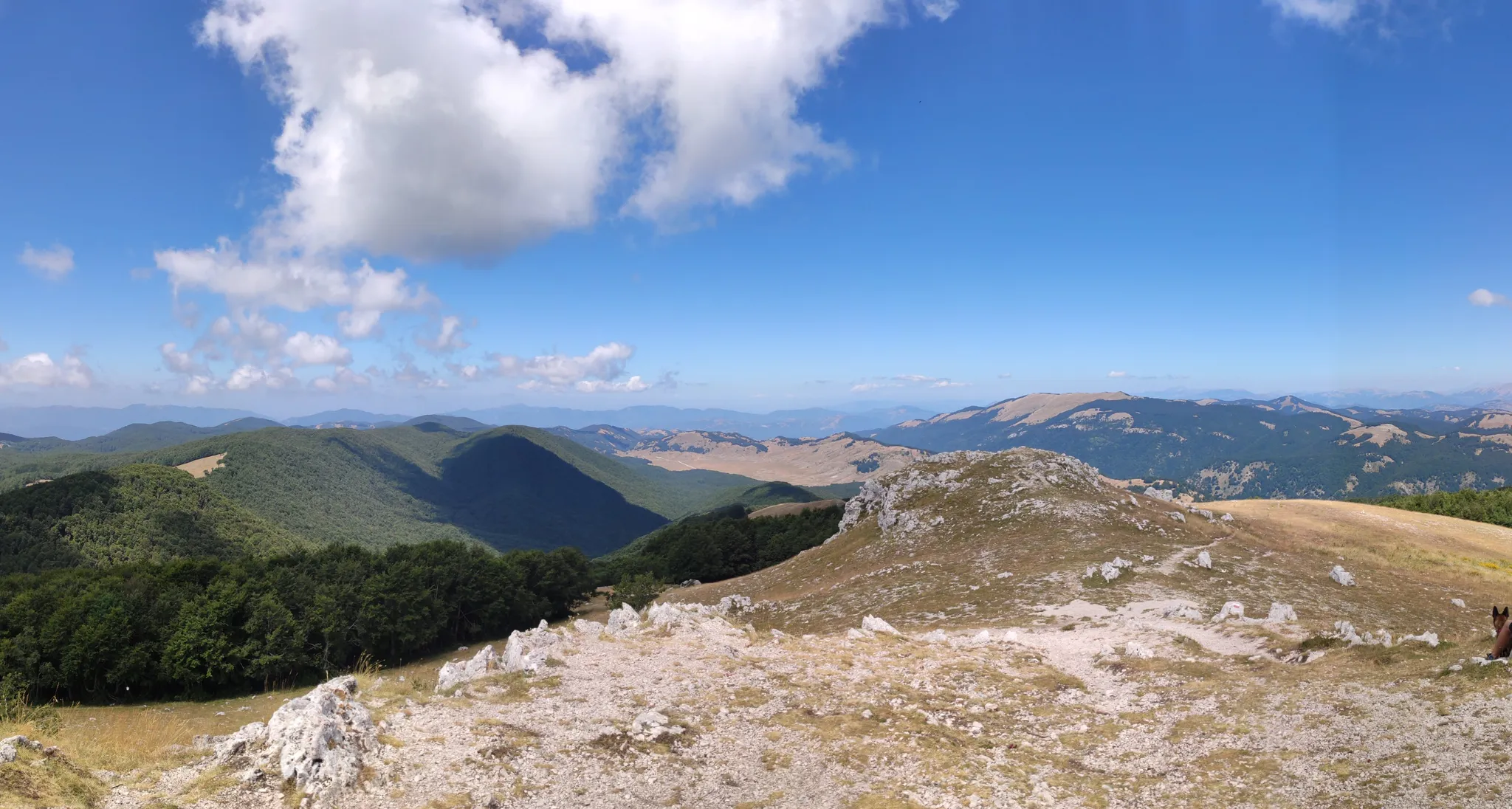
Cammino Naturale dei Parchi – Part 2 Livata to Corvaro
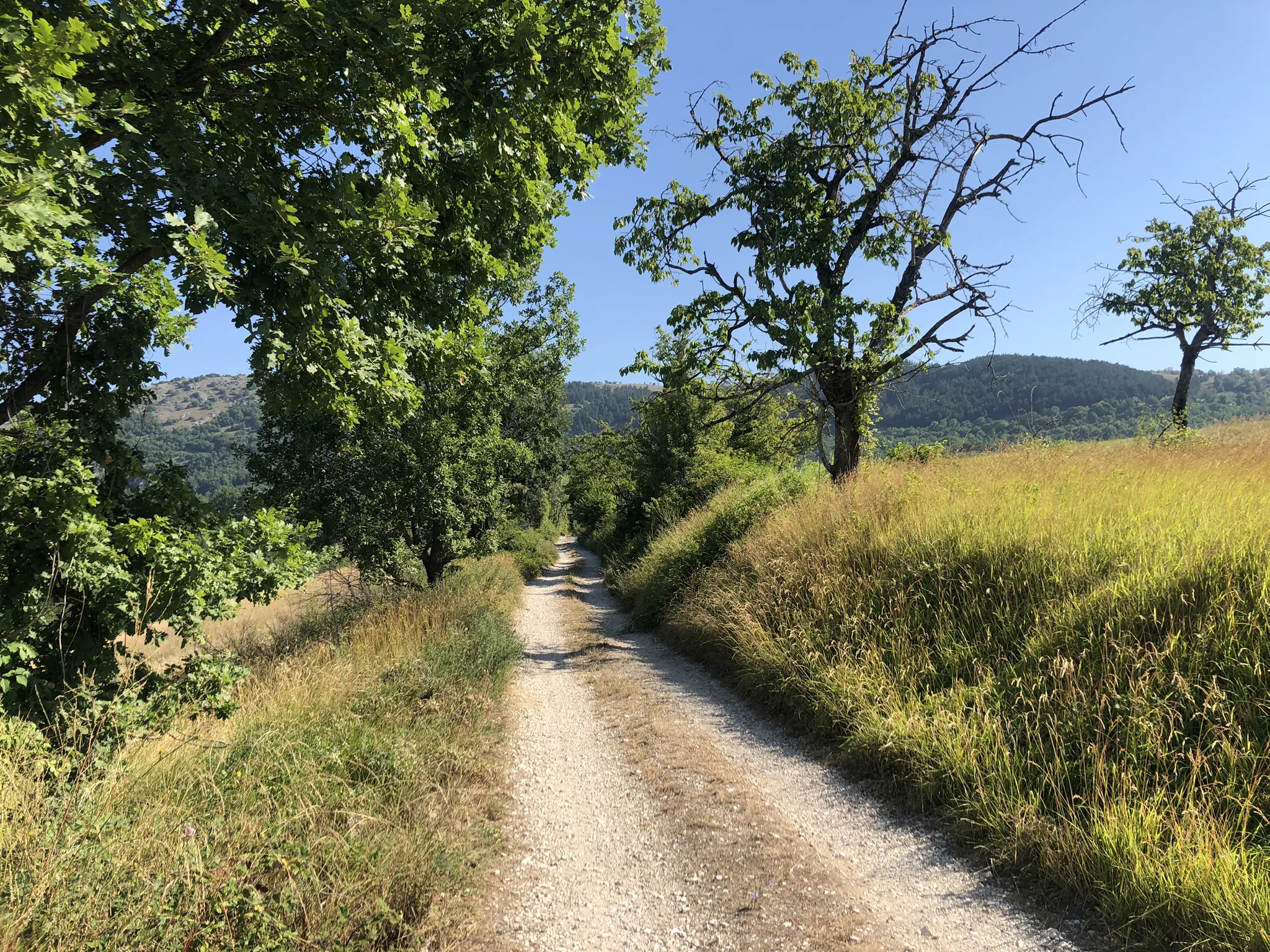
MTB the border between Lazio and Abruzzo – Cammino dei Briganti
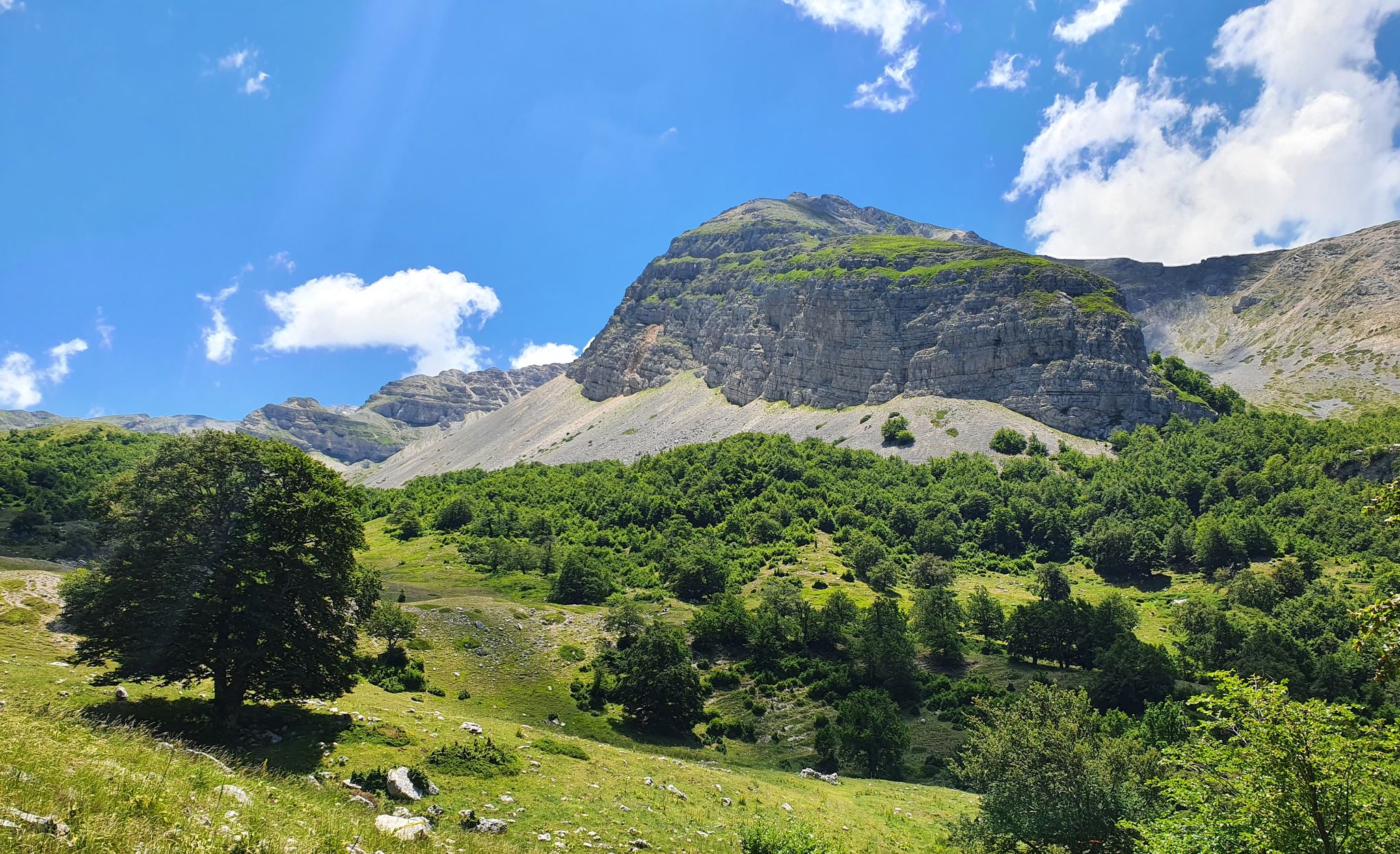
Cammino dei Briganti – hike in the footsteps of Marsica and Cicolano rebels in Italy
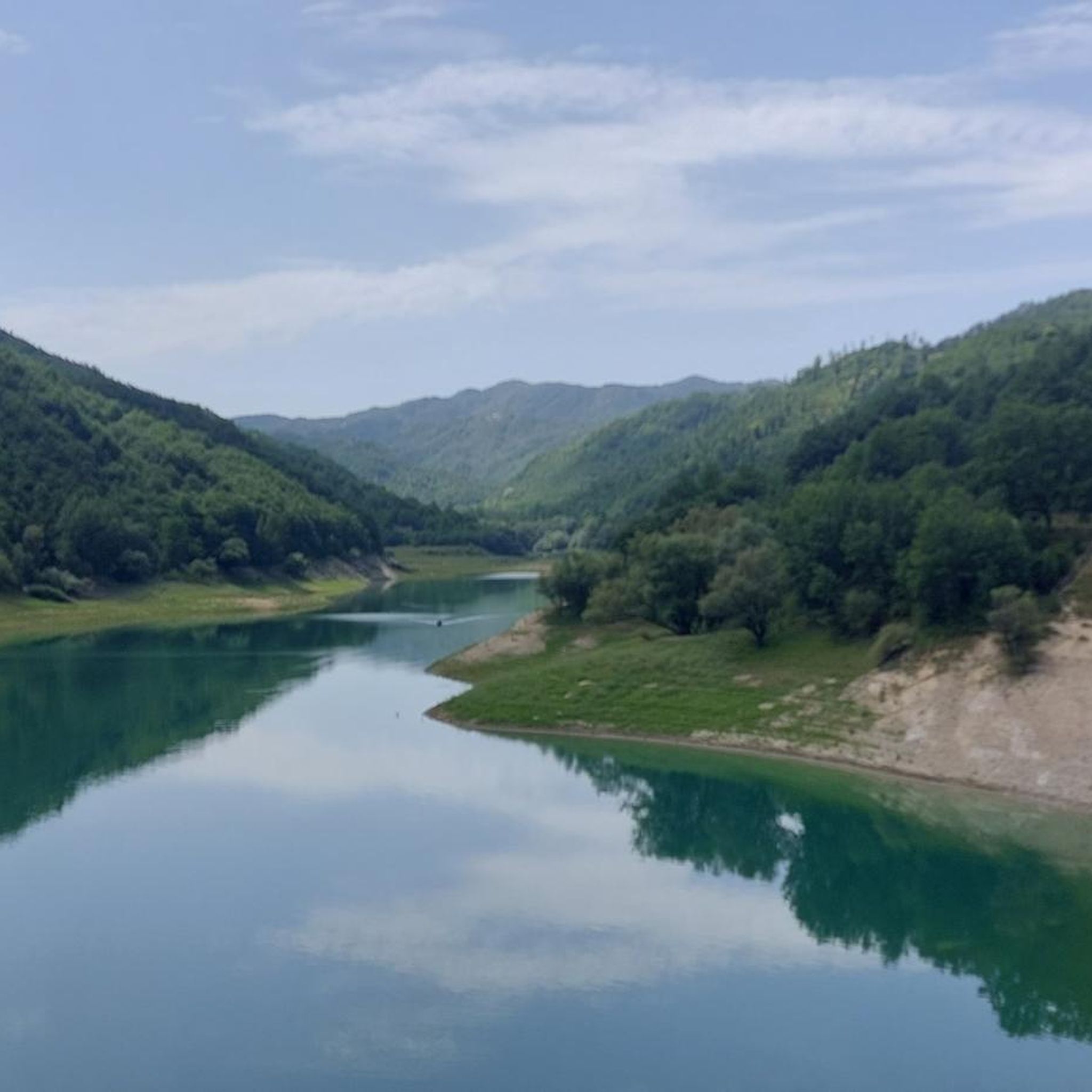
Running Trails around Pescorocchiano
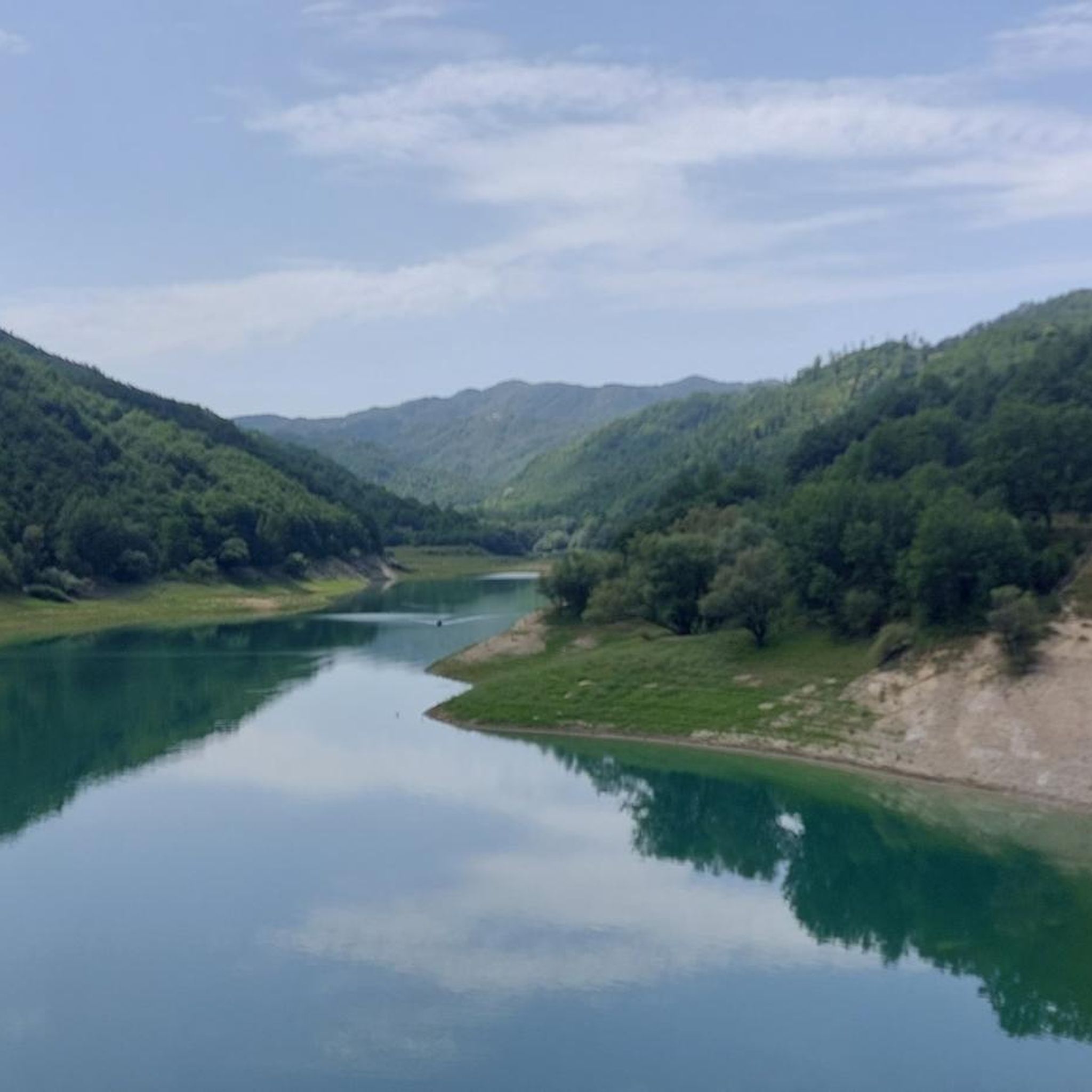
Hiking around Pescorocchiano
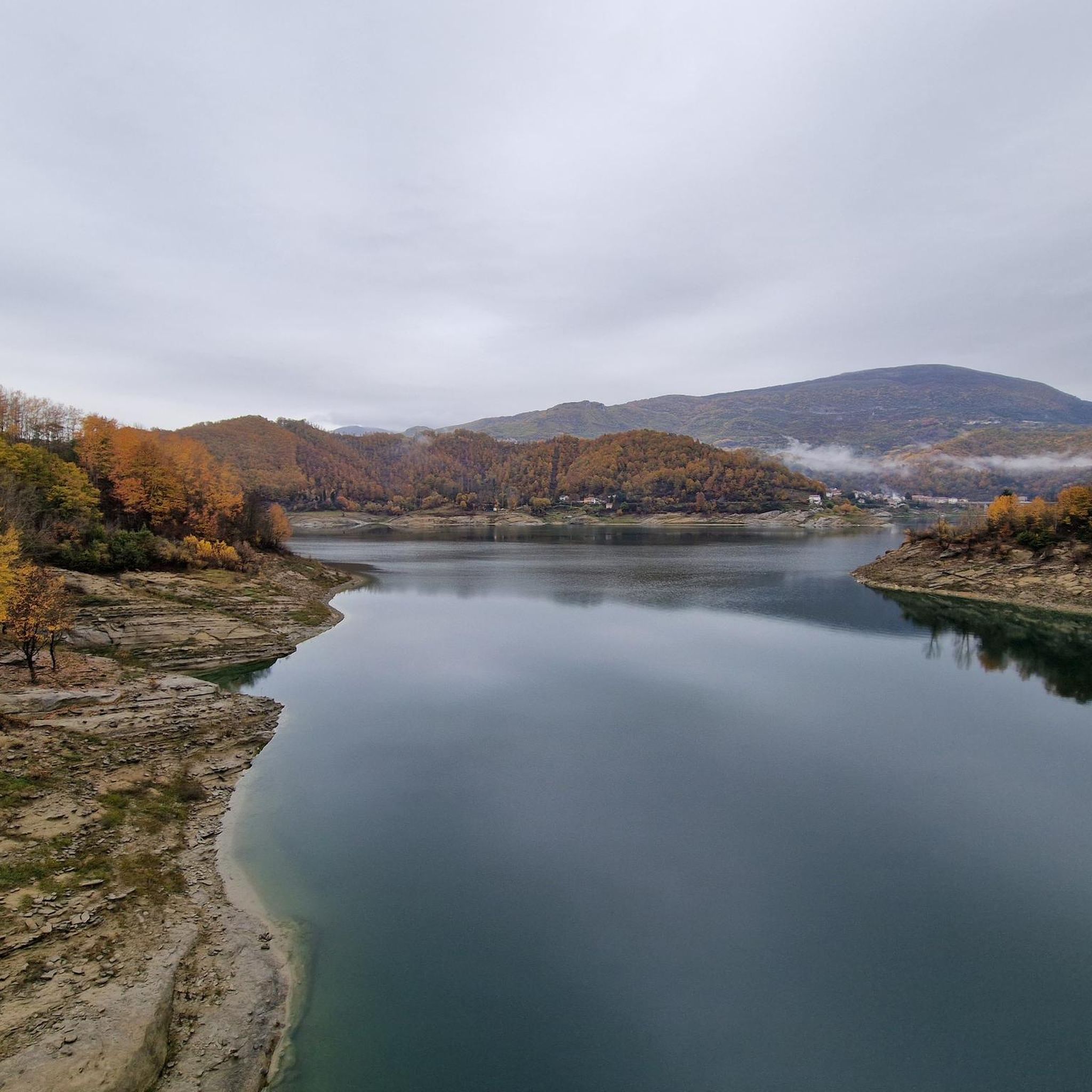
Road Cycling Routes around Pescorocchiano
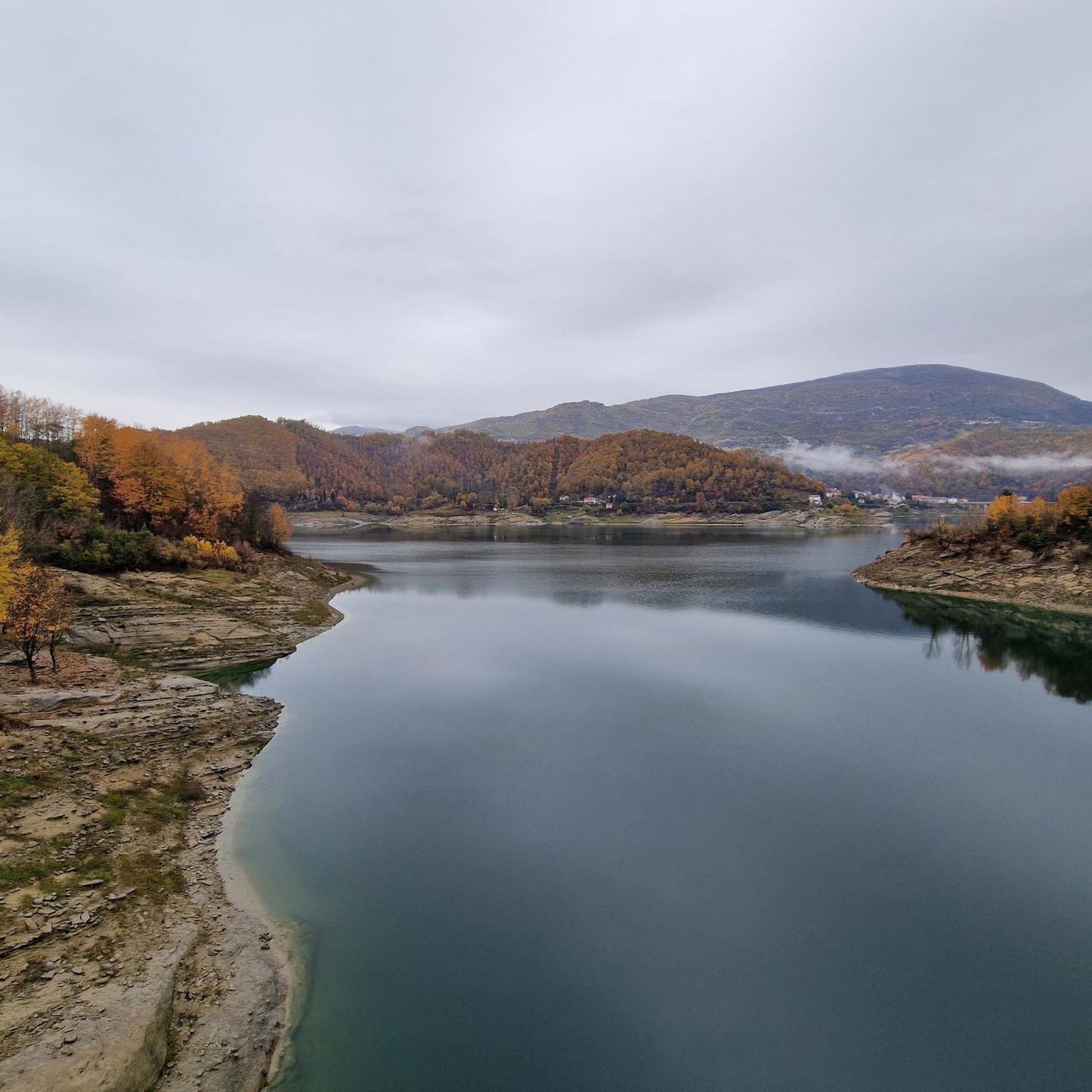
Cycling around Pescorocchiano
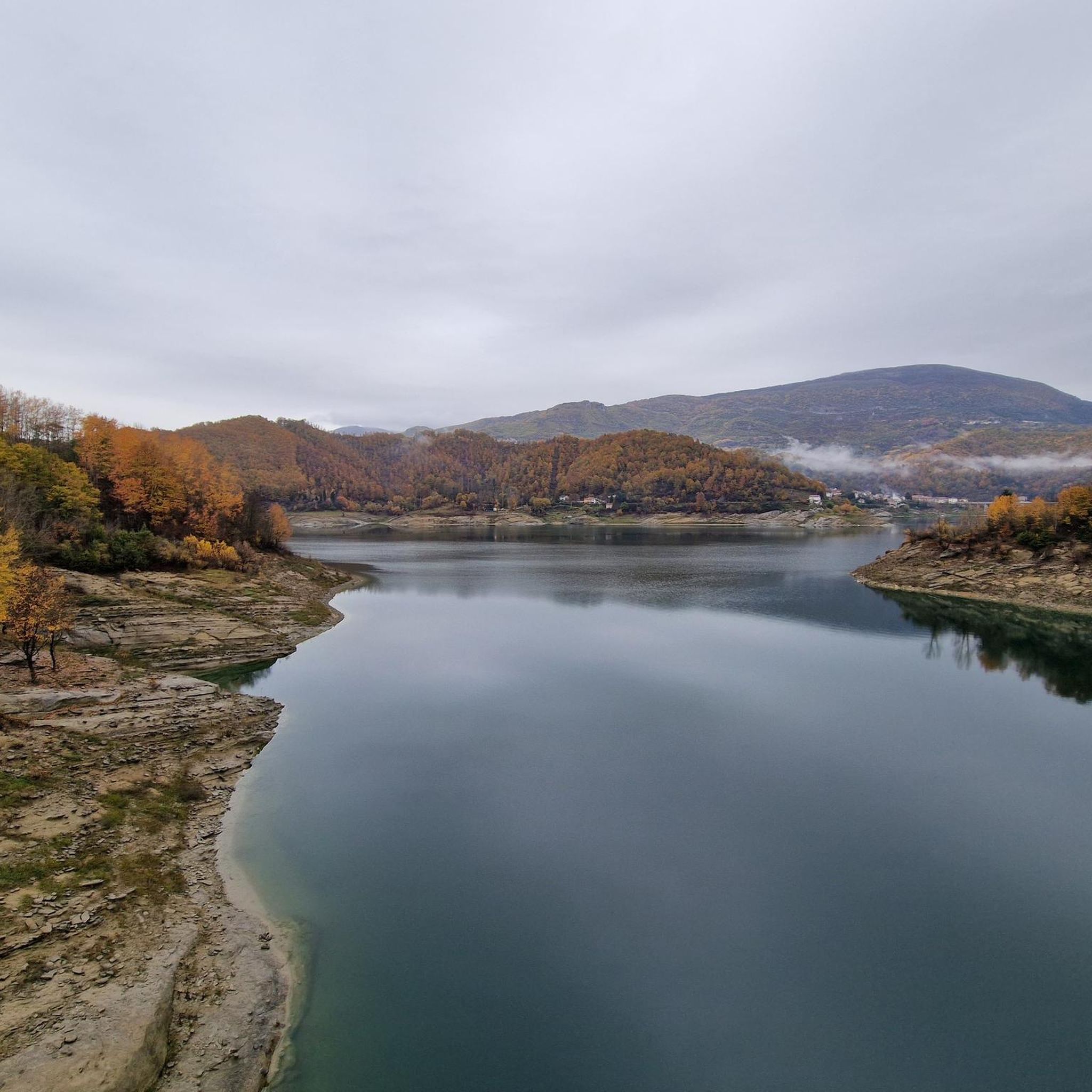
MTB Trails around Pescorocchiano

Gravel biking around Pescorocchiano
Other adventures around Pescorocchiano


Tips from the Community


The Grotta di San Michele is immersed in the woods of the Cicolano Mountains, at about 1,000 meters above sea level. It is a small rock church built inside a natural cave, a place of great charm and spirituality. The cult of San Michele Arcangelo was introduced to Sabina by the Lombards and spread to many high and steep places in Italy, often associated with caves and natural cavities. According to local tradition, it is here that the warrior saint fatally pierced a terrible dragon, a symbol of evil. The cave is mentioned in the records of the pastoral visits of Cardinals Corsini (1779-82) and Odescalchi (1833-36), who describe it as the "rural church of San Michele Arcangelo". The origin of the small church is shrouded in mystery: the facade is in Romanesque style, while inside there are Carolingian elements, testifying to a very ancient history. Inside the cave there is a Carolingian altar with a mosaic; a main altar with a wooden statue of St. Michael the Archangel, depicted while killing the dragon; the Ossuary of the Hermits, a natural niche that preserves skulls and bones, probably of the deceased buried here before the construction of the cemetery of Montorio in the 19th century. The cave is protected by a wall structure with a small single-lancet window above the entrance and a window in the upper part. Access is via a mule track or a dirt path, accessible from Pozzaglia Sabina or Montorio in Valle. Every year, on the first Sunday of May, a Holy Mass is celebrated in the cave, which is well attended by the local community. The place is also part of the Cammino di San Benedetto, a spiritual and naturalistic itinerary that crosses Sabina.
0
0

Male Passo is an Apennine pass from which you can reach the top of Monte Cava to the north and the top of Monte San Rocco to the south. Despite its name, the place is really beautiful. In spring the meadows are completely covered with yellow flowers.
0
0

Mountain lake full of life and nestled in a fantastic plateau.
0
0

This beautiful waterfall can be easily reached from the village of Castel di Tora. The route that starts from the La Posta farmhouse is simple and short, also suitable for families. The waterfall has its maximum flow at the end of spring-early summer and is enclosed in a very suggestive environment almost reminiscent of a tropical climate.
4
0

to do a bit on foot but it's worth it
1
0

Lake Rascino is a karst mountain lake and is the perfect place for a short stop to admire the surrounding landscape.
2
0

Very suggestive and well-kept place in the Luppa park with picnic tables and stone barbecues. From here the path to the Luppa cave starts. Path not well marked but without technical difficulties. The cave can be reached more easily from Tiburtina quater
0
0
Frequently Asked Questions
What are some unique natural monuments to explore around Pescorocchiano?
Beyond the well-known spots, you can discover the ancient Cave of Saint Michael the Archangel, a rock church built inside a natural cave with historical significance. Another unique site is the Fonte della Rocca, a well-kept picnic area that serves as a starting point for exploring the Luppa cave.
Are there any historical or archaeological natural sites in the Pescorocchiano area?
Yes, the region boasts significant historical natural sites. The **Cave of Val de' Varri** is an important archaeological site with evidence of continuous human habitation from the Copper Age through the Middle Bronze Age. Additionally, the Cave of Saint Michael the Archangel is a small rock church within a natural cave, featuring Romanesque and Carolingian elements, and is part of the Cammino di San Benedetto.
What kind of natural features can I expect to see in Pescorocchiano?
Pescorocchiano's natural environment, nestled in the Apennine Mountains, offers diverse features. You'll find stunning valleys like the **Valle del Salto**, the largest artificial lake in Lazio, **Lago del Salto**, and unique geological formations such as the **Cave of Val de' Varri**. The area also features ancient trees like the monumental **Quercia di Marcetelli**, and picturesque waterfalls like Vallocchie Waterfall.
What do visitors particularly enjoy about the natural monuments in Pescorocchiano?
Visitors appreciate the serene beauty and diverse landscapes. For instance, the Vallocchie Waterfall is loved for its 'suggestive environment almost reminiscent of a tropical climate.' Lake Rascino is described as a 'mountain lake full of life and nestled in a fantastic plateau,' perfect for admiring the surrounding landscape. The Salto Fjord is noted for its 'beautiful cove reminiscent of Nordic landscapes.'
Are there family-friendly natural monuments around Pescorocchiano?
Yes, several natural monuments are suitable for families. The Vallocchie Waterfall is easily reachable via a simple, short route from Castel di Tora. Lake Rascino and the Salto Fjord are also considered family-friendly viewpoints. The **Cave of Val de' Varri** offers a well-developed tourist route with educational panels, making it an engaging experience for all ages.
What is the best time of year to visit the natural monuments in Pescorocchiano?
The natural monuments are beautiful year-round, but late spring to early summer is ideal for experiencing the Vallocchie Waterfall at its maximum flow. Generally, spring and autumn offer pleasant temperatures for hiking and exploring the diverse landscapes, including the verdant woods and natural pastures.
Are there any natural monuments suitable for beginners or easy walks?
Yes, the route to Vallocchie Waterfall from Castel di Tora is simple and short, making it suitable for beginners. The tourist route within the **Cave of Val de' Varri** is also well-equipped and accessible. For easy walks with scenic views, the areas around Lake Rascino and the **Valle del Salto** offer gentle terrain.
Are the natural monuments around Pescorocchiano dog-friendly?
While specific rules for each monument may vary, many outdoor areas and trails around Pescorocchiano are generally dog-friendly, especially for walks around lakes like Lake Rascino or in the **Valle del Salto**. It's always recommended to keep dogs on a leash and clean up after them. For cave visits like the **Cave of Val de' Varri**, it's best to check specific entry policies beforehand.
Is there parking available at the natural monuments?
Parking is generally available near the access points for many natural monuments. For instance, the Fonte della Rocca area is well-kept and likely has parking. For specific sites like the **Cave of Val de' Varri** or trailheads for the **Valle del Salto**, designated parking areas are usually provided, though it's advisable to check local signage.
What outdoor activities can I do near the natural monuments in Pescorocchiano?
The area around Pescorocchiano offers a variety of outdoor activities. You can find numerous running trails, including routes like 'Castel Di Tora – S.Maria del Piano Trail.' There are also extensive MTB trails, such as the 'Rascino Plateau – Lake Rascino loop.' For road cycling, consider the cycling routes around Lake Salto, including the 'Tour of Lake Salto.'
Are there hiking trails near these natural monuments?
Yes, the region is excellent for hiking. The **Valle del Salto** is a haven for outdoor enthusiasts, featuring popular hiking routes such as the 'Sentiero Europeo' and 'Sentiero Italia,' and is a stop on the 'Cammino Naturale dei Parchi.' You can also explore various running and hiking trails that lead to or pass by natural monuments, offering diverse difficulty levels.
How long should I plan for a visit to the natural monuments?
The duration of your visit depends on the monument and your activity. A short stop to admire Lake Rascino might take an hour, while exploring the tourist route of the **Cave of Val de' Varri** could take 1-2 hours. For hiking the longer trails in the **Valle del Salto** or visiting multiple sites, you might plan a half-day or full-day excursion.
Most popular routes around Pescorocchiano
Most popular attractions around Pescorocchiano

Get inspired with the komoot mobile app


Explore more
Extend your search for the best caves by checking out these guides of the top ones around Pescorocchiano:
