Top 20 Natural Monuments around Campo Di Giove
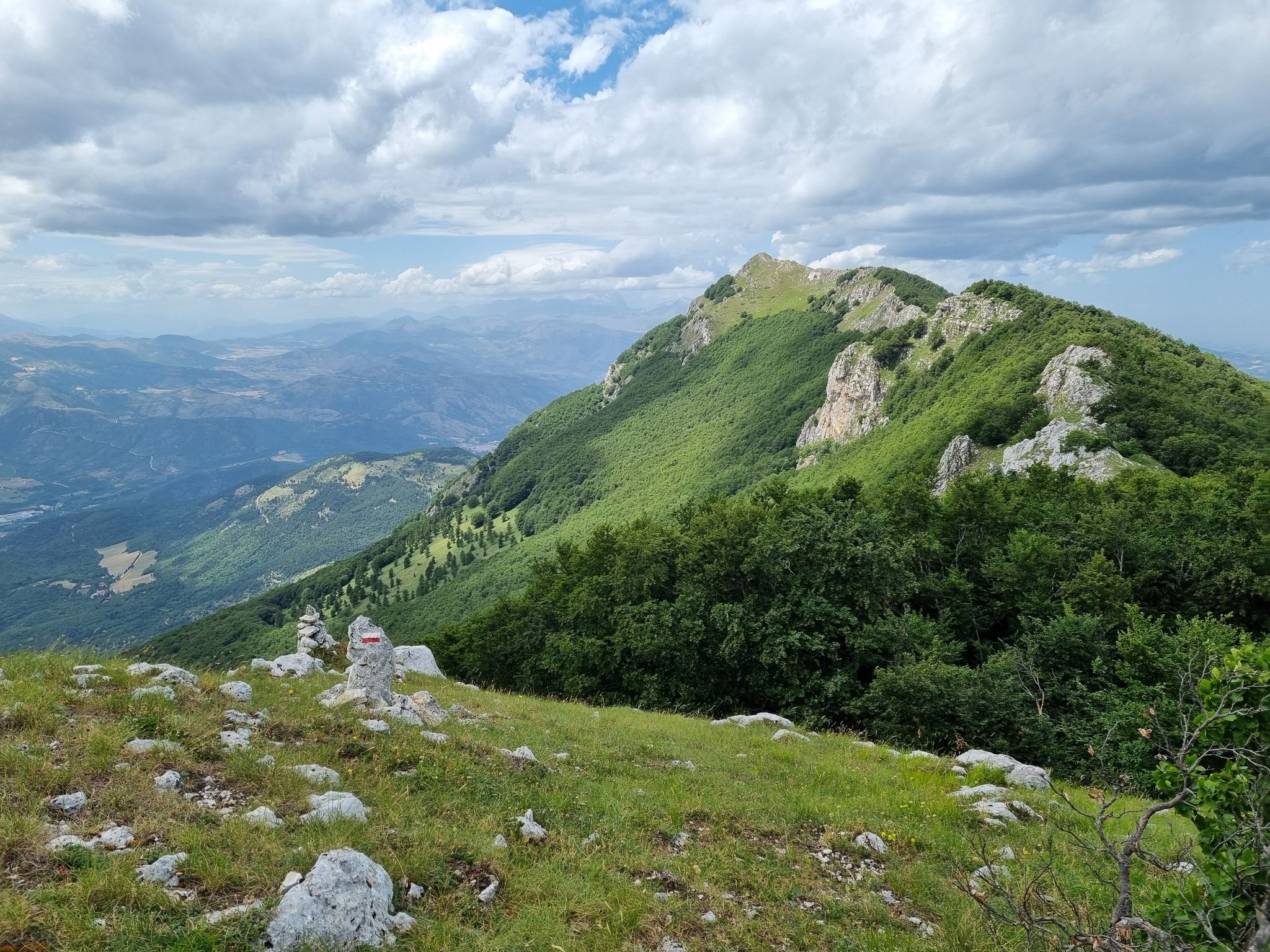
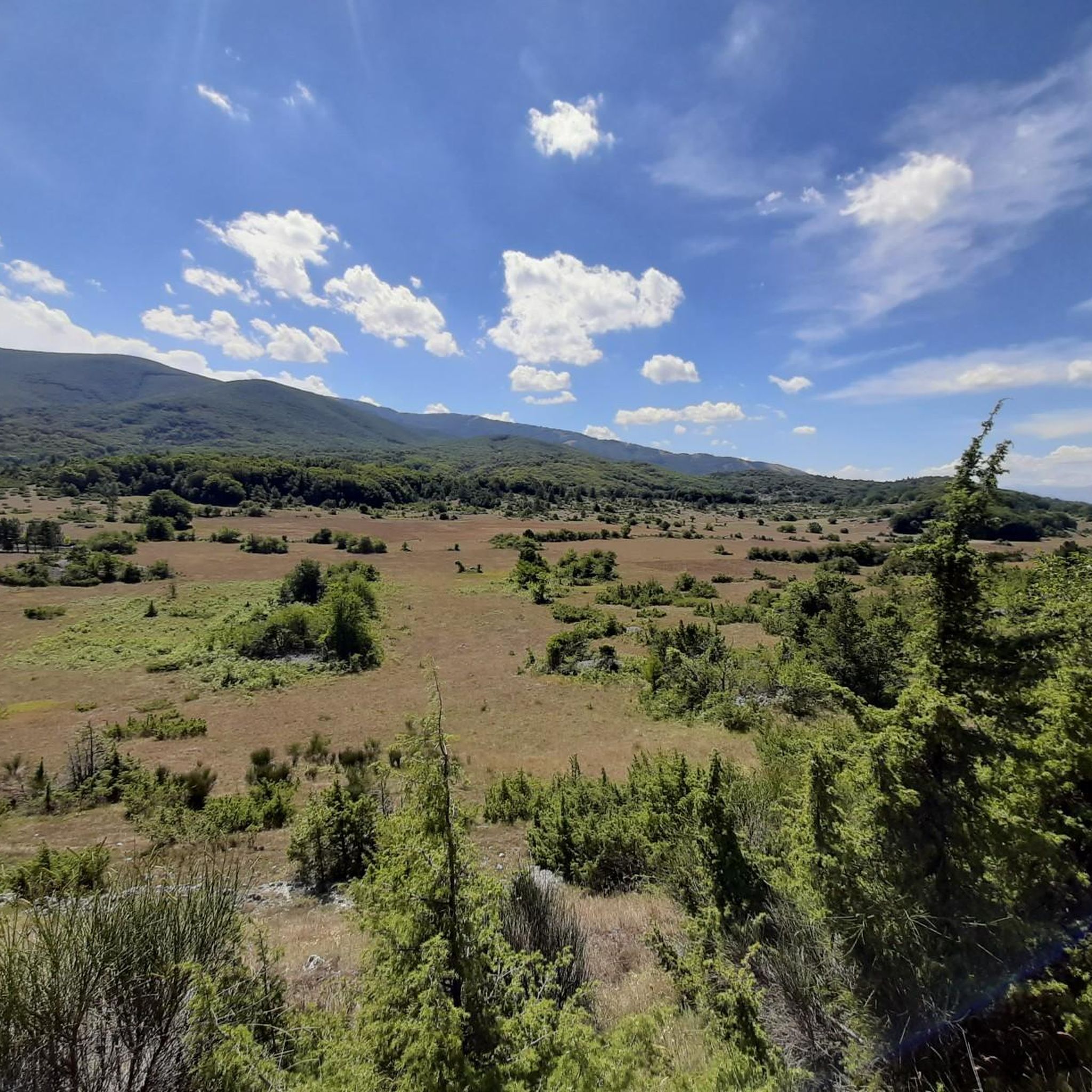
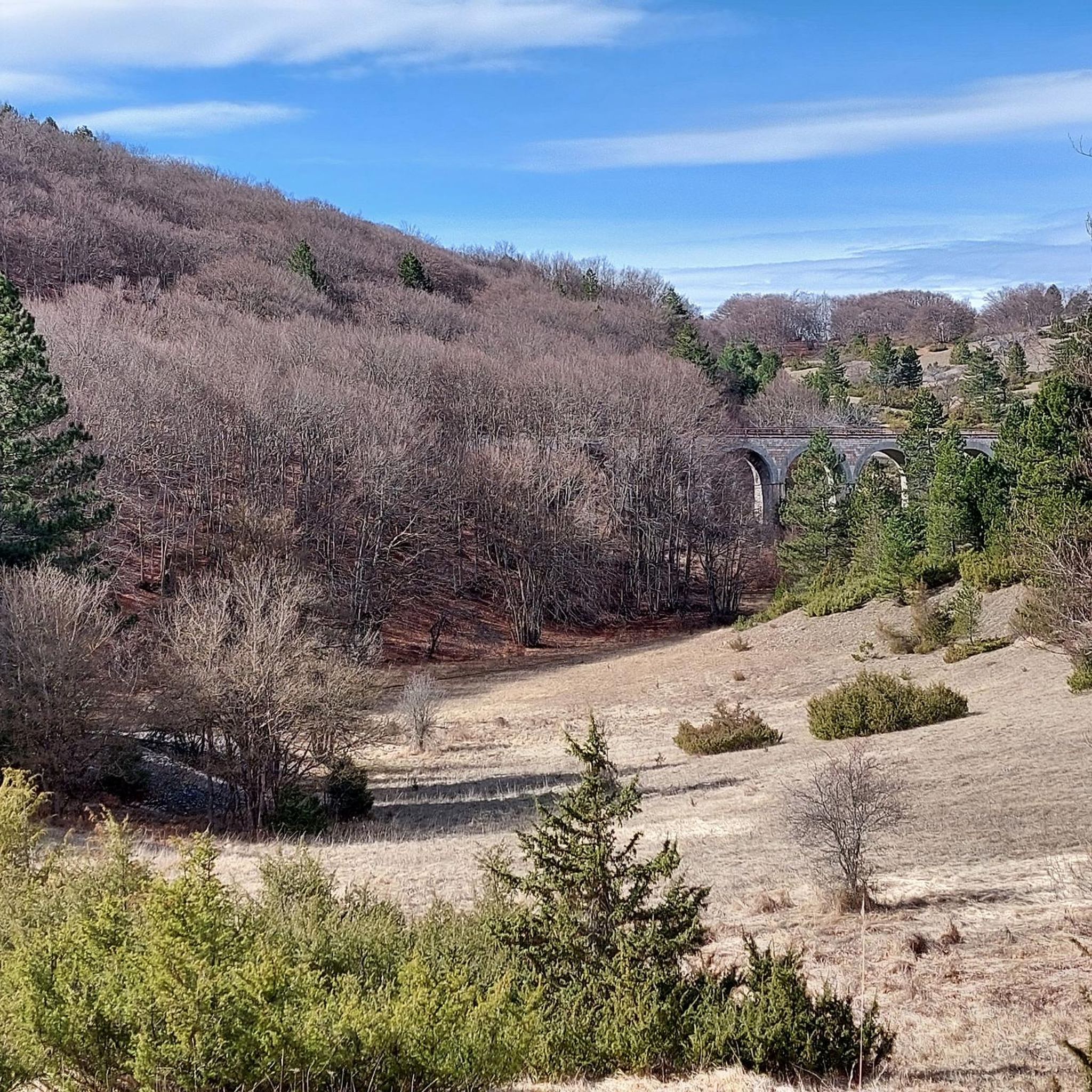
Best natural monuments around Campo Di Giove are situated within the Majella National Park, an area characterized by high mountains and diverse ecosystems. This region offers a landscape rich in woods, paths, and streams, providing varied experiences for outdoor enthusiasts. The natural monuments in and around Campo Di Giove include panoramic mountain passes, forests, and challenging hiking trails.
Best natural monuments around Campo Di Giove
- The most popular natural monument is Passo San Leonardo, a mountain pass located at…
Last updated: April 30, 2026
Passo San Leonardo
Highlight • Mountain Pass
Translated by Google •
Tip by

Majella National Park
Highlight • Natural Monument
Translated by Google •
Tip by
Sign up now to discover places like this
Get recommendations on the best single tracks, peaks, & plenty of other exciting outdoor places.
Sign up for free
Majella National Park
Highlight • Natural Monument
Translated by Google •
Tip by

Bosco di Sant'Antonio
Highlight • Forest
Translated by Google •
Tip by

Monte Amaro Summit
Highlight • Summit
Translated by Google •
Tip by

Sign up for free to discover even more natural monuments around Campo Di Giove.
Sign up for free
Already have an account?
Start today with a free account
Your next adventure awaits.
Login or Signup
Other adventures around Campo Di Giove

Tips from the Community

In the territory of the Majella National Park there is the medieval village of Campo di Giove, home to an information centre.
0
0

I ride with my leg always in shot
1
1

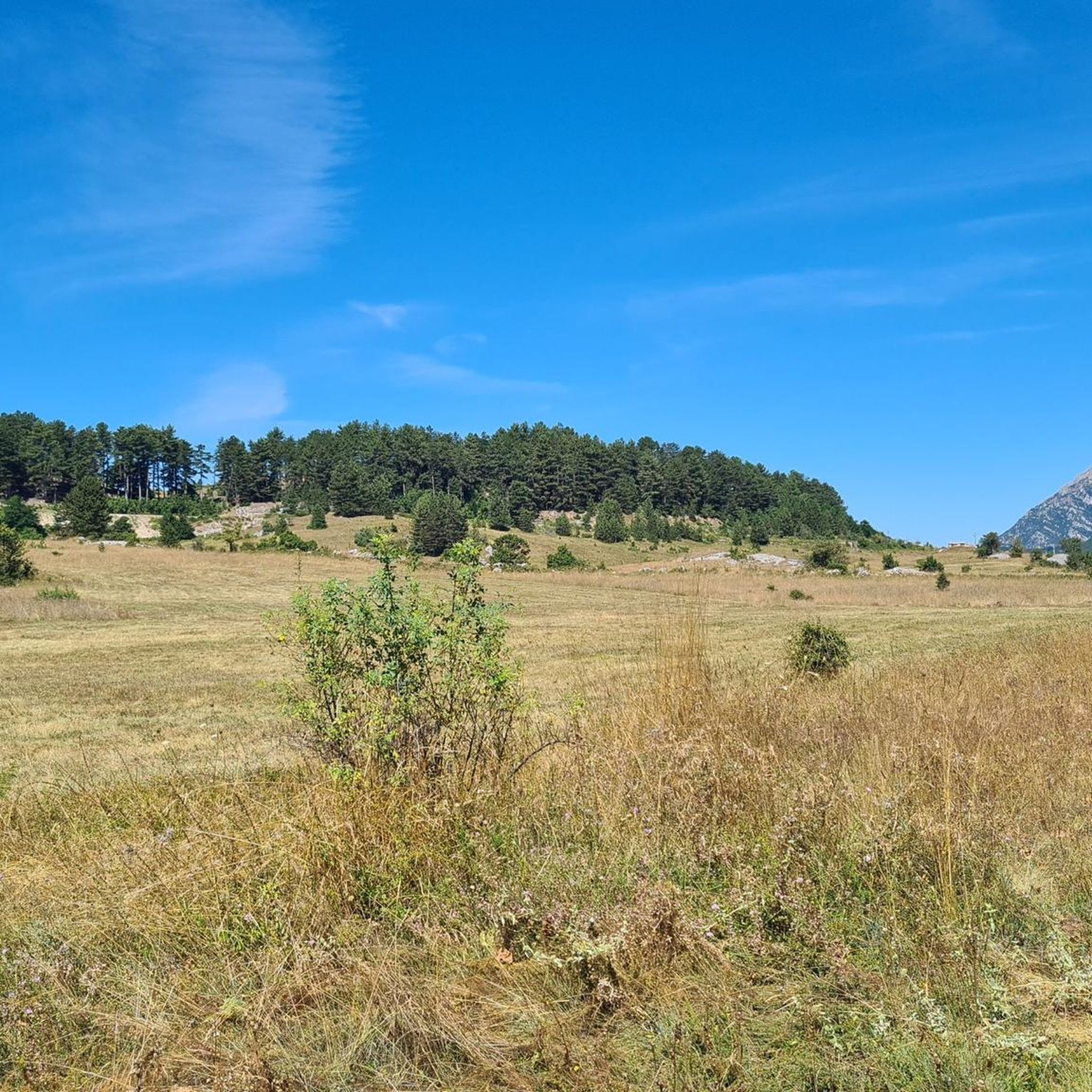
A centenary forest in the heart of the Majella National Park. Especially beautiful in autumn. There are some paths inside the woods of low difficulty, but better done with a MTB.
1
0

The Majella National Park is one of the most important protected areas in Abruzzo. The Majella area is characterized by its high mountains: a large part of the National Park, in fact, exceeds 2,000 meters of altitude.
0
0
Passo San Leonardo is one of the most important passes in Abruzzo, not only for racing bikes but also for MTBs.
2
0
A centenary forest in the heart of the Majella National Park. Especially beautiful in autumn. There are some paths inside the woods of low difficulty.
0
0
The San Leonardo pass, at an altitude of 1,282 metres, connects Pacentro to Sant'Eufemia a Majella. The pass offers wonderful views of the Majella and Mount Morrone. The San Leonardo pass is an excellent base for excursions, among which the so-called direct route that leads to the summit of Monte Amaro stands out. The Orta river flows from the San Leonardo pass.
1
0

The second page of the San Leonardo Pass: Road to Caramanico Terme- San Leonardo- Campo di Giove- Pacentro- San Leonardo- Caramanico Terme. Tourvideo June 2023: https://youtu.be/tBpWiGuon8Q
1
0
Frequently Asked Questions
What are the most popular natural monuments around Campo di Giove?
Visitors frequently enjoy Passo San Leonardo, a mountain pass offering expansive views of the Majella and Mount Morrone. The broader Majella National Park itself is a significant natural monument, known for its high mountains and diverse ecosystems. Another favorite is Bosco di Sant'Antonio, a centenary forest considered a sacred place with paths winding through ancient beech trees.
Are there family-friendly natural monuments or trails in the area?
Yes, Bosco di Sant'Antonio is noted as family-friendly, offering paths of low difficulty through its ancient forest. The Sentiero dell'Orso (Bear Trail) near Ticino Lake is also a good option, being approximately 3.8 km long with a moderate elevation gain, suitable for hikers and featuring a picnic area.
What kind of wildlife can I expect to see in the Majella National Park?
The Majella National Park is rich in biodiversity. It hosts over 78% of the mammal species present in Abruzzo, including the Apennine chamois, Marsican brown bear, and wolves. When climbing Monte Amaro Summit, it's possible to spot Abruzzo chamois, and around September, you might hear the roars of deer.
What outdoor activities can I do near the natural monuments in Campo di Giove?
The area offers a variety of outdoor activities. For hiking, you can explore routes like the 'Campo di Giove – Majella National Park loop' or the 'Campo di Giove – Fondo di Femmina Morta loop'. Cyclists can enjoy road cycling routes such as 'Majella National Park – Passo San Leonardo loop'. Trail running is also popular, with options like the 'Majella National Park loop from Campo di Giove Maiella'. You can find more details on these activities in the hiking, road cycling, and running guides for Campo di Giove.
Are there any unique natural features besides mountains and forests?
Yes, less than a kilometer from Campo di Giove, you'll find Ticino Lake (Lago Ticino). This small, natural lake is significant as the only lentic habitat (inland non-current waters) within the entire Majella National Park, representing a rare natural feature in the Apennines.
What is the best time to visit the natural monuments around Campo di Giove?
The region offers diverse experiences throughout the year. The Bosco di Sant'Antonio is especially beautiful in autumn. In summer, the paths through the beech forest are ideal for walks. Winter offers opportunities for cross-country skiing among the beech trees and on the plateau below, particularly in areas like Bosco di Sant'Antonio.
Are there challenging hikes for experienced trekkers?
Absolutely. Monte Amaro Summit, at 2,793 meters, is the highest peak in the Majella National Park and offers a very demanding climb. The direct route to its summit starts from Passo San Leonardo. Some routes, especially from Fara S. Martino, involve 2,400 meters of altitude difference, suitable only for experts.
Can I bring my dog on trails in the Majella National Park?
While the Majella National Park is a protected area, specific regulations for dogs on trails can vary. It's generally advisable to keep dogs on a leash to protect wildlife and ensure their safety. Always check local signage or park information centers for the most current rules regarding pets on specific trails.
What are the parking options near the natural monuments?
Many natural monuments and trailheads, such as those near Ticino Lake for the Sentiero dell'Orso, typically have designated parking areas. For specific locations like Passo San Leonardo, parking is usually available at the pass itself, serving as a starting point for excursions.
How long should I plan for a visit to the natural monuments?
The duration depends on the monument and activity. A dedicated trail like the Sentiero dell'Orso typically takes around 1 hour and 45 minutes to complete. Exploring the vast Majella National Park could take several days or even a lifetime to fully explore its waterfalls, hermitages, and extensive trail network.
Are there any cafes or restaurants near the natural monuments?
Campo di Giove, being a village nestled within the Majella National Park, offers various amenities including cafes and restaurants. While specific establishments might not be directly adjacent to every natural monument, the village itself provides options for refreshments and meals after your explorations.
What makes the Majella National Park so significant?
The Majella National Park is one of Abruzzo's most important protected areas, with a large portion exceeding 2,000 meters in altitude. Its significance lies in its vast network of over 1,200 km of trails, diverse flora and fauna (including rare species), and its unique geological features, making it a treasure trove of biodiversity and a prime destination for outdoor adventure.
Most popular attractions around Campo Di Giove

Get inspired with the komoot mobile app


Explore more
Extend your search for the best caves by checking out these guides of the top ones around Campo Di Giove:
