Top 9 Natural Monuments around Capranica Prenestina
Best natural monuments around Capranica Prenestina are found within the Prenestini Mountains, a region known for its diverse natural landscapes. This area features significant natural monuments and protected zones, offering a blend of ecological richness and cultural heritage. Visitors can explore ancient forests, high-altitude summits, and valleys recognized for their biodiversity. The natural attractions provide opportunities to experience the varied terrain and unique flora of the Lazio region.
Best natural monuments around Capranica Prenestina
- The most popular natural monuments is…
Last updated: July 25, 2026
Monumental Oak of Pierluigi da Palestrina
Highlight • Natural Monument
Translated by Google •
Tip by

Monte Calo Summit
Highlight • Summit
Translated by Google •
Tip by
Sign up now to discover places like this
Get recommendations on the best single tracks, peaks, & plenty of other exciting outdoor places.
Sign up for free
Valle delle Cannuccete Natural Monument
Highlight • Natural Monument
Translated by Google •
Tip by

San Vittorino Waterfalls
Highlight • Waterfall
Translated by Google •
Tip by

Benedictine Hermitages of San Cosimato
Highlight • Historical Site
Translated by Google •
Tip by

Sign up for free to discover even more natural monuments around Capranica Prenestina.
Sign up for free
Already have an account?
Start today with a free account
Your next adventure awaits.
Login or Signup
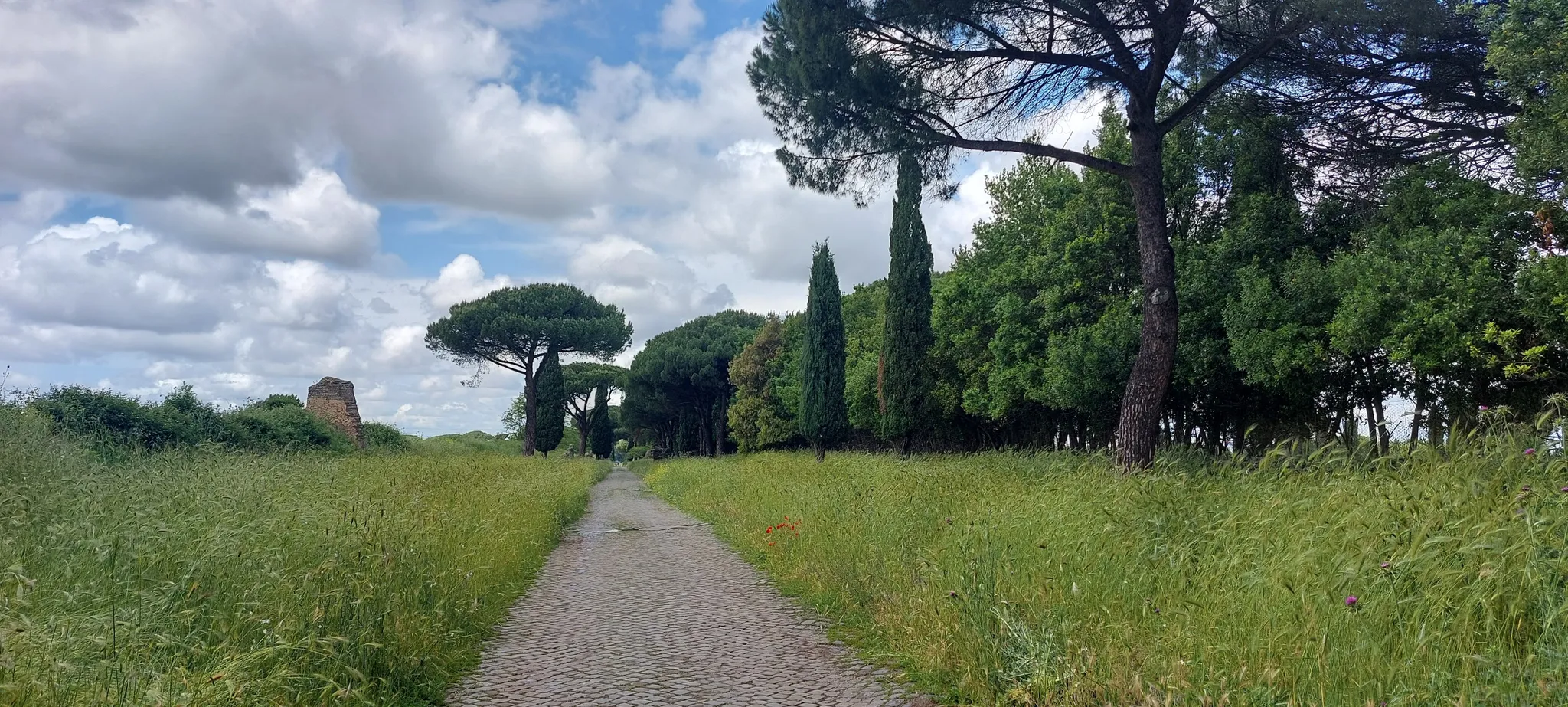
Other adventures around Capranica Prenestina

Tips from the Community

The "Oak of Pierluigi da Palestrina" is a monumental downy oak located in the Cannuccete Valley, in the Prenestini Mountains, not far from Palestrina. This centuries-old tree, over 20 meters tall and with a circumference of over six meters, is considered one of the oldest and most impressive trees in Lazio. It is estimated to be between 500 and 700 years old. According to local tradition, the famous musician Giovanni Pierluigi da Palestrina loved to go to the foot of this oak tree to find inspiration and moments of reflection. Legend has it that the composer meditated and perhaps composed some of his works in the shade of this tree, although these details are not confirmed by historical sources.
0
0
A unique historical and spiritual complex, carved into the rock along the walls of the Aniene valley. These hermitages are linked to the figure of Saint Benedict of Norcia, who stayed there briefly in 503. During his time at San Cosimato, it is said that the monks attempted to poison him, but the vessel containing the poison miraculously shattered when Benedict blessed it with the sign of the cross. The caves, accessible via a staircase carved into the rock, include a rock chapel dedicated to Saint Michael the Archangel, rich in frescoes, and an ossuary. The convent above, built later by Benedictine monks, was dedicated to the saintly doctors Cosma and Damiano. This place combines history, art and spirituality in a suggestive naturalistic context.
0
0

Technical routes, but doable for an intermediate level biker recommended full but also doable in front with a few more jolts absolutely to try
0
0

Take a peek at the Pierluigi Oak, a magnificent tree that is about 500 years old. The tale behind this tree is about Giovanni Pierluigi da Palestrina, a composer from the late 1500s. He enjoyed coming here to contemplate and find inspiration beneath it's shade.
0
0

Beautiful waterfall
1
0

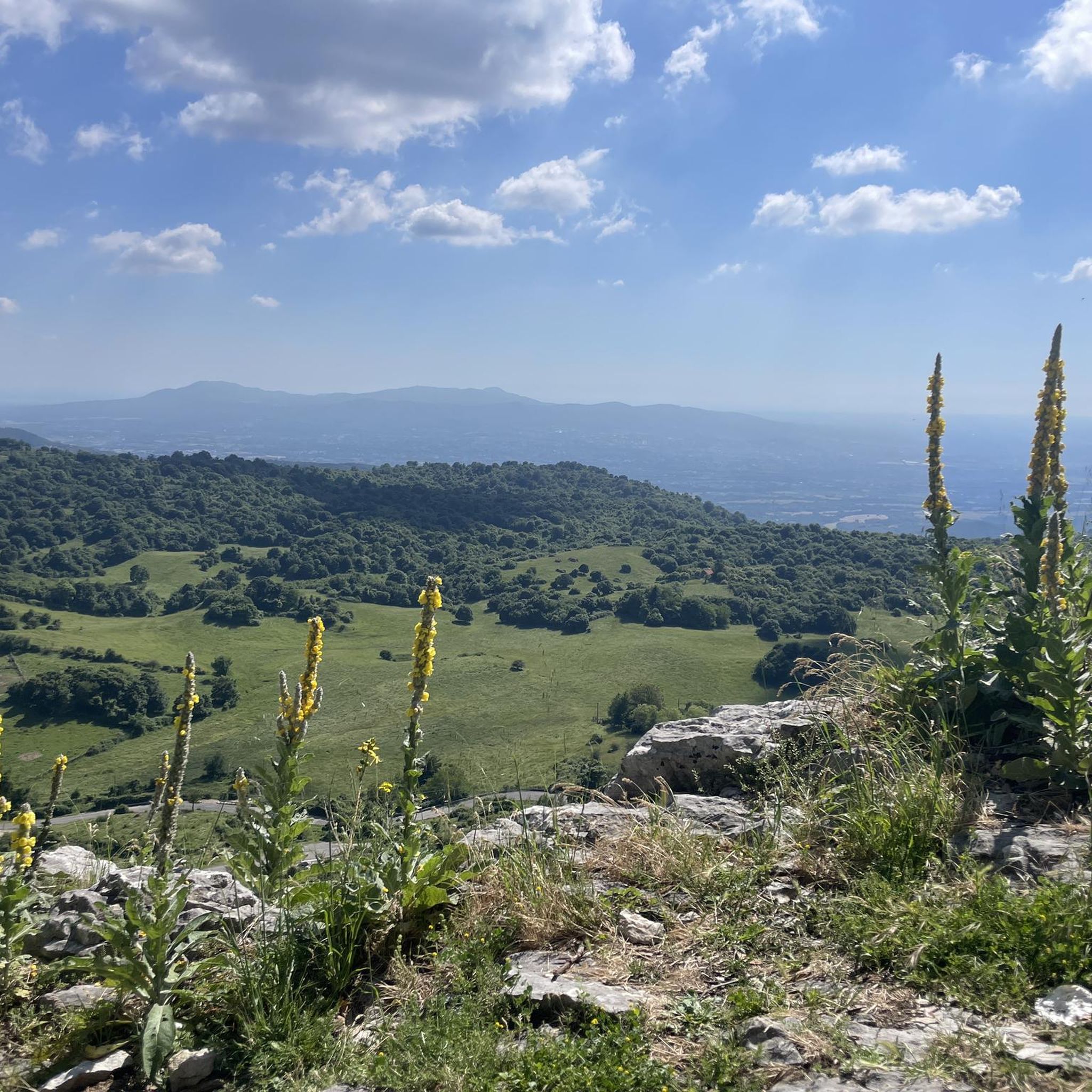
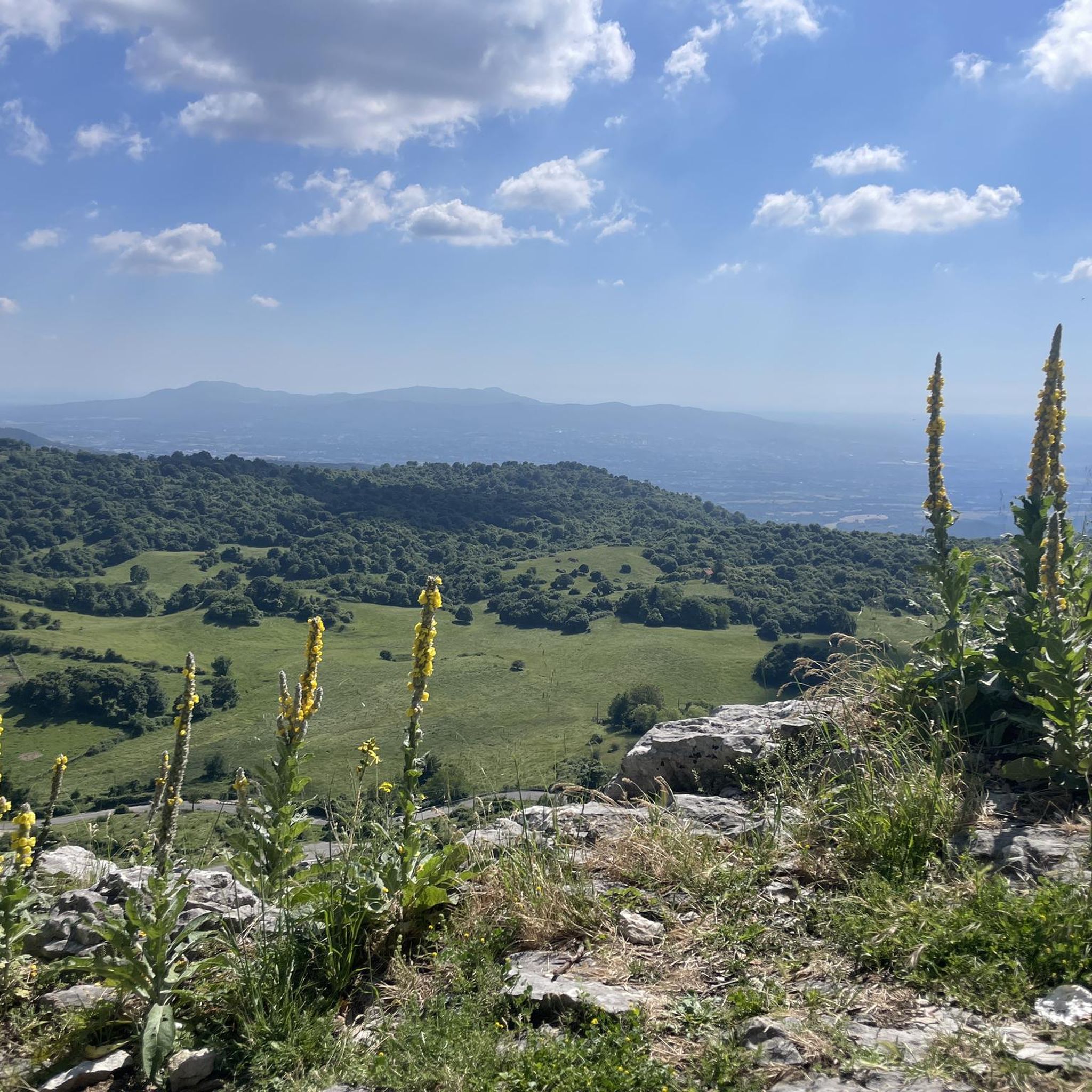
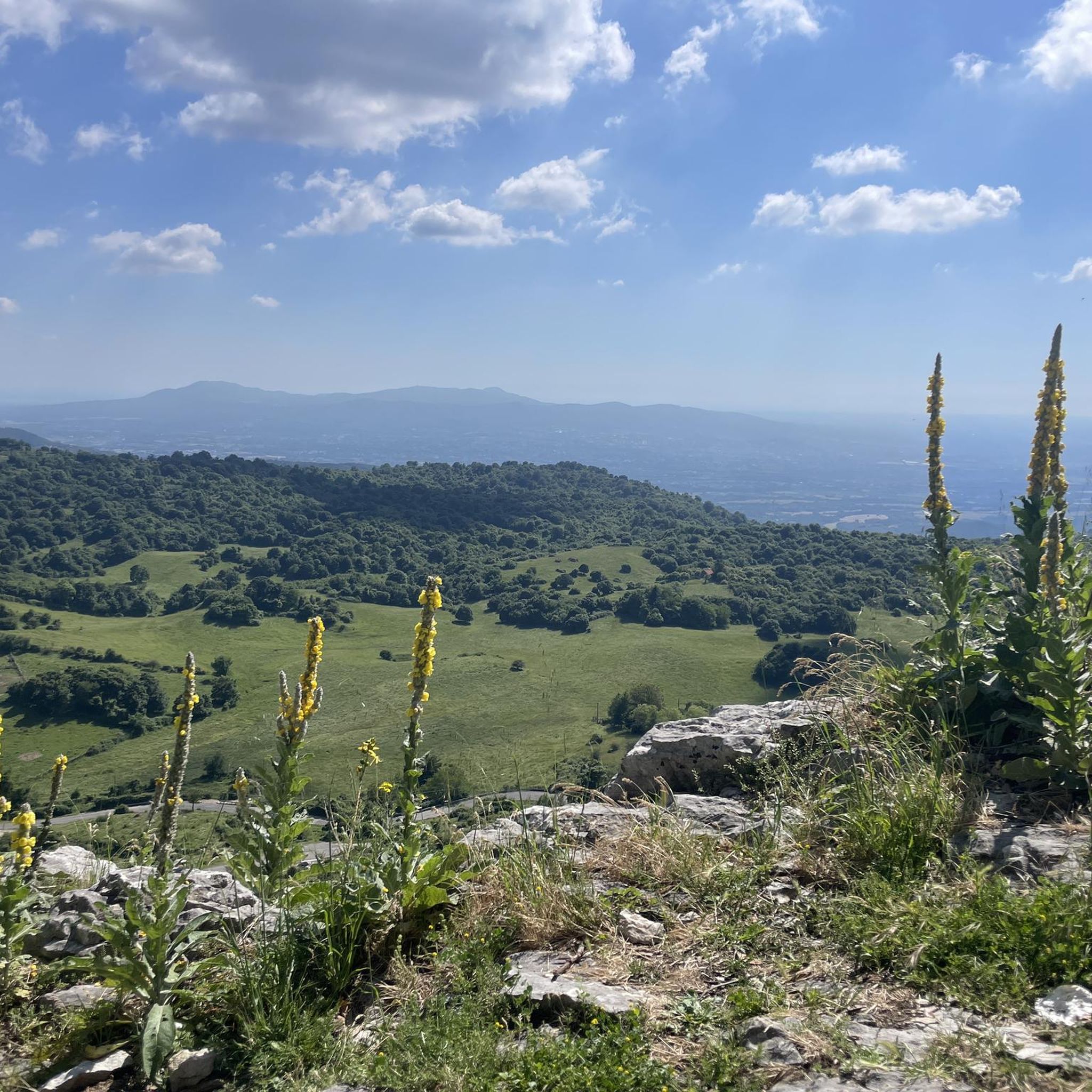
From the modest top of Monte Calo, 1,152 metres, there is a beautiful panorama both towards Rome and towards the rocky walls of Monte Guadagnolo, recognizable by the towering antennas. Easily reachable from Rome, it is a perfect place for a picnic or to see the stars on beautiful summer evenings and enjoy a refreshing refreshment!
4
0
This monumental oak is thought to be at least 500 years old, stands 22 meters tall and has a circumference of approximately six metres. Legend has it that the great sixteenth-century musician Pierluigi da Palestrina went to these woods to draw inspiration for his compositions. It is visible by moving slightly north from the path that runs through the Valle delle Cannuccette.
2
0

If you go down from the village you will have to pass a small gate which indicates private property, but it is open, the important thing is to close it well at each passage. If komoot suggests you go out towards the via crucis, know that there is a difficult gate to climb over.
0
0
Frequently Asked Questions
What are the most popular natural monuments around Capranica Prenestina?
Visitors frequently enjoy the Monte Calo Summit, which offers panoramic views towards Rome and the rocky walls of Monte Guadagnolo. Another highly regarded site is the Valle delle Cannuccete Natural Monument, a protected area recognized by the Lazio Region. The ancient Monumental Oak of Pierluigi da Palestrina, estimated to be at least 500 years old, is also a significant attraction.
What unique natural features can I explore in the Capranica Prenestina area?
Beyond the listed highlights, the region is home to the Monumento Naturale del Castagneto Prenestino, a 166-hectare natural monument featuring centuries-old monumental chestnut trees and high biodiversity. The wider Prenestini Mountains also include the Monte Guadagnolo Special Conservation Zone, known for its dry grasslands, over 35 species of wild orchids, and diverse insect life. You can also discover the San Vittorino Waterfalls, a magical place with steep descents and beautiful cascades.
What is the best time to visit the natural monuments in Capranica Prenestina?
Autumn is ideal for visiting the Monumento Naturale del Castagneto Prenestino, as the chestnut trees display warm, vibrant foliage. Spring is excellent for the Monte Guadagnolo Special Conservation Zone, when the forest floor along trails like the Karol Wojtyła Trail is covered with various wildflowers, and the dry grasslands are rich with wild orchids. Summer evenings are also recommended for Monte Calo Summit to enjoy cooler temperatures and stargazing.
Are there family-friendly natural monuments around Capranica Prenestina?
The Monumento Naturale del Castagneto Prenestino offers walking through heritage chestnut groves with information boards, which can be an engaging experience for families. The trails around Monte Calo Summit are generally accessible and suitable for a family picnic, offering beautiful views without extreme difficulty.
Are the natural monuments around Capranica Prenestina accessible for beginners or those seeking easy paths?
Many paths within the Monumento Naturale del Castagneto Prenestino, particularly the 'Chestnut Loop' trail, are suitable for beginners and offer an easy walk through the groves. The ascent to Monte Calo Summit is also considered easily reachable, making it a good option for those seeking less strenuous routes while still enjoying panoramic views.
What kind of wildlife can I spot near the natural monuments?
The Monte Guadagnolo Special Conservation Zone is particularly rich in biodiversity. Here, you might spot over 35 species of wild orchids, numerous butterflies, moths, grasshoppers, spiders, and wild bees. The Monumento Naturale del Castagneto Prenestino also boasts high biodiversity, supporting various species within its ancient forest ecosystem.
Are there any historical or cultural sites integrated with the natural monuments?
Yes, the Monumento Naturale del Castagneto Prenestino features ancient small houses historically used for drying 'Mosciarelle,' the sweet chestnuts typical of the area, offering a glimpse into local traditions. Additionally, the Benedictine Hermitages of San Cosimato, carved into rock along the Aniene valley, combine historical and spiritual significance within a suggestive naturalistic context.
What outdoor activities can I do near the natural monuments in Capranica Prenestina?
The area offers a variety of outdoor activities. You can enjoy hiking through mountaintop meadows and sparse pine forests, especially in the Monte Guadagnolo Special Conservation Zone. Mountain biking is also popular, with technical routes available in areas like the Valle delle Cannuccete Natural Monument. For more detailed route options, explore the guides for Hiking around Capranica Prenestina, Road Cycling Routes around Capranica Prenestina, and Cycling around Capranica Prenestina.
Are there hiking trails suitable for different skill levels near these natural monuments?
Yes, there are hiking trails for various skill levels. For moderate hikes, consider the 'Guadagnolo for Monte Vincenzo' ring tour or the 'Capranica Prenestina – Monte Calo Summit loop'. More challenging routes include the 'Capranica Prenestina – Monte Cerella loop'. You can find detailed information and more options in the Hiking around Capranica Prenestina guide.
What do visitors particularly enjoy about the natural monuments in Capranica Prenestina?
Visitors appreciate the beautiful panoramas, especially from Monte Calo Summit, which is described as a perfect spot for picnics or stargazing. The San Vittorino Waterfalls are noted as a 'magical place,' despite being a bit challenging to find. The ancient and impressive nature of the Monumental Oak of Pierluigi da Palestrina also captivates many.
Are there viewpoints offering panoramic vistas?
Absolutely. Monte Calo Summit, at 1,152 meters, provides a beautiful panorama towards Rome and the rocky walls of Monte Guadagnolo. The Monte Guadagnolo Special Conservation Zone itself, being the highest inhabited center in Lazio, offers 360-degree panoramic views of the surrounding terraced hillsides, villages, and even Rome and Palestrina on clear days.
Is public transport available to reach the natural sites around Capranica Prenestina?
While Capranica Prenestina is a charming village, direct public transport options to the more remote natural monuments can be limited. It is generally recommended to use a car to access many of these sites, especially those further into the Prenestini Mountains. For specific routes and accessibility, it's advisable to check local transport schedules or consider driving.
Where can I find parking for the natural monuments in Capranica Prenestina?
Parking availability varies by site. For the Monumento Naturale del Castagneto Prenestino, there are usually designated parking areas near the trailheads. For summits like Monte Calo Summit or areas within the Monte Guadagnolo Special Conservation Zone, parking can often be found at the start of popular hiking routes or near small villages. It's best to research specific starting points for your chosen monument.
Most popular routes around Capranica Prenestina
Most popular attractions around Capranica Prenestina

Get inspired with the komoot mobile app


Explore more
Extend your search for the best caves by checking out these guides of the top ones around Capranica Prenestina:
