Top 6 Natural Monuments around Rocca Di Cave
Best natural monuments around Rocca Di Cave offer a journey into the Earth's ancient past, notably featuring the Regional Natural Monument of the Cretaceous Fossil Cliff. This significant geological site spans approximately 1.5 kilometers, showcasing stratified cliffs with fossilized marine animals from a tropical sea that existed one hundred million years ago. The area provides insights into ancient marine life and geological history, with panoramic views from Rocca Colonna extending across the Apennines and Roman countryside. Visitors can explore diverse…
Last updated: May 31, 2026
Monumental Oak of Pierluigi da Palestrina
Highlight • Natural Monument
Translated by Google •
Tip by

Monte Calo Summit
Highlight • Summit
Translated by Google •
Tip by
Sign up now to discover places like this
Get recommendations on the best single tracks, peaks, & plenty of other exciting outdoor places.
Sign up for free
Valle delle Cannuccete Natural Monument
Highlight • Natural Monument
Translated by Google •
Tip by

Statue of the Redeemer, Carpineto Romano
Highlight • Monument
Translated by Google •
Tip by

Falesia Cliff and Old Chicken Houses
Highlight • Climb
Tip by

Sign up for free to discover even more natural monuments around Rocca Di Cave.
Sign up for free
Already have an account?
Start today with a free account
Your next adventure awaits.
Login or Signup

Tips from the Community

The "Oak of Pierluigi da Palestrina" is a monumental downy oak located in the Cannuccete Valley, in the Prenestini Mountains, not far from Palestrina. This centuries-old tree, over 20 meters tall and with a circumference of over six meters, is considered one of the oldest and most impressive trees in Lazio. It is estimated to be between 500 and 700 years old. According to local tradition, the famous musician Giovanni Pierluigi da Palestrina loved to go to the foot of this oak tree to find inspiration and moments of reflection. Legend has it that the composer meditated and perhaps composed some of his works in the shade of this tree, although these details are not confirmed by historical sources.
0
0

Technical routes, but doable for an intermediate level biker recommended full but also doable in front with a few more jolts absolutely to try
0
0

Take a peek at the Pierluigi Oak, a magnificent tree that is about 500 years old. The tale behind this tree is about Giovanni Pierluigi da Palestrina, a composer from the late 1500s. He enjoyed coming here to contemplate and find inspiration beneath it's shade.
0
0
Walking up the path, one finds oneself below a Falesia, a huge rock formation, in the eastern part of the village. It is a special place, used by hikers and climbers alike. Along the way are some small buildings that were once used as chicken houses.
0
0

Fairly sized statue on equally notable sized base, visible from several kilometres
0
0

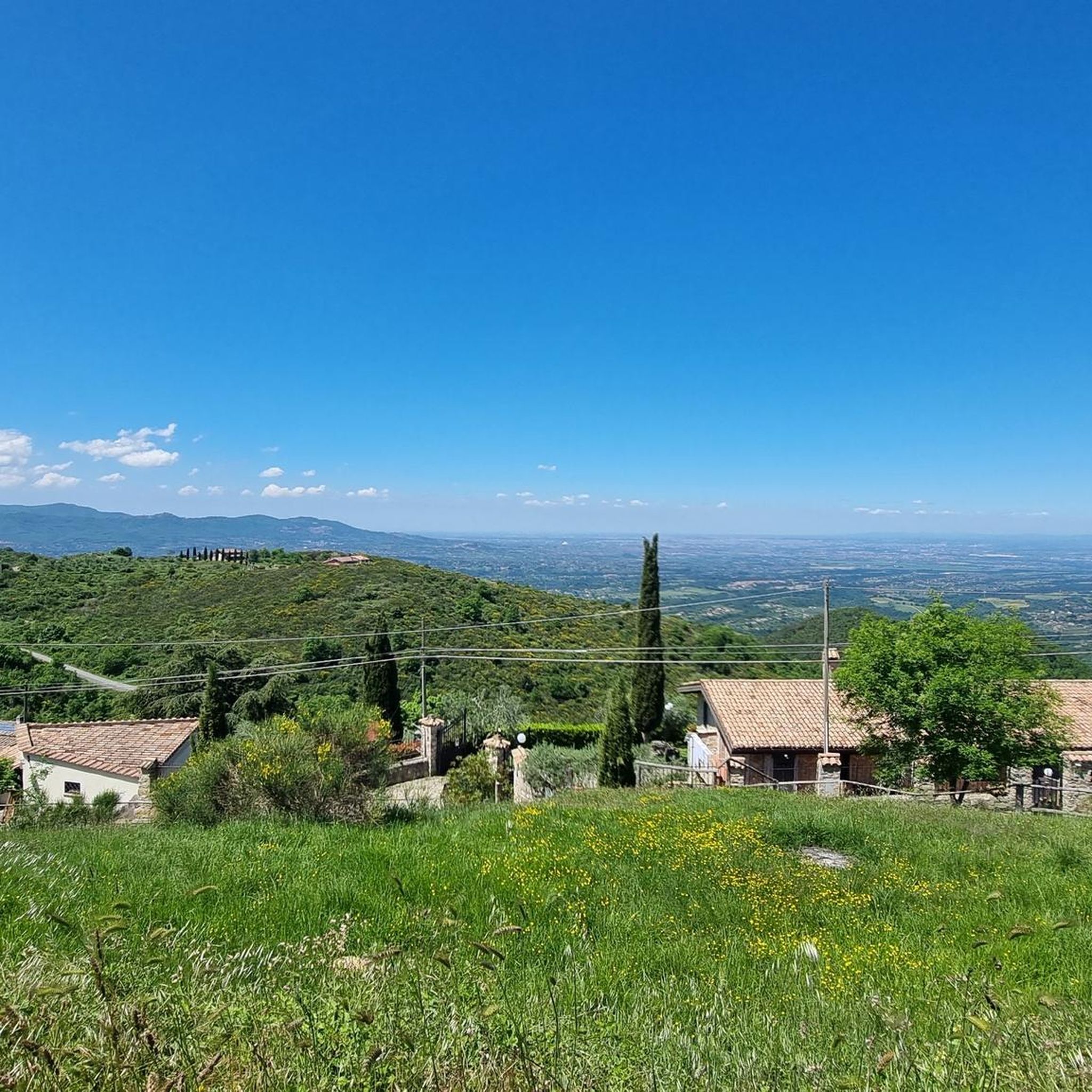
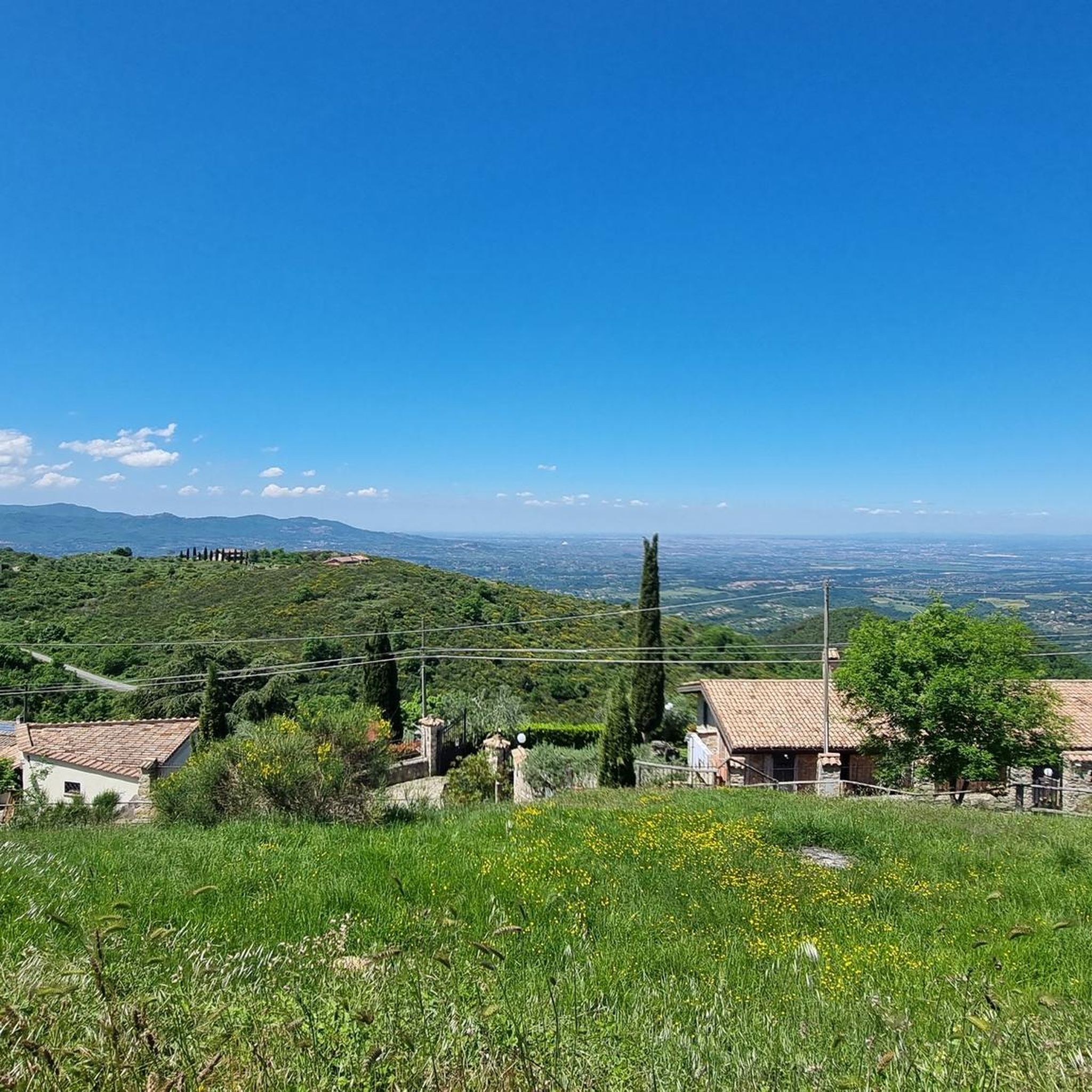
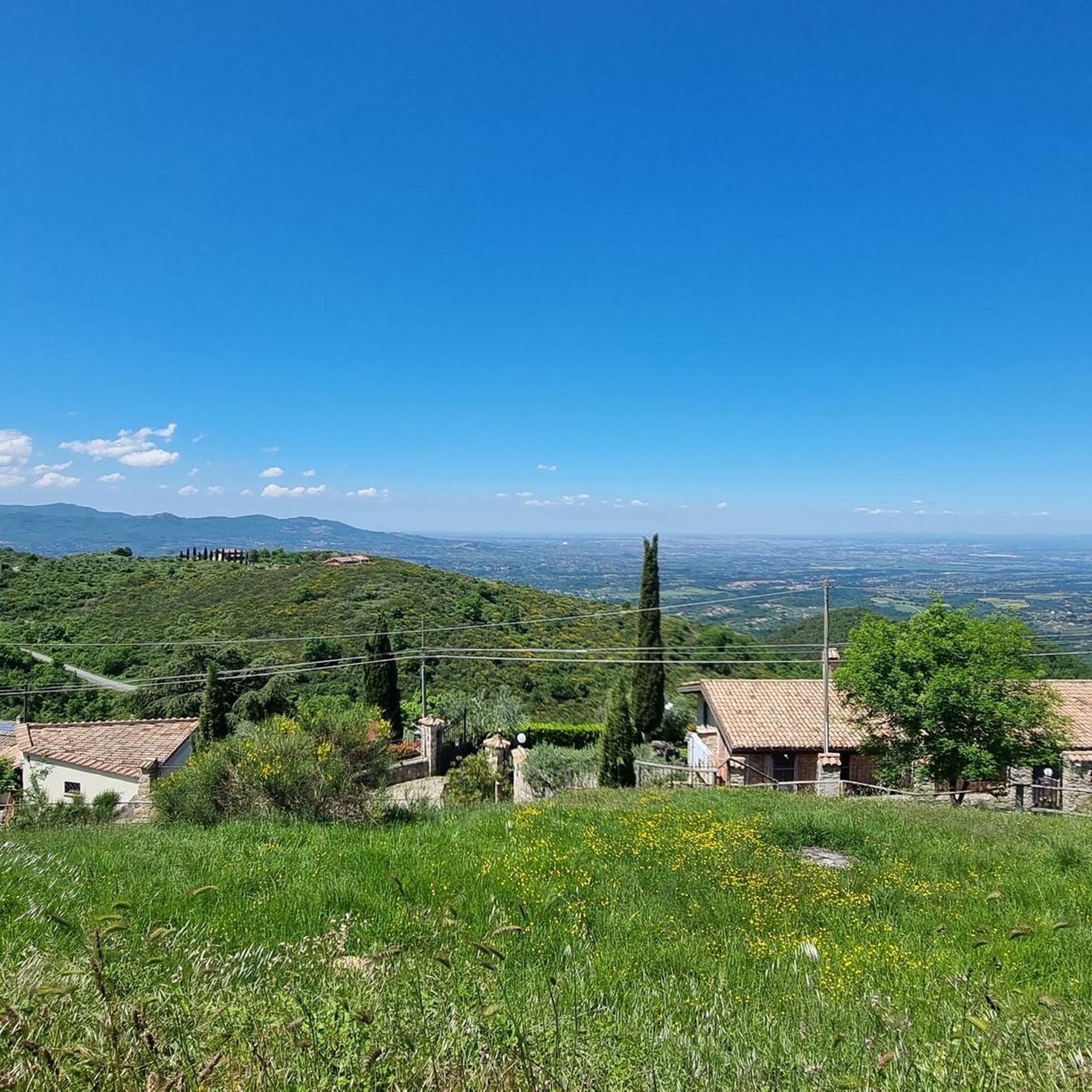
From the modest top of Monte Calo, 1,152 metres, there is a beautiful panorama both towards Rome and towards the rocky walls of Monte Guadagnolo, recognizable by the towering antennas. Easily reachable from Rome, it is a perfect place for a picnic or to see the stars on beautiful summer evenings and enjoy a refreshing refreshment!
4
0
This monumental oak is thought to be at least 500 years old, stands 22 meters tall and has a circumference of approximately six metres. Legend has it that the great sixteenth-century musician Pierluigi da Palestrina went to these woods to draw inspiration for his compositions. It is visible by moving slightly north from the path that runs through the Valle delle Cannuccette.
2
0

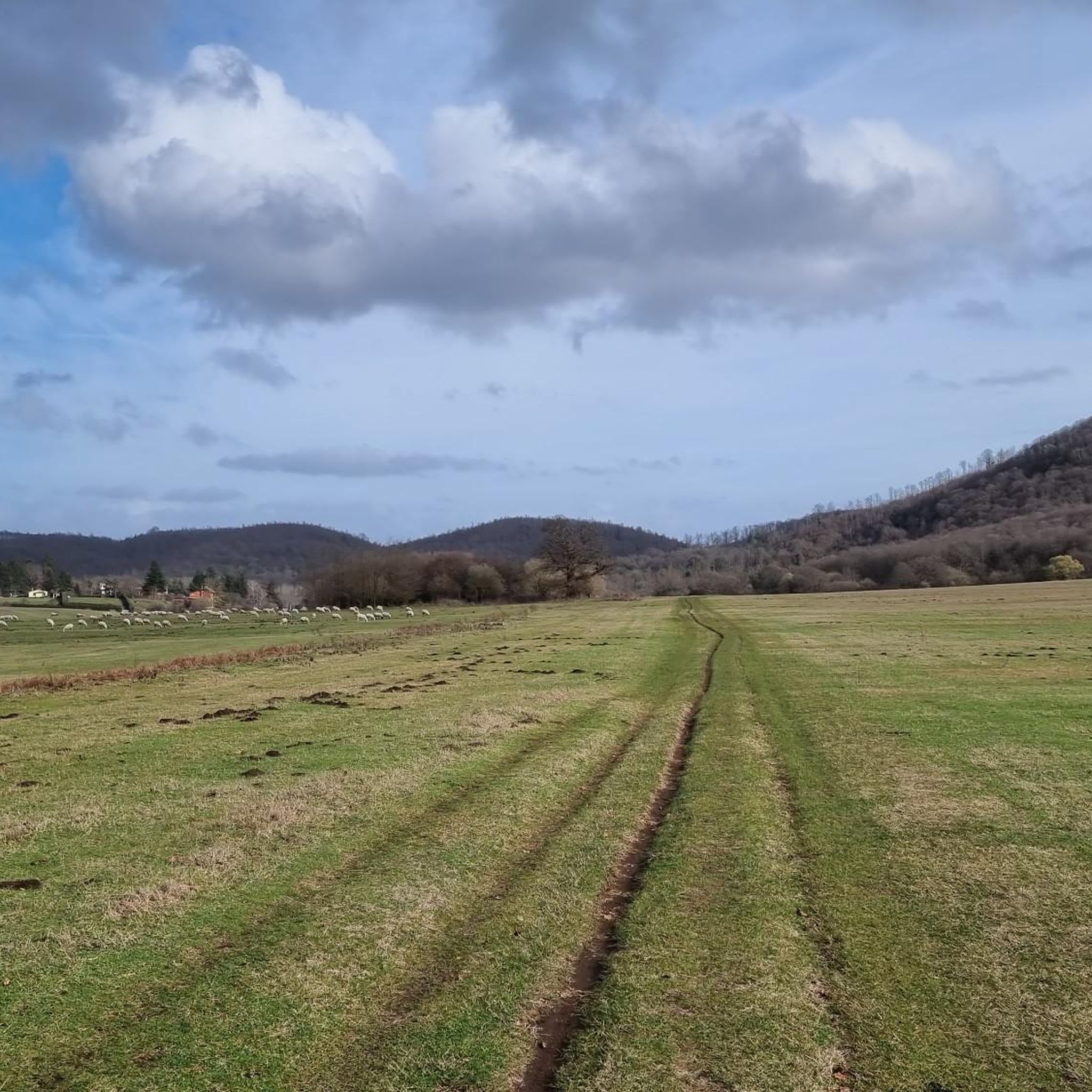
The Cannucceta Valley is a protected natural area, declared a Natural Monument by the Lazio Region.
0
0
Frequently Asked Questions
What is the primary natural monument to visit in Rocca di Cave?
The most prominent natural monument is the Regional Natural Monument of the Cretaceous Fossil Cliff. This site offers a unique geological-naturalistic itinerary spanning approximately 1.5 kilometers, where you can observe stratified cliffs containing fossilized marine animals from a tropical sea that existed around one hundred million years ago.
What other significant natural monuments can I explore around Rocca di Cave?
Beyond the Fossil Cliff, you can visit the Monumental Oak of Pierluigi da Palestrina, an ancient tree estimated to be 500-700 years old. Another notable area is the Valle delle Cannuccete Natural Monument, a protected natural area, and the Monte Calo Summit, which offers panoramic views.
What kind of geological features and ancient history can I expect to see?
The region is rich in geological history, primarily showcased by the Cretaceous Fossil Cliff. Here, you'll find rare examples of stratified geological cliffs with well-preserved marine fossils, including small mollusks, sea urchins, and corals. These provide a tangible connection to a tropical sea that thrived in the area millions of years ago.
Are there any historical or cultural connections to the natural monuments?
Yes, the Cretaceous Fossil Cliff serves as an open-air extension of the "Ardito Desio Geopaleontological Museum," located within the 9th-century Rocca Colonna fortress. The museum houses collections linked to the territory, including information about "Tito," the first Italian sauropod dinosaur. Additionally, the Monumental Oak of Pierluigi da Palestrina is steeped in local legend, said to be a place where the famous musician found inspiration.
What are the best viewpoints around Rocca di Cave's natural monuments?
For spectacular panoramic views, head to the Rocca Colonna fortress. From there, you can see across the Apennines to the Colli Albani, the Roman countryside, and the Pontine plain. The Monte Calo Summit also provides beautiful vistas towards Rome and Monte Guadagnolo.
Are there hiking or walking trails to explore the natural monuments?
Yes, the Regional Natural Monument of the Cretaceous Fossil Cliff features a dedicated 1.5-kilometer geological itinerary. The Valle delle Cannuccete Natural Monument also contains trails, including those leading to the ancient oak tree. You can find various running trails around Rocca di Cave, such as the Palestrina - Guadagnolo Trail Loop, which can be explored further in the Running Trails around Rocca Di Cave guide.
Are the natural monuments around Rocca di Cave suitable for families?
Many of the natural monuments are suitable for families. The 1.5-kilometer itinerary at the Cretaceous Fossil Cliff is an accessible route for exploring ancient formations. The Monumental Oak of Pierluigi da Palestrina and the Valle delle Cannuccete Natural Monument offer engaging natural settings for children to explore.
What outdoor activities can I do near the natural monuments?
Besides hiking and walking, the area around Rocca di Cave offers opportunities for cycling. You can explore various routes for gravel biking, such as those detailed in the Gravel biking around Rocca Di Cave guide, or road cycling, with options available in the Road Cycling Routes around Rocca Di Cave guide.
What is the best time to visit the natural monuments in Rocca di Cave?
The region can be enjoyed throughout the year. Spring and autumn generally offer pleasant temperatures for exploring the outdoor trails and geological sites. Summer evenings at the Monte Calo Summit are particularly recommended for stargazing and enjoying a cool refreshment.
Is there an astronomical observatory near the natural monuments?
Yes, the Rocca Colonna fortress, which also houses the Ardito Desio Geopaleontological Museum, features an astronomical observatory. This offers visitors a chance to explore another natural wonder: the night sky.
Where can I find more information about the Cretaceous Fossil Cliff and Rocca di Cave?
For additional details about the Cretaceous Fossil Cliff and the broader Rocca di Cave area, you can visit the official tourism website of Lazio. Specifically, you might find more information at visitlazio.com and visitlazio.com.
Most popular attractions around Rocca Di Cave

Get inspired with the komoot mobile app


Explore more
Extend your search for the best caves by checking out these guides of the top ones around Rocca Di Cave:
