Top 20 Natural Monuments around San Gennaro Vesuviano
Best natural monuments around San Gennaro Vesuviano are primarily defined by the region's close proximity to Vesuvius National Park. This area, located in the Metropolitan City of Naples, is characterized by its volcanic landscape and fertile soil. The natural heritage is shaped by Mount Vesuvius, an active volcano that dominates the local environment. The park safeguards unique geological features and diverse ecosystems.
Best natural monuments around San Gennaro Vesuviano
- The most popular natural monuments is Crater of Mount Vesuvius,…
Last updated: May 15, 2026
Crater of Mount Vesuvius
Highlight • Volcano
Translated by Google •
Tip by

Cognoli Summit and Valle dell'Inferno
Highlight • Summit
Translated by Google •
Tip by

Sign up now to discover places like this
Get recommendations on the best single tracks, peaks, & plenty of other exciting outdoor places.
Sign up for free
Grotta Fissure
Highlight (Segment) • Cave
Translated by Google •
Tip by

Largo Angelo Prisco Memorial
Highlight • Monument
Translated by Google •
Tip by
Grotta Boscariello
Highlight • Cave
Translated by Google •
Tip by
Sign up for free to discover even more natural monuments around San Gennaro Vesuviano.
Sign up for free
Already have an account?
Start today with a free account
Your next adventure awaits.
Login or Signup

Tips from the Community

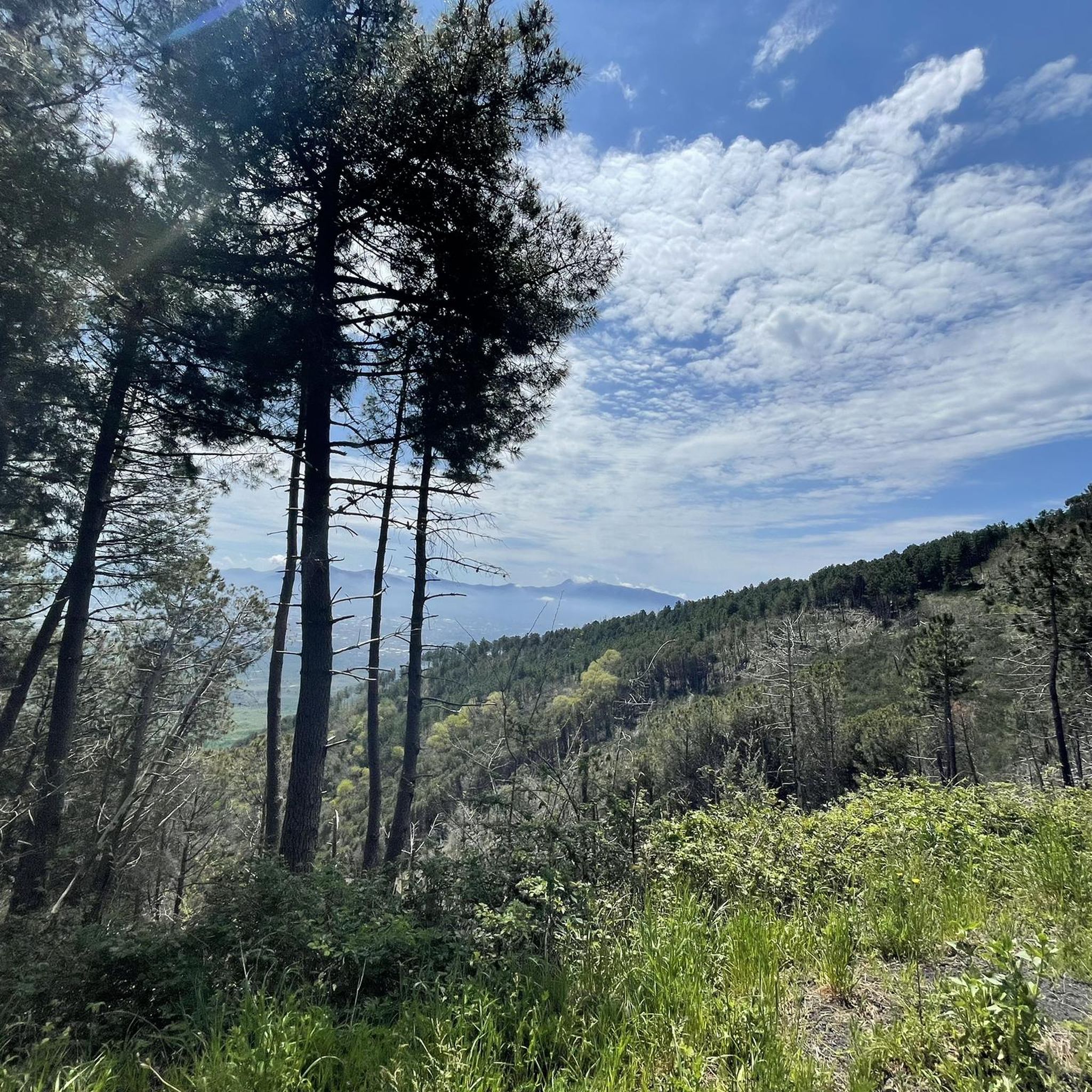
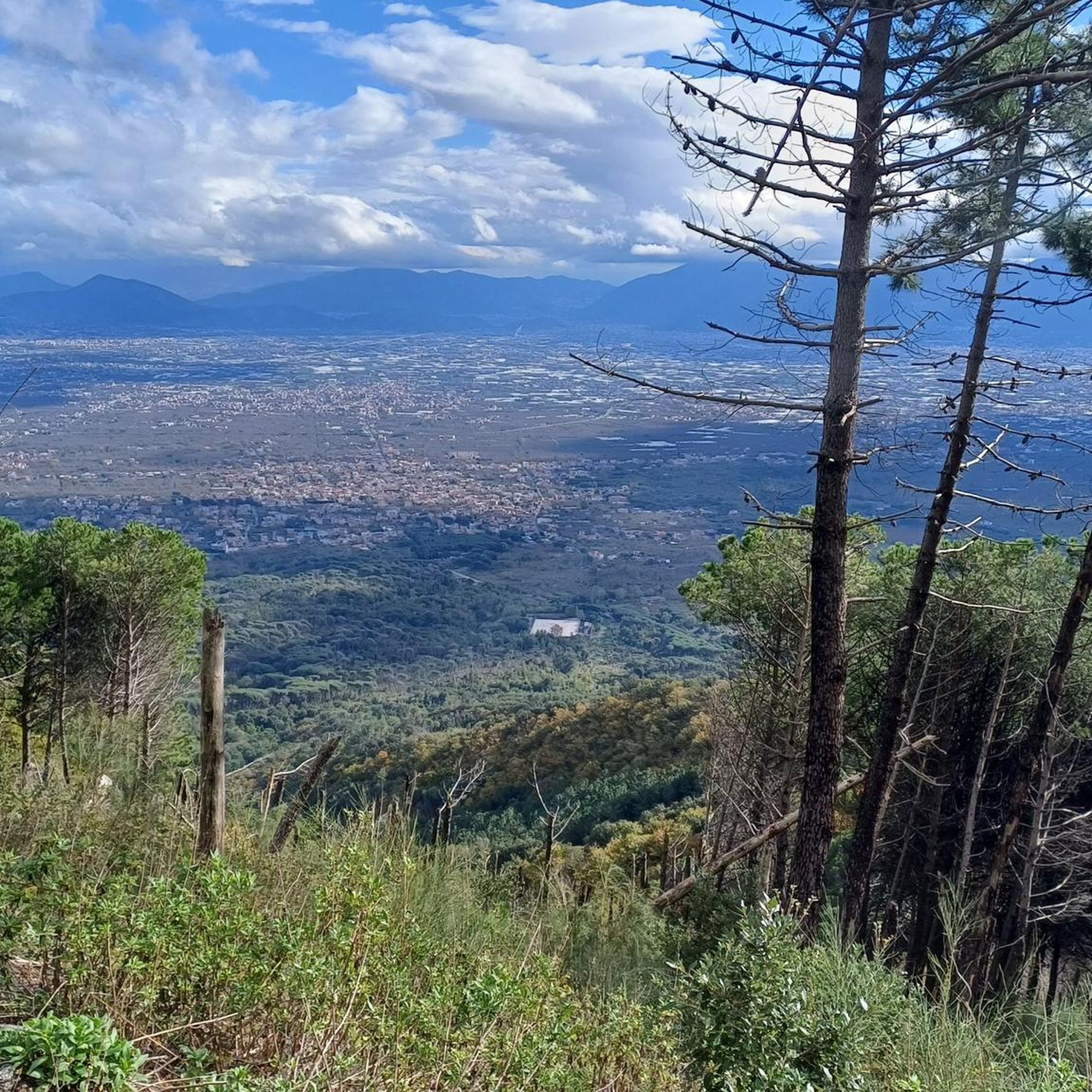
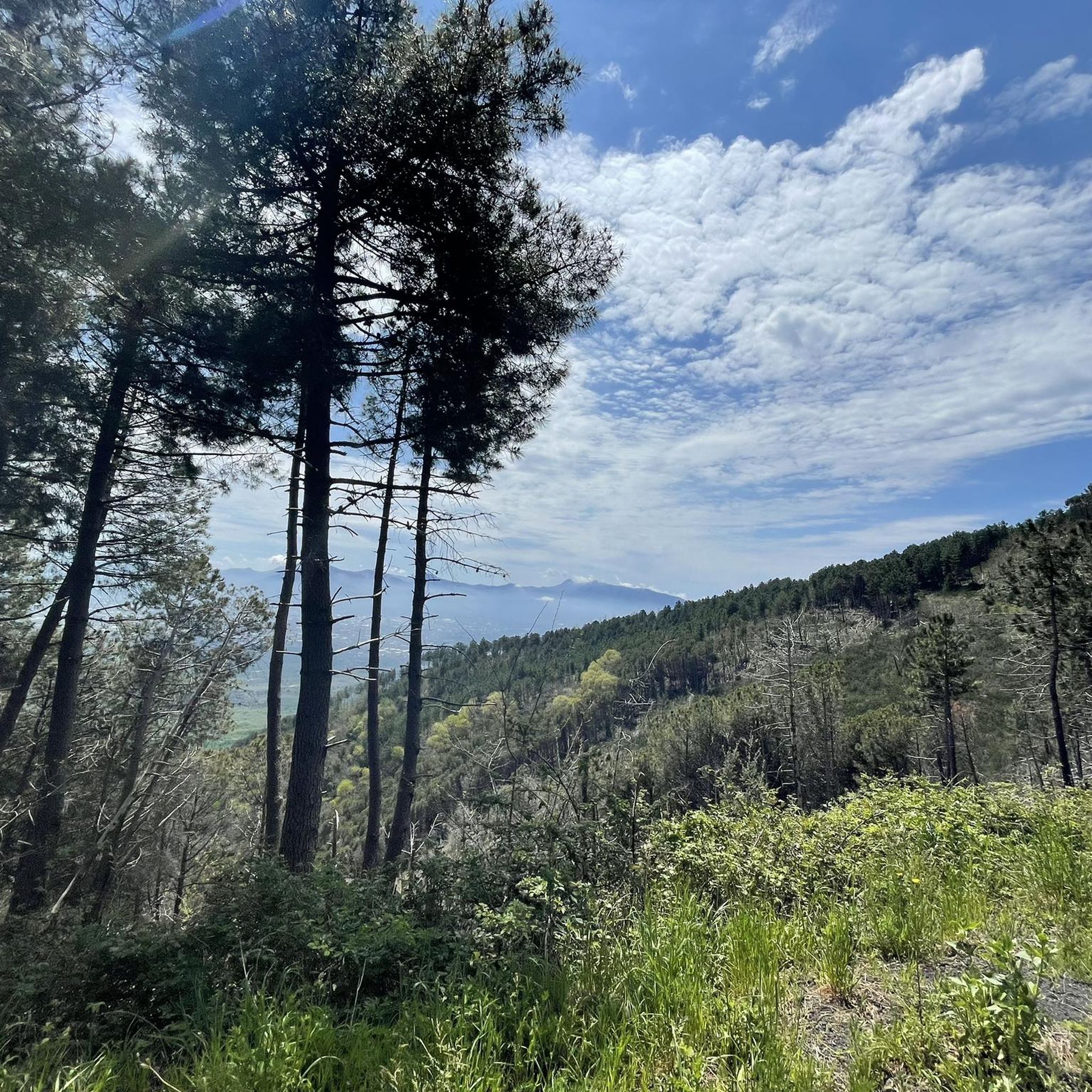
The very panoramic itinerary allows you to enjoy the most suggestive and wild scenery of Somma-Vesuvius, crossing forest environments, scrubland up to bare lava rock. The starting point is located along the road that from the Medici Palace of Ottaviano continues towards the volcanic complex. A barrier prohibiting vehicular traffic marks the beginning of the route, the first stretch of the path, common with path no. 1, winds along asphalted hairpin bends, and then turns into a dirt path. The plant landscape consists initially of a thick pine forest of stone pine and then in a mesophilous forest, with essences such as chestnut, Neapolitan alder, Neapolitan maple, holm oak, black locust. Among the nesting birds, the minute lesser spotted woodpecker, rare and localized in Campania, has only recently colonized the Vesuvius Park. After more than 1 km of walking on a steep climb you reach Largo Angelo Prisco dedicated to the young financier murdered by poachers in 1995 which represents the closest destination. From the Largo, path no. 1 branches off to the left, while the itinerary continues on the right on a slight climb, entering, between twists and turns, into a shady chestnut grove where the numerous species of mushrooms present give off an intense and pleasant fragrance.
0
0

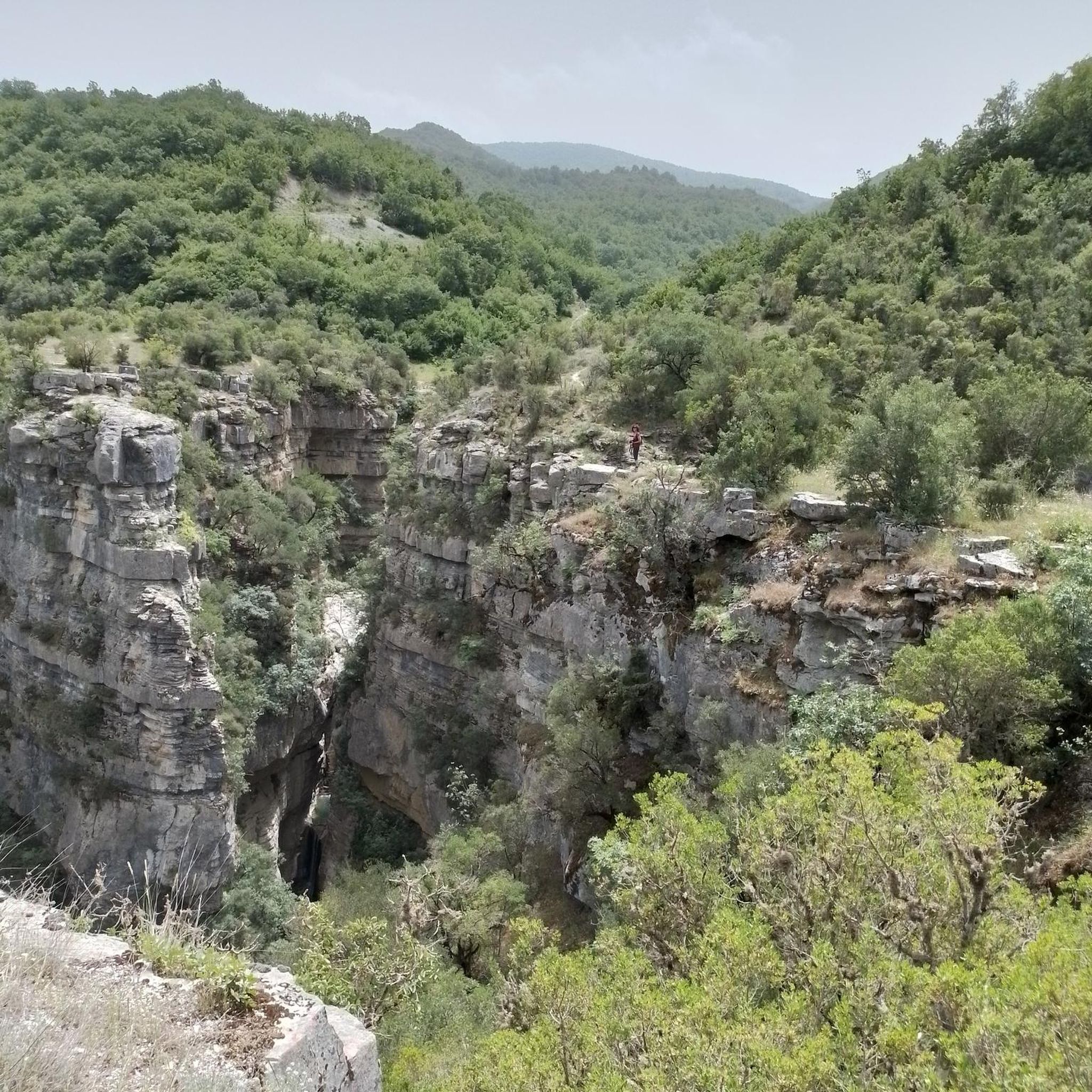
Definitely not accessible by bike, at least not at this time of year. The path is completely overgrown, and even on foot it was barely passable. But the grotto is worth the effort!
0
0

The volcano symbol of the city of Naples, is still active, its last eruption dates back to 79 years ago.
0
0

An exciting walk in the heart of nature
12
0

Boscariello cave. Challenging, but not impossible, the gathering brought a cheerful snake of Bikers up, through trees and bushes, along the slopes of Monte Sant'Angelo, to the large cave (142 meters high, surveyed by CAI in the 1970s) The cave has an uncontaminated and primordial aspect, with a large and deep room (sixty-three meters of planimetric development and thirty-one of depth). The beautiful panorama you can enjoy ranges from Vesuvius to Capri and embraces the whole territory https://www.sciscianonotizie.it/grotta-del-boscariello-alla-ricerca-del-tesoro-del-brigante-in-centinaia-alla-passeggiata-creaviva/
11
0
A huge 60-meter-long cave that climbs up to huddle on the bottom with a drop of 31 meters. The floor is covered with material from the collapses, in the center of the main room there is a large chasm that brings light into the cave.
11
0
The clearing commemorates the homonymous financier murdered by poachers in 1995. From this small clearing created between gorse and conifers, the plaque dedicated to the memory of Priscus marks the point of separation between the two paths 1 and 2.
20
0
Frequently Asked Questions
What are the primary natural monuments near San Gennaro Vesuviano?
The most significant natural monument near San Gennaro Vesuviano is the Vesuvius National Park. This protected area encompasses Mount Vesuvius and its surrounding territories, offering unique geological features, diverse ecosystems, and breathtaking views. Key highlights within the park include the Crater of Mount Vesuvius, Cognoli Summit and Valle dell'Inferno, and Grotta Fissure.
What makes the natural monuments around San Gennaro Vesuviano unique?
The natural monuments in this region are unique due to their direct connection to Mount Vesuvius, an active volcano. This volcanic activity has shaped the landscape, creating distinctive geological formations, fertile soil, and a resilient biodiversity. Visitors can experience the thrill of exploring an active volcano's crater and witness the ecological succession on cooled lava flows.
Are there hiking opportunities within Vesuvius National Park near San Gennaro Vesuviano?
Yes, Vesuvius National Park offers an extensive network of 11 trails, totaling 54 kilometers, catering to various fitness levels. These paths allow visitors to discover the geological singularities, rich plant life, and stunning landscapes of the park. For more detailed hiking routes, you can explore the Hiking around San Gennaro Vesuviano guide.
What kind of terrain can I expect on trails around San Gennaro Vesuviano's natural monuments?
The terrain varies significantly. You can expect paths that wind through thick pine forests, mesophilous forests with chestnut and holm oak trees, scrubland, and areas of bare lava rock. Some trails involve steep climbs, while others offer flatter sections. For instance, the path to Cognoli Summit and Valle dell'Inferno starts with an uphill section before becoming flatter and more suggestive with leaves and seasonal chestnuts.
Where can I find the best panoramic views of the region?
Hiking to the Crater of Mount Vesuvius offers breathtaking panoramic views across the Campania region and as far as Lazio. Additionally, the Cognoli Summit and Valle dell'Inferno path provides magnificent views of the Vesuvian hinterland. From Grotta Fissure, you can also enjoy a great view of the "Hell's valley."
How can I reach Vesuvius National Park from San Gennaro Vesuviano?
While San Gennaro Vesuviano is very close to the park, specific public transport routes directly from the town to the main park entrances can vary. Generally, visitors often drive to designated parking areas near the trailheads for Mount Vesuvius. For detailed information on reaching the park and potential public transport options, it's advisable to check official Vesuvius National Park resources or local transport schedules.
Are permits or tickets required to visit the natural monuments, especially Mount Vesuvius?
Yes, to access the Crater of Mount Vesuvius, tickets are required. You typically need to purchase tickets at designated points before reaching the crater access area. It's recommended to check the official Vesuvius National Park website for current ticketing procedures and booking options, as these can change. For example, you might need to buy tickets at a specific house or kiosk before the final ascent.
What is the best time of year to visit the natural monuments near San Gennaro Vesuviano?
The best time to visit is generally during spring (April-May) and autumn (September-October) when the weather is milder and more pleasant for hiking. Summers can be very hot, especially on the exposed slopes of Vesuvius, while winters can be cold and potentially wet, with some trails possibly being less accessible. These shoulder seasons offer comfortable temperatures and clearer views.
Are there family-friendly options among the natural monuments?
Vesuvius National Park offers trails of varying difficulty, some of which are suitable for families. While the ascent to the Crater of Mount Vesuvius can be challenging for very young children, many other paths within the park are less strenuous. It's best to check the specific trail descriptions for difficulty levels to ensure they are appropriate for your family's fitness. The park's diverse flora and fauna can also be engaging for children.
What other outdoor activities can I do near these natural monuments?
Beyond hiking, the area around San Gennaro Vesuviano offers opportunities for other outdoor activities. You can find various running trails and mountain biking trails that explore the diverse landscapes of the Vesuvian hinterland. These routes often pass through forests and offer different perspectives of the volcanic complex.
What cultural and historical context is associated with the natural monuments here?
The natural monuments, particularly Mount Vesuvius, are deeply intertwined with the region's rich history. The park is located just a few kilometers from significant archaeological sites like Pompeii and Herculaneum, famously preserved by Vesuvius's eruption in 79 AD. This proximity allows visitors to understand the profound impact of the volcano on human history and settlement. The Vesuvius National Park Museum in Boscoreale also explains the volcano's evolution and biodiversity.
What wildlife can I observe in Vesuvius National Park?
Despite its volcanic nature, Vesuvius National Park boasts diverse wildlife. It is home to 227 wildlife species, showcasing how life has adapted to this unique environment. Among the nesting birds, the minute lesser spotted woodpecker, rare and localized in Campania, has recently colonized the park. The park's varied habitats support a range of animals, from insects and reptiles to various bird species.
Are there any hidden natural gems worth exploring?
While the main highlights are well-known, exploring the extensive trail network can lead to less-frequented spots. For example, Grotta Boscariello is a huge 60-meter-long cave with a significant drop, offering an uncontaminated and primordial aspect. It provides a challenging but rewarding experience for those seeking a deeper dive into the region's natural wonders.
Most popular routes around San Gennaro Vesuviano
Most popular attractions around San Gennaro Vesuviano

Get inspired with the komoot mobile app


Explore more
Extend your search for the best caves by checking out these guides of the top ones around San Gennaro Vesuviano:
