Top 10 Natural Monuments around Manduria
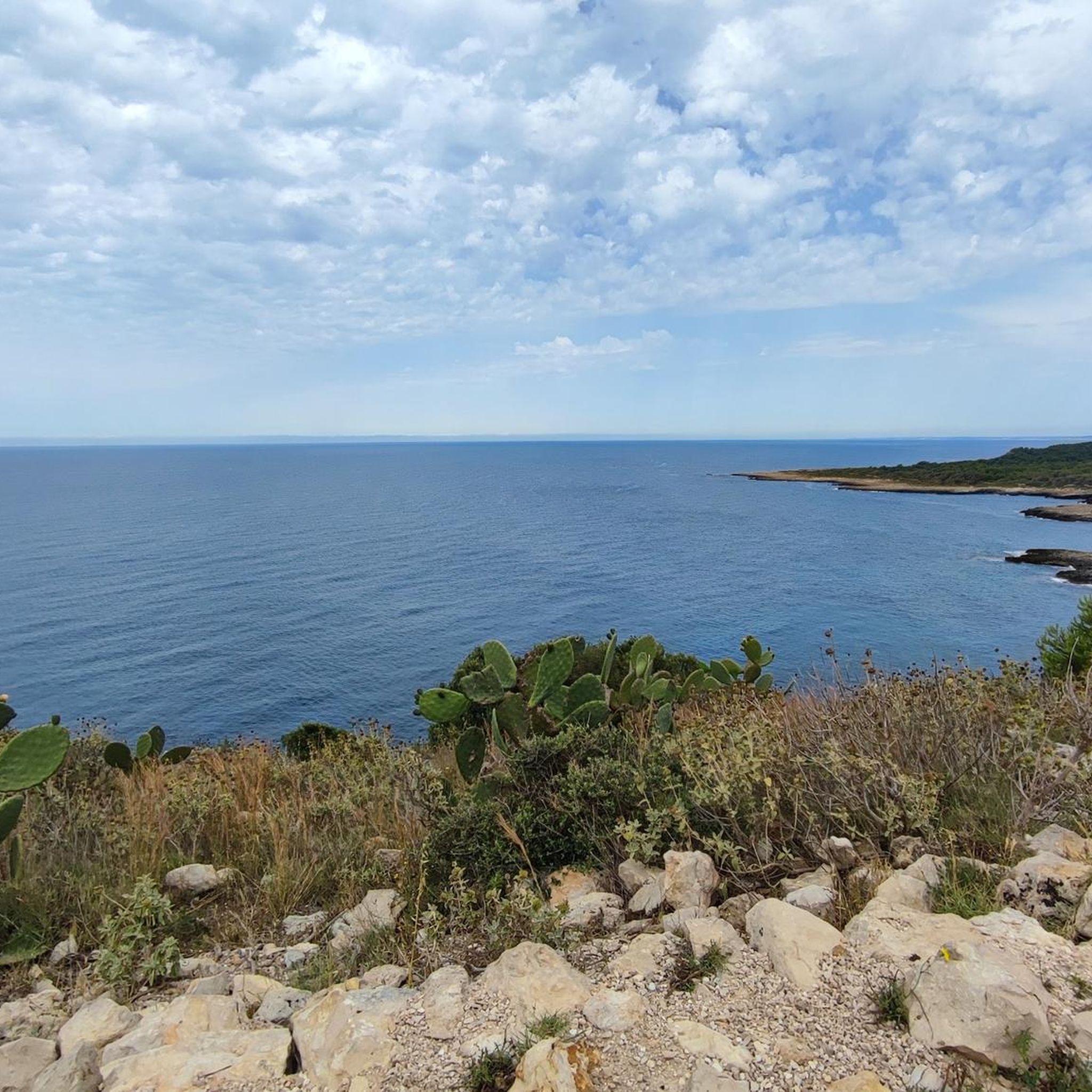
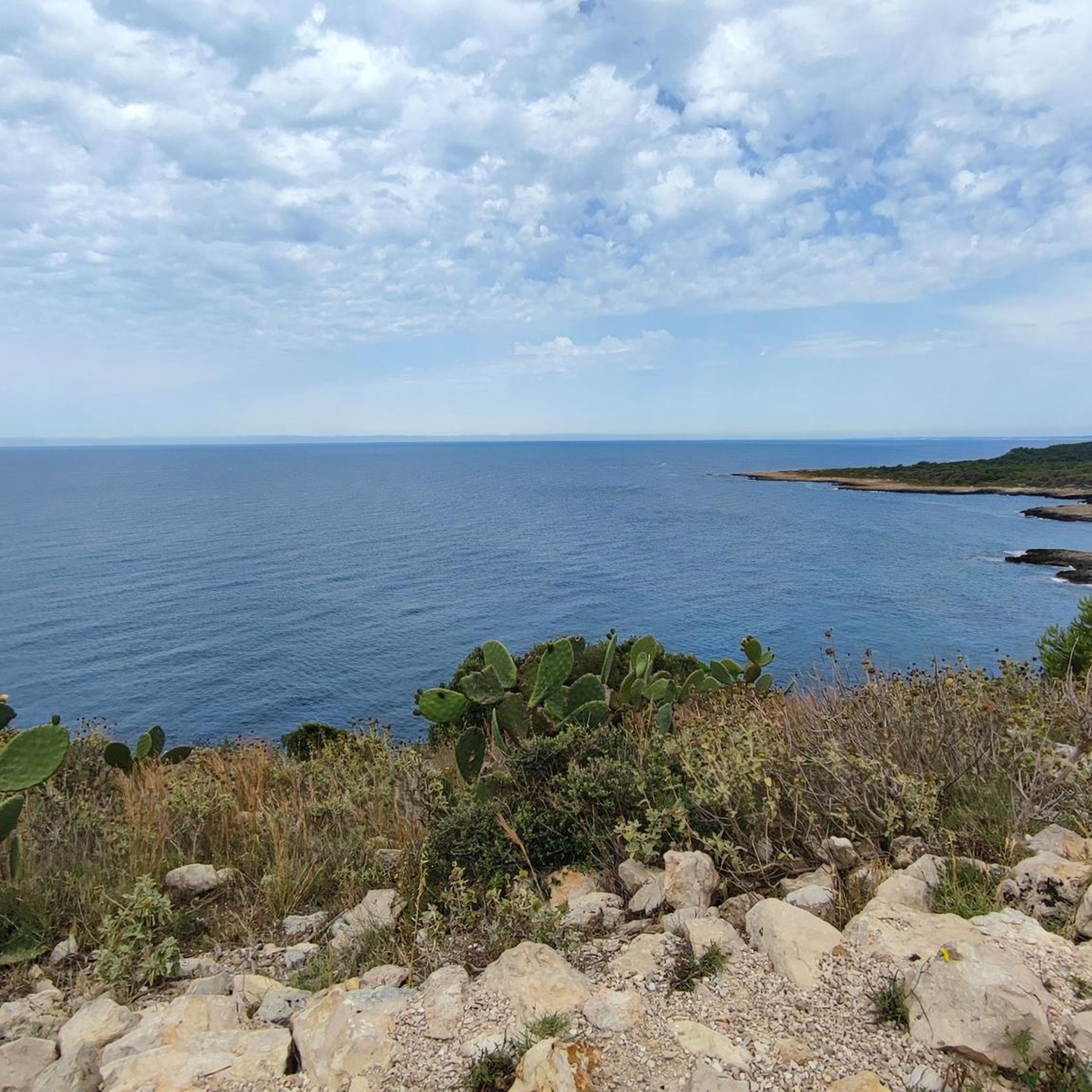
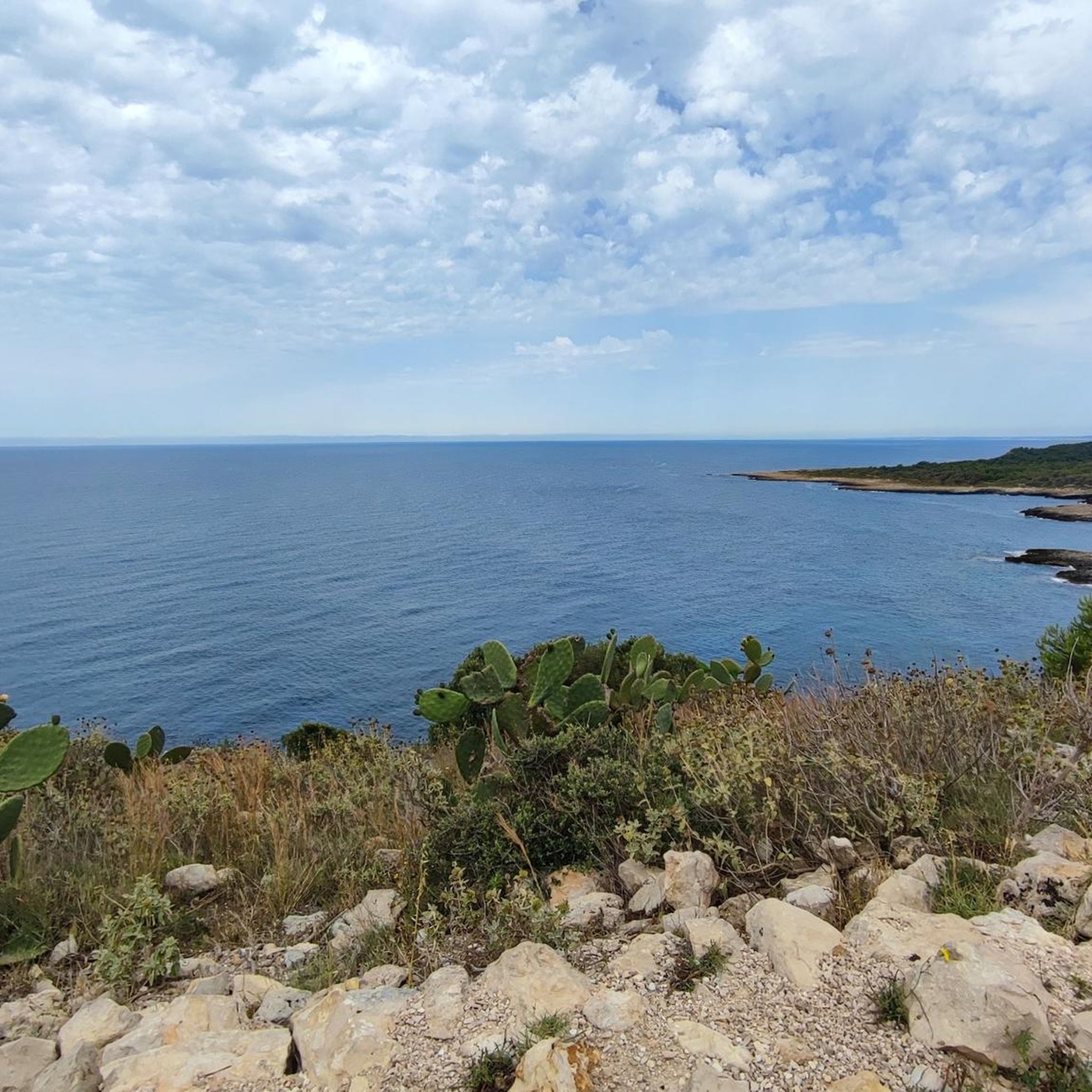
Best natural monuments around Manduria encompass a variety of natural landscapes, from coastal wetlands to river mouths and historical parks. This region in Puglia, Italy, features a mix of Mediterranean scrub, sand dunes, and preserved natural areas. The area is characterized by its proximity to the Ionian Sea and its rich historical context. Visitors can explore diverse natural attractions that showcase the local environment and its unique features.
Best natural monuments around Manduria
- The most popular natural monuments is Torre…
Last updated: August 7, 2026
Salina dei Monaci Nature Reserve
Highlight • Natural
Translated by Google •
Tip by

Chidro River Mouth
Highlight • River
Translated by Google •
Tip by

Sign up now to discover places like this
Get recommendations on the best single tracks, peaks, & plenty of other exciting outdoor places.
Sign up for free
Palude del Conte Beach
Highlight • Beach
Translated by Google •
Tip by

Torre Colimena Beach and Salt Flats
Highlight • Beach
Translated by Google •
Tip by

Parco Montalbano
Highlight • Natural Monument
Translated by Google •
Tip by

Sign up for free to discover even more natural monuments around Manduria.
Sign up for free
Already have an account?
Start today with a free account
Your next adventure awaits.
Login or Signup

Tips from the Community

In some parts the sand on the trail is quite thick: if you are travelling with a very heavy bike it might be better to push it.
0
0

The Salina dei monaci of Torre Colimena is a small earthly paradise located on the Ionian coast of Salento a few kilometers from Porto Cesareo
0
0

The area that is now a magnificent park, was originally a plot of land left uncultivated that was transformed in the first half of the 18th century by the Celestine Fathers, of the nearby convent, into a beautiful and suggestive garden sloping down into several terraces and used as a think tank and orchard. With the Kingdom of Italy, following the suppression of the religious orders (1866/1867), the place was purchased by the Salerno - Mele family who with great taste enriched it with several plants of exotic origin and numerous flower beds, organizing and arranging it partly as an Italian garden and partly as an English garden, thus creating a pleasant naturalistic path with panoramic views from which even today you can admire a magnificent landscape. A series of steps guides the visitor to an enchanting panoramic walk that connects two towers of the adjacent Norman - Swabian Castle: from the Torre del Salto to the Torre dello Sperone. The Salerno - Mele family later donated it to the Bishop of Oria. It remained abandoned for many years and in 1982 it was purchased by the Municipal Administration of Oria which brought it back to its original splendor.
1
0
Park from which you can admire the Federiciano Castle of Oria, with terraces and shady spaces where you can stay cool and perhaps read a good book
1
0

One of the many coastal towers in the area. Among the most beautiful and imposing.
1
0

Today we started the lovely walk through the dunes and had lunch in Torri Colimena, on the way back from the roundabout this route is absolutely no longer recommended, first along a road, then the land is plowed and then no good passable path can be found, we are over climbed stone walls and crossed a ditch over metal pipes to get back on the route and finally went straight through blackberry bushes and over a wall with difficulty and ended up back on the road, didn't try the last part anymore, seemed to be overgrown
1
1

The Salina dei Monaci is a nature reserve and protected area located in the province of Taranto near Torre Colimena.
1
0
Torre Colimena is part of a system of coastal towers wanted by the king of Spain, after the invasion of Otranto by the Turks in 1480.
2
0
Frequently Asked Questions
What kind of natural features can I expect to see around Manduria?
The Manduria region offers a diverse range of natural features. You can explore coastal wetlands, impressive sand dunes, Mediterranean scrub, and ancient woodlands. Highlights include the unique saltwater lake at Torre Colimena and Salina dei Monaci Nature Reserve, the serene Chidro River Mouth with its three lakes, and the rich biodiversity of Palude del Conte Beach.
Where can I go birdwatching, especially to see flamingos?
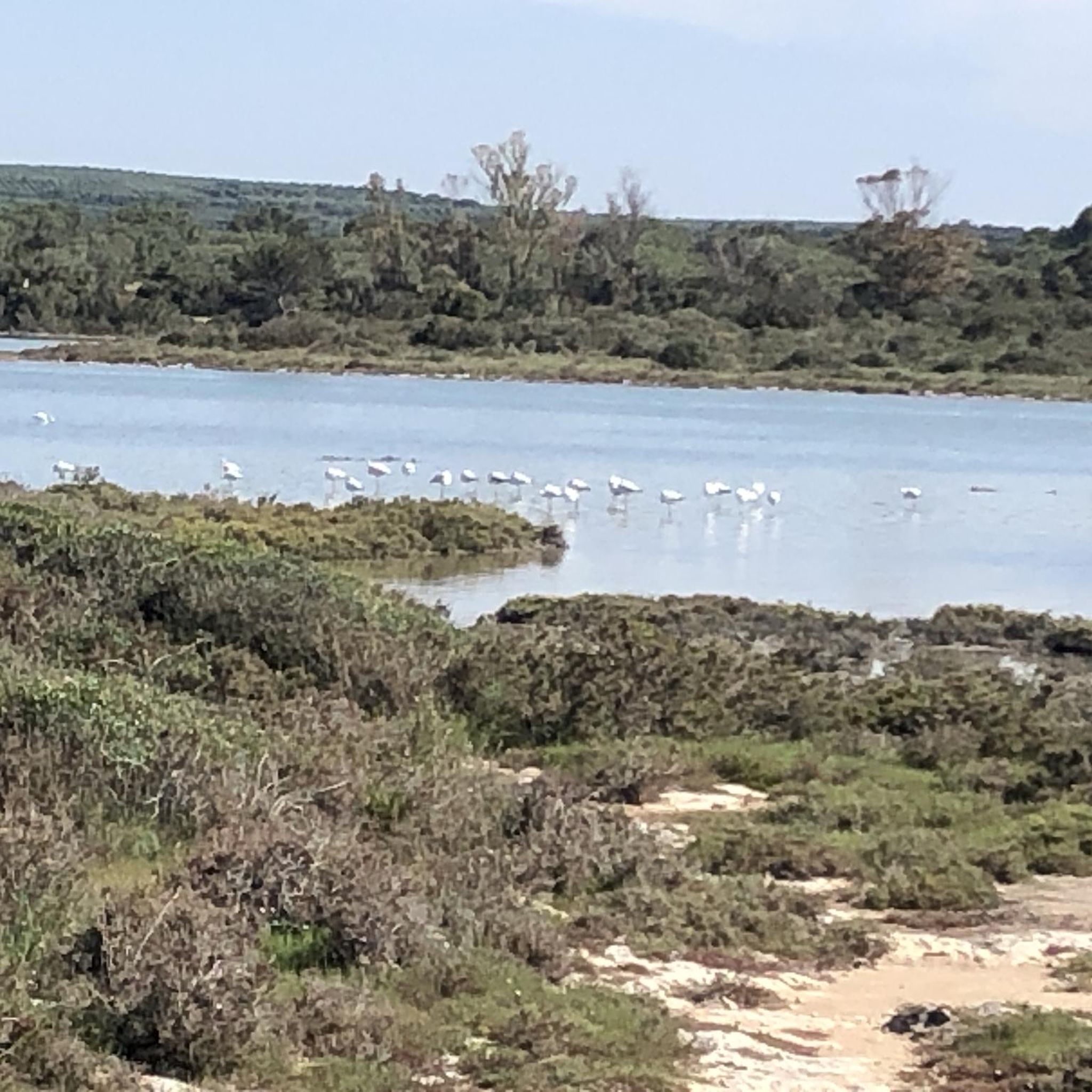
The best place for birdwatching, particularly to spot flamingos and other migratory birds, is the Torre Colimena and Salina dei Monaci Nature Reserve. This stunning nature reserve, characterized by its saltwater lake and sand dunes, is a paradise for bird enthusiasts, especially in spring.
Are there any ancient forests or woodlands to explore near Manduria?
Yes, the Bosco dei Cuturi is a well-preserved woodland area located about 6 km from Manduria. It features thriving holm oak trees, dense Mediterranean scrub, and open grassy clearings, offering a peaceful ambiance for leisurely strolls and outdoor exercise. It's part of the vast Oritana Forest remnants.
What is unique about the Fonte Pliniano?
The Fonte Pliniano is a historic natural spring known for its consistently stable water level, a phenomenon explained by the principle of communicating vessels. A unique feature is an almond tree that grows directly from the center of the well, as described by Pliny the Elder over 2,000 years ago. It's located adjacent to the Archaeological Park of the Messapian Walls.
Are there family-friendly natural monuments around Manduria?
Absolutely! Several natural monuments are great for families. The Chidro River Mouth and Palude del Conte Beach are both listed as family-friendly, offering beautiful scenery and shallow, crystalline waters. Parco Montalbano also provides shady spaces and panoramic views suitable for a family outing.
What outdoor activities can I do near these natural monuments?
The area around Manduria offers various outdoor activities. You can enjoy running along coastal paths, with routes like the 'Salina dei Monaci – Salina dei Monaci loop' near the nature reserve. Gravel biking is also popular, with routes such as the 'Salina dei Monaci – Monaci Salt Pan loop'. For road cycling, consider routes like the 'Chidro River Mouth – Captain's Marsh loop'. You can find more details on these activities in the running, gravel biking, and road cycling guides for Manduria.
Are there any natural monuments with historical significance?
Yes, many natural monuments in the region are intertwined with history. The Torre Colimena and Salina dei Monaci Nature Reserve features an ancient watchtower and was historically used for salt extraction by monks. The Bosco dei Cuturi contains Messapian tombs, and the Fonte Pliniano is a historic spring mentioned by Pliny the Elder, located next to Messapian walls. Parco Montalbano is a historic garden with views of the Federiciano Castle of Oria.
What do visitors enjoy most about the natural monuments in Manduria?
Visitors frequently praise the tranquility and unspoiled beauty of the area. Many appreciate the opportunity to see flamingos at Salina dei Monaci and enjoy the quiet, less crowded beaches. The clear, shallow waters of places like Palude del Conte Beach are also highly valued, especially by families. The blend of natural landscapes with historical elements adds another layer of enjoyment for many.
Is there parking available at the natural monuments?
While specific parking details vary, areas like Torre Colimena and Salina dei Monaci Nature Reserve typically have designated parking areas nearby, though it might require a short walk to reach the most pristine spots. For places like Bosco dei Cuturi and Fonte Pliniano, parking is generally available in proximity to their entrances or nearby towns.
What is the best time of year to visit the natural monuments around Manduria?
Spring (April-May) is ideal for birdwatching, especially to see flamingos at Salina dei Monaci, and for enjoying the lush Mediterranean flora. Early summer (June) and early autumn (September-October) offer pleasant temperatures for exploring and enjoying the beaches without the peak crowds of mid-summer.
Are there any natural monuments suitable for easy walks or beginner trails?
Yes, many of the natural monuments offer opportunities for easy walks. The boardwalk at Salina dei Monaci provides accessible exploration. The Bosco dei Cuturi is perfect for leisurely strolls, and the areas around Chidro River Mouth and Palude del Conte Beach are generally flat and easy to navigate, making them suitable for all ages and fitness levels.
Can I find cafes or accommodation near the natural monuments?
Yes, the natural monuments are often located near coastal towns or villages where you can find amenities. For instance, Torre Colimena and Salina dei Monaci Nature Reserve is close to the hamlet of Torre Colimena, which has fish restaurants and some accommodation options. San Pietro in Bevagna, near the Chidro River Mouth, also offers various services.
Most popular routes around Manduria
Most popular attractions around Manduria

Get inspired with the komoot mobile app


Explore more
Extend your search for the best caves by checking out these guides of the top ones around Manduria:
